



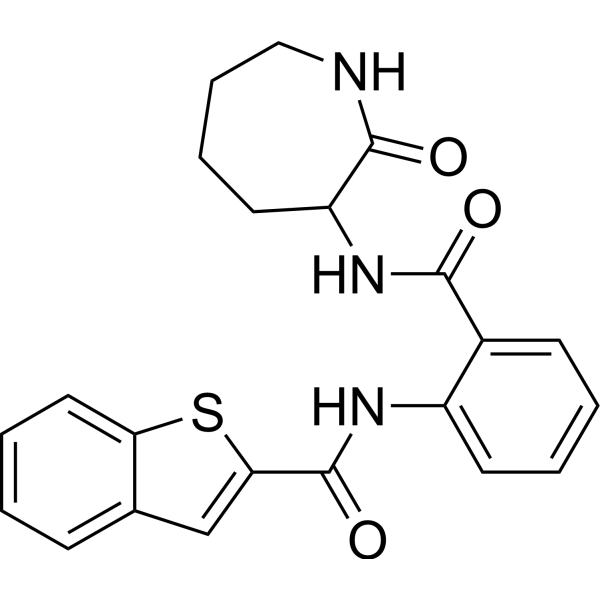
ANA-12
Based on 43 publication(s) in Google Scholar
ANA-12 is a brain-penetrant, selective TrkB antagonist with IC50 values of 45.6 nM and 41.1 μM, and Kd values of 10 nM and 12 μM, for high- and low-affinity sites, respectively. ANA-12 specifically inhibits BDNF-induced TrkB receptor activation and its downstream signaling cascades by directly and non-competitively binding to the TrkB receptor, without affecting the functions of TrkA and TrkC. ANA-12 is used in research concerning neuropsychiatric disorders (such as depression and anxiety), acute and chronic pain, neuroimmune inflammation, and the mechanisms of learning and memory.
For research use only. We do not sell to patients.
- Purity : 99.90%
- CAS No.: 219766-25-3
- Formula: C22H21N3O3S
- Molecular Weight:407.49
-
Storage:Powder -20°C, 3 years , 4°C, 2 years ; In solvent -80°C, 1 year , -20°C, 6 months

To place orders, for customer services and technical support, please contact: MedChemExpress USA
Tel: 609-228-6898 E-mail: [email protected] [email protected]


-
 Biological Activity
-
Chemical Information
-
Solvent & Solubility
- Protocols
- Purity & Documentation
- References
-
 Help & FAQs


-
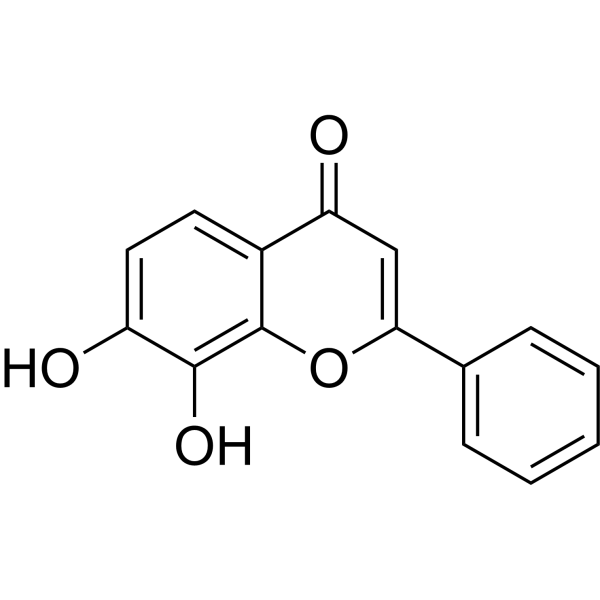
HY-W013372
7,8-Dihydroxyflavone -
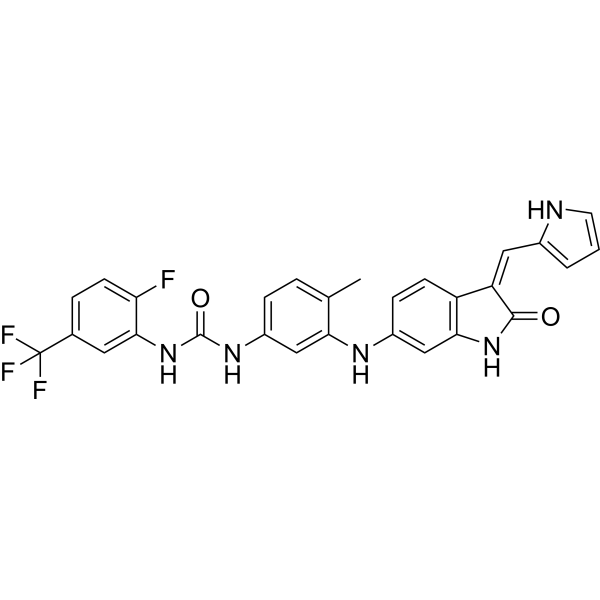
HY-13491
GNF-5837Trk Receptor Inhibitor -
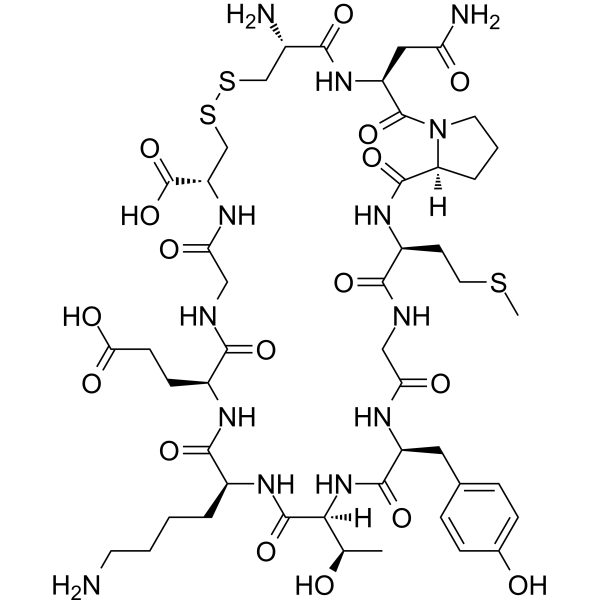
HY-P1178
Cyclotraxin BTrkB Inhibitor -
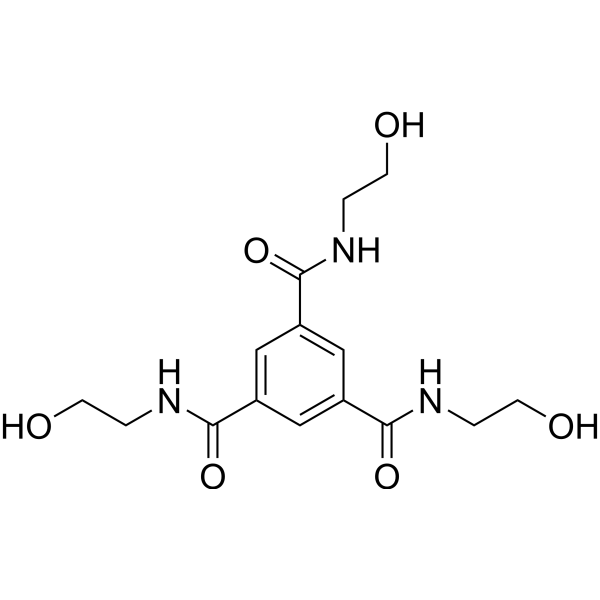
HY-100673
LM22A-4TrkB Agonist -
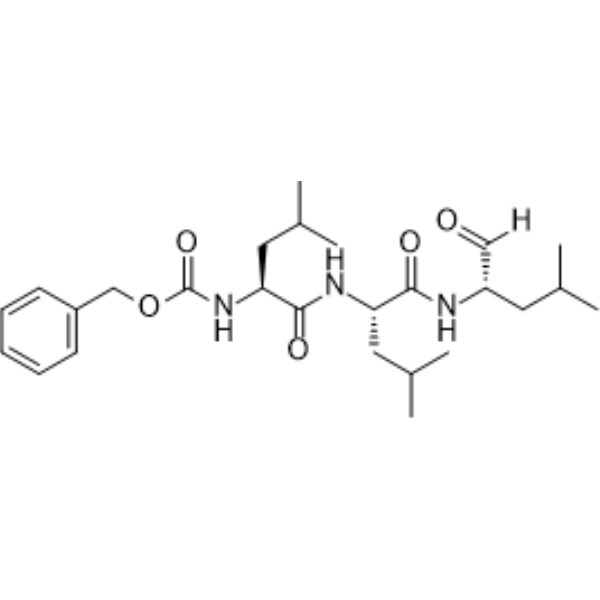
HY-13259
MG-132Proteasome Inhibitor -
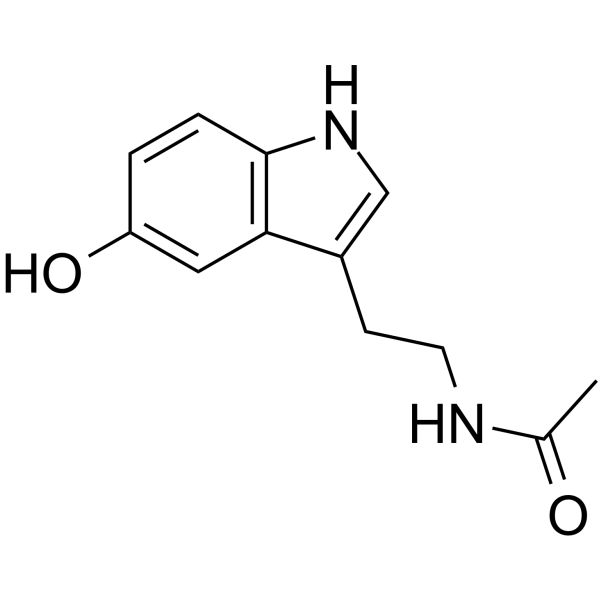
HY-107854
N-Acetyl-5-hydroxytryptamineMelatonin Precursor -
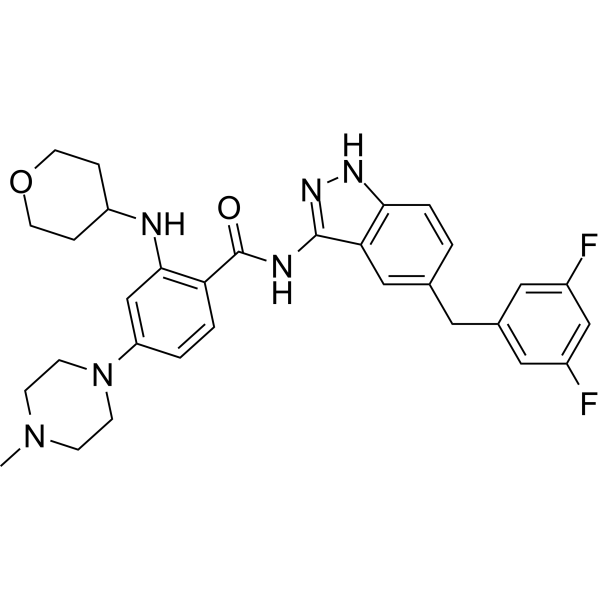
HY-12678
EntrectinibTrk/ROS1/ALK Inhibitor -
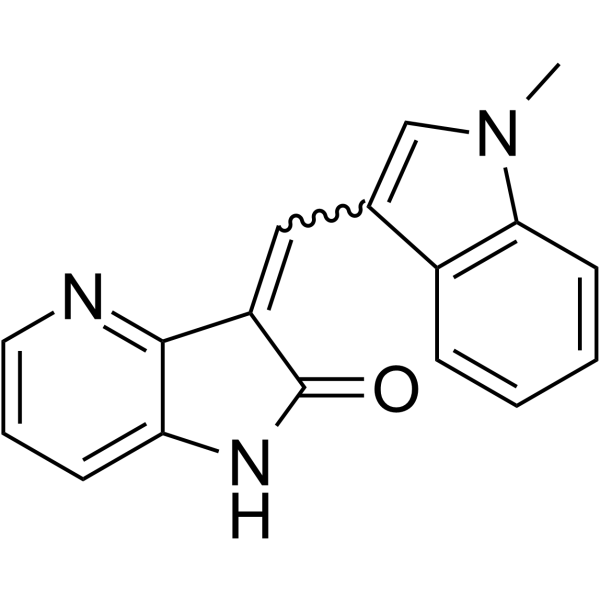
HY-18314
GW 441756TrkA Inhibitor -
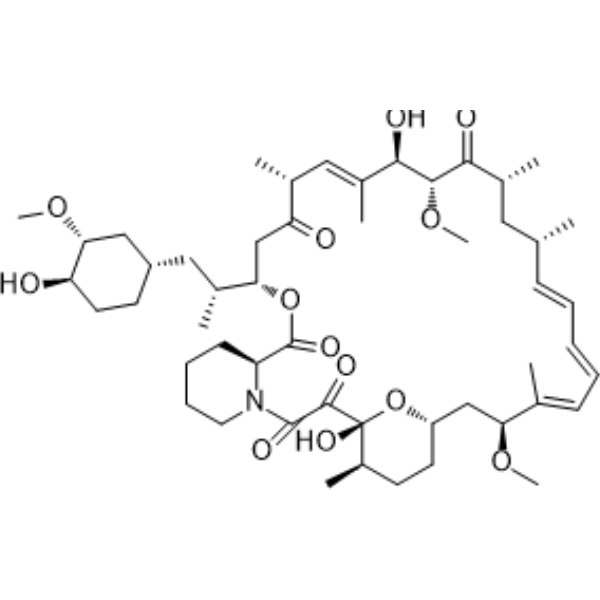
HY-10219
RapamycinmTOR Inhibitor -
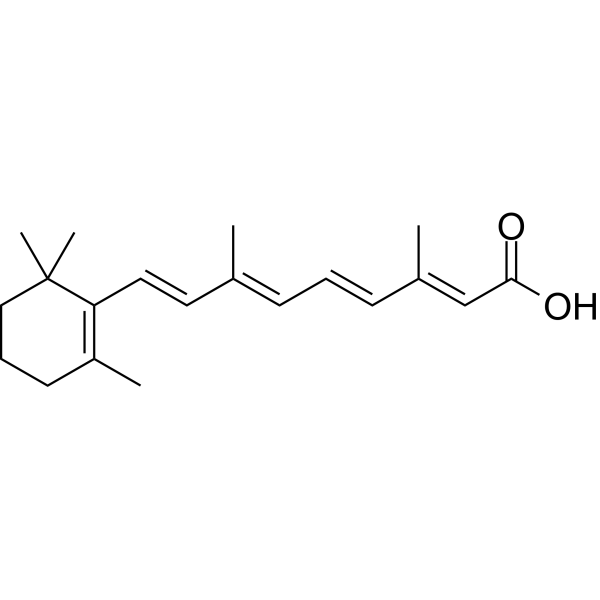
HY-14649
Retinoic acidRAR Agonist -
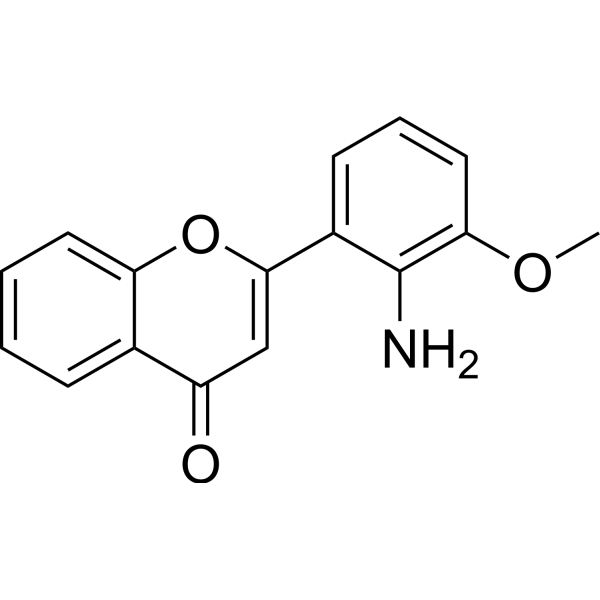
HY-12028
PD98059MEK Inhibitor -
HY-90006
5-FluorouracilThymidylate Synthase Inhibitor
Publications Citing Use of MedChemExpress (MCE) ANA-12
More- Cell Metab. 2022 Dec 6;34(12):1999-2017.e10. [Abstract]
- Nat Commun. 2023 Nov 16;14(1):7406. [Abstract]
- Adv Sci (Weinh). 2026 Mar 25:e21164. [Abstract]
- J Neuroinflammation. 2021 Aug 23;18(1):184. [Abstract]
- J Neuroinflammation. 2020 Jan 13;17(1):19. [Abstract]
- Phytomedicine. 2025 May:140:156567. [Abstract]
- Phytomedicine. 2024 Sep:132:155803. [Abstract]
- J Transl Med. 2025 Aug 14;23(1):915. [Abstract]
- Neural Regen Res. 2022 Jul;17(7):1545-1555. [Abstract]
- Phytother Res. 2024 Jun;38(6):2619-2640. [Abstract]
- Cell Prolif. 2025 Jan;58(1):e13732. [Abstract]
- Transl Psychiatry. 2023 May 24;13(1):173. [Abstract]
- Neurotherapeutics. 2026 Jul 11;23(4):e00964.
- Chin Med. 2026 Feb 3;21(1):62. [Abstract]
- PLoS Biol. 2025 Apr 1;23(4):e3003047. [Abstract]
- Neurosci Bull. 2023 Dec;39(12):1789-1806. [Abstract]
- CNS Neurosci Ther. 2026 Jul;32(7):e71026.
- Ecotoxicol Environ Saf. 2022 Dec 15:248:114307. [Abstract]
- Drug Des Devel Ther. 2021 Mar 30:15:1409-1422. [Abstract]
- Neurochem Int. 2026 Oct:199:106235.
- J Ovarian Res. 2023 Apr 27;16(1):83. [Abstract]
- Mol Med Rep. 2018 May;17(5):6211-6226. [Abstract]
- J Cell Mol Med. 2023 Dec;27(23):3928-3938. [Abstract]
- J Neurosci. 2026 Feb 3:e0958252026. [Abstract]
- Front Neurosci. 2021 May 6:15:646537. [Abstract]
- ACS Pharmacol Transl Sci. 2020 Sep 11;4(2):452-460. [Abstract]
- Eur Arch Psychiatry Clin Neurosci. 2020 Mar;270(2):195-205. [Abstract]
- Brain Sci. 2024 Mar 19;14(3):290. [Abstract]
- Neuroscience. 2025 Aug 20:584:250-263. [Abstract]
- Neuroscience. 2018 Sep 15:388:357-366. [Abstract]
- Exp Eye Res. 2026 May:266:110917. [Abstract]
- Tissue Cell. 2025 Oct:96:102972. [Abstract]
- Exp Eye Res. 2017 Sep:162:86-96. [Abstract]
- Behav Brain Res. 2025 Apr 27:484:115493. [Abstract]
- Biochem Biophys Res Commun. 2023 Jul 12:665:118-123. [Abstract]
- Sleep Breath. 2022 Mar;26(1):287-295. [Abstract]
- J Neurophysiol. 2024 Jan 1;131(1):64-74. [Abstract]
- Neurosci Lett. 2021 Apr 17:750:135773. [Abstract]
- Exp Ther Med. 2019 Mar;17(3):1688-1696. [Abstract]
- bioRxiv. 2026 Oct 1.
- Biomed Pharmacother. 2025 Nov:192:118602. [Abstract]
- Research Square Print. November 21st, 2022.
- Patent. US20200030309A1
 Customer Validation & Images

-
WB
-
IF
-
IF
-
WB
-
IF
All Caspase Isoforms
More

Biological Activity
Description
|
TrkB 45.6 nM (IC50) |
TrkB 41.1 μM (IC50) |
TrkB 10 nM (Kd) |
TrkB 12 μM (Kd) |
Caspase-1 |
NLRP3 |
In Vitro
ANA-12 (1 μM; 24 h) inhibits the inflammatory response, glial cell activation, and the expression of pro-inflammatory proteins in IL-1β-induced human glioma U251 cells[1].
ANA-12 exhibits dissociation constants (Kd) of 10 nM and 12 μM for the high- and low-affinity binding sites of TrkB, respectively, in a cell-free system[4].
ANA-12 (0.1 nM-100 μM; 20 min) inhibits BDNF-induced TrkB receptor autophosphorylation in TetOn-rhTrkB cells expressing human recombinant TrkB (IC50 values: 45.6 nM for the high-affinity site; 87.0 μM for the low-affinity site) and inhibits BDNF-induced TrkB receptor activation in primary mouse cortical neurons (IC50 values: 45.6 nM for the high-affinity site; 41.1 μM for the low-affinity site)[4].
ANA-12 (0.01 μM-100 μM; 3 days) dose-dependently blocks BDNF (1 nM) (HY-P7116)-induced neurite outgrowth in nnr5 PC12-TrkB cells stably transfected with TrkB, but does not exert this inhibitory effect in cells expressing TrkA or TrkC[4].
MedChemExpress (MCE) has not independently confirmed the accuracy of these methods. They are for reference only.
-
Cell Line:U251 cells
-
Concentration:1 μM
-
Incubation Time:24 h
-
Result:Decreased the signal intensities of BDNF, NLRP3, IL-1β, and GFAP.
-
Cell Line:U251 cells
-
Concentration:1 μM
-
Incubation Time:24 h
-
Result:Decreased the protein levels of GFAP, Iba-1, BDNF, pTrkB, pMAPK, NLRP3, caspase-1, NLRC4, and AIM2.
-
Cell Line:TetOn-rhTrkB cells, Cortical neurons
-
Concentration:0.1 nM, 1 nM, 10 nM, 100 nM, 1 μM, 10 μM, 100 μM
-
Incubation Time:20 min
-
Result:Completely blocked the TrkB autophosphorylation induced by BDNF.
Significantly reduced BDNF-induced TrkB receptor activity through a noncompetitive mechanism and exhibited high and low-affinity binding modes.
In Vivo
ANA-12 (0.5-1.0 mg/kg; i.p.; single dose; administered immediately or 6 hours after the memory reactivation phase) impairs memory reconsolidation in the novel object recognition (NOR) test using ICR mice[3].
ANA-12 (0.5 mg/kg; i.p.; single dose; tested 4 hours post-administration) exhibits significant anxiolytic and antidepressant effects in normal mice[4].
ANA-12 (0.5-2.0 mg/kg; i.p.; once daily for 7 days) demonstrates a favorable in vivo safety profile in normal mice[4].
ANA-12 (0.5 mg/kg; i.p.; single dose; administered 2 days after the final stress session) exhibits rapid antidepressant activity in a social defeat stress model using male C57BL/6 mice[5].
ANA-12 (0.5 mg/kg; i.p.; single dose; administered on day 8 post-injury) did not ameliorate the anhedonia-like phenotype induced by neuropathic pain in a spared nerve injury (SNI) rat model, but it significantly attenuated the SNI-induced abnormal elevation of BDNF-TrkB signaling in the nucleus accumbens (NAc)[7].
MedChemExpress (MCE) has not independently confirmed the accuracy of these methods. They are for reference only.
-
Animal Model:CIA mouse model was established by intradermal and subcutaneous injections of bovine type II collagen (CII) and CFA emulsion[1]
-
Dosage:0.5 mg/kg
-
Administration:i.p.; once daily; for 7 days
-
Result:Decreased the number of spontaneous flinches, and increased the mechanical and thermal paw withdrawal thresholds.
Reduced the fluorescence signals of activated astrocytes and microglia in the locus coeruleus (LC).
Decreased the fluorescence intensities of BDNF, pTrkB, pMAPK, and inflammasome-related proteins in the LC.
-
Animal Model:10-day heterotypic stress paradigm (alternating restraint and forced swim stress) in Wistar rats[2]
-
Dosage:0.25 μg
-
Administration:Intra-NAc shell infusion (0.5 μL); administered on days 1, 4, 7, and 10; 10 days.
-
Result:Increased the sociability ratio in stressed rats during the social interaction test.
Increased the time spent in the food-paired arm during the conditioned place preference test.
Prolonged the latency to re-enter the aversive arm in the Y-maze passive avoidance task.
-
Animal Model:Normal ICR mice underwent the novel object recognition (NOR) test without specific surgical/stress modeling[3]
-
Dosage:0.5 or 1.0 mg/kg
-
Administration:i.p.; single dose; injected immediately or 6 h after the reactivation phase
-
Result:Significantly decreased the discrimination index and impaired memory reconsolidation when injected at 1.0 mg/kg immediately after reactivation.
Showed no effect on memory performance when injected 6 h post-reactivation or without a reactivation phase.
-
Animal Model:Naive adult C57BL6/129SveV hybrid mice without special stress/surgical modeling[4]
-
Dosage:0.5 mg/kg
-
Administration:i.p.; single dose; 4 h
-
Result:Increased the number of entries and time spent in the open arms of the elevated plus maze.
Shortened the latency to feed in the novelty-suppressed feeding test.
Significantly decreased immobility time in the forced swimming and tail suspension tests.
-
Animal Model:Naive adult C57BL6/129SveV hybrid mice without special stress/surgical modeling[4]
-
Dosage:0.5, 1.0, 2.0 mg/kg
-
Administration:i.p.; once daily; for 7 days
-
Result:Did not induce neuronal apoptosis in the brain after 7 days of consecutive injections at low/mid doses.
-
Animal Model:Social defeat stress depression model established by 10-day exposure to CD1 aggressor mice[5]
-
Dosage:0.5 mg/kg
-
Administration:i.p.; single dose; treated/tested on day 12
-
Result:Significantly reduced immobility time in the tail suspension and forced swimming tests in depressed mice.
Improved sucrose preference 1 and 3 days post-dose, but the effect disappeared by day 7.
Did not reverse the stress-induced reduction of BDNF and PSD-95 protein.
-
Animal Model:Spared nerve injury (SNI) rat model established by ligating and cutting the common peroneal and tibial nerves while sparing the sural nerve[7]
-
Dosage:0.5 mg/kg
-
Administration:i.p.; single dose; treated on day 8 after nerve injury
-
Result:Failed to restore the decreased mechanical withdrawal threshold (MWT) and sucrose preference in anhedonia-susceptible SNI rats.
Failed to improve the reduced BDNF and p-TrkB levels in the mPFC.
Significantly attenuated the SNI-induced abnormal elevation of BDNF and p-TrkB levels in the nucleus accumbens (NAc).


Chemical Information
-
CAS No. 219766-25-3
-
Appearance Solid
-
Molecular Weight 407.49
-
Formula C22H21N3O3S
-
Color White to off-white
-
SMILES
O=C(C1=CC2=CC=CC=C2S1)NC3=CC=CC=C3C(NC4C(NCCCC4)=O)=O
-
Shipping
Room temperature in continental US; may vary elsewhere.
-
Storage
Powder -20°C 3 years 4°C 2 years In solvent -80°C 1 year -20°C 6 months


Publications (43)
-
Journal Impact Factor
-
Most Recent
-
Cell Metab
Cancer cells co-opt nociceptive nerves to thrive in nutrient-poor environments and upon nutrient-starvation therapies. [Abstract]2022 Dec 6;34(12):1999-2017.e10. PMID: 36395769 -
Nat Commun
Mesenchymal stromal cells alleviate depressive and anxiety-like behaviors via a lung vagal-to-brain axis in male mice. [Abstract]2023 Nov 16;14(1):7406. PMID: 37973914 -
Adv Sci (Weinh)
Hepatocyte BDNF Acts as a Novel Immune Checkpoint to Restrain TLR4-Mediated Acute Hepatitis. [Abstract]2026 Mar 25:e21164. PMID: 41881032 -
J Neuroinflammation
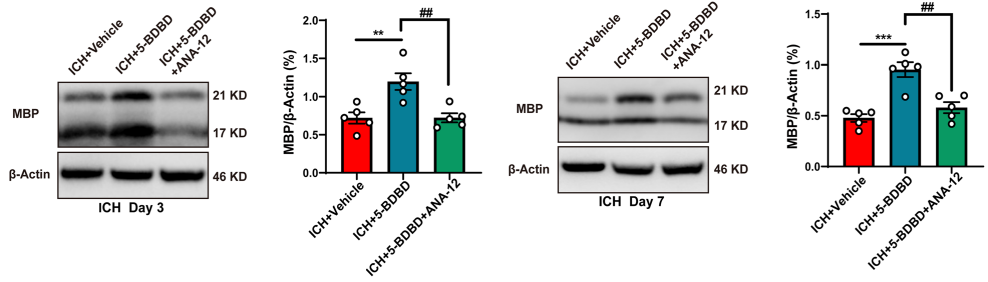
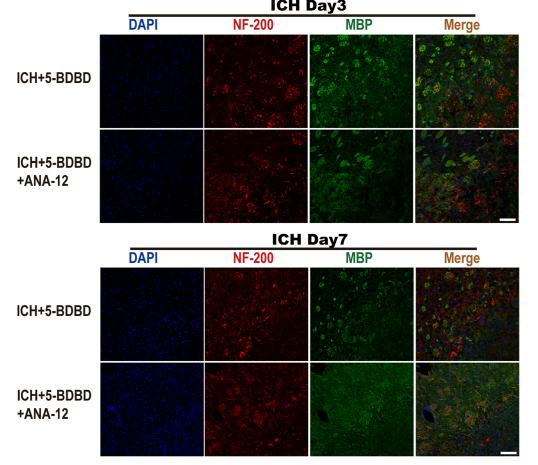
Inhibition of P2X4R attenuates white matter injury in mice after intracerebral hemorrhage by regulating microglial phenotypes. [Abstract]2021 Aug 23;18(1):184. PMID: 34425835
ANA-12 purchased from MedChemExpress. Usage Cited in: J Neuroinflammation. 2021 Aug 23;18(1):184. [Abstract]
ANA-12 (0.5 mg/kg/day, i.p., daily for 7 days, from 1 day before ICH) reversed the treatment effect of inhibition P2X4R on white matter injury after ICH.
ANA-12 purchased from MedChemExpress. Usage Cited in: J Neuroinflammation. 2021 Aug 23;18(1):184. [Abstract]
ANA-12 (0.5 mg/kg/day, i.p., daily for 7 days, from 1 day before ICH) reversed the treatment effect of inhibition P2X4R on white matter injury after ICH.
-
J Neuroinflammation
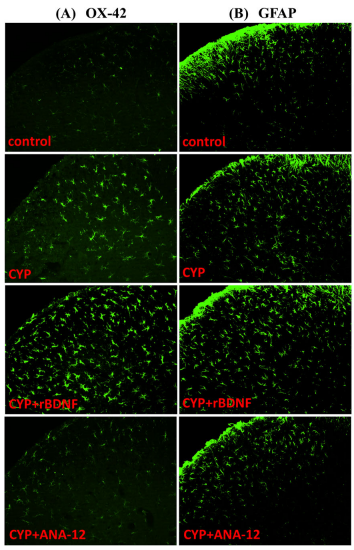
BDNF promotes activation of astrocytes and microglia contributing to neuroinflammation and mechanical allodynia in cyclophosphamide-induced cystitis. [Abstract]2020 Jan 13;17(1):19. PMID: 31931832
ANA-12 purchased from MedChemExpress. Usage Cited in: J Neuroinflammation. 2020 Jan 13;17(1):19. [Abstract]
ANA-12 (0.5 mg/kg, i.p., every other day after CYP injection, from day 3 to day 9) restrained activation of astrocytes and microglia induced by CYP.
-
Phytomedicine
Xiaochaihutang ameliorates depression-like behaviors induced via chronic social defeat stress by regulating exon-specific Bdnf transcription through H3K18 acetylation in the hippocampus of mice. [Abstract]2025 May:140:156567. PMID: 40068295 -
Phytomedicine
Astragaloside IV mediates radiation-induced neuronal damage through activation of BDNF-TrkB signaling. [Abstract]2024 Sep:132:155803. PMID: 38876008 -
J Transl Med
Tumor microenvironment-preserving gliosarcoma organoids as an in vitro preclinical platform: a comparative analysis with glioblastoma models. [Abstract]2025 Aug 14;23(1):915. PMID: 40813987 -
Neural Regen Res
Electroacupuncture treatment improves motor function and neurological outcomes after cerebral ischemia/reperfusion injury. [Abstract]2022 Jul;17(7):1545-1555. PMID: 34916440 -
Phytother Res
Salidroside directly activates HSC70, revealing a new role for HSC70 in BDNF signalling and neurogenesis after cerebral ischemia. [Abstract]2024 Jun;38(6):2619-2640. PMID: 38488455 -
Cell Prolif
Flavonoid chrysin activates both TrkB and FGFR1 receptors while upregulates their endogenous ligands such as brain derived neurotrophic factor to promote human neurogenesis. [Abstract]2025 Jan;58(1):e13732. PMID: 39331585 -
Transl Psychiatry
The causal involvement of the BDNF-TrkB pathway in dentate gyrus in early-life stress-induced cognitive deficits in male mice. [Abstract]2023 May 24;13(1):173. PMID: 37225683 -
-
Chin Med
Electroacupuncture promotes BDNF-dependent neurogenesis via microglial reprogramming in a chronic stress model. [Abstract]2026 Feb 3;21(1):62. PMID: 41634791 -
PLoS Biol
Mdga2 deficiency leads to an aberrant activation of BDNF/TrkB signaling that underlies autism-relevant synaptic and behavioral changes in mice. [Abstract]2025 Apr 1;23(4):e3003047. PMID: 40168357 -
Neurosci Bull
Peripheral BDNF Regulates Somatosensory-Sympathetic Coupling in Brachial Plexus Avulsion-Induced Neuropathic Pain. [Abstract]2023 Dec;39(12):1789-1806. PMID: 37335428 -
-
Ecotoxicol Environ Saf
Amelioration of cholesterol sulfate for lead-induced CTX cell apoptosis based on BDNF signaling pathway mediated cholesterol metabolism. [Abstract]2022 Dec 15:248:114307. PMID: 36423370 -
Drug Des Devel Ther
Edaravone Alleviated Propofol-Induced Neurotoxicity in Developing Hippocampus by mBDNF/TrkB/PI3K Pathway. [Abstract]2021 Mar 30:15:1409-1422. PMID: 33833500 -
-
J Ovarian Res
BDNF promotes mouse follicular development and reverses ovarian aging by promoting cell proliferation. [Abstract]2023 Apr 27;16(1):83. PMID: 37106468 -
Mol Med Rep
Identification of genes and pathways associated with MDR in MCF-7/MDR breast cancer cells by RNA-seq analysis. [Abstract]2018 May;17(5):6211-6226. PMID: 29512753 -
J Cell Mol Med
Engeletin alleviates depression-like phenotype by increasing synaptic plasticity via the BDNF-TrkB-mTORC1 signalling pathway. [Abstract]2023 Dec;27(23):3928-3938. PMID: 37799103 -
J Neurosci
A Time-Sensitive Plasticity Distinguishes the Rapid and Sustained Synaptic Actions of Ketamine from Its (2 R,6 R)-Hydroxynorketamine Metabolite. [Abstract]2026 Feb 3:e0958252026. PMID: 41633835 -
Front Neurosci
Tetramethylpyrazine Alleviates Behavioral and Psychological Symptoms of Dementia Through Facilitating Hippocampal Synaptic Plasticity in Rats With Chronic Cerebral Hypoperfusion. [Abstract]2021 May 6:15:646537. PMID: 34025340 -
ACS Pharmacol Transl Sci
2020 Sep 11;4(2):452-460. PMID: 33860174 -
Eur Arch Psychiatry Clin Neurosci
Brain-derived neurotrophic factor-TrkB signaling in the medial prefrontal cortex plays a role in the anhedonia-like phenotype after spared nerve injury. [Abstract]2020 Mar;270(2):195-205. PMID: 29882089 -
Brain Sci
The α-7 Nicotinic Receptor Positive Allosteric Modulator Alleviates Lipopolysaccharide Induced Depressive-like Behavior by Regulating Microglial Function, Trophic Factor, and Chloride Transporters in Mice. [Abstract]2024 Mar 19;14(3):290. PMID: 38539677 -
Neuroscience
Brain-derived neurotrophic factor in the ventrolateral orbital cortex regulates spared nerve injury-induced neuropathic pain and related emotional disorders in mice. [Abstract]2025 Aug 20:584:250-263. PMID: 40846211 -
Neuroscience
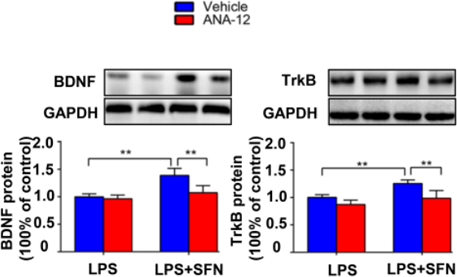
Sulforaphane Alleviates Lipopolysaccharide-induced Spatial Learning and Memory Dysfunction in Mice: The Role of BDNF-mTOR Signaling Pathway. [Abstract]2018 Sep 15:388:357-366. PMID: 30086367
ANA-12 purchased from MedChemExpress. Usage Cited in: Neuroscience. 2018 Sep 15:388:357-366. [Abstract]
Effects of ANA-12 on inflammatory cytokines, synaptic proteins, BDNF-TrkB signaling pathways in mice treated with Sulforaphane (SFN) plus Lipopolysaccharide (LPS).
-
Exp Eye Res
Neurotrophin-4 as a promising therapy for corneal injuries: Enhancing epithelial repair and nerve regeneration in abrasion and alkali burn models. [Abstract]2026 May:266:110917. PMID: 41679583 -
Tissue Cell
BDNF alleviates senescence and enhances osteogenic differentiation in bone marrow mesenchymal stem cells via the TrkB/PI3K/AKT pathway. [Abstract]2025 Oct:96:102972. PMID: 40367890 -
Exp Eye Res
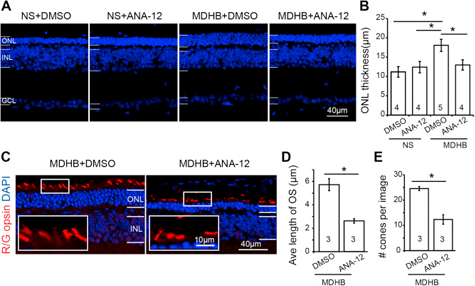
Neuroprotective effects of methyl 3,4 dihydroxybenzoate in a mouse model of retinitis pigmentosa. [Abstract]2017 Sep:162:86-96. PMID: 28709891
ANA-12 purchased from MedChemExpress. Usage Cited in: Exp Eye Res. 2017 Sep:162:86-96. [Abstract]
Blocking the BDNF pathway with ANA-12 prevents the protective effect of MDHB.
-
Behav Brain Res
Sigma-1 receptor agonist PRE-084 increases BDNF by activating the ERK/CREB pathway to rescue learning and memory impairment caused by type II diabetes. [Abstract]2025 Apr 27:484:115493. PMID: 39986614 -
Biochem Biophys Res Commun
2023 Jul 12:665:118-123. PMID: 37156049 -
Sleep Breath
7,8-Dihydroxyflavone protects retinal ganglion cells against chronic intermittent hypoxia-induced oxidative stress damage via activation of the BDNF/TrkB signaling pathway. [Abstract]2022 Mar;26(1):287-295. PMID: 33993395 -
J Neurophysiol
cAMP-dependent protein kinase signaling is required for ( 2R,6R)-hydroxynorketamine to potentiate hippocampal glutamatergic transmission. [Abstract]2024 Jan 1;131(1):64-74. PMID: 38050689 -
Neurosci Lett
P2X4 receptor in the dorsal horn contributes to BDNF/TrkB and AMPA receptor activation in the pathogenesis of remifentanil-induced postoperative hyperalgesia in rats. [Abstract]2021 Apr 17:750:135773. PMID: 33639220 -
Exp Ther Med
The activation of BDNF reduced inflammation in a spinal cord injury model by TrkB/p38 MAPK signaling. [Abstract]2019 Mar;17(3):1688-1696. PMID: 30783437 -
-
Biomed Pharmacother
Protective effects of 2,3,5,4'-tetrahydroxystilbene-2-O-β-D-glucoside against cadmium toxicity involve BDNF/TrkB and PI3K/Akt signaling pathways. [Abstract]2025 Nov:192:118602. PMID: 41135432 -
-


Solvent & Solubility
In Vitro:
DMSO : 7.69 mg/mL (18.87 mM; ultrasonic and warming and heat to 60°C; Hygroscopic DMSO has a significant impact on the solubility of product, please use newly opened DMSO)
Please refer to the solubility information to select the appropriate solvent. Once prepared, please aliquot and store the solution to prevent product inactivation from repeated freeze-thaw cycles.
Storage method and period of stock solution: -80°C, 1 year; -20°C, 6 months. When stored at -80°C, please use it within 1 year. When stored at -20°C, please use it within 6 months.
Please refer to the solubility information to select the appropriate solvent. Once prepared, please aliquot and store the solution to prevent product inactivation from repeated freeze-thaw cycles.
Storage method and period of stock solution: -80°C, 1 year; -20°C, 6 months. When stored at -80°C, please use it within 1 year. When stored at -20°C, please use it within 6 months.
Concentration (start) × Volume (start) = Concentration (final) × Volume (final)
In Vivo:
Select the appropriate dissolution method based on your experimental animal and administration route.
- For the following dissolution methods, please ensure to first prepare a clear stock solution using an In Vitro approach and then sequentially add co-solvents:
- To ensure reliable experimental results, the clarified stock solution can be appropriately stored based on storage conditions. As for the working solution for In Vivo experiments, it is recommended to prepare freshly and use it on the same day.
- The percentages shown for the solvents indicate their volumetric ratio in the final prepared solution. If precipitation or phase separation occurs during preparation, heat and/or sonication can be used to aid dissolution.
Add each solvent one by one: 10% DMSO 40% PEG300 5% Tween-80 45% Saline
Solubility: 1.43 mg/mL (3.51 mM); Suspended solution; Need ultrasonic
This protocol yields a suspended solution of 1.43 mg/mL. Suspended solution can be used for oral and intraperitoneal injection.
Taking 1 mL working solution as an example, add 100 μL DMSO stock solution (14.3 mg/mL) to 400 μL PEG300, and mix evenly; then add 50 μL Tween-80 and mix evenly; then add 450 μL Saline to adjust the volume to 1 mL.
Preparation of Saline: Dissolve 0.9 g sodium chloride in ddH₂O and dilute to 100 mL to obtain a clear Saline solution.
For the following dissolution methods, please prepare the working solution directly:
It is recommended to prepare fresh solutions and use them promptly within a short period of time.
The percentages shown for the solvents indicate their volumetric ratio in the final prepared solution. If precipitation or phase separation occurs during preparation, heat and/or sonication can be used to aid dissolution.
Add each solvent one by one: 50% PEG300 50% Saline
Solubility: 2 mg/mL (4.91 mM); Suspended solution; Need ultrasonic
In Vivo Dissolution Calculator
Please enter the basic information of animal experiments:
-
-
-
-
Recommended: Prepare an additional quantity of animals to account for potential losses during experiments.
Please enter your animal formula composition:
-
%DMSO +
Recommended: Keep the proportion of DMSO in working solution below 2% if your animal is weak.
-
%+
-
+%Tween-80 + +
-
%Saline +
The co-solvents required include: DMSO, . All of co-solvents are available by MedChemExpress (MCE). , Tween 80. All of co-solvents are available by MedChemExpress (MCE).
Working solution concentration: 0.22 mg/mL
Method for preparing stock solution: mg drug dissolved in μL DMSO. Stock solution concentration: mg/mL.
1. Take μL DMSO stock solution;
2. Add μL .
μL , mix evenly;
3. Then add μL Tween 80, mix evenly;
4. Then add μL
Please ensure that the stock solution in the first step is dissolved to a clear state, and add co-solvents in sequence. You can use ultrasonic heating (ultrasonic cleaner, recommended frequency 20-40 kHz), vortexing, etc. to assist dissolution.


Purity & Documentation
-
Data Sheet (297 KB)
-
SDS (396 KB)
- English - EN (396 KB)
- Français - FR (396 KB)
- Deutsch - DE (396 KB)
- Norwegian - NO (396 KB)
- Español - ES (396 KB)
- Swedish - SV (396 KB)
- Italian - IT (396 KB)
- Korean - KR (396 KB)
- Portuguese - PT (396 KB)
-
Handling Instructions (2659 KB)
References
[1]. Yuan M, et al. ANA-12 Targets and Inhibits BDNF/TrkB Signaling to Alleviate Pain Behaviors in Rheumatoid Arthritis Mice. Neurochem Res. 2025 Jul 17;50(4):234. [Content Brief]
[2]. Azogu I, et al. Inhibition of TrkB at the nucleus accumbens, using ANA-12, regulates basal and stress-induced orexin A expression within the mesolimbic system and affects anxiety, sociability and motivation. Neuropharmacology. 2017 Oct;125:129-145. [Content Brief]
[3]. Tan P, et al. TrkB receptor antagonist ANA-12 impairs memory reconsolidation in novel object recognition task via regulation of hippocampal transcriptome. Neurobiol Learn Mem. 2026 Mar;224:108141. [Content Brief]
[4]. Cazorla M, et al. Identification of a low-molecular weight TrkB antagonist with anxiolytic and antidepressant activity in mice. J Clin Invest. 2011 May;121(5):1846-57. [Content Brief]
[5]. Zhang JC, et al. Comparison of ketamine, 7,8-dihydroxyflavone, and ANA-12 antidepressant effects in the social defeat stress model of depression. Psychopharmacology (Berl). 2015 Dec;232(23):4325-35. [Content Brief]
[6]. Vassoler FM, et al. Epigenetic inheritance of a cocaine-resistance phenotype. Nat Neurosci. 2013 Jan;16(1):42-7. [Content Brief]
[7]. Fang X, et al. Brain-derived neurotrophic factor-TrkB signaling in the medial prefrontal cortex plays a role in the anhedonia-like phenotype after spared nerve injury. Eur Arch Psychiatry Clin Neurosci. 2020 Mar;270(2):195-205. [Content Brief]


Complete Stock Solution Preparation Table
Please refer to the solubility information to select the appropriate solvent. Once prepared, please aliquot and store the solution to prevent product inactivation from repeated freeze-thaw cycles.
Storage method and period of stock solution: -80°C, 1 year; -20°C, 6 months. When stored at -80°C, please use it within 1 year. When stored at -20°C, please use it within 6 months.
| Optional Solvent | Concentration Solvent Mass | 1 mg | 5 mg | 10 mg | 25 mg |
|---|---|---|---|---|---|
| DMSO | 1 mM | 2.4540 mL | 12.2702 mL | 24.5405 mL | 61.3512 mL |
| 5 mM | 0.4908 mL | 2.4540 mL | 4.9081 mL | 12.2702 mL | |
| 10 mM | 0.2454 mL | 1.2270 mL | 2.4540 mL | 6.1351 mL | |
| 15 mM | 0.1636 mL | 0.8180 mL | 1.6360 mL | 4.0901 mL |


ANA-12 Related Classifications
HY-12497 Related Classifications
 Powered by Bioz