



B220

Based on 1 Customer Validation
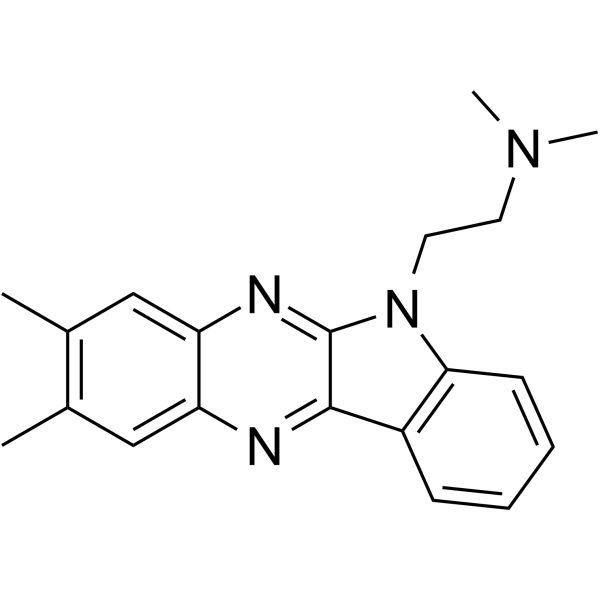
B220 is an antiviral agent which can inhibit the growth of HSV-1, HSV-2 and human cytomegalovirus (CMV).
For research use only. We do not sell to patients.
- Purity : 99.0%
- CAS No.: 112228-65-6
- Formula: C20H22N4
- Molecular Weight:318.42
-
Storage:Powder -20°C, 3 years , 4°C, 2 years ; In solvent -80°C, 6 months , -20°C, 1 month

To place orders, for customer services and technical support, please contact: MedChemExpress USA
Tel: 609-228-6898 E-mail: [email protected] [email protected]


-
 Biological Activity
-
Chemical Information
- Protocols
- Purity & Documentation
- References
-
 Help & FAQs


-
HY-16721
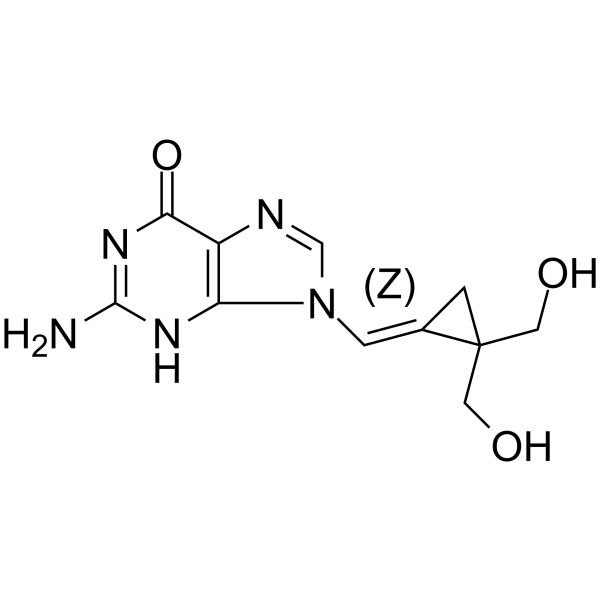
CyclopropavirAnti-herpesvirus Agent -
HY-145010
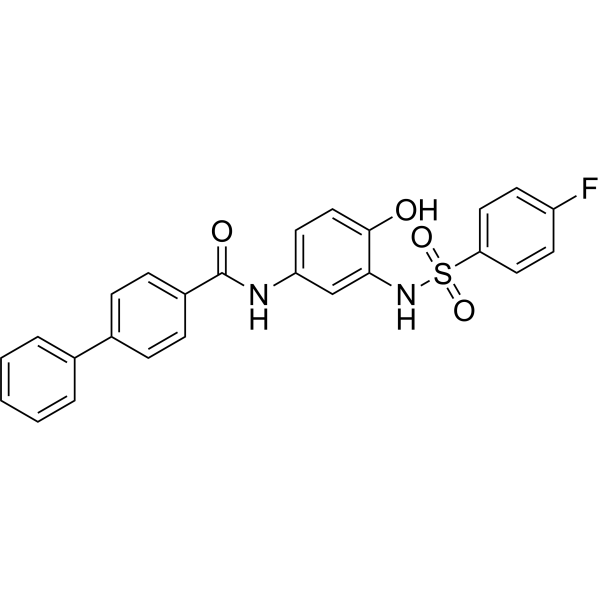
SN-011STING Inhibitor -
HY-U00124B
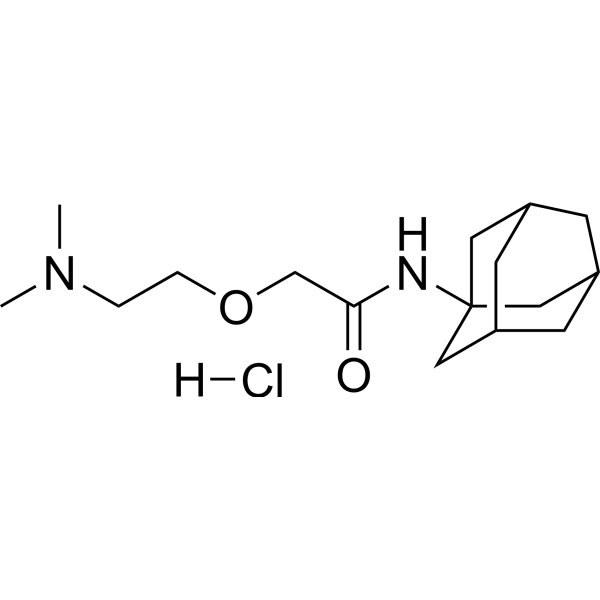
Tromantadine hydrochlorideHSV Replication Inhibitor -
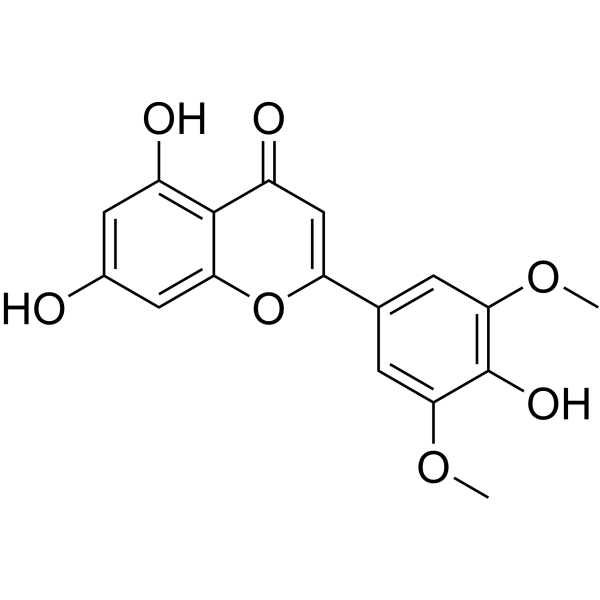
HY-N1127
TricinCMV Inhibitor -
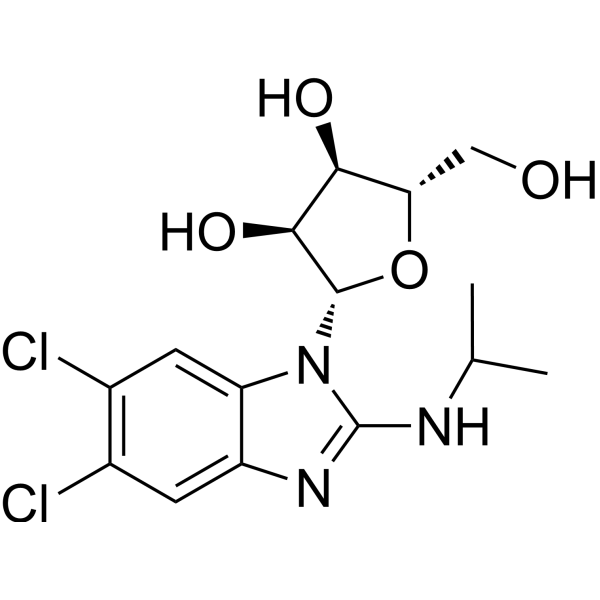
HY-16305
MaribavirAnti-CMV Agent -
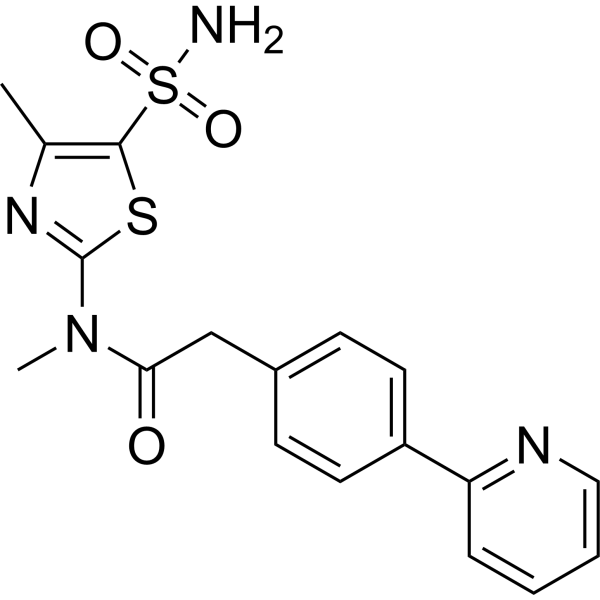
HY-15303
PritelivirHSV Inhibitor -
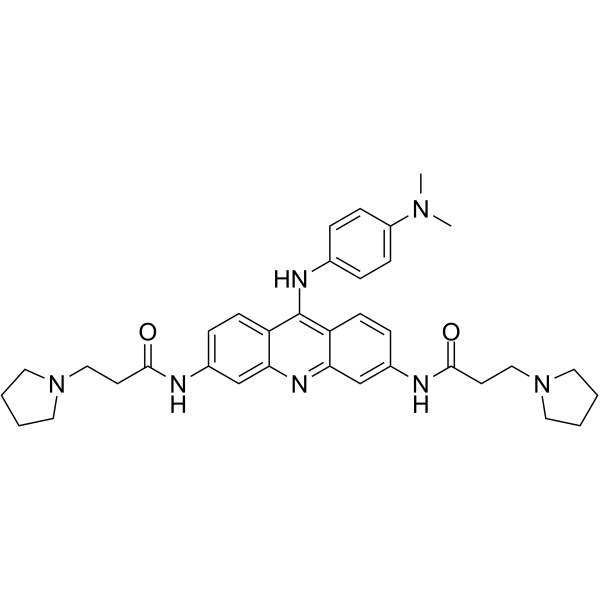
HY-15523
Braco-19Telomerase Inhibitor -
HY-109528
Fomivirsen sodiumCMV Inhibitor -
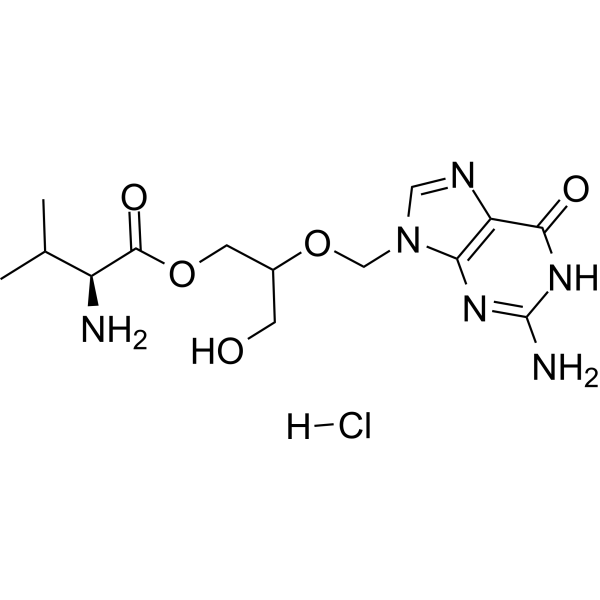
HY-A0032A
Valganciclovir hydrochlorideAntiviral Agent -
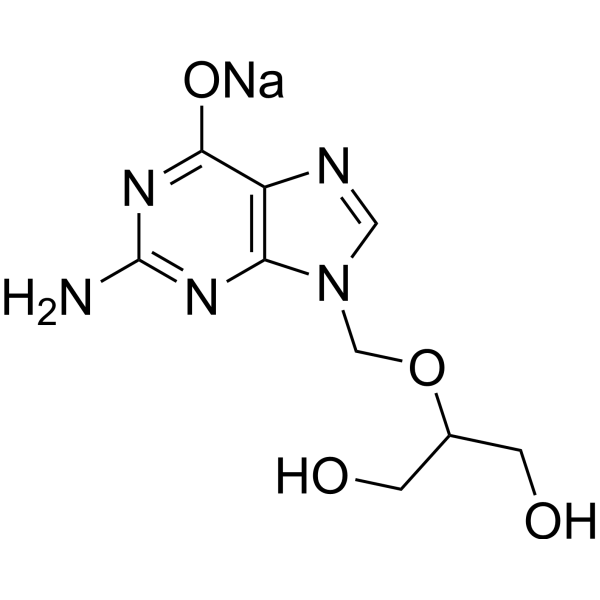
HY-13637A
Ganciclovir sodiumAntiviral Agent -
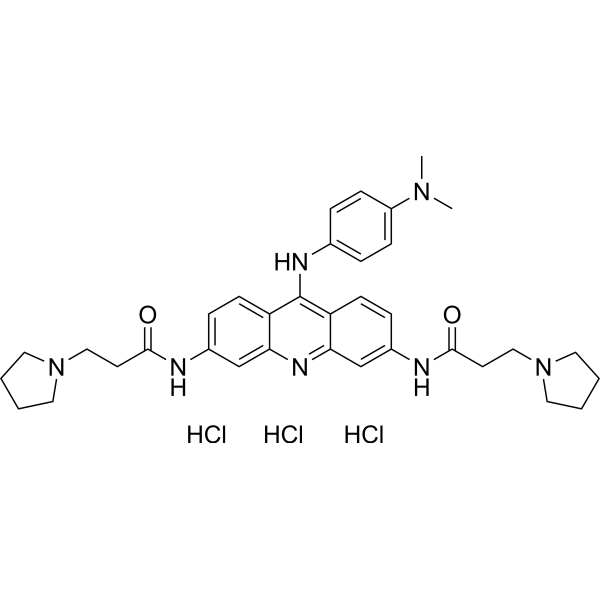
HY-15523A
Braco-19 trihydrochlorideTelomerase Inhibitor -
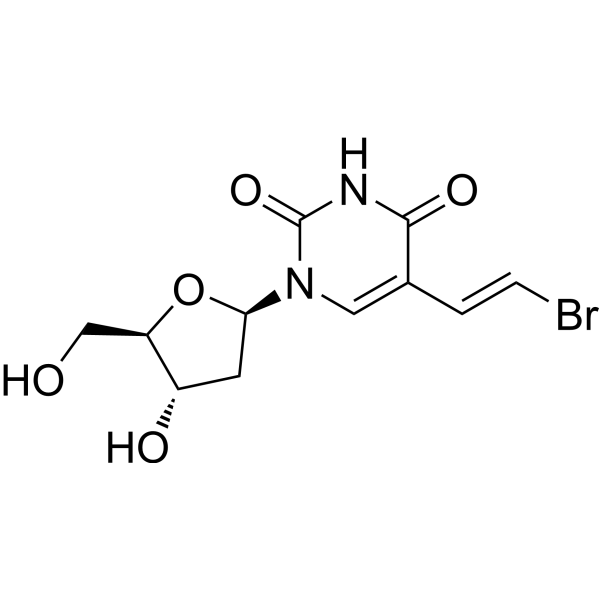
HY-13578
BrivudineCMV Inhibitor


Biological Activity
Description
IC50 & Target
|
HSV-1 |
HSV-2 |
In Vitro
B220 is an antiviral agent which can inhibit the growth of HSV-1, HSV-2 and human cytomegalovirus (CMV)[1]. B220 inhibits neutrophil release of reactive oxygen species, as well as intracellular generation of reactive oxygen species. The inhibition is not achieved through direct oxygen radical scavenger activity of B220, and B220 has no immediate effects on the activity of the assembled oxidase. The neutrophil capability to phagocytose fluorescein-labeled opsonized yeast cells is reduced by B220. Cells preincubated with B220 (10 µg/mL) and then stimulated with the formylated peptide fMLP mobilize fewer C3 receptors on their surface than the control cells[2].
MedChemExpress (MCE) has not independently confirmed the accuracy of these methods. They are for reference only. Further protocols information, click here.


Chemical Information
-
CAS No. 112228-65-6
-
Appearance Solid
-
Molecular Weight 318.42
-
Formula C20H22N4
-
Color Light yellow to yellow
-
SMILES
CC1=C(C)C=C2N=C3C(N(CCN(C)C)C4=C3C=CC=C4)=NC2=C1
-
Shipping
Room temperature in continental US; may vary elsewhere.
-
Storage
Powder -20°C 3 years 4°C 2 years In solvent -80°C 6 months -20°C 1 month

Protocols
-
Research Protocol for Infectious Diseases
Infectious-disease experiments test how pathogens interact with host barriers, innate immune receptors, inflammatory signaling, pathogen replication, and tissue injury; pattern-recognition receptors such as TLRs, RIG-I-like receptors, NOD-like receptors, and inflammasomes detect microbial molecules and activate NF-κB, interferon, and cytokine responses. The central hypothesis is that infection severity reflects the balance between pathogen burden and host response: protective inflammation restricts pathogen growth, whereas excessive or mislocalized inflammation contributes to tissue damage and disease phenotype. Unresolved questions include which host pathways are protective versus pathogenic, why some infection models fail to translate to human disease, and which combined readouts best predict clinically relevant infection outcomes.


Purity & Documentation
-
Data Sheet (274 KB)
-
SDS (393 KB)
- English - EN (393 KB)
- Français - FR (393 KB)
- Deutsch - DE (393 KB)
- Norwegian - NO (393 KB)
- Español - ES (393 KB)
- Swedish - SV (393 KB)
- Italian - IT (393 KB)
- Korean - KR (393 KB)
- Portuguese - PT (393 KB)
-
Handling Instructions (2659 KB)
References

Calculators
Concentration (start) × Volume (start) = Concentration (final) × Volume (final)


B220 Related Classifications
HY-100272 Related Classifications
 Powered by Bioz