Infection
-
Infection Related Products (18512)
Related Products (18512)

-
Antibodies (22)
-
Asperglaucin B
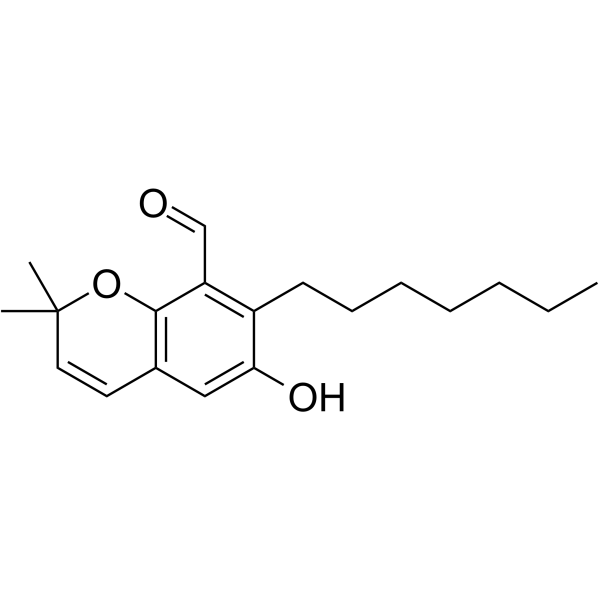 0 ImagesCat. No.: HY-N10281CAS No.: 2701570-80-9
Asperglaucin B is an alkylated salicylaldehyde derivative from the fungus Aspergillus chevalieri SQ-8, with antibacterial activities. Asperglaucin B displays potent antibacterial activities against two plant pathogens Pseudomonas syringae pv actinidae (Psa) and Bacillus cereus, with an MIC value of 6.25 μM.
-
D1N52
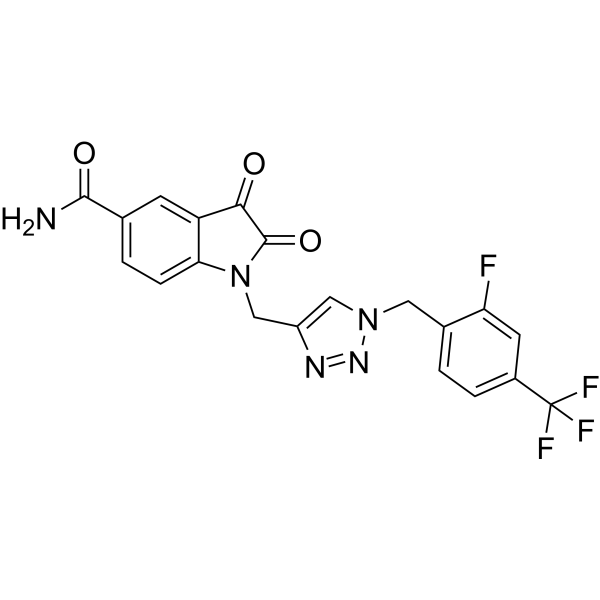 0 ImagesCat. No.: HY-149656CAS No.: 2894770-48-8
D1N52 is a potent SARS-CoV-2 3CLpro inhibitor with an IC50 of 0.53 μM.
-
18:0 EPC chloride
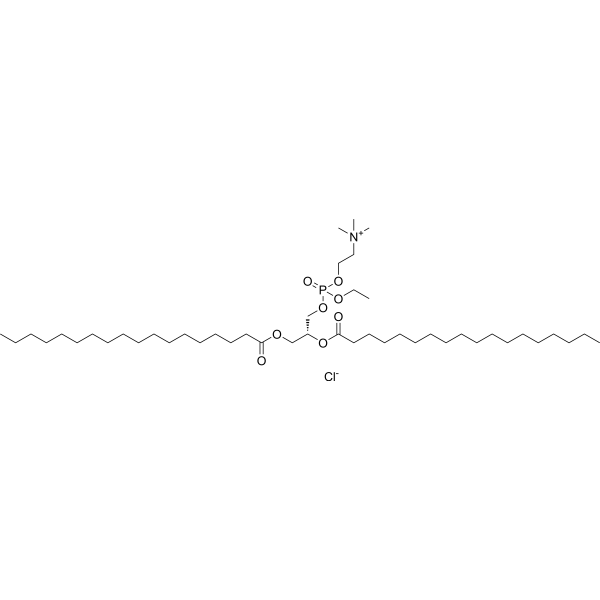 0 ImagesCat. No.: HY-144019CAS No.: 328268-13-9
18:0 EPC chloride is a synthetic cationic phospholipid. 18:0 EPC chloride (at the critical synergistic concentrations of 2.34-2.93 μM) significantly improves the inactivation effect of eugenol against Escherichia coli.
-
11-Deoxymogroside IIE
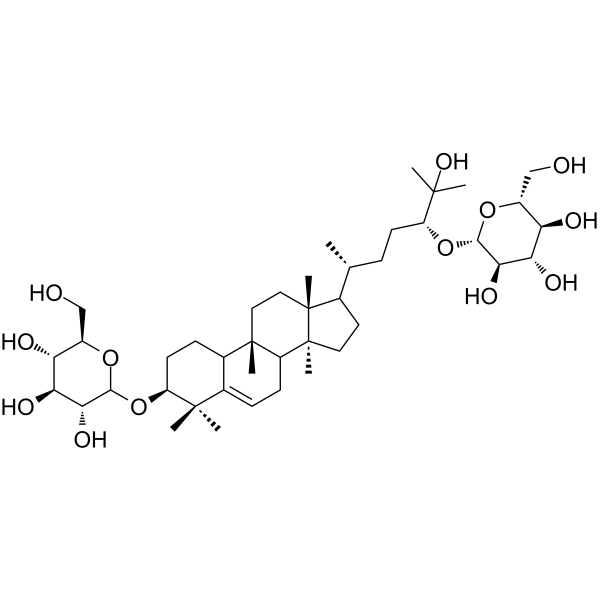 0 ImagesCat. No.: HY-N7040CAS No.: 2170761-38-1
11-Deoxymogroside IIE is a cucurbitane glycoside, isolated from Siraitia grosvenorii fruits. 11-Deoxymogroside IIE has inhibitory effect against Epstein Barr virus (EBV-EA) activation induced by TPA, shows weak inhibitory effect on (+/-)-(E)-methyl1-2-[E-hydroxyimino]-5-nitro-6-methoxy-3-hexemide (NOR1), a NO donor.
-
Laccase-IN-2
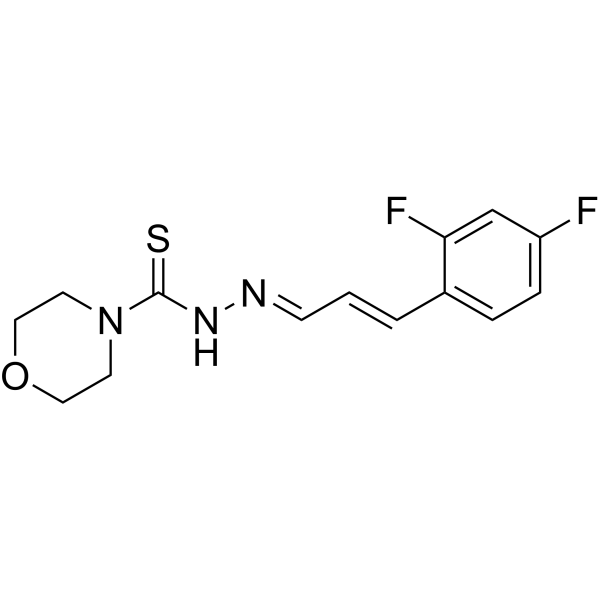 0 ImagesCat. No.: HY-156338CAS No.: 3063979-74-5
Laccase-IN-2 is an inhibitor of laccase. Laccase-IN-2 has excellent antifungal activity against Magnaporthe oryzae in vitro and in vivo.
-
Sperabillin A
 0 ImagesCat. No.: HY-114585CAS No.: 111337-86-1
Sperabillin A is an antibacterial agent against gram-positive and gram-negative bacteria. Sperabillin A shows strong inhibition of human umbilical vein endothelial (HUVE) cell proliferation. Sperabillin A also shows anti-tumor acfivity against B16 melanoma in mouse.
-
Clothianidin-2-S-propanoic acid
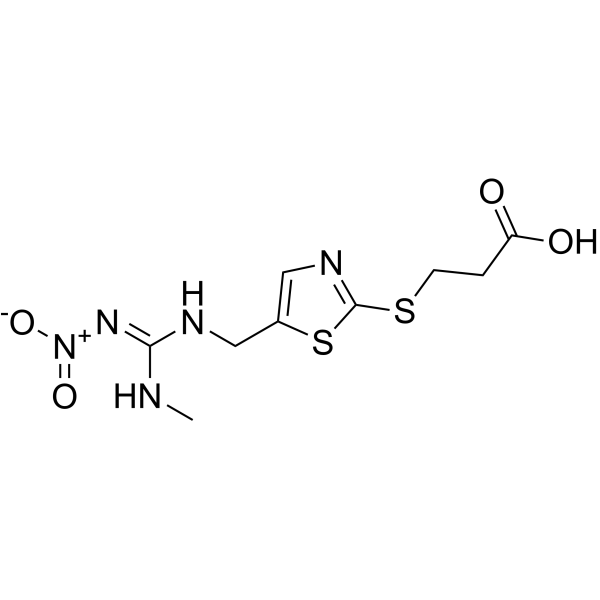 0 ImagesCat. No.: HY-157192CAS No.: 912270-45-2
Clothianidin-2-S-propanoic acid is a clothianidin hapten. Clothianidin-2-S-propanoic can be used for the research of insecticide.
-
BRD4 Inhibitor-31
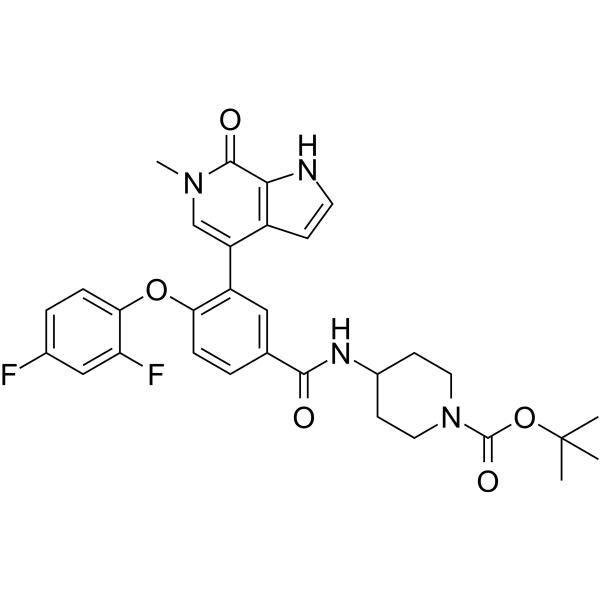 0 ImagesCat. No.: HY-160634CAS No.: 1446233-35-7
BRD4 Inhibitor-31 (Example 136) is a BRD4 inhibitor (Kis: 0.234 μM and 0.295 μM for BRD4 BD1 and BRD4 BD2 respectively). BRD4 Inhibitor-31 can be used for research of inflammatory diseases, cancer, and AIDS.
-
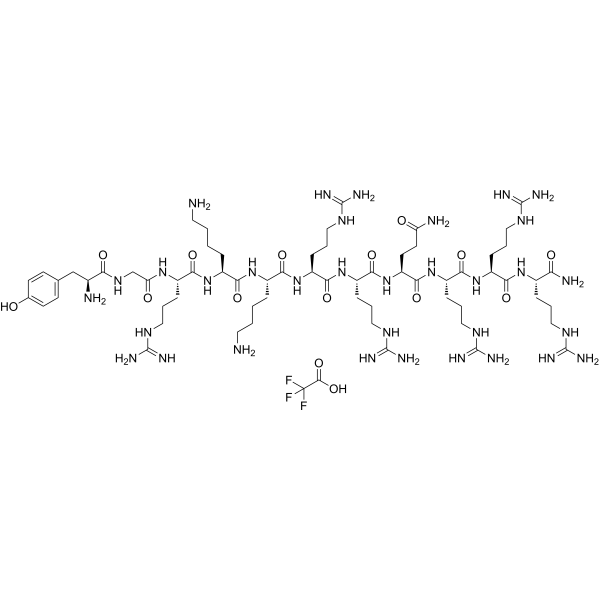
SP1
 0 ImagesCat. No.: HY-P10603CAS No.: 858602-44-5
SP1 is an α-peptide encoded by the mating pheromone MFα1 gene in Candida albicans, which can induce cell growth arrest at the mating type locus MTLa in Candida albicans. SP1 can be used in the study of the prevention and treatment of Candida albicans infection.
-
Makisterone A 2-acetate
 0 ImagesCat. No.: HY-N18293CAS No.: 189197-33-9
Makisterone A 2-acetate is a steroid compound that can be isolated from the 75% ethanol extract of Cyanotis arachnoidea. Experimental tests show that Makisterone A 2-acetate has no anti-HSV-1 activity.
-
3,6-Diaminoacridine sulfate
 0 ImagesCat. No.: HY-W197393CAS No.: 553-30-0
Proflavine sulfate is a multifunctional acridine compound. 3,6-Diaminoacridine sulfate is an acridine dye and also a DNA inserter. Proflavine sulfate is a potent broad-spectrum antibacterial agent, and its mechanism is to insert into bacterial DNA, interfering with replication and transcription, causing bacterial lysis. 3,6-Diaminoacridine sulfate is a Kir3.2 potassium channel blocker and can be used to study the neurological phenotype of Down syndrome. 3,6-Diaminoacridine sulfate can penetrate the stratum corneum of the skin and accumulate in the cell nucleus and long-term exposure may induce skin cancer or other malignant tumors.
-
TAN 420C
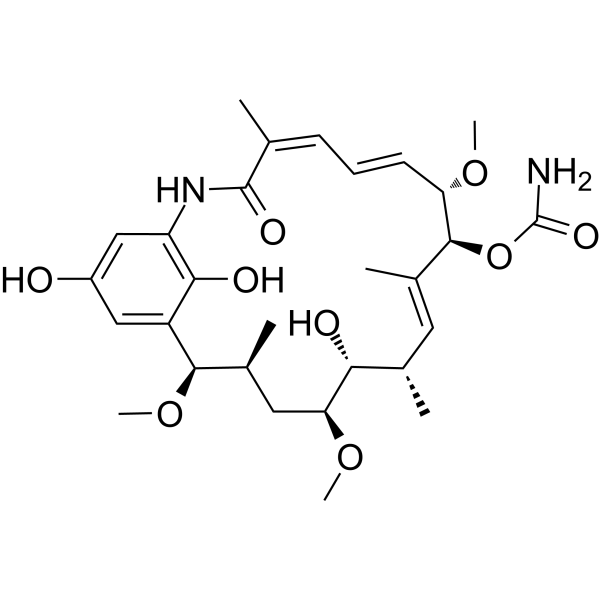 0 ImagesCat. No.: HY-111134CAS No.: 91700-91-3
TAN 420C is an antibiotic that shows a strong cytotoxic activity against the lymphocytic leukemia.

-
Ro 13-3978
 0 ImagesCat. No.: HY-W054427CAS No.: 70842-04-5
Ro 13-3978 is an orally active antischistosomal agent. Ro 13-3978 exhibits excellent in vivo antischistosomal activity against juvenile and adult Schistosoma mansoni infections. Ro 13-3978 shows no in vivo activity against E. caproni and F. hepatica. Ro 13-3978 blocks dihydrotestosterone-induced proliferation of androgen-dependent cells. Ro 13-3978 can be used in research related to schistosomiasis.
-
IT-143A
 0 ImagesCat. No.: HY-N8336CAS No.: 183485-32-7
IT-143A is an antibiotic, that exhibits antibacterial and antifungal activity against Micrococcus luteus and Aspergillus fumigatus with MIC of 6.25-25 μg/mL. IT-143A inhibits growth of cancer cell KB with an IC50 of 0.36 ng/mL.
-
Cadazolid (Standard)
 0 ImagesCat. No.: HY-100436RCAS No.: 1025097-10-2Synonyms: ACT-179811 (Standard)
Cadazolid (Standard) is the analytical standard of Cadazolid. This product is intended for research and analytical applications. Cadazolid (ACT-179811) is a new oxazolidinone antibiotic with potent activity against Clostridium difficile.