Infection
-
Infection Related Products (18789)
Related Products (18789)

-
Antibodies (22)
-
PSI-352938
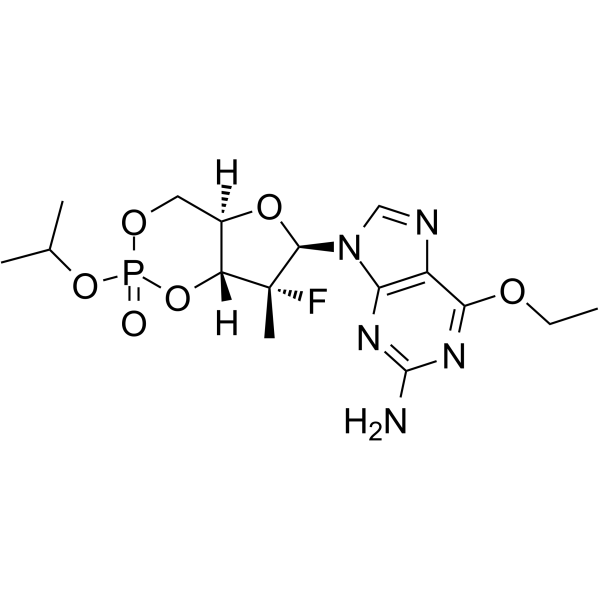 0 ImagesCat. No.: HY-15231CAS No.: 1199809-32-9Synonyms: PSI-938
PSI-352938 (PSI-938) is a hepatitis C virus (HCV) nucleotide inhibitor.
-
8-Hydroxy-9,10-diisobutyryloxythymol
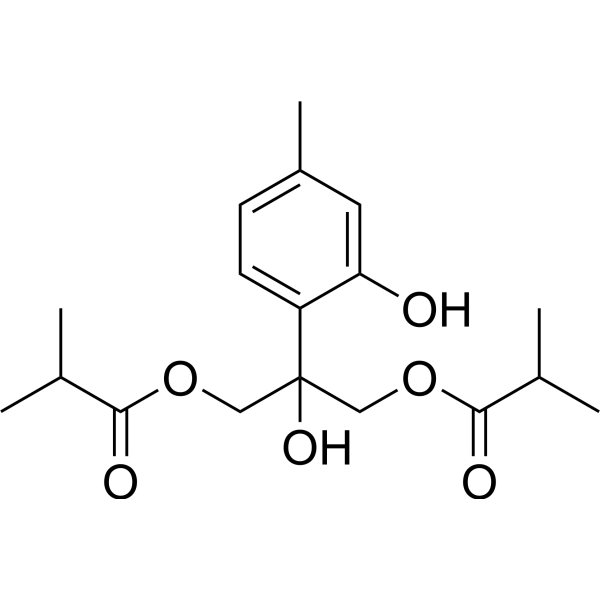 0 ImagesCat. No.: HY-N9735CAS No.: 22518-08-7
8-Hydroxy-9,10-diisobutyryloxythymol is a natural monoterpenoid with antibacterial properties. 8-Hydroxy-9,10-diisobutyryloxythymol against S. aureus, S. flexneri, and S. paratyphi-B with MIC values of 6.25 μg/mL.
-
Antileishmanial agent-45
 0 ImagesCat. No.: HY-189345
Antileishmanial agent-45 is a C6-substituted eugenol derivative bearing a 1,2,3-triazole linker directly attached to the aromatic ring, a free phenolic hydroxyl group, and a benzyloxy substituent. Antileishmanial agent-45 retains and enhances the antileishmanial activity of its natural-product precursor eugenol. Antileishmanial agent-45 can be used for the research of leishmaniasis.
-
Danofloxacin-d3 mesylate
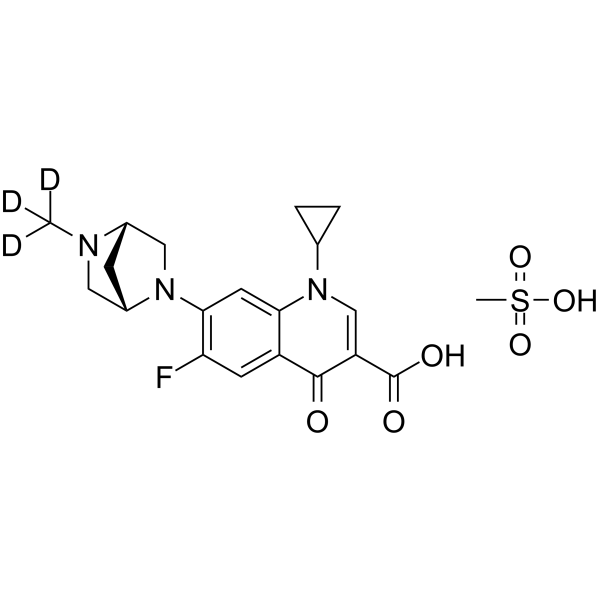 0 ImagesCat. No.: HY-B0501SCAS No.: 1217860-94-0
Danofloxacin-d3 (mesylate) is the deuterium labeled Danofloxacin mesylate. Danofloxacin mesylate (CP 76136-27) is a fluoroquinolone antibacterial for veterinary use.
-
Desmethylazelastine
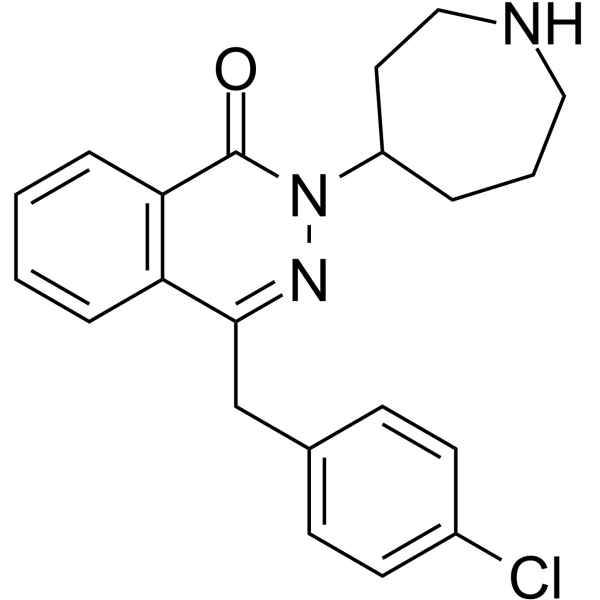 0 ImagesCat. No.: HY-147336CAS No.: 47491-38-3
Desmethylazelastine is a main active metabolite of Azelastine that is oxidatively metabolized by the cytochrome P450 enzyme system with a protein binding rate of 97% and an elimination half-life of 54 hours. Azelastine is an orally active, selective and high-affinity histamine H1-receptor antagonist. Azelastine can be used in studies of allergic rhinitis, asthma, diabetic hyperlipidemic and SARS-CoV-2.
-
SARS-CoV-2-IN-17
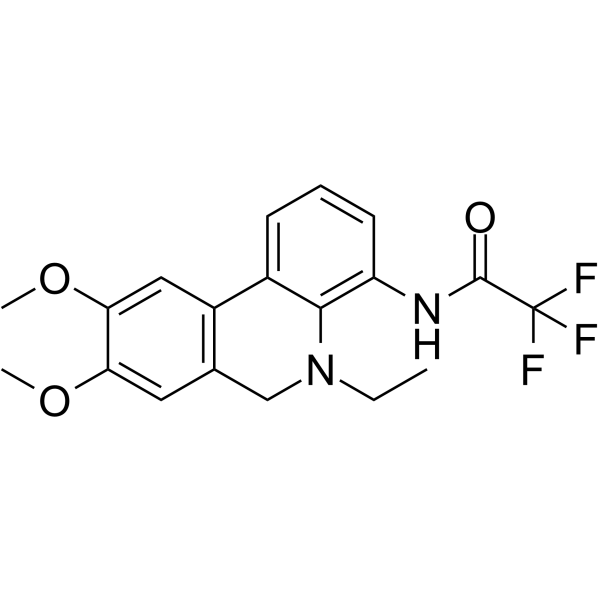 0 ImagesCat. No.: HY-143418CAS No.: 2761911-44-6
SARS-CoV-2-IN-17 (Compound 16) is a potent SARS-CoV-2 nucleocapsid protein (NPro) inhibitor. SARS-CoV-2-IN-17 exhibits potent anti-viral activity with the EC50 of 2.18 μM. SARS-CoV-2-IN-17 binds to NPro with the low KD value of 7.82 μM, suggesting that SARS-CoV-2-IN-17 is a potent NPro ligand.
-
Bombolitin IV
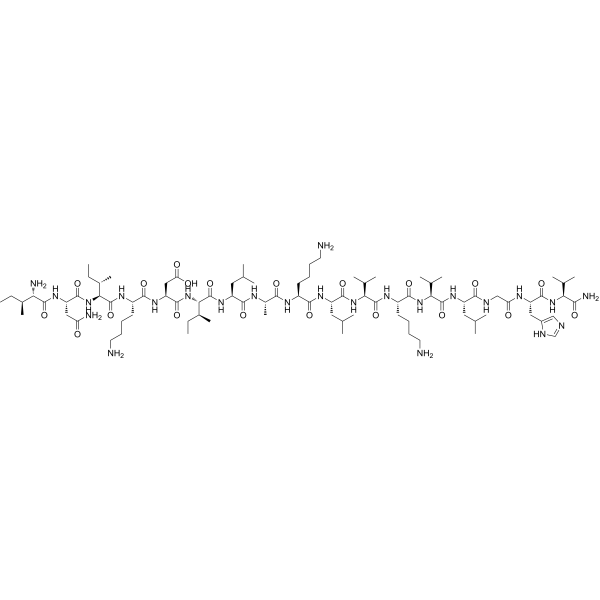 0 ImagesCat. No.: HY-P5654CAS No.: 95753-40-5
Bombolitin IV is an antimicrobial peptide derived from bumblebee venom. Bombolitin IV can lysate erythrocyte and liposome.
-
Monazomycin
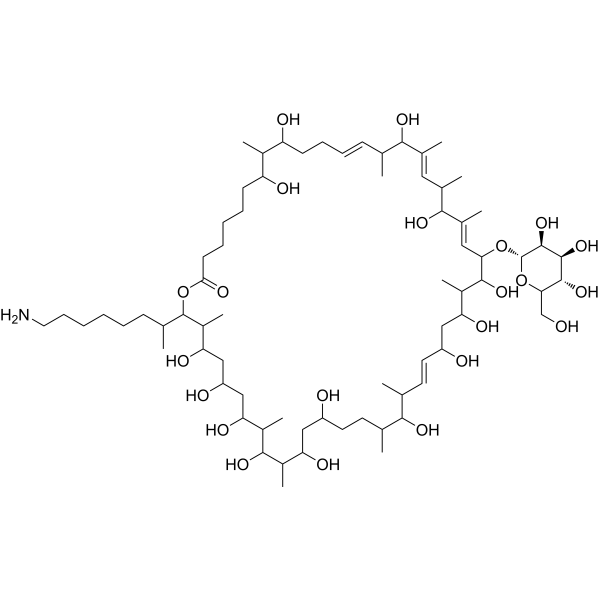 0 ImagesCat. No.: HY-112663CAS No.: 11006-31-8
Monazomycin is a polyene-like antibiotic produced by Streptomyces. Monazomycin molecular weight is about 1200.
-
Pomalidomide-CO-C5-Br
 0 ImagesCat. No.: HY-169010CAS No.: 2227423-38-1
-
Gylongiposide I
 0 Images
Gylongiposide I is a selective inhibitor against the enterovirus EV71 with an EC50 of 1.53 μM. Gylongiposide I exerts antiviral activity by reducing viral protein VP1 expression and viral genomic RNA levels. Gylongiposide I can be used in the development of anti-EV71 drugs related to hand, foot and mouth disease.
-
Pogostone (Standard)
 0 Images
Pogostone (Standard) is the analytical standard of Pogostone. This product is intended for research and analytical applications. Pogostone is isolated from patchouli oil?with anti-bacterial and anti-cancer activities.?Pogostone inhibits both gram negative and gram positive bacteria, also show inhibitory effect on corynebacterium xerosis with a MIC value of 0.098 μg/ml .?Pogostone induces cell apoptosis and autophagy.
-
Arevirumab
 0 ImagesCat. No.: HY-P992155Synonyms: Arevirumab-3
Arevirumab (Arevirumab-3) is a pan-lineage neutralizing human monoclonal antibody cocktail (8.9F, 12.1F, 37.D). Arevirumab protects cynomolgus monkeys from severe Lassa fever caused by lineage II and III LASV isolates. Arevirumab is applicable to research related to Lassa fever.
-
OSL-95II
 0 ImagesCat. No.: HY-165485CAS No.: 946603-07-2
OSL-95II is an antiviral agent. OSL-95II is a potent BVDV and WNV inhibitor. OSL-95II is a better inhibitor of HBV than SP169. OSL-95II inhibits dengue virus production.
-
BC-3205 hydrochloride
 0 ImagesCat. No.: HY-U00029CAS No.: 404577-28-2
BC-3205 hydrochloride is an anti-amoeba agent. BC-3205 hydrochloride inhibits N. fowleri.
-
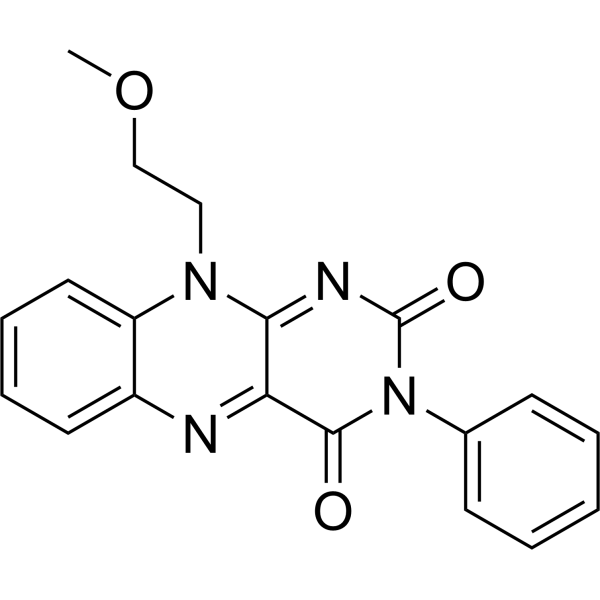
NSC 288387
 0 Images
NSC 288387 is a pan-flavivirus MTase inhibitor. NSC 288387 binds to the SAM-binding pocket. NSC 288387 inhibits ZIKV with an IC50 of 0.2 μM. NSC 288387 also inhibits viral replication in cell culture.

-
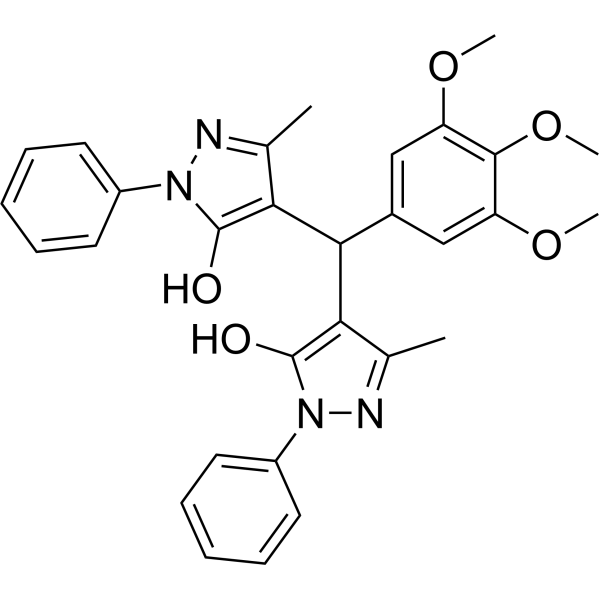
SARS-CoV-2-IN-33
 0 Images
SARS-CoV-2-IN-33 (compound 3m) is a COVID-19 inhibitor. SARS-CoV-2-IN-33 shows anti-proliferative activity against cancer cells. SARS-CoV-2-IN-33 exhibits comparatively good binding affinity (-8.0 Kcal/mole) to COVID-19 main protease (Mpro) (PDB ID: 6LU7). SARS-CoV-2-IN-33 can be used in studies of cancer and COVID-19.
-
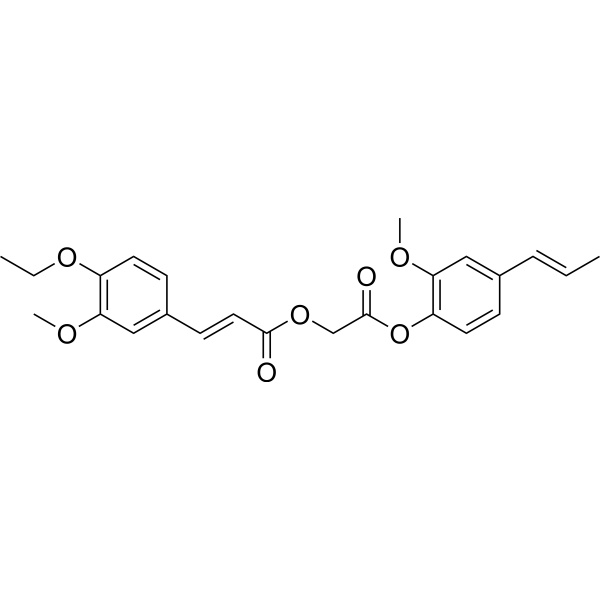
(Rac)-DNDI-8219
 0 ImagesCat. No.: HY-129819CAS No.: 1333170-15-2
(Rac)-DNDI-8219 is an antituberculosis compound with potent anti-leishmanial activity. (Rac)-DNDI-8219 demonstrated superior efficacy in the Leishmania donovani mouse model. (Rac)-DNDI-8219 showed promising activity in the Leishmania infantum hamster model. (Rac)-DNDI-8219 candidate compound R-6 provided excellent oral efficacy in the same hamster model.
-
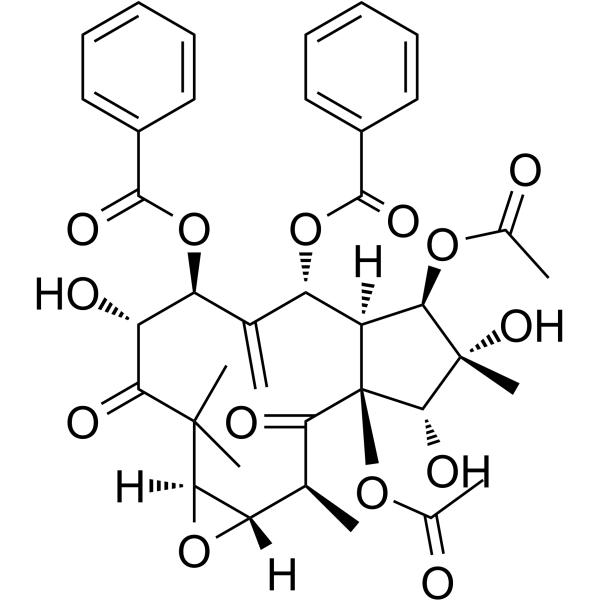
Kansuinine B
 0 Images
Kansuinine B is a natural diterpenoid compound with anti-inflammatory, anti-cancer and anti-viral activities, which can be isolated from the roots of Euphorbia kansui. Kansuinine B induces sustained ERK1/2 activation, inhibits IL-6-induced Stat3 activation and tyrosine phosphorylation, and enhances serine phosphorylation of Stat3. Kansuinine B negatively regulates the IL-6 signaling pathway by upregulating the expression of SOCS-3. Kansuinine B promotes the proliferation of mouse splenic lymphocytes in vitro and stimulates rat peritoneal macrophages to produce NO. Kansuinine B can be used in studies related to liver cancer and COVID-19.