



Arginase
Arginase (ARG) is an enzyme involved in urea cycle, where it catalyzes the hydrolysis of L-arginine into L-ornithine and urea. There are two distinct isoforms of arginase, arginase I and II, which are encoded by separate genes and display differences in tissue distribution, subcellular localization, and molecular regulation. Arginase activity has two major homeostatic purposes: first, to rid the body of ammonia through urea synthesis, and second, to produce ornithine, the precursor for polyamines and prolines. Polyamines produced through ornithine decarboxylase (ODC) are necessary for cell proliferation and regulation of several ion channels. Proline produced through ornithine aminotransferase (OAT) is necessary for production of collagen.
Arginase I is a cytosolic enzyme that is abundantly expressed in the liver and plays an essential role in hepatic urea cycle. In contrast, arginase II is a mitochondrial enzyme that is widely expressed outside the liver, most prominently in the kidney and prostate. Arginase functions important for protection against NH3 toxicity and cell growth and repair. Excessive arginase activity in mammals has been associated with cardiovascular and nervous system dysfunction and disease. Two relevant aspects of this elevated activity may be involved in these disease states. First, excessive arginase activity reduces the supply of L-arginine needed by nitric oxide (NO) synthase to produce NO. Second, excessive production of ornithine leads to vascular structural problems and neural toxicity. In addition, Arginase is a potential therapeutic target for the treatment of sexual arousal disorders in men and women.
All Product Categories
-
Productos relacionados con Arginase (66)
Productos relacionados con (66)

-
Antibodies (3)
-
L-Valine-2-13C
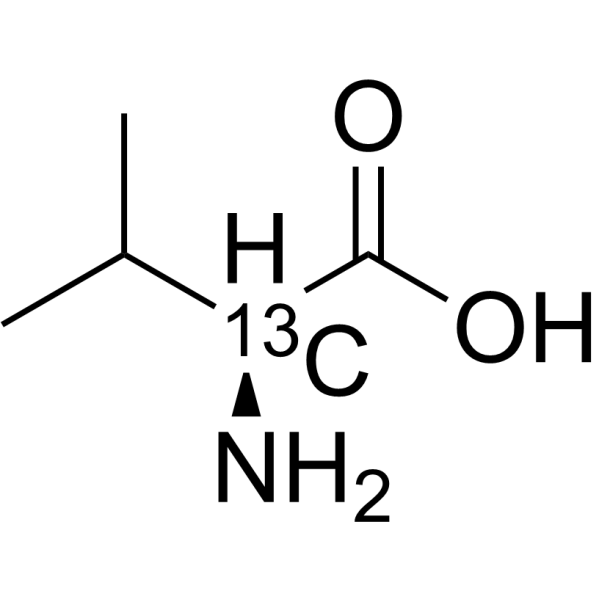 0 ImagesReferencia número: HY-N0717S5No. CAS: 73834-52-3Synonyms: (S)-Valine-13CL-Valine-2-13C ((S)-Valine-2-13C) is the 13C-labeled L-Valine (HY-N0717). L-Valine ((S)-Valine) is a nonlinear semiorganic material. L-Valine causes lipid peroxidation and accumulation of malondialdehyde (MDA), exhibits inhibitory activity against cyanobacteria. L-Valine inhibits multidrug-resistant bacteria through activation of PI3K/Akt signaling pathway and inhibition of arginase.
-
L-Valine-d1
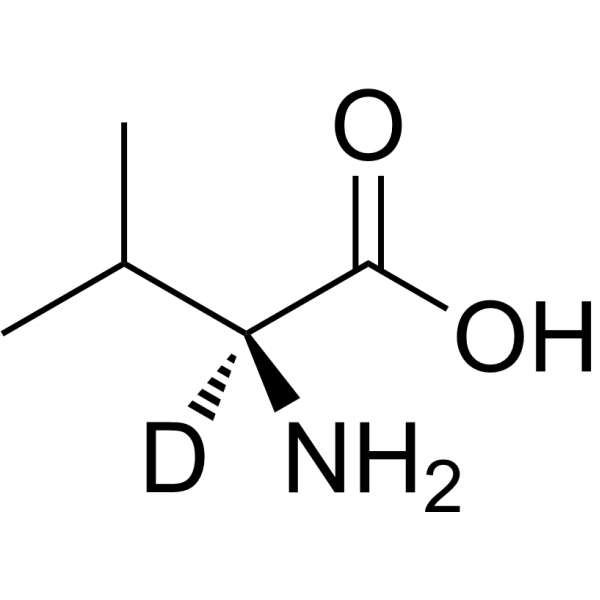 0 ImagesSynonyms: (S)-Valine-d1L-Valine-d1 ((S)-Valine-d1) is the deuterium labeled L-Valine (HY-N0717). L-Valine ((S)-Valine) is a nonlinear semiorganic material. L-Valine causes lipid peroxidation and accumulation of malondialdehyde (MDA), exhibits inhibitory activity against cyanobacteria. L-Valine inhibits multidrug-resistant bacteria through activation of PI3K/Akt signaling pathway and inhibition of arginase.
-
AZD0011-PL
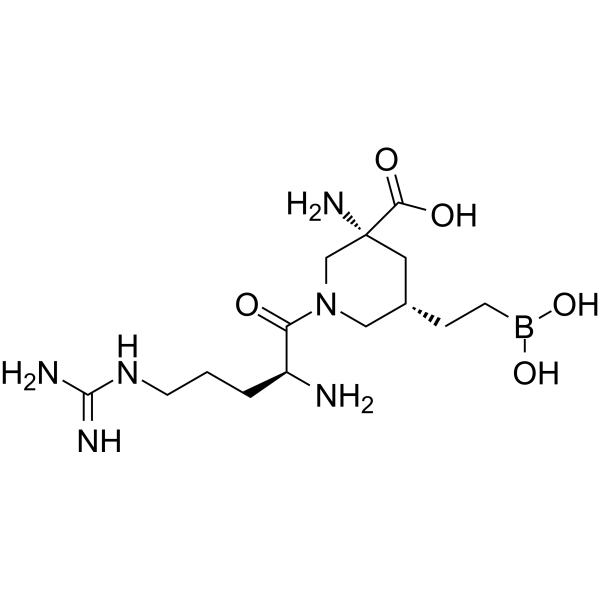
 0 ImagesReferencia número: HY-182718No. CAS: 2374807-39-1
-
BEC
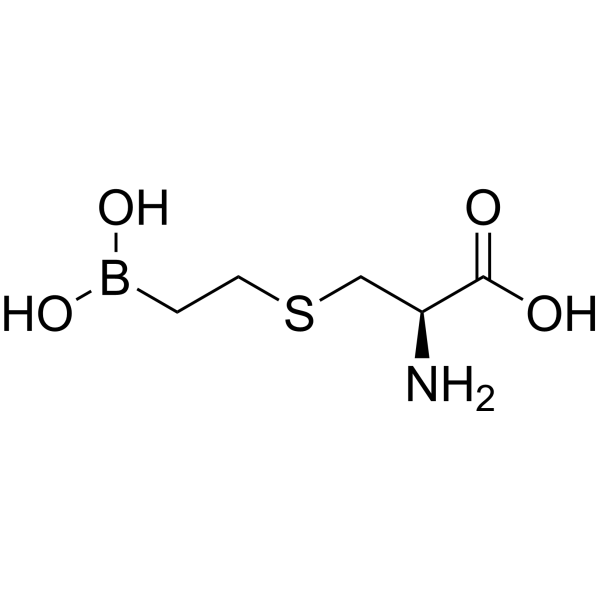 0 ImagesReferencia número: HY-19548No. CAS: 63107-40-4BEC, an arginine analogue, is a slow-binding competitive inhibitor of the binuclear manganese metalloenzyme arginase. BEC enhances substrate flux to NO synthase, thereby enhancing NO-dependent smooth muscle relaxation in the corpus cavernosum, and enhances penile erection.
-
L-Norvaline (Standard)
 0 ImagesL-Norvaline (Standard) is the analytical standard of L-Norvaline (HY-Y0399). This product is intended for research and analytical applications. L-Norvaline is the inhibitor for arginase, that promotes the production of NO, reduces oxidative stress, improves insulin resistance, and exhibits antioxidant and anti-hyperglycemic effects. L-Norvaline can be used in research of Alzheimer’s disease.
-
Leupeptin Ac-LL
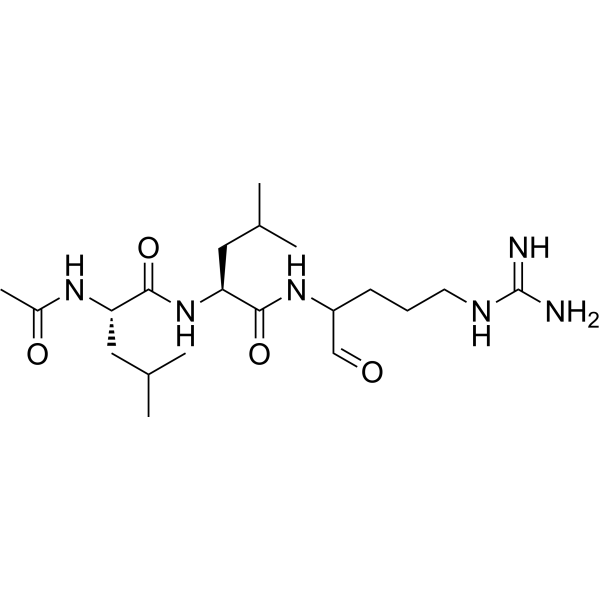 0 ImagesReferencia número: HY-18234BNo. CAS: 24365-47-7Leupeptin Ac-LL is a broad-spectrum protease inhibitor. By inhibiting the activation of the PTEN/PI3K/Akt/NF-κB/ERK1/2/p38 signaling pathway, Leupeptin Ac-LL significantly reduces LPS-induced NO and ROS production, mitochondrial membrane potential hyperpolarization, phagocytic activity, pro-inflammatory cytokine release, and M1 polarization in mouse peritoneal macrophages, and reverses autophagic flux impairment. It also decreases Concanavalin A (HY-P2149)-induced proliferation index of mouse splenic lymphocytes and the Th1/IL-10 and Th2/IL-10 cytokine ratios, thereby modulating innate and adaptive immune responses. Leupeptin Ac-LL inhibits blood coagulation and tumorigenesis in mouse skin. Leupeptin Ac-LL can be used in research on chronic inflammatory diseases and skin tumorigenesis.

-
L-Valine-13C5,15N,d2
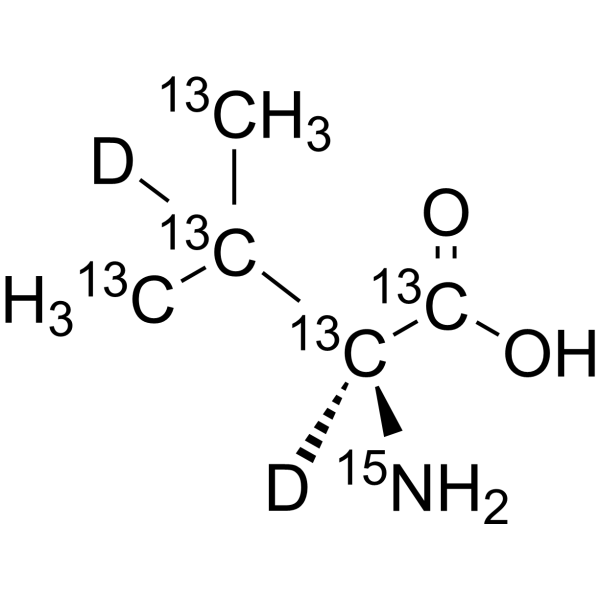 0 ImagesReferencia número: HY-N0717S3No. CAS: 201417-09-6Synonyms: (S)-Valine-13C5,15N,d2L-Valine-13C5,15N,d2 ((S)-Valine-13C5,15N,d2) is the deuterium, 13C-, and 15N-labeled L-Valine (HY-N0717). L-Valine ((S)-Valine) is a nonlinear semiorganic material. L-Valine causes lipid peroxidation and accumulation of malondialdehyde (MDA), exhibits inhibitory activity against cyanobacteria. L-Valine inhibits multidrug-resistant bacteria through activation of PI3K/Akt signaling pathway and inhibition of arginase.
-
Perfluoroundecanoic acid-13C7
 0 ImagesReferencia número: HY-W142432SPerfluoroundecanoic acid-13C7 is the 13C-labeled Perfluoroundecanoic acid (HY-W142432). Perfluoroundecanoic acid is a perfluoroalkyl substance (PFAS). Perfluoroundecanoic acid is an orally active oxidative stress inducer. Perfluoroundecanoic acid promotes macrophage M2 polarization, activates Wnt/β-catenin signaling and enhances β-catenin nuclear accumulation. Perfluoroundecanoic acid -induced M2 phenotype macrophage accelerates tumor progression in vitro and in vivo. Perfluoroundecanoic acid induces DNA damage, reproductive and pathophysiological dysfunctions via oxidative stress in male Swiss mice. Perfluoroundecanoic acid inhibits Leydig cell development in pubertal male rats via inducing oxidative stress and autophagy. Perfluoroundecanoic acid accelerates insulitis development in a mouse model of type 1 diabetes. Perfluoroundecanoic acid can be used for the study of ovarian cancer, type 1 diabetes and inflammation.
-
Arginase, Human
 0 ImagesReferencia número: HY-E70951AArginase, Human (EC 3.5.3.1) is a manganese-containing enzyme, the last enzyme in the urea cycle, catalyzing the conversion of arginine to ornithine and urea.
-
Anti-Arginase-1 Antibody
 0 ImagesReferencia número: HY-P991870
-
Lacto-N-fucopentaose III
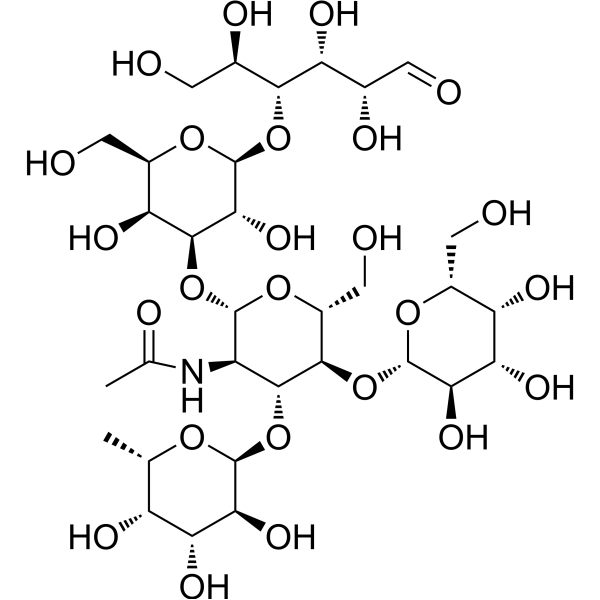 0 ImagesReferencia número: HY-N11451No. CAS: 25541-09-7Synonyms: LNFP-IIILacto-N-fucopentaose III (LNFP-III) is an immune modulator. Lacto-N-fucopentaose III reduces the severity of experimental autoimmune encephalomyelitis (EAE) and CNS inflammation.
-
Leupeptin hemisulfate (Standard)
 0 ImagesLeupeptin hemisulfate (Standard) is the analytical standard of Leupeptin hemisulfate (HY-18234A ). This product is intended for research and analytical applications. Leupeptin hemisulfate is a broad-spectrum protease inhibitor. By inhibiting the activation of the PTEN/PI3K/Akt/NF-κB/ERK1/2/p38 signaling pathway, Leupeptin hemisulfate significantly reduces LPS-induced NO and ROS production, mitochondrial membrane potential hyperpolarization, phagocytic activity, pro-inflammatory cytokine release, and M1 polarization in mouse peritoneal macrophages, and reverses autophagic flux impairment. It also decreases Concanavalin A (HY-P2149)-induced proliferation index of mouse splenic lymphocytes and the Th1/IL-10 and Th2/IL-10 cytokine ratios, thereby modulating innate and adaptive immune responses. Leupeptin hemisulfate inhibits blood coagulation and tumorigenesis in mouse skin. Leupeptin hemisulfate can be used in research on chronic inflammatory diseases and skin tumorigenesis.
-
Arginase inhibitor 9
 0 ImagesReferencia número: HY-173041Arginase inhibitor 9 (Compound 12a) is an arginase inhibitor with IC50 values of 9 μM and 55 μM for bovine and human arginase I, respectively. Arginase inhibitor 9 exhibits antioxidant activity and can scavenge free radicals. Additionally, Arginase inhibitor 9 can effectively regulate the levels of collagen and procollagen, exerting an anti-fibrotic effect.
-
AZD0011
 0 ImagesReferencia número: HY-182719No. CAS: 2374807-41-5AZD0011, a prodrug of AZD0011-PL (HY-182718), is an orally active arginase 1 inhibitor with an IC50 of 328 nM. AZD0011 undergoes in vivo hydrolysis to release an arginase inhibitor payload, inhibiting arginine hydrolysis, increases arginine levels in plasma and the tumor microenvironment. AZD0011 restores innate immune function and inhibits tumor growth. AZD0011 can be used for the research of cancer, such as fibrosarcoma.
-
L-Valine-d7
 0 ImagesReferencia número: HY-178304SNo. CAS: 1021439-16-6L-Valine-d7 is the deuterium labeled L-Valine (HY-N0717). L-Valine ((S)-Valine) is a nonlinear semiorganic material. L-Valine causes lipid peroxidation and accumulation of malondialdehyde (MDA), exhibits inhibitory activity against cyanobacteria. L-Valine inhibits multidrug-resistant bacteria through activation of PI3K/Akt signaling pathway and inhibition of arginase.
-
2-Aminoimidazole (Standard)
 0 ImagesReferencia número: HY-W062216RNo. CAS: 7720-39-02-Aminoimidazole is a potent antibiofilm agent that can be used as an adjuvant to antimicrobial. 2-aminoimidazoles disrupts the ability of bacteria to protect themselves by inhibiting biofilm formation and genetically-encoded antibiotic resistance traits. 2-Aminoimidazole is also a weak noncompetitive inhibitor of human arginase I with a Ki of 3.6 mM.
-
Leupeptin hydrochloride
 0 ImagesReferencia número: HY-183478No. CAS: 39740-82-4Leupeptin hydrochloride is a broad-spectrum protease inhibitor. By inhibiting the activation of the PTEN/PI3K/Akt/NF-κB/ERK1/2/p38 signaling pathway, Leupeptin hydrochloride significantly reduces LPS-induced NO and ROS production, mitochondrial membrane potential hyperpolarization, phagocytic activity, pro-inflammatory cytokine release, and M1 polarization in mouse peritoneal macrophages, and reverses autophagic flux impairment. It also decreases Concanavalin A (HY-P2149)-induced proliferation index of mouse splenic lymphocytes and the Th1/IL-10 and Th2/IL-10 cytokine ratios, thereby modulating innate and adaptive immune responses. Leupeptin hydrochloride inhibits blood coagulation and tumorigenesis in mouse skin. Leupeptin hydrochloride can be used in research on chronic inflammatory diseases and skin tumorigenesis.
-
Numidargistat (Standard)
 0 ImagesSynonyms: CB-1158 (Standard); INCB01158 (Standard)Numidargistat (Standard) is the analytical standard of Numidargistat (HY-101979). This product is intended for research and analytical applications. Numidargistat (CB-1158) is a potent and orally active inhibitor of arginase, with IC50s of 86 nM and 296 nM for recombinant human arginase 1 and recombinant human arginase 2, respectively. Immuno-oncology agent.




