



Autophagy
Autophagy is a conserved cellular degradation and recycling process in the lysosome. In mammalian cells, there are three primary types of autophagy: microautophagy, macroautophagy, and chaperone-mediated autophagy (CMA). Microphagy captures cargoes by means of invaginations or protrusions of the lysosomal membrane directly, CMA uses chaperones to identify cargo proteins and then unfolds and transfers them into the lysosomal, while macroautophagy sequesters cargo by autophagosomes-de novo synthesized of double-membrane vesicles-and subsequently transport it to the lysosome.
Macroautophagy is the best studied and it occurs at a low level constitutively and can also be further induced under stress conditions, such as nutrient or energy starvation with a salient feature of autophagy protein degradation. Stress-induced macrophagy plays an important role in protein catabolism with another key protein degradation pathway, the ubiquitin–proteasome system (UPS).
As the study progressed, autophagy gains its importance under basal, nutrient-rich conditions, and is now recognized as a critical housekeeping pathway in catabolism of diverse cellular constituents, such as protein aggregates (aggrephagy), lipid droplets (lipophagy), iron complex (Ferritinophagy) and carbohydrate. Except for macromolecules, autophagy can also target several organelles and structures, such as mitochondria (mitophagy), peroxisome (pexophagy), endoplasmic reticulum (reticulophagy or ER-phagy), ribosome (ribophagy), spermatozoon-inherited organelles following fertilization (allophagy), secretory granules within pancreatic cells (zymophagy) and intracellular pathogens (xenophagy).
Autophagy and its dysfunction are associated with a variety of human pathologies, including ageing, cancer, neurodegenerative disease, heart disease and metabolic diseases, such as diabetes. Plenty of drugs and natural products are involved in autophagy modulation through multiple signaling pathways. Small molecules that can regulate autophagy seem to have great potential to intervene such diseases in animal models or clinical courses.
All Product Categories
-
Autophagy Inhibitors
(470)
View all products
-
Autophagy Agonists
(6)
View all products
-
Autophagy Activators
(119)
View all products
-
Autophagy Modulators
(59)
View all products
-
Autophagy Chemicals
(2)
View all products
-
Autophagy Inducers
(2163)
View all products
-
Autophagy Controls
(5)
View all products
-
Autophagy Ligand
(1)
View all products
-
Autophagy Related Products (3358)
Related Products (3358)

-
Antibodies (31)
-
Autophagy Signaling Pathway
-
Desethyl chloroquine-d5
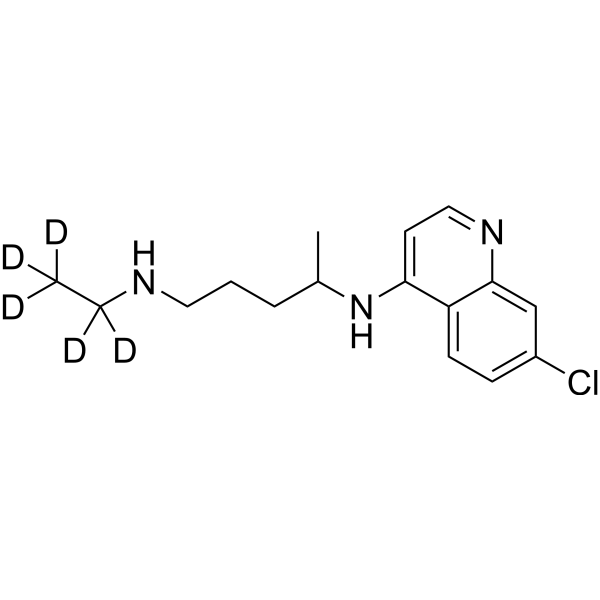 0 ImagesCat. No.: HY-135811S1CAS No.: 1261392-69-1Desethyl chloroquine-d5 is deuterium labeled Desethyl chloroquine. Desethyl chloroquine is a major desethyl metabolite of Chloroquine. Chloroquine diphosphate is an inhibitor of autophagy and toll-like receptors (TLRs). Desethyl chloroquine possesses antiplasmodic activity.

-
Omeprazole sodium (Standard)
 0 ImagesCat. No.: HY-B0113ARCAS No.: 95510-70-6Synonyms: H 16868 sodium (Standard)Omeprazole (sodium) (Standard) is the analytical standard of Omeprazole (sodium). This product is intended for research and analytical applications. Omeprazole sodium (H 16868) is an orally active H+,K+-ATPase inhibitor and a proton pump inhibitor. Omeprazole sodium competitively inhibits CYP2C19, CYP3A4, and CYP2C9 activity. Omeprazole sodium inhibits gastric acid secretion and can be used for acid-related gastrointestinal disorders. Omeprazole sodium inhibits pancreatic cancer cell proliferation, induces apoptosis, autophagosome accumulation (elevated LC3-I and LC3-II levels), oxidative stress, and cytogenetic imbalance, modulates lysosomal transport, reduces inflammatory cytokines. Omeprazole sodium alters small intestinal morphology and magnesium absorption, and induces gastric mucosa morphologic changes. Omeprazole sodium aslo has neuroprotective and antibacterial effects.
-
Spiroplatin
 0 ImagesCat. No.: HY-105890CAS No.: 74790-08-2Synonyms: TNO 6
-
Alborixin
 0 ImagesCat. No.: HY-167843CAS No.: 57760-36-8Alborixin is a polycyclic polyether ionophore Antibiotic. Alborixin is isolated from cultures of Streptomyces albus. Alborixin induces Autophagy via PTEN-mediated inhibition of the AKT pathway, thereby clearing Amyloid-β. Alborixin exhibits activity against Gram-positive bacteria and fungi. Alborixin can be used in the research of Alzheimer's disease.
-
Xylitol-13C5
 0 ImagesCat. No.: HY-W768347Synonyms: Xylite-13C5Xylitol-13C5 (Xylite-13C5) is the 13C-labeled Xylitol (HY-N0538). Xylitol can be classified as a polyol and sugar alcohol, exhibiting inhibitory activity on cancer cell proliferation. It induces autophagy (Autophagy) and cell death in A549 cells by activating the autophagy signaling pathway, as evidenced by the increased expression of LC3-II and Atg5-Atg12 upon Xylitol treatment. Additionally, Xylitol inhibits acetaldehyde production by Candida species, thereby reducing their carcinogenic potential. In vivo, Xylitol induces alterations in the gut microbiota of mice, which may enhance cholesterol accumulation and upregulate hepatic ChREBP, while also slowing tumor growth in the B16F10 melanoma C57BL/6 mouse model.
-
Trifarotene-d4
 0 ImagesCat. No.: HY-100256SSynonyms: CD5789-d4Trifarotene-d4 (Cd5789-d4) is the deuterium labeled Trifarotene (HY-100256). Trifarotene (CD5789) is a potent and selective RARγ agonist. Trifarotene (CD5789) shows ~65-fold and ~16-fold selectivitiy for the RARγ (EC50=7.7 nM) over RARα (EC50=500 nM) and RARβ (EC50=125 nM), respectively.
-
Thalidomide-NH-PEG1-NH2 diTFA
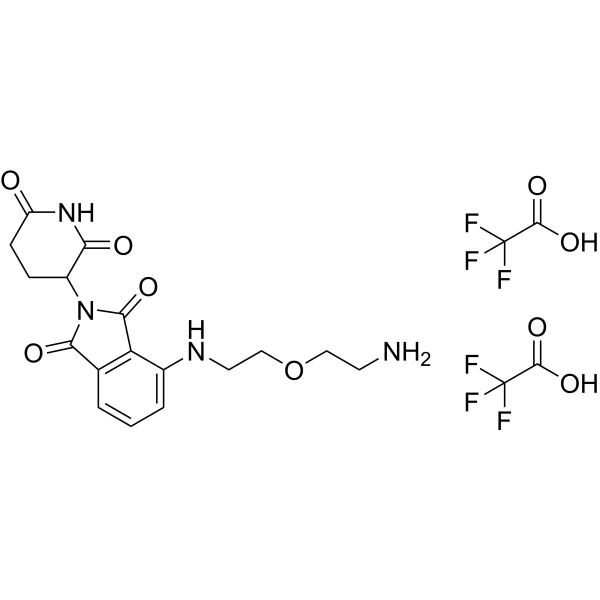 0 ImagesCat. No.: HY-134985ACAS No.: 2768514-19-6Thalidomide-NH-PEG1-NH2 diTFA is a synthesized E3 ligase ligand-linker conjugate that incorporates the Thalidomide based cereblon ligand and a linker used in PROTAC technology.
-
3-Nitropropanoic acid (Standard)
 0 ImagesSynonyms: β-Nitropropionic acid (Standard); Bovinocidin (Standard)3-Nitropropanoic acid (Standard) is the analytical standard of 3-Nitropropanoic acid. This product is intended for research and analytical applications. 3-Nitropropanoic acid (β-Nitropropionic acid) is an irreversible and orally active inhibitor of succinate dehydrogenase. 3-Nitropropanoic acid exhibits potent antimycobacterial activity with a MIC value of 3.3 μM. 3-Nitropropanoic acid can induce cell apoptosis[1][2].
-
Thalidomide-4-NH-PEG1-COO(t-Bu)
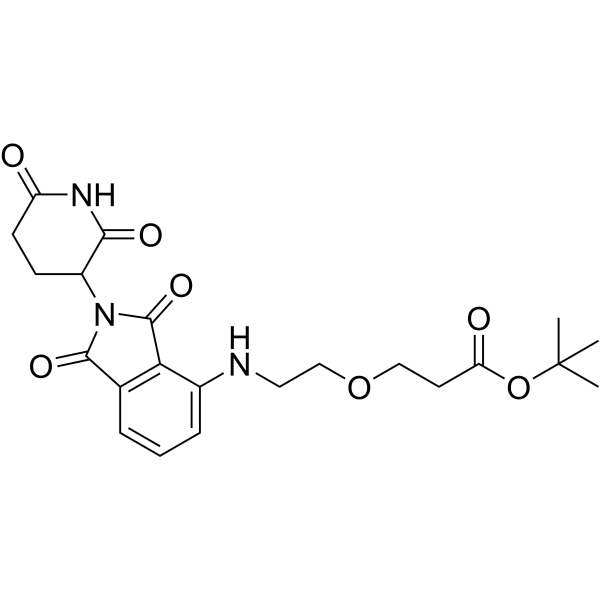 0 ImagesCat. No.: HY-W584522CAS No.: 2140807-19-6Thalidomide-4-NH-PEG1-COO(t-Bu) is a t-Bu modified Thalidomide (HY-14658), which acts as a Cereblon ligand to recruit CRBN protein. The t-Bu protecting group at the end of Thalidomide-4-NH-PEG1-COO(t-Bu) can be removed under acidic conditions to participate in the synthesis of PROTAC molecules. Thalidomide-4-NH-PEG1-COO(t-Bu) is a key intermediate in the synthesis of CRBN-based PROTAC molecules.
-
Cyclovirobuxine D (Standard)
 0 ImagesCyclovirobuxine D (Standard) is the analytical standard of Cyclovirobuxine D. This product is intended for research and analytical applications. Cyclovirobuxine D (CVB-D) is the main active component of the traditional Chinese medicine Buxus microphylla. Cyclovirobuxine D induces autophagy and attenuates the phosphorylation of Akt and mTOR. Cyclovirobuxine D inhibits cell proliferation of gastric cancer cells through suppression of cell cycle progression and inducement of mitochondria-mediated apoptosis. Cyclovirobuxine D is beneficial for heart failure induced by myocardial infarction.
-
Adenosine-d-1
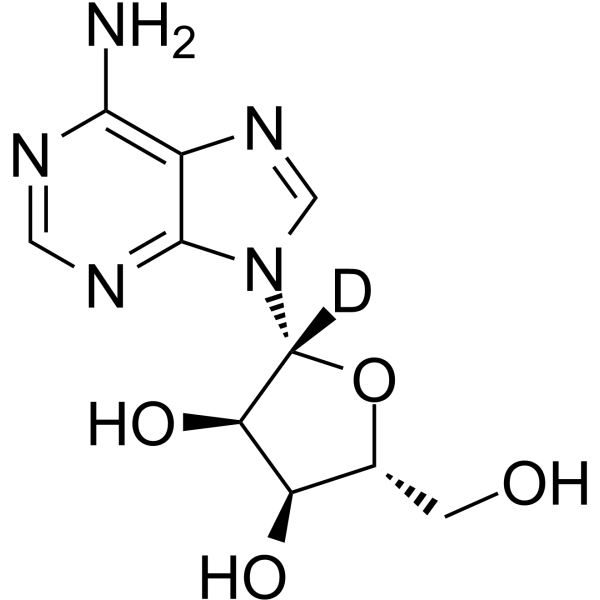 0 ImagesSynonyms: Adenine riboside-d1-1; D-Adenosine-d-1Adenosine-d-1 is the deuterium labeled Adenosine. Adenosine (Adenine riboside), a ubiquitous endogenous autacoid, acts through the enrollment of four G protein-coupled receptors: A1, A2A, A2B, and A3. Adenosine affects almost all aspects of cellular phys
-
Valproic acid sodium (2:1)
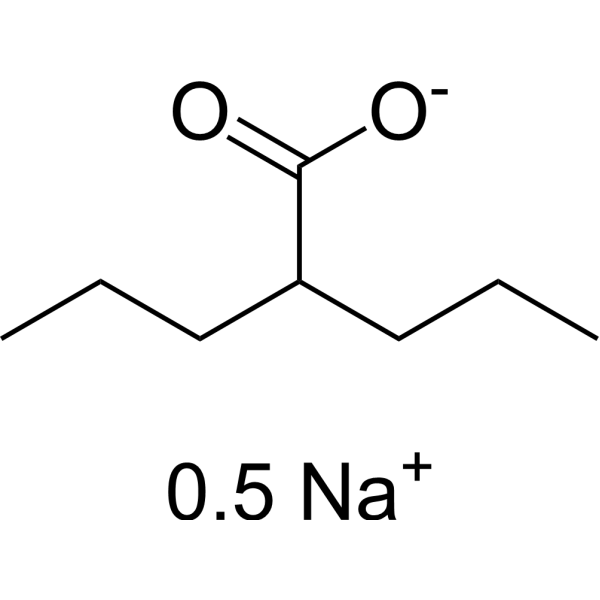 0 ImagesCat. No.: HY-10585BCAS No.: 76584-70-8Synonyms: Sodium Valproate (2:1); VPA sodium (2:1); 2-Propylpentanoic acid sodium (2:1)Valproic acid (VPA) sodium (2:1) is an orally active HDAC inhibitor, with IC50 in the range of 0.5 and 2 mM, also inhibits HDAC1 (IC50, 400 μM), and induces proteasomal degradation of HDAC2. Valproic acid sodium (2:1) activates Notch1 signaling and inhibits proliferation in small cell lung cancer (SCLC) cells. Valproic acid sodium (2:1) is used in the treatment of epilepsy, bipolar disorder, metabolic disease, HIV infection and prevention of migraine headaches.
-
Thalidomide-NH-amido-PEG3-C2-NH2
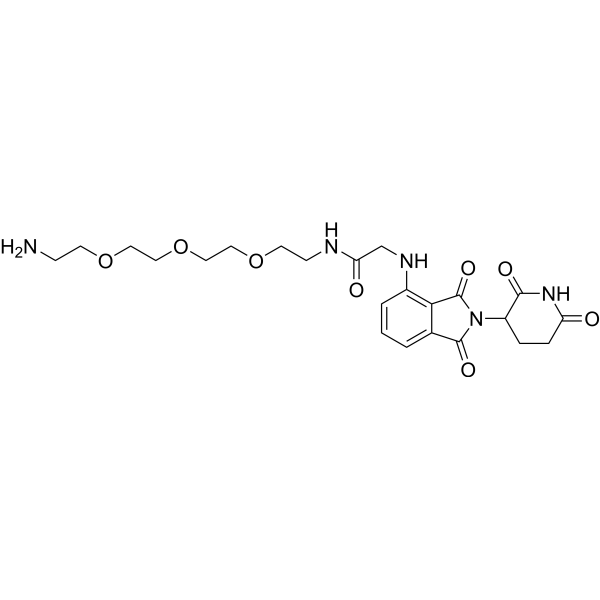 0 ImagesCat. No.: HY-138856CAS No.: 2983036-98-0Thalidomide-NH-amido-PEG3-C2-NH2 is a synthesized E3 ligase ligand-linker conjugate that incorporates the Thalidomide based cereblon ligand and a linker used in PROTAC technology.
-
Pazopanib-13C,d3
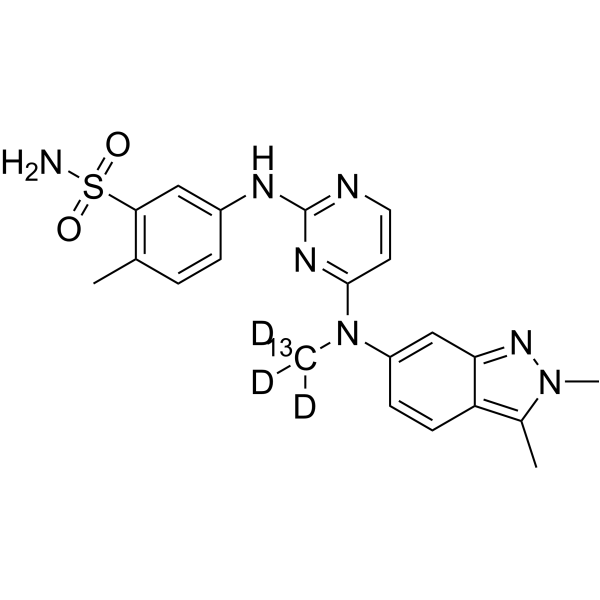 0 ImagesCat. No.: HY-10208S1CAS No.: 1261734-88-6Synonyms: GW786034-13C,d3
-
Glyphosate-13C,15N-1
 0 ImagesCat. No.: HY-B0863S5CAS No.: 2732154-65-1Glyphosate-13C,15N-1 is the 13C- and 15N-labeled Glyphosate (HY-B0863). Glyphosate, a non-selective systemic biocide with broad-spectrum activity, is an herbicidal derivative of the amino acid glycine. Glyphosate inhibits the enzymatic activity of the 5-endopyruvylshikimate 3-phosphate synthase (EPSPS) in the shikimic acid pathway, preventing the synthesis of the aromatic amino acids tyrosine, phenylalanine, and tryptophan. Glyphosate induces oxidative stress, neuroinflammation, and mitochondrial dysfunction, processes that lead to neuronal death by autophagia, necrosis, or apoptosis, as well as the appearance of behavioral and motor disorders.
-
Niacin-15N,13C3
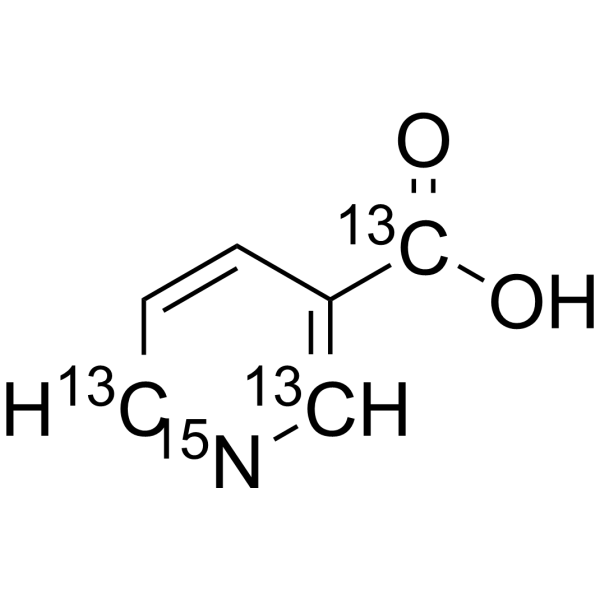 0 ImagesCat. No.: HY-B0143S4CAS No.: 2483829-87-2Niacin-15N,13C3 is the 13C and 15N labeled Niacin. Niacin (Vitamin B3) is an orally active water-soluble B3 vitamin that is an essential nutrient for humans. Niacin (Vitamin B3) plays a key role in energy metabolism, cell signaling cascades regulating gene expression and apoptosis. Niacin (Vitamin B3) is also used in the study of cardiovascular diseases.
-
TBC1D2-IN-1
 0 ImagesCat. No.: HY-183772TBC1D2-IN-1 is a potent orally active and selective TBC1D2 inhibitor with a Kd of 1.1 μM. TBC1D2-IN-1 selectively inhibits TBC1D2-mediated GTP hydrolysis on RAB7A-GTP, promotes RAB7A accumulation on lysosomal membranes, and induces apoptosis and autophagy. TBC1D2-IN-1 exerts selective antiproliferative activity cancer cells. TBC1D2-IN-1 can be used for the research of cervical carcinoma.
-
Cryptotanshinone (Standard)
 0 ImagesSynonyms: Cryptotanshinon (Standard); Tanshinone c (Standard)Cryptotanshinone (Standard) is the analytical standard of Cryptotanshinone. This product is intended for research and analytical applications. Cryptotanshinone is a natural compound extracted from the root of Salvia miltiorrhiza Bunge that shows antitumor activities. Cryptotanshinone inhibits STAT3 with an IC50 of 4.6 μM.
-
L 741742 hydrochloride
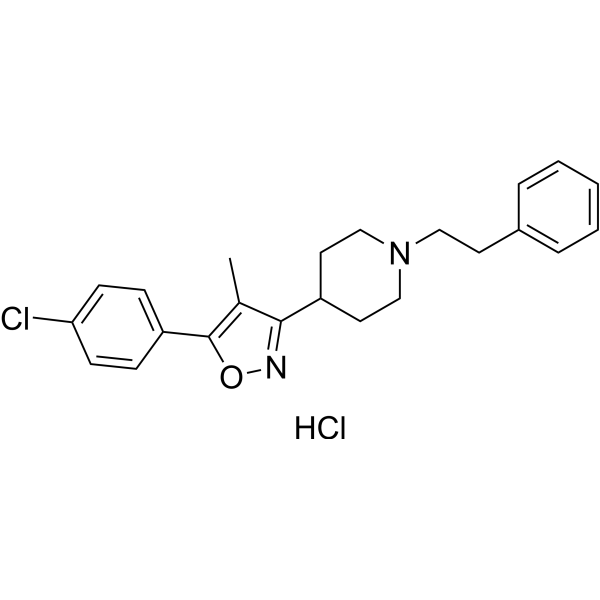 0 ImagesCat. No.: HY-101349ACAS No.: 874882-93-6L 741742 hydrochloride is a highly selective and brain-penetrant D4 dopamine receptor antagonist, with Ki values of 3.5 nM, 770 nM and >1700 nM for human D4, D3 and D2 receptors, respectively. L 741742 hydrochloride suppresses PDGFRβ, ERK1/2, and mTOR signaling pathways, and impairs autophagic flux while disrupting lysosomal function.L 741742 hydrochloride induces G0/G1 cell-cycle arrest and apoptosis, promotes neuronal differentiation of normal human neural stem cells, selectively inhibits growth and clonogenic potential of glioblastoma neural stem cells and primary glioblastoma tumor cells, exerts synergistic effects with Temozolomide (TMZ) (HY-17364) against glioblastoma neural stem cells in vitro, and inhibits glioblastoma neural stem cell xenograft growth in immunocompromised mice. L 741742 hydrochloride can be used for the research of schizophrenia and glioblastoma.




