



cIAP1
Cellular inhibitor of apoptosis protein 1 (cIAP1) is a multifunctional E3 ubiquitin ligase that regulates apoptosis, NF-κB signaling, and cell proliferation in both cytoplasmic and nuclear compartments[1][4]. Mechanistically, cIAP1 modulates tumor necrosis factor receptor (TNFR) and pattern recognition receptor (PRR) signaling, thereby influencing innate immunity, inflammasome activation, and transcriptional control via E2F1[1][4][5][6]. Compared with cIAP2, cIAP1 exhibits distinct nuclear functions, including direct binding to E2F1 and enhancement of CCNE and CCNA gene transcription, which promotes cell cycle progression[4]. In disease models, cIAP1 contributes to tumor growth through interactions with TRAF2, activating the canonical NF-κB and JAK/STAT3 pathways, and sustaining survival in gallbladder cancer, non-small cell lung cancer, and skeletal muscle atrophy models[9][6][2][7]. Furthermore, cIAP1 is required for T cell costimulation through CD137 signaling, mediating NF-κB and MAPK activation, which is critical for antitumor immune responses[3]. Pharmacologically, cIAP1 degradation by SMAC mimetics or selective inhibitors potentiates apoptosis by releasing RIP1 and activating caspase complexes, highlighting its potential as a therapeutic target in cancer and immune-related diseases[8][3]. Overall, the unique nuclear and cytoplasmic functions of cIAP1 distinguish it from cIAP2, enabling diverse applications in experimental oncology, immunology, and tissue regeneration studies.
References:
- [1]. Zadoroznyj A, et al. Cytoplasmic and Nuclear Functions of cIAP1. Biomolecules. 2022 Feb 17;12(2):322. [Content Brief]
- [2]. Su W, et al. cIAP1 promotes proliferation and migration and prevents apoptosis in gallbladder cancer in vitro. Biosci Rep. 2019 Apr 12;39(4):BSR20182266. [Content Brief]
- [3]. Glez-Vaz J, et al. CD137 (4-1BB) requires physically associated cIAPs for signal transduction and antitumor effects. Sci Adv. 2023 Aug 18;9(33):eadf6692. [Content Brief]
- [4]. Cartier J, et al. Cellular inhibitor of apoptosis protein-1 (cIAP1) can regulate E2F1 transcription factor-mediated control of cyclin transcription. J Biol Chem. 2011 Jul 29;286(30):26406-17. [Content Brief]
- [5]. Labbé K, et al. Cellular inhibitors of apoptosis proteins cIAP1 and cIAP2 are required for efficient caspase-1 activation by the inflammasome. Immunity. 2011;35(6):897-907.
- [6]. Bertrand MJM, et al. Cellular inhibitors of apoptosis cIAP1 and cIAP2 are required for innate immunity signaling by the pattern recognition receptors NOD1 and NOD2. Immunity. 2009;30(6):789-801.
- [7]. Vu NT, et al. Caspase-9b Interacts Directly with cIAP1 to Drive Agonist-Independent Activation of NF-κB and Lung Tumorigenesis. Cancer Res. 2016 May 15;76(10):2977-89. [Content Brief]
- [8]. Yang C, et al. LCL161 increases paclitaxel-induced apoptosis by degrading cIAP1 and cIAP2 in NSCLC. J Exp Clin Cancer Res. 2016 Sep 30;35(1):158. [Content Brief]
-
cIAP1 Related Products (24)
Related Products (24)

- 1
- 2
-
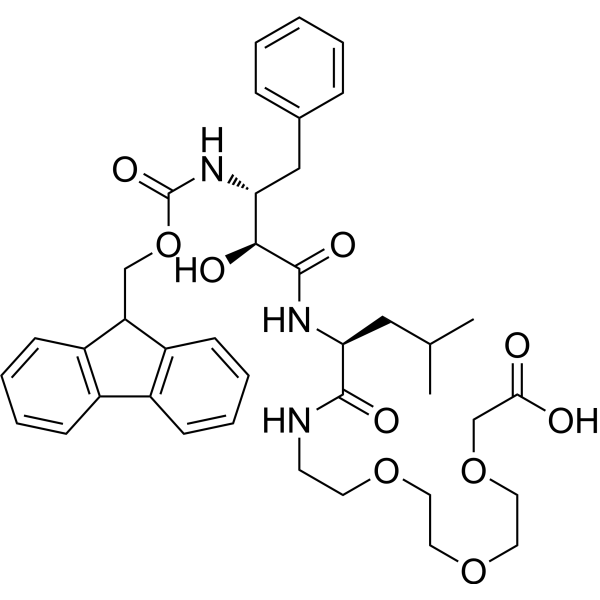
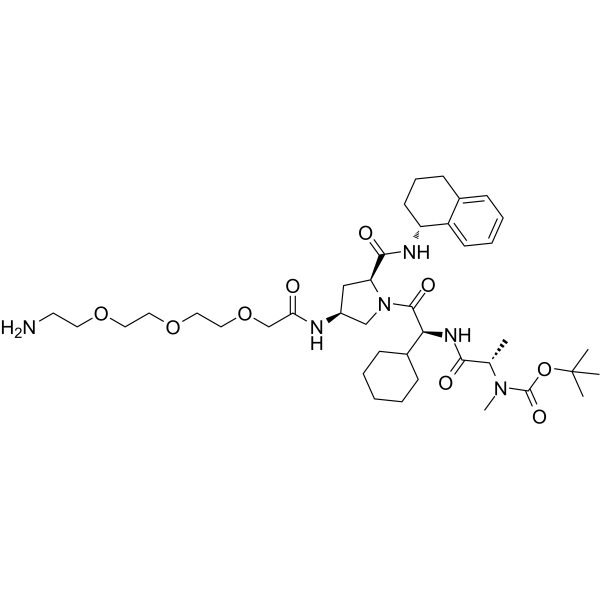
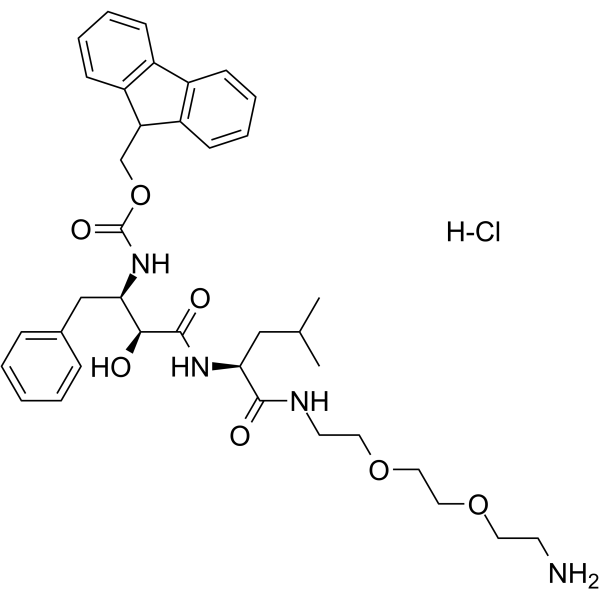
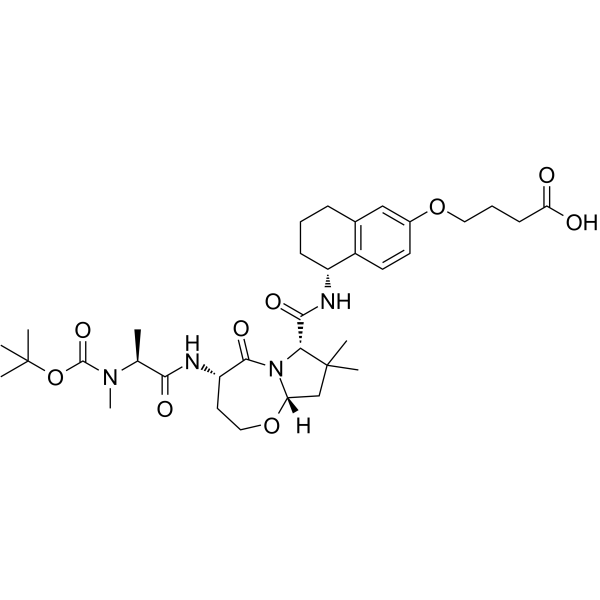
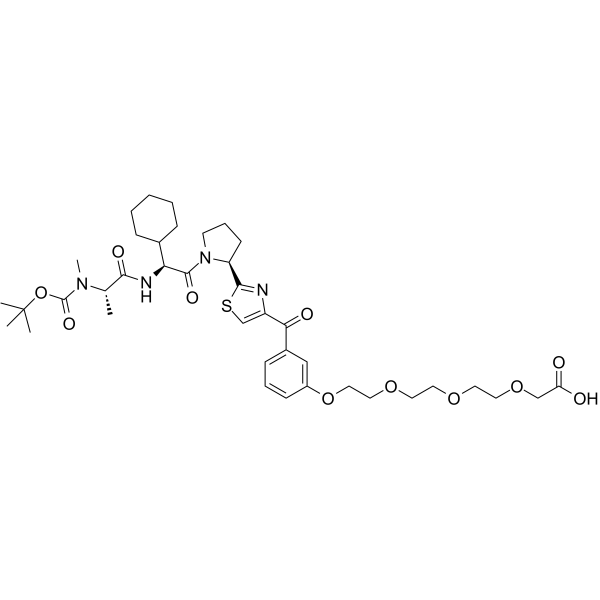
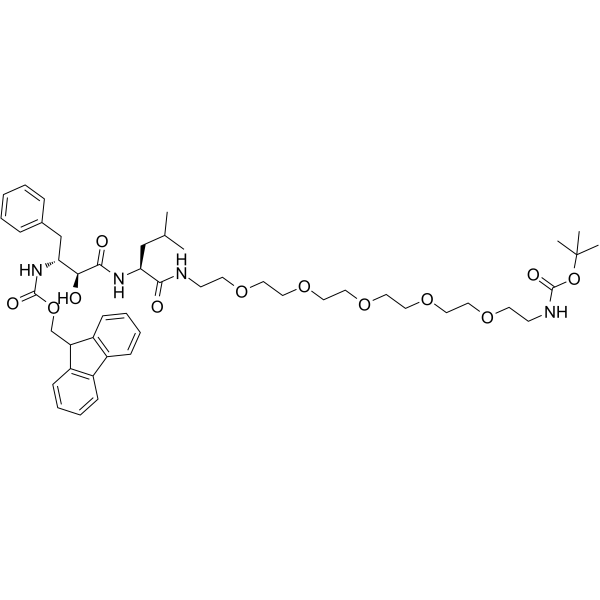
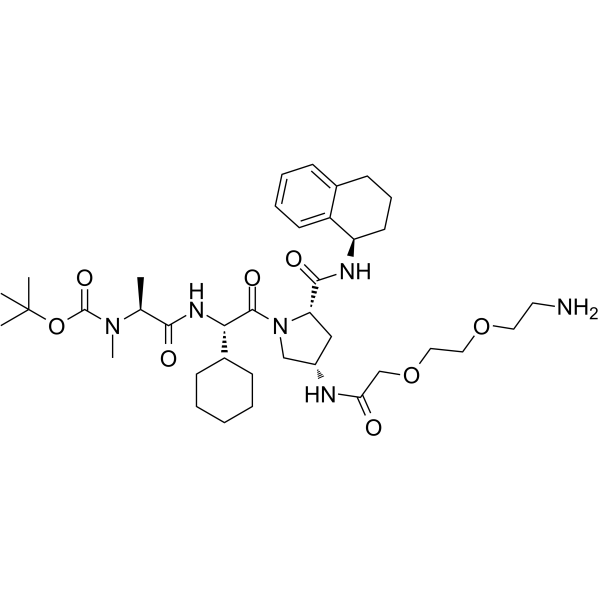
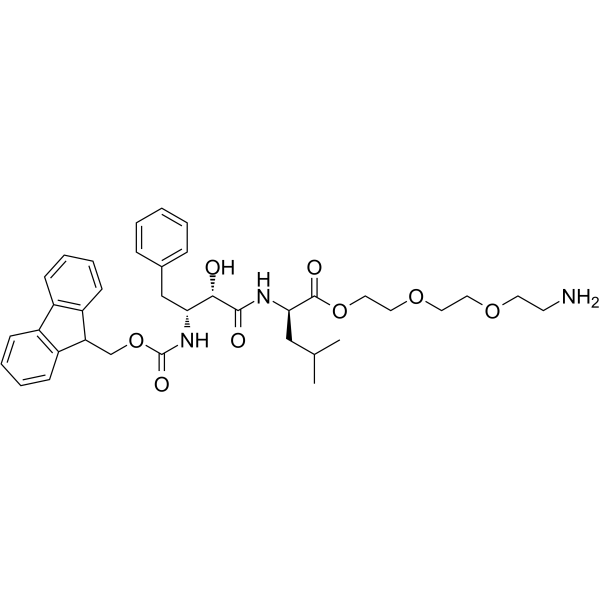
cIAP1 Ligand-Linker Conjugates 15 hydrochloride
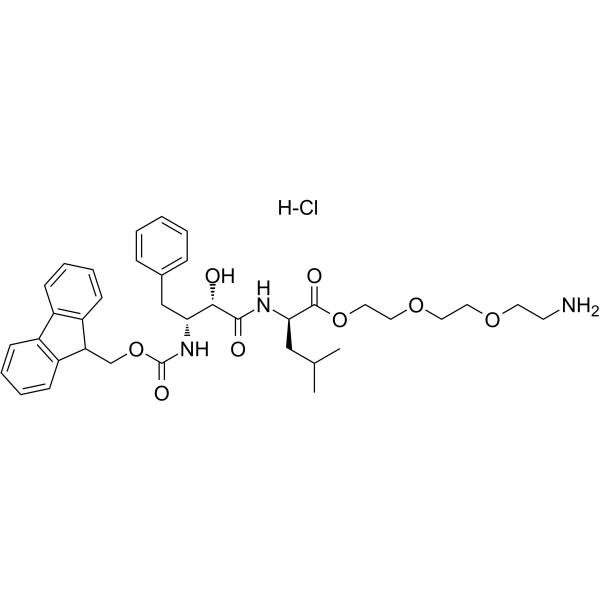 0 ImagesCat. No.: HY-128813ACAS No.: 1225383-36-7Synonyms: E3 ligase Ligand-Linker Conjugates 34 hydrochloride
-
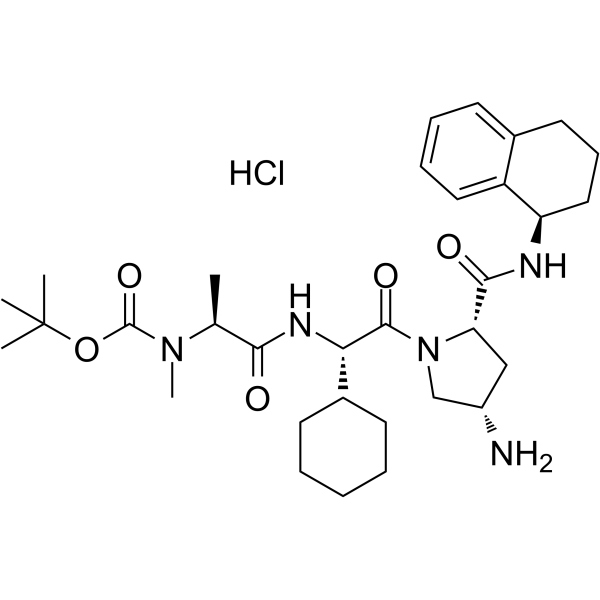
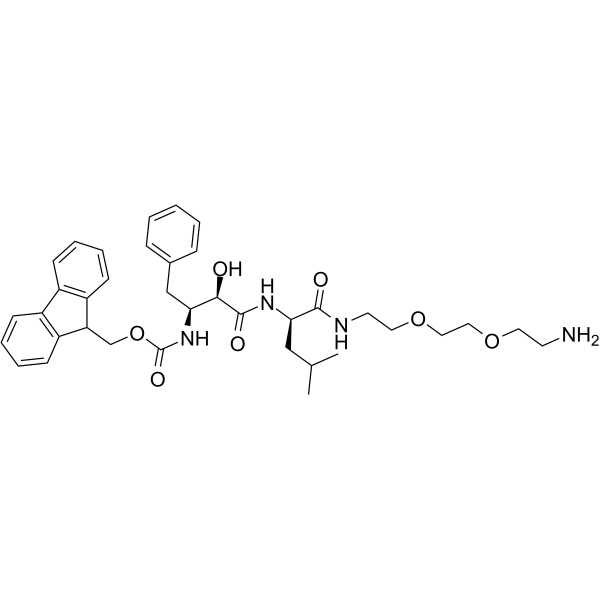
cIAP1 Ligand-Linker Conjugates 11 Hydrochloride
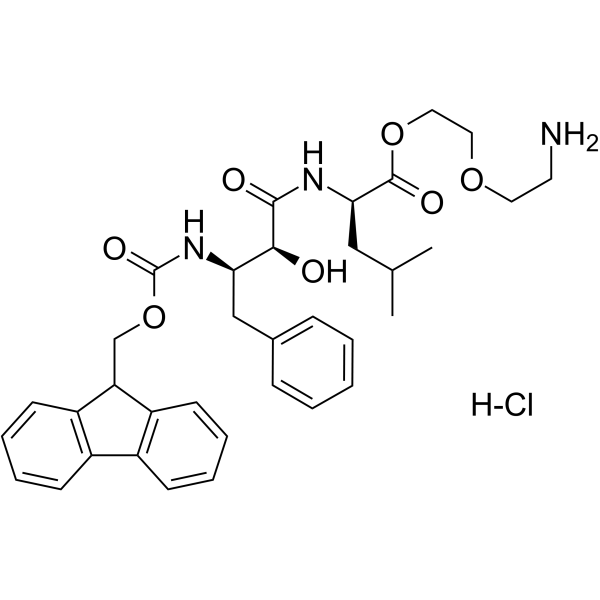 0 ImagesCat. No.: HY-128812ACAS No.: 1239866-59-1Synonyms: E3 ligase Ligand-Linker Conjugates 33 Hydrochloride
-
A 410099.1, amine-Boc
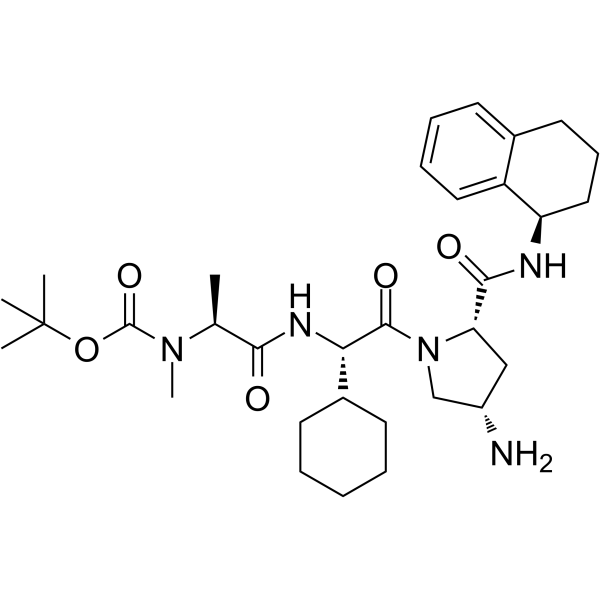 0 ImagesCat. No.: HY-136269ACAS No.: 1613552-03-6
- 1
- 2



