



Amino Acid Derivatives
Amino Acid Derivatives are bioactive molecules formed through chemical modifications or metabolic transformations of amino acids. They are widely present in living organisms and play crucial roles in physiological, psychological, and athletic performance.
The functions of these derivatives primarily include enhancing energy supply, regulating neurotransmitters, promoting fat metabolism, and reducing muscle damage. For example, creatine can increase muscle strength, enhance ATP resynthesis, and improve short-duration high-intensity exercise performance; tyrosine, as a precursor of dopamine and norepinephrine, helps enhance cognitive function and improve mood, particularly in sleep deprivation conditions, exhibiting anti-fatigue effects; carnitine facilitates fatty acid oxidation in the heart and skeletal muscles, improving endurance performance; HMB (β-hydroxy-β-methylbutyrate) reduces muscle breakdown and promotes muscle mass gain; while taurine exhibits antioxidant and antihypertensive properties and reduces oxidative stress induced by exercise.
Metabolic abnormalities or improper supplementation of amino acid derivatives may be associated with various diseases. For instance, tyrosine metabolism disorders can disrupt neurotransmitter balance, potentially leading to depression or stress-related disorders; elevated ADMA (asymmetric dimethylarginine) levels can inhibit nitric oxide synthesis, increasing the risk of cardiovascular diseases; carnitine deficiency is linked to certain genetic muscle disorders, impairing fat metabolism and energy production. Additionally, HMB may help slow muscle loss under specific conditions, while taurine intake is associated with improved cardiovascular health. Although some of the effects of these derivatives remain debated, they hold significant potential applications in sports nutrition, neurological regulation, and metabolic health.
All Product Categories
-
Amino Acid Derivatives Related Products (1778)
Related Products (1778)

-
Fmoc-Thr-OH
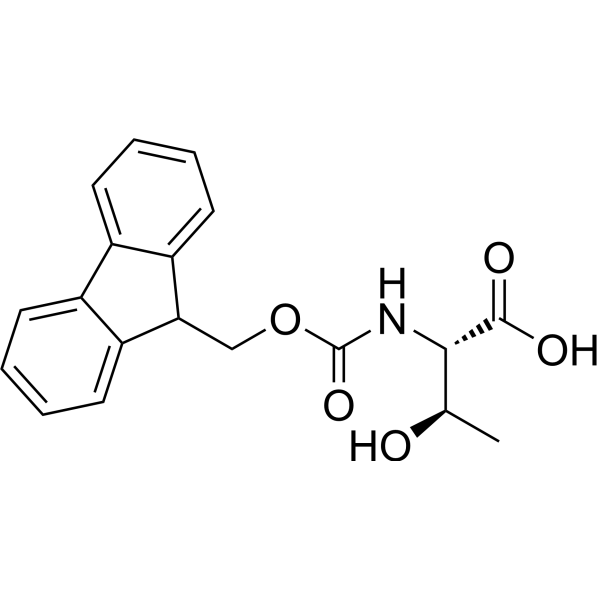 0 ImagesFmoc-Thr-OH is a threonine derivative.
-
Fmoc-Phe(4-F)-OH
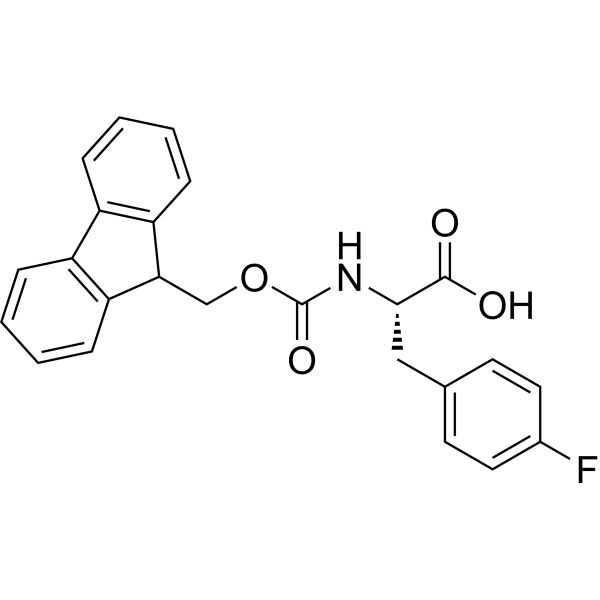 0 ImagesFmoc-Phe(4-F)-OH is a phenylalanine derivative.
-
(S)-2-[(tert-Butoxycarbonyl)amino]-3-iodopropionic acid methyl ester
![(S)-2-[(tert-Butoxycarbonyl)amino]-3-iodopropionic acid methyl ester](https://file.medchemexpress.com/product_pic/hy-z0424.gif "Click to View (S)-2-[(tert-Butoxycarbonyl)amino]-3-iodopropionic acid methyl ester Product Detail") 0 ImagesSynonyms: Methyl (2S)-2-(tert-butoxycarbonylamino)-3-iodopropanoate; Methyl (S)-2-[(tert-butoxycarbonyl)amino]-3-iodopropanoate(S)-2-[(tert-Butoxycarbonyl)amino]-3-iodopropionic acid methyl ester is an alanine derivative.
0 ImagesSynonyms: Methyl (2S)-2-(tert-butoxycarbonylamino)-3-iodopropanoate; Methyl (S)-2-[(tert-butoxycarbonyl)amino]-3-iodopropanoate(S)-2-[(tert-Butoxycarbonyl)amino]-3-iodopropionic acid methyl ester is an alanine derivative.
-
L-Ornithine L-aspartate
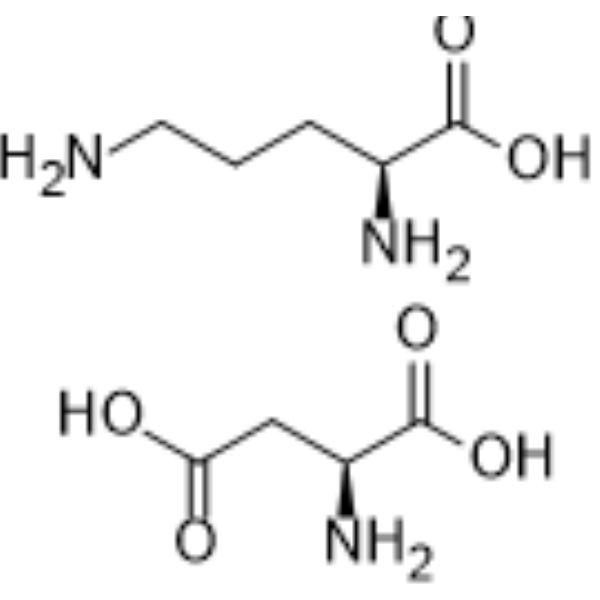 0 ImagesL-Ornithine L-aspartate is a stable salt of two natural nonessential L-amino acids with oral activity: ornithine and aspartic acid. L-Ornithine L-aspartate lowers blood ammonia concentration and to eliminate symptoms of hepatic encephalopathy associated with liver cirrhosis. L-Ornithine L-aspartate also improves mitochondrial functions.
-
Fmoc-Cha-OH
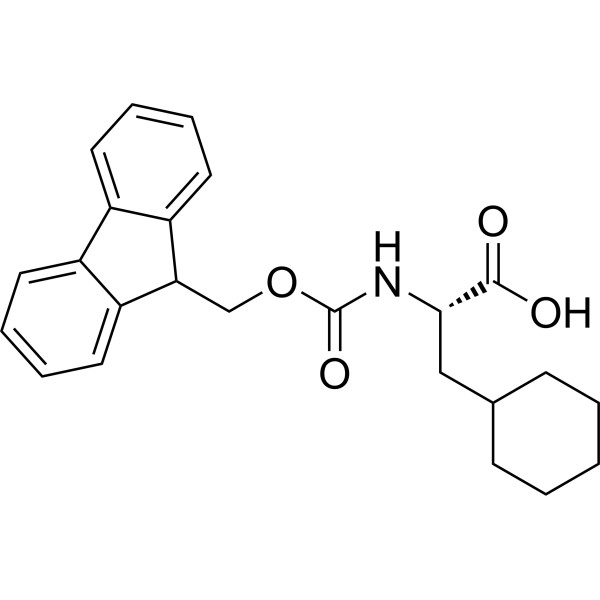 0 ImagesFmoc-Cha-OH is an alanine derivative.
-
L-Homocitrulline
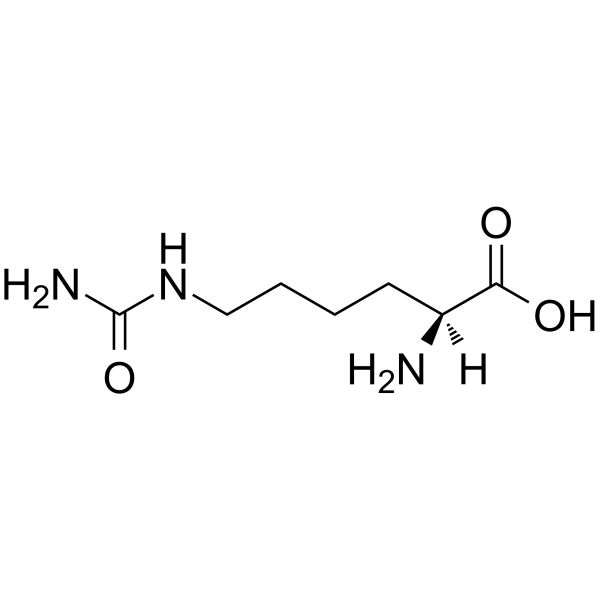 0 ImagesL-Homocitrulline is a carbamoylated derivative amino acid and a structural analog of L-citrulline. L-Homocitrulline serves not only as an intermediate in polypeptide synthesis but also converts into a variety of cyclic derivatives under enzymatic or acidic conditions. The level of L-Homocitrulline is significantly elevated in the serum of patients with non-alcoholic fatty liver disease (NAFLD), with high diagnostic accuracy. L-Homocitrulline also exists in patients with related diseases such as hypercitrullinemia. L-Homocitrulline is a key biomarker for monitoring abnormal liver metabolism and is widely used in NAFLD research.
-
4-(Trifluoromethyl)-L-phenylalanine
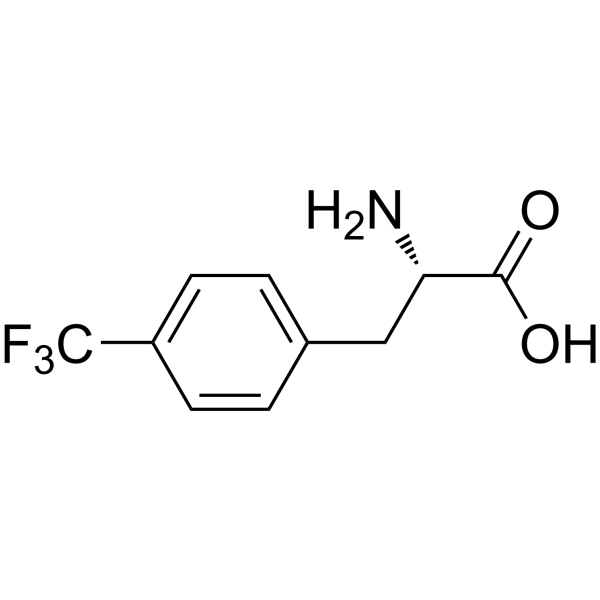 0 Images4-(Trifluoromethyl)-L-phenylalanine is a phenylalanine derivative.
-
Fmoc-Ser-OtBu
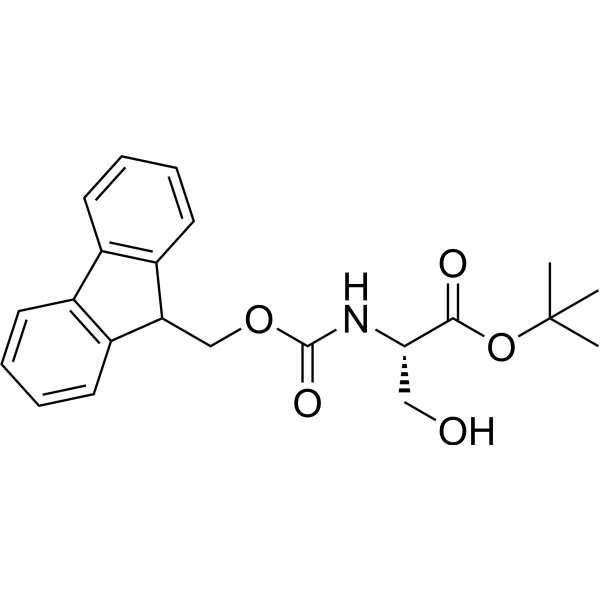 0 ImagesFmoc-Ser-OtBu is a serine derivative.
-
NY-ESO-1 (157-165) peptide
 0 ImagesNY-ESO-1 (157-165) peptide is a peptide fragment from NY-ESO-1 protein. NY-ESO-1 (157-165) peptide can activate the immune system, especially for HLA-A2 positive individuals, it can be recognized by CD8+ T cells, thus triggering an immune response. NY-ESO-1 (157-165) peptide is expressed in a variety of tumors and can be used as a target for tumor immunotherapy.
-
H-Phe-OtBu.HCl
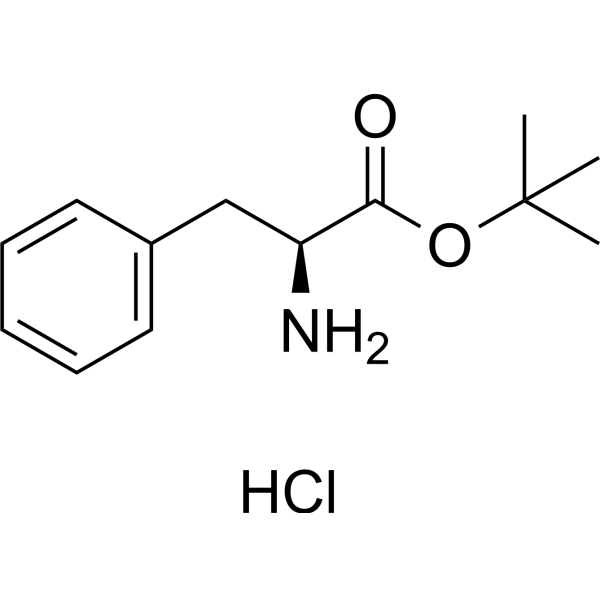 0 ImagesH-Phe-OtBu.HCl is a phenylalanine derivative.
-
Fmoc-Asp(OAll)-OH
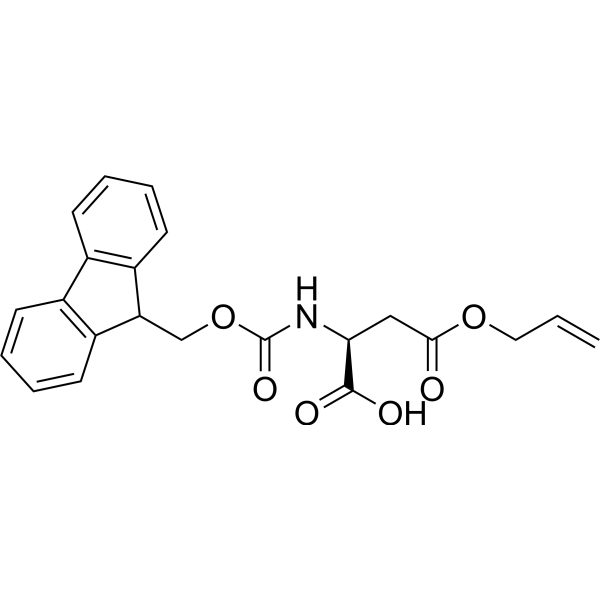 0 ImagesFmoc-Asp(OAll)-OH is an aspartic acid derivative.
-
3-Iodo-L-phenylalanine
 0 Images3-Iodo-L-phenylalanine is an unnatural amino acid that can be used for partial codon reassignment. 3-Iodo-L-phenylalanine shows high efficiency in Ser AGU codon reassignment, and also exhibits a certain reassignment effect on Ser UCG codon. 3-Iodo-L-phenylalanine can be applied to researches on genetic code expansion and protein engineering.
-
N,N'-Diacetyl-L-cystine
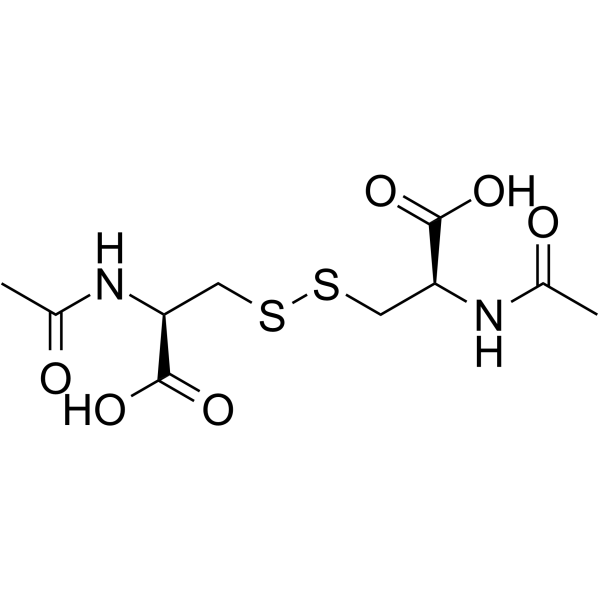 0 ImagesN,N'-diacetyl-L-cystine (DiNAC) is the disulphide dimer of N-acetylcysteine with immunomodulating properties. N,N'-diacetyl-L-cystine is a potent, orally active modulator of contact sensitivity/delayed type hypersensitivity reactions in rodents. N,N'-diacetyl-L-cystine also has antiatherosclerotic effects in Watanabe-heritable hyperlipidemic rabbit (WHHL) rabbits.
-
Hippuryl-His-Leu-OH hydrate
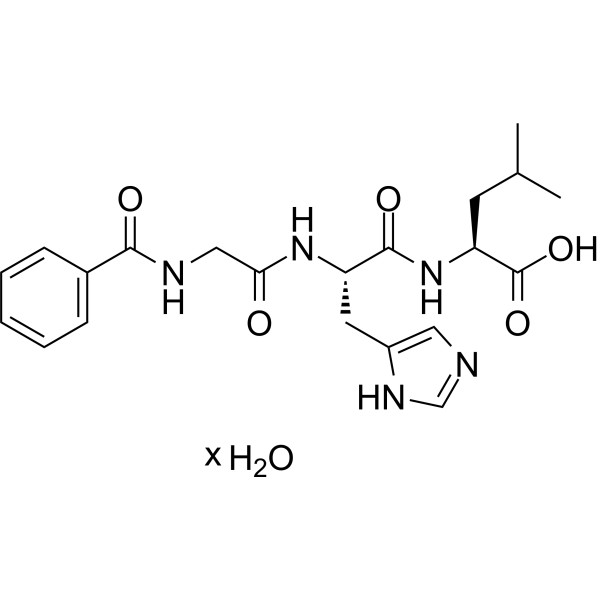 0 ImagesSynonyms: N-Benzoyl-Gly-His-Leu hydrateHippuryl-His-Leu-OH (N-Benzoyl-Gly-His-Leu) hydrate is a specific substrate for angiotensin-converting enzyme ACE I and is a molecular tool used for ACE activity detection in in vitro experiments. Hippuryl-His-Leu-OH hydrate is hydrolyzed by ACE through competitive binding. Under ACE catalysis, Hippuryl-His-Leu-OH hydrate undergoes hydrolysis to produce hippuric acid (HA). The amount of HA produced can be used to quantitatively assess ACE activity or screen for ACE inhibitors. The His-Leu released from Hippuryl-His-Leu-OH hydrate can also react with o-phthalaldehyde or Fluorescamine (HY-D0715) for fluorescence detection. Hippuryl-His-Leu-OH hydrate can be applied to the in vitro screening of ACE inhibitors for hypertension and cardiovascular diseases, and is also used in the study of changes in ACE activity during physiological and pathological processes such as renal compensatory hypertrophy.
-
O-(tert-Butyl)-L-serine
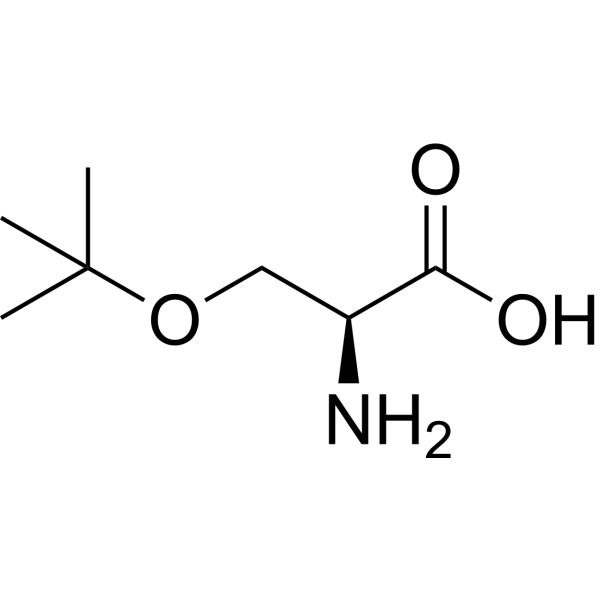 0 ImagesO-(tert-Butyl)-L-serine is a serine derivative.
-
Fmoc-Phe(4-NH2)-OH
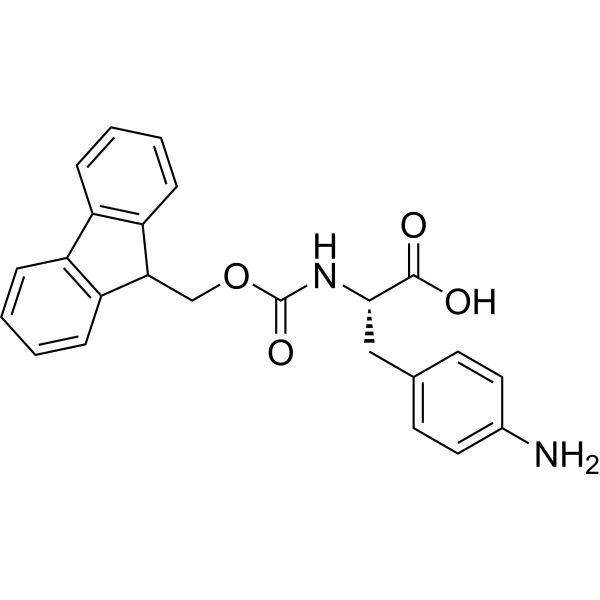 0 ImagesFmoc-Phe(4-NH2)-OH is a phenylalanine derivative.
-
Fmoc-Asp(ODMAB)-OH
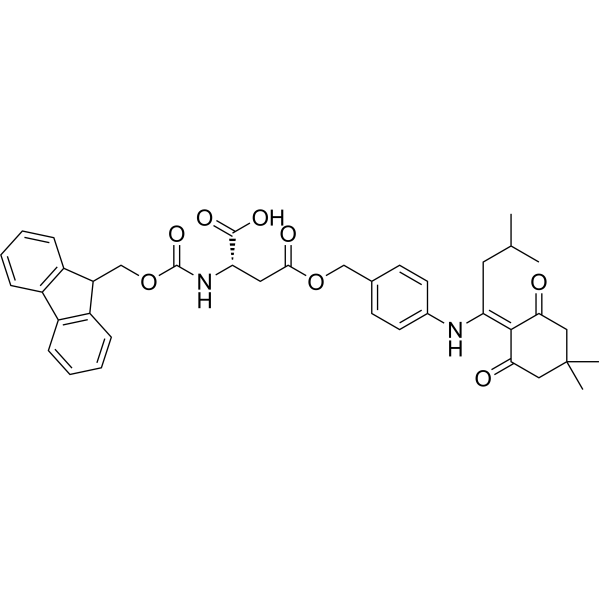 0 ImagesFmoc-Asp(ODMAB)-OH is an aspartic acid derivative.
-
Fmoc-N-Me-Ser(tBu)-OH
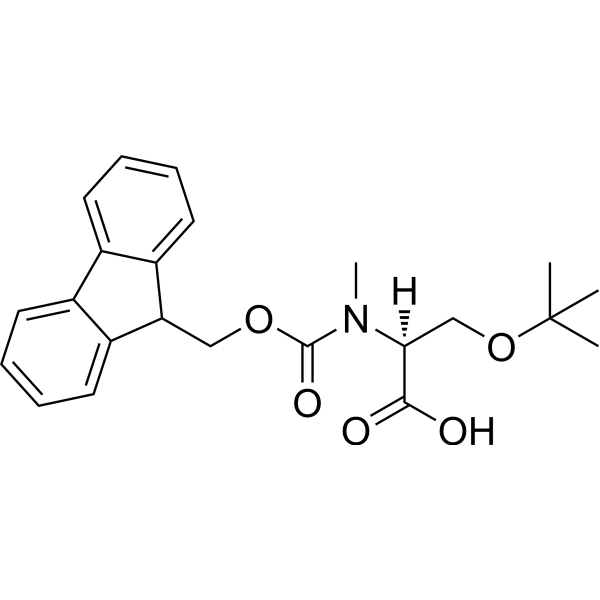 0 ImagesFmoc-N-Me-Ser(tBu)-OH is a serine derivative.
-
Boc-Lys-OH
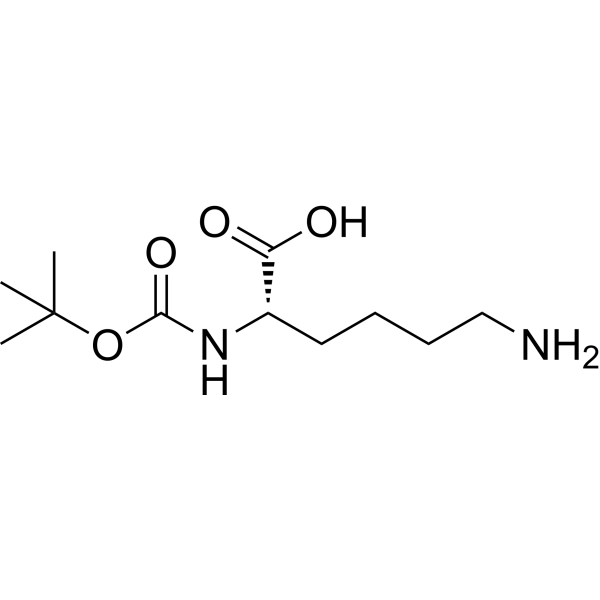 0 ImagesBoc-Lys-OH is an L-lysine derivative. Boc-Lys-OH plays a key role in peptide synthesis and redox activity research.
-
Fmoc-N-Me-Leu-OH
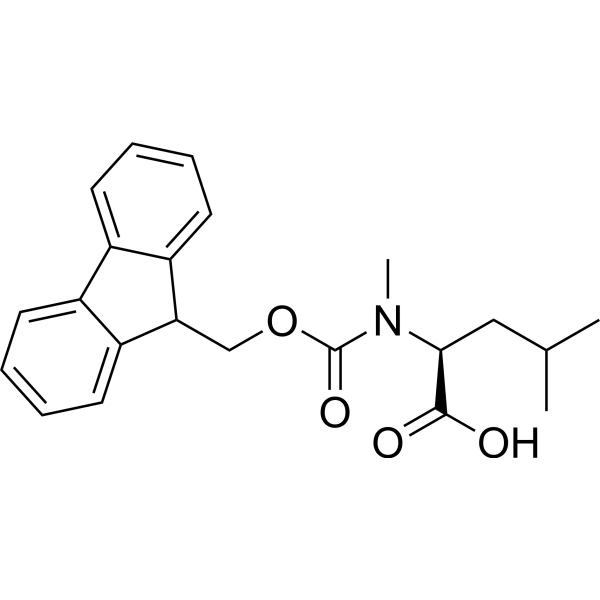 0 ImagesFmoc-N-Me-Leu-OH is an N-Fmoc-N-methyl amino acid that can be used in peptide coupling reactions. Fmoc-N-Me-Leu-OH is primarily used as a standard building block in solid-phase peptide synthesis (SPPS) to introduce N-methylleucine residues into peptide chains, thereby enhancing the enzymatic stability, altering conformational flexibility, and modifying the biological activity of the target peptide.



