



Herbicide
Herbicide
Herbicides refer to the agents that can completely or selectively cause the death of weeds, and they are also known as weed killers. Herbicides are divided into inorganic compound types and organic synthetic types. Herbicides should possess characteristics such as high efficiency, selectivity, and convenience in use. Some herbicides, such as paraquat, can function by inhibiting the photosynthesis of weeds, blocking the photosynthetic electron transfer or inhibiting the synthesis of photosynthetic pigments. Some herbicides, such as naphthalene acetic acid, can interfere with the hormonal balance of plants, leading to abnormal growth and death of weeds. There are also some herbicides that can inhibit plant cell division or amino acid synthesis. Herbicides are widely applied in agricultural farmlands, garden green spaces, along roads and railways, industrial sites, etc., to control weeds, so as to ensure the growth of crops, maintain the landscape environment, and reduce potential safety hazards such as fires[1][2].
All Product Categories
-
Herbicide Related Products (550)
Related Products (550)

-
Quizalofop-p-ethyl
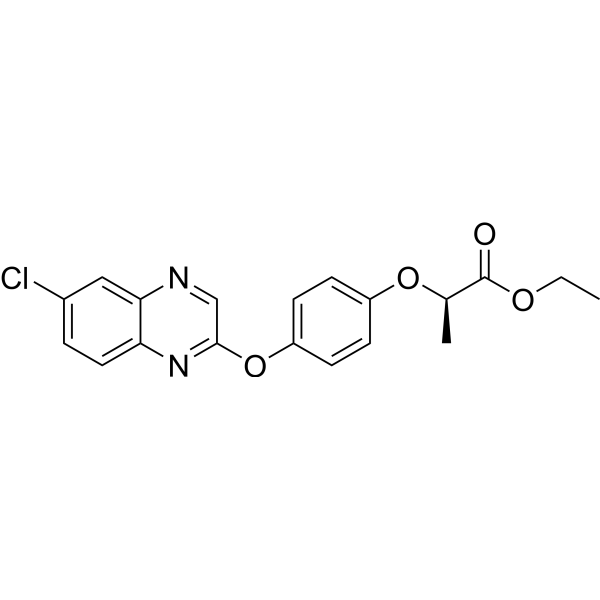 0 ImagesSynonyms: (R)-Quizalofop ethyl; Quinofop-ethyl

-
Simetryn
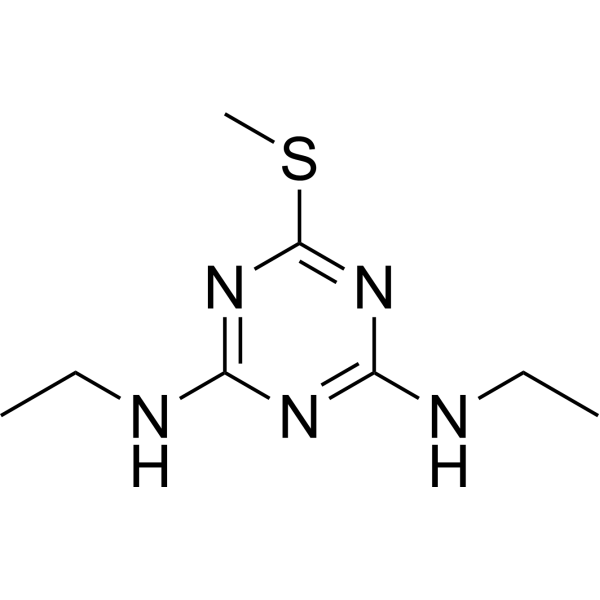 0 ImagesSimetryn is a triazine herbicide that exerts teratogenicity. Simetryn inhibits photosynthesis by blocking electron transfer in the chloroplast photosystem II and activates the MEK/Erk signaling pathway. Simetryn triggers vascular and developmental abnormalities in zebrafish and tadpoles, suppresses proliferation, enhances apoptosis, and induces malformations. Simetryn serves as a tool to establish a zebrafish model for studying arteriovenous malformations and related pathogenesis. Simetryn controls paddy weeds and can be used for research on developmental and vascular disorders.
-
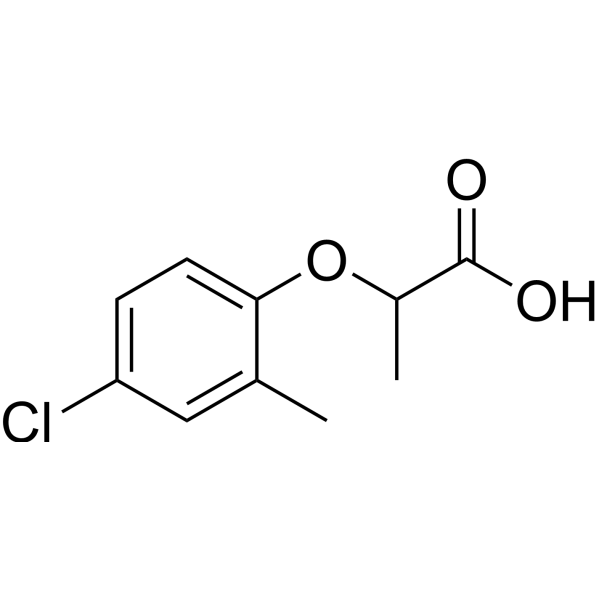
4-Chlorophenoxyacetic acid (4-CPA)
 0 Images4-Chlorophenoxyacetic acid (4-CPA) is a widely used herbicide and plant growth regulator. 4-Chlorophenoxyacetic acid (4-CPA) mimics endogenous auxin and regulates plant cell division, differentiation and gene expression. 4-Chlorophenoxyacetic acid (4-CPA) is used to control weeds and promote fruit growth.
-
Transketolase-IN-1
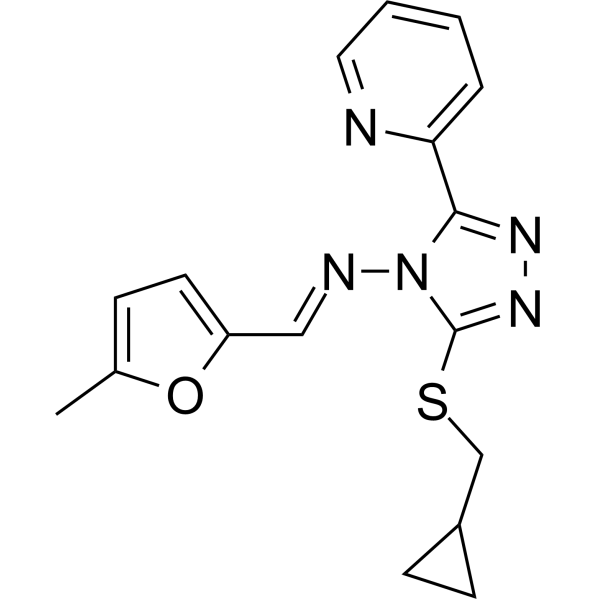 0 ImagesTransketolase-IN-1 is a transketolase inhibitor and a herbicide. Transketolase-IN-1 inhibits weed growth and exhibits safety for maize and wheat at specified application rates. Transketolase-IN-1 can be used for the research of weed control in wheat and maize fields.
-
Rimsulfuron
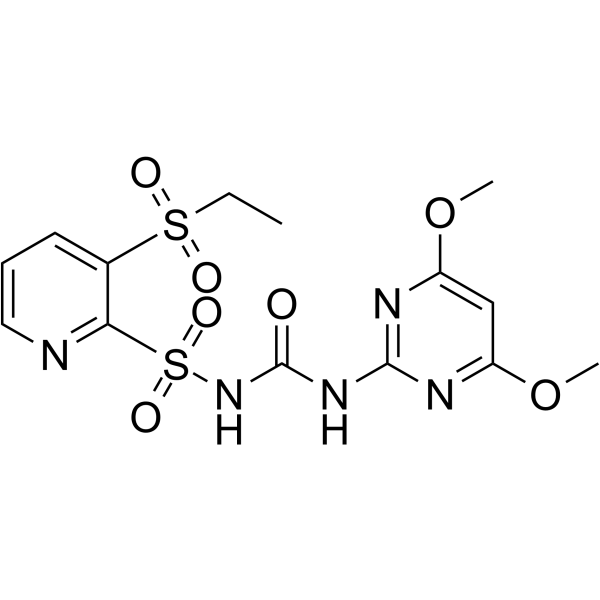 0 ImagesCat. No.: HY-133085CAS No.: 122931-48-0Synonyms: DPX-E9636Rimsulfuron (DPX-E9636) is a sulfonylurea herbicide for postemergence use in maize to control grasses and some broadleaf weeds.
-
Bentazone-d7
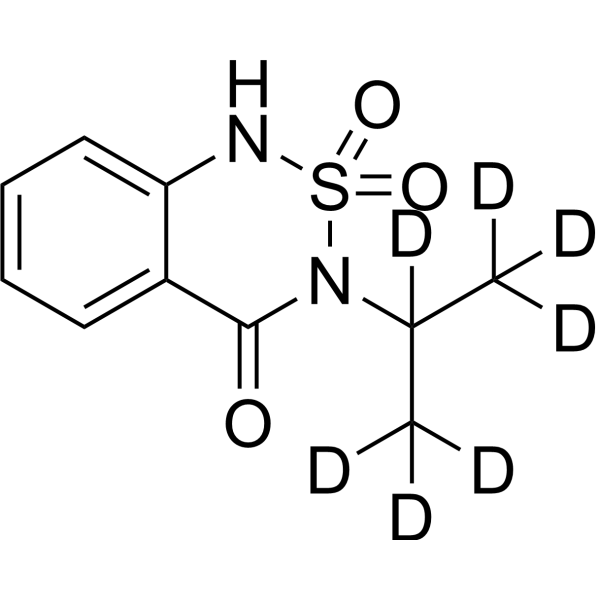 0 ImagesBentazone-d7 is the deuterated-labeled Bentazone (HY-B2039). Bentazone is a selective post-emergence herbicide and a Photosystem II inhibitor targeting the quinone B binding site, with activity against broadleaf weeds. Bentazone interferes with photosynthetic electron transport, blocks sunlight-dependent energy production, and acts as a phytotoxin to induce leaf damage, growth inhibition, lipid peroxidation, and reduced chlorophyll content.
-
N-1-Naphthylphthalamic acid (Standard)
 0 ImagesSynonyms: Alanap 1 (Standard)N-1-Naphthylphthalamic acid (Standard) is the analytical standard of N-1-Naphthylphthalamic acid. This product is intended for research and analytical applications. N-1-Naphthylphthalamic acid (Alanap 1) is a modulator of polar auxin transport that competes with auxin (indole-3-acetic acid, IAA) for membrane binding sites. N-1-Naphthylphthalamic acid also disrupts maize leaf initiation, KNOX protein regulation, and leaf margin formation.
-
Fluridone (Standard)
 0 ImagesFluridone (Standard) is the analytical standard of Fluridone. This product is intended for research and analytical applications. Fluridone is a herbicide, particularly to eliminate aquatic plant growth in water reservoirs and irrigation channels. Fluridone is a potent Abscisic acid (ABA) biosynthesis inhibitor, and has anti-inflammatory effects.
-
Trifludimoxazin
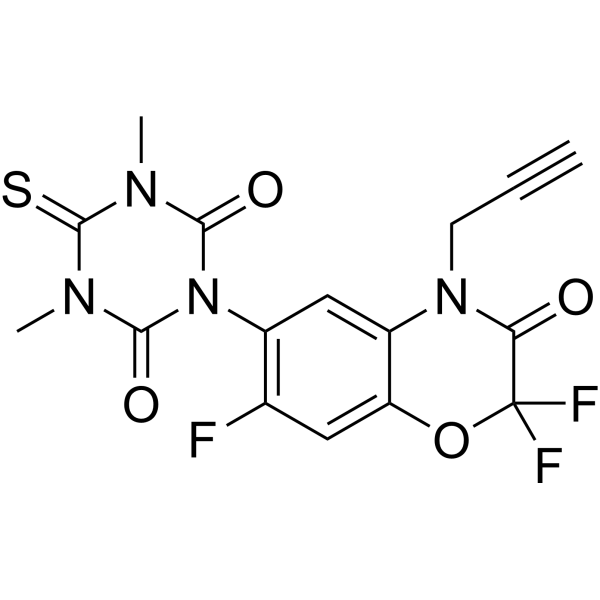 0 ImagesTrifludimoxazin is a click chemistry reagent, a protoporphyrinogen oxidase (PPO) inhibitor and herbicide. Trifludimoxazin inhibits PPO, accumulates reactive oxygen species, damages cell membranes, and thereby causes weed death. Trifludimoxazin exhibits high-efficiency activity in controlling broadleaf weeds and grassy weeds.
-
Fluroxypyr-meptyl
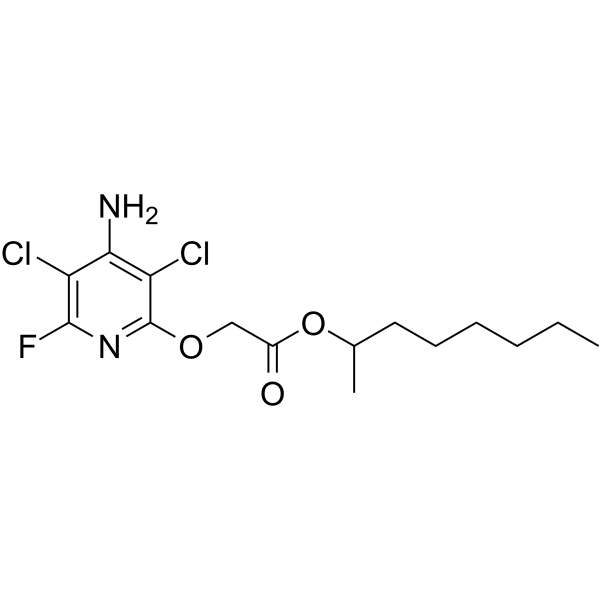 0 ImagesSynonyms: Fluroxypyr-1-methylheptyl esterFluroxypyr-meptyl (Fluroxypyr-1-methylheptyl ester), a synthetical phytohormone, is used as herbicide agent.
-
2,4-D-13C6
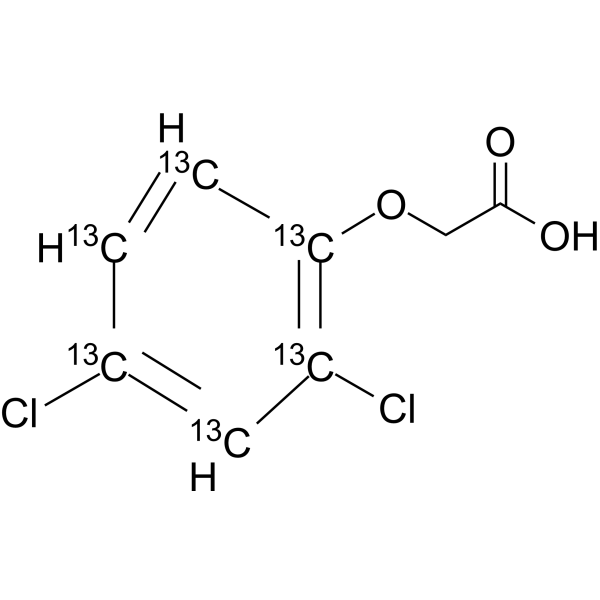 0 ImagesCat. No.: HY-18572SCAS No.: 150907-52-1Synonyms: 2,4-Dichlorophenoxyacetic acid-13C62,4-D-13C6 is the 13C-labeled 2,4-D (HY-18572). 2,4-D (2,4-Dichlorophenoxyacetic acid) is a selective systemic herbicide for the control of broad-leaved weeds. 2,4-D acts as a plant hormone, causing uncontrolled growth in the meristematic tissues. 2,4-D inhibits DNA and protein synthesis and thereby prevents normal plant growth and development.
-
Glufosinate ammonium (Standard)
 0 ImagesGlufosinate (ammonium) (Standard) is the analytical standard of Glufosinate (ammonium). This product is intended for research and analytical applications. Glufosinate ammonium, a phosphinic acid analogue of glutamic acid, is an herbicide which is converted by plant cells into PT (L-phosphinothricin). Glufosinate ammonium exerts neurotoxic activity.
-
Terbutryn
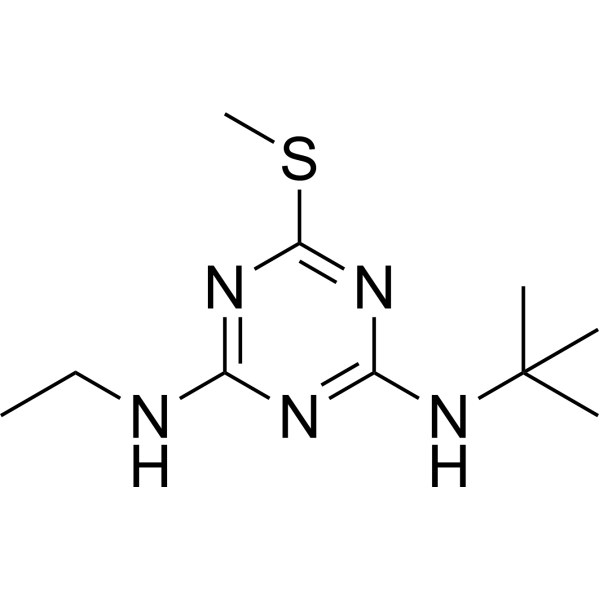 0 ImagesTerbutryn is a photosystem II inhibitor and aquatic toxicant. Terbutryn interferes with photosynthesis by inhibiting photosystem II. Terbutryn reduces the production of periphyton by acting directly on periphytic algae in artificial indoor streams. Terbutryn reduces the population growth of Lumbriculus variegatus in artificial indoor streams through indirect effects associated with the reduction of food sources for periphyton. The overall 50% dissipation time (DT50) of Terbutryn in the water of artificial indoor streams is 28 d.



