1. Metabolic Enzyme/Protease Neuronal Signaling
  2. Adenosine Kinase
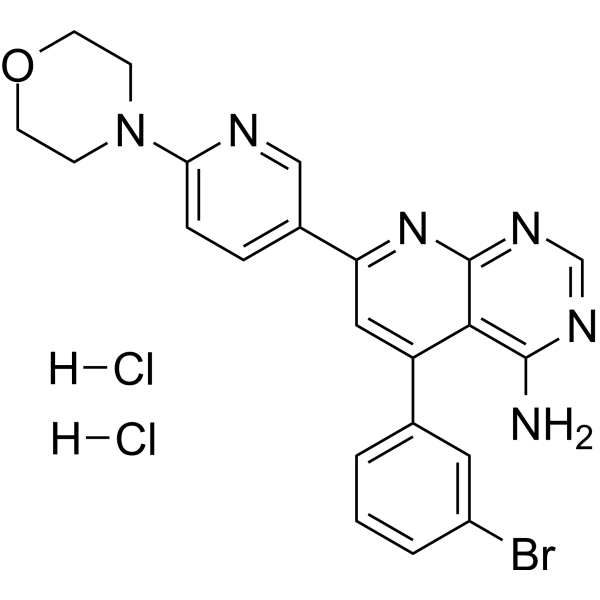
  3. ABT-702 dihydrochloride

ABT-702 dihydrochloride is a potent adenosine kinase (AK) inhibitor (IC50=1.7 nM).

For research use only. We do not sell to patients.

CAS No. : 1188890-28-9

Size Price Stock Quantity
Solid + Solvent (Highly Recommended)
10 mM * 1 mL in DMSO
ready for reconstitution
In-stock
Solution
10 mM * 1 mL in DMSO In-stock
Solid
1 mg In-stock
5 mg In-stock
10 mg In-stock
25 mg In-stock
50 mg In-stock
100 mg In-stock
200 mg   Get quote  
500 mg   Get quote  

* Please select Quantity before adding items.

This product is a controlled substance and not for sale in your territory.

Customer Review

Based on 3 publication(s) in Google Scholar

Other Forms of ABT-702 dihydrochloride:

Top Publications Citing Use of Products
Cell Proliferation/Viability Assay
Bio/Physico-chemical Assay

    ABT-702 dihydrochloride purchased from MedChemExpress. Usage Cited in: Neurochem Res. 2024 Nov 16;50(1):13.  [Abstract]

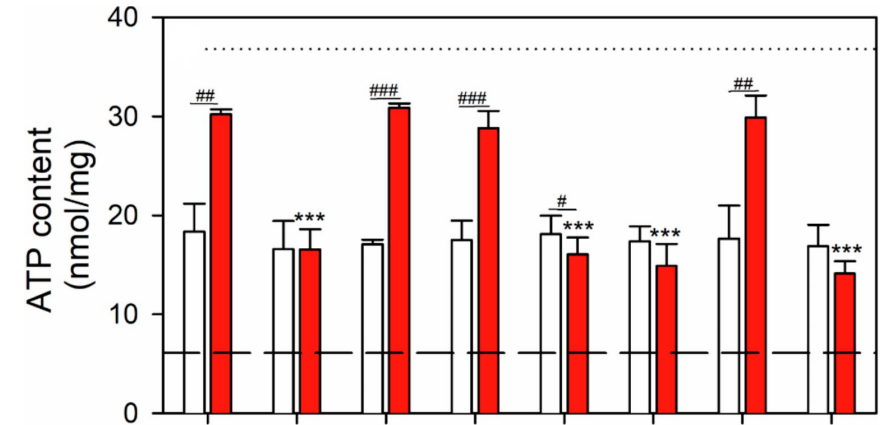
    Effects of inhibitors of adenosine metabolism on the utilization of adenosine for ATP restoration in glucose-fed astrocytes. Astrocyte cultures had been preincubated for 60 min in glucose-free IB with 1 µM of BAM15 to lower the cellular ATP content before the cells were incubated in glucose (5 mM)-containing IB without or with 30 µM adenosine in the absence or the presence of the adenosine kinase inhibitor ABT-702 dihydrochloride (ABT; 10 µM), the adenosine deaminase inhibitor DCF (1 µM) and/or the purine nucleoside phosphorylase inhibitor forodesine (Foro; 10 µM). After 60 min, the cellular ATP content was determined.

    ABT-702 dihydrochloride purchased from MedChemExpress. Usage Cited in: Neurochem Res. 2024 Nov 16;50(1):13.  [Abstract]

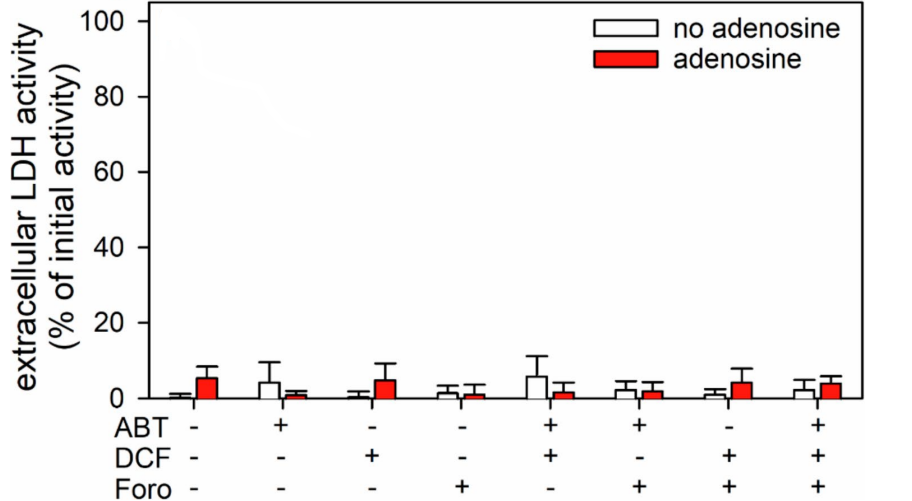
    Effects of inhibitors of adenosine metabolism on the utilization of adenosine for ATP restoration in glucose-fed astrocytes. Astrocyte cultures had been preincubated for 60 min in glucose-free IB with 1 µM of BAM15 to lower the cellular ATP content before the cells were incubated in glucose (5 mM)-containing IB without or with 30 µM adenosine in the absence or the presence of the adenosine kinase inhibitor ABT-702 dihydrochloride (ABT; 10 µM), the adenosine deaminase inhibitor DCF (1 µM) and/or the purine nucleoside phosphorylase inhibitor forodesine (Foro; 10 µM). After 60 min, the extracellular LDH activity was determined.

    ABT-702 dihydrochloride purchased from MedChemExpress. Usage Cited in: Neurochem Res. 2024 Nov 16;50(1):13.  [Abstract]

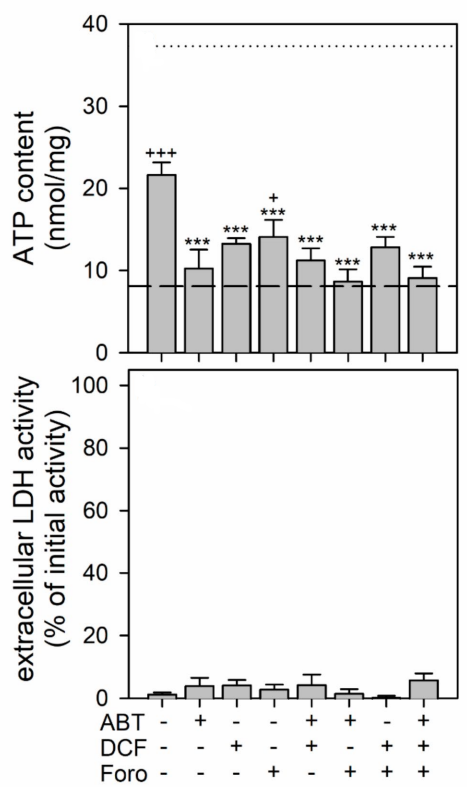
    Prevention of the exclusive utilization of adenosine for ATP restoration by inhibitors of adenosine metabolism. Astrocyte cultures had been preincubated for 60 min in glucose-free IB with 1 µM of BAM15 to lower the cellular ATP content before the cells were incubated in glucose-free IB with 100 µM adenosine in the absence or the presence of the adenosine kinase inhibitor ABT-702 dihydrochloride (ABT; 10 µM), the adenosine deaminase inhibitor DCF (1 µM) and/or the purine nucleoside phosphorylase inhibitor forodesine (Foro; 10 µM). After 60 min, the cellular ATP content and the extracellular LDH activity were determined.

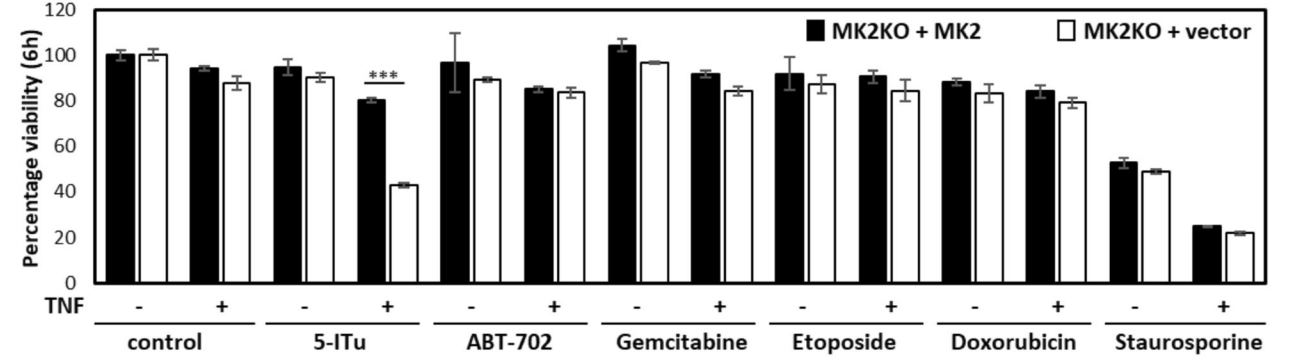
    ABT-702 dihydrochloride purchased from MedChemExpress. Usage Cited in: Cell Death Discov. 2023 Jul 26;9(1):262.  [Abstract]

    MK2-deficient MEFs transduced with MK2 expression or control vector were treated with indicated small molecules (5 µM ABT-702 dihydrochloride, 100 nM gemcitabine, 5 µM etoposid, 5 µM doxorubicin and 5 µM staurosporine) in the presence or absence of TNF for 6 h and cell viability was assessed.
    • Biological Activity

    • Protocol

    • Purity & Documentation

    • References

    • Customer Review

    Description

    ABT-702 dihydrochloride is a potent adenosine kinase (AK) inhibitor (IC50=1.7 nM).

    IC50 & Target

    IC50: 1.7 nM (Adenosine kinase, AK)[1]

    In Vitro

    ABT-702 is an orally effective adenosine kinase inhibitor that has several orders of magnitude selectivity over other sites of adenosine (ADO) interaction (A1, A2A, A3 receptors, ADO transporter, and ADO deaminase). ABT-702 is equipotent (IC50=1.5±0.3 nM) in inhibiting native human AK (placenta), two human recombinant isoforms (AKlong and AKshort), and AK from monkey, dog, rat, and mouse brain. ABT-702 potently inhibits the activity of rat brain cytosolic AK in a concentration-dependent manner with an IC50 value of 1.7 nM. ABT-702 also potently inhibits AK activity in intact cultured IMR-32 human neuroblastoma cells (IC50=51 nM), indicating that ABT-702 can penetrate the cell membrane and potently inhibit AK at its intracellular site[1].

    MedChemExpress (MCE) has not independently confirmed the accuracy of these methods. They are for reference only.

    In Vivo

    ABT-702 significantly reduces acute thermal nociception in a dose-dependent manner after both intraperitoneal (ED50=8 μmol/kg i.p.) and oral (ED50=65 μmol/kg p.o.) administration in the mouse hot-plate test. Consistent with its antinociceptive effects in the hot-plate assay, ABT-702 also produces dose-dependent antinociceptive effects (ED50=2 μmol/kg i.p.) in the abdominal constriction assay. ABT-702 exhibits full efficacy in this model of persistent chemical pain[1]. Rats are given an intraperitoneal injection of the adenosine A1 receptor antagonist DPCPX (3 mg/kg), ABT-702 (3 mg/kg), or vehicle 10 minutes prior to an intravenous injection of 2-18F-fluorodeoxy-D-glucose (FDG) (FDG, 15.4±0.7 MBq per rat). Rats are then subjected to a 15 minute static positron emission tomography (PET) scan. Reconstructed images are normalized to FDG PET template for rats and standard uptake values (SUVs) are calculated. To examine the regional effect of active treatment compared to vehicle, statistical parametric mapping analysis is performed. Whole-brain FDG uptake is not affected by drug treatment. Significant regional hypometabolism is detected, particularly in cerebellum, of DPCPX and ABT-702 treated rats, relative to vehicle-treated rats. Thus, endogenous adenosine can affect FDG accumulation although this effect is modest in quiescent rats. Body weight (316.8±28.4 g; mean±SD) and blood glucose (5.5±1.7 mM) are not significantly different among three groups. Whole-brain PET SUV values are 1.6±0.4, 1.6±0.6, and 1.8±0.6 for vehicle, ABT-702, and DPCPX-treated rats, respectively (F(2,9)=0.298, P=0.75). statistical parametric mapping (SPM) analysis reveals significant regional hypometabolism in the cerebellum, mesencephalic region, and medulla in the ABT-702-treated rats compared to the vehicle-treated rats[2].

    MedChemExpress (MCE) has not independently confirmed the accuracy of these methods. They are for reference only.

    Molecular Weight

    536.25

    Formula

    C22H21BrCl2N6O

    CAS No.
    Appearance

    Solid

    Color

    Yellow to orange

    SMILES

    NC1=C(C(C2=CC=CC(Br)=C2)=CC(C3=CC=C(N4CCOCC4)N=C3)=N5)C5=NC=N1.[H]Cl.[H]Cl

    Shipping

    Room temperature in continental US; may vary elsewhere.

    Storage

    4°C, sealed storage, away from moisture

    *In solvent : -80°C, 6 months; -20°C, 1 month (sealed storage, away from moisture)

    Solvent & Solubility
    In Vitro: 

    DMSO : ≥ 33.33 mg/mL (62.15 mM; Hygroscopic DMSO has a significant impact on the solubility of product, please use newly opened DMSO)

    *"≥" means soluble, but saturation unknown.

    Preparing
    Stock Solutions
    Concentration Solvent Mass 1 mg 5 mg 10 mg
    1 mM 1.8648 mL 9.3240 mL 18.6480 mL
    5 mM 0.3730 mL 1.8648 mL 3.7296 mL
    View the Complete Stock Solution Preparation Table

    * Please refer to the solubility information to select the appropriate solvent. Once prepared, please aliquot and store the solution to prevent product inactivation from repeated freeze-thaw cycles.
    Storage method and period of stock solution: -80°C, 6 months; -20°C, 1 month (sealed storage, away from moisture). When stored at -80°C, please use it within 6 months. When stored at -20°C, please use it within 1 month.

    • Molarity Calculator

    • Dilution Calculator

    Mass (g) = Concentration (mol/L) × Volume (L) × Molecular Weight (g/mol)

    Mass
    =
    Concentration
    ×
    Volume
    ×
    Molecular Weight *

    Concentration (start) × Volume (start) = Concentration (final) × Volume (final)

    This equation is commonly abbreviated as: C1V1 = C2V2

    Concentration (start)

    C1

    ×
    Volume (start)

    V1

    =
    Concentration (final)

    C2

    ×
    Volume (final)

    V2

    In Vivo:

    Select the appropriate dissolution method based on your experimental animal and administration route.

    For the following dissolution methods, please ensure to first prepare a clear stock solution using an In Vitro approach and then sequentially add co-solvents:
    To ensure reliable experimental results, the clarified stock solution can be appropriately stored based on storage conditions. As for the working solution for in vivo experiments, it is recommended to prepare freshly and use it on the same day.
    The percentages shown for the solvents indicate their volumetric ratio in the final prepared solution. If precipitation or phase separation occurs during preparation, heat and/or sonication can be used to aid dissolution.

    • Protocol 1

      Add each solvent one by one:  10% DMSO    40% PEG300    5% Tween-80    45% Saline

      Solubility: ≥ 2.5 mg/mL (4.66 mM); Clear solution

      This protocol yields a clear solution of ≥ 2.5 mg/mL (saturation unknown).

      Taking 1 mL working solution as an example, add 100 μL DMSO stock solution (25.0 mg/mL) to 400 μL PEG300, and mix evenly; then add 50 μL Tween-80 and mix evenly; then add 450 μL Saline to adjust the volume to 1 mL.

      Preparation of Saline: Dissolve 0.9 g sodium chloride in ddH₂O and dilute to 100 mL to obtain a clear Saline solution.
    • Protocol 2

      Add each solvent one by one:  10% DMSO    90% (20% SBE-β-CD in Saline)

      Solubility: ≥ 2.5 mg/mL (4.66 mM); Clear solution

      This protocol yields a clear solution of ≥ 2.5 mg/mL (saturation unknown).

      Taking 1 mL working solution as an example, add 100 μL DMSO stock solution (25.0 mg/mL) to 900 μL 20% SBE-β-CD in Saline, and mix evenly.

      Preparation of 20% SBE-β-CD in Saline (4°C, storage for one week): 2 g SBE-β-CD powder is dissolved in 10 mL Saline, completely dissolve until clear.
    In Vivo Dissolution Calculator
    Please enter the basic information of animal experiments:

    Dosage

    mg/kg

    Animal weight
    (per animal)

    g

    Dosing volume
    (per animal)

    μL

    Number of animals

    Recommended: Prepare an additional quantity of animals to account for potential losses during experiments.
    Please enter your animal formula composition:
    %
    DMSO +
    +
    %
    Tween-80 +
    %
    Saline
    Recommended: Keep the proportion of DMSO in working solution below 2% if your animal is weak.
    The co-solvents required include: DMSO, . All of co-solvents are available by MedChemExpress (MCE). , Tween 80. All of co-solvents are available by MedChemExpress (MCE).
    Calculation results:
    Working solution concentration: mg/mL
    Method for preparing stock solution: mg drug dissolved in μL  DMSO (Stock solution concentration: mg/mL).

    *In solvent : -80°C, 6 months; -20°C, 1 month (sealed storage, away from moisture)

    The concentration of the stock solution you require exceeds the measured solubility. The following solution is for reference only. If necessary, please contact MedChemExpress (MCE).
    Method for preparing in vivo working solution for animal experiments: Take μL DMSO stock solution, add μL . μL , mix evenly, next add μL Tween 80, mix evenly, then add μL Saline.
     If the continuous dosing period exceeds half a month, please choose this protocol carefully.
    Please ensure that the stock solution in the first step is dissolved to a clear state, and add co-solvents in sequence. You can use ultrasonic heating (ultrasonic cleaner, recommended frequency 20-40 kHz), vortexing, etc. to assist dissolution.
    Purity & Documentation

    Purity: 99.45%

    References
    Animal Administration
    [2]

    Rats[2]
    Rats are fasted for 16 hours prior to use. At the beginning of the experiment, each rat is weighed, and then anesthetized using 5% isoflurane for induction and 2.5% for maintenance. A blood sample from tail vein is collected for a fasting blood glucose determination using a standard glucometer. Rats are then given an intraperitoneal (i.p.) injection of DPCPX (3 mg/kg, n=4), ABT-702 (3 mg/kg, n=4), or an equivalent volume of vehicle (15% dimethyl sulfoxide, 15% cremophor EL, 70% saline, n=4) to manipulate the effect of endogenous adenosine on neuronal activities. Ten minutes after i.p. injection, rats are administered FDG (15.4±0.7 MBq) in 0.3-0.5 mL saline by intravenous (i.v.) tail vein injection. Rats are allowed to recover from anesthesia after the FDG injection but are reanesthetized for 15-minute-static PET scan with the head in the center of the field of view. All images are reconstructed[2].

    MCE has not independently confirmed the accuracy of these methods. They are for reference only.

    References

    Complete Stock Solution Preparation Table

    * Please refer to the solubility information to select the appropriate solvent. Once prepared, please aliquot and store the solution to prevent product inactivation from repeated freeze-thaw cycles.
    Storage method and period of stock solution: -80°C, 6 months; -20°C, 1 month (sealed storage, away from moisture). When stored at -80°C, please use it within 6 months. When stored at -20°C, please use it within 1 month.

    Optional Solvent Concentration Solvent Mass 1 mg 5 mg 10 mg 25 mg
    DMSO 1 mM 1.8648 mL 9.3240 mL 18.6480 mL 46.6200 mL
    5 mM 0.3730 mL 1.8648 mL 3.7296 mL 9.3240 mL
    10 mM 0.1865 mL 0.9324 mL 1.8648 mL 4.6620 mL
    15 mM 0.1243 mL 0.6216 mL 1.2432 mL 3.1080 mL
    20 mM 0.0932 mL 0.4662 mL 0.9324 mL 2.3310 mL
    25 mM 0.0746 mL 0.3730 mL 0.7459 mL 1.8648 mL
    30 mM 0.0622 mL 0.3108 mL 0.6216 mL 1.5540 mL
    40 mM 0.0466 mL 0.2331 mL 0.4662 mL 1.1655 mL
    50 mM 0.0373 mL 0.1865 mL 0.3730 mL 0.9324 mL
    60 mM 0.0311 mL 0.1554 mL 0.3108 mL 0.7770 mL
    • No file chosen (Maximum size is: 1024 Kb)
    • If you have published this work, please enter the PubMed ID.
    • Your name will appear on the site.
    Help & FAQs
    • Do most proteins show cross-species activity?

      Species cross-reactivity must be investigated individually for each product. Many human cytokines will produce a nice response in mouse cell lines, and many mouse proteins will show activity on human cells. Other proteins may have a lower specific activity when used in the opposite species.

    Your Recently Viewed Products:

    Inquiry Online

    Your information is safe with us. * Required Fields.

    Product Name


    Requested Quantity *

    Applicant Name *


    Salutation

    Email Address *


    Phone Number *

    Department


    Organization Name *

    City

    State

    Country or Region *


    Remarks

    Bulk Inquiry

    Inquiry Information

    Product Name:
    ABT-702 dihydrochloride
    Cat. No.:
    HY-103161
    Quantity:
    MCE Japan Authorized Agent: