



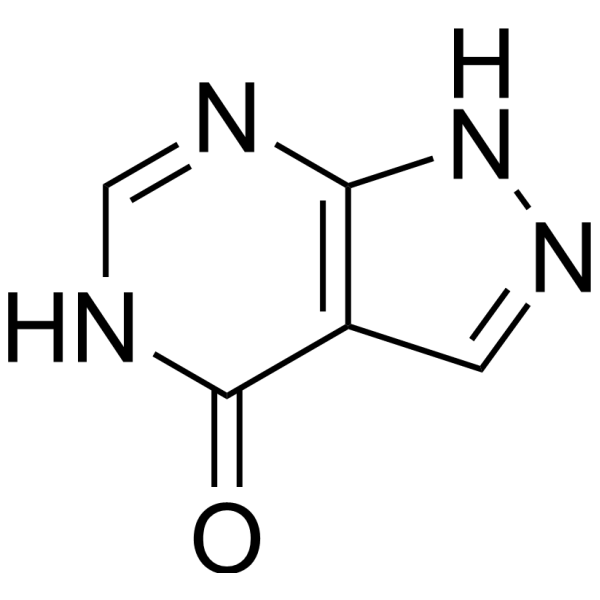
Allopurinol
Based on 14 publication(s) in Google Scholar
Allopurinol is a potent and orally active xanthine oxidase inhibitor with an IC50 value of 0.2-50 μM. Allopurinol can be used in the research of hyperuricemia and gout. Allopurinol decreases the expression of HIF-1α and HIF-2α protein. Allopurinol shows anti-depressant and anti-nociception activity. Anti-leishmanial effect.
Nos produits utilisent uniquement pour la recherche. Nous ne vendons pas aux patients.
- Pureté : 99.96%
- CAS No.: 315-30-0
- Formule: C5H4N4O
- Masse moléculaire:136.11
-
Stockage:Powder -20°C, 3 years , 4°C, 2 years ; In solvent -80°C, 6 months , -20°C, 1 month

To place orders, for customer services and technical support, please contact: MedChemExpress USA
Tel: 609-228-6898 E-mail: [email protected] [email protected]


-
 Activité biologique
-
Chemical Information
-
Solvant et solubilité
- Protocole
- Pureté et documentation
- Références
-
 Help & FAQs


-
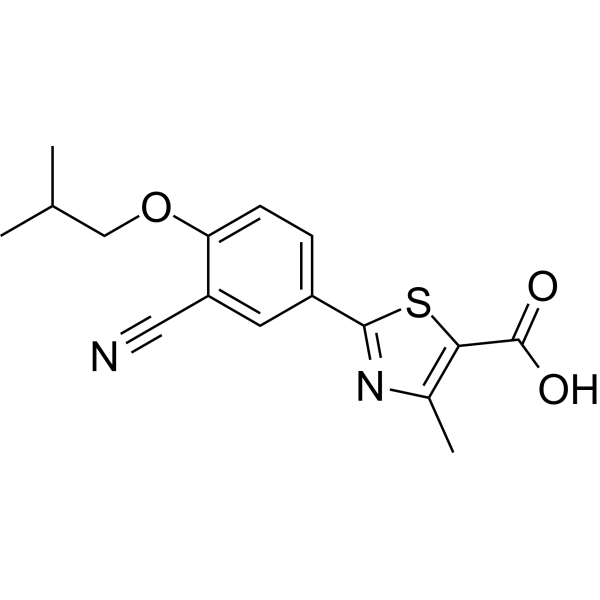
HY-14268
FebuxostatXO Inhibitor -
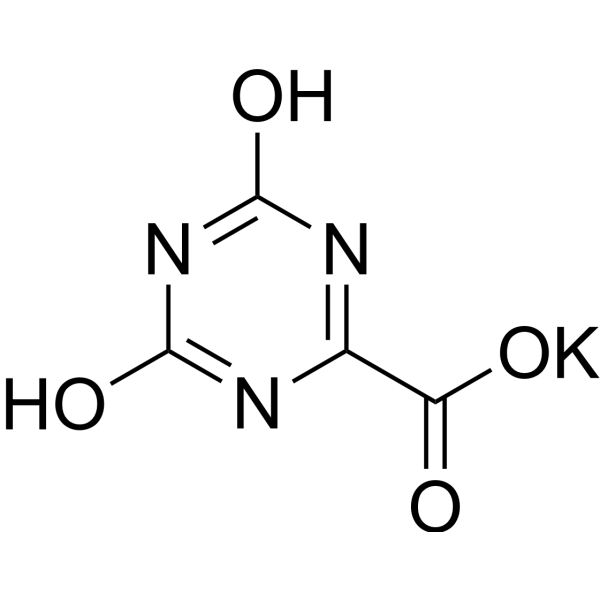
HY-17511
Potassium oxonateUricase Inhibitor -
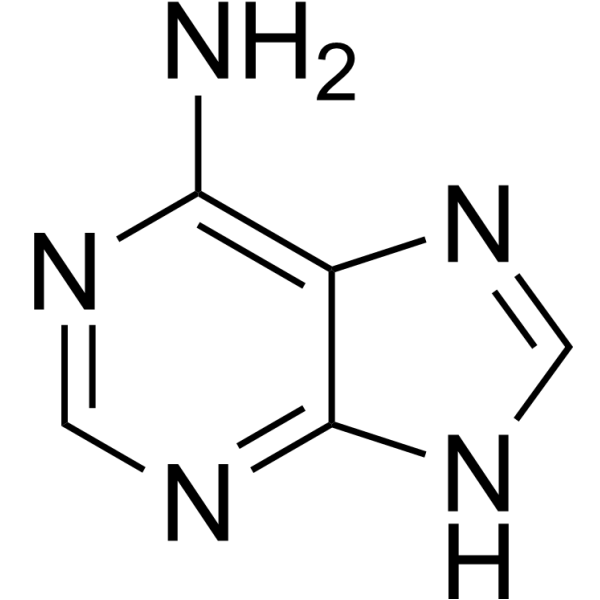
HY-B0152
AdenineNucleobase -
HY-N0091
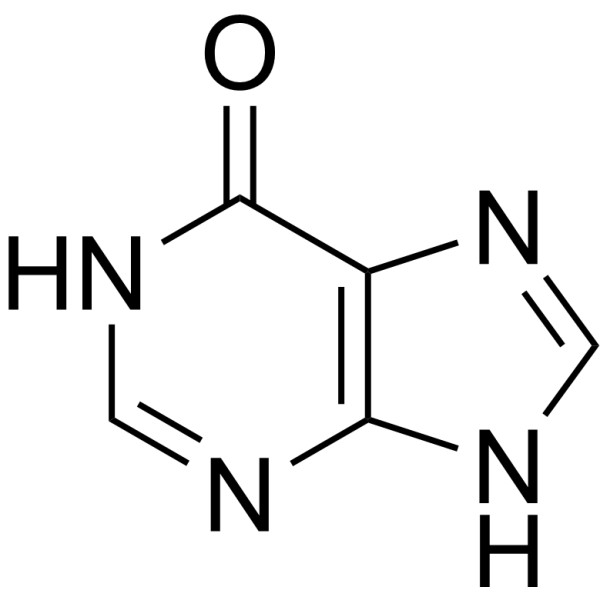
HypoxanthineEndogenous Metabolite -
HY-W017389
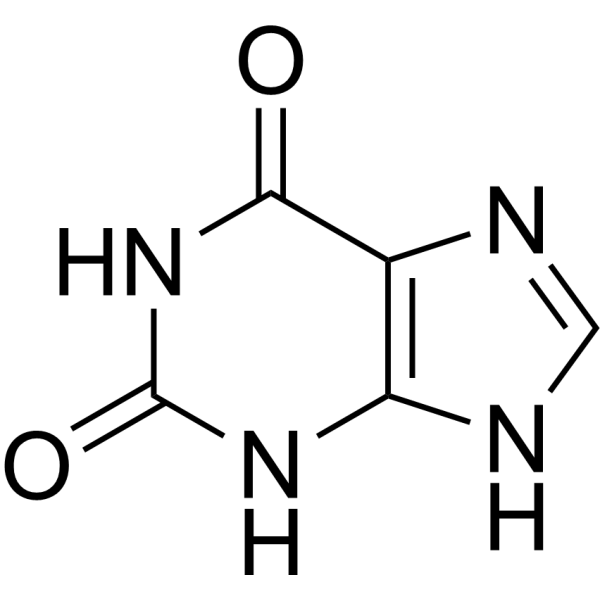
Xanthine -
HY-B1135
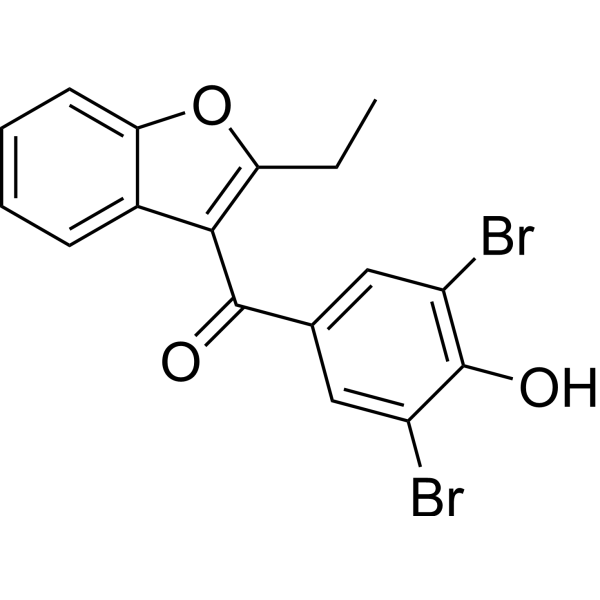
BenzbromaroneApoptosis Inducer -
HY-B0228
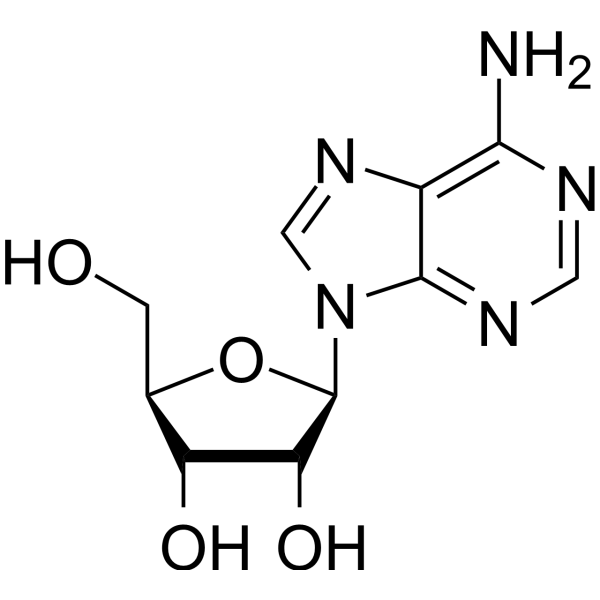
AdenosineEndogenous Autacoid -
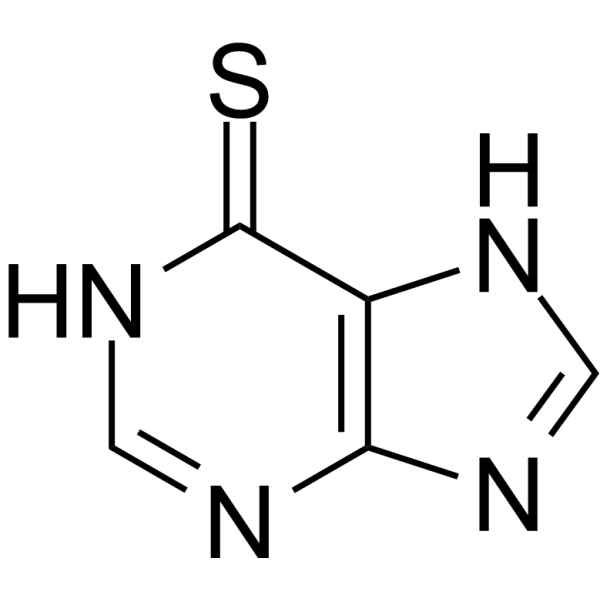
HY-13677
6-Mercaptopurine -

HY-B0219R
Allopurinol (Standard)Xanthine Oxidase Inhibitor -
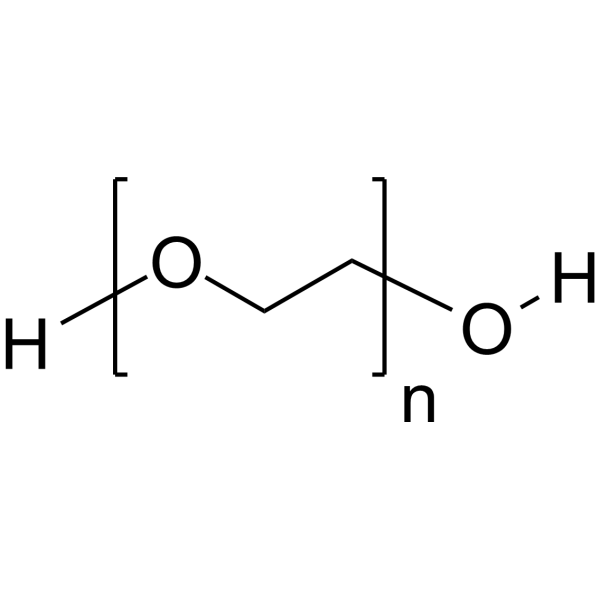
HY-Y0873
PEG300Neutral Polymer -
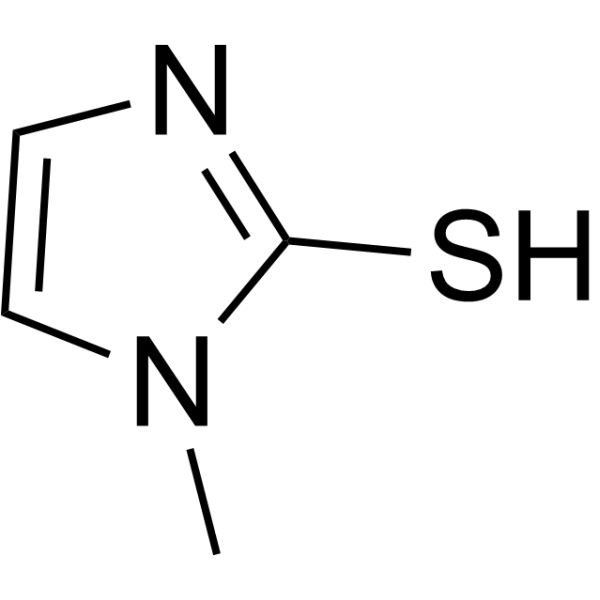
HY-B0208
MethimazoleAnti-thyroid Agent -
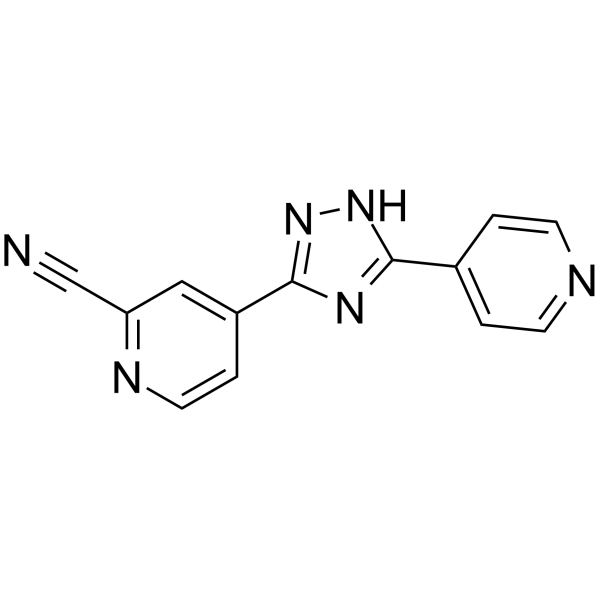
HY-14874
TopiroxostatXOR Inhibitor
Publications Citing Use of MedChemExpress (MCE) Allopurinol
More- Nat Commun. 2026 Jul 23.
- Adv Sci (Weinh). 2024 Oct;11(39):e2400684. [Abstract]
- Cell Rep Med. 2024 Aug 20;5(8):101690. [Abstract]
- Food Res Int. 2026 Aug 22;244:120380.
- Mol Med. 2025 May 13;31(1):184. [Abstract]
- Drug Deliv Transl Res. 2025 Oct 29. [Abstract]
- J Ethnopharmacol. 2025 Feb 27:342:119365. [Abstract]
- Cell Rep Methods. 2023 Oct 23;3(10):100599. [Abstract]
- Commun Biol. 2022 Jul 22;5(1):726. [Abstract]
- Pharmaceuticals (Basel). 2023 Feb 27;16(3):361. [Abstract]
- Int J Mol Sci. 2025 Sep 16;26(18):8999. [Abstract]
- J Biol Chem. 2021 Oct;297(4):101166. [Abstract]
- Cytokine. 2023 Mar:163:156120. [Abstract]
- Biomed Pharmacother. 2024 Aug:177:116859. [Abstract]
 Customer Validation & Images

-
IHC
-
WB
-
Cell Imaging/Staining
-
Histological Imaging/Staining
-
RT-PCR


Activité biologique
Description
Cellular Effect
|
Cell Line

|
Type | Value | Description | References |
|---|---|---|---|---|
| L02 | CC50 |
6.842 μM
Compound: Allopurinol
|
Cytotoxicity against human L02 cells assessed as reduction in cell viability incubated for 24 hrs by MTT assay
Cytotoxicity against human L02 cells assessed as reduction in cell viability incubated for 24 hrs by MTT assay
|
[PMID: 35902063] |
| MRC5 | CC50 |
>64 μM
Compound: Allopurinol
|
Cytotoxicity against human MRC5 cells assessed as reduction in cell viability incubated for 3 days by resazurin dye based fluorescence analysis
Cytotoxicity against human MRC5 cells assessed as reduction in cell viability incubated for 3 days by resazurin dye based fluorescence analysis
|
[PMID: 35533570] |
| Peritoneal macrophage | CC50 |
>64 μM
Compound: 1
|
Cytotoxicity against Swiss mouse peritoneal macrophages assessed as cell detachment, lysis and granulation measured after 5 days by microscopic analysis
Cytotoxicity against Swiss mouse peritoneal macrophages assessed as cell detachment, lysis and granulation measured after 5 days by microscopic analysis
|
[PMID: 33784107] |
| Peritoneal macrophage | CC50 |
>64 μM
Compound: Allopurinol
|
Cytotoxicity against Swiss mouse peritoneal macrophages assessed as reduction in cell viability measured after 5 days by microscopic analysis
Cytotoxicity against Swiss mouse peritoneal macrophages assessed as reduction in cell viability measured after 5 days by microscopic analysis
|
[PMID: 35533570] |
| Vero | CC50 |
428 μM
Compound: R8
|
Cytotoxicity against African green monkey Vero cells incubated for 24 hrs by neutral red uptake assay
Cytotoxicity against African green monkey Vero cells incubated for 24 hrs by neutral red uptake assay
|
[PMID: 27933947] |
| Vero | IC50 |
23.9 μM
Compound: R8
|
Inhibition of Shigella dysenteriae type 1 Shiga toxin A subunit in African green monkey Vero cells assessed as inhibition of Stx-induced cytotoxicity pre-treated with compound for 1 hr followed by Stx exposure for 24 hrs by neutral red uptake assay
Inhibition of Shigella dysenteriae type 1 Shiga toxin A subunit in African green monkey Vero cells assessed as inhibition of Stx-induced cytotoxicity pre-treated with compound for 1 hr followed by Stx exposure for 24 hrs by neutral red uptake assay
|
[PMID: 27933947] |
| Vero | IC50 |
9.62 μM
Compound: 1, allop, allopurinol
|
Antimicrobial activity against Trypanosoma cruzi RA amastigotes infected in African green monkey Vero cells assessed as growth inhibition after 72 hrs by Giemsa staining-based light microscopy
Antimicrobial activity against Trypanosoma cruzi RA amastigotes infected in African green monkey Vero cells assessed as growth inhibition after 72 hrs by Giemsa staining-based light microscopy
|
[PMID: 24090917] |
In Vitro
Allopurinol (0, 10, 100, 1000 μg/ml; 17 h) decreases the expression of HIF-1α and HIF-2α protein in HFF and HUVEC cells[5].
Allopurinol (0, 10, 100, 1000 μg/ml; 24 h) reduces angiogenesis traits of HUVEC cells[5].
MedChemExpress (MCE) has not independently confirmed the accuracy of these methods. They are for reference only.
-
Cell Line:HFF, HUVEC cells
-
Concentration:0, 10, 100, 1000 µg/ml
-
Incubation Time:17 h
-
Result:Reduced HIF-1α and HIF-2α protein expression in a dose dependent manner.
In Vivo
Allopurinol (10-400 mg/kg; i.p.) induces anti-nociception activity in mouse[4].
MedChemExpress (MCE) has not independently confirmed the accuracy of these methods. They are for reference only.
-
Animal Model:20-30 g, male Swiss Albino mice[3]
-
Dosage:39 mg/kg
-
Administration:P.o.; daily for 21 successive days
-
Result:Reduced the immobility time in the FST with the immobility time of 129.8±10.5 s.
-
Animal Model:30-40 g, male adult Swiss albino mice[4]
-
Dosage:10, 50, 100, 200, 400 mg/kg
-
Administration:I.p.
-
Result:Produced dose-dependent anti-nociception in the tail-flick, hot-plate.
Essai clinique
| NCT Number | Sponsor | Condition | Start Date |
Phase
|
|---|---|---|---|---|
| NCT01329991 | 2011-05 | PHASE1 |


Chemical Information
-
CAS No. 315-30-0
-
Appearance Solid
-
Masse moléculaire 136.11
-
Formule C5H4N4O
-
Color White to off-white
-
SMILES
O=C1C2=C(NN=C2)N=CN1
-
Livraison
Room temperature in continental US; may vary elsewhere.
-
Stockage
Powder -20°C 3 years 4°C 2 years In solvent -80°C 6 months -20°C 1 month


Publications (14)
-
Journal Impact Factor
-
Most Recent
-
-
Adv Sci (Weinh)
Integrated Microbiome and Metabolome Analysis Reveals Hypothalamic-Comorbidities Related Signatures in Craniopharyngioma. [Abstract]2024 Oct;11(39):e2400684. PMID: 39225628
Allopurinol purchased from MedChemExpress. Usage Cited in: Adv Sci (Weinh). 2024 Oct;11(39):e2400684. [Abstract]
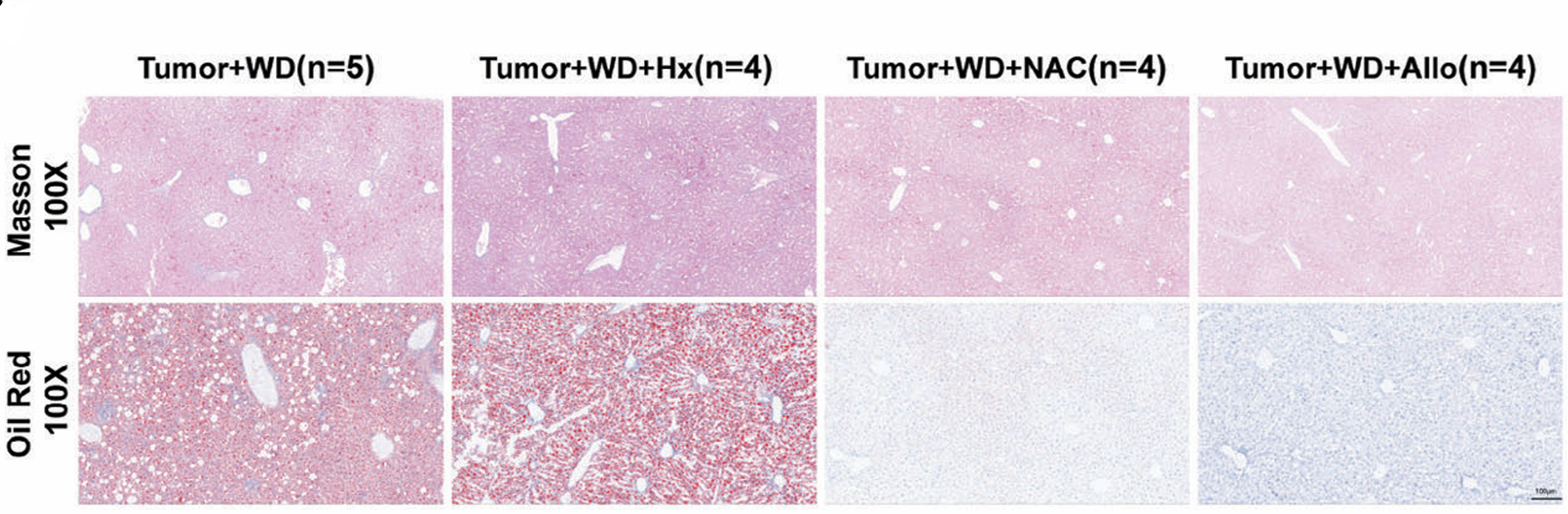
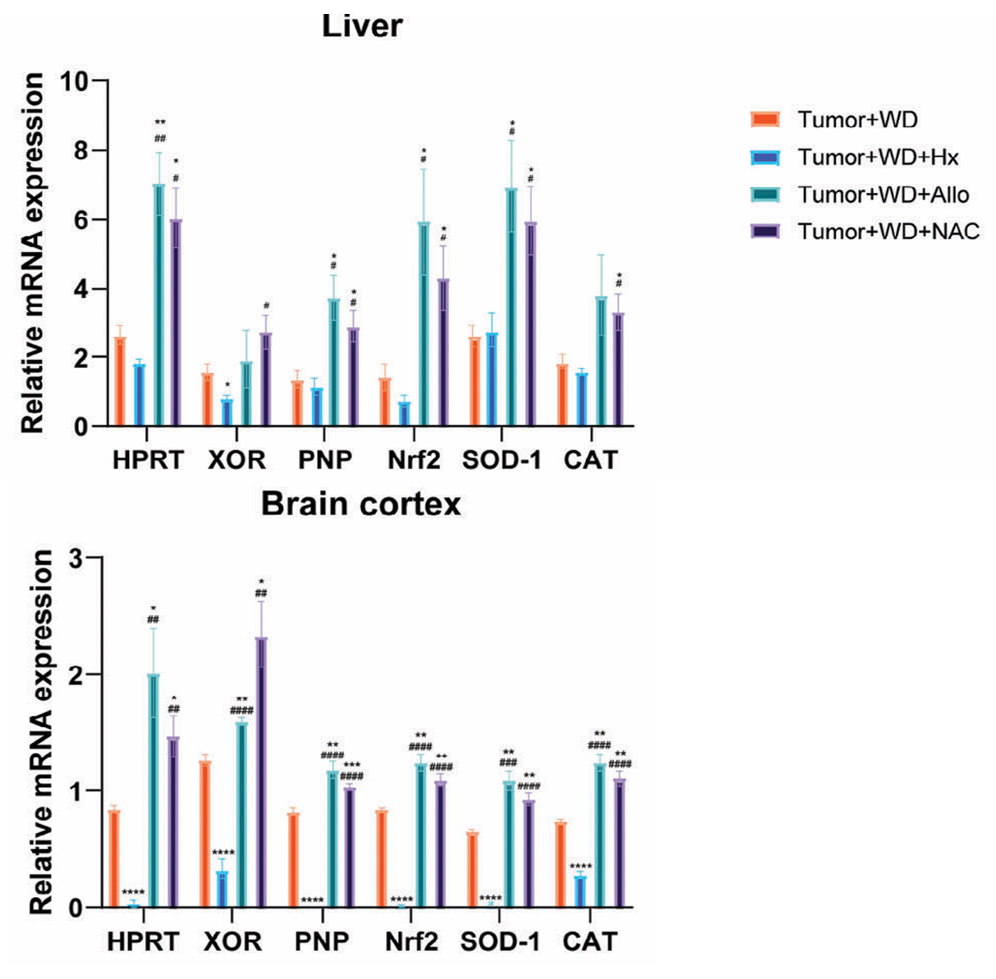
Quantitative analyses of histopathological results reveal a notable increase in collagen volume fraction (9.95 ± 0.50) and oil red area fraction (10.06 ± 0.64) in CP mice treated with WD + Hx, meanwhile NAC (collagen volume fraction: 5.29 ± 0.60; oil red area fraction: 0.08 ± 0.01) and Allopurinol (Allo, 2 g/L in the drinking water and a Western diet for 8 weeks) treatment (collagen volume fraction: 4.63 ± 0.36; oil red area fraction: 0.06 ± 0.001) induced remarkable alleviation in parameters above.
Allopurinol purchased from MedChemExpress. Usage Cited in: Adv Sci (Weinh). 2024 Oct;11(39):e2400684. [Abstract]
In the target organs (liver and brain cortex), Hx treatment suppressed the relative mRNA expression of critical enzymes in purine metabolism (HPRT, XOR, and PNP) as well as crucial players in anti‐oxidative system (Nrf2, SOD‐1, and CAT), meanwhile, NAC and Allopurinol (Allo, 2 g/L in the drinking water and a Western diet for 8 weeks) treatment induced significant upregulation in relative expression of these genes.
-
Cell Rep Med
The SGLT2 inhibitor dapagliflozin ameliorates renal fibrosis in hyperuricemic nephropathy. [Abstract]2024 Aug 20;5(8):101690. PMID: 39168099 -
-
Mol Med
JAK2/STAT3/HMGCS2 signaling aggravates mitochondrial dysfunction and oxidative stress in hyperuricemia-induced cardiac dysfunction. [Abstract]2025 May 13;31(1):184. PMID: 40361044
Allopurinol purchased from MedChemExpress. Usage Cited in: Mol Med. 2025 May 13;31(1):184. [Abstract]
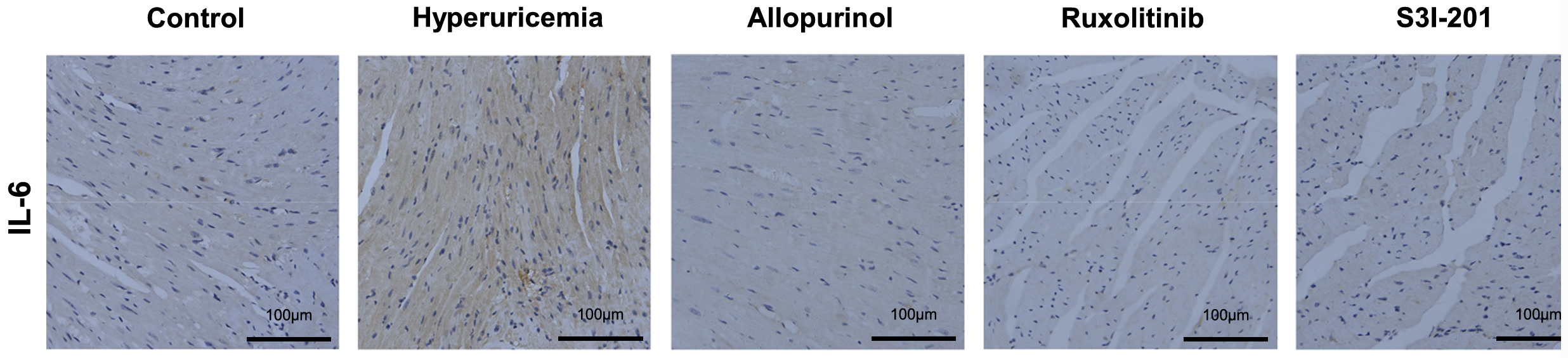
Allopurinol (10 mg/kg/day; oral gavage; once daily for 4 weeks) can significantly reduce the elevated IL-6 levels in the hearts of hyperuricemic mice.
Allopurinol purchased from MedChemExpress. Usage Cited in: Mol Med. 2025 May 13;31(1):184. [Abstract]
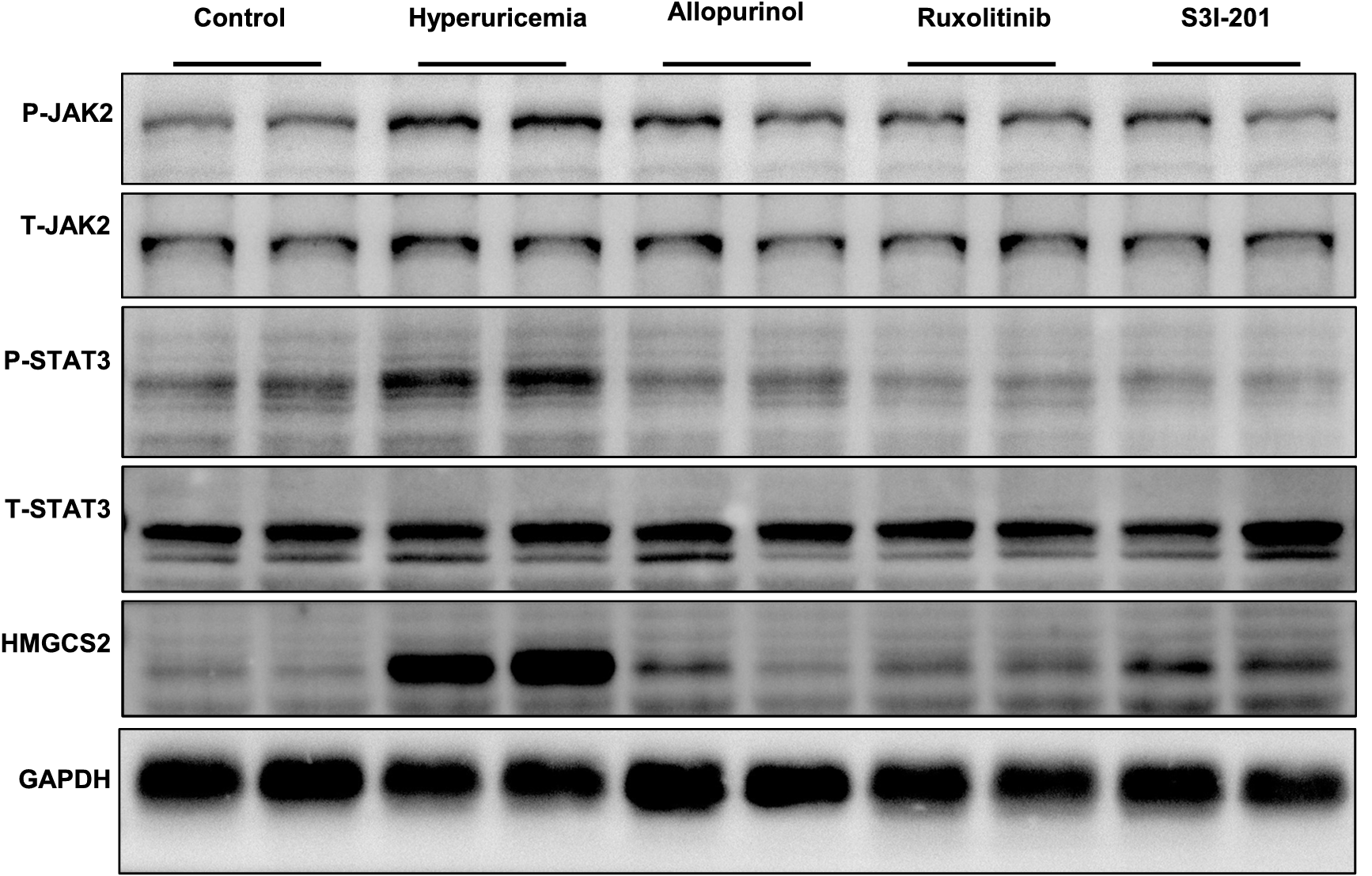
Allopurinol (10 mg/kg/day; oral gavage; once daily for 4 weeks) effectively reduced the phosphorylation of JAK2 and STAT3 and decreased the expression of HMGCS2 protein in the hearts of hyperuricemic mice.
Allopurinol purchased from MedChemExpress. Usage Cited in: Mol Med. 2025 May 13;31(1):184. [Abstract]
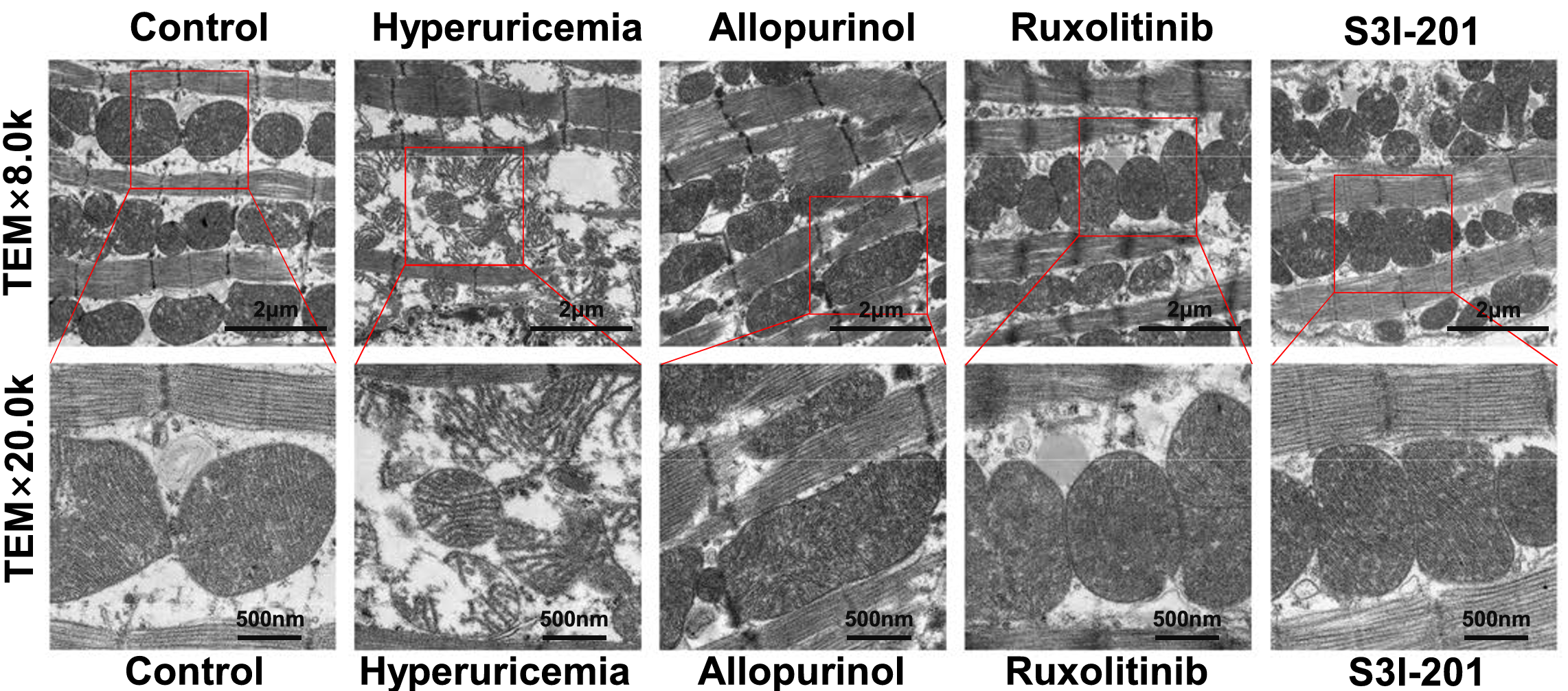
Representative transmission electron microscopy images of mitochondria in cardiomyocytes. Scale bar: 500 nm. Electron microscopy revealed severe mitochondrial damage in cardiomyocytes of hyperuricemic mice, which was normalized by treatment with Allopurinol (10 mg/kg/day; oral gavage; once daily for 4 weeks).
-
Drug Deliv Transl Res
Leveraging quantum chemical properties in transfer learning for predicting blood-brain barrier permeability of drugs. [Abstract]2025 Oct 29. PMID: 41160380 -
J Ethnopharmacol
Polysaccharide extracted from Phellinus igniarius attenuated hyperuricemia by modulating bile acid metabolism and inhibiting uric acid synthesis in adenine/potassium oxonate-treated mice. [Abstract]2025 Feb 27:342:119365. PMID: 39837359 -
Cell Rep Methods
RECOVER identifies synergistic drug combinations in vitro through sequential model optimization. [Abstract]2023 Oct 23;3(10):100599. PMID: 37797618 -
Commun Biol
mTOR contributes to endothelium-dependent vasorelaxation by promoting eNOS expression and preventing eNOS uncoupling. [Abstract]2022 Jul 22;5(1):726. PMID: 35869262 -
Pharmaceuticals (Basel)
2023 Feb 27;16(3):361. PMID: 36986461 -
Int J Mol Sci
Ampelopsis japonica Extract Exhibited Significant Uric Acid-Lowering Effect by Downregulating URAT1/GLUT9 and Alleviates Inflammation Through TLR4/NF- κ B Pathway. [Abstract]2025 Sep 16;26(18):8999. PMID: 41009565 -
J Biol Chem
Type 2 diabetic mice enter a state of spontaneous hibernation-like suspended animation following accumulation of uric acid. [Abstract]2021 Oct;297(4):101166. PMID: 34487763 -
Cytokine
Qinling liquid ameliorates renal immune inflammatory damage via activating autophagy through AMPK/Stat3 pathway in uric acid nephropathy. [Abstract]2023 Mar:163:156120. PMID: 36630870 -
Biomed Pharmacother
Aqueous extract of Phellinus igniarius ameliorates hyperuricemia and renal injury in adenine/potassium oxonate-treated mice. [Abstract]2024 Aug:177:116859. PMID: 38879892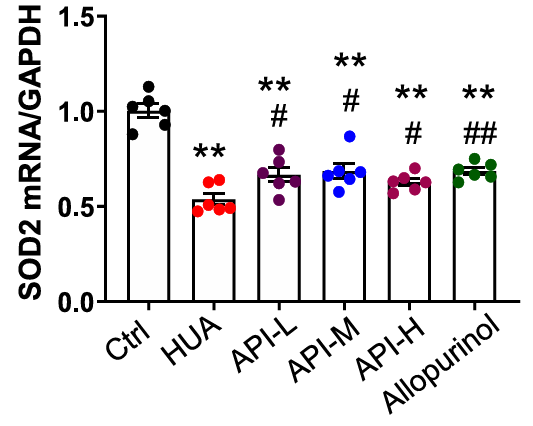
Allopurinol purchased from MedChemExpress. Usage Cited in: Biomed Pharmacother. 2024 Aug:177:116859. [Abstract]
Allopurinol (5 mg/kg; p.o.; single dose) significantly reduces the mRNA levels of XOD in HUA mice.


Solvant et solubilité
In Vitro:
DMSO : 14 mg/mL (102.85 mM; Need ultrasonic and warming; Hygroscopic DMSO has a significant impact on the solubility of product, please use newly opened DMSO)
H2O : 1 mg/mL (7.35 mM; ultrasonic and adjust pH to 11 with NaOH)
Please refer to the solubility information to select the appropriate solvent. Once prepared, please aliquot and store the solution to prevent product inactivation from repeated freeze-thaw cycles.
Storage method and period of stock solution: -80°C, 6 months; -20°C, 1 month. When stored at -80°C, please use it within 6 months. When stored at -20°C, please use it within 1 month.
* Note: If you choose water as the stock solution, please dilute it to the working solution, then filter and sterilize it with a 0.22 μm filter before use.
Please refer to the solubility information to select the appropriate solvent. Once prepared, please aliquot and store the solution to prevent product inactivation from repeated freeze-thaw cycles.
Storage method and period of stock solution: -80°C, 6 months; -20°C, 1 month. When stored at -80°C, please use it within 6 months. When stored at -20°C, please use it within 1 month.
* Note: If you choose water as the stock solution, please dilute it to the working solution, then filter and sterilize it with a 0.22 μm filter before use.
Concentration (start) × Volume (start) = Concentration (final) × Volume (final)
In Vivo:
Select the appropriate dissolution method based on your experimental animal and administration route.
- For the following dissolution methods, please ensure to first prepare a clear stock solution using an In Vitro approach and then sequentially add co-solvents:
- To ensure reliable experimental results, the clarified stock solution can be appropriately stored based on storage conditions. As for the working solution for In Vivo experiments, it is recommended to prepare freshly and use it on the same day.
- The percentages shown for the solvents indicate their volumetric ratio in the final prepared solution. If precipitation or phase separation occurs during preparation, heat and/or sonication can be used to aid dissolution.
Add each solvent one by one: 10% DMSO 90% (20% SBE-β-CD in Saline)
Solubility: ≥ 3.33 mg/mL (24.46 mM); Clear solution
This protocol yields a clear solution of ≥ 3.33 mg/mL (saturation unknown).
Taking 1 mL working solution as an example, add 100 μL DMSO stock solution (33.3 mg/mL) to 900 μL 20% SBE-β-CD in Saline, and mix evenly.
Preparation of 20% SBE-β-CD in Saline (4°C, storage for one week): 2 g SBE-β-CD powder is dissolved in 10 mL Saline, completely dissolve until clear.
Add each solvent one by one: 10% DMSO 40% PEG300 5% Tween-80 45% Saline
Solubility: ≥ 0.61 mg/mL (4.48 mM); Clear solution
This protocol yields a clear solution of ≥ 0.61 mg/mL (saturation unknown).
Taking 1 mL working solution as an example, add 100 μL DMSO stock solution (6.1 mg/mL) to 400 μL PEG300, and mix evenly; then add 50 μL Tween-80 and mix evenly; then add 450 μL Saline to adjust the volume to 1 mL.
Preparation of Saline: Dissolve 0.9 g sodium chloride in ddH₂O and dilute to 100 mL to obtain a clear Saline solution.
In Vivo Dissolution Calculator
Please enter the basic information of animal experiments:
-
-
-
-
Recommended: Prepare an additional quantity of animals to account for potential losses during experiments.
Please enter your animal formula composition:
-
%DMSO +
Recommended: Keep the proportion of DMSO in working solution below 2% if your animal is weak.
-
%+
-
+%Tween-80 + +
-
%Saline +
The co-solvents required include: DMSO, . All of co-solvents are available by MedChemExpress (MCE). , Tween 80. All of co-solvents are available by MedChemExpress (MCE).
Working solution concentration: 0.22 mg/mL
Method for preparing stock solution: mg drug dissolved in μL DMSO. Stock solution concentration: mg/mL.
1. Take μL DMSO stock solution;
2. Add μL .
μL , mix evenly;
3. Then add μL Tween 80, mix evenly;
4. Then add μL
Please ensure that the stock solution in the first step is dissolved to a clear state, and add co-solvents in sequence. You can use ultrasonic heating (ultrasonic cleaner, recommended frequency 20-40 kHz), vortexing, etc. to assist dissolution.


Pureté et documentation
-
Fiche technique (282 KB)
-
SDS (644 KB)
- English - EN (644 KB)
- Français - FR (644 KB)
- Deutsch - DE (644 KB)
- Norwegian - NO (644 KB)
- Español - ES (644 KB)
- Swedish - SV (644 KB)
- Italian - IT (644 KB)
- Korean - KR (644 KB)
- Portuguese - PT (644 KB)
-
Instruction de manipulation (2659 KB)
Références
[1]. Pacher P, et al. Therapeutic effects of xanthine oxidase inhibitors: renaissance half a century after the discovery of allopurinol. Pharmacol Rev. 2006 Mar;58(1):87-114. [Content Brief]
[2]. Pfaller MA, et al. Antileishmanial effect of allopurinol. Antimicrob Agents Chemother. 1974;5(5):469-472. [Content Brief]
[3]. Karve AV, et al. Evaluation of effect of allopurinol and febuxostat in behavioral model of depression in mice. Indian J Pharmacol. 2013 May-Jun;45(3):244-7. [Content Brief]
[4]. Schmidt AP, et al. Anti-nociceptive properties of the xanthine oxidase inhibitor allopurinol in mice: role of A1 adenosine receptors. Br J Pharmacol. 2009 Jan;156(1):163-72. [Content Brief]
[5]. Sun Y, et al. Dose-dependent effects of allopurinol on human foreskin fibroblast cells and human umbilical vein endothelial cells under hypoxia. PLoS One. 2015 Apr 1;10(4):e0123649. [Content Brief]


Complete Stock Solution Preparation Table
Please refer to the solubility information to select the appropriate solvent. Once prepared, please aliquot and store the solution to prevent product inactivation from repeated freeze-thaw cycles.
Storage method and period of stock solution: -80°C, 6 months; -20°C, 1 month. When stored at -80°C, please use it within 6 months. When stored at -20°C, please use it within 1 month.
| Optional Solvent | Concentration Solvent Mass | 1 mg | 5 mg | 10 mg | 25 mg |
|---|---|---|---|---|---|
| H2O / DMSO | 1 mM | 7.3468 mL | 36.7339 mL | 73.4678 mL | 183.6696 mL |
| 5 mM | 1.4694 mL | 7.3468 mL | 14.6936 mL | 36.7339 mL | |
| DMSO | 10 mM | 0.7347 mL | 3.6734 mL | 7.3468 mL | 18.3670 mL |
| 15 mM | 0.4898 mL | 2.4489 mL | 4.8979 mL | 12.2446 mL | |
| 20 mM | 0.3673 mL | 1.8367 mL | 3.6734 mL | 9.1835 mL | |
| 25 mM | 0.2939 mL | 1.4694 mL | 2.9387 mL | 7.3468 mL | |
| 30 mM | 0.2449 mL | 1.2245 mL | 2.4489 mL | 6.1223 mL | |
| 40 mM | 0.1837 mL | 0.9183 mL | 1.8367 mL | 4.5917 mL | |
| 50 mM | 0.1469 mL | 0.7347 mL | 1.4694 mL | 3.6734 mL | |
| 60 mM | 0.1224 mL | 0.6122 mL | 1.2245 mL | 3.0612 mL | |
| 80 mM | 0.0918 mL | 0.4592 mL | 0.9183 mL | 2.2959 mL | |
| 100 mM | 0.0735 mL | 0.3673 mL | 0.7347 mL | 1.8367 mL |
* Note: If you choose water as the stock solution, please dilute it to the working solution, then filter and sterilize it with a 0.22 μm filter before use.


Allopurinol Related Classifications
HY-B0219 Related Classifications
 Powered by Bioz