



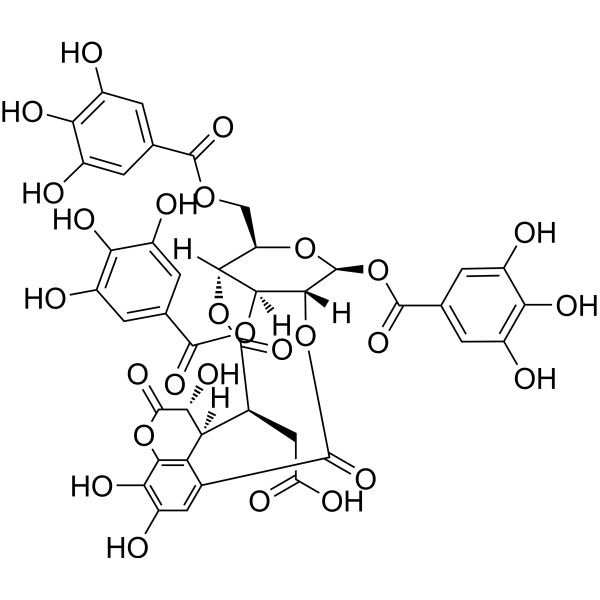
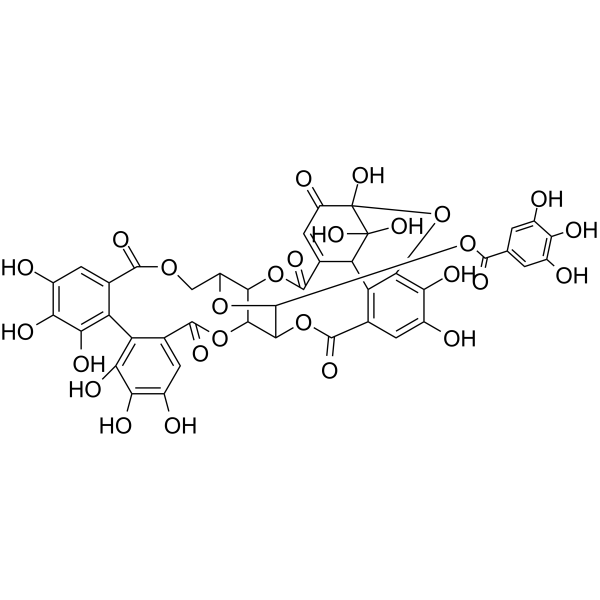
Chebulinic acid
Based on 7 publication(s) in Google Scholar
Chebulinic acid is a potent natural inhibitor of M. tuberculosis DNA gyrase, also can inhibit SMAD-3 phosphorylation, inhibit H+ K+-ATPase activity.
Nur für Forschungszwecke. Wir verkaufen nicht an Patienten.
- Reinheit : 99.68%
- CAS. Nr.: 18942-26-2
- Formel: C41H32O27
- Molecular Weight:956.68
-
Speicherung:
4°C, protect from light
* In solvent : -80°C, 6 months; -20°C, 1 month (protect from light)

To place orders, for customer services and technical support, please contact: MedChemExpress USA
Tel: 609-228-6898 E-mail: [email protected] [email protected]


-
 Biologische Aktivität
-
Chemical Information
-
Lösungsmittel & Löslichkeit
- Protokoll
- Reinheit & Dokumentation
- Verweise
-
 Help & FAQs


-
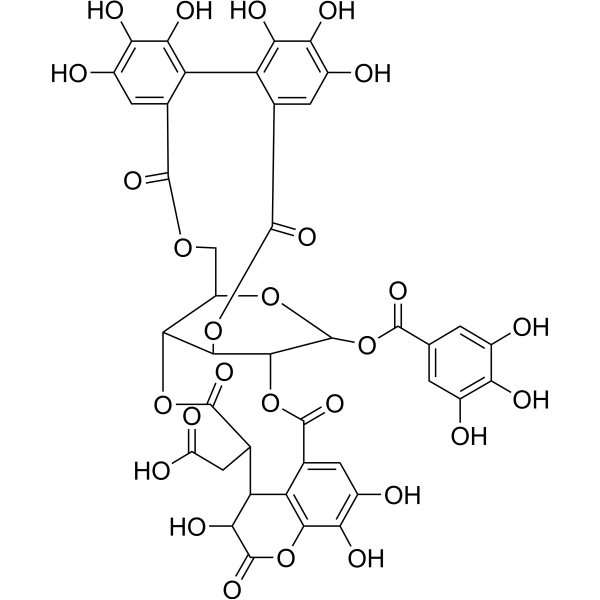
HY-N1996
Chebulagic acidCOX Inhibitor -
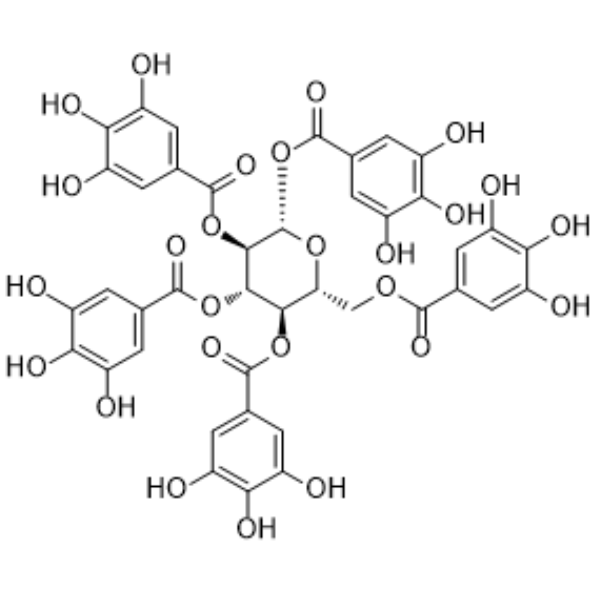
HY-N0527
PentagalloylglucoseAntioxidant -
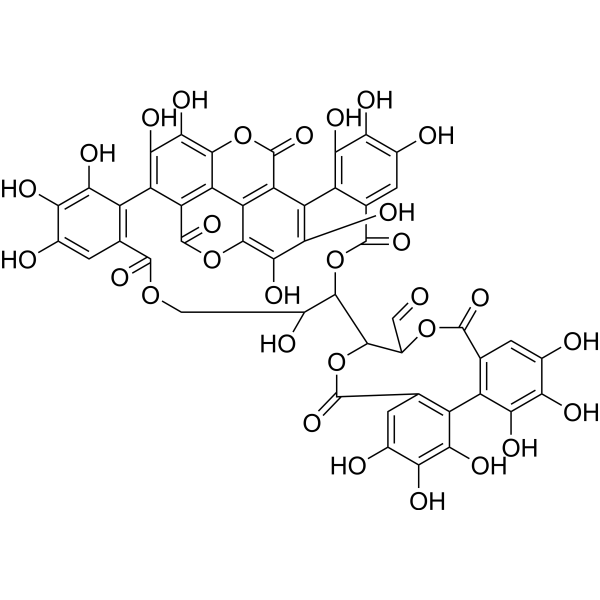
HY-N0063
Punicalagin3CLpro Inhibitor -
HY-N0472
GeraniinTNF Receptor Inhibitor -
HY-10431
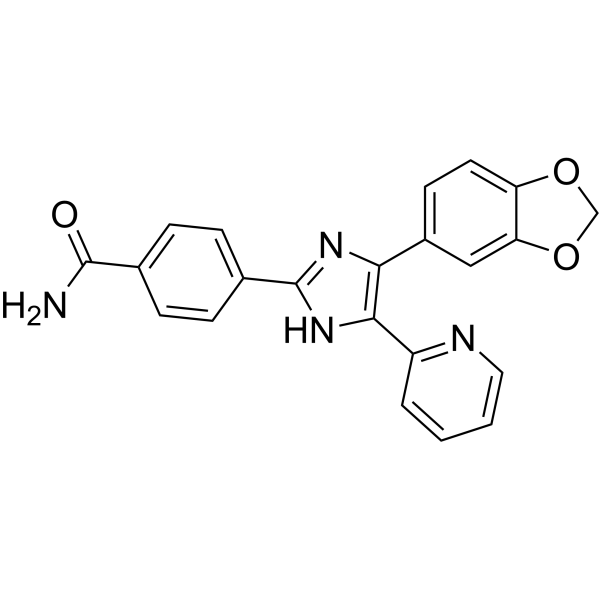
SB-431542TGF-β Receptor Kinase Inhibitor -
HY-N0523
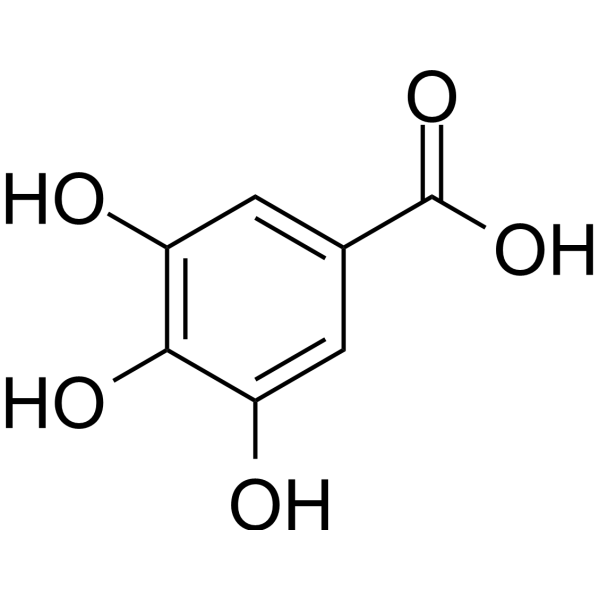
Gallic acidBioactive Polyhydroxyphenolic Compound -
HY-B0183
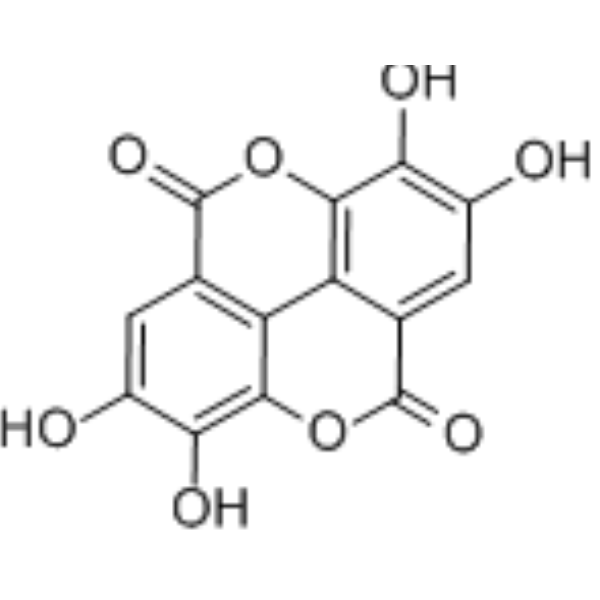
Ellagic acidSHP2 Inhibitor -
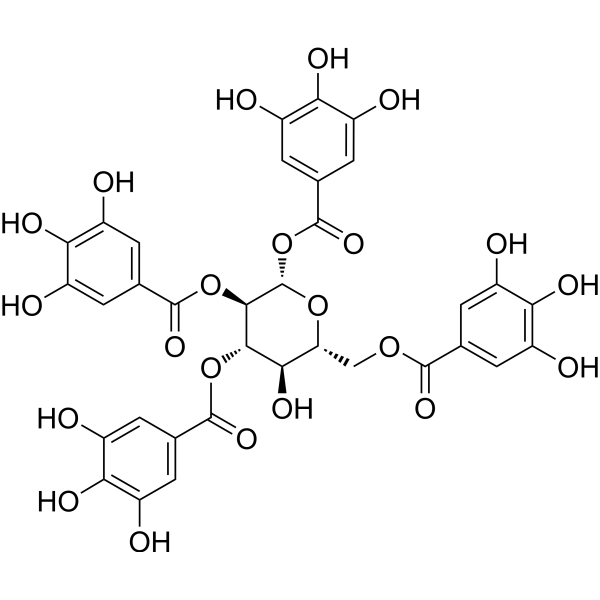
HY-111832
1,2,3,6-TetragalloylglucoseUGT1A1 Inhibitor -

HY-K0301
Cell Counting Kit-8 -
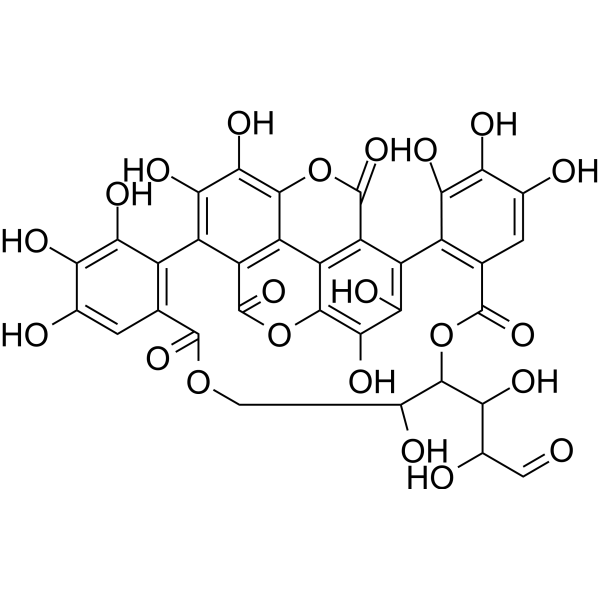
HY-N0639
PunicalinAnti-HBV Agent -
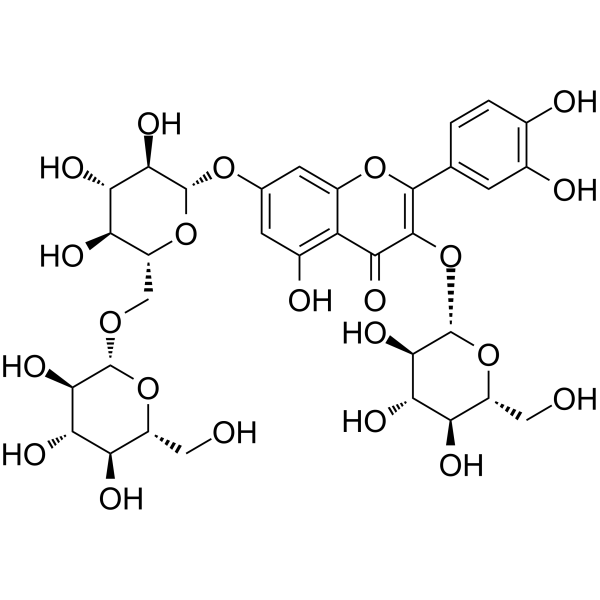
HY-N1968
Quercetin-3-O-β-D-glucose-7-O-β-D-gentiobiosidenNatural Product -
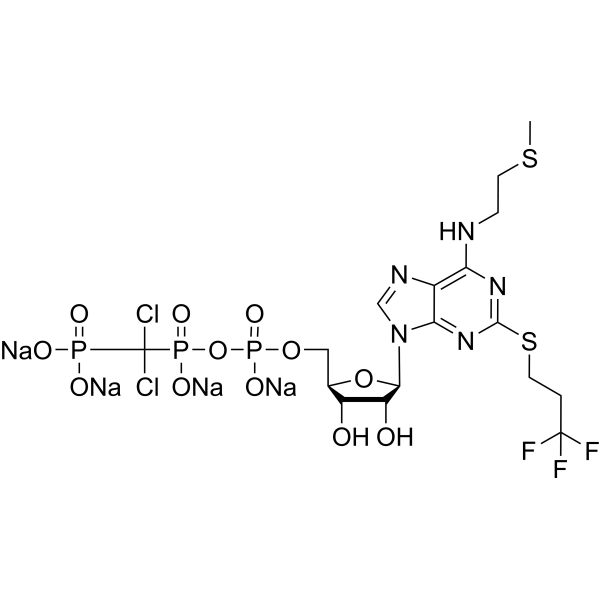
HY-19638A
Cangrelor tetrasodiumP2Y12 Antagonist
Publications Citing Use of MedChemExpress (MCE) Chebulinic acid
More- Acta Pharmacol Sin. 2025 Sep 3. [Abstract]
- Pharmaceutics. 2024 Jun 2;16(6):751. [Abstract]
- J Ethnopharmacol. 2027 Jan 10:372:122190. [Abstract]
- J Nutr Biochem. 2026 Jul 22:158:110475.
- J Chromatogr A. 2022 Jan 25:1663:462784. [Abstract]
- Ren Fail. 2026 Dec;48(1):2670806. [Abstract]
- Tissue Cell. 2026 Aug 20;104(Pt 2):103881.
 Customer Validation & Images

-
In Vivo Efficacy Study
-
In Vivo Efficacy Study
-
Cell Proliferation/Viability Assay
-
ELISA
-
RT-PCR
Alle DNA/RNA Synthesis Isoform-spezifische Produkte anzeigen
More

Biologische Aktivität
Beschreibung
IC50 & Target
target: M. tuberculosis DNA gyrase[1], SMAD-3 phosphorylation[2], H+ K+-ATPase activity.[3] IC50: 65.01 μg/ml ( H+ K+-ATPase ) [3]
In Vitro
In vitro: binding of Chebulinic acid causes displacement of catalytic Tyr129 away from its target DNA-phosphate molecule. [1] Chebulinic acid reduce the expression and activity of MMP-2 at an ED50 value of 100 μM. EMT (Epithelial to Mesenchymal Transition) is found to be induced in ARPE-19 cells, through SMAD-3 phosphorylation and it is inhibited by CA. [2] chebulinic acid significantly inhibited H+ K+-ATPase activity in vitrowith IC50 of 65.01 μg/ml. [3]
MedChemExpress (MCE) has not independently confirmed the accuracy of these methods. They are for reference only. Further protocols information, click here.


Chemical Information
-
CAS. Nr. 18942-26-2
-
Appearance Solid
-
Molecular Weight 956.68
-
Formel C41H32O27
-
Color White to off-white
-
SMILES
OC(C[C@H](C(O[C@@]([C@H](O[C@H]1OC(C2=CC(O)=C(O)C(O)=C2)=O)COC(C3=CC(O)=C(O)C(O)=C3)=O)([H])[C@@](OC(C4=CC(O)=C(O)C(O)=C4)=O)([H])[C@@]1([H])OC5=O)=O)[C@@]([C@H]6O)([H])C(C5=CC(O)=C7O)=C7OC6=O)=O
-
Structure Classification
-
Initial Source
-
Versand
Room temperature in continental US; may vary elsewhere.
-
Speicherung
4°C, protect from light
* In solvent : -80°C, 6 months; -20°C, 1 month (protect from light)


Publications (7)
-
Journal Impact Factor
-
Most Recent
-
Acta Pharmacol Sin
Salvianolic acid A from Salvia miltiorrhiza identified as a cap-dependent endonuclease inhibitor for pathogenic arenaviruses. [Abstract]2025 Sep 3. PMID: 40903541
Chebulinic acid purchased from MedChemExpress. Usage Cited in: Acta Pharmacol Sin. 2025 Sep 3. [Abstract]
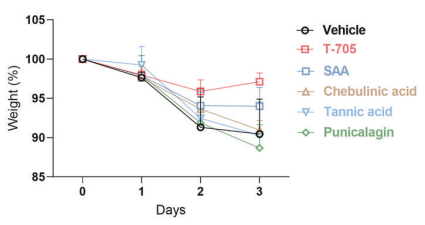
Body weight changes in Female BALB/c mice aged 6–8 weeks after treatment with 20 mg/kg of Salvianolic acid A (SAA), Chebulinic Acid, Tannic acid, or Punicalagin via i.g. upon challenge once daily for 3 days. 300 mg/kg T-705 administered via i.g. was used as a positive control.
Chebulinic acid purchased from MedChemExpress. Usage Cited in: Acta Pharmacol Sin. 2025 Sep 3. [Abstract]
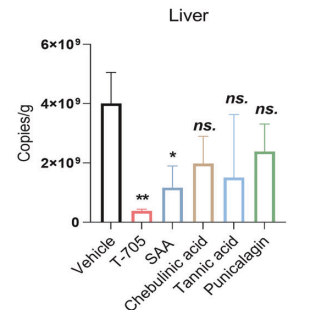
T-705 and SAA significantly reduced viral copies in the liver in Female BALB/c mice aged 6–8 weeks after treatment with 20 mg/kg of Salvianolic acid A (SAA), Chebulinic Acid, Tannic acid, or Punicalagin via i.g. upon challenge once daily for 3 days. 300 mg/kg T-705 administered via i.g. was used as a positive control.
-
Pharmaceutics
Inhibition of SARS-CoV-2-Induced NLRP3 Inflammasome-Mediated Lung Cell Inflammation by Triphala-Loaded Nanoparticle Targeting Spike Glycoprotein S1. [Abstract]2024 Jun 2;16(6):751. PMID: 38931873
Chebulinic acid purchased from MedChemExpress. Usage Cited in: Pharmaceutics. 2024 Jun 2;16(6):751. [Abstract]
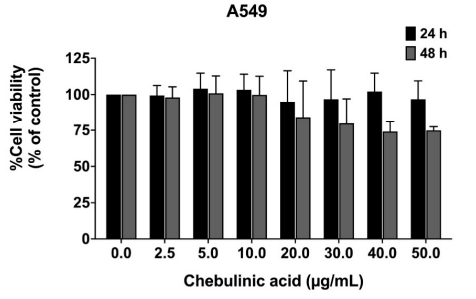
Chebulinic acid (0-50 μg/mL; 24, 48 h) showed no cytotoxicity towards A549 cells.
Chebulinic acid purchased from MedChemExpress. Usage Cited in: Pharmaceutics. 2024 Jun 2;16(6):751. [Abstract]
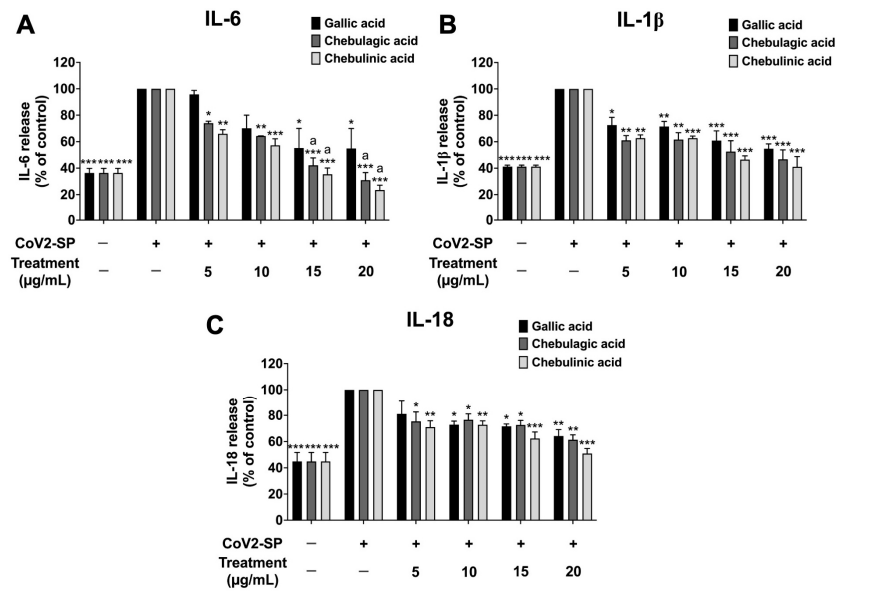
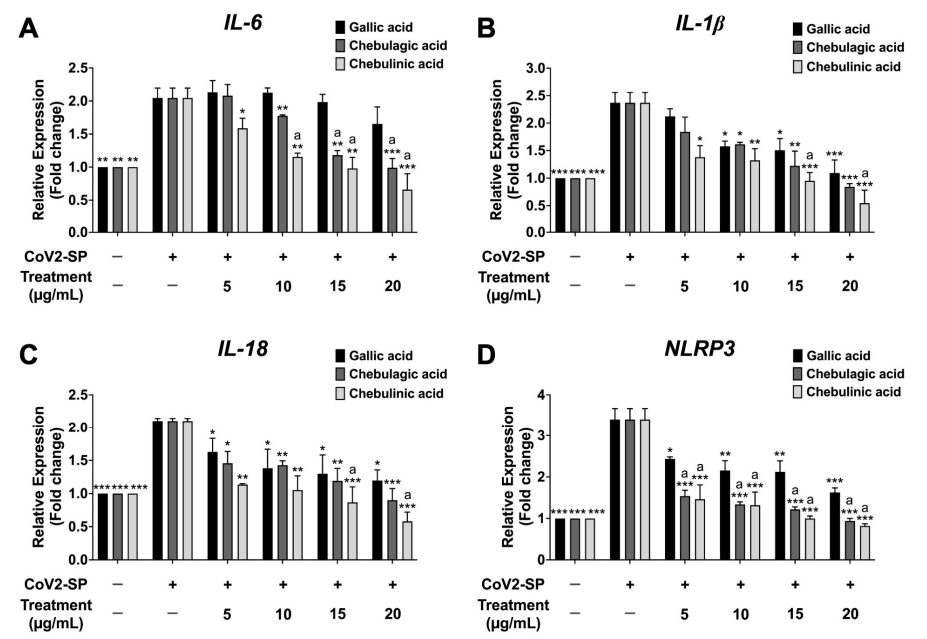
A549 cells were pre-treated with active compounds (Gallic acid, Chebulagic acid, and Chebulinic acid) (0–20 µg/mL) for 24 h. Then, the cells were exposed to CoV2-SP (100 ng/mL) for 3 h. The IL-6 (A), IL-1β (B), and IL-18 secretions (C) in the culture supernatant were examined by ELISA.
Chebulinic acid purchased from MedChemExpress. Usage Cited in: Pharmaceutics. 2024 Jun 2;16(6):751. [Abstract]
Inhibitory effects of active compounds (Gallic acid, Chebulagic acid and Chebulinic acid) on the IL-6 (A), IL-1β (B), IL-18 (C), and NLRP3 gene expressions (D) in CoV2-SP-induced A549 cells. A549 cells were pre-treated with active compounds (gallic acid, chebulagic acid and chebulinic acid) (0–20 µg/mL) for 24 h. Then, the cells were exposed to CoV2-SP (100 ng/mL) for 3 h. The mRNA expressions were determined using RT-qPCR.
Chebulinic acid purchased from MedChemExpress. Usage Cited in: Pharmaceutics. 2024 Jun 2;16(6):751. [Abstract]
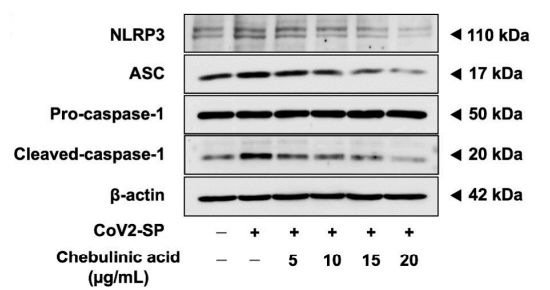
The effects of Chebulagic acid and chebulinic acid inhibited the NLRP3 inflammasome pathway in CoV2-SP-induced A549 cells. A549 cells were pre-treated with chebulagic acid and Chebulinic acid (0–20 µg/mL) for 24 h. Then, the cells were exposed to CoV2-SP (100 ng/mL) for 3 h. The inhibitory effects of chebulagic acid and chebulinic acid on the expression of NLRP3, ASC, and pro-caspase-1 (p50) and cleaved-caspase-1 (p20) proteins in A549 cells are displayed in western blot.
-
J Ethnopharmacol
Chebulinic acid suppresses NF-κB/TSLP signaling axis via ACLY-mediated lipid metabolism reprogramming to ameliorate atopic dermatitis. [Abstract]2027 Jan 10:372:122190. PMID: 42462920 -
-
J Chromatogr A
Screening and identification of acetylcholinesterase inhibitors from Terminalia chebula fruits by immobilized enzyme on cellulose filter paper coupled with ultra-performance liquid chromatography-quadrupole time-of-flight mass spectrometry and molecular docking. [Abstract]2022 Jan 25:1663:462784. PMID: 34974370 -
Ren Fail
Targeting LRH-1 alleviates diabetes-induced lipotoxicity in podocytes: role of PLIN5-mediated lipid droplet turnover. [Abstract]2026 Dec;48(1):2670806. PMID: 42135621 -


Lösungsmittel & Löslichkeit
In Vitro:
DMSO : 100 mg/mL (104.53 mM; ultrasonic and warming and heat to 60°C; Hygroscopic DMSO has a significant impact on the solubility of product, please use newly opened DMSO)
Please refer to the solubility information to select the appropriate solvent. Once prepared, please aliquot and store the solution to prevent product inactivation from repeated freeze-thaw cycles.
Storage method and period of stock solution: -80°C, 6 months; -20°C, 1 month (protect from light). When stored at -80°C, please use it within 6 months. When stored at -20°C, please use it within 1 month.
Please refer to the solubility information to select the appropriate solvent. Once prepared, please aliquot and store the solution to prevent product inactivation from repeated freeze-thaw cycles.
Storage method and period of stock solution: -80°C, 6 months; -20°C, 1 month (protect from light). When stored at -80°C, please use it within 6 months. When stored at -20°C, please use it within 1 month.
Konzentration (Stammlösung) × Volumen (Stammlösung) = Konzentration (Ziellösung) × Volumen (Ziellösung)

Protokoll
-
Kinase activity and phosphorylation assays
Kinase activity assays measure the ability of kinases to transfer phosphate groups from ATP to specific substrates, while phosphorylation assays detect the presence and levels of phosphorylated proteins. Common methods include radiolabeled ATP incorporation (e. g. ,), ADP release detection via bioluminescence (e. g. ,[3]), enzyme-linked immunosorbent assays (ELISA) for phospho-specific epitopes (e. g. ,[6]), and microtiter-based formats for high-throughput screening (e. g. ,[8]). The ADP-Glo assay quantifies kinase activity by measuring ADP produced during phosphorylation using a luciferase-based system. Radiometric assays involve autoradiography or scintillation counting after incorporation of 32P-labeled ATP into substrate proteins. ELISA-based approaches rely on phospho-specific antibodies to detect activated kinases in cell lysates or purified samples.
-
Western Blot
Western blotting (WB) is a commonly used experimental method in molecular biology, biochemistry, and immunogenetics for identifying and quantifying target proteins. It combines gel electrophoresis with immunoassay, enabling researchers to analyze protein expression, post-translational modifications, and molecular weight.
-
Protocol for Kinase activity and phosphorylation assays
Kinase activity assays measure transfer of phosphate from ATP to a protein or peptide substrate, generating phosphorylated substrate, ADP, or incorporated radiolabeled phosphate as the readout; phosphorylation assays measure site-specific phosphorylation in cells or tissues as a proxy for kinase-pathway activation, inhibition, or substrate regulation. Phosphorylation can be detected by phospho-specific Western blot, immunoprecipitation kinase assay, phospho-immunofluorescence, phospho-flow cytometry, luminescent ADP detection, radiolabeled ATP incorporation, or reporter-based pathway assays, and these readouts can be applied to cancer cells, primary neurons, mouse tumors, organoids, inflammatory macrophages, ferroptosis studies, and mitophagy studies when the kinase target is biologically relevant.


Reinheit & Dokumentation
-
Data Sheet (287 KB)
-
SDS (393 KB)
- English - EN (393 KB)
- Français - FR (393 KB)
- Deutsch - DE (393 KB)
- Norwegian - NO (393 KB)
- Español - ES (393 KB)
- Swedish - SV (393 KB)
- Italian - IT (393 KB)
- Korean - KR (393 KB)
- Portuguese - PT (393 KB)
-
Handling Instructions (2659 KB)
Verweise
[1]. Patel K et al. Identification of chebulinic acid as potent natural inhibitor of M. tuberculosis DNA gyrase and molecular insights into its binding mode of action. Comput Biol Chem. 2015 Dec;59 Pt A:37-47. [Content Brief]
[2]. Sivasankar S et al. Aqueous and alcoholic extracts of Triphala and their active compounds chebulagic acid and chebulinic acidprevented epithelial to mesenchymal transition in retinal pigment epithelial cells, by inhibiting SMAD-3 phosphorylation. PLoS One. 2015 Mar 20 [Content Brief]
[3]. Mishra V et al. Anti-secretory and cyto-protective effects of chebulinic acid isolated from the fruits of Terminalia chebula on gastric ulcers. Phytomedicine. 2013 Apr 15;20(6):506-11. [Content Brief]


Complete Stock Solution Preparation Table
Please refer to the solubility information to select the appropriate solvent. Once prepared, please aliquot and store the solution to prevent product inactivation from repeated freeze-thaw cycles.
Storage method and period of stock solution: -80°C, 6 months; -20°C, 1 month (protect from light). When stored at -80°C, please use it within 6 months. When stored at -20°C, please use it within 1 month.
| Optional Solvent | Concentration Solvent Mass | 1 mg | 5 mg | 10 mg | 25 mg |
|---|---|---|---|---|---|
| DMSO | 1 mM | 1.0453 mL | 5.2264 mL | 10.4528 mL | 26.1320 mL |
| 5 mM | 0.2091 mL | 1.0453 mL | 2.0906 mL | 5.2264 mL | |
| 10 mM | 0.1045 mL | 0.5226 mL | 1.0453 mL | 2.6132 mL | |
| 15 mM | 0.0697 mL | 0.3484 mL | 0.6969 mL | 1.7421 mL | |
| 20 mM | 0.0523 mL | 0.2613 mL | 0.5226 mL | 1.3066 mL | |
| 25 mM | 0.0418 mL | 0.2091 mL | 0.4181 mL | 1.0453 mL | |
| 30 mM | 0.0348 mL | 0.1742 mL | 0.3484 mL | 0.8711 mL | |
| 40 mM | 0.0261 mL | 0.1307 mL | 0.2613 mL | 0.6533 mL | |
| 50 mM | 0.0209 mL | 0.1045 mL | 0.2091 mL | 0.5226 mL | |
| 60 mM | 0.0174 mL | 0.0871 mL | 0.1742 mL | 0.4355 mL | |
| 80 mM | 0.0131 mL | 0.0653 mL | 0.1307 mL | 0.3267 mL | |
| 100 mM | 0.0105 mL | 0.0523 mL | 0.1045 mL | 0.2613 mL |


Chebulinic acid Related Classifications
HY-N2033 Related Classifications
 Powered by Bioz