1. Others
  2. Fluorescent Dye
  3. D-Luciferin

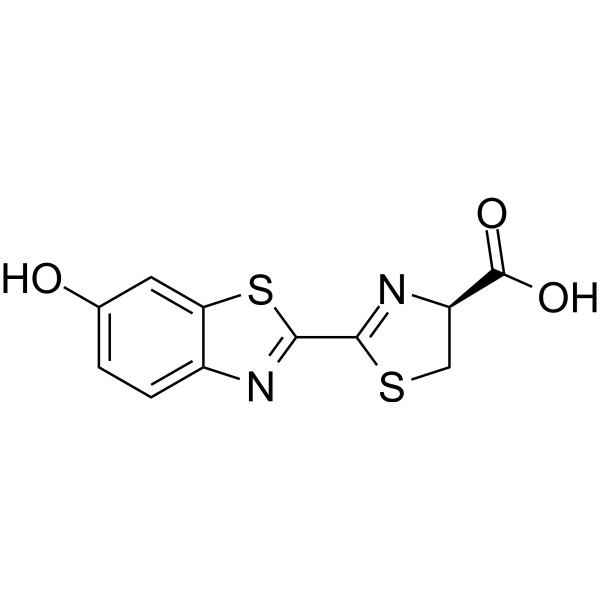
D-Luciferin  (Synonyms: D-ルシフェリン; D-(-)-Luciferin)

製品番号: HY-12591A 純度: 99.21%
COA 取扱説明書 Technical Support

D-luciferin is the natural substrate of the enzyme luciferase (Luc) that catalyzes the production of the typical yellowgreen light of fireflies. The 560 nm chemiluminescence from this reaction peaks within seconds, with light output that is proportional to luciferase concentration when the substrate luciferin is present in excess. The luciferase (luc) gene is a popular reporter gene for research and agent screening. Chemiluminescent techniques are virtually background-free, making the luc reporter gene ideal for detecting low-level gene expression. As little as 0.02 pg of luciferase can be reliably measured in a standard scintillation counter. In addition to its role as a reporter of gene expression, luciferase is commonly used in an extremely sensitive assay for ATP. We of er the firefly luciferase (HY-P1004A), luciferin free acid (HY-12591A), as well as its water-soluble sodium salts (HY-12591) and potassium salts (HY-12591B) .

商品は「研究用試薬」です。人や動物の医療用・臨床診断用・食品用の製品ではありません。
研究用途以外に使用した場合、当社は一切の責任を負いかねます。

CAS 番号 : 2591-17-5

容量 価格(税別) 在庫状況 数量
Solid + Solvent (Highly Recommended)
10 mM * 1 mL in DMSO
ready for reconstitution
USD 38 在庫あり
Solution
10 mM * 1 mL in DMSO USD 38 在庫あり
Solid
5 mg $35 在庫あり
10 mg $55 在庫あり
50 mg $99 在庫あり
100 mg   お問い合わせ  
200 mg   お問い合わせ  

* アイテムを追加する前、数量をご選択ください

This product is a controlled substance and not for sale in your territory.

カスタマーレビュー

Based on 110 publication(s) in Google Scholar

Other Forms of D-Luciferin:

Top Publications Citing Use of Products

顧客検証

In Vivo Imaging
IF
Cell Imaging/Staining
In Vivo Efficacy Study

    D-Luciferin purchased from MedChemExpress. Usage Cited in: Sci Adv. 2025 Mar 28;11(13):eads2295.  [Abstract]

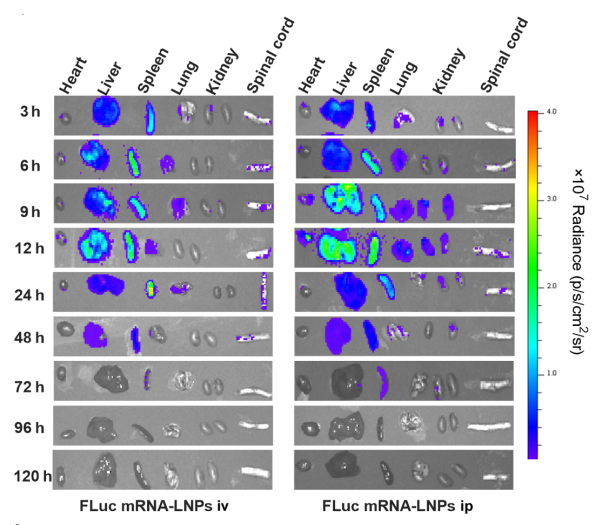
    Briefly, d-luciferin sodium (150 mg/kg in PBS) was injected intraperitoneally into the mice. Fifteen minutes later, mice were euthanized, and the heart, liver, spleen, lungs, kidneys, and spinal cord were collected. Bioluminescence images (yellow-green light) in these tissues were analyzed using Living Image Software (PerkinElmer). Representative in vivo imaging system images of major organs in SCI mice after being administered with firefly luciferase (FLuc) mRNA-LNPs (0.5 mg mRNA/kg).

    D-Luciferin purchased from MedChemExpress. Usage Cited in: J Med Chem. 2024 Nov 28;67(22):20100-20117.  [Abstract]

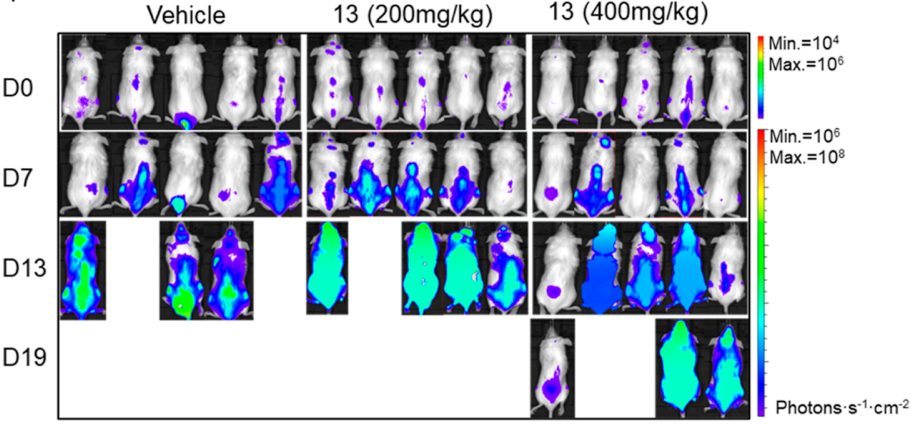
    The tumor model was established by tail vein injection of luciferase-labeled MOLM-13-Luc cells. After allowing 6 days for tumor growth post-inoculation, daily oral gavage treatment was initiated (designated as day 0 of treatment) at doses of 200 or 400 mg/kg. Subsequently, bioluminescence imaging was performed via intraperitoneal injection of 150 mg/kg D-Luciferin potassium.

    D-Luciferin purchased from MedChemExpress. Usage Cited in: mBio. 2025 Apr 9;16(4):e0366524.  [Abstract]

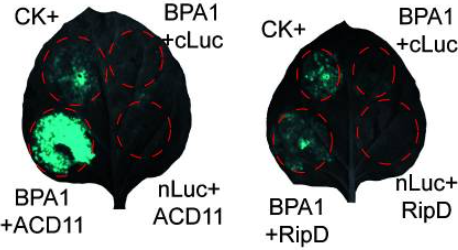
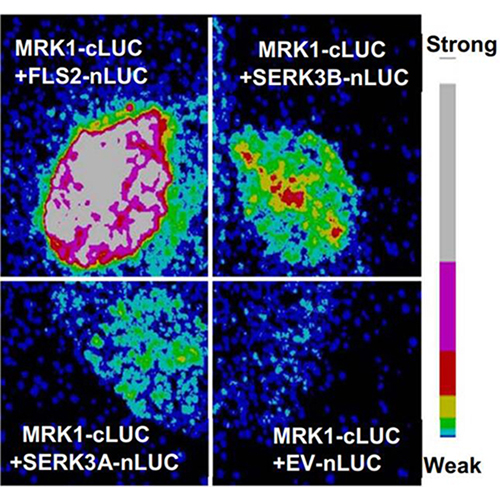
    Luciferase complementation imaging assay (LCA) of the interactions between BPA1 and either RipD or ACD11 in N. benthamiana. The interaction of Ca1 (AT3G01500) and Ca4 (AT1G70410) was used as a positive control, and n-Luc or c-Luc was used as a negative control.
    The interacting target proteins are fused to either the N-terminal or C-terminal fragment of luciferase, and the recombinant constructs are transformed into Agrobacterium tumefaciens GV3101. Forty hours after agroinfiltration,

    D-Luciferin purchased from MedChemExpress. Usage Cited in: ACS Nano. 2024 Dec 10;18(49):33366-33380.  [Abstract]

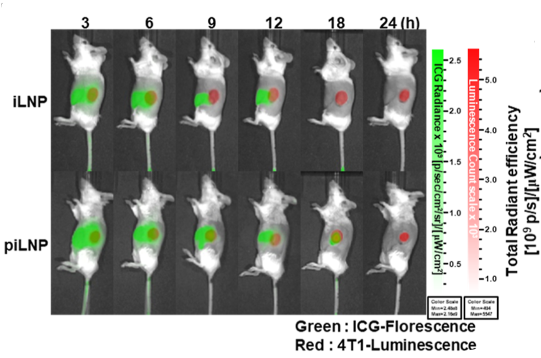
    4T1-luc tumor-bearing BALB/c mice were intravenously (i.v.) injected with 100 mg/kg of iLNPs and 100 mg/kg piLNPs. D-Luciferin sodium (150 mg/kg) was administered to mice 5 min before fluorescence measurement, and ICG fluorescence was measured using an in vivo imaging system (IVIS) at each indicated time.

    D-Luciferin purchased from MedChemExpress. Usage Cited in: Sci Adv. 2024 Aug 16;10(33):eado1533.  [Abstract]

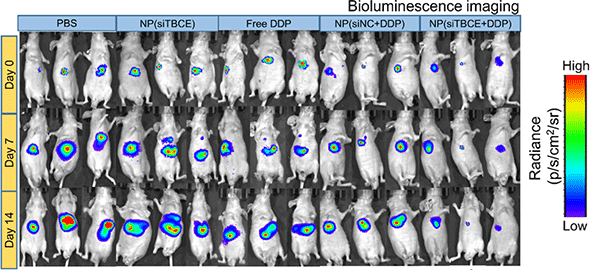
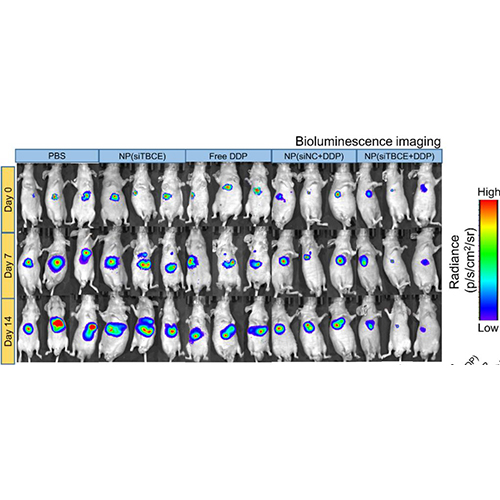
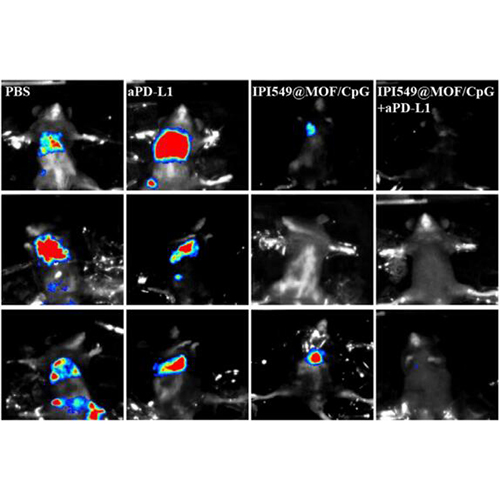
    Monitoring of primary tumor growth and the occurrence of lung metastasis was conducted using bioluminescence imaging after intraperitoneal injection of D-luciferin sodium (150 mg/kg).

    D-Luciferin purchased from MedChemExpress. Usage Cited in: Adv Funct Mater. 2023 Sep 15.

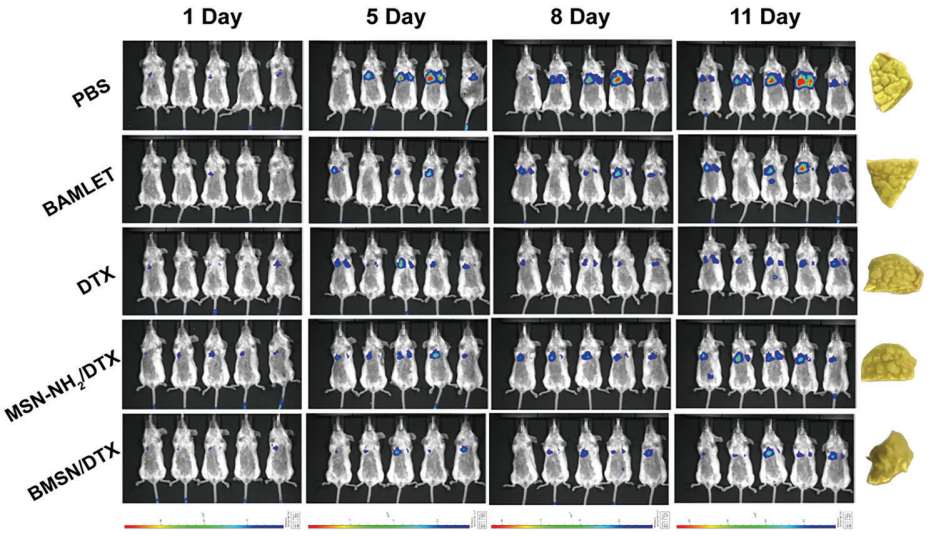
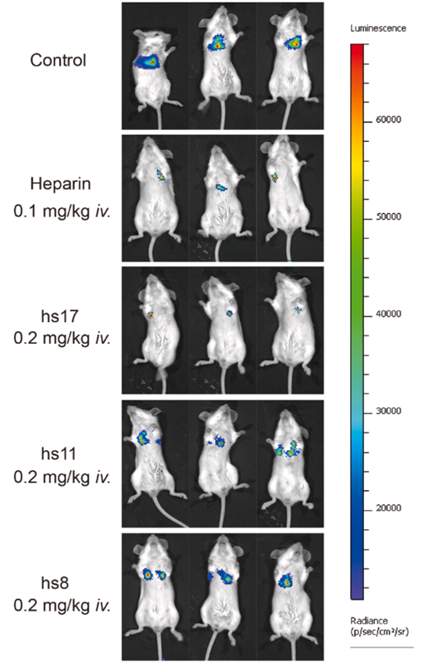
    In vivo bioluminescence images of mice in different groups. Lung metastasis of the tumors through in vivo imaging by intraperitoneal injection of D-luciferin sodium (75 mg/kg, 100 μL) at 20 min before bioluminescence imaging.

    D-Luciferin purchased from MedChemExpress. Usage Cited in: Acta Pharm Sin B. 2023 Dec;13(12):5074-5090.

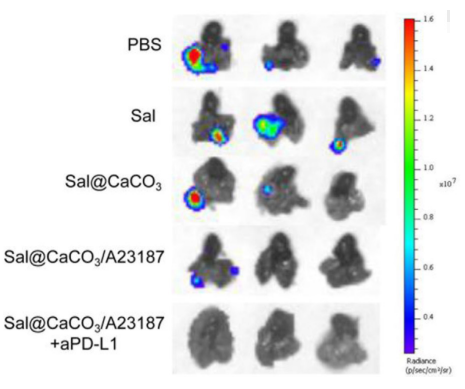
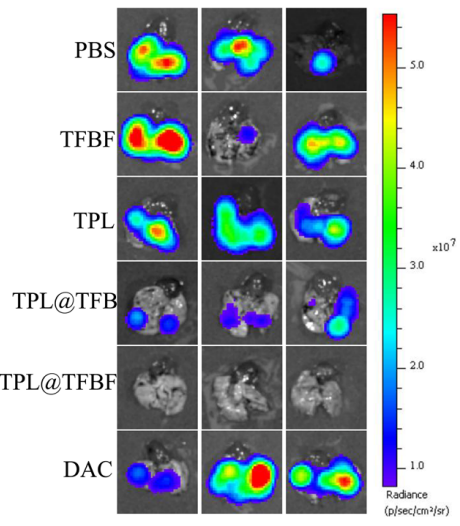
    The bioluminescence images of lungs harvested from mice post different treatments. On day 13 after intravenous injection of B16F10-luc cells to establish a lung metastasis model of melanoma in mice, D-luciferin potassium (150 mg/kg) is intraperitoneally injected into the mice.

    D-Luciferin purchased from MedChemExpress. Usage Cited in: J Nanobiotechnology. 2023 Oct 19;21(1):383.  [Abstract]

    On day 15 after intravenous injection of B16F10-luc cells into C57BL/6 mice to establish a melanoma lung metastasis model, D-Luciferin potassium (150 mg/kg) is intrabitoneally injected into the mice, and lung tissue is collected from the mice for bioluminescence imaging.

    D-Luciferin purchased from MedChemExpress. Usage Cited in: New Phytol. 2023 Sep;239(5):1887-1902.  [Abstract]

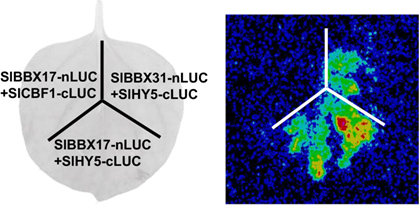
    The full-length coding sequences (CDS) of target genes are cloned into either the pCAMBIA-nLuc or pCAMBIA-cLuc vectors. The resulting recombinant constructs are transformed into Agrobacterium tumefaciens strain GV3101, which is then infiltrated into Nicotiana benthamiana leaves. After 2 days, the infiltrated leaves are painted with 1 mM D-Luciferin potassium.

    D-Luciferin purchased from MedChemExpress. Usage Cited in: Acta Pharm Sin B. 2023 Mar;13(3):967-981.

    Tumor growth is monitored by bioluminescence imaging. Prior to imaging, D-luciferin substrate is injected intraperitoneally into the mice (150 mg/kg per mouse).

    D-Luciferin purchased from MedChemExpress. Usage Cited in: New Phytol. 2022 Dec;236(5):1796-1808.  [Abstract]

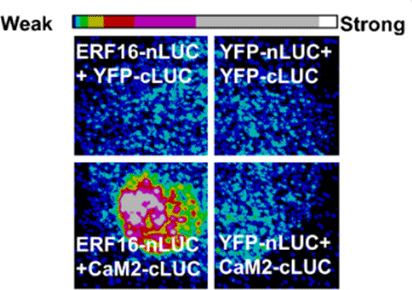
    ERF16-nLUC and CaM2-cLUC vectors are cotransfected in N. benthamiana leaves. 10 min after the abaxial sides of leaves are sprayed with 1 mM Luciferin.

    D-Luciferin purchased from MedChemExpress. Usage Cited in: Pharmacol Res. 2021 Apr;166:105527.  [Abstract]

    After cell inoculation for 7 days, mice were injected intraperitoneally with D-luciferin substrate at 150 mg/kg and anesthetized with 10% chloral hydrate (5 mL/kg).

    D-Luciferin purchased from MedChemExpress. Usage Cited in: Cell Mol Gastroenterol Hepatol. 2021;12(3):839-856.

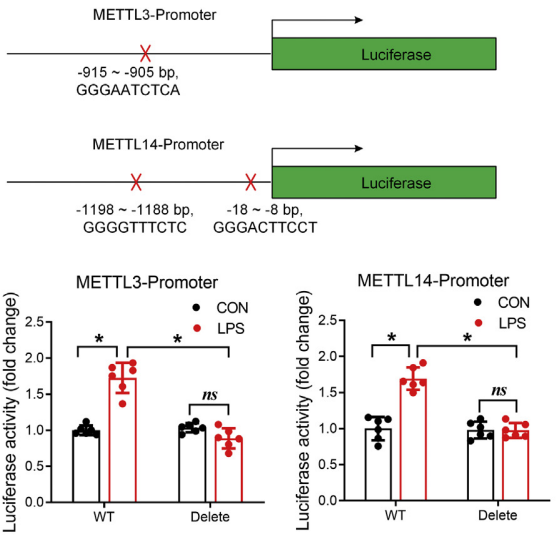
    HEK293T cells were seeded into a 6-well plate and transfected with in vitro synthesized mRNA containing the luciferase gene by Lipofectamine 2000. Luciferase substrate D-Luciferin sodium salt (1 mM) was added into the culture medium immediately after transfection. Luciferase activity was detected on the GloMax 96 Microplate Luminometer.

    D-Luciferin purchased from MedChemExpress. Usage Cited in: Cell Death Dis. 2020 Sep 17;11(9):765.  [Abstract]

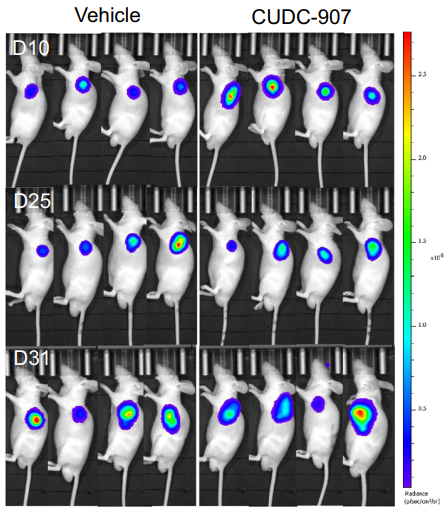
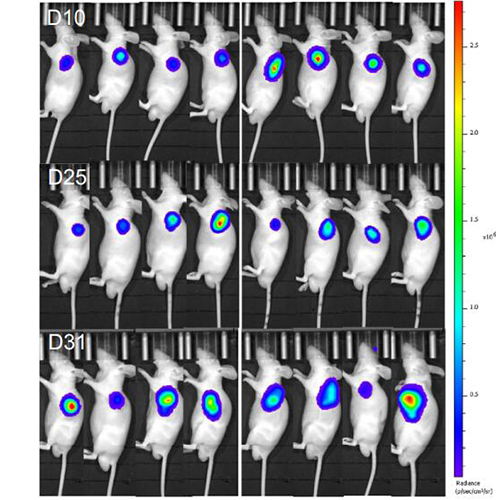
    At Day 10, 25, and 31, mice were anesthetized with isoflurane and then injected with 75 mg/kg D-Luciferin solution for imaging.
    • 生物活性

    • プロトコル

    • 純度とドキュメンテーション

    • 参考文献

    • カスタマーレビュー

    製品説明

    D-luciferin is the natural substrate of the enzyme luciferase (Luc) that catalyzes the production of the typical yellowgreen light of fireflies. The 560 nm chemiluminescence from this reaction peaks within seconds, with light output that is proportional to luciferase concentration when the substrate luciferin is present in excess. The luciferase (luc) gene is a popular reporter gene for research and agent screening. Chemiluminescent techniques are virtually background-free, making the luc reporter gene ideal for detecting low-level gene expression. As little as 0.02 pg of luciferase can be reliably measured in a standard scintillation counter. In addition to its role as a reporter of gene expression, luciferase is commonly used in an extremely sensitive assay for ATP[1]. We of er the firefly luciferase (HY-P1004A), luciferin free acid (HY-12591A), as well as its water-soluble sodium salts (HY-12591) and potassium salts (HY-12591B) .

    Cellular Effect
    Cell Line Type Value Description References
    HT-29 EC50
    277 3
    Compound: 10
    Agonist activity at human GPR35 expressed in HT29 cells by beta-arrestin translocation assay
    Agonist activity at human GPR35 expressed in HT29 cells by beta-arrestin translocation assay
    [PMID: 23888932]
    HT-29 EC50
    12.9 3
    Compound: 10
    Agonist activity at human GPR35 expressed in human HT29 cells by DMR assay
    Agonist activity at human GPR35 expressed in human HT29 cells by DMR assay
    [PMID: 23888932]
    HT-29 EC50
    12.9 3
    Compound: 10
    Agonist activity at human GPR35 expressed in human HT29 cells by DMR assay
    Agonist activity at human GPR35 expressed in human HT29 cells by DMR assay
    [PMID: 23888932]
    HT-29 EC50
    277 3
    Compound: 10
    Agonist activity at human GPR35 expressed in HT29 cells by beta-arrestin translocation assay
    Agonist activity at human GPR35 expressed in HT29 cells by beta-arrestin translocation assay
    [PMID: 23888932]
    HT-29 EC50
    12.9 3
    Compound: 10
    Agonist activity at human GPR35 expressed in human HT29 cells by DMR assay
    Agonist activity at human GPR35 expressed in human HT29 cells by DMR assay
    [PMID: 23888932]
    HT-29 EC50
    277 3
    Compound: 10
    Agonist activity at human GPR35 expressed in HT29 cells by beta-arrestin translocation assay
    Agonist activity at human GPR35 expressed in HT29 cells by beta-arrestin translocation assay
    [PMID: 23888932]
    体外実験

    Guide (Following is our recommended protocol. This protocol only provides a guideline, and should be modified according to your specific needs).
    1. Example protocol for in vitro bioluminescent image assays
    1.1 Prepare D-luciferin stock solution in DMSO. Mix well. Use immediately, or make single use aliquots, and store at -20 °C, avoid freeze-thaw cycles, avoid exposure to the light.
    1.2 Prepare a 0.5-1 mM working solution of D-Luciferin in pre-warmed tissue culture medium.
    1.3 Aspirate media from cultured cells.
    1.4 Add D-Luciferin working solution to cells, and incubate the cells for 5-10 minutes at 37 °C just prior to imaging.
    2. In vivo assays
    Since the in vivo experimental dose is relatively large, generally 150 mg/kg, it is recommended to choose potassium salt (HY-12591B) and sodium salt (HY-12591).
    3. Example protocol for D-Luciferin reporter assays
    3.1 Prepare D-luciferin stock solution in DMSO. Use immediately, or make single use aliquots, and store at -20 °C, avoid freeze-thaw cycles, avoid exposure to the light.
    3.2 Prepare a 1 mM working solution of D-Luciferin with 3 mM ATP, 1 mM DTT and 15 mM MgSO4 in 25 mM tricine buffer pH 7.8.
    3.3 Pipette 5-10 μLof cell lysate into a microplate. Use lysis reagent or buffer without lysate as a blank.
    3.4 Prime luminometer with D-Luciferin working solution according to manufacturer’s instructions.
    3.5 Inject 200 μL of D-luciferin working solution with no delay and a 10 second integration time.
    Precautions
    a) There are three forms of D-luciferin, namely free acid (HY-12591A), potassium salt (HY-12591B) and sodium salt (HY-12591). The sodium salt and potassium salt forms of D-luciferin are easily soluble in aqueous buffers (pH 6.1-6.5). Stock solutions can be made in ATP-free water and stored at -20°C, protect from light. The free acid can be neutralized with DMSO or an appropriate base to dissolve. At a higher pH, luciferin undergoes a base-catalyzed formation of dehydroluciferin, as well as racemization to the L-isomer.
    b) The D-luciferin can be used with any existing reporter assay or ATP assay system.
    c) If testing for ATP, minimize all possible sources of ATP contamination by wearing gloves and using ATP-free containers. Use only sterile ATP-free water and reagents. Use autoclaved water for all reagent preparations.

    MedChemExpress (MCE) has not independently confirmed the accuracy of these methods. They are for reference only.

    分子量

    280.33

    分子式

    C11H8N2O3S2

    CAS 番号
    Appearance

    Solid

    Color

    White to yellow

    SMILES

    O=C([C@@H]1N=C(C2=NC3=CC=C(O)C=C3S2)SC1)O

    Initial Source

    insect

    輸送条件

    Room temperature in continental US; may vary elsewhere.

    保管条件

    4°C, protect from light

    *In solvent : -80°C, 6 months; -20°C, 1 month (protect from light)

    溶剤 & 溶解度
    体外: 

    DMSO : 125 mg/mL (445.90 mM; Need ultrasonic; Hygroscopic DMSO has a significant impact on the solubility of product, please use newly opened DMSO)

    H2O : 9.09 mg/mL (32.43 mM; ultrasonic and adjust pH to 9 with 1M NaOH)

    H2O : < 0.1 mg/mL (insoluble)

    Preparing
    Stock Solutions
    Concentration Solvent Mass 1 mg 5 mg 10 mg
    1 mM 3.5672 mL 17.8361 mL 35.6722 mL
    5 mM 0.7134 mL 3.5672 mL 7.1344 mL
    10 mM 0.3567 mL 1.7836 mL 3.5672 mL
    View the Complete Stock Solution Preparation Table

    * Please refer to the solubility information to select the appropriate solvent. Once prepared, please aliquot and store the solution to prevent product inactivation from repeated freeze-thaw cycles.
    Storage method and period of stock solution: -80°C, 6 months; -20°C, 1 month (protect from light). When stored at -80°C, please use it within 6 months. When stored at -20°C, please use it within 1 month.

    • Molarity Calculator

    • Dilution Calculator

    Mass (g) = Concentration (mol/L) × Volume (L) × Molecular Weight (g/mol)

    Mass
    =
    Concentration
    ×
    Volume
    ×
    Molecular Weight *

    Concentration (start) × Volume (start) = Concentration (final) × Volume (final)

    一般には略語で表示されます:C1V1 = C2V2

    濃度 (開始)

    C1

    ×
    体積 (開始)

    V1

    =
    濃度 (終了)

    C2

    ×
    体積 (終了)

    V2

    In Vivo Dissolution Calculator
    Please enter the basic information of animal experiments:

    Dosage

    mg/kg

    Animal weight
    (per animal)

    g

    Dosing volume
    (per animal)

    μL

    Number of animals

    Recommended: Prepare an additional quantity of animals to account for potential losses during experiments.
    Calculation results:
    Working solution concentration: mg/mL
    純度とドキュメンテーション

    純度: 99.87%

    Dyeing Example
    参考文献
    動物実験
    [2]

    Mice[2]
    In vivo BLI is performed using a cooled charge-coupled device camera system (IVIS Imaging System 100) 3, 5, 7, 10, 12, 14, 19, 21, 24, and 28 days after the inoculation of HCT116-Luc cells. Mice are injected with 75 mg/kg D-luciferin in 100 μL of phosphate-buffered saline subcutaneously near the scapula and were placed in the light-tight chamber of the imaging system. Beginning 5 min after injection, dorsal luminescent images with an exposure time of 1 s are acquired sequentially at a rate of one image per min until 20 min after D-luciferin injection. Data acquisition is continued until 40 min postinjection on days 3 or 5 and until 25 min on day 7, because of the prolonged time course of light emission. Binning is 4 and the field of view is 15 cm.

    MedChemExpress (MCE) はこれらの方法の精度を確認していません。 こちらは参照専用です。

    参考文献

    Complete Stock Solution Preparation Table

    * Please refer to the solubility information to select the appropriate solvent. Once prepared, please aliquot and store the solution to prevent product inactivation from repeated freeze-thaw cycles.
    Storage method and period of stock solution: -80°C, 6 months; -20°C, 1 month (protect from light). When stored at -80°C, please use it within 6 months. When stored at -20°C, please use it within 1 month.

    Optional Solvent Concentration Solvent Mass 1 mg 5 mg 10 mg 25 mg
    H2O / DMSO 1 mM 3.5672 mL 17.8361 mL 35.6722 mL 89.1806 mL
    5 mM 0.7134 mL 3.5672 mL 7.1344 mL 17.8361 mL
    10 mM 0.3567 mL 1.7836 mL 3.5672 mL 8.9181 mL
    15 mM 0.2378 mL 1.1891 mL 2.3781 mL 5.9454 mL
    20 mM 0.1784 mL 0.8918 mL 1.7836 mL 4.4590 mL
    25 mM 0.1427 mL 0.7134 mL 1.4269 mL 3.5672 mL
    30 mM 0.1189 mL 0.5945 mL 1.1891 mL 2.9727 mL
    DMSO 40 mM 0.0892 mL 0.4459 mL 0.8918 mL 2.2295 mL
    50 mM 0.0713 mL 0.3567 mL 0.7134 mL 1.7836 mL
    60 mM 0.0595 mL 0.2973 mL 0.5945 mL 1.4863 mL
    80 mM 0.0446 mL 0.2230 mL 0.4459 mL 1.1148 mL
    100 mM 0.0357 mL 0.1784 mL 0.3567 mL 0.8918 mL
    • No file chosen (Maximum size is: 1024 Kb)
    • If you have published this work, please enter the PubMed ID.
    • Your name will appear on the site.
    • Molarity Calculator

    • Dilution Calculator

    The molarity calculator equation

    Mass (g) = Concentration (mol/L) × Volume (L) × Molecular Weight (g/mol)

    質量   濃度   体積   分子量 *
    = × ×

    The dilution calculator equation

    Concentration (start) × Volume (start) = Concentration (final) × Volume (final)

    一般には略語で表示されます:C1V1 = C2V2

    濃度 (開始) × 体積 (開始) = 濃度 (終了) × 体積 (終了)
    × = ×
    C1   V1   C2   V2
    Help & FAQs
    • Do most proteins show cross-species activity?

      Species cross-reactivity must be investigated individually for each product. Many human cytokines will produce a nice response in mouse cell lines, and many mouse proteins will show activity on human cells. Other proteins may have a lower specific activity when used in the opposite species.

    最近チェックした製品:

    オンラインお問い合わせ

    Your information is safe with us. * Required Fields.

    製品名


    カスタマ需要量 *

    お名前 *


    タイトル

    メールアドレス *


    電話番号 *

    デパートメント


    組纖名 *

    市区町村

    都道府県

    国或いは地域 *


    必ず会社名を記載ください。個人への返信は行いません。

    備考

    バルクお問い合わせ

    Inquiry Information

    製品名:
    D-Luciferin
    製品番号:
    HY-12591A
    数量:
    MCE 日本正規代理店: