



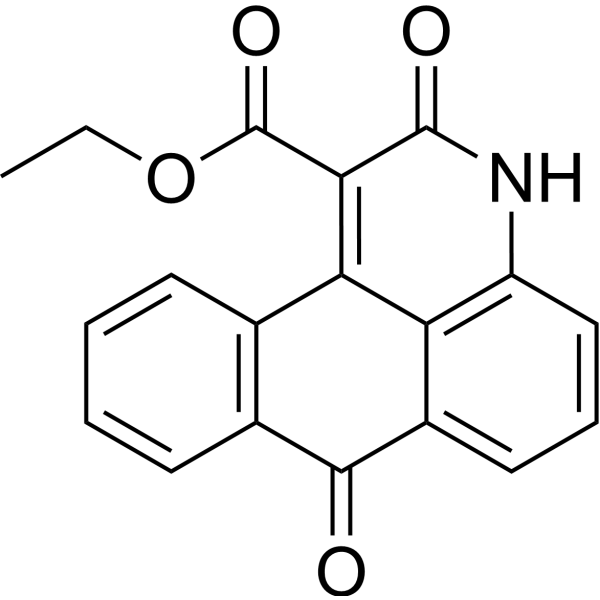
NQDI-1
Based on 6 publication(s) in Google Scholar
NQDI-1 inhibits apoptosis signal-regulating kinase 1 (ASK1) with a Ki of 500 nM and an IC50 of 3 μM.
For research use only. We do not sell to patients.
- Purity : 98.11%
- CAS No.: 175026-96-7
- Formula: C19H13NO4
- Molecular Weight:319.31
-
Storage:Powder -20°C, 3 years , 4°C, 2 years ; In solvent -80°C, 2 years , -20°C, 1 year

To place orders, for customer services and technical support, please contact: MedChemExpress USA
Tel: 609-228-6898 E-mail: [email protected] [email protected]


-
 Biological Activity
-
Chemical Information
-
Solvent & Solubility
- Protocols
- Purity & Documentation
- References
-
 Help & FAQs


-
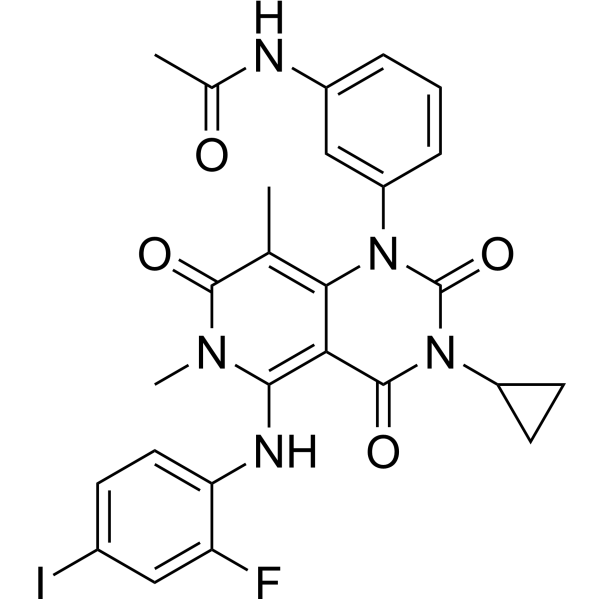
HY-10999
TrametinibMEK Inhibitor -
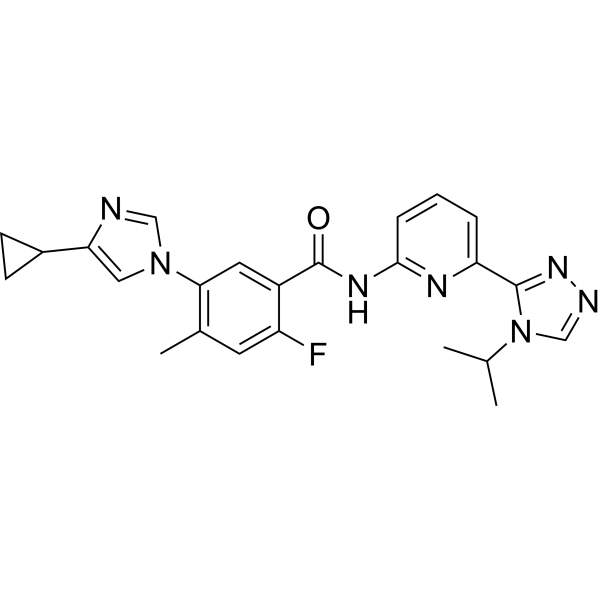
HY-18938
SelonsertibASK1 Inhibitor -
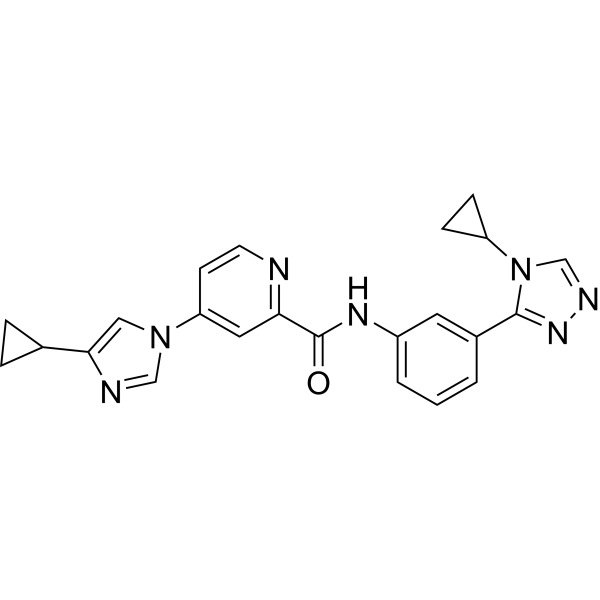
HY-100844
GS-444217ASK1 Inhibitor -
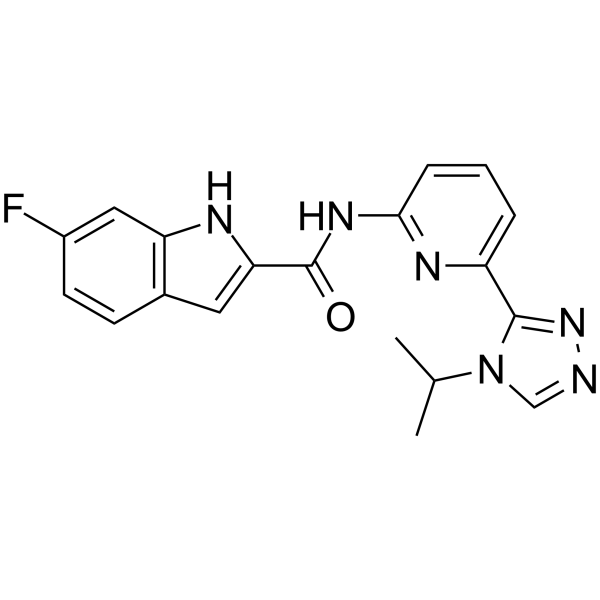
HY-131969
ASK1-IN-2ASK1 Inhibitor -
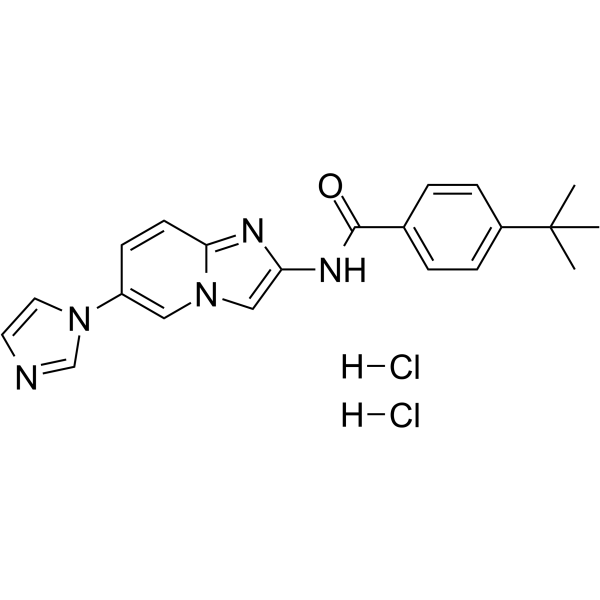
HY-103258
TC ASK 10ASK1 Inhibitor -

HY-100844R
GS-444217 (Standard)ASK1 Inhibitor -
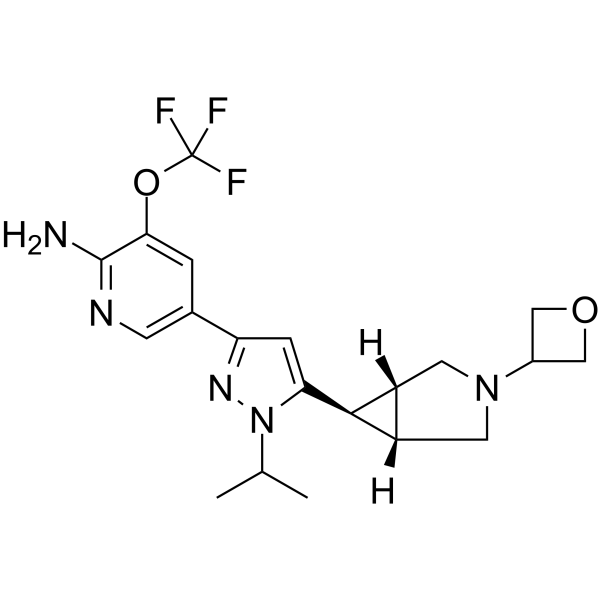
HY-114331
DLK-IN-1DLK/MAP3K12 Inhibitor -
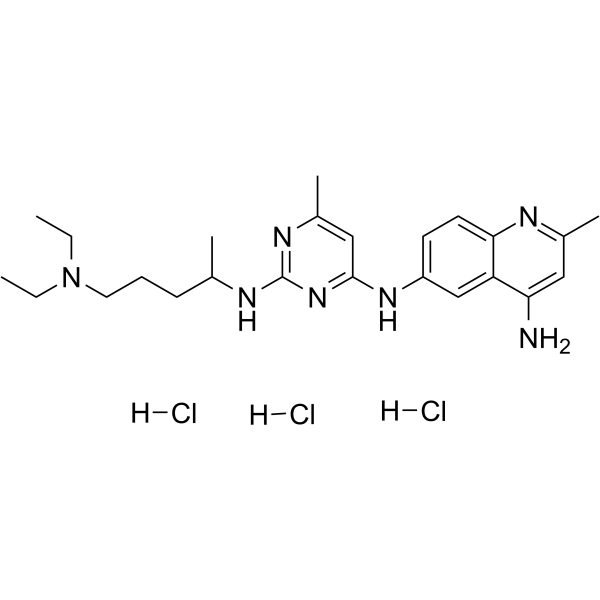
HY-15723A
NSC 23766 trihydrochlorideRac Inhibitor -

HY-10999R
Trametinib (Standard)MEK Inhibitor -
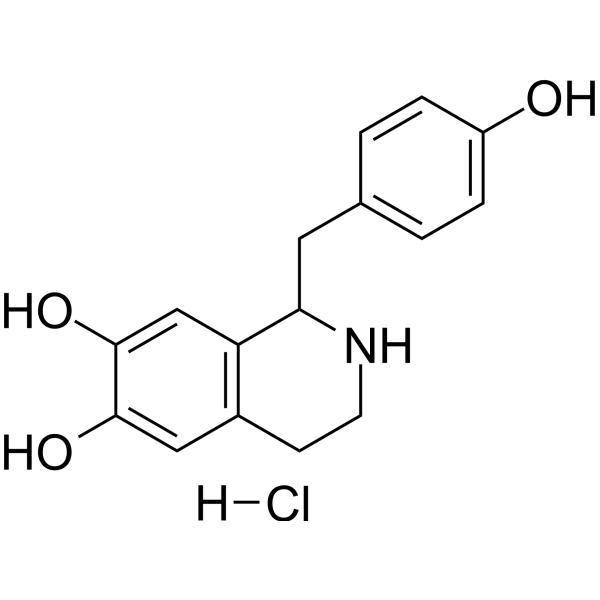
HY-N2037A
Higenamine hydrochlorideLSD1 Inhibitor -
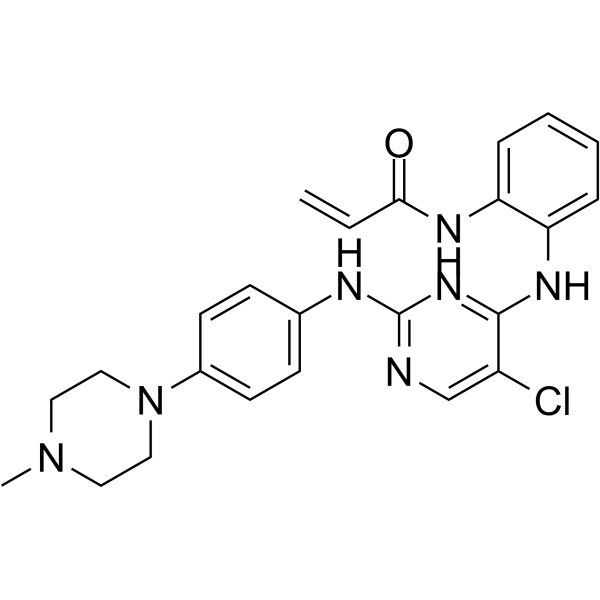
HY-136848
SM1-71TAK1 Inhibitor -

HY-103258R
TC ASK 10 (Standard)Reference Standard
Publications Citing Use of MedChemExpress (MCE) NQDI-1
More- Cell Death Discov. 2018 Apr 27:4:47. [Abstract]
- J Agric Food Chem. 2024 Apr 10;72(14):7832-7844. [Abstract]
- Ecotoxicol Environ Saf. 2021 Apr 15:213:112066. [Abstract]
- Toxicol Appl Pharmacol. 2018 Nov 15:359:34-46. [Abstract]
- Endocrine. 2020 Apr;68(1):103-115. [Abstract]
- Biochem Biophys Res Commun. 2019 Nov 26;520(1):211-217. [Abstract]
All MAP3K Isoforms
More

Biological Activity
Description
IC50 & Target
[1]|
ASK1 500 nM (Ki) |
ASK1 3 μM (IC50) |
In Vitro
The selectivity of NQDI-1 is evaluated in vitro on four serine/threonine protein kinases (protein kinase CK2 (CK2), c-Jun N-terminal kinase 3 (JNK3), Rho-associated protein kinase 1 (Rock1), and Aurora A) and three tyrosine protein kinases (FGFR1, hHGFR, and endothelial TEK tyrosine kinase (Tie2)). The results show that NQDI-1 is a selective inhibitor of ASK1. The activity of FGFR1 protein kinase is inhibited by NQDI-1 (residual activity of 44%). NQDI-1 inhibits ASK1 with a Ki of 500 nM. Inhibition of ASK1 by NQDI-1 is competitive with respect to the phosphodonor substrate ATP[1].
MedChemExpress (MCE) has not independently confirmed the accuracy of these methods. They are for reference only. Further protocols information, click here.
In Vivo
MedChemExpress (MCE) has not independently confirmed the accuracy of these methods. They are for reference only.


Chemical Information
-
CAS No. 175026-96-7
-
Appearance Solid
-
Molecular Weight 319.31
-
Formula C19H13NO4
-
Color Yellow to orange
-
SMILES
O=C(C1=C2C3=C(NC1=O)C=CC=C3C(C4=C2C=CC=C4)=O)OCC
-
Shipping
Room temperature in continental US; may vary elsewhere.
-
Storage
Powder -20°C 3 years 4°C 2 years In solvent -80°C 2 years -20°C 1 year


Publications (6)
-
Journal Impact Factor
-
Most Recent
-
Cell Death Discov
Dual function of peroxiredoxin I in lipopolysaccharide-induced osteoblast apoptosis via reactive oxygen species and the apoptosis signal-regulating kinase 1 signaling pathway. [Abstract]2018 Apr 27:4:47. PMID: 29707240 -
J Agric Food Chem
Lycopene Alleviates Endoplasmic Reticulum Stress in Steatohepatitis through Inhibition of the ASK1-JNK Signaling Pathway. [Abstract]2024 Apr 10;72(14):7832-7844. PMID: 38544357 -
Ecotoxicol Environ Saf
Microcystin-LR induces ovarian injury and apoptosis in mice via activating apoptosis signal-regulating kinase 1-mediated P38/JNK pathway. [Abstract]2021 Apr 15:213:112066. PMID: 33610944 -
Toxicol Appl Pharmacol
Berberine modulates ASK1 signaling mediated through TLR4/TRAF2 via upregulation of miR-23a. [Abstract]2018 Nov 15:359:34-46. PMID: 30240693 -
Endocrine
Inhibition of thioredoxin 2 by intracellular methylglyoxal accumulation leads to mitochondrial dysfunction and apoptosis in INS-1 cells. [Abstract]2020 Apr;68(1):103-115. PMID: 31939094 -
Biochem Biophys Res Commun
NQDI-1 protects against acinar cell necrosis in three experimental mouse models of acute pancreatitis. [Abstract]2019 Nov 26;520(1):211-217. PMID: 31587872


Solvent & Solubility
In Vitro:
DMSO : 10 mg/mL (31.32 mM; Need ultrasonic and warming; Hygroscopic DMSO has a significant impact on the solubility of product, please use newly opened DMSO)
Please refer to the solubility information to select the appropriate solvent. Once prepared, please aliquot and store the solution to prevent product inactivation from repeated freeze-thaw cycles.
Storage method and period of stock solution: -80°C, 2 years; -20°C, 1 year. When stored at -80°C, please use it within 2 years. When stored at -20°C, please use it within 1 year.
Please refer to the solubility information to select the appropriate solvent. Once prepared, please aliquot and store the solution to prevent product inactivation from repeated freeze-thaw cycles.
Storage method and period of stock solution: -80°C, 2 years; -20°C, 1 year. When stored at -80°C, please use it within 2 years. When stored at -20°C, please use it within 1 year.
Concentration (start) × Volume (start) = Concentration (final) × Volume (final)
In Vivo:
Select the appropriate dissolution method based on your experimental animal and administration route.
- For the following dissolution methods, please ensure to first prepare a clear stock solution using an In Vitro approach and then sequentially add co-solvents:
- To ensure reliable experimental results, the clarified stock solution can be appropriately stored based on storage conditions. As for the working solution for In Vivo experiments, it is recommended to prepare freshly and use it on the same day.
- The percentages shown for the solvents indicate their volumetric ratio in the final prepared solution. If precipitation or phase separation occurs during preparation, heat and/or sonication can be used to aid dissolution.
Add each solvent one by one: 10% DMSO 40% PEG300 5% Tween-80 45% Saline
Solubility: 0.71 mg/mL (2.22 mM); Suspended solution; Need ultrasonic
This protocol yields a suspended solution of 0.71 mg/mL. Suspended solution can be used for oral and intraperitoneal injection.
Taking 1 mL working solution as an example, add 100 μL DMSO stock solution (7.1 mg/mL) to 400 μL PEG300, and mix evenly; then add 50 μL Tween-80 and mix evenly; then add 450 μL Saline to adjust the volume to 1 mL.
Preparation of Saline: Dissolve 0.9 g sodium chloride in ddH₂O and dilute to 100 mL to obtain a clear Saline solution.
Add each solvent one by one: 10% DMSO 90% (20% SBE-β-CD in Saline)
Solubility: 0.71 mg/mL (2.22 mM); Suspended solution; Need ultrasonic
This protocol yields a suspended solution of 0.71 mg/mL. Suspended solution can be used for oral and intraperitoneal injection.
Taking 1 mL working solution as an example, add 100 μL DMSO stock solution (7.1 mg/mL) to 900 μL 20% SBE-β-CD in Saline, and mix evenly.
Preparation of 20% SBE-β-CD in Saline (4°C, storage for one week): 2 g SBE-β-CD powder is dissolved in 10 mL Saline, completely dissolve until clear.
In Vivo Dissolution Calculator
Please enter the basic information of animal experiments:
-
-
-
-
Recommended: Prepare an additional quantity of animals to account for potential losses during experiments.
Please enter your animal formula composition:
-
%DMSO +
Recommended: Keep the proportion of DMSO in working solution below 2% if your animal is weak.
-
%+
-
+%Tween-80 + +
-
%Saline +
The co-solvents required include: DMSO, . All of co-solvents are available by MedChemExpress (MCE). , Tween 80. All of co-solvents are available by MedChemExpress (MCE).
Working solution concentration: 0.22 mg/mL
Method for preparing stock solution: mg drug dissolved in μL DMSO. Stock solution concentration: mg/mL.
1. Take μL DMSO stock solution;
2. Add μL .
μL , mix evenly;
3. Then add μL Tween 80, mix evenly;
4. Then add μL
Please ensure that the stock solution in the first step is dissolved to a clear state, and add co-solvents in sequence. You can use ultrasonic heating (ultrasonic cleaner, recommended frequency 20-40 kHz), vortexing, etc. to assist dissolution.

Protocols
-
Apoptosis
Apoptosis, also called programmed cell death, is generally characterized by distinct morphological characteristics.
-
TUNEL staining for apoptotic DNA fragmentation
TUNEL staining detects DNA strand breaks by using terminal deoxynucleotidyl transferase to add labeled nucleotides to exposed 3′-OH DNA termini, generating either microscopic staining in fixed cells or tissue sections, or fluorescence/cytometric signal in cell suspensions. TUNEL positivity reflects DNA fragmentation but should not be interpreted alone as definitive apoptosis, because TUNEL can also label necrotic, autolytic, mechanically damaged, or DNA-repair-associated DNA breaks.
-
Cell Cytotoxicity Assay
Cytotoxicity assays are usually based on the assessment of cell membrane damage, which can also be indirectly detected by measuring cell viability. Detection methods include MTT assay, CKK-8 assay, LDH assay and ATP assay, etc.
-
Annexin V plus membrane-impermeant dye apoptosis staining
Annexin V-based apoptosis assays rely on the detection of phosphatidylserine (PS) externalization from the inner leaflet of the plasma membrane to the outer leaflet, an early biochemical hallmark of apoptosis. Fluorescently labeled Annexin V binds PS in a calcium-dependent manner, enabling identification of early apoptotic cells by flow cytometry or fluorescence microscopy. When combined with a membrane-impermeant DNA-binding dye (e. g. , propidium iodide), this approach allows discrimination between viable (Annexin V−/dye−), early apoptotic (Annexin V+/dye−), and late apoptotic or necrotic (Annexin V+/dye+) cell populations by assessing membrane integrity and PS exposure.
-
Apoptosis Solutions
Apoptosis is a regulated, generally non-lytic cell-death pathway that removes unwanted, damaged, infected, or abnormal cells through coordinated morphological changes, caspase activation, DNA fragmentation, and membrane remodeling. The intrinsic apoptosis pathway is controlled mainly by mitochondrial outer membrane permeabilization, BCL-2 family proteins, cytochrome c release, apoptosome formation, caspase-9 activation, and downstream executioner caspase-3/7 activation. The extrinsic apoptosis pathway is initiated by death receptors such as Fas, TNFR, and TRAIL receptors, which recruit adaptor proteins and activate caspase-8 before engaging executioner caspases or mitochondrial amplification through BID cleavage. Apoptosis is linked to many phenotypes, including cancer cell killing, tissue homeostasis, immune regulation, neurodegeneration, infection response, and treatment-induced cytotoxicity; unresolved questions include how apoptosis interacts with necroptosis, pyroptosis, ferroptos


Purity & Documentation
-
Data Sheet (287 KB)
-
SDS (393 KB)
- English - EN (393 KB)
- Français - FR (393 KB)
- Deutsch - DE (393 KB)
- Norwegian - NO (393 KB)
- Español - ES (393 KB)
- Swedish - SV (393 KB)
- Italian - IT (393 KB)
- Korean - KR (393 KB)
- Portuguese - PT (393 KB)
-
Handling Instructions (2659 KB)
References
[1]. Volynets GP, et al. Identification of 3H-naphtho[1,2,3-de]quinoline-2,7-diones as inhibitors of apoptosis signal-regulating kinase 1 (ASK1). J Med Chem. 2011 Apr 28;54(8):2680-6. [Content Brief]
[2]. Hao H, et al. NQDI-1, an inhibitor of ASK1 attenuates acute perinatal hypoxic-ischemic cerebral injury by modulating cell death. Mol Med Rep. 2016 Jun;13(6):4585-92. [Content Brief]


Complete Stock Solution Preparation Table
Please refer to the solubility information to select the appropriate solvent. Once prepared, please aliquot and store the solution to prevent product inactivation from repeated freeze-thaw cycles.
Storage method and period of stock solution: -80°C, 2 years; -20°C, 1 year. When stored at -80°C, please use it within 2 years. When stored at -20°C, please use it within 1 year.
| Optional Solvent | Concentration Solvent Mass | 1 mg | 5 mg | 10 mg | 25 mg |
|---|---|---|---|---|---|
| DMSO | 1 mM | 3.1318 mL | 15.6588 mL | 31.3175 mL | 78.2938 mL |
| 5 mM | 0.6264 mL | 3.1318 mL | 6.2635 mL | 15.6588 mL | |
| 10 mM | 0.3132 mL | 1.5659 mL | 3.1318 mL | 7.8294 mL | |
| 15 mM | 0.2088 mL | 1.0439 mL | 2.0878 mL | 5.2196 mL | |
| 20 mM | 0.1566 mL | 0.7829 mL | 1.5659 mL | 3.9147 mL | |
| 25 mM | 0.1253 mL | 0.6264 mL | 1.2527 mL | 3.1318 mL | |
| 30 mM | 0.1044 mL | 0.5220 mL | 1.0439 mL | 2.6098 mL |


NQDI-1 Related Classifications
HY-19566 Related Classifications
 Powered by Bioz