



Infection
-
Infection Related Products (18547)
Related Products (18547)

-
Antibodies (22)

-
DNA31
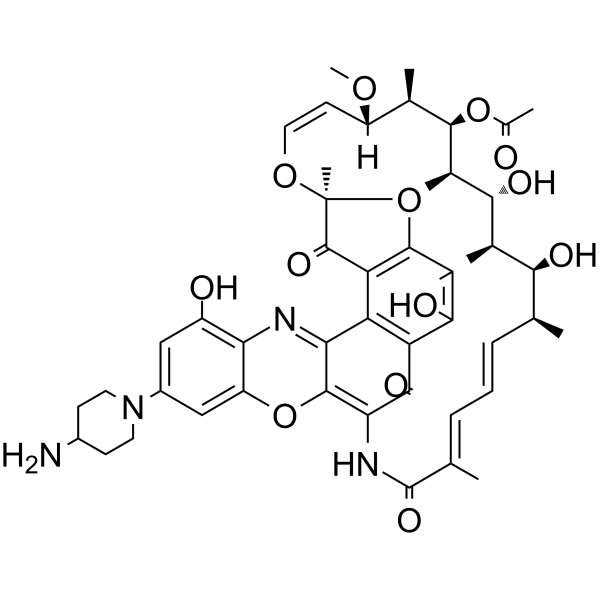 0 ImagesCat. No.: HY-128917CAS No.: 845626-57-5
DNA31 is a potent RNA polymerase inhibitor.
-
Thymidine-5'-diphosphate-L-rhamnose disodium
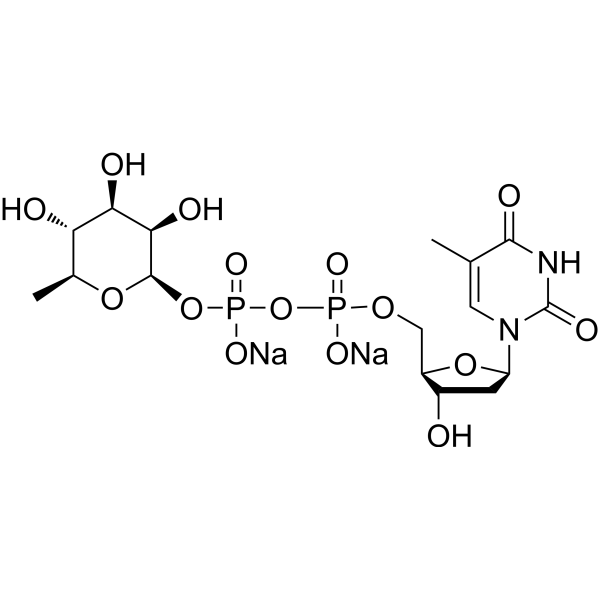 0 ImagesCat. No.: HY-N11102ACAS No.: 214753-67-0Synonyms: dTDP-L-Rhamnose disodium
Thymidine-5'-diphosphate-L-rhamnose (dTDP-L-Rhamnose) disodium is a key activated nucleotide sugar in bacteria, with a KD value of 13 μM for Listeria monocytogenes RmlT. Thymidine-5'-diphosphate-L-rhamnose disodium acts as a high-energy donor for L-Rhamnose (HY-N1420), and is specifically used for the synthesis of bacterial cell wall polysaccharides, capsules and virulence factors.
-
HADA hydrochloride (solution)
 0 ImagesCat. No.: HY-DY1044CAS No.: 2253733-10-5
HADA hydrochloride (HCC-Amino-D-alanine hydrochloride) is a blue (λem~450 nm) fluorescent D-amino acid (FDAA). FDAAs are efficiently incorporated into the peptidoglycans (PGs) of diverse bacterial species at the sites of PG biosynthesis, allowing specific and covalent probing of bacterial growth with minimal perturbation.
Solvent and concentration: DMSO: 50 mM
-
N-Butanoyl-DL-homoserine lactone
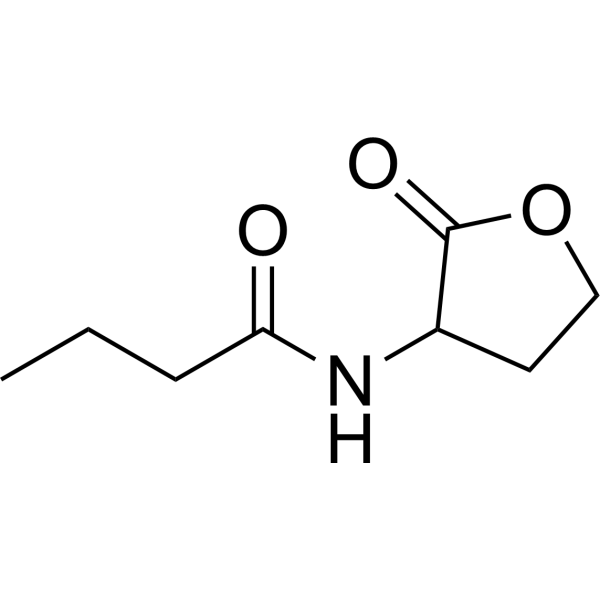 0 ImagesSynonyms: (Rac)-C4-HSL
N-Butanoyl-DL-homoserine lactone ((Rac)-C4-HSL) is a racemic mixture of N-Butanoyl-D-homoserine lactone and N-Butanoyl-L-homoserine lactone. N-Butanoyl-L-homoserine lactone is a cleavable ADC linker used in the synthesis of antibody-drug conjugates (ADCs). N-Butanoyl-L-homoserine lactone has antibacterial activity and is used in antibacterial biofilm. N-Butanoyl-L-homoserine lactone aptamers blocks qurom sensing and inhibits biofilm formation in Pseudomonas aeruginosa.
-
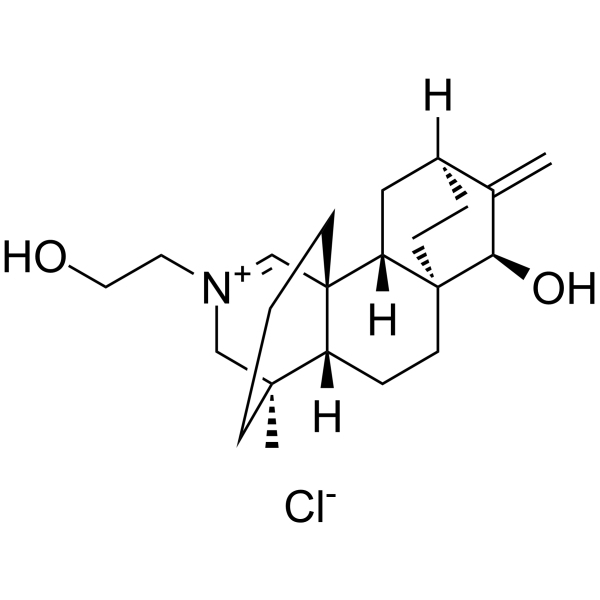
Guanfu base H
 0 Images
Guanfu base H (Atisinium chloride) is a diterpenoid alkaloid isolated from Aconitum coreanum and has antiplasmodial activity against the malarial Plasmodium falciparum strains TM4/8.2 (wild type) and K1CB1 with IC50 values of 4 μM and 3.6 μM, respectively.
-
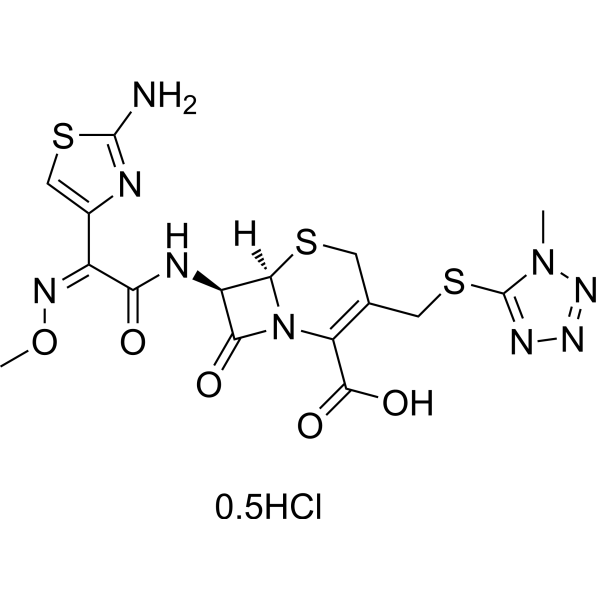
Cefmenoxime hydrochloride
 0 ImagesSynonyms: SCE-1365 hydrochloride
Cefmenoxime (SCE-1365) hydrochloride is a new semisynthetic cephalosporin antibiotic. Cefmenoxime has antibacterial activity against a wide variety of gram-positive and gram-negative bacteria.
-
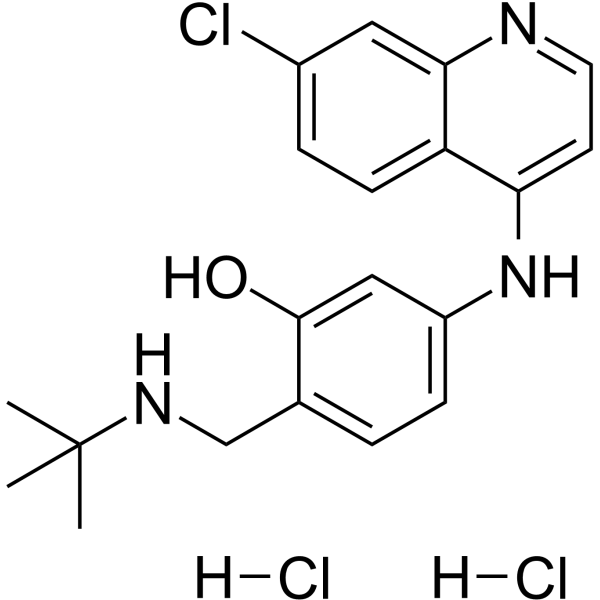
GSK369796 Dihydrochloride
 0 Images
GSK369796 Dihydrochloride is an affordable and effective antimalarial and inhibits hERG potassium ion channel repolarization with an IC50 of 7.5 μM.
-
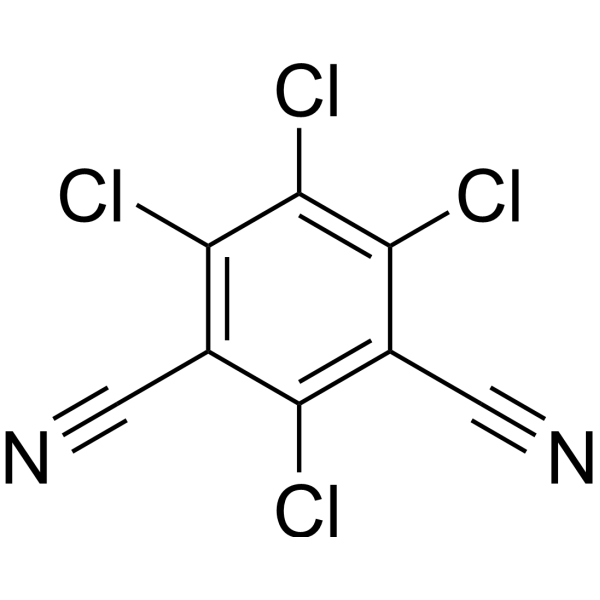
Chlorothalonil (Standard)
 0 Images
Chlorothalonil (Standard) is the analytical standard of Chlorothalonil. This product is intended for research and analytical applications. Chlorothalonil is a broad-spectrum foliar fungicide with oral activity. Chlorothalonil can be used to combat fungal diseases in vegetable and crop leaves. Chlorothalonil can alter the microbial community in the soil. Chlorothalonil inhibits spermatogenesis. Chlorothalonil can cause intestinal epithelial barrier dysfunction and fetal toxicity.
-
Vulpinic acid
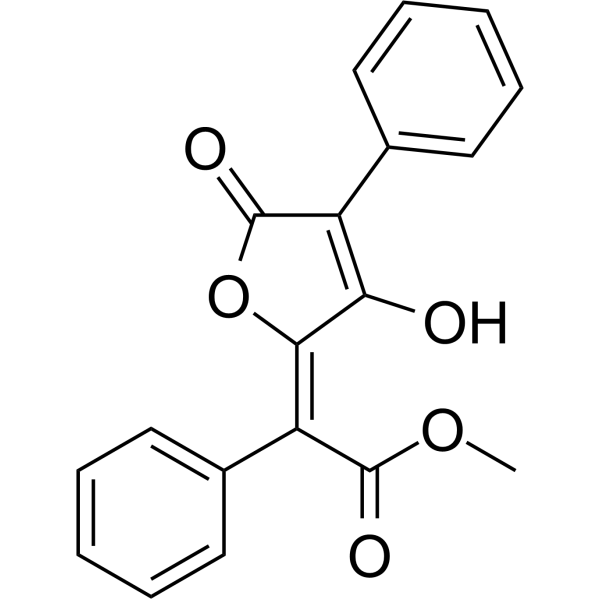 0 Images
Vulpinic acid, a lichen metabolite, decreases H2O2-induced ROS production, oxidative stress and oxidative stress-related damages in human umbilical vein endothelial cells (HUVEC). Vulpinic acid is active against staphylococci, enterococci, and anaerobic bacteria.Vulpinic acid has the potential for atherosclerosis research.
-
Lecanoric acid
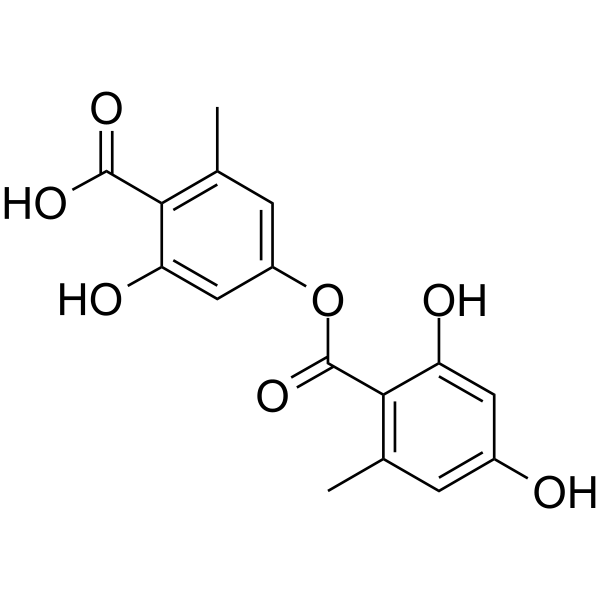 0 Images
Lecanoric acid is a histidine-decarboxylase inhibitor isolated from fungus. The inhibition by lecanoric acid is competitive with histidineand noncompetitive with pyridoxal phosphate. Lecanoric acid did not inhibit aromatic amino acid decarboxylase.
-
BB2-50F
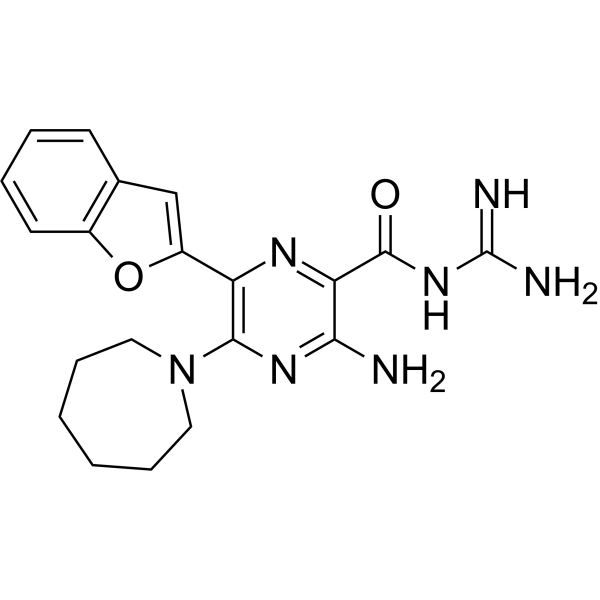 0 Images
BB2-50F is an antimicrobial agent and succinate dehydrogenase and F1Fo-ATP synthase inhibitor. BB2-50F induces ROS. BB2-50F inhibits succinate oxidation and reduces tricarboxylic acid (TCA) cycle activity. BB2-50F inhibits the growth of Mycobacterium tuberculosis H37Rv and its auxotrophic, attenuated derivative mc2 6230 (ΔRD1, ΔpanCD) with an MIC of 8 μM.
-
Ilimaquinone
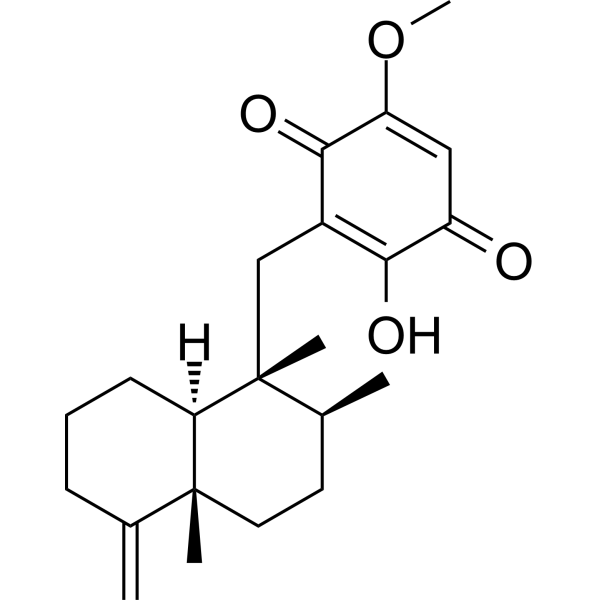 0 Images
Ilimaquinone, a marine sponge metabolite, displays anticancer activity via GADD153-mediated pathway. Ilimaquinone can induce vesiculation of the Golgi apparatus. Ilimaquinone exerts anti-HIV, anti-microbial, anti-inflammatory, and effects.
-
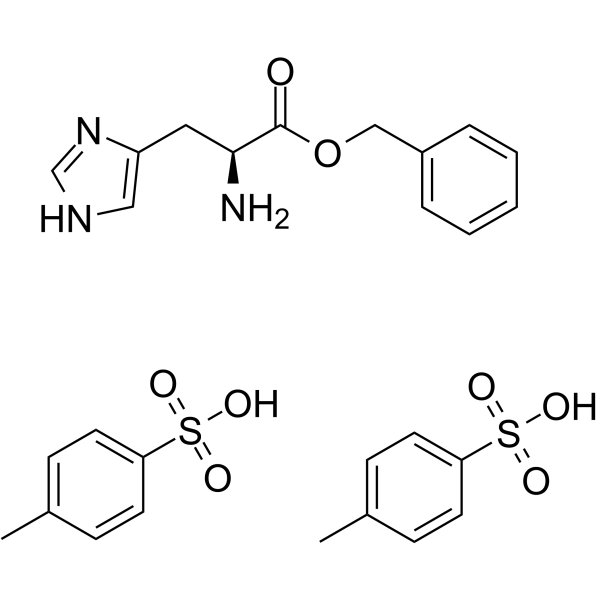
L-Histidine benzyl ester (bistosylate)
 0 Images
L-Histidine benzyl ester bistosylate is a modified amino acid. L-Histidine benzyl ester bistosylate can be used in peptide synthesis and RNA-related research.
-
Metacetamol
 0 Images
Metacetamol (AMAP) is an analog of Acetaminophen (HY-66005). Metacetamol induces dose-dependent necrosis in primary hepatocytes via glutathione depletion, mitochondrial damage, and formation of mitochondrial protein adducts. Metacetamol derivatives act as anticancer and antibacterial agents. Metacetamol can be used in studies related to breast cancer, bacterial infections, and fungal infections (candidiasis).
-
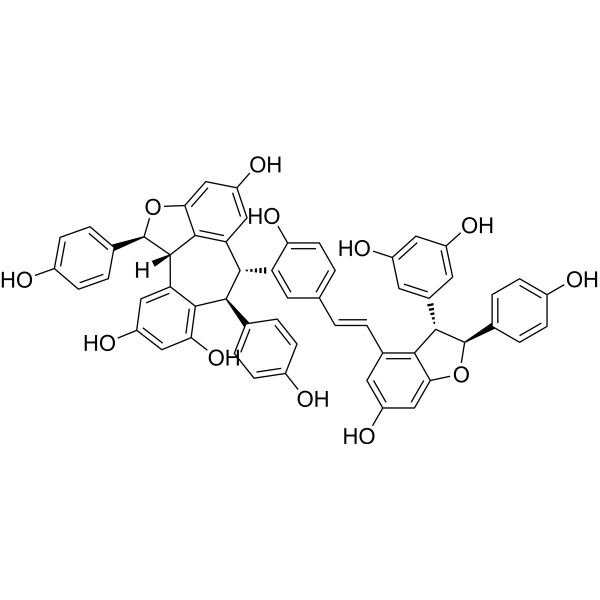
Vitisin A
 0 ImagesCat. No.: HY-142026CAS No.: 142449-89-6Synonyms: (+)-Vitisin A
Vitisin A ((+)-Vitisin A) is an orally active natural product with multiple pharmacological activities including anti-inflammatory, anti-tumor, anti-oxidant, anti-pathogenic microorganism, hypoglycemic and lipid-regulating, anti-osteoporotic, neuroprotective and cardiovascular protective effects. Vitisin A exhibits inhibitory effects on human AChE and MAO-B with IC50 values of 1.29 µM and 4.94 µM, respectively. Vitisin A inhibits the ERK, MAPK, NF-κB, STAT1, HMGCR and TRAF6 pathways, downregulates the related phosphorylation and protein expression, while activates the Nrf2/HO-1 pathway and upregulates p21 expression. Vitisin A induces tumor cell apoptosis and cell cycle arrest, inhibits adipogenesis and lipid accumulation, while alleviates oxidative stress, suppresses inflammatory responses, blocks hepatic fibrosis, Cuproptosis and cholesterol synthesis, and increases the expression levels of central BDNF and TrkB. Vitisin A can be used in the research of tumors, infectious diseases, metabolic diseases, bone and joint diseases, liver diseases, skin injuries, as well as neurodegenerative and cognitive dysfunction-related diseases.
-
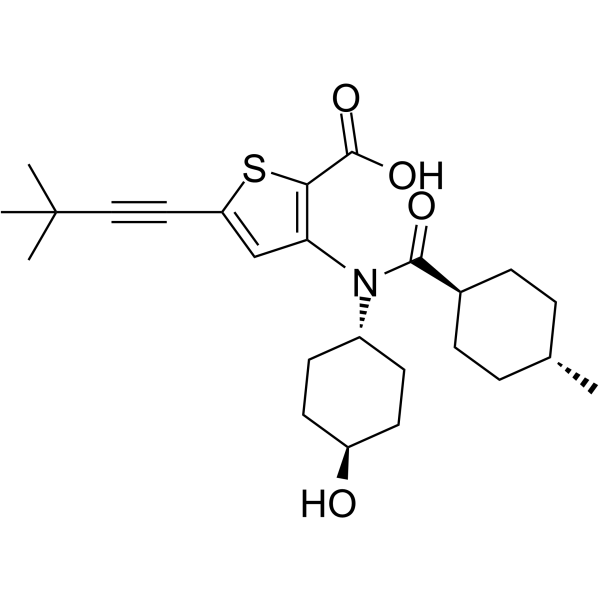
Lomibuvir
 0 ImagesSynonyms: VX-222
Lomibuvir (VX-222), a selective, non-nucleoside polymerase inhibitor, targets thumb pocket 2 of the HCV NS5B polymerase (RdRp) with a Kd of 17 nM. Lomibuvir inhibits the 1b/Con1 HCV subgenomic replicon with an EC50 of 5.2 nM. Lomibuvir preferentially inhibits elongative RNA synthesis rather than de novo-initiated RNA synthesis.
-
Evernic Acid
 0 Images
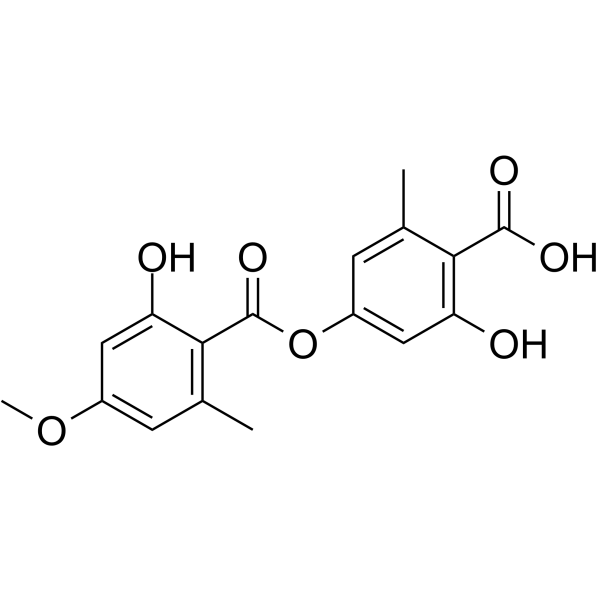
Evernic Acid is an orally active thioredoxin reductase 1 (TrxR1) inhibitor and antiproliferative agent. Evernic Acid inhibits the proliferation and migration of human breast cancer cells. Evernic Acid blocks the NF-κB pathway by inhibiting p65 nuclear translocation and IκBα phosphorylation, thereby suppressing downstream inflammatory mediators. Evernic Acid acts as an antioxidant, anti-inflammatory agent and neuroprotective agent, protects neurons from cell death, mitochondrial dysfunction and oxidative stress damage, reduces astrocyte activation, and ameliorates dopaminergic neuron loss and neuroinflammation. Evernic Acid inhibits enoyl reductases FabI and FabZ of Plasmodium falciparum. Evernic Acid downregulates the expression of lasB and rhlA genes in Pseudomonas aeruginosa, inhibits quorum sensing and biofilm formation, and exerts antibacterial activity against Gram-positive bacteria, Gram-negative bacteria and fungi. Evernic Acid is applicable to research related to breast cancer, Parkinson's disease, bacterial infections and fungal infections.




