



Fungal
An antifungal agent is a drug that selectively eliminates fungal pathogens from a host with minimal toxicity to the host.
Classes: 1. Polyene Antifungal Drugs: Amphotericin, nystatin, and pimaricin interact with sterols in the cell membrane (ergosterol in fungi, cholesterol in humans) to form channels through which small molecules leak from the inside of the fungal cell to the outside. 2. Azole Antifungal Drugs: Fluconazole, itraconazole, and ketoconazole inhibit cytochrome P450-dependent enzymes (particularly C14-demethylase) involved in the biosynthesis of ergosterol, which is required for fungal cell membrane structure and function. 3. Allylamine and Morpholine Antifungal Drugs: lylamines (naftifine, terbinafine) inhibit ergosterol biosynthesis at the level of squalene epoxidase. The morpholine drug, amorolfine, inhibits the same pathway at a later step. 4. Antimetabolite Antifungal Drugs: 5-Fluorocytosine acts as an inhibitor of both DNA and RNA synthesis via the intracytoplasmic conversion of 5-fluorocytosine to 5-fluorouracil.
All Product Categories
-
Fungal Related Products (2741)
Related Products (2741)

-
Antibodies (1)
-
Related Compound Screening Libraries (1)
-
Picarbutrazox
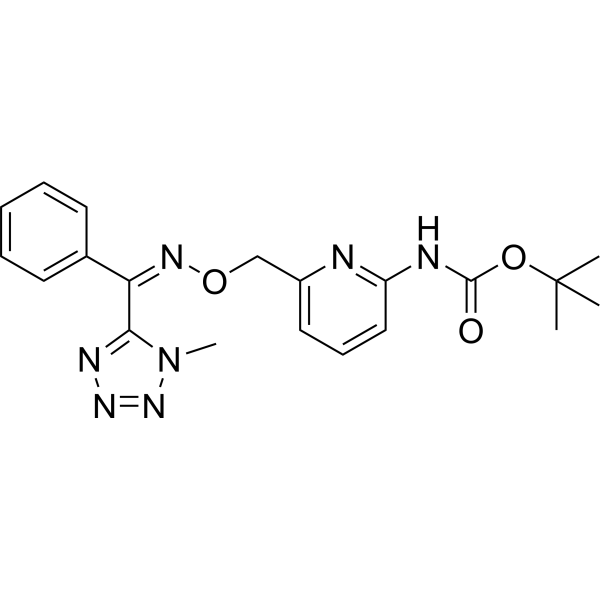 0 ImagesCat. No.: HY-148423CAS No.: 500207-04-5Picarbutrazox is a potent pesticide and fungicide. Picarbutrazox can be used for corn and soybean to control Pythium and Phytophthora. Picarbutrazox can be used in agricultural production and control.
-
Chitin synthase inhibitor 1
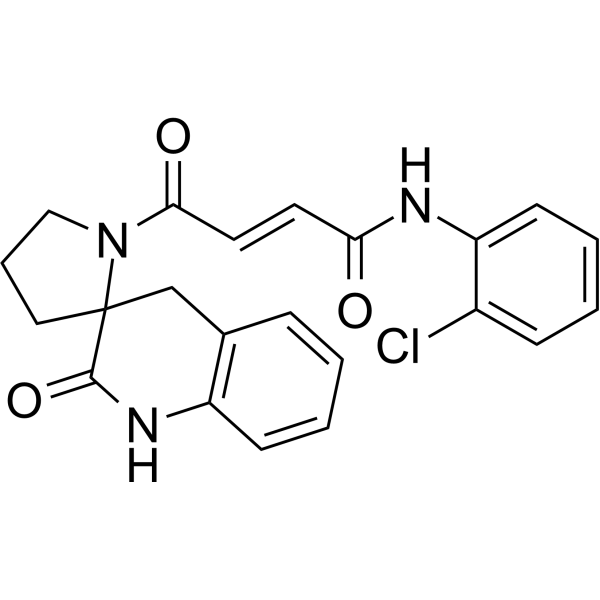 0 ImagesCat. No.: HY-144391CAS No.: 2763387-69-3Chitin synthase inhibitor 1 is a potent and selective chitin synthase (CHS) inhibitor (IC50=0.12 mM). Chitin synthase inhibitor 1 has potent antifungal activity against drug-resistant fungi variants.
-
Chitin synthase inhibitor 9
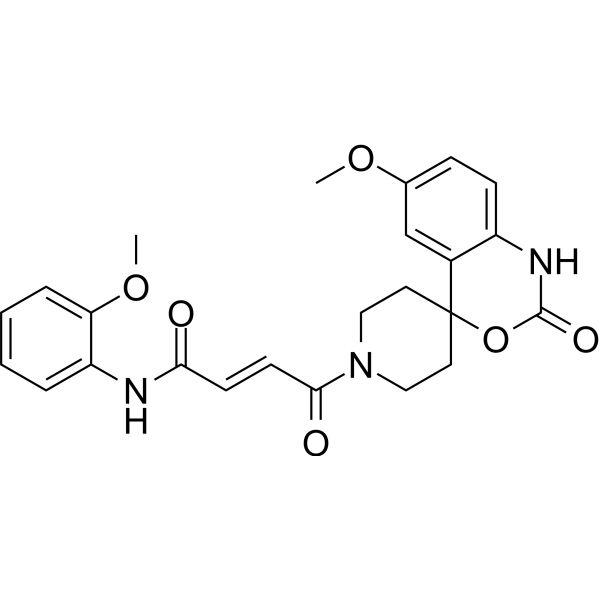 0 ImagesCat. No.: HY-151419CAS No.: 2725074-96-2Chitin synthase inhibitor 9 is a chitin synthase (CHS) inhibitor with broad-spectrum antifungal activity. Chitin synthase inhibitor 9 can be used in the research of fungi infection.
-
Voriconazole camphorsulfonate
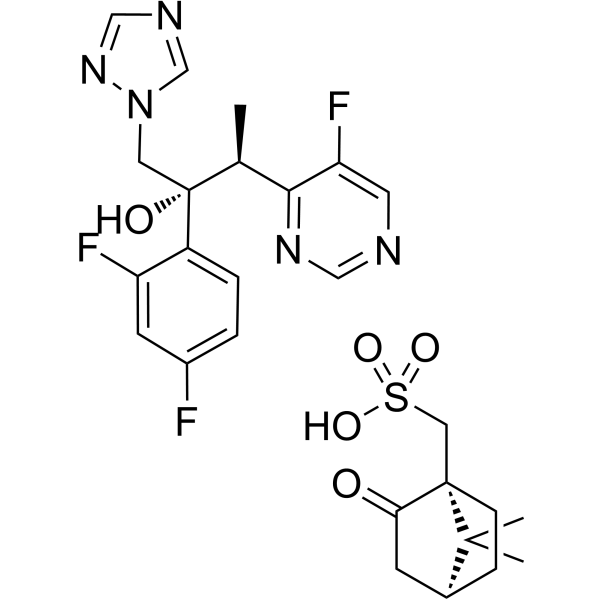 0 ImagesCat. No.: HY-76200BCAS No.: 137234-71-0Synonyms: UK-109496 camphorsulfonateVoriconazole (UK-109496) camphorsulfonate is a second-generation, broad-spectrum triazole antifungal agent that inhibits fungal ergosterol biosynthesis. Voriconazole camphorsulfonate exerts its antifungal activity by inhibition of 14-α-lanosterol demethylation, which is mediated by fungal cytochrome P450 enzymes.
-
Deacetylnomilin
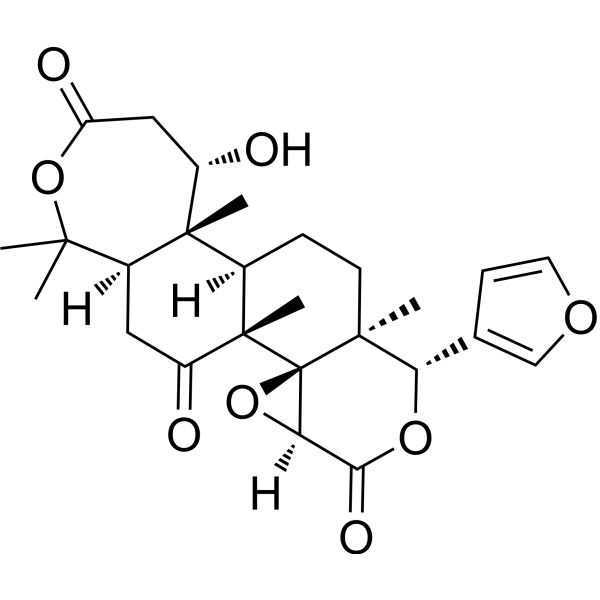 0 ImagesDeacetylnomilin can be isolated from Citrus reticulata and has antibacterial and antifungal activity. Deacetylnomilin is a potent inhibitor of cell proliferation with an IC50 value of 0.005 ug/mL against estrogen receptor-positive (ER+) cells.
-
Siccanin
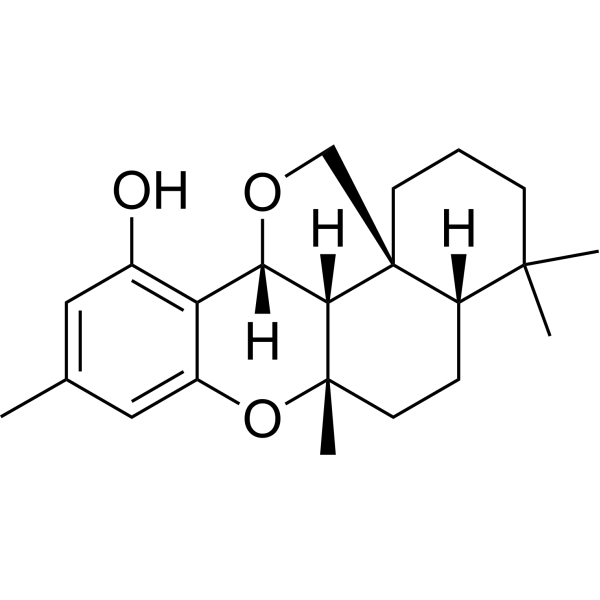 0 ImagesCat. No.: HY-106371CAS No.: 22733-60-4Siccanin is a succinate dehydrogenase (SDH) inhibitor (IC50=0.9 μM) with species-selective activity. Siccanin also is a antibiotic against pathogenic fungi.
-
Rugulosin
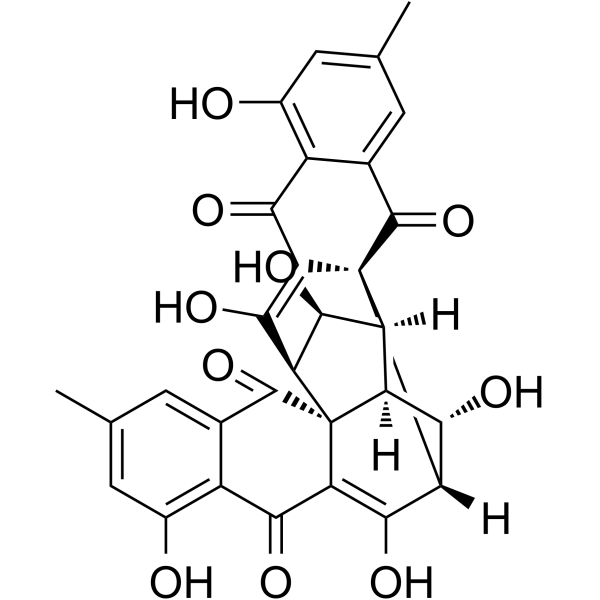 0 ImagesCat. No.: HY-129806CAS No.: 23537-16-8Synonyms: (+)-RugulosinRugulosin is a crystalline colouring matter of Penicillium rugulosum Thom. Rugulosin shows markedly specific antibacterial activity and moderately antifungal activity.
-
Antibiofilm agent-12
 0 ImagesCat. No.: HY-168077CAS No.: 480452-24-2Antibiofilm agent-12 (Compound C13) is an antifungal agent that belongs to the class of carbazate derivatives. Antibiofilm agent-12 exhibits significant antifungal activity against Candida auris, with a MIC90 of 237.9 μM. By inhibiting the drug efflux pump activity of Candida auris and promoting ergosterol depletion, Antibiofilm agent-12 hinders biofilm formation and reduces the metabolic flexibility of Candida auris. Additionally, Antibiofilm agent-12 demonstrates antifungal activity in a Candida auris-infected C. elegans model.
-
9-OxoOTrE
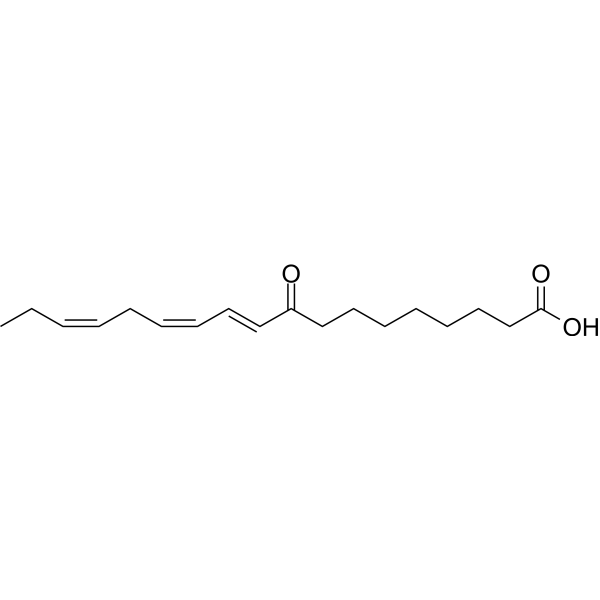 0 ImagesCat. No.: HY-124250CAS No.: 125559-74-2Synonyms: 9-KOTrE9-OxoOTrE (9-KOTrE) is an antifungal agent against B. cinerea, C. herbarum, P. infestans, and P. parasitica, through a mechanism based on their electrophilic nature.
-
SDH-IN-7
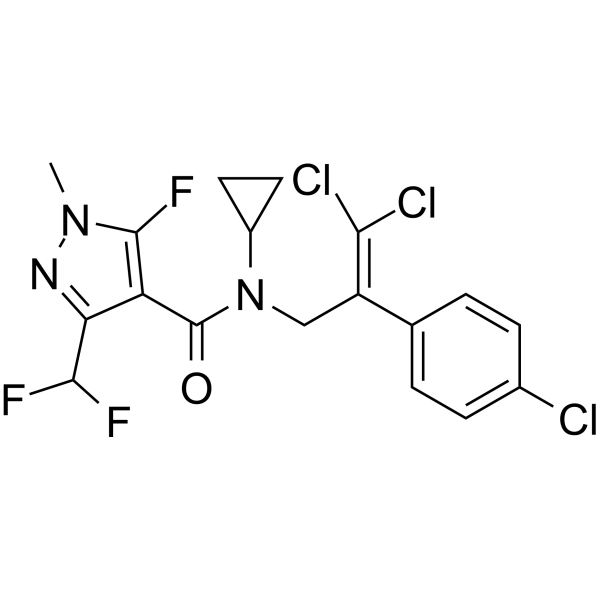 0 ImagesCat. No.: HY-149600CAS No.: 2757173-36-5SDH-IN-7 (compound G28) is a potent succinate dehydrogenase (SDH) inhibitor with an IC50 of 26 nM for porcine SDH. SDH-IN-7 has fungicidal properties.
-
(+)-Menthol (Standard)
 0 ImagesSynonyms: D-Menthol (Standard)(+)-Menthol (Standard) is the analytical standard of (+)-Menthol. This product is intended for research and analytical applications. (+)-Menthol (D-Menthol) is one of the optical isomers of Menthol. (+)-Menthol can reduce the electrically evoked contractions of rat phrenic hemidiaphragm in vitro. Local anaesthetic activity. (+)-Menthol inhibits fungal growth and sporulation. (+)-Menthol can also inhibit the growth of Microcystis aeruginosa cells.
-
Antifungal agent 108
 0 ImagesCat. No.: HY-161921Antifungal agent 108 (compound 14d), an original imidazo[1,2-b]pyridazine derivative, shows potent antifungal activity against Madurella mycetomatis (MM55 strain) with an IC50 of 0.9 μM. Antifungal agent 108 exhibits an IC50 of 14.3 μM on cell viability of NIH-3T3 murine fibroblast.
-
Vinclozolin
 0 ImagesVinclozolin is a non-systemic dicarboximide fungicide. Vinclozolin is also an antagonist of the androgen receptor, exerting anti-androgenic effects through its metabolites. Vinclozolin inhibits spore germination and can be used to control fungi in plants such as vegetables and fruits. Vinclozolin is toxic to the reproductive system of rats and possesses certain anti-tumor activity.
-
Tachyplesin II
 0 ImagesCat. No.: HY-P11398Tachyplesin II is a broad-spectrum cationic antimicrobial peptide. Tachyplesin II has significant inhibitory effects on Gram-positive bacteria, Gram-negative bacteria, and some fungi. Tachyplesin II binds to bacterial membrane lipopolysaccharides through its positive charge, disrupting membrane integrity and causing leakage of cellular contents. Tachyplesin II can bind to DNA grooves, inhibiting microbial replication, and also suppressing HIV-1 replication and the proliferation of liver cancer cells.
-
NSC-670224
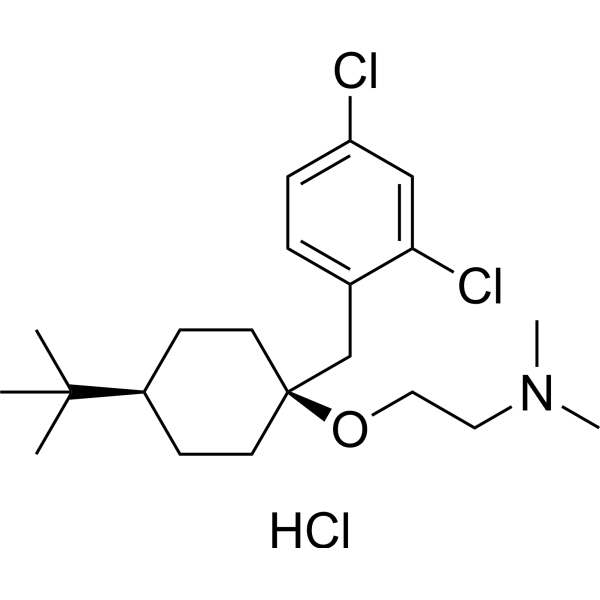 0 ImagesCat. No.: HY-123510CAS No.: 1374648-47-1NSC-670224 is toxic to Saccharomyces cerevisiae at low micromolar concentration (LC50: 3.2 μM).
-
Antifungal agent-163
 0 ImagesCat. No.: HY-184209Antifungal agent-163 is an antifungal agent. Antifungal agent-163 inhibits the activity of coenzyme Q-cytochrome C reductase (CoQ-Ccr), thereby disrupting electron transport in the mitochondrial respiratory chain. Antifungal agent-163 induces intracellular ROS accumulation, causes cell membrane damage, and impairs mitochondrial function in *Sublineola* cells. Antifungal agent-163 exhibits control effects against fungal plant diseases. Antifungal agent-163 can be used in the research of sorghum anthracnose.
-
Sulfacetamide-13C6
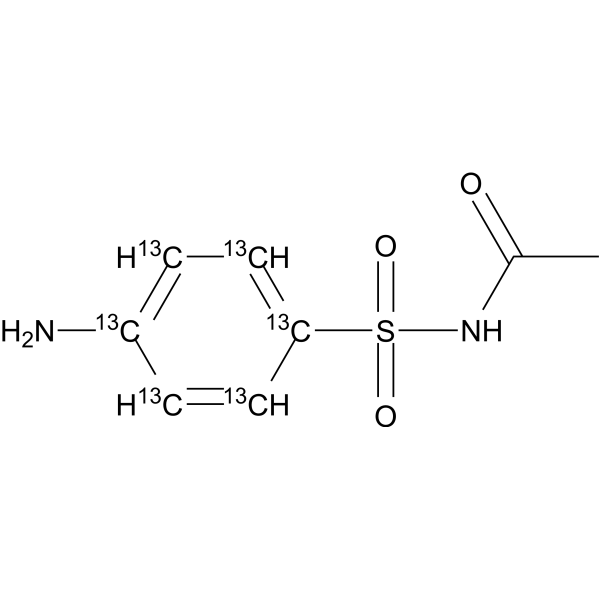 0 ImagesCat. No.: HY-N7123S1Synonyms: Sulphacetamide-13C6Sulfacetamide-13C6 (Sulphacetamide13C6) is the 13C6 labeled Sulfacetamide (HY-N7123). Sulfacetamide (Sulphacetamide) is a sulfonamide antibiotic that can be used for the study of ocular infections. Sulfacetamide has antifungal and antibacterial activities.
-
Picoxystrobin-d3
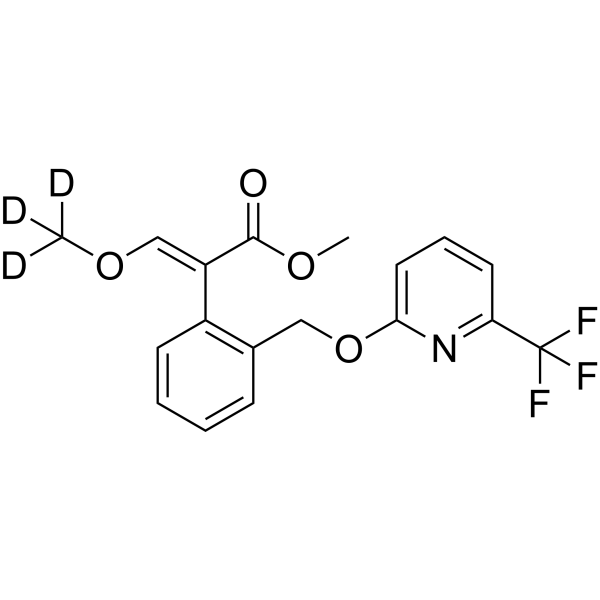 0 ImagesCat. No.: HY-136355SPicoxystrobin-d3 is the deuterium labeled Picoxystrobin (HY-136355). Picoxystrobin is a strobilurin fungicide. Picoxystrobin controls plant diseases by inhibiting mitochondrial respiration. Picoxystrobin is highly toxic to zebrafish embryos, causing developmental abnormalities, oxidative stress, and immunotoxicity.
-
Sodium acetate trihydrate, United States Pharmacopeia (USP) Reference Standard
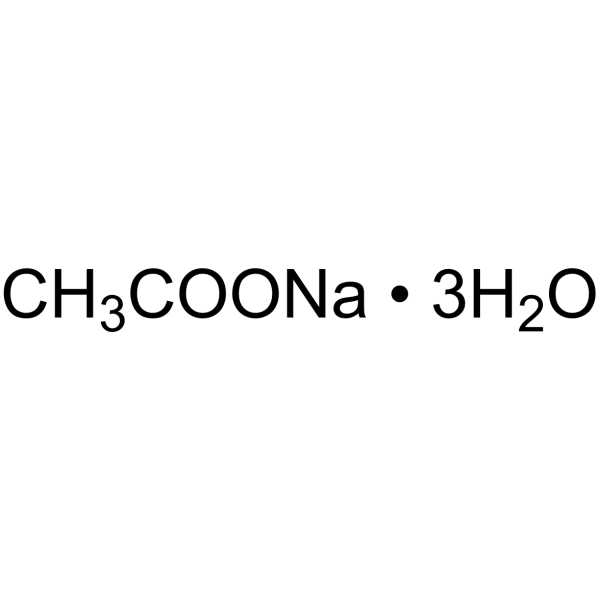 0 ImagesSynonyms: Sodium acetate trihydrate (Pharmaceutical primary standard, USP)Sodium acetate trihydrate, United States Pharmacopeia (USP) Reference Standard (Sodium acetate trihydrate (Pharmaceutical primary standard, USP)) is a carboxylic acid and short-chain fatty acid (SCFAs). Sodium acetate trihydrate activates AMPK, increases ROS, cleaved caspase 9, PPARα, downregulates SREBP-1c, ChREBP expression. Sodium acetate trihydrate exhibits antifungal activity against Saccharomyces cerevisiae W303-1A. Sodium acetate trihydrate regulates energy metabolism. Sodium acetate trihydrate has anticancer activity against gastric cancer. Sodium acetate trihydrate induces writhing reaction and ulcerative colitis. Sodium acetate trihydrate can be used in the researches for gastric cancer, ulcerative colitis, hepatic steatosis, and pain.




