



Isotope-Labeled Compounds
Isotope-labeled compounds are chemical substances in which some atoms in their molecules are replaced by isotope atoms. The range of stable isotope products can cover from gases to complex molecules. Isotope-labeled compounds could provide a site-specific investigation of structures, making molecules easily detectable by mass spectrometry and NMR, and maintaining the physico-chemical properties of the target molecule at the same time.
MCE isotope-labeled compounds are all stable isotope-labeled compounds and are non-radioactive labeled substances. MCE isotope-labeled compounds are unique tools for identifying and understanding biological and chemical processes. Stable isotope-labeled products are now getting more and more popular among scientists. The scope of application is gradually penetrating into various scientific fields, such as life sciences, food and medicine, agriculture, environment, geology, etc. Stable isotope-labeled compounds have a wide range of applications in the Life Science areas, such as Metabolomics, Proteomics, Clinical studies, Deuterium drugs, etc.
All Product Categories
-
Isotope-Labeled Compounds Related Products (11102)
Related Products (11102)

-
Oxacillin-13C6 sodium
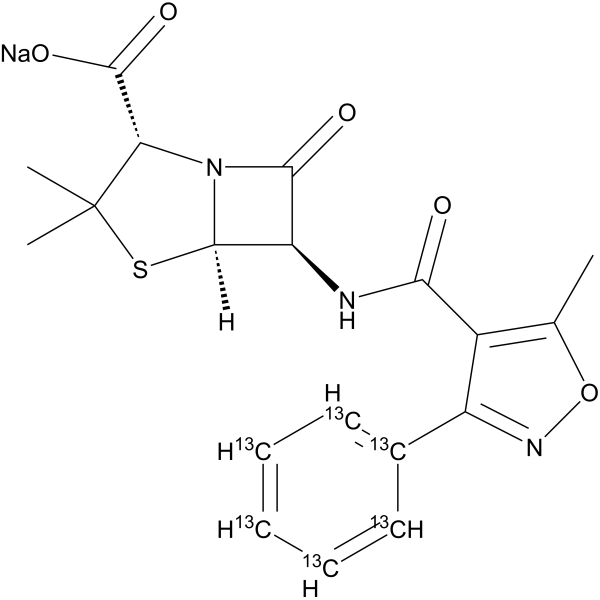 0 ImagesCat. No.: HY-B0925SPurity: 99%Oxacillin-13C6 (sodium) is the 13C6 labeled Oxacillin (sodium). Oxacillin sodium salt is a narrow-spectrum β-lactam antibiotic of the penicillin class.
-
Physcion-d3
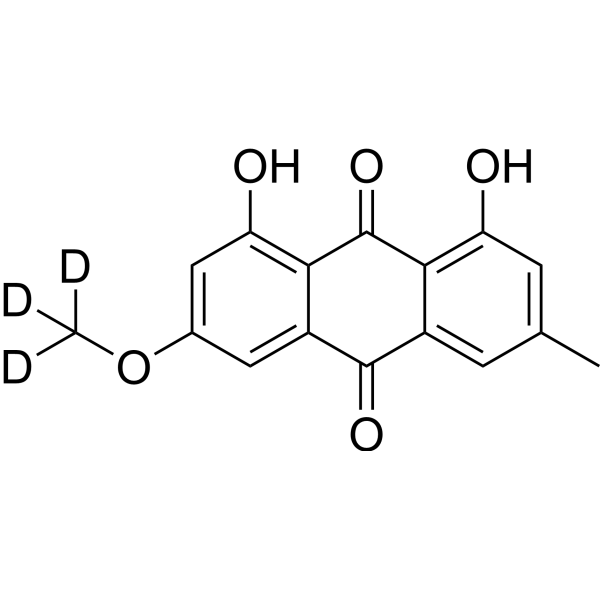 0 ImagesSynonyms: Parietin-d3; Rheochrysidin-d3Physcion-d3 (Parietin-d3) is the deuterium labeled Physcion (HY-N0108). Physcion acts as an inhibitor of 6-phosphogluconate dehydrogenase, with an IC50 and a Kd of 38.5 μM and 26.0 μM, respectively. Physcion exhibits laxative, hepatoprotective, anti-inflammatory, anti-microbial, anti-proliferative and anti-tumor effects.
-
2-Methylimidazole-d6
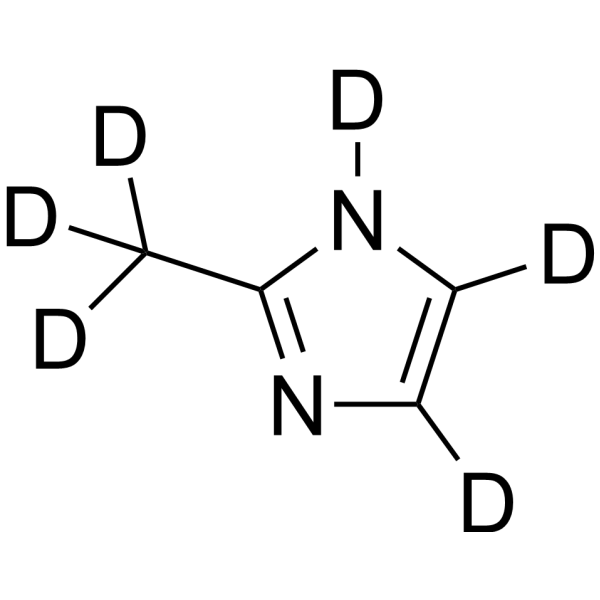 0 ImagesCat. No.: HY-Y1359SCAS No.: 1173022-19-9Synonyms: 2-Methyl-1H-imidazole-d62-Methylimidazole-d6 is the deuterium labeled 2-Methylimidazole. 2-Methylimidazole (2-Methyl-1H-imidazole) is a nitrogen-containing MOF ligand that serves as a laccase-mimicking activity enhancer and a morphology regulator for copper-based metal-organic frameworks. 2-Methylimidazole promotes the formation of natural laccase-like nanoenzyme structures, accelerates electron transfer and enhances catalytic activity. During hydrothermal synthesis, 2-Methylimidazole inhibits the vertical growth of crystals, thus enabling the preparation of two-dimensional nanosheet morphology.
-
(±)9(10)-DiHOME-d4
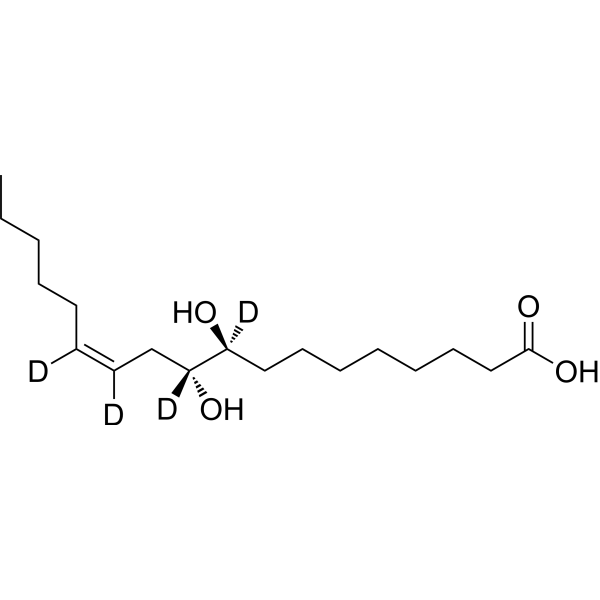 0 Images(±)9(10)-DiHOME-d4 is the deuterium labeled (±)9(10)-DiHOME.
-
Aminoadipic acid-d6
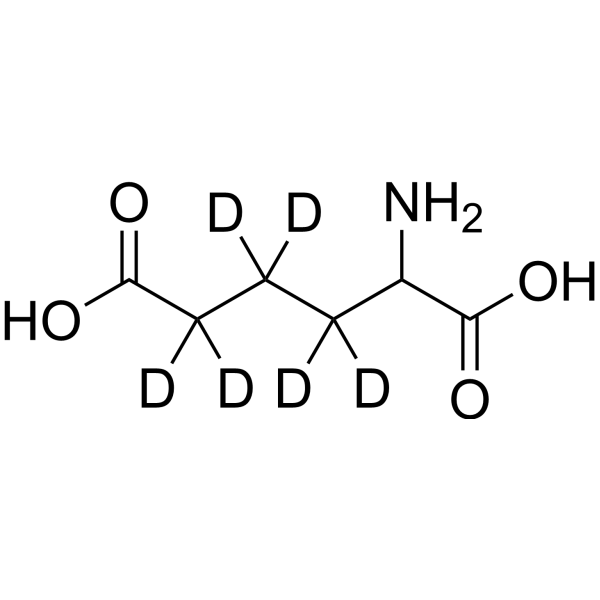 0 ImagesCat. No.: HY-113328S1CAS No.: 2509058-79-9Aminoadipic acid-d6 is deuterated labeled Aminoadipic acid (HY-113328). Aminoadipic acid is an intermediate in the metabolism of lysine and glycopurine.
-
DHEA-d5
 0 ImagesCat. No.: HY-141901S1CAS No.: 97453-25-3Synonyms: Prasterone-d5; Dehydroisoandrosterone-d5; Dehydroepiandrosterone-d5DHEA-d5 (Prasterone-d5; Dehydroisoandrosterone-d5; Dehydroepiandrosterone-d5) is the deuterium labeled DHEA (HY-14650). DHEA (Prasterone) is one of the most abundant steroid hormones. DHEA (Prasterone) mediates its action via multiple signaling pathways involving specific membrane receptors and via transformation into androgen and estrogen derivatives (e.g., androgens, estrogens, 7α and 7β DHEA, and 7α and 7β epiandrosterone derivatives) acting through their specific receptors.
-
Midodrine-d6 hydrochloride
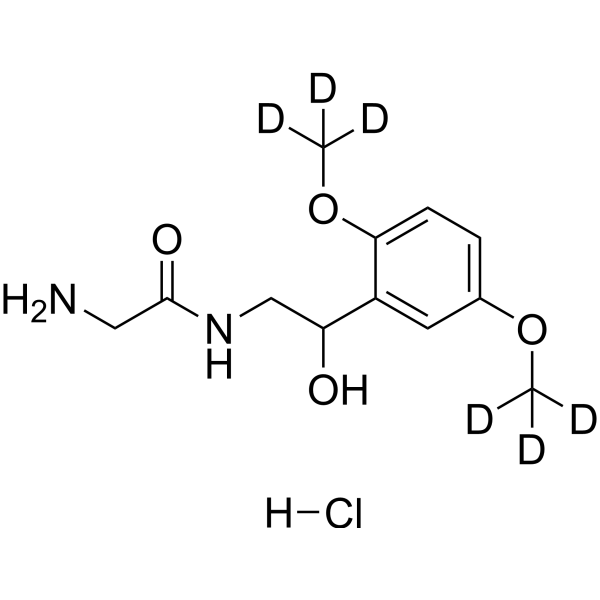 0 ImagesMidodrine-d6 (hydrochloride) is a selective and orally active adrenergic α1-receptor agonist. Midodrine-d6 (hydrochloride) can strengthen vascular contraction. Midodrine-d6 (hydrochloride) can be used for the researches of cardiovascular disease, such as orthostatic hypotension.
-
Methyl arachidonate-d8
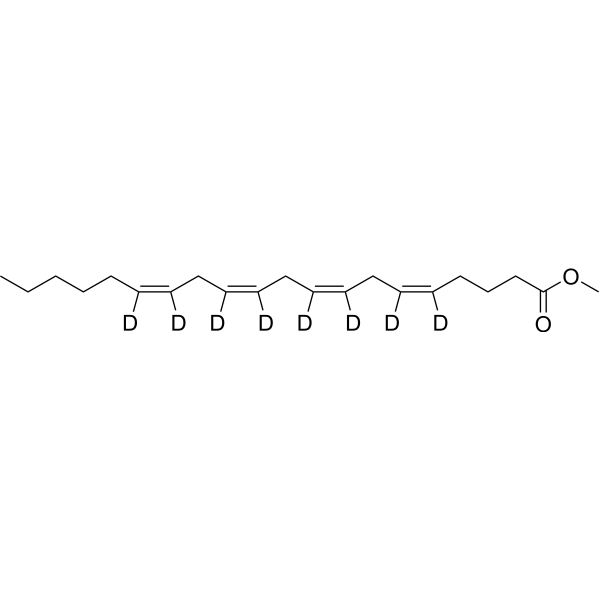 0 ImagesSynonyms: Arachidonic acid methyl ester-d8Methyl arachidonate-d8 is the deuterium labeled Arachidonic acid methyl ester.
-
N-(4-Hydroxyphenyl)acetamide sulfate-d3 sodium
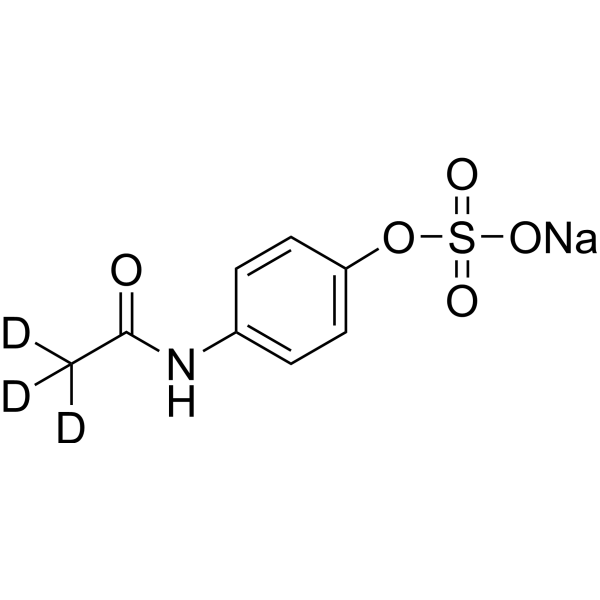 0 ImagesCat. No.: HY-146712SCAS No.: 2733160-80-8N-(4-Hydroxyphenyl)acetamide sulfate-d3 (sodium) is the deuterium labeled N-(4-Hydroxyphenyl)acetamide sulfate.
-
(Rac)-Rotigotine-d3 hydrochloride
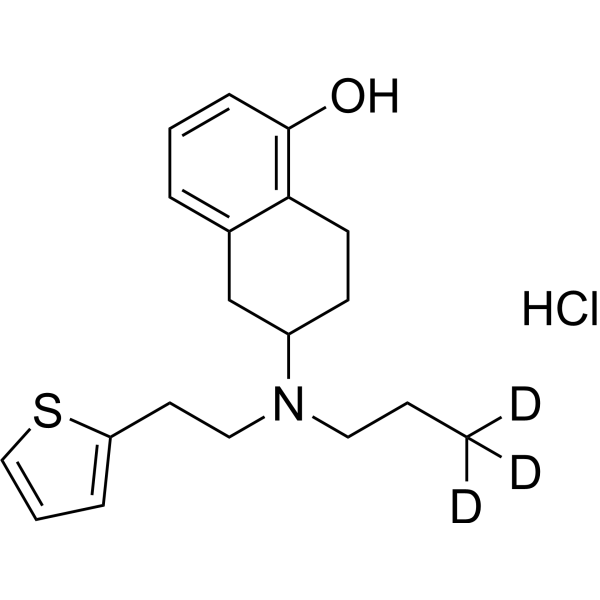 0 ImagesSynonyms: N-0437-d3 hydrochloride(Rac)-Rotigotine-d3 hydrochloride is a deuterium labeled (Rac)-Rotigotine (hydrochloride) (HY-15394). (Rac)-Rotigotine hydrochloride is a racemate of Rotigotine. Rotigotine is a full agonist of dopamine receptor, a partial agonist of the 5-HT1A receptor, and an antagonist of the α2B-adrenergic receptor, with Kis of 0.71 nM, 4-15 nM, and 83 nM for the dopamine D3 receptor and D2, D5, D4 receptors, and dopamine D1 receptor.
-
Pyridoxine-d5
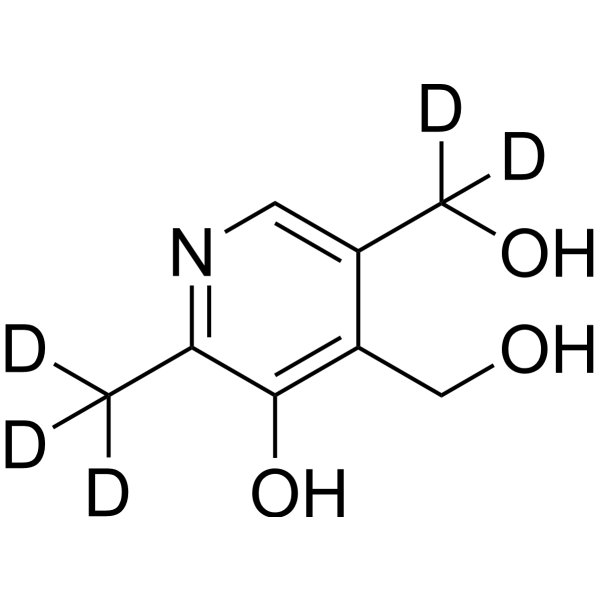 0 ImagesCat. No.: HY-B1328SCAS No.: 688302-31-0Synonyms: Pyridoxol-d5Pyridoxine-d5 (Pyridoxol-d5) is a deuterium labeled Pyridoxine (HY-B1328). Pyridoxine (Pyridoxol) is a pyridine derivative. Pyridoxine exerts antioxidant effects in cell model of Alzheimer's disease via the Nrf-2/HO-1 pathway.
-
meso-Erythritol-d6
 0 Imagesmeso-Erythritol-d6 is the deuterium labeled meso-Erythritol (HY-100551). meso-Erythritol is a sugar alcohol that found in a variety of foods (e.g., pear, watermelon), is 60-80% as sweet as sucrose, and can be used as low-calorie sweetener food additives.
-
Estrone-13C3
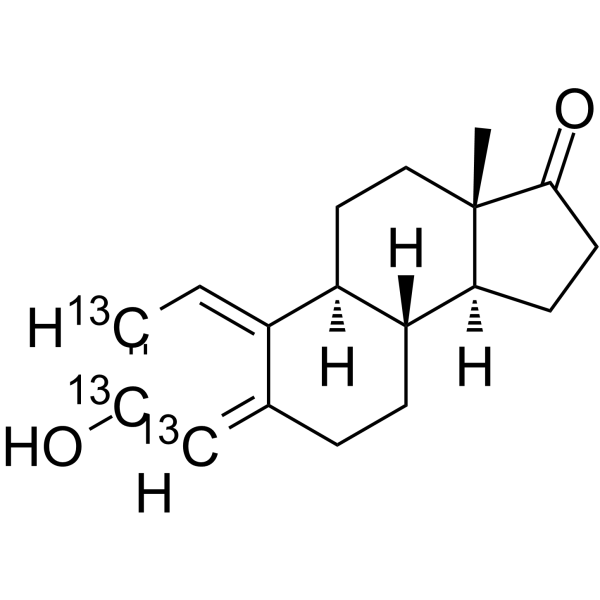 0 ImagesSynonyms: E1-13C3; Oestrone-13C3Estrone-13C3 is the 13C-labeled Estrone. Estrone (E1) is a natural estrogenic hormone. Estrone is the main representative of the endogenous estrogens and is produced by several tissues, especially adipose tissue. Estrone is the result of the process of aromatization of androstenedione that occurs in fat cells.
-
H-DL-Abu-OH-d6
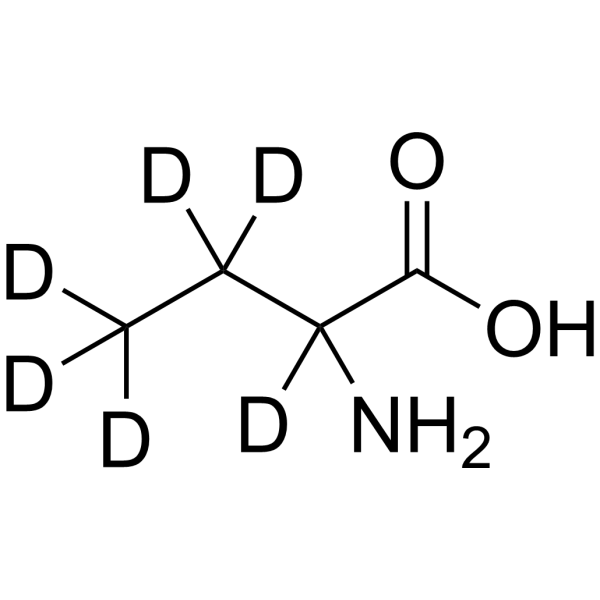 0 ImagesH-DL-Abu-OH-d6 is the deuterium labeled H-DL-Abu-OH.
-
Ethephon-d4
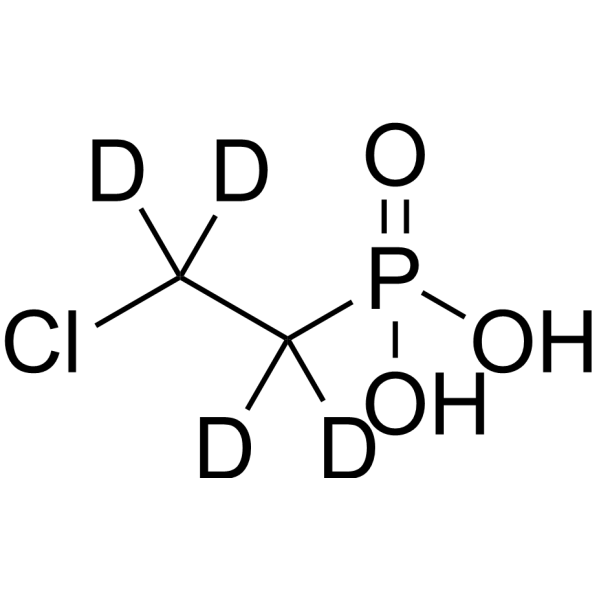 0 ImagesCat. No.: HY-W131845SCAS No.: 1020719-29-2Ethephon-d4 is the deuterium labeled Ethephon.
-
Glufosinate-d3 hydrochloride
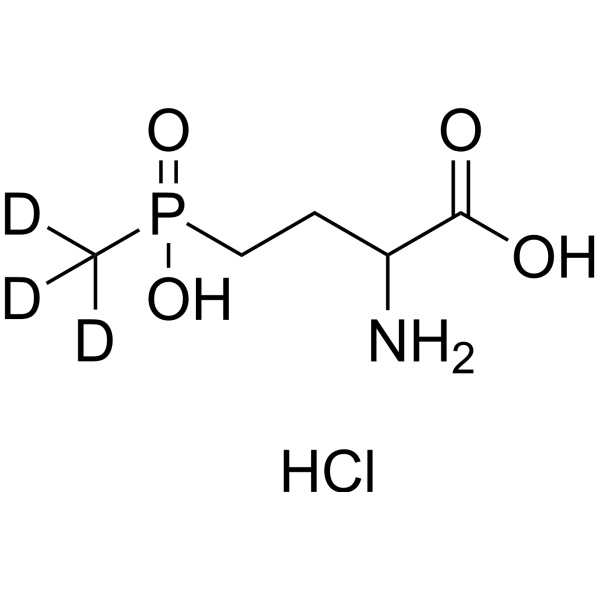 0 ImagesCat. No.: HY-152055SCAS No.: 1323254-05-2Glufosinate-d3 (hydrochloride) is a deuterium labeled compound.
-
i-Inositol-d
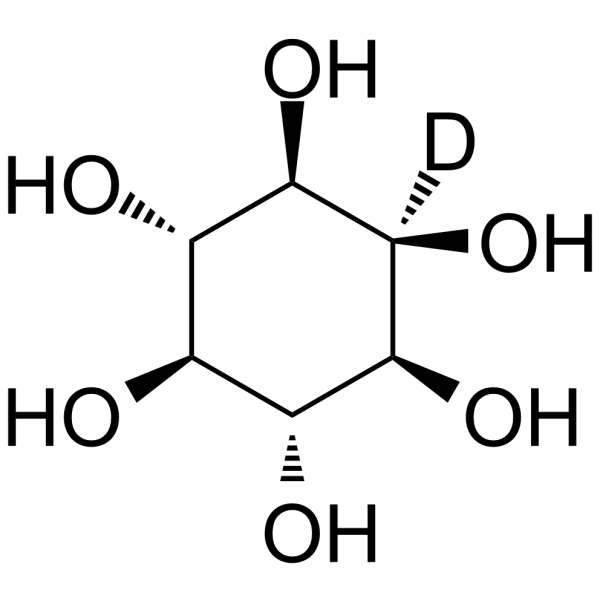 0 ImagesCat. No.: HY-B1411S1Purity: 99.46%Synonyms: myo-Inositol-d1; meso-Inositol-d1i-Inositol-d is the deuterium labeled i-Inositol.
-
Propane-1,2,3-triyl tripalmitate-d31
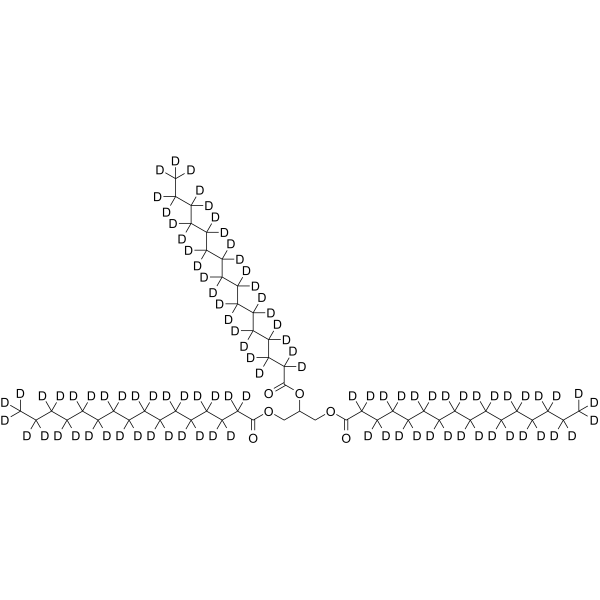 0 ImagesPropane-1,2,3-triyl tripalmitate-d31 is the deuterium labeled Propane-1,2,3-triyl tripalmitate (HY-W013061). Propane-1,2,3-triyl tripalmitate is a saturated fat. Propane-1,2,3-triyl tripalmitate enhances the lymphatic transport of Glycerol tristearate (HY-127035).
-
Desloratadine-d5
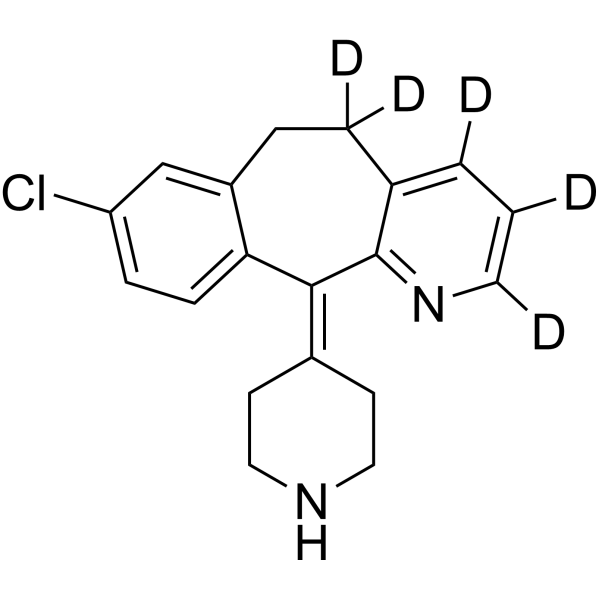 0 ImagesCat. No.: HY-B0539S3CAS No.: 1020719-34-9Synonyms: Sch34117-d5Desloratadine-d5 is deuterium labeled Desloratadine. Desloratadine (Sch34117) is the orally active major metabolite of the nonsedating H1-antihistamine Loratadine. Desloratadine is a selective H1-receptor antagonist that has anti-allergic and anti-inflammatory activities.
-
L-Xylose-5-13C
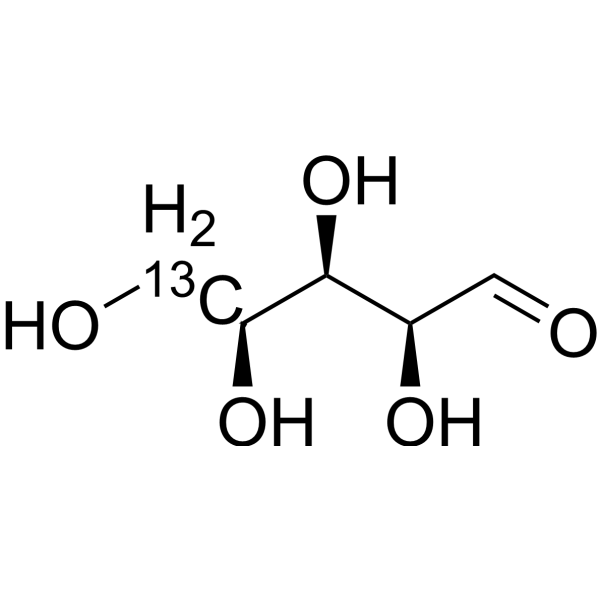 0 ImagesSynonyms: L-(-)-Xylose-5-13C



