



Noggin Protein, Human (CHO)
Based on 13 publication(s) in Google Scholar
Noggin is an antagonist of bone morphogenetic proteins (BMPs) and a member of the TGF-β superfamily, existing as a homodimer. Noggin binds to BMP-2/-4/-7 and inhibits their binding to BMPR-I/II receptors, thereby synergistically inducing bone differentiation in HMSCs, maintaining pluripotency in hESCs, inhibiting angiogenesis in HUVECs, and promoting myelination in oligodendrocytes, exerting neural activity. Noggin Protein, Human (CHO) is a recombinant human Noggin protein expressed in CHO cells with tag-free.
- Species: Human
- Source: CHO
-
Storage:Stored at -20°C for 2 years from date of receipt. After reconstitution, it is stable at 4°C for 1 week or -20°C for longer (with carrier protein). It is recommended to freeze aliquots at -20°C or -80°C for extended storage.


To place orders, for customer services and technical support, please contact: MedChemExpress USA
Tel: 609-228-6898 E-mail: [email protected] [email protected]


-
 Biological Activity
-
Technical Parameters
-
Product Properties
- Documentation
- References
- Help & FAQs


-
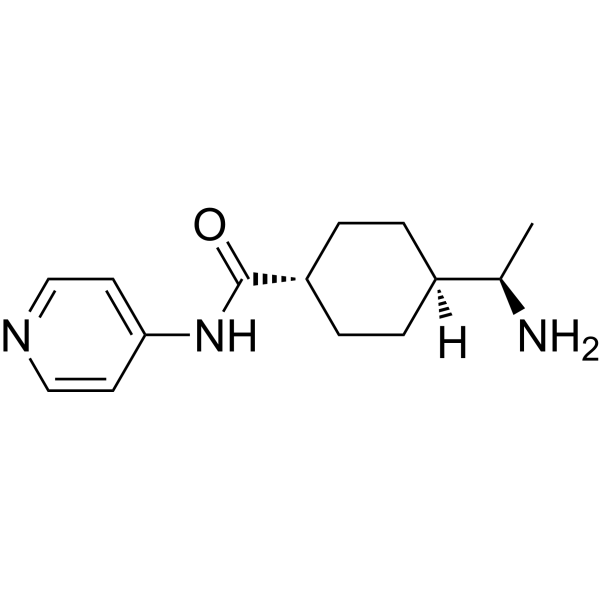
HY-10071
Y-27632 -
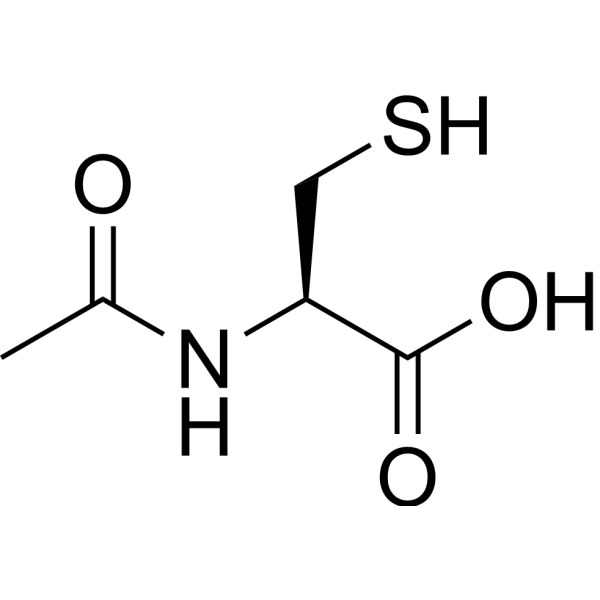
HY-B0215
Acetylcysteine -

HY-P7114
RSPO1/R-spondin-1 Protein, Human (CHO, His) -
HY-P7109
EGF Protein, Human -
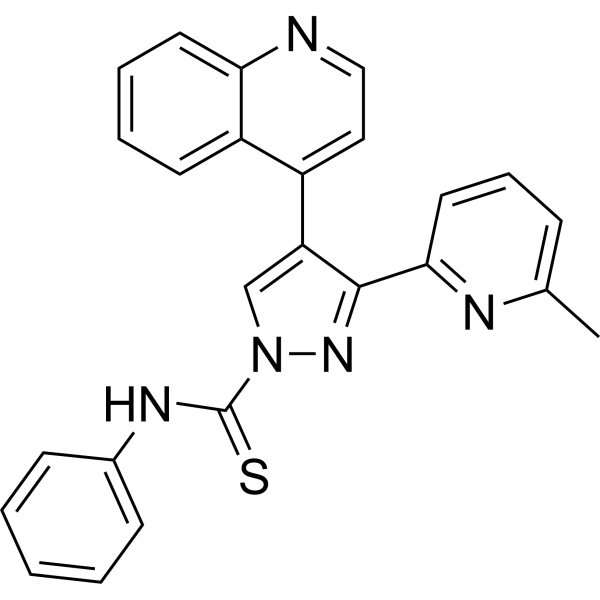
HY-10432
A 83-01 -
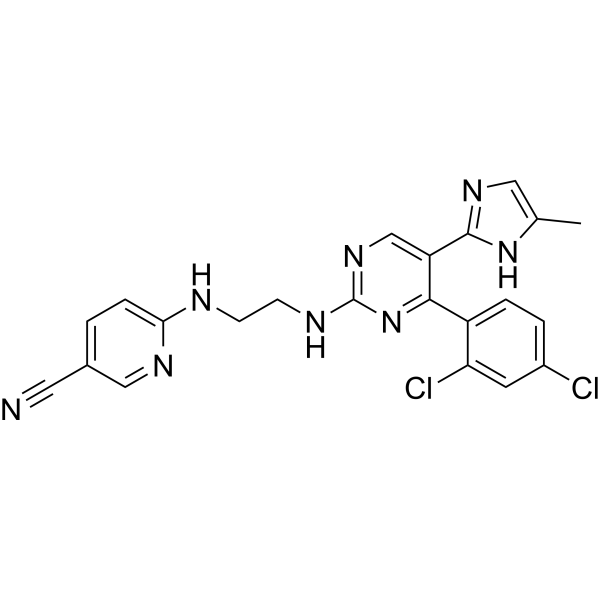
HY-10182
Laduviglusib -
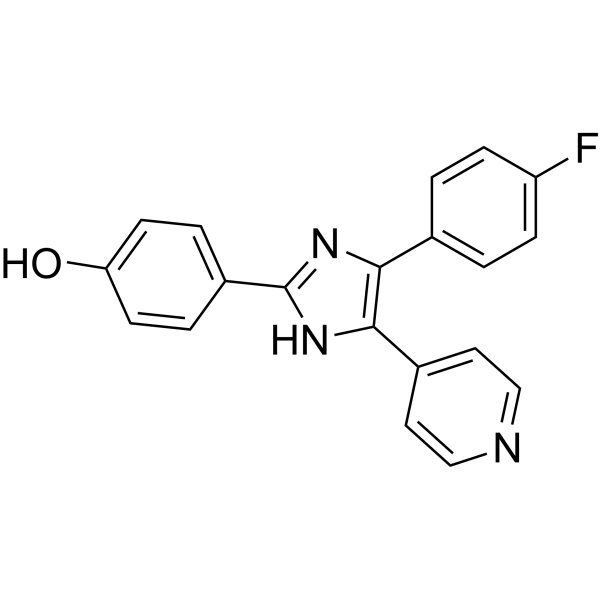
HY-10295
SB 202190 -
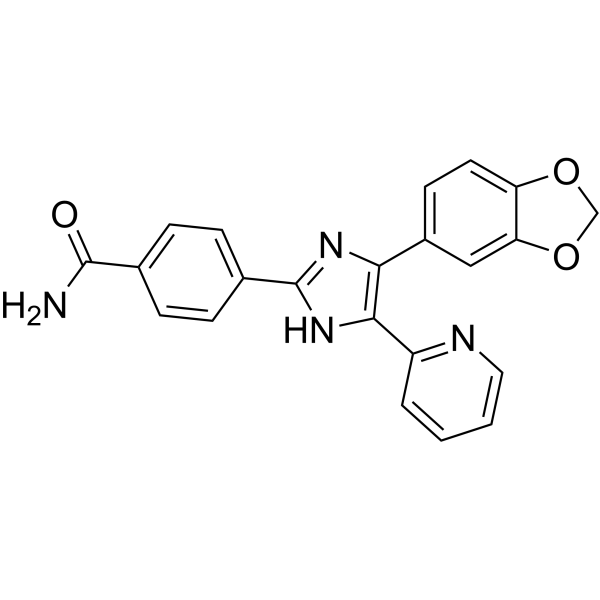
HY-10431
SB-431542 -
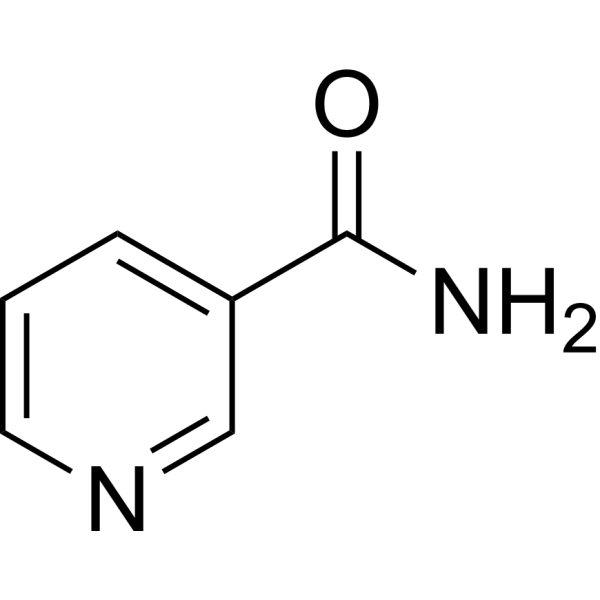
HY-B0150
Nicotinamide -
HY-P7048
KGF-2/FGF-10 Protein, Human (169a.a) -
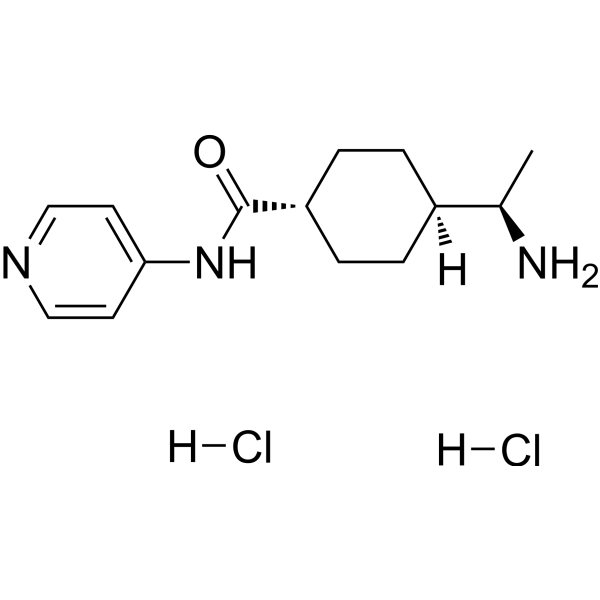
HY-10583
Y-27632 dihydrochloride -
HY-15371
Forskolin


Biological Activity
Description
Noggin is an antagonist of bone morphogenetic proteins (BMPs) and a member of the TGF-β superfamily, existing as a homodimer. Noggin binds to BMP-2/-4/-7 and inhibits their binding to BMPR-I/II receptors, thereby synergistically inducing bone differentiation in HMSCs, maintaining pluripotency in hESCs, inhibiting angiogenesis in HUVECs, and promoting myelination in oligodendrocytes, exerting neural activity[1][2][3][4]. Noggin Protein, Human (CHO) is a recombinant human Noggin protein expressed in CHO cells with tag-free.
Background
1. Characteristics of Noggin
Noggin belongs to the TGF-β superfamily antagonist and belongs to the BMP binding protein family together with Chordin and Gremlin. It works through a secretory protein mechanism and is essential for normal bone development[1][5][6]. Noggin is a glycosylated homodimer linked by disulfide bonds and contains a conserved cysteine-knot domain. Noggin can specifically target ligands such as BMP-2, -4, and -7 and inhibit their binding to receptors[3]. It has a high affinity for hBMP-4 and a low affinity for hBMP-4. It is also an antagonist of hBMP-7[5]. Noggin binds to BMPs (such as BMP-2/-4) and blocks their interaction with type I (BMPR-IA/IB) and type II (BMPR-II) serine/threonine kinase receptors, inhibiting Smad1/5/8 phosphorylation and downstream transcription.
Noggin is involved in the regulation of bone differentiation: In human mesenchymal stem cells (HMSCs), Noggin synergizes with T cell inflammatory factor (TTII) or Dexamethasone (HY-14648) to induce alkaline phosphatase activity and mineralization, upregulates BMP-2 and osteocalcin expression, but does not affect Runx2[1].
Noggin is involved in the maintenance of stem cell pluripotency: In human embryonic stem cells (hESCs), it inhibits BMP4-induced differentiation, maintains the expression of pluripotency genes such as Oct4 and Nanog, and promotes cell proliferation[2].
Noggin inhibits angiogenesis: It blocks BMP-4 signaling in human umbilical vein endothelial cells (HUVEC), inhibits cell migration, tube formation and angiogenesis, and downregulates BMP-4 mRNA levels[3].
Noggin promotes nerve myelination: In oligodendrocyte differentiation, it relieves the inhibition of Sox10/Nkx2.2 by BMP, promotes Myelin Basic Protein (MBP) expression and myelination[4].
2. Application of Noggin
Noggin is used in combination with BMP to regulate the balance of osteoblast-osteoclast, which is used for bone defect repair and is suitable for bone tissue engineering[1]. Noggin also maintains the pluripotency of hESC, can optimize the differentiation of oligodendrocyte precursor cells, and is used in the study of myelin disease models such as multiple sclerosis[2]. Noggin also has anti-cancer activity by inhibiting endothelial cell migration and preventing tumor angiogenesis. Pretreatment of oligodendrocyte precursor cells with Noggin can enhance their myelination in BMP-deficient shiverer mice[4].
Verified Bioactivity
1.ED50 < 2.5 ng/mL, measured in a bioassay using ATDC5 cells in the presence of 10 ng/mL human BMP-4.
2.Measured by its ability to inhibit BMP-4-induced alkaline phosphatase production by ATDC5 mouse chondrogenic cells. The ED50 for this effect is ≤43.8 ng/mL in the presence of 50 ng/mL of Recombinant Human BMP-4 (HY-P7007).
MCE Validation Data
-
Purity - SDS-PAGE
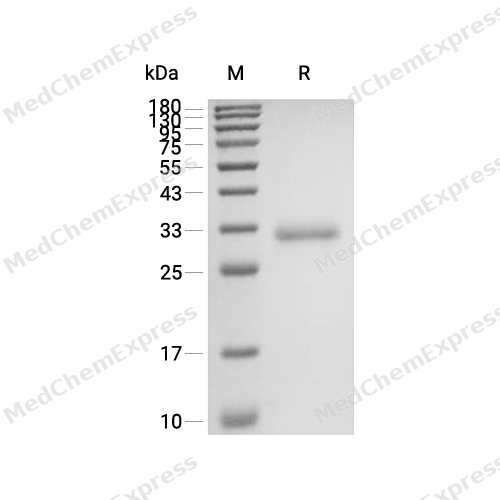
Purity - SDS-PAGE
-
Bioactivity - Cell-Based Assay
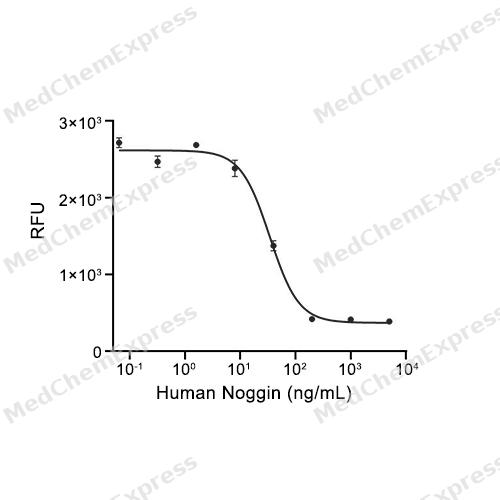
Bioactivity - Cell-Based Assay


Publications (13)
-
Journal Impact Factor
-
Most Recent
-
Nat Commun
FBXO31-mediated ubiquitination of OGT maintains O-GlcNAcylation homeostasis to restrain endometrial malignancy. [Abstract]2025 Feb 2;16(1):1274. PMID: 39894887 -
Cell Rep Med
An Automated Organoid Platform with Inter-organoid Homogeneity and Inter-patient Heterogeneity. [Abstract]2020 Dec 22;1(9):100161. PMID: 33377132 -
Chem Eng J
Bioprinting of miRNA-Induced Spheroids for Vascularized, Heterocellular Bone Regeneration. [Abstract]2026 Sep 15:544:178521. PMID: 42559531 -
Cancer Biol Med
Raltitrexed as a synergistic hyperthermia chemotherapy drug screened in patient-derived colorectal cancer organoids. [Abstract]2021 Mar 12;18(3):750-762. PMID: 33710819 -
-
Patterns
Multiplex gene quantification as digital markers for extremely rapid evaluation of chemo-drug sensitivity. [Abstract]2021 Sep 29;2(10):100360. PMID: 34693378 -
Food Funct
Combination of resveratrol and epirubicin to overcome chemoresistance in lung adenocarcinoma organoids: synergistic effects and translational implications. [Abstract]2025 Aug 26;16(17):6786-6799. PMID: 40755405 -
Respir Res
Impaired AT2 to AT1 cell transition in PM2.5-induced mouse model of chronic obstructive pulmonary disease. [Abstract]2022 Mar 25;23(1):70. PMID: 35337337 -
Sci Rep
DMH1 improves palmitic acid-Induced insulin resistance in cardiomyocytes via PP2A inhibition and AKT/AMPK signaling activation. [Abstract]2026 Feb 13;16(1):8822. PMID: 41688642 -
Sci Rep
Comparative analysis of organoid, air-liquid interface, and direct infection models for studying pathogen-host interactions in endometrial tissue. [Abstract]2025 Mar 12;15(1):8531. PMID: 40075187 -
Hum Mol Genet
Abnormal morphology and function in retinal ganglion cells derived from patients-specific iPSCs generated from individuals with Leber's hereditary optic neuropathy. [Abstract]2023 Jan 6;32(2):231-243. PMID: 35947995 -
-


Technical Parameters
-
Species Human
-
Source CHO
-
Tag Tag Free
-
Accession
Q13253 (Q28-C232)
-
Molecular Construction
-
N-term
-
Noggin (Q28-C232)
Accession # Q13253 -
C-term
-
-
Protein Length
Full Length of Mature Protein
-
Synonyms
NOG; Symphalangism 1 (Proximal); Prev. SYNS1; SYNS1A; Prev. SYM1; Noggin; Synostoses (Multiple) Syndrome 1
-
AA Sequence
QHYLHIRPAPSDNLPLVDLIEHPDPIFDPKEKDLNETLLRSLLGGHYDPGFMATSPPEDRPGGGGGAAGGAEDLAELDQLLRQRPSGAMPSEIKGLEFSEGLAQGKKQRLSKKLRRKLQMWLWSQTFCPVLYAWNDLGSRFWPRYVKVGSCFSKRSCSVPEGMVCKPSKSVHLTVLRWRCQRRGGQRCGWIPIQYPIISECKCSC
-
Predicted Molecular Mass
23.1 kDa
-
Molecular Weight
Approximately 27-36 kDa, based on SDS-PAGE under reducing conditions, due to the glycosylation.
-
Glycosylation
Yes
-
Purity
≥ 95%, as determined by reducing SDS-PAGE.


Product Properties
Lyophilized powder
Lyophilized from a 0.2 μm filtered solution of PBS, pH 7.4, 8% trehalose.
<0.2 EU/μg, determined by LAL method.
It is not recommended to reconstitute to a concentration less than 100 μg/mL in ddH2O. For long term storage it is recommended to add a carrier protein (0.1% BSA, 5% HSA, 10% FBS or 5% Trehalose).
Stored at -20°C for 2 years from date of receipt. After reconstitution, it is stable at 4°C for 1 week or -20°C for longer (with carrier protein). It is recommended to freeze aliquots at -20°C or -80°C for extended storage.
Room temperature in continental US; may vary elsewhere.


Documentation
-
Data Sheet (265 KB)
-
SDS (252 KB)
- English - EN (252 KB)
- Français - FR (252 KB)
- Deutsch - DE (252 KB)
- Norwegian - NO (252 KB)
- Español - ES (252 KB)
- Swedish - SV (252 KB)
- Italian - IT (252 KB)
- Korean - KR (252 KB)
- Portuguese - PT (252 KB)
-
Handling Instructions (2659 KB)


References
[1]. Rifas L. The role of noggin in human mesenchymal stem cell differentiation. J Cell Biochem. 2007 Mar 1;100(4):824-34. [Content Brief]
[2]. Chaturvedi G, et al. Noggin maintains pluripotency of human embryonic stem cells grown on Matrigel. Cell Prolif. 2009 Aug;42(4):425-33. [Content Brief]
[3]. Kang HW, et al. In vitro and In vivo imaging of antivasculogenesis induced by Noggin protein expression in human venous endothelial cells. FASEB J. 2009 Dec;23(12):4126-34. [Content Brief]
[4]. Izrael M, et al. Human oligodendrocytes derived from embryonic stem cells: Effect of noggin on phenotypic differentiation in vitro and on myelination in vivo. Mol Cell Neurosci. 2007 Mar;34(3):310-23. [Content Brief]
[5]. Groppe J, et al. Structural basis of BMP signalling inhibition by the cystine knot protein Noggin. Nature. 2002 Dec 12;420(6916):636-42. [Content Brief]
[6]. Brunet LJ, et al. Noggin, cartilage morphogenesis, and joint formation in the mammalian skeleton. Science. 1998 May 29;280(5368):1455-7. [Content Brief]
[7]. Miriyala S, et al. Bone morphogenic protein-4 induces hypertension in mice: role of noggin, vascular NADPH oxidases, and impaired vasorelaxation. Circulation. 2006 Jun 20;113(24):2818-25.Miriyala S, et al. Bone morphogenic protein-4 induces hypertension in mice: role of noggin, vascular NADPH oxidases, and impaired vasorelaxation. Circulation. 2006 Jun 20;113(24):2818-25. [Content Brief]

Calculators
Concentration (start) × Volume (start) = Concentration (final) × Volume (final)


 Powered by Bioz

