



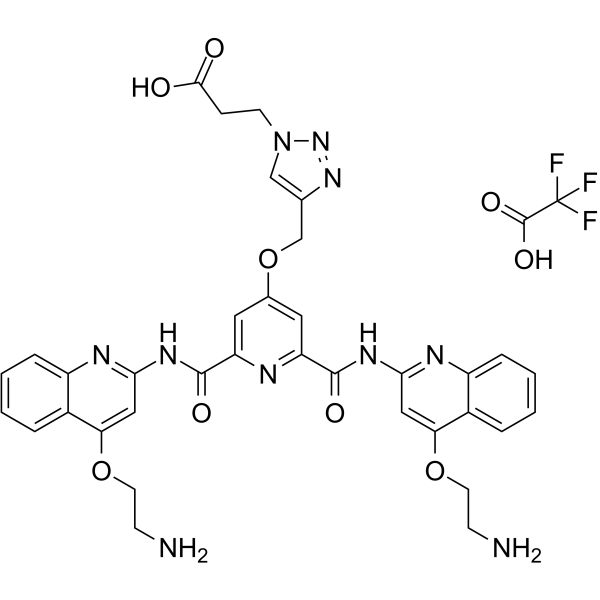
Carboxy pyridostatin trifluoroacetate salt
Based on 6 publication(s) in Google Scholar
Carboxy pyridostatin trifluoroacetate salt is a G-quadruplex ligand. Carboxy pyridostatin trifluoroacetate salt has a highly molecular specificity to RNA on DNA G4s and reduces ATF-5 protein. Carboxy pyridostatin trifluoroacetate salt reduces cell proliferation and hinders stress granule (SG) formation.
For research use only. We do not sell to patients.
- Purity: 99.49%
- CAS No.: 2444713-88-4
- Formula: C37H35F3N10O9
- Molecular Weight:820.73
-
Storage:
-20°C, sealed storage, away from moisture
* In solvent : -80°C, 6 months; -20°C, 1 month (sealed storage, away from moisture)

To place orders, for customer services and technical support, please contact: MedChemExpress USA
Tel: 609-228-6898 E-mail: [email protected] [email protected]


-
 Biological Activity
-
Chemical Information
-
Solvent & Solubility
- Purity & Documentation
- References
-
 Help & FAQs


-
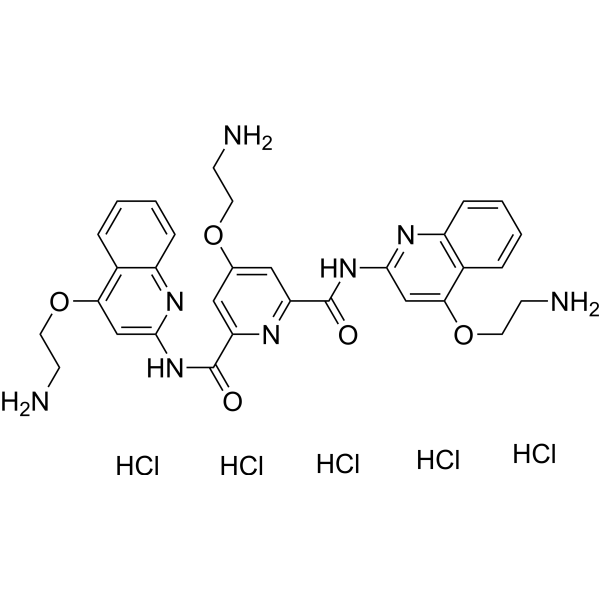
HY-15176A
Pyridostatin hydrochloride -
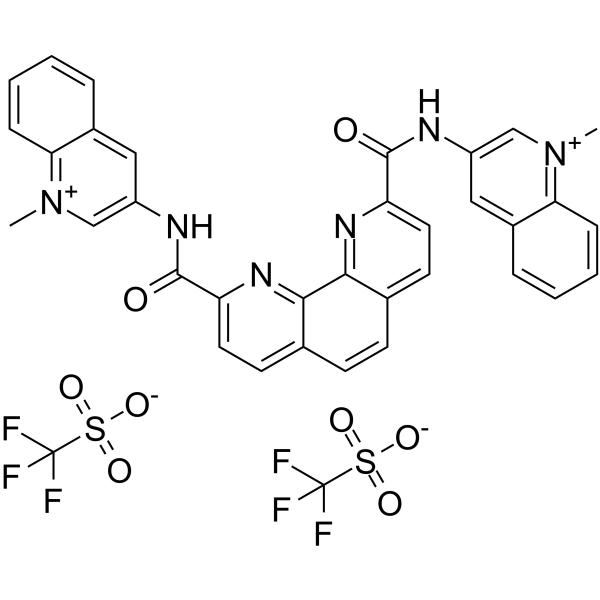
HY-15594A
Phen-DC3 Trifluoromethanesulfonate -
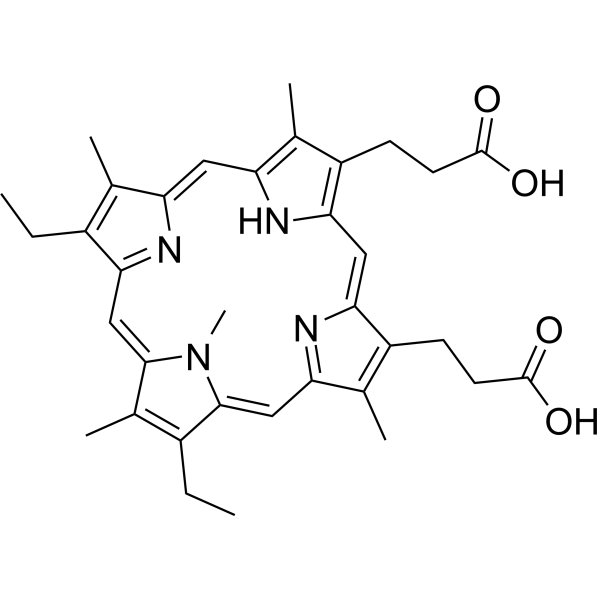
HY-133821
N-Methylmesoporphyrin IX -
HY-108477
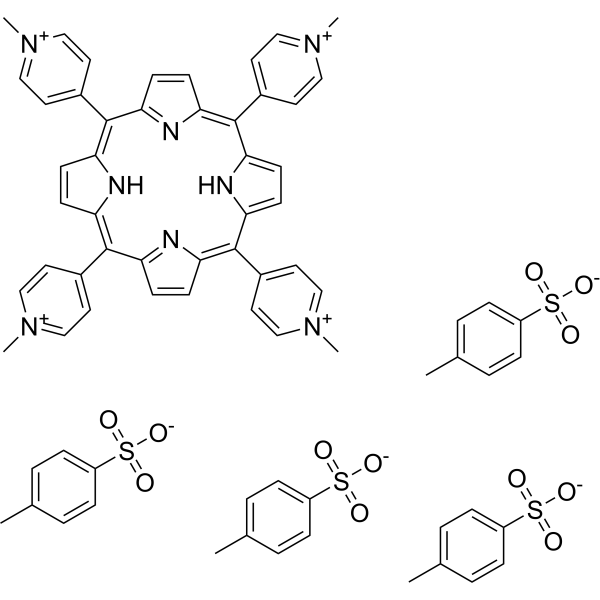
TMPyP4 tosylate -
HY-13323
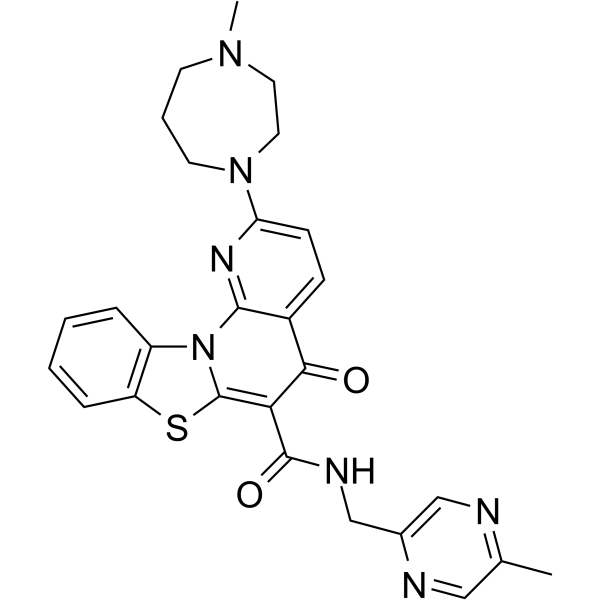
CX-5461 -
HY-15141
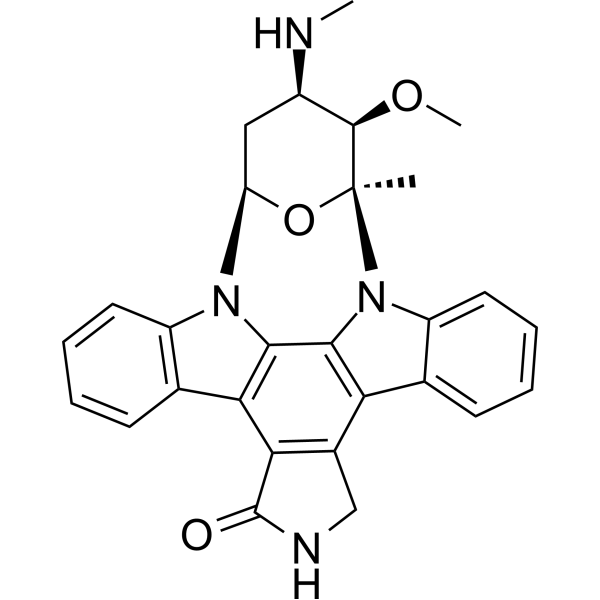
Staurosporine -
HY-15371
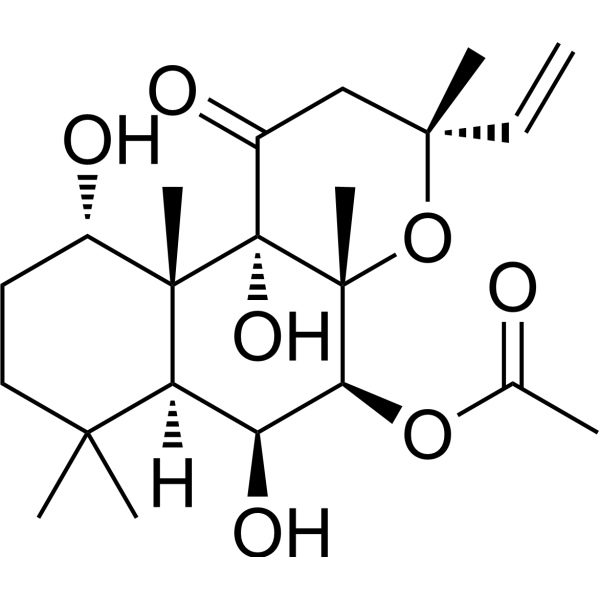
Forskolin -
HY-10227
Bortezomib -
HY-10221
Vorinostat -
HY-100558
Bafilomycin A1 -
HY-32735
Triptolide -
HY-101103
HP-β-CD
Publications Citing Use of MedChemExpress (MCE) Carboxy pyridostatin trifluoroacetate salt
More Customer Validation & Images

-
Cell Proliferation/Viability Assay
-
Bio/Physico-chemical Assay
-
Microbiological Assay
-
Microbiological Assay
-
IF


Biological Activity
Description
In Vitro
Carboxy pyridostatin trifluoroacetate salt (1-25 μM; 3 days) reduces the size of adult SVZ-derived neurospheres and the number of cells in neurospheres, and blocks proliferation and neurosphere fusion in adult SVZ-derived neurosphere cultures[1].
Carboxy pyridostatin trifluoroacetate salt (10 μM; 24 h) hinders stress granule (SG) formation in U2OS cells[3].
MedChemExpress (MCE) has not independently confirmed the accuracy of these methods. They are for reference only.
In Vivo
MedChemExpress (MCE) has not independently confirmed the accuracy of these methods. They are for reference only.
-
Animal Model:C57BL/6 mice (both sexes, 1-2 months old)[1]
-
Dosage:10 mg/kg (dissolved in phosphate-buffered saline)
-
Administration:Intraperitoneal injection, every 12 h, 3 injections
-
Result:Reduced the number of PCNA-expressing cells in the adult SVZ of mice, indicating a decrease in cell proliferation.
Increased the number of OLIG2-expressing cells in the corpus callosum.
Showed no increase in OLIG2-expression in the SVZ.
Affected the differentiation of neural stem and progenitor cells in different brain regions.


Chemical Information
-
CAS No. 2444713-88-4
-
Appearance Solid
-
Molecular Weight 820.73
-
Formula C37H35F3N10O9
-
Color Off-white to light yellow
-
SMILES
O=C(O)CCN1N=NC(COC2=CC(C(NC3=NC4=CC=CC=C4C(OCCN)=C3)=O)=NC(C(NC5=NC6=CC=CC=C6C(OCCN)=C5)=O)=C2)=C1.FC(C(O)=O)(F)F
-
Shipping
Room temperature in continental US; may vary elsewhere.
-
Storage
-20°C, sealed storage, away from moisture
* In solvent : -80°C, 6 months; -20°C, 1 month (sealed storage, away from moisture)


Publications (6)
-
Journal Impact Factor
-
Most Recent
-
Nucleic Acids Res
Guanine quadruplexes in the RNA genome of the tick-borne encephalitis virus: their role as a new antiviral target and in virus biology. [Abstract]2022 May 6;50(8):4574-4600. PMID: 35420134
Carboxy pyridostatin trifluoroacetate salt purchased from MedChemExpress. Usage Cited in: Nucleic Acids Res. 2022 May 6;50(8):4574-4600. [Abstract]
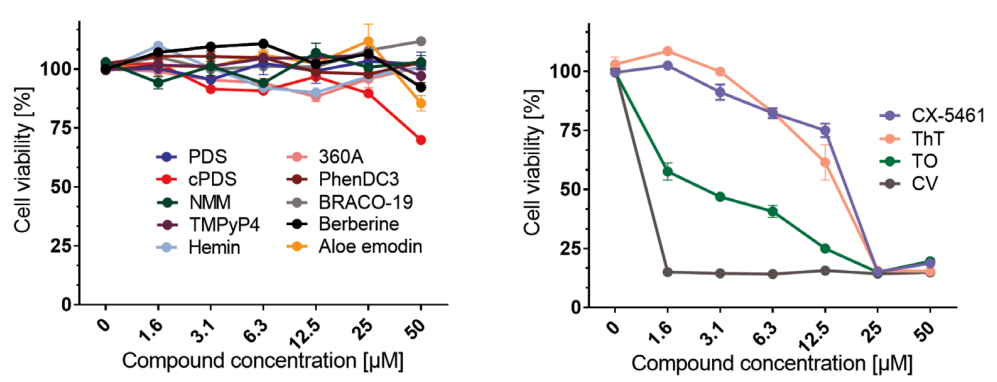
Cytotoxicity of the indicated G4-ligands (Carboxy pyridostatin trifluoroacetate salt (cPDS) etc.) for porcine kidney stable (PS) cells determined in a concentration range of 0–50 μM and expressed as a percentage of cell viability. PS cells were seeded in 96-well plates for 24 h, then treated with G4 ligands and incubated for 48 h.
Carboxy pyridostatin trifluoroacetate salt purchased from MedChemExpress. Usage Cited in: Nucleic Acids Res. 2022 May 6;50(8):4574-4600. [Abstract]
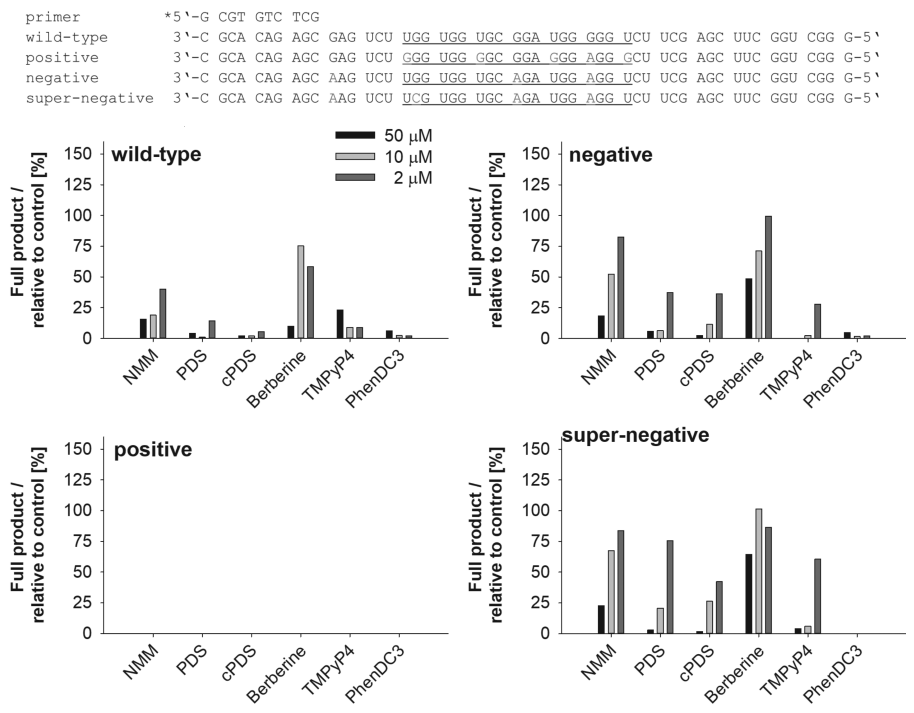
Fraction of full products of the polymerization reaction using four different templates, catalyzed by Japanese encephalitis virus RdRp, in the presence of three concentrations (50, 10 and 2 μM) of six tested G4 ligands (Carboxy pyridostatin trifluoroacetate salt (cPDS) etc.). Relative amount of full product in the presence of different concentrations of various G4 ligands normalized to the amount in control sample (no ligands).
Carboxy pyridostatin trifluoroacetate salt purchased from MedChemExpress. Usage Cited in: Nucleic Acids Res. 2022 May 6;50(8):4574-4600. [Abstract]
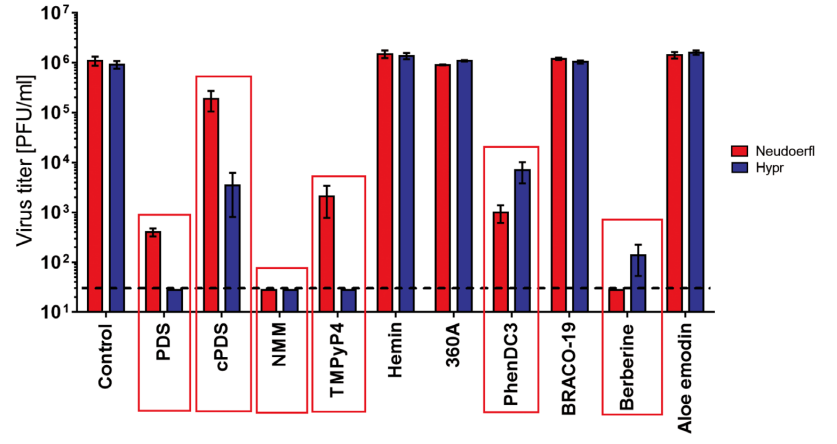
Inhibition of TBEV replication by the indicated G4-ligands. PS cell monolayers were treated with the indicated G4 ligands (50 μM) and simultaneously infected with TBEV strains Neudoerfl and Hypr at MOI of 0.1. The infected cells were then incubated with the compounds for 48 h. Following incubation, media supernatants were collected and viral titers were determined using a plaque assay and expressed as PFU/ml. Compounds PDS, Carboxy pyridostatin trifluoroacetate salt (cPDS), NMM, TMPyP4, berberine and PhenDC3 (marked in red) were selected for further evaluation of their antiviral potencies.
Carboxy pyridostatin trifluoroacetate salt purchased from MedChemExpress. Usage Cited in: Nucleic Acids Res. 2022 May 6;50(8):4574-4600. [Abstract]
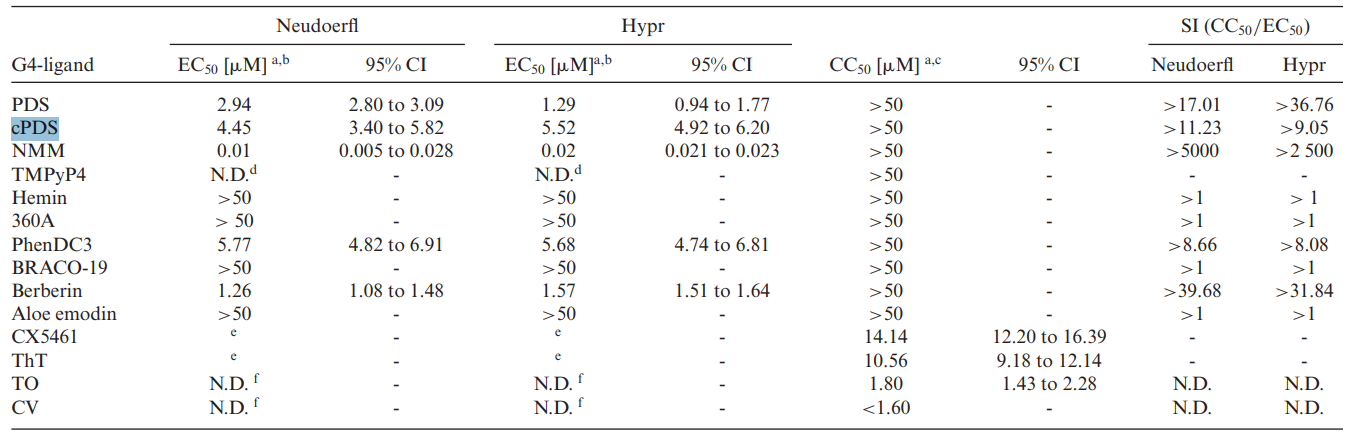
Antiviral and cytotoxicity properties of G4-ligands (Carboxy pyridostatin trifluoroacetate salt (cPDS) etc.) incubated with virus-infected PS cells for 48 h.p.i. aDetermined from three independent experiments. bExpressed as a 50% reduction in viral titers and calculated as inflection points of sigmoidal inhibitory curves, which were obtained by a nonlinear fit of transformed inhibitor concentrations versus normalized response using GraphPad Prism 7.04. cExpressed as a 50% reduction in cell viability and calculated as inflection points of sigmoidal viability curves, which were obtained by a nonlinear fit of transformed inhibitor concentrations versus normalized response, see b. dWe were not able to evaluate the anti-TBEV effects of TMPyP4 accurately. Repeated virus cultivations in the presence of TMPyP4 provided extremely variable results that were not consistent enough to calculate the exact EC50 values. eNo antiviral effect was observed at the lowest non-cytotoxic concentration of 5 μM. fAntiviral activities of TO and CV were not determined, as both compounds were highly cytotoxic (reduction of cell viability by ≥50%) in the tested concentration range (1.6-50 μM). N.D.; not determined
Carboxy pyridostatin trifluoroacetate salt purchased from MedChemExpress. Usage Cited in: Nucleic Acids Res. 2022 May 6;50(8):4574-4600. [Abstract]
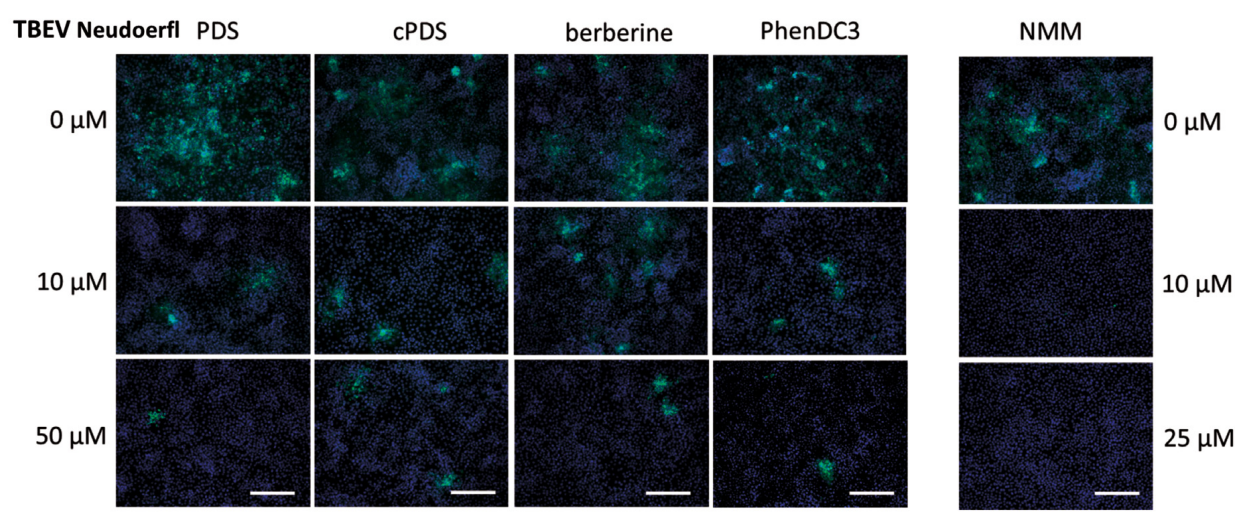
Fluorescence staining of PS cell culture infected with the TBEV Neudoerfl strain at a MOI of 0.1 in the presence of G4 ligands (Carboxy pyridostatin trifluoroacetate salt (cPDS) etc.) at the indicated concentrations. PS cells were fixed on slides at 48 h post-infection, stained with mouse flavivirus-specific antibody as a primary antibody, and anti-mouse goat secondary antibody conjugated with with FITC (green) and counterstained with DAPI (blue). Scale bars, 200 μm.
Carboxy pyridostatin trifluoroacetate salt purchased from MedChemExpress. Usage Cited in: Nucleic Acids Res. 2022 May 6;50(8):4574-4600. [Abstract]
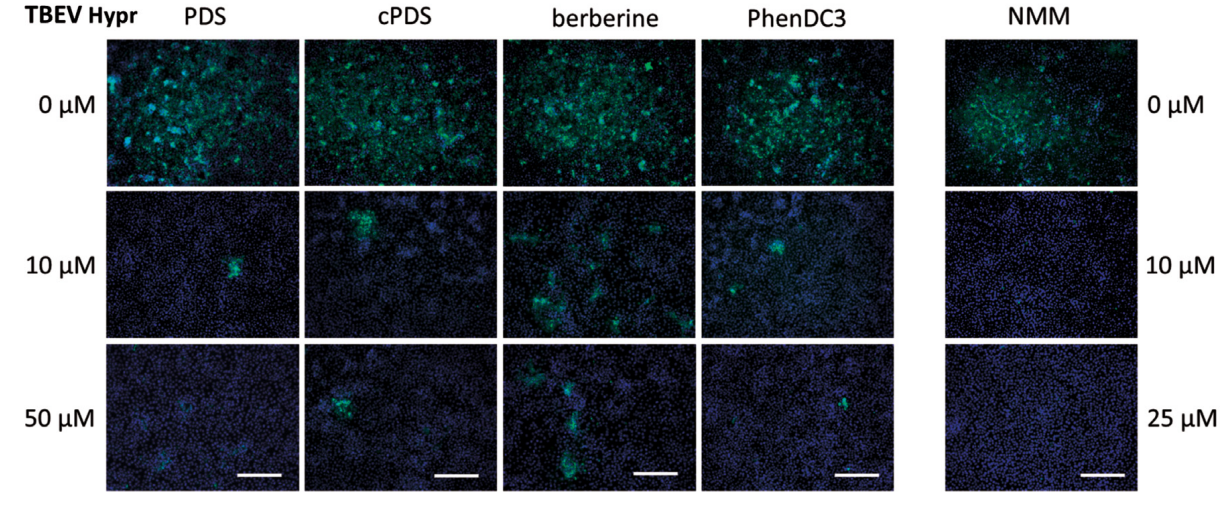
Fluorescence staining of PS cell culture infected with the TBEV Hypr strain at a MOI of 0.1 in the presence of G4 ligands (Carboxy pyridostatin trifluoroacetate salt (cPDS) etc.) at the indicated concentrations. PS cells were fixed on slides at 48 h post-infection, stained with mouse flavivirus-specific antibody as a primary antibody, and anti-mouse goat secondary antibody conjugated with with FITC (green) and counterstained with DAPI (blue). Scale bars, 200 μm.
-
Sci Adv
2026 May 29;12(22):eaef5520. PMID: 42213826 -
Structure
2025 May 27:S0969-2126(25)00184-4. PMID: 40480222 -
bioRxiv
2025 Dec 23:2025.12.20.694502. PMID: 41509293 -
-


Solvent & Solubility
In Vitro:
DMSO : 50 mg/mL (60.92 mM; ultrasonic and warming and heat to 60°C; Hygroscopic DMSO has a significant impact on the solubility of product, please use newly opened DMSO)
Please refer to the solubility information to select the appropriate solvent. Once prepared, please aliquot and store the solution to prevent product inactivation from repeated freeze-thaw cycles.
Storage method and period of stock solution: -80°C, 6 months; -20°C, 1 month (sealed storage, away from moisture). When stored at -80°C, please use it within 6 months. When stored at -20°C, please use it within 1 month.
Please refer to the solubility information to select the appropriate solvent. Once prepared, please aliquot and store the solution to prevent product inactivation from repeated freeze-thaw cycles.
Storage method and period of stock solution: -80°C, 6 months; -20°C, 1 month (sealed storage, away from moisture). When stored at -80°C, please use it within 6 months. When stored at -20°C, please use it within 1 month.
Concentration (start) × Volume (start) = Concentration (final) × Volume (final)
In Vivo:
Select the appropriate dissolution method based on your experimental animal and administration route.
- For the following dissolution methods, please ensure to first prepare a clear stock solution using an In Vitro approach and then sequentially add co-solvents:
- To ensure reliable experimental results, the clarified stock solution can be appropriately stored based on storage conditions. As for the working solution for In Vivo experiments, it is recommended to prepare freshly and use it on the same day.
- The percentages shown for the solvents indicate their volumetric ratio in the final prepared solution. If precipitation or phase separation occurs during preparation, heat and/or sonication can be used to aid dissolution.
Add each solvent one by one: 10% DMSO 40% PEG300 5% Tween-80 45% Saline
Solubility: ≥ 2.5 mg/mL (3.05 mM); Clear solution
This protocol yields a clear solution of ≥ 2.5 mg/mL (saturation unknown).
Taking 1 mL working solution as an example, add 100 μL DMSO stock solution (25.0 mg/mL) to 400 μL PEG300, and mix evenly; then add 50 μL Tween-80 and mix evenly; then add 450 μL Saline to adjust the volume to 1 mL.
Preparation of Saline: Dissolve 0.9 g sodium chloride in ddH₂O and dilute to 100 mL to obtain a clear Saline solution.
Add each solvent one by one: 10% DMSO 90% (20% SBE-β-CD in Saline)
Solubility: ≥ 2.5 mg/mL (3.05 mM); Clear solution
This protocol yields a clear solution of ≥ 2.5 mg/mL (saturation unknown).
Taking 1 mL working solution as an example, add 100 μL DMSO stock solution (25.0 mg/mL) to 900 μL 20% SBE-β-CD in Saline, and mix evenly.
Preparation of 20% SBE-β-CD in Saline (4°C, storage for one week): 2 g SBE-β-CD powder is dissolved in 10 mL Saline, completely dissolve until clear.
In Vivo Dissolution Calculator
Please enter the basic information of animal experiments:
-
-
-
-
Recommended: Prepare an additional quantity of animals to account for potential losses during experiments.
Please enter your animal formula composition:
-
%DMSO +
Recommended: Keep the proportion of DMSO in working solution below 2% if your animal is weak.
-
%+
-
+%Tween-80 + +
-
%Saline +
The co-solvents required include: DMSO, . All of co-solvents are available by MedChemExpress (MCE). , Tween 80. All of co-solvents are available by MedChemExpress (MCE).
Working solution concentration: 0.22 mg/mL
Method for preparing stock solution: mg drug dissolved in μL DMSO. Stock solution concentration: mg/mL. * In solvent : -80°C, 6 months; -20°C, 1 month (sealed storage, away from moisture)
1. Take μL DMSO stock solution;
2. Add μL .
μL , mix evenly;
3. Then add μL Tween 80, mix evenly;
4. Then add μL
Please ensure that the stock solution in the first step is dissolved to a clear state, and add co-solvents in sequence. You can use ultrasonic heating (ultrasonic cleaner, recommended frequency 20-40 kHz), vortexing, etc. to assist dissolution.


Purity & Documentation
-
Data Sheet (279 KB)
-
SDS (252 KB)
- English - EN (252 KB)
- Français - FR (252 KB)
- Deutsch - DE (252 KB)
- Norwegian - NO (252 KB)
- Español - ES (252 KB)
- Swedish - SV (252 KB)
- Italian - IT (252 KB)
- Korean - KR (252 KB)
- Portuguese - PT (252 KB)
-
Handling Instructions (2659 KB)
References
[1]. Goldberg DC, et al. Manipulating Adult Neural Stem and Progenitor Cells with G-Quadruplex Ligands. ACS Chem Neurosci. 2020;11(10):1504-1518. [Content Brief]
[2]. Rocca R, et al. Molecular recognition of a carboxy pyridostatin toward G-quadruplex structures: Why does it prefer RNA? Chem Biol Drug Des. 2017 Nov;90(5):919-925. [Content Brief]
[3]. Turner M, et al. rG4detector, a novel RNA G-quadruplex predictor, uncovers their impact on stress granule formation. Nucleic Acids Res. 2022 Nov 11;50(20):11426-11441. [Content Brief]


Complete Stock Solution Preparation Table
Please refer to the solubility information to select the appropriate solvent. Once prepared, please aliquot and store the solution to prevent product inactivation from repeated freeze-thaw cycles.
Storage method and period of stock solution: -80°C, 6 months; -20°C, 1 month (sealed storage, away from moisture). When stored at -80°C, please use it within 6 months. When stored at -20°C, please use it within 1 month.
| Optional Solvent | Concentration Solvent Mass | 1 mg | 5 mg | 10 mg | 25 mg |
|---|---|---|---|---|---|
| DMSO | 1 mM | 1.2184 mL | 6.0921 mL | 12.1843 mL | 30.4607 mL |
| 5 mM | 0.2437 mL | 1.2184 mL | 2.4369 mL | 6.0921 mL | |
| 10 mM | 0.1218 mL | 0.6092 mL | 1.2184 mL | 3.0461 mL | |
| 15 mM | 0.0812 mL | 0.4061 mL | 0.8123 mL | 2.0307 mL | |
| 20 mM | 0.0609 mL | 0.3046 mL | 0.6092 mL | 1.5230 mL | |
| 25 mM | 0.0487 mL | 0.2437 mL | 0.4874 mL | 1.2184 mL | |
| 30 mM | 0.0406 mL | 0.2031 mL | 0.4061 mL | 1.0154 mL | |
| 40 mM | 0.0305 mL | 0.1523 mL | 0.3046 mL | 0.7615 mL | |
| 50 mM | 0.0244 mL | 0.1218 mL | 0.2437 mL | 0.6092 mL | |
| 60 mM | 0.0203 mL | 0.1015 mL | 0.2031 mL | 0.5077 mL |


Carboxy pyridostatin trifluoroacetate salt Related Classifications
HY-112680A Related Classifications
 Powered by Bioz