



Penicillin G sodium salt
Based on 29 publication(s) in Google Scholar
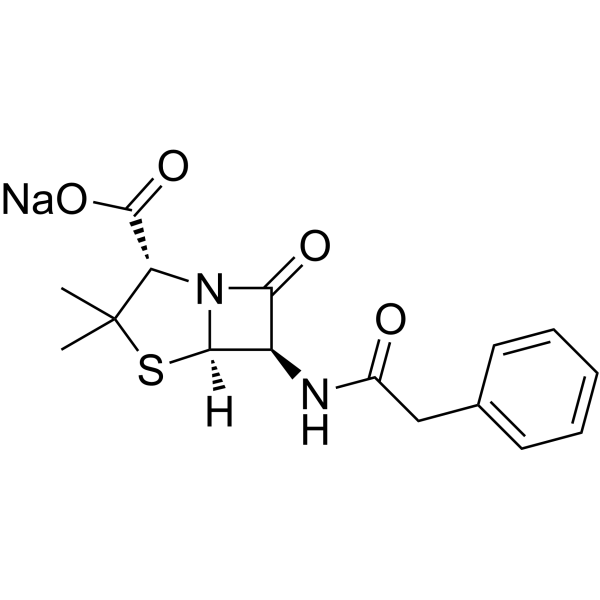
Penicillin G sodium salt is a typical β-lactam antibiotic.
For research use only. We do not sell to patients.
- Purity : 99.33%
- CAS No.: 69-57-8
- Formula: C16H17N2NaO4S
- Molecular Weight:356.37
-
Storage:
4°C, sealed storage, away from moisture
* The compound is unstable in solutions, freshly prepared is recommended.

To place orders, for customer services and technical support, please contact: MedChemExpress USA
Tel: 609-228-6898 E-mail: [email protected] [email protected]


-
 Biological Activity
-
Chemical Information
-
Solvent & Solubility
- Purity & Documentation
- References
-
 Help & FAQs


-
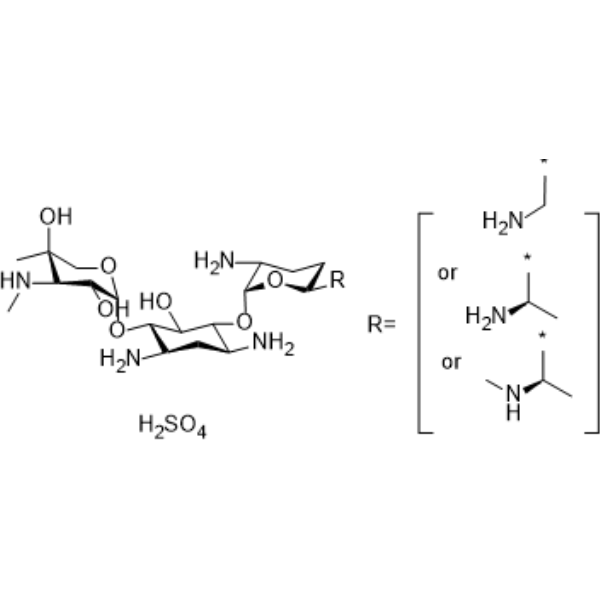
HY-A0276
Gentamicin sulfateAminoglycoside Antibiotic -
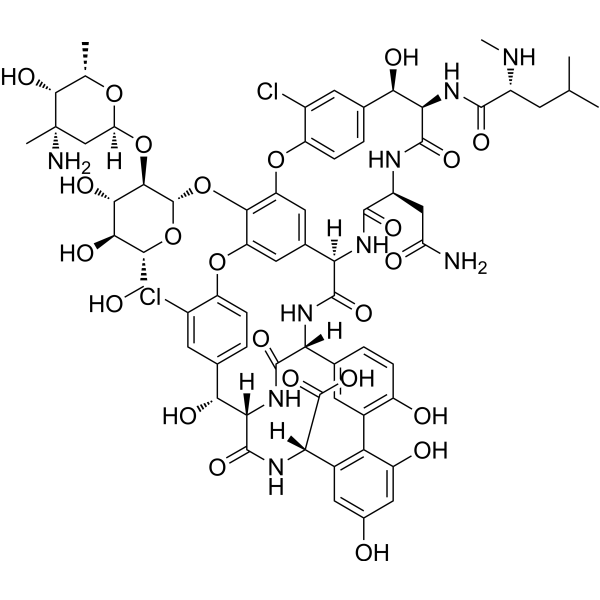
HY-B0671
VancomycinAntibiotic -
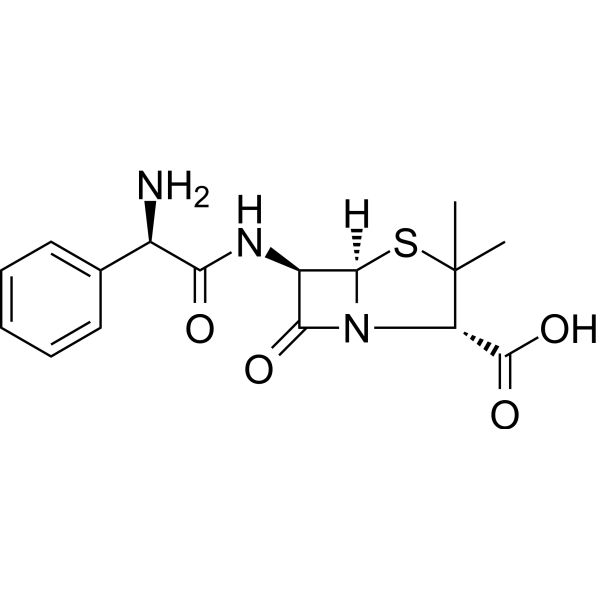
HY-B0522
AmpicillinBacterial Inhibitor -
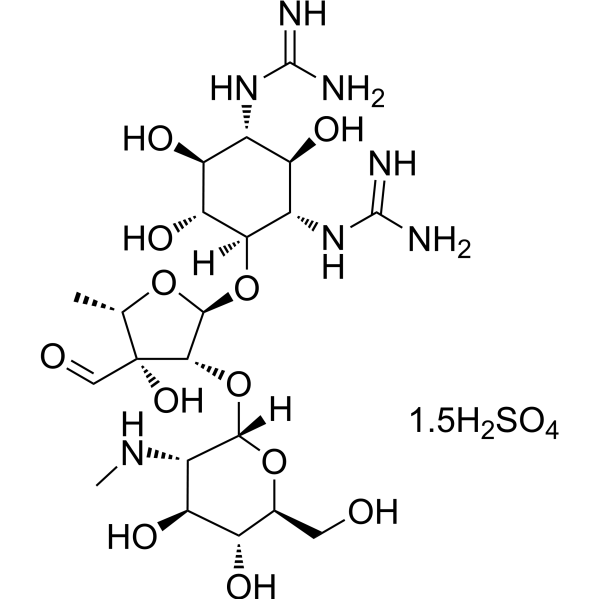
HY-B0472
Streptomycin sulfateBacterial Inhibitor -
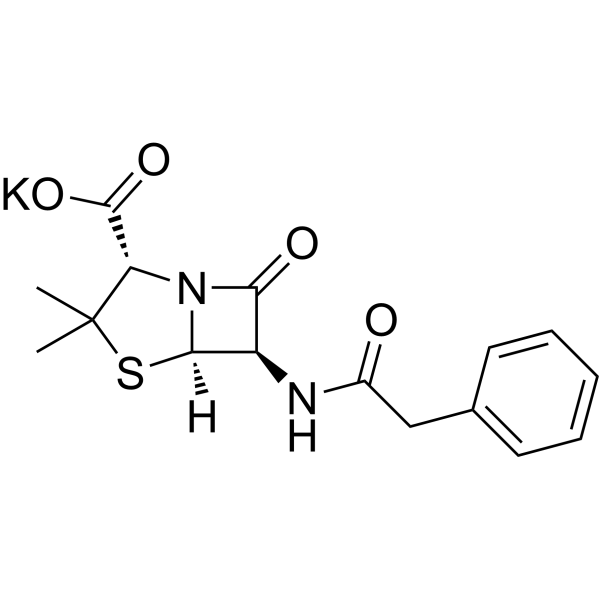
HY-17591
Penicillin G potassiumAntibiotic -
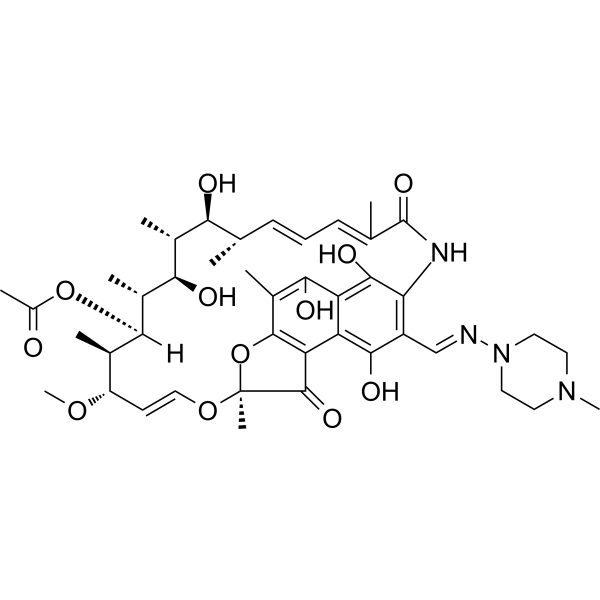
HY-B0272
RifampicinAntivirus Agent -
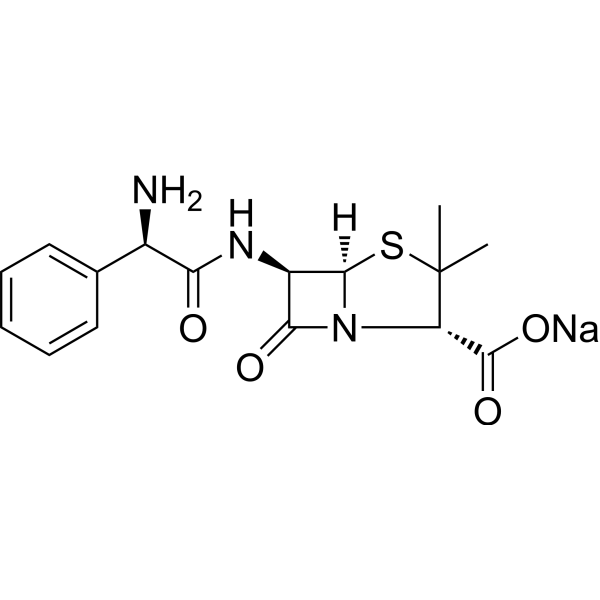
HY-B0522A
Ampicillin sodiumBacterial Inhibitor -
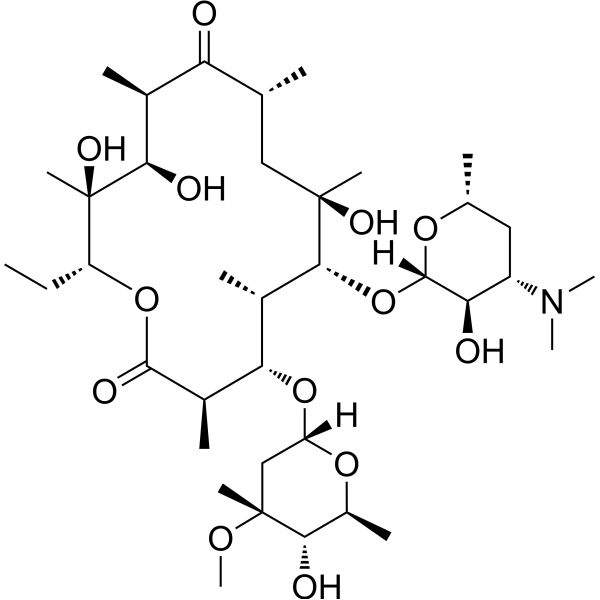
HY-B0220
ErythromycinAntibiotic -
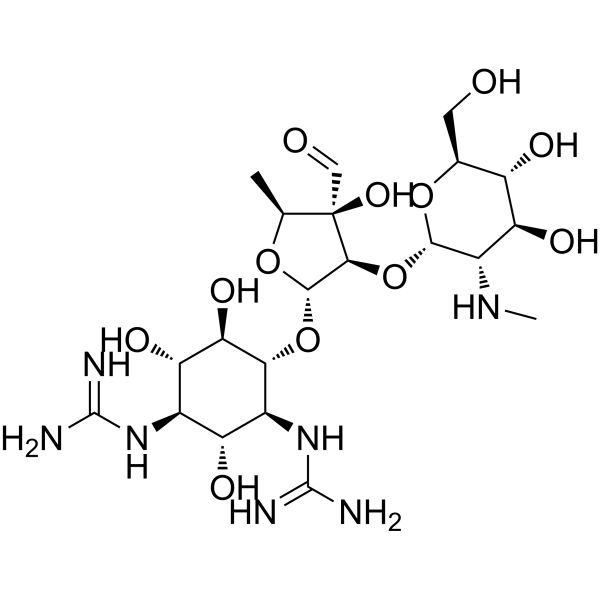
HY-B1906
StreptomycinAntibiotic -
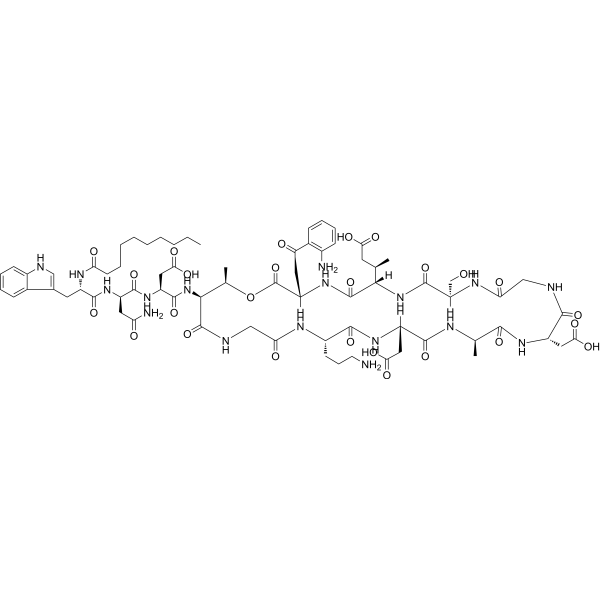
HY-B0108
DaptomycinBacterial Inhibitor -
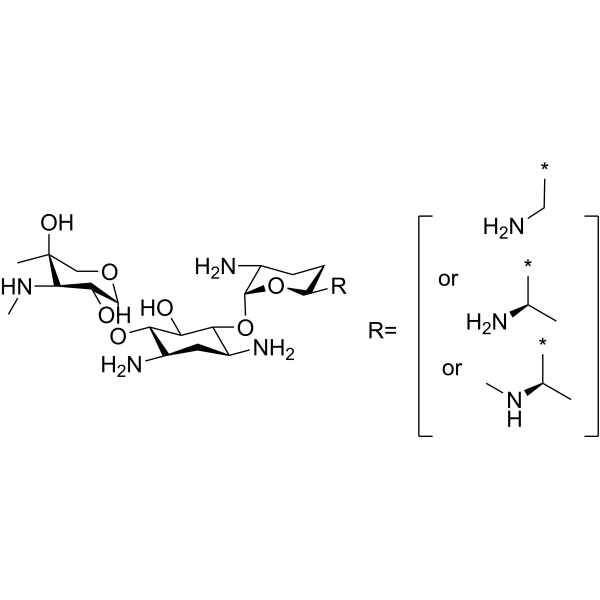
HY-A0276A
GentamicinAminoglycoside Antibiotic -
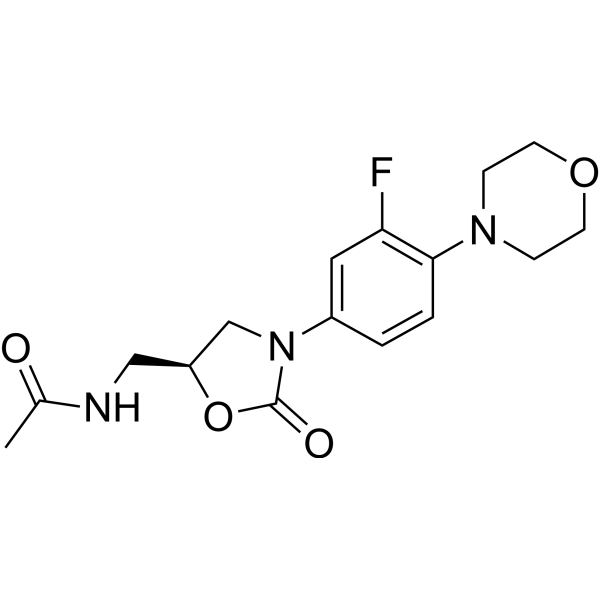
HY-10394
LinezolidAntibiotic
Publications Citing Use of MedChemExpress (MCE) Penicillin G sodium salt
More- Cancer Res. 2023 Apr 4;83(7):1048-1061. [Abstract]
- J Adv Res. 2026 Aug 1:S2090-1232(26)00605-3.
- Theranostics. 2022 Jan 1;12(3):1187-1203. [Abstract]
- Genes Dis. 2025 Apr 9;13(2):101625. [Abstract]
- Adv Sci (Weinh). 2025 Jul 17:e03098. [Abstract]
- J Control Release. 2024 Dec:376:1316-1328. [Abstract]
- J Neuroinflammation. 2025 Aug 26;22(1):207. [Abstract]
- NPJ Biofilms Microbiomes. 2024 Oct 28;10(1):111. [Abstract]
- Phytomedicine. 2025 Dec:149:157553. [Abstract]
- EBioMedicine. 2022 Apr;78:103943. [Abstract]
- Talanta. 2026 Jul 15;312(Pt A):130306.
- Eur J Med Chem. 2024 Dec 5:279:116842. [Abstract]
- Int Immunopharmacol. 2026 Oct 1:186:117098.
- Int Immunopharmacol. 2026 Feb 1:170:116080. [Abstract]
- Int Immunopharmacol. 2024 Feb 15:128:111524. [Abstract]
- Cancers (Basel). 2022 Sep 28;14(19):4740. [Abstract]
- Neuropharmacology. 2026 Jul 1:292:110950. [Abstract]
- Appl Microbiol Biotechnol. 2022 Apr;106(7):2689-2702. [Abstract]
- BMC Complement Med Ther. 2023 Jul 1;23(1):218. [Abstract]
- Front Physiol. 2020 Dec 23:11:605982. [Abstract]
- Microbiol Spectr. 2025 Oct 15:e0122125. [Abstract]
- Anal Bioanal Chem. 2025 Jan;417(3):615-625. [Abstract]
- BMC Cancer. 2023 Mar 14;23(1):241. [Abstract]
- Water. 2025 Jun 6.
- Oncol Lett. 2025 Jun 10;30(2):387. [Abstract]
- In Vitro Cell Dev Biol Anim. 2024 Oct;60(9):1046-1057. [Abstract]
- Authorea. 2026 May 12.
- Eur Rev Med Pharmacol Sci. 2019 Sep;23(17):7419-7429. [Abstract]
- Chemosphere. 2019 Jun:225:378-387. [Abstract]
 Customer Validation & Images

-
Microbiological Assay

-
In Vivo Efficacy Study

-
In Vivo Efficacy Study

-
Bio/Physico-chemical Assay

-
WB

All Beta-lactamase Isoforms
MoreAll Antibiotic Isoforms
More

Biological Activity
Description
IC50 & Target
|
β-lactam |
In Vitro
The Ultraviolet-visible (UV-Vis) absorption spectrum of the Penicillin G sodium salt-TEM-1 system is markedly different to that of Penicillin G sodium salt and TEM-1 β-lactamase, indicating the formation of new complexes between Penicillin G sodium salt and TEM-1 β-lactamase. The UV-Vis absorption of TEM-1 β-lactamase increases and a slight red-shift occurs as the concentration of Penicillin G sodium salt increasing, indicating that the interaction between Penicillin G sodium salt and TEM-1 β-lactamase results in subtle conformational changes of TEM-1 β-lactamase[1].
MedChemExpress (MCE) has not independently confirmed the accuracy of these methods. They are for reference only. .
In Vivo
MedChemExpress (MCE) has not independently confirmed the accuracy of these methods. They are for reference only.


Chemical Information
-
CAS No. 69-57-8
-
Appearance Solid
-
Molecular Weight 356.37
-
Formula C16H17N2NaO4S
-
Color White to off-white
-
SMILES
O=C([C@@H](C(C)(C)S[C@]1([H])[C@@H]2NC(CC3=CC=CC=C3)=O)N1C2=O)O[Na]
-
Synonyms
Benzylpenicillin sodium salt
-
Initial Source
Penicillium
-
Shipping
Room temperature in continental US; may vary elsewhere.
-
Storage
4°C, sealed storage, away from moisture
* The compound is unstable in solutions, freshly prepared is recommended.


Publications (29)
-
Journal Impact Factor
-
Most Recent
-
Cancer Res
HBx-induced HSPA8 stimulates HBV replication and suppresses ferroptosis to support liver cancer progression. [Abstract]2023 Apr 4;83(7):1048-1061. PMID: 36745032 -
-
Theranostics
Antibiotic Azithromycin inhibits brown/beige fat functionality and promotes obesity in human and rodents. [Abstract]2022 Jan 1;12(3):1187-1203. PMID: 35154482 -
Genes Dis
Low expression of OXCT1 promote colorectal cancer liver metastasis by upregulating CDK8 and β-catenin via H3 acetylation. [Abstract]2025 Apr 9;13(2):101625. PMID: 41492470 -
Adv Sci (Weinh)
2025 Jul 17:e03098. PMID: 40673882
Penicillin G sodium salt purchased from MedChemExpress. Usage Cited in: Adv Sci (Weinh). 2025 Jul 17:e03098. [Abstract]
Colony formation assays evaluated Staphylococcus aureus (ATCC 6538) after Penicillin G (Penicillin G potassium; 50-100 μM; 12 or 24 h). Penicillin G (50 and 100 μm) had good inhibition effects against S. aureus (ATCC6538) for 12 and 24 h.
Penicillin G sodium salt purchased from MedChemExpress. Usage Cited in: Adv Sci (Weinh). 2025 Jul 17:e03098. [Abstract]
Bacterial colonies and viable bacterial burden in wound tissue were assessed on day 3 in a mouse model of MRSA (USA300)-infected wounds. Penicillin G (Penicillin G potassium; 100 μM; topical application to the wound; twice daily at 10 µL each time) significantly reduced the viable MRSA burden in the wound tissue.
-
J Control Release
2024 Dec:376:1316-1328. PMID: 39490420 -
J Neuroinflammation
Disrupted betaine metabolism drives Th17 cell differentiation, mediating methamphetamine-induced depressive behaviors in male mice. [Abstract]2025 Aug 26;22(1):207. PMID: 40859333 -
NPJ Biofilms Microbiomes
Gut microbiota dysbiosis-mediated ceramides elevation contributes to corticosterone-induced depression by impairing mitochondrial function. [Abstract]2024 Oct 28;10(1):111. PMID: 39468065 -
Phytomedicine
Liquiritigenin attenuates thrombosis by inhibiting P2Y12R-mediated Src/PLCγ2 signaling and cytoplasmic Ca2+ mobilization in platelets. [Abstract]2025 Dec:149:157553. PMID: 41273866 -
EBioMedicine
A novel inhibitor of monooxygenase reversed the activity of tetracyclines against tet(X3)/tet(X4)-positive bacteria. [Abstract]2022 Apr;78:103943. PMID: 35306337 -
-
Eur J Med Chem
2024 Dec 5:279:116842. PMID: 39260319 -
-
Int Immunopharmacol
CGRP alleviates epilepsy via JAK1-STAT1-P2RX7 signaling: a novel neuroprotective axis targeting neuronal damage. [Abstract]2026 Feb 1:170:116080. PMID: 41429063 -
Int Immunopharmacol
Hypidone hydrochloride (YL-0919) protects mice from meningitis via Sigma1R-STAT1-NLRP3-GSDMD pathway. [Abstract]2024 Feb 15:128:111524. PMID: 38232537 -
Cancers (Basel)
LncRNA SNHG1 Facilitates Tumor Proliferation and Represses Apoptosis by Regulating PPARγ Ubiquitination in Bladder Cancer. [Abstract]2022 Sep 28;14(19):4740. PMID: 36230661 -
Neuropharmacology
Novel mechanism of hypidone hydrochloride (YL-0919) in Parkinson's disease: inhibiting neuronal ferroptosis by targeting the Sigma1R-PI3K-AKT-ACSL4 axis. [Abstract]2026 Jul 1:292:110950. PMID: 41887568 -
Appl Microbiol Biotechnol
2022 Apr;106(7):2689-2702. PMID: 35338386 -
BMC Complement Med Ther
Neuroprotective effects of morroniside from Cornus officinalis sieb. Et zucc against Parkinson's disease via inhibiting oxidative stress and ferroptosis. [Abstract]2023 Jul 1;23(1):218. PMID: 37393274 -
Front Physiol
Oral Administration of Penicillin or Streptomycin May Alter Serum Serotonin Level and Intestinal Motility via Different Mechanisms. [Abstract]2020 Dec 23:11:605982. PMID: 33424630
Penicillin G sodium salt purchased from MedChemExpress. Usage Cited in: Front Physiol. 2020 Dec 23:11:605982. [Abstract]
Penicillin G sodium salt (2 mg/mL; drinking water for 10 days) combined with streptomycin had greater wet cecum weight/body weight and net cecum weight/body weight in C57BL/6.
Penicillin G sodium salt purchased from MedChemExpress. Usage Cited in: Front Physiol. 2020 Dec 23:11:605982. [Abstract]
Penicillin G sodium salt (2 mg/mL; drinking water for 10 days) combined with streptomycin significantly increased the serum 5-HT concentration in C57BL/6.
Penicillin G sodium salt purchased from MedChemExpress. Usage Cited in: Front Physiol. 2020 Dec 23:11:605982. [Abstract]
Penicillin G sodium salt (2 mg/mL; drinking water for 10 days) combined with streptomycin significantly increased HCN2 expression in the cecal epithelium of C57BL/6.

Penicillin G sodium salt purchased from MedChemExpress. Usage Cited in: Front Physiol. 2020 Dec 23:11:605982. [Abstract]
Penicillin G sodium salt (2 mg/mL; drinking water for 10 days) led to significant reductions of acetic acid, butyrate, isobutyrate, and isovalerate levels but slight increases of propionate in the cecum, compared with the control group.

Penicillin G sodium salt purchased from MedChemExpress. Usage Cited in: Front Physiol. 2020 Dec 23:11:605982. [Abstract]
Penicillin G sodium salt (2 mg/mL; drinking water for 10 days) had larger and heavier cecum compared with the control mice.

Penicillin G sodium salt purchased from MedChemExpress. Usage Cited in: Front Physiol. 2020 Dec 23:11:605982. [Abstract]
Penicillin G sodium salt (2 mg/mL; drinking water for 10 days) had significant up-regulation of HCN2 expression in the cecal mucosa.

Penicillin G sodium salt purchased from MedChemExpress. Usage Cited in: Front Physiol. 2020 Dec 23:11:605982. [Abstract]
Penicillin G sodium salt (2 mg/mL;drinking water for 10 days) significantly prolonged intestinal transit time and fecal water content.
-
Microbiol Spectr
Montelukast treats Streptococcus pneumoniae-induced sepsis via antibacterial and anti-inflammatory activities. [Abstract]2025 Oct 15:e0122125. PMID: 41090944 -
Anal Bioanal Chem
2025 Jan;417(3):615-625. PMID: 39613988 -
BMC Cancer
Integrated analyzes identify CCT3 as a modulator to shape immunosuppressive tumor microenvironment in lung adenocarcinoma. [Abstract]2023 Mar 14;23(1):241. PMID: 36918801 -
-
Oncol Lett
Propionate metabolism-related genes demonstrate the potential to serve as prognostic and immunotherapeutic markers in osteosarcoma. [Abstract]2025 Jun 10;30(2):387. PMID: 40535100 -
In Vitro Cell Dev Biol Anim
Liraglutide ameliorates high glucose-induced vascular endothelial injury through TRIB3/NF-κB signaling pathway. [Abstract]2024 Oct;60(9):1046-1057. PMID: 39039329 -
-
Eur Rev Med Pharmacol Sci
Novel long non-coding RNA LBX2-AS1 indicates poor prognosis and promotes cell proliferation and metastasis through Notch signaling in non-small cell lung cancer. [Abstract]2019 Sep;23(17):7419-7429. PMID: 31539129 -
Chemosphere
Mass-balance-model-based evaluation of sewage treatment plant contribution to residual pharmaceuticals in environmental waters. [Abstract]2019 Jun:225:378-387. PMID: 30884299


Solvent & Solubility
In Vitro:
H2O : 125 mg/mL (350.76 mM; Need ultrasonic)
DMSO : 100 mg/mL (280.61 mM; Need ultrasonic; Hygroscopic DMSO has a significant impact on the solubility of product, please use newly opened DMSO)
Please refer to the solubility information to select the appropriate solvent. The compound is unstable in solutions, freshly prepared is recommended.
* Note: If you choose water as the stock solution, please dilute it to the working solution, then filter and sterilize it with a 0.22 μm filter before use.
Please refer to the solubility information to select the appropriate solvent. The compound is unstable in solutions, freshly prepared is recommended.
* Note: If you choose water as the stock solution, please dilute it to the working solution, then filter and sterilize it with a 0.22 μm filter before use.
Concentration (start) × Volume (start) = Concentration (final) × Volume (final)
In Vivo:
Select the appropriate dissolution method based on your experimental animal and administration route.
- For the following dissolution methods, please ensure to first prepare a clear stock solution using an In Vitro approach and then sequentially add co-solvents:
- To ensure reliable experimental results, the clarified stock solution can be appropriately stored based on storage conditions. As for the working solution for In Vivo experiments, it is recommended to prepare freshly and use it on the same day.
- The percentages shown for the solvents indicate their volumetric ratio in the final prepared solution. If precipitation or phase separation occurs during preparation, heat and/or sonication can be used to aid dissolution.
Add each solvent one by one: 10% DMSO 40% PEG300 5% Tween-80 45% Saline
Solubility: ≥ 2.5 mg/mL (7.02 mM); Clear solution
This protocol yields a clear solution of ≥ 2.5 mg/mL (saturation unknown).
Taking 1 mL working solution as an example, add 100 μL DMSO stock solution (25.0 mg/mL) to 400 μL PEG300, and mix evenly; then add 50 μL Tween-80 and mix evenly; then add 450 μL Saline to adjust the volume to 1 mL.
Preparation of Saline: Dissolve 0.9 g sodium chloride in ddH₂O and dilute to 100 mL to obtain a clear Saline solution.
Add each solvent one by one: 10% DMSO 90% (20% SBE-β-CD in Saline)
Solubility: ≥ 2.5 mg/mL (7.02 mM); Clear solution
This protocol yields a clear solution of ≥ 2.5 mg/mL (saturation unknown).
Taking 1 mL working solution as an example, add 100 μL DMSO stock solution (25.0 mg/mL) to 900 μL 20% SBE-β-CD in Saline, and mix evenly.
Preparation of 20% SBE-β-CD in Saline (4°C, storage for one week): 2 g SBE-β-CD powder is dissolved in 10 mL Saline, completely dissolve until clear.
For the following dissolution methods, please prepare the working solution directly:
It is recommended to prepare fresh solutions and use them promptly within a short period of time.
The percentages shown for the solvents indicate their volumetric ratio in the final prepared solution. If precipitation or phase separation occurs during preparation, heat and/or sonication can be used to aid dissolution.
Add each solvent one by one: PBS
Solubility: 100 mg/mL (280.61 mM); Clear solution; Need ultrasonic
In Vivo Dissolution Calculator
Please enter the basic information of animal experiments:
-
-
-
-
Recommended: Prepare an additional quantity of animals to account for potential losses during experiments.
Working solution concentration: 0.22 mg/mL
This product has good water solubility, please refer to the measured solubility data in water/PBS/Saline for details.


Purity & Documentation
-
Data Sheet (280 KB)
-
SDS (393 KB)
- English - EN (393 KB)
- Français - FR (393 KB)
- Deutsch - DE (393 KB)
- Norwegian - NO (393 KB)
- Español - ES (393 KB)
- Swedish - SV (393 KB)
- Italian - IT (393 KB)
- Korean - KR (393 KB)
- Portuguese - PT (393 KB)
-
Handling Instructions (2659 KB)
References
[1]. Yang J, et al. Spectroscopic analysis and docking simulation on the recognition and binding of TEM-1 β-lactamase with β-lactam antibiotics. Exp Ther Med. 2017 Oct;14(4):3288-3298. [Content Brief]
[2]. Byra C, et al. Decreased mortality of weaned pigs with Streptococcus suis with the use of in-water potassium penicillin G. Can Vet J. 2011 Mar;52(3):272-6. [Content Brief]


Complete Stock Solution Preparation Table
Please refer to the solubility information to select the appropriate solvent. The compound is unstable in solutions, freshly prepared is recommended.
| Optional Solvent | Concentration Solvent Mass | 1 mg | 5 mg | 10 mg | 25 mg |
|---|---|---|---|---|---|
| DMSO / H2O | 1 mM | 2.8061 mL | 14.0304 mL | 28.0607 mL | 70.1518 mL |
| 5 mM | 0.5612 mL | 2.8061 mL | 5.6121 mL | 14.0304 mL | |
| 10 mM | 0.2806 mL | 1.4030 mL | 2.8061 mL | 7.0152 mL | |
| 15 mM | 0.1871 mL | 0.9354 mL | 1.8707 mL | 4.6768 mL | |
| 20 mM | 0.1403 mL | 0.7015 mL | 1.4030 mL | 3.5076 mL | |
| 25 mM | 0.1122 mL | 0.5612 mL | 1.1224 mL | 2.8061 mL | |
| 30 mM | 0.0935 mL | 0.4677 mL | 0.9354 mL | 2.3384 mL | |
| 40 mM | 0.0702 mL | 0.3508 mL | 0.7015 mL | 1.7538 mL | |
| 50 mM | 0.0561 mL | 0.2806 mL | 0.5612 mL | 1.4030 mL | |
| 60 mM | 0.0468 mL | 0.2338 mL | 0.4677 mL | 1.1692 mL | |
| 80 mM | 0.0351 mL | 0.1754 mL | 0.3508 mL | 0.8769 mL | |
| 100 mM | 0.0281 mL | 0.1403 mL | 0.2806 mL | 0.7015 mL |
* Note: If you choose water as the stock solution, please dilute it to the working solution, then filter and sterilize it with a 0.22 μm filter before use.


Penicillin G sodium salt Related Classifications
HY-B1463 Related Classifications
 Powered by Bioz