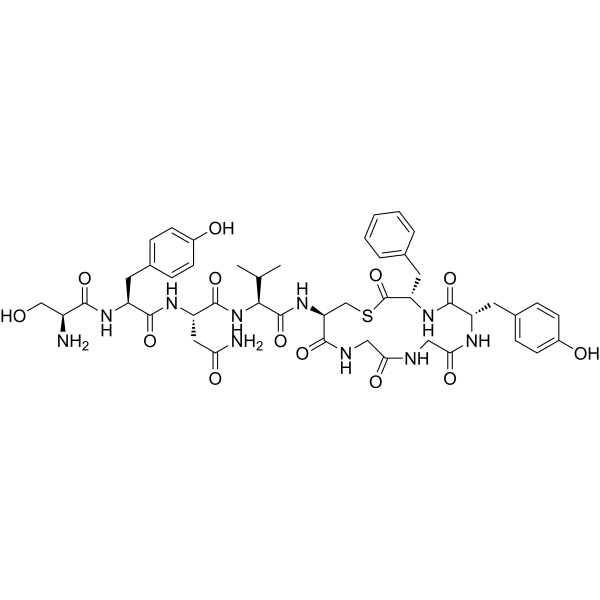
Bacterial
Anything that destroys bacteria or suppresses their growth or their ability to reproduce. Heat, chemicals such as chlorine, and antibiotic drugs all have antibacterial properties. Many antibacterial products for cleaning and handwashing are sold today. Such products do not reduce the risk for symptoms of viral infectious diseases in otherwise healthy persons. This does not preclude the potential contribution of antibacterial products to reducing symptoms of bacterial diseases in the home.
All Product Categories
-
Bacterial Inhibitors
(7478)
View all products
-
Bacterial Agonists
(3)
View all products
-
Bacterial Antagonists
(9)
View all products
-
Bacterial Activators
(23)
View all products
-
Bacterial Modulators
(23)
View all products
-
Bacterial Chemicals
(2)
View all products
-
Bacterial Inducers
(7)
View all products
-
Bacterial Controls
(14)
View all products
-
Bacterial Substrates
(2)
View all products
-
Bacterial Ligand
(1)
View all products
-
Bacterial Related Products (8795)
Related Products (8795)

-
Antibodies (14)
-
Related Compound Screening Libraries (1)
-
Davercin-13C,d3
 0 ImagesCat. No.: HY-100584SSynonyms: Erythromycin Cyclocarbonate-13C,d3Davercin-13C,d3 (Erythromycin Cyclocarbonate-13C,d3) is the 13C-labeled Davercin (HY-100584). Davercin (Erythromycin Cyclocarbonate), derivative of Erythromycin, which is active against Gram-positive and some Gram-negative microorganisms.
-
Gyramide A
 0 ImagesCat. No.: HY-123589CAS No.: 913509-94-1Gyramide A is a compound mentioned in the study of the protective effect of Qnr protein on bacterial topoisomerase. Qnr has no protective effect on it, and its activity is different from that of other topoisomerase inhibitors.
-
Cecropin P1, porcine acetate
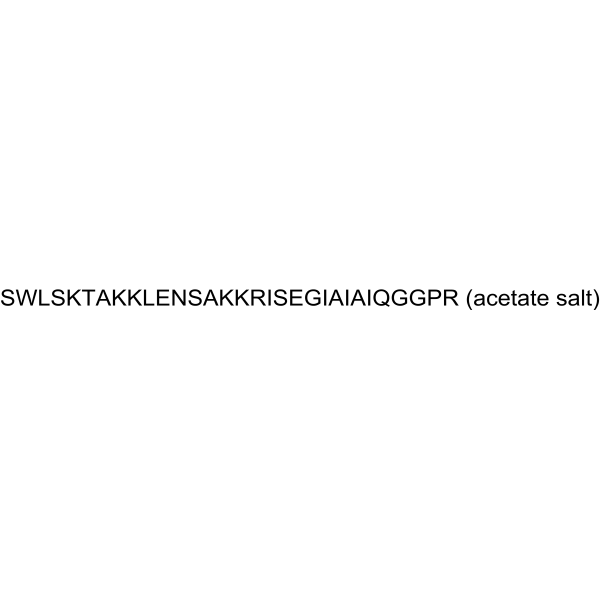 0 ImagesCat. No.: HY-P2317ACecropin P1, porcine acetate is an antibacterial peptide that can be isolated from the upper part of the small intestine of the pig. Cecropin P1, porcine acetate shows antibacterial activity against Gram-negative bacteria. Cecropin P1, porcine acetate shows antiviral activity and inhibits PRRSV infection.
-
Poloxamer 183 (L63)
 0 ImagesCat. No.: HY-D1005A9CAS No.: 9003-11-6Synonyms: PEG-PPG-PEG, 2650 (Average)Poloxamer 183 L63 is a block copolymer of polyoxyethylene and polyoxypropylene with an average molecular weight of 2000. Poloxamer has the ability to inhibit P-gp. Poloxamer 183 exhibits antimicrobial activity and can inhibit Mycobacterium avium. Poloxamer 183 can be used as a cosmetic ingredient.
-
3-Nitropropanoic acid (Standard)
 0 ImagesSynonyms: β-Nitropropionic acid (Standard); Bovinocidin (Standard)3-Nitropropanoic acid (Standard) is the analytical standard of 3-Nitropropanoic acid. This product is intended for research and analytical applications. 3-Nitropropanoic acid (β-Nitropropionic acid) is an irreversible and orally active inhibitor of succinate dehydrogenase. 3-Nitropropanoic acid exhibits potent antimycobacterial activity with a MIC value of 3.3 μM. 3-Nitropropanoic acid can induce cell apoptosis[1][2].
-
Glutamate-5-kinase-IN-1
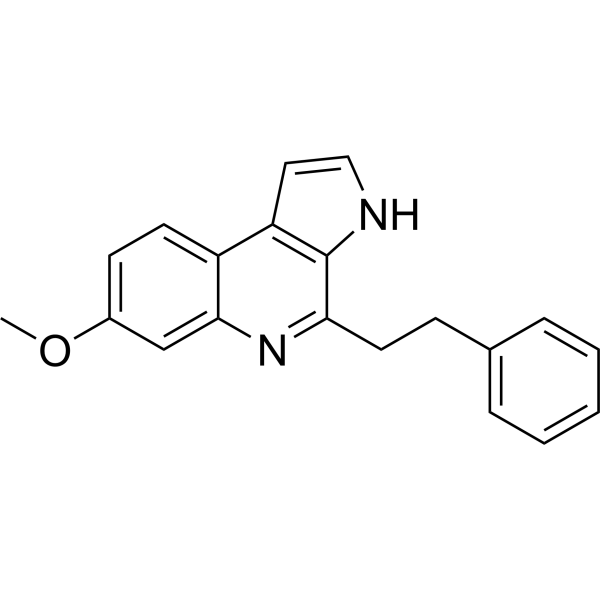 0 ImagesCat. No.: HY-144381CAS No.: 3033395-24-0Glutamate-5-kinase-IN-1 (compound 50) is a potent glutamate-5-kinase (G5K) inhibitor with an MIC (minimum inhibitory concentration) of 4.1 μM. Glutamate-5-kinase-IN-1 shows G5K inhibition by alters the ATP binding site architecture for enzyme recognition. Glutamate-5-kinase-IN-1 has the potential for the research of anti-TB agents.
-
MCF
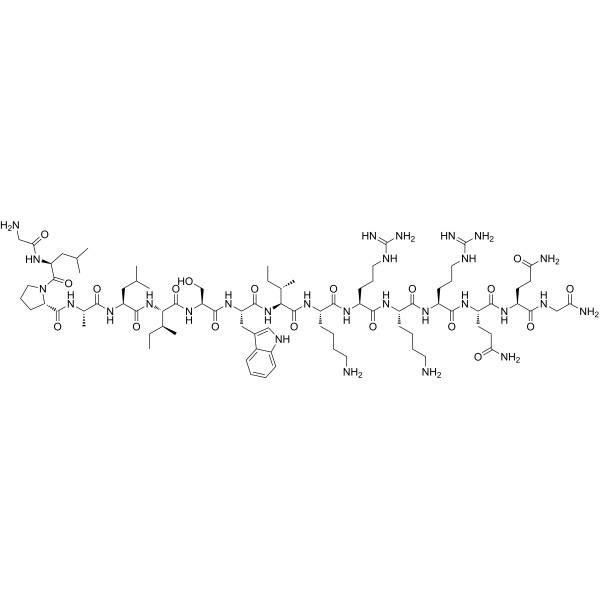 0 ImagesCat. No.: HY-P5629CAS No.: 579474-25-2MCF is an antimicrobial peptide derived from bee venom. MCF has activity against E.coli W 160-37, S.aureus 8530 and B.subtilis, the MIC values are 35-45 μg/ml, 25-35 μg/ml and 15-25 μg/ml.
-
Bombolitin III
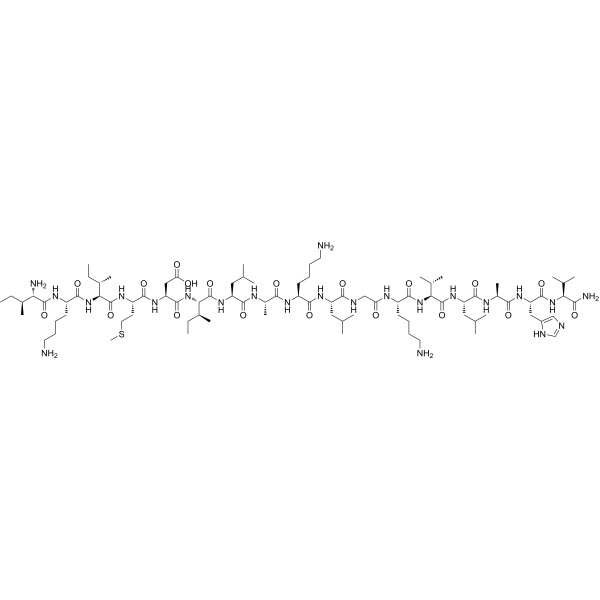 0 ImagesCat. No.: HY-P5653CAS No.: 95732-42-6Bombolitin III is an antimicrobial peptide derived from bumblebee venom. Bombolitin III can lysate erythrocyte and liposome.
-
Nafcillin sodium
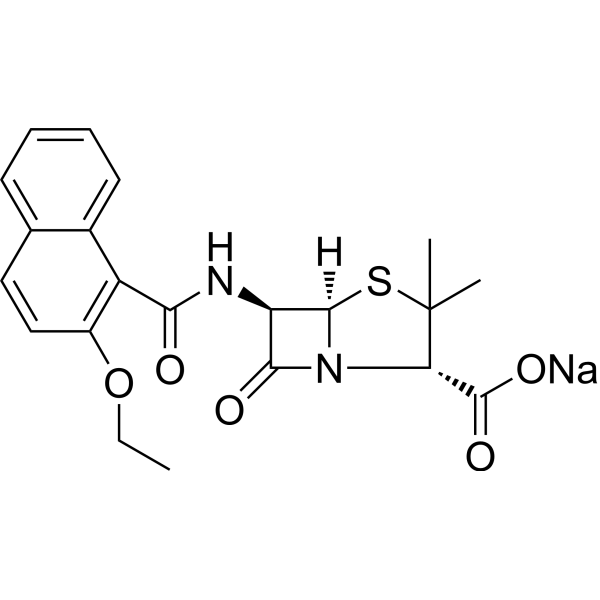 0 ImagesNafcillin sodium, an antibiotic, is a reversible inhibitor of β-lactamase. Nafcillin sodium can be used for the research of staphylococcal infections.

-
HG4
 0 ImagesCat. No.: HY-P5709HG4 is a fast-acting antimicrobial peptide. HG4 shows anti-biofilm and anti-inflammatory activities. HG4 is active against Gram-positive pathogens, especially against MRSA strains (MIC: 32-64 μg/mL). HG4 can bind to bacterial lipids and reduces ATP concentration in S. aureus MRSA USA300 cells.
-
Magainin 1 TFA
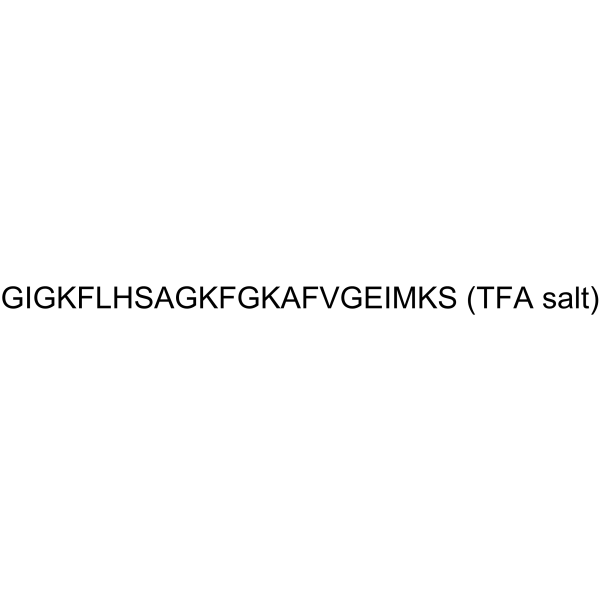 0 ImagesCat. No.: HY-P0269AMagainin 1 TFA (Magainin I TFA) is an antimicrobial and amphipathic peptide isolated from the skin of Xenopus laevis. Magainin 1 TFA exhibits antibiotic activity against numerous Gram-negative and Gram-positive bacteria.
-
Garenoxacin Mesylate hydrate (Standard)
 0 ImagesSynonyms: BMS284756 Mesylate hydrate (Standard)ACHE-IN-38 (hydrochloride) (Standard) is the analytical standard of ACHE-IN-38 (hydrochloride). This product is intended for research and analytical applications. ACHE-IN-38 hydrochloride (Compound 13b) inhibits the metabolic breakdown of the neurotransmitter acetylcholine (ACh) by the enzyme acetylcholinesterase (AChE) and hence alleviates memory deficits in patients with Alzheimer’s Disease by potentiating cholinergic transmission.
-
MRV03-070
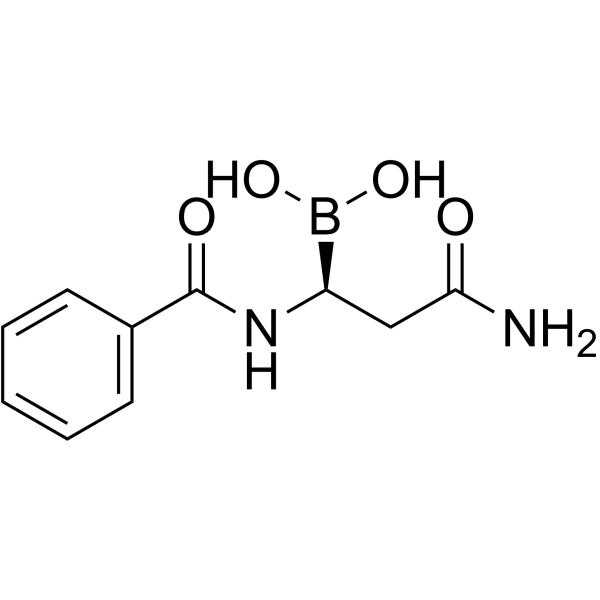 0 ImagesCat. No.: HY-151631CAS No.: 2797066-20-5MRV03-070 is an inhibitor of colibactin-activating peptidase ClbP with an IC50 value of 69 nM, acts like biosynthetic precursor precolibactin.
-
Glycocholic acid-13C2,d4N
 0 ImagesCat. No.: HY-W754548Glycocholic acid-13C2,d4 is the deuterium labeled and 13C-labeled Glycocholic acid (HY-N1423). Glycocholic acid is a bile acid derivative. Glycocholic acid downregulates MDR1, Bcl-2, MRP1, MRP2 and FXR, upregulates Bax, p53, caspase-9, caspase-3, TGR5 and S1PR2. Glycocholic acid inhibits multidrug resistance and efflux pumps, induces mitochondrial apoptosis, and enhances chemosensitivity. Glycocholic acid modulates related bile acid receptor signaling. Glycocholic acid suppresses growth and conjugation of Enterobacteriaceae and increases their antibiotic susceptibility. Glycocholic acid can be used for the research of colon adenocarcinoma and cholangiocarcinoma (CCA).
-
Glycitin (Standard)
 0 ImagesSynonyms: Glycitein 7-O-β-glucoside (Standard)Glycitin (Standard) is the analytical standard of Glycitin. This product is intended for research and analytical applications. Glycitin (Glycitein 7-O-β-glucoside) is a natural isoflavone with antibacterial, antiviral, anticancer, anti-inflammation, anti-aging and estrogenic effects. Glycitin may regulate osteoblasts through TGF-β or AKT signaling pathways in bone marrow stem cells (BMSCs).
-
PXYD3
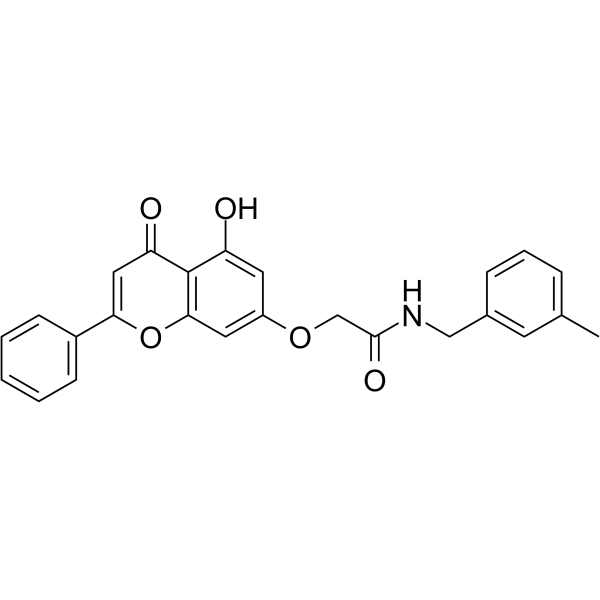 0 ImagesCat. No.: HY-146448CAS No.: 2680554-46-3PXYD3 is a ribosomal protein S1 (RpsA) antagonist with Kds of 5.66 and 6.91 μM for RpsA-CTD and RpsA-CTD Δ438A, respectively. RpsA plays an important role in the trans-translation process of Mycobacterium Tuberculosis (Mtb).
-
CM-728
 0 ImagesCat. No.: HY-170488CAS No.: 2925046-28-0CM-728 is a oxazepine-naphthoquinone that has cytotoxic and bactericidal effect. CM-728 is a human peroxiredoxin-1 inhibitor. CM-728 is an oxidative stressor that affects mitochondrial function.
-
Ferrocin B
 0 ImagesCat. No.: HY-N14354CAS No.: 114562-40-2Ferrocin B is an iron-containing cyclic decapeptide antibiotic found in the bacterium Pseudomonas fluorescens YK-310, exhibiting strong antibacterial activity primarily against Gram-negative bacteria, with particularly potent inhibitory effects on Pseudomonas aeruginosa. In a mouse infection model, Ferrocin B shows a half effective dose (ED50) of 0.593 mg/kg against P. aeruginosa. Ferrocin B holds potential for research in the field of anti-infective therapies.