Btk
Bruton tyrosine kinase
Bruton tyrosine kinase (Btk) is a member of the Tec family kinases with a well-characterized role in B-cell antigen receptor (BCR)-signaling and B-cell activation.
Btk plays a crucial role in B cell development and activation through the BCR signaling pathway and represents a new target for diseases characterized by inappropriate B cell activity. Btk is a kinase expressed exclusively in B cells and myeloid cells and has a well characterized, vital role in B cells highlighted by the human primary immune deficiency disease, X-linked agammaglobulinemia (XLA), which results from mutation in the Btk gene. Btk plays an essential role in the BCR signaling pathway. Antigen binding to the BCR results in B cell receptor oligomerization, Syk and Lyn kinase activation, followed by Btk kinase activation. Once activated, Btk forms a signaling complex with proteins such as BLNK, Lyn, and Syk and phosphorylates phospholipase C (PLC)γ2. This leads to downstream release of intracellular Ca2+ stores and propagation of the BCR signaling pathway through extracellular signal-regulated kinase and NF-κB signaling, ultimately resulting in transcriptional changes to foster B cell survival, proliferation, and/or differentiation.
All Product Categories
-
Btk Related Products (270)
Related Products (270)

-
Recombinant Proteins (19)
-
Antibodies (3)
-
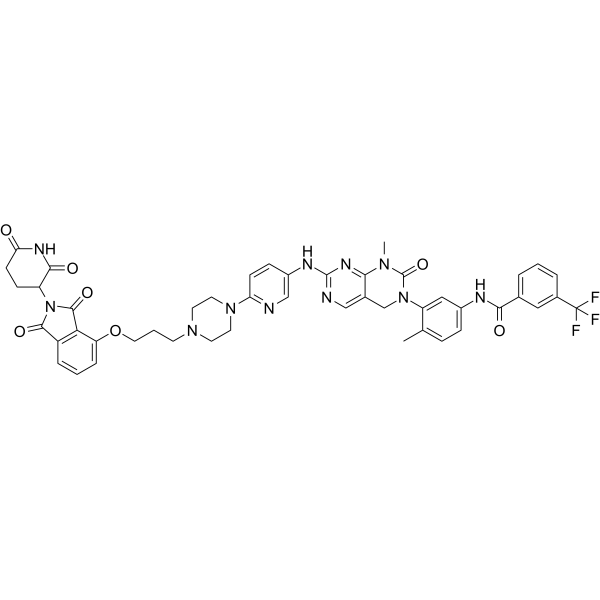
UBX-382
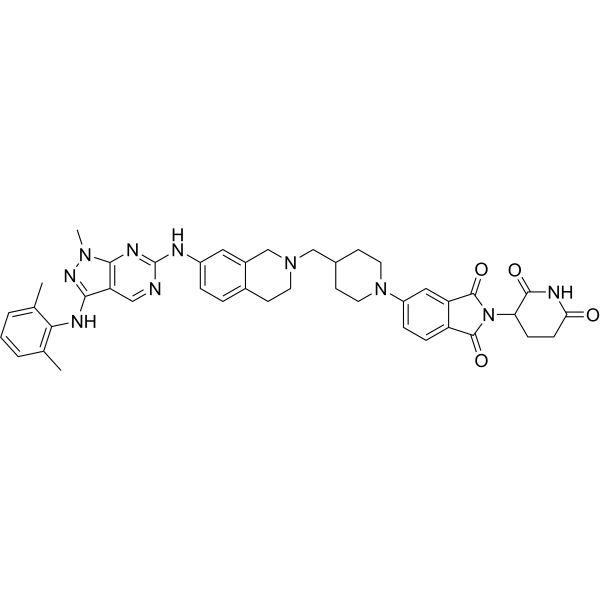 0 ImagesCat. No.: HY-160142CAS No.: 2884554-45-2UBX-382 is an orally active BTK PROTAC degrader with a DC50 of 4.56 nM. UBX-382 inhibits B-cell receptor signaling by targeting BTK. UBX-382 shows superior degradation activity for wild-type and mutant BTK proteins. UBX-382 inhibits tumor growth in murine xenograft models harboring wild-type or C481S mutant BTK-expressing TMD-8 cells. UBX-382 can be used for the study of B-cell-related blood cancers.
-
Btk inhibitor 2
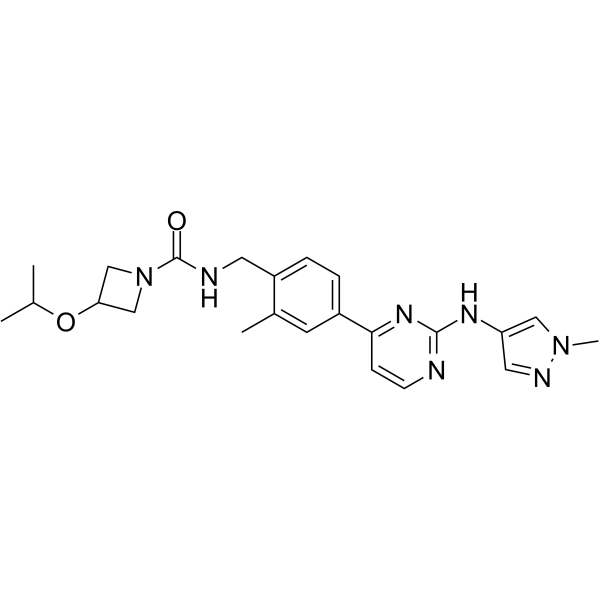
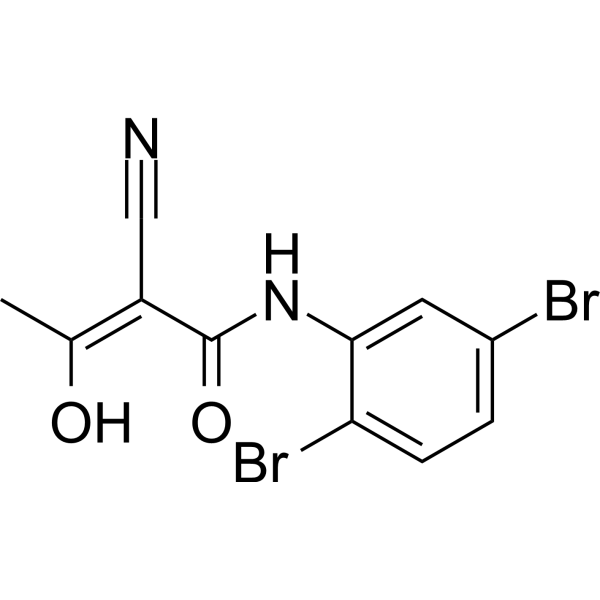
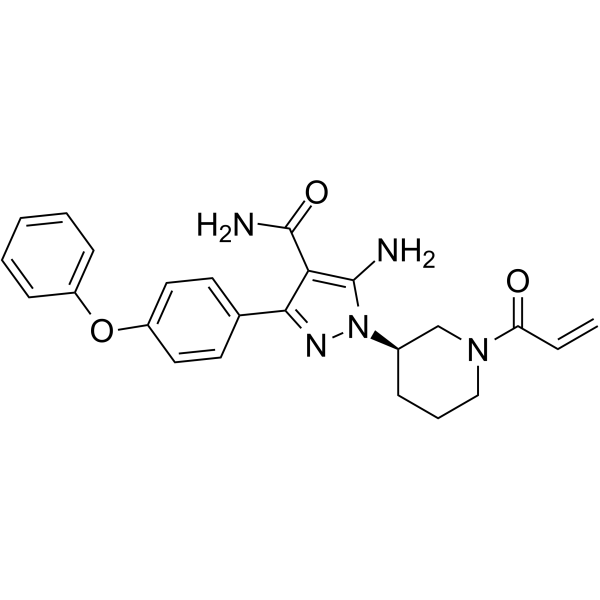 0 ImagesBtk inhibitor 2 is a Bruton's tyrosine kinase (BTK) inhibitor extracted from patent US 20170224688 A1.
-
Acalabrutinib-d4
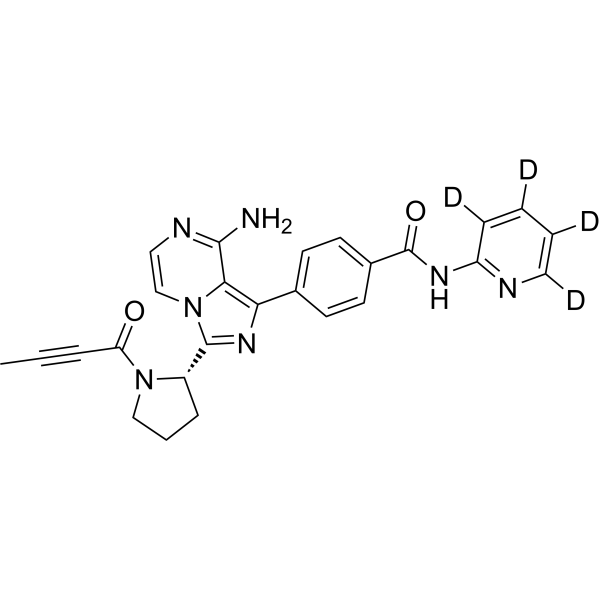 0 ImagesSynonyms: ACP-196-d4Acalabrutinib-d4 (ACP-196-d4) is a deuterium labeled Acalabrutinib. Acalabrutinib (ACP-196) is an orally active, irreversible, and highly selective second-generation BTK inhibitor. Acalabrutinib-d4 is a click chemistry reagent, it contains an Alkyne group and can undergo copper-catalyzed azide-alkyne cycloaddition (CuAAc) with molecules containing Azide groups.

-
Ibrutinib-d5
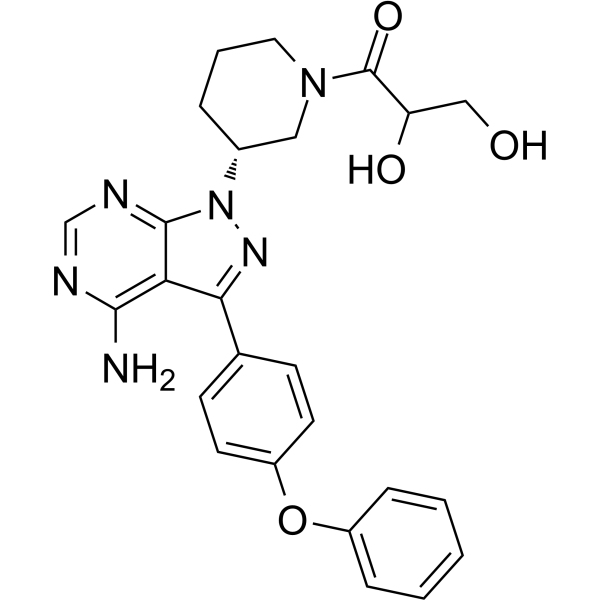
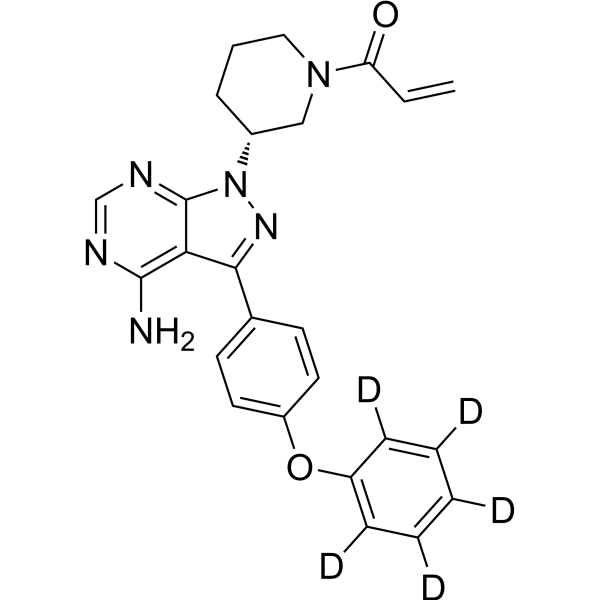 0 ImagesSynonyms: PCI-32765-d5Ibrutinib-d5 (PCI-32765-d5) is a deuterium labeled Ibrutinib. Ibrutinib is a selective, irreversible Btk inhibitor.
-
CHMFL-EGFR-202
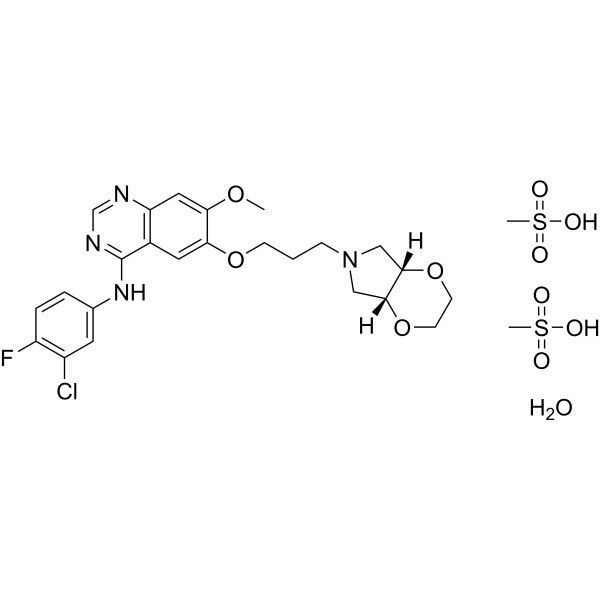
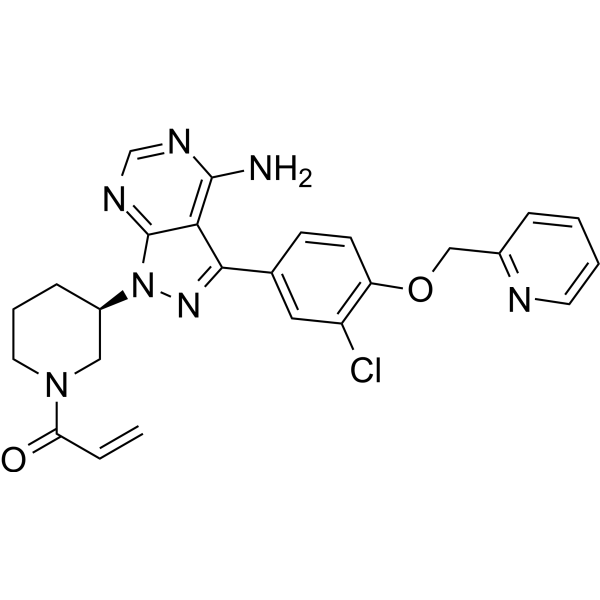 0 ImagesCHMFL-EGFR-202 is a potent, irreversible inhibitor of epidermal growth factor receptor (EGFR) mutant kinase, with IC50s of 5.3 nM and 8.3 nM for drug-resistant mutant EGFR T790M and WT EGFR kinases, respectively. CHMFL-EGFR-202 exhibits ~10-fold selectivity for EGFR L858R/T790M against the EGFR wild-type in cells. CHMFL-EGFR-202 adopts a covalent “DFG-in-C-helix-out” inactive binding conformation with EGFR, with strong antiproliferative effects against EGFR mutant-driven nonsmall-cell lung cancer (NSCLC) cell lines.
-
BTK inhibitor 10
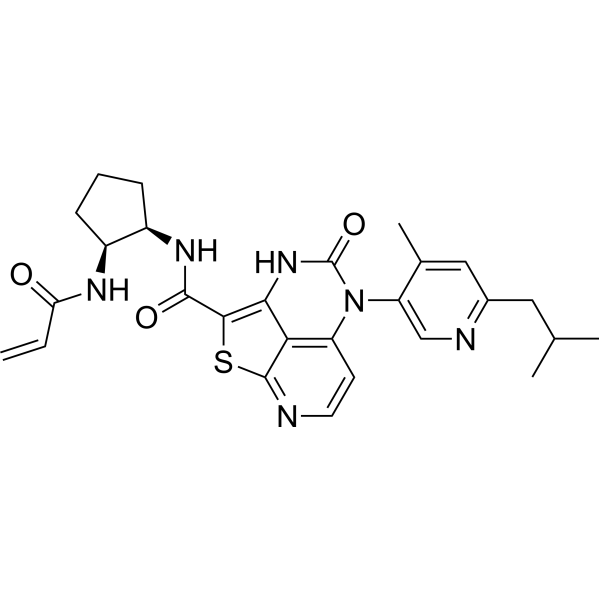
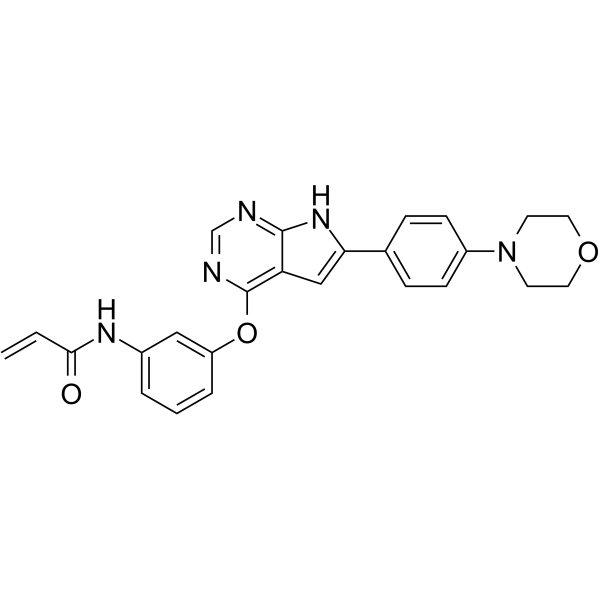 0 ImagesBTK inhibitor 10 is a potent and orally active Bruton kinase (BTK) inhibitor, extracted from patent WO2018145525, example 33. BTK inhibitor 10 has a potential for rheumatoid arthritis treatment.
-
GDC-0834 (S-enantiomer)
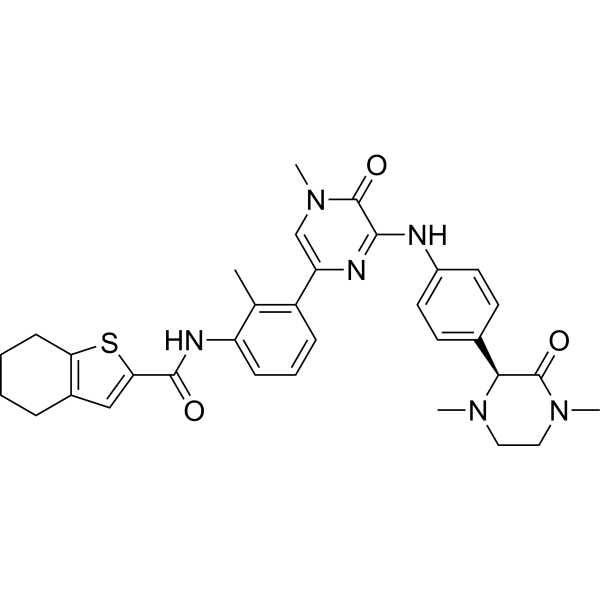 0 ImagesCat. No.: HY-15427BCAS No.: 1133432-50-4GDC-0834 (S-enantiomer) is the S-enantiomer of GDC-0834. GDC-0834 is a potent and selective BTK inhibitor.
-
Mal-PEG1-Val-Cit-PABC-diphosphate-BTK degrader-1
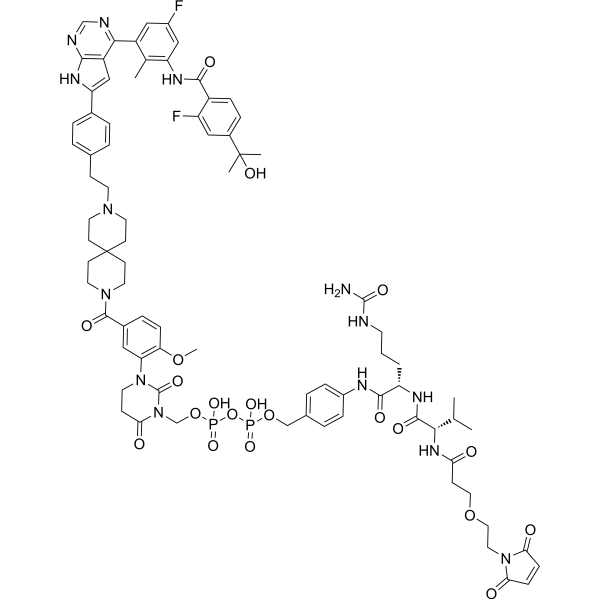 0 ImagesCat. No.: HY-157763Mal-PEG1-Val-Cit-PABC-diphosphate-BTK degrader-1 is a cleavable linker-payload conjugate and cereblon-binding BTK bifunctional degrader. Mal-PEG1-Val-Cit-PABC-diphosphate-BTK degrader-1 induces BTK degradation and exerts cytotoxic effects when delivered via CD79b monoclonal antibody. Mal-PEG1-Val-Cit-PABC-diphosphate-BTK degrader-1, when formulated as a CD79b antibody-drug conjugate, achieves sustained in vivo BTK degradation in tumor-bearing mice with reduced systemic payload exposure. Mal-PEG1-Val-Cit-PABC-diphosphate-BTK degrader-1 can be used for the research of activated b-cell-like diffuse large b-cell lymphoma (ADC linker: (HY-130944); PROTAC: (HY-163295)).
-
BTK inhibitor 17
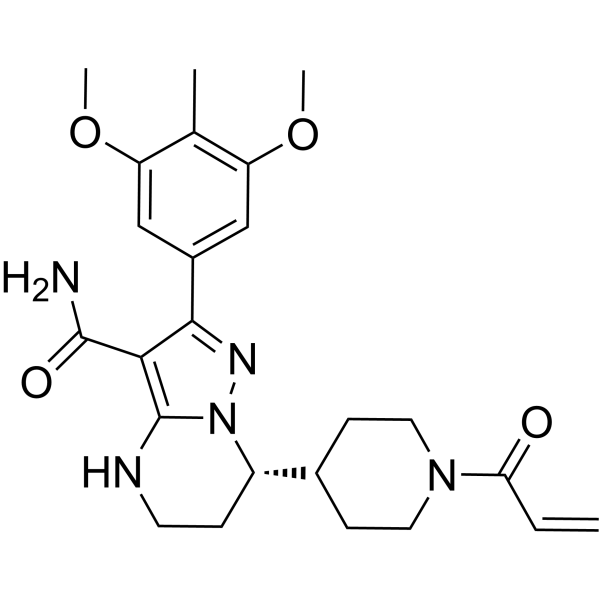
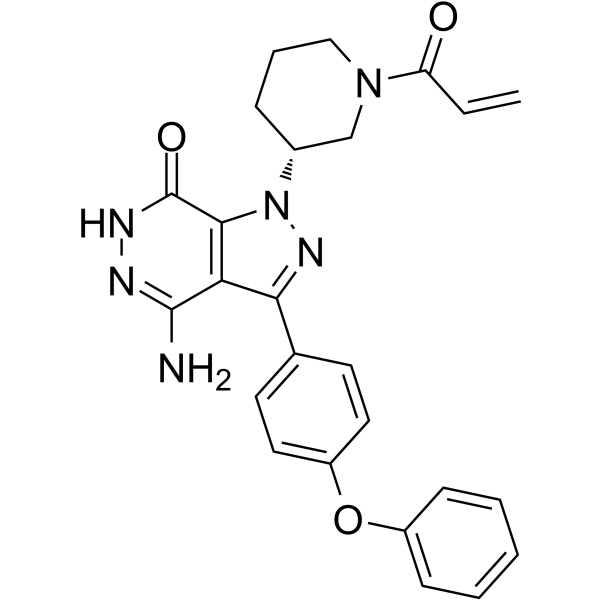 0 ImagesBTK inhibitor 17 is a potent and orally active irreversible BTK inhibitor with an IC50 of 2.1 nM. BTK inhibitor 17 can be used for rheumatoid arthritis research.