



Calcium Channel
Ca2+ channels; Ca channels
Calcium channel is an ion channel which displays selective permeability to calcium ions. It is sometimes synonymous as voltage-dependent calcium channel, although there are also ligand-gated calcium channels. Voltage-gated calcium (CaV) channels catalyse rapid, highly selective influx of Ca2+ into cells despite a 70-fold higher extracellular concentration of Na+. Some calcium channel blockers have the added benefit of slowing your heart rate, which can further reduce blood pressure, relieve chest pain (angina) and control an irregular heartbeat.
Calcium Channel Isoform Specific Products
All Product Categories
-
Calcium Channel Inhibitors
(585)
View all products
-
Calcium Channel Agonists
(35)
View all products
-
Calcium Channel Antagonists
(210)
View all products
-
Calcium Channel Activators
(86)
View all products
-
Calcium Channel Modulators
(45)
View all products
-
Calcium Channel Chemical
(1)
View all products
-
Calcium Channel Inducers
(11)
View all products
-
Calcium Channel Controls
(10)
View all products
-
Calcium Channel Ligands
(7)
View all products
-
Calcium Channel Related Products (1226)
Related Products (1226)

-
Antibodies (29)
-
Related Compound Screening Libraries (1)
-
Calcium Channel Isoform Comparison
-
Spironolactone-d7
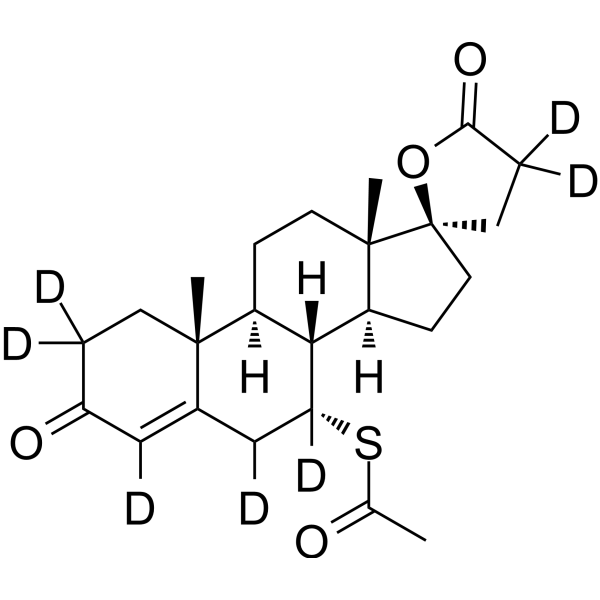 0 ImagesCat. No.: HY-B0561SPurity: 99.96%Synonyms: SC9420-d7Spironolactone-d7 is the deuterium labeled Spironolactone. Spironolactone (SC9420) is an orally active aldosterone mineralocorticoid receptor antagonist with an IC50 of 24 nM. Spironolactone is also a potent antagonist of androgen receptor with an IC50 of 77 nM. Spironolactone promotes autophagy in podocytes.
-
Isotachysterol 3
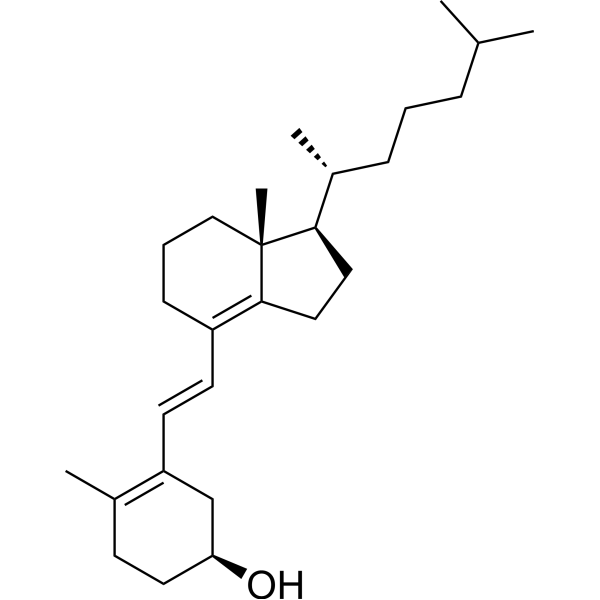 0 ImagesCat. No.: HY-130704CAS No.: 22350-43-2Isotachysterol 3 is an analog of 1,25-dihydrox Vitamin D3. Isotachysterol 3 stimulates intestinal calcium transport and bone calcium mobilization in anephric rats.
-
Nifedipine-d6
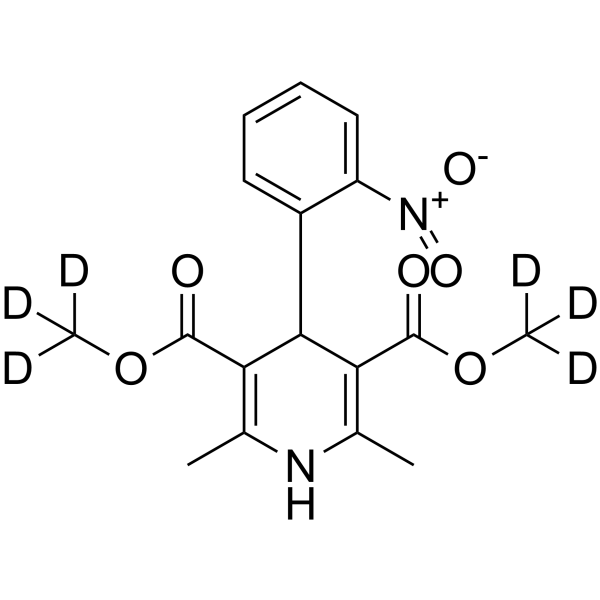 0 ImagesCat. No.: HY-B0284SCAS No.: 1188266-14-9Synonyms: BAY-a-1040-d6Nifedipine-d6 (BAY-a-1040-d6) is deuterium labeled nifedipine, and nifedipine is a potent calcium channel blocker.
-
D-myo-Inositol-1,2,4,5-tetraphosphate tetrasodium salt
 0 ImagesSynonyms: Ins(1,2,4,5)P4 tetrasodium salt; 1,2,4,5-IP4 tetrasodium saltD-myo-Inositol-1,2,4,5-tetraphosphate (DL-Ins-(1,2,4,5)P4) tetrasodium is raracemic regioisomer of myo-inositol tetrakisphosphates (IP4s). D-myo-Inositol-1,2,4,5-tetraphosphate tetrasodium is an Ins(1,4,5)P3 receptor agonist with a Ki of 11 nM. D-myo-Inositol-1,2,4,5-tetraphosphate tetrasodium induces Ca2+ mobilization with an EC50 value of 0.22 μM in CHO cells.
-
Trepibutone
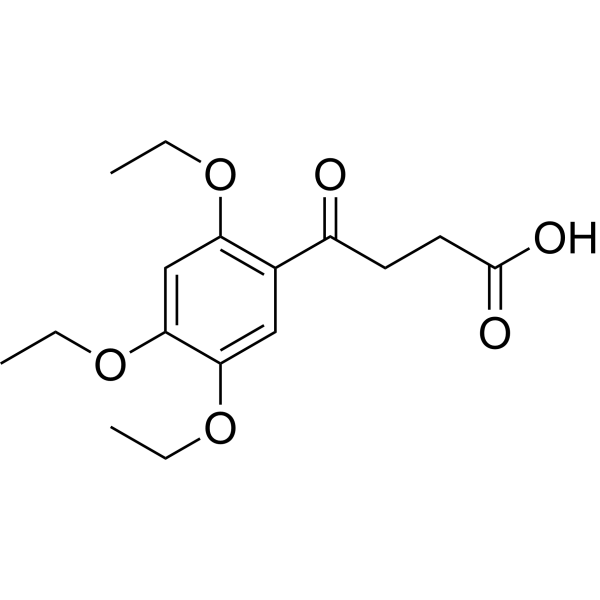 0 ImagesSynonyms: AA 149; SupacalTrepibutone (AA 149) increases secretion of bile and pancreatic juice, and accelerates flaccidity of the smooth muscle in the gastrointestinal tract. Trepibutone can be used for the research of cholecystitis and functional gastrointestinal disorders.
-
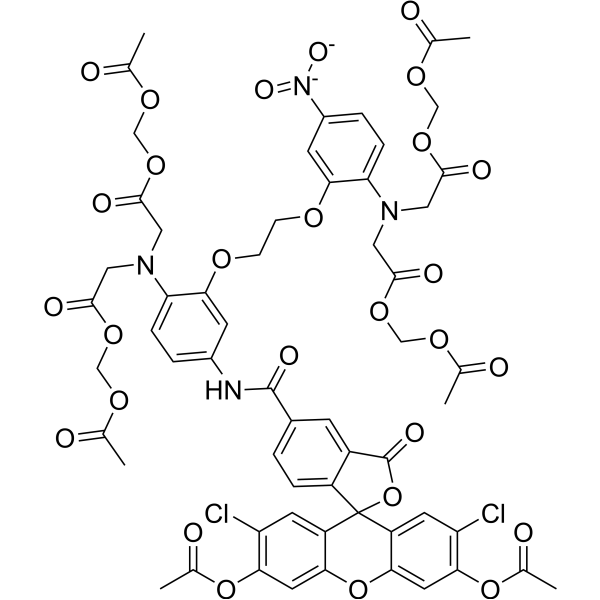
BER-5
 0 ImagesBER-5 is a potent MrgX2 antagonist. BER-5 possess broad-spectrum antagonistic activity against a diverse range of MrgX2 agonists. BER-5 can inhibit Substance P (SP) (HY-P0201)-induced degranulation of LAD2 cells. BER-5 attenuates SP-induced allergic reactions in mice. BER-5 can be used for the study of allergic reactions.
-
L-Phenylalanine-15N,d8
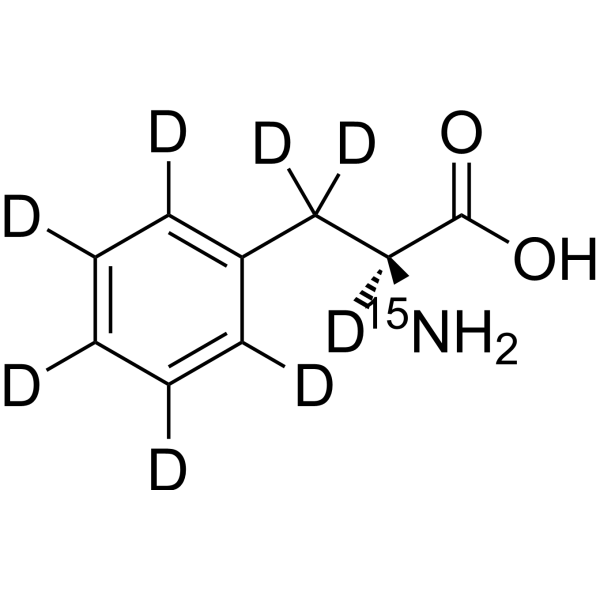 0 ImagesCat. No.: HY-N0215S14Purity: 99.90%Synonyms: (S)-2-Amino-3-phenylpropionic acid-15N,d8L-Phenylalanine-15N,d8 is the deuterium and 15N-labeled L-Phenylalanine. L-Phenylalanine ((S)-2-Amino-3-phenylpropionic acid) is an essential amino acid isolated from Escherichia coli. L-Phenylalanine is a α2δ subunit of voltage-dependent Ca2+ channels antagonist with a Ki of 980 nM. L-phenylalanine is a competitive antagonist for the glycine- and glutamate-binding sites of N-methyl-D-aspartate receptors (NMDARs) (KB of 573 μM ) and non-NMDARs, respectively. L-Phenylalanine is widely used in the production of food flavors and pharmaceuticals.
-
Acetylcholine-d16 bromide
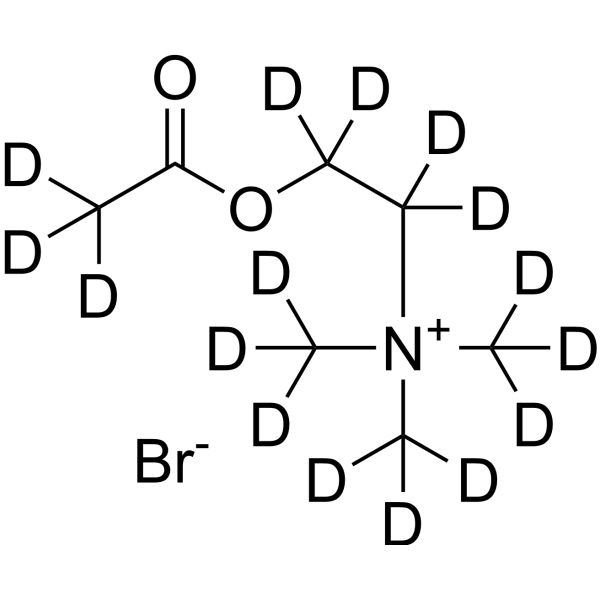 0 ImagesSynonyms: ACh-d16 bromideAcetylcholine-d16 (bromide) is the deuterium labeled Acetylcholine bromide.
-
Cerebellin TFA
 0 ImagesCat. No.: HY-P1544ACerebellin TFA is a neuromodulatory hexadecapeptide that serves as a marker for Purkinje cell maturation. Cerebellin TFA stimulates norepinephrine release via the adenylate cyclase/PKA-dependent signaling pathway. Cerebellin TFA reduces insulin secretion from pancreatic islets under high-glucose conditions. Cerebellin TFA also regulates synaptic structure formation and controls catecholamine secretion in peripheral tissues. Cerebellin TFA can be used in neurological research.
-
BTT-266
 0 ImagesBTT-266 is an antagonist forcalcium channel, through suppression of the CaVα1-AID-CaVβ3 interaction, with a Ki of 1.4 μM. BTT-266 modulates the activation of voltage-dependent CaV2.2. BTT-266 exhibits analgesic efficacy against neuropathic pain in rats model.
-
Sipatrigine
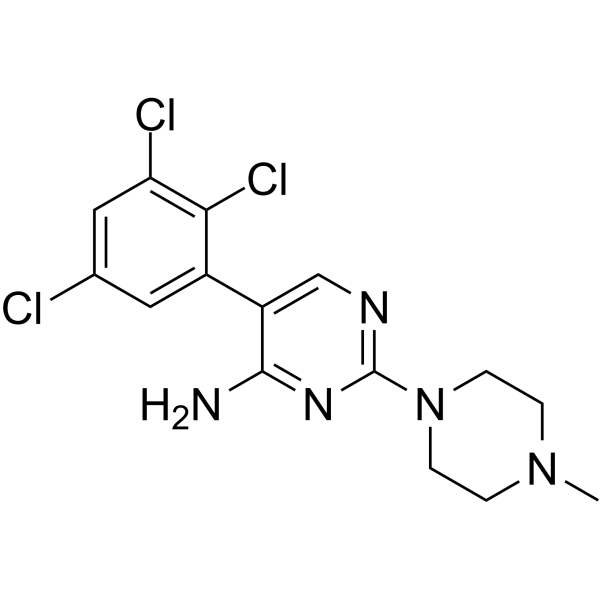 0 ImagesSynonyms: 619C89; BW 619C89Sipatrigine (619C89), a neuroprotective agent, is a glutamate release inhibitor, voltage-dependent sodium channel and calcium channel inhibitor, penetrating the central nervous system. Has the potential in the study for focal cerebral ischemia and stroke.
-
Amlodipine aspartic acid impurity
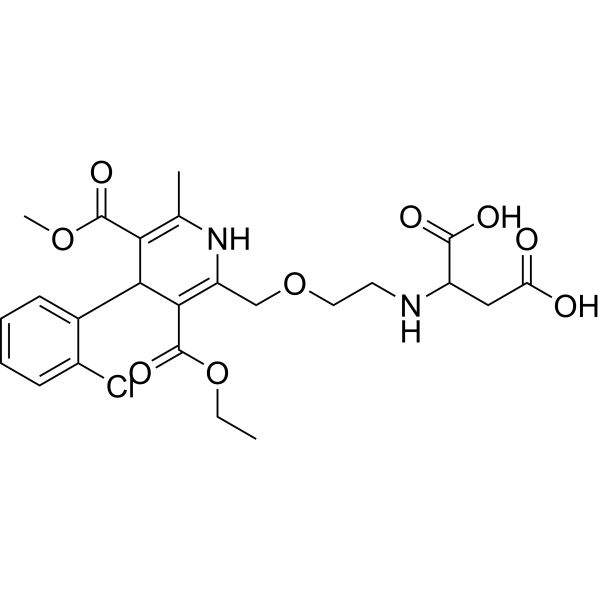 0 ImagesSynonyms: Amlodipine aspartateAmlodipine aspartic acid impurity (Amlodipine aspartate) is the impurity of Amlodipine aspartic acid. Amlodipine aspartic acid is a calcium channel blocker with antihypertensive and antianginal properties. Amlodipine aspartic acid impurity can control blood pressure. Amlodipine aspartic acid impurity corrects gut dysbiosis and enhances taurine and hypotaurine metabolism. Amlodipine aspartic acid impurity can be studied in research for NAFLD and hypertension.
-
Xanthone (Standard)
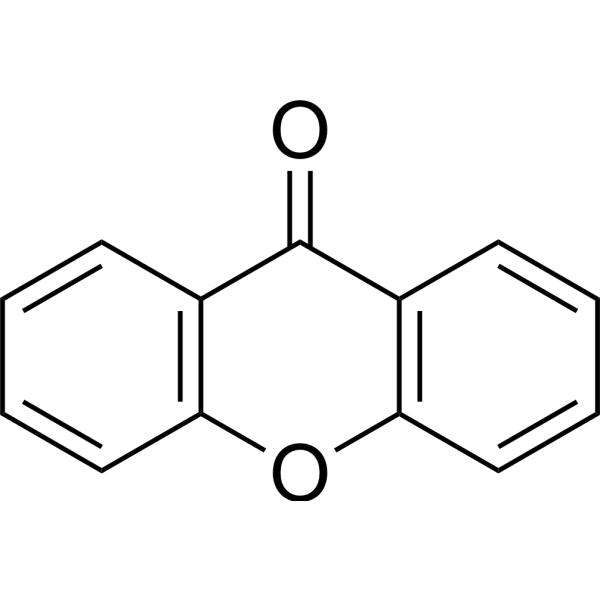 0 ImagesXanthone (Standard) is the analytical standard of Xanthone (HY-N0126). This product is intended for research and analytical applications. Xanthone is a monoamine oxidase A (MAO-A) inhibitor with an IC50 of 0.84 µM. Xanthon inhibits Norepinephrine (HY-13715) and high-K+-induced vasoconstriction with IC50 values of 60.26 μM and 82.9 μM, respectively. Xanthon increases intracellular cyclic adenosine 3′,5′-monophosphate (cAMP) content and blocks Ca2+ channels. Xanthone is the scaffold of several pharmacologically active compounds.

-
Anipamil
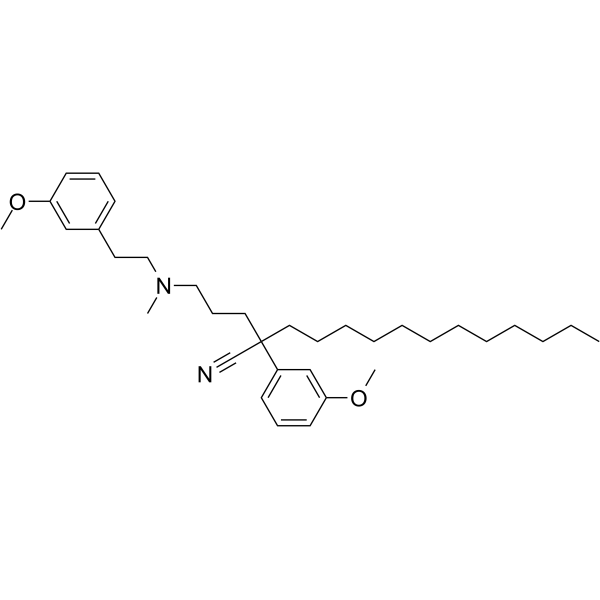 0 ImagesAnipamil is a long-acting calcium channel blocker, used for the treatment of cardiovascular disease.
-
Carboxyamidotriazole Orotate
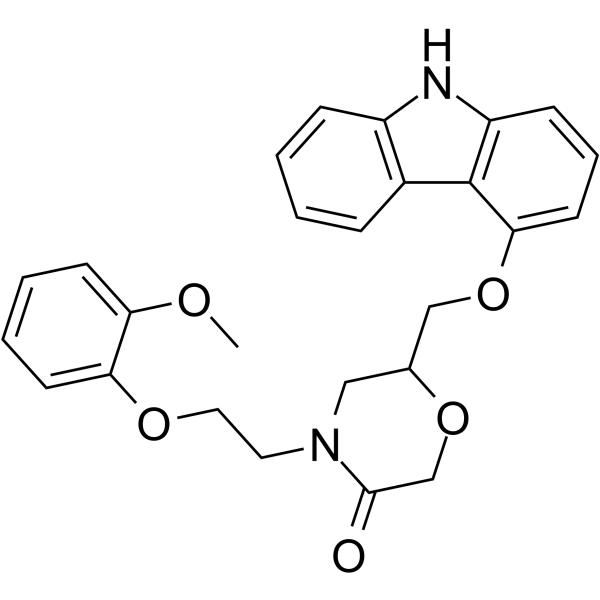
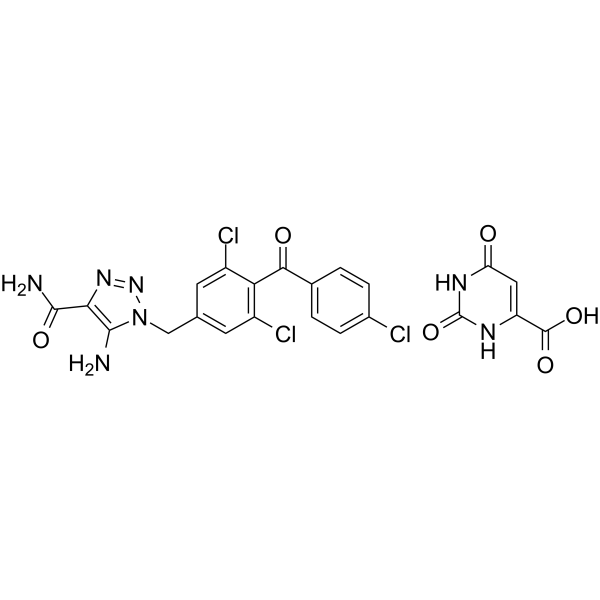 0 ImagesSynonyms: L-651582 Orotate; CAI OrotateCarboxyamidotriazole Orotate (L-651582 Orotate) is the orotate salt form of Carboxyamidotriazole (CAI), an orally bioavailable signal transduction inhibitor. Carboxyamidotriazole Orotate is a cytostatic inhibitor of nonvoltage-operated calcium channels and calcium channel-mediated signaling pathways. Carboxyamidotriazole Orotate shows anti-tumor, anti-inflammatory and antiangiogenic effects.
-
Amlodipine-d4
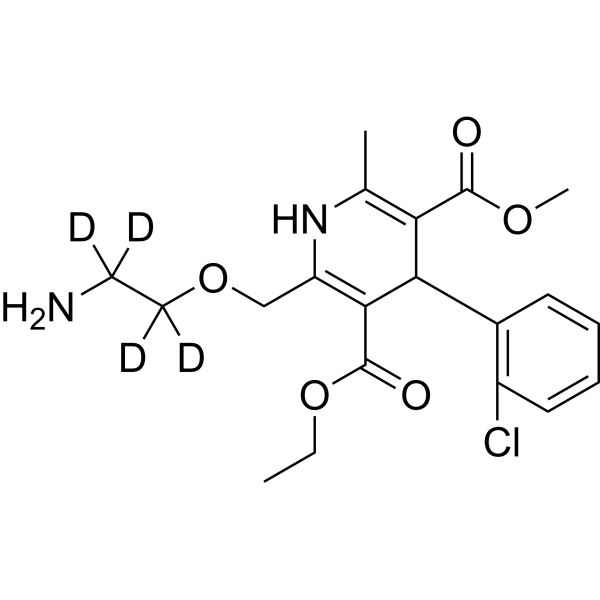 0 ImagesAmlodipine-d4 is a deuterium labeled Amlodipine (HY-B0317). Amlodipine, an antianginal agent and an orally active dihydropyridine calcium channel blocker, works by blocking the voltage-dependent L-type calcium channels, thereby inhibiting the initial influx of calcium. Amlodipine can be used for the research of high blood pressure and cancer.
-
Monascorubrin
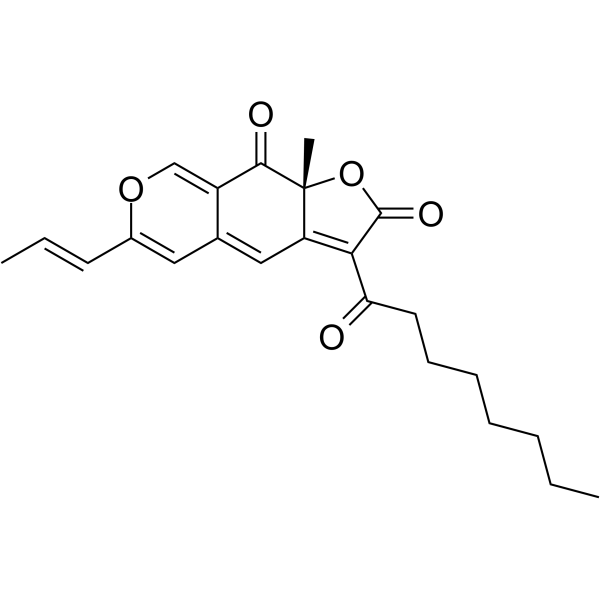 0 ImagesMonascorubrin is a compound that can be isolated from Monascus mycelia. Monascorubrin has activities such as anti-inflammatory, anti-tumor, antibacterial, and immunomodulatory. Monascorubrin also has certain embryotoxicity, with an ED50 of 4.3 μg for chicken embryos. Monascorubrin can be used for the research of tumors and inflammatory diseases.




