



Macrolide
Macrolides are a class of antibiotics that exert their core biological function by inhibiting bacterial protein synthesis through interaction with the bacterial ribosome, thereby suppressing microbial growth[1][2]. Mechanistically, macrolides bind within the nascent peptide exit tunnel of the 50S ribosomal subunit and interfere with translation by preventing normal elongation of the growing peptide chain during protein biosynthesis[1][2][3]. This translational inhibition pathway is closely linked to interactions with 23S rRNA and ribosomal components that regulate peptide progression through the ribosome[2][3][4]. In disease settings, macrolides are widely used for bacterial infections and have also demonstrated anti-inflammatory and immunomodulatory activities that contribute to their application in chronic respiratory disorders, including chronic obstructive pulmonary disease and non-cystic fibrosis bronchiectasis[4][5]. Compared with other ribosome-targeting antibiotic classes, macrolides are distinguished by their binding site within the 50S subunit and their ability to selectively affect protein synthesis through obstruction of the peptide exit tunnel[2][3]. Research on related compounds has further shown that structural modification of the macrolide scaffold can generate derivatives with activity against macrolide-resistant bacteria, providing useful experimental tools for investigating resistance mechanisms and ribosome function[5][6]. Therefore, macrolides remain important molecular probes for studying translation regulation, antibiotic resistance, and host inflammatory responses in infection-related experimental models[1][4][6].
References:
- [1]. Nor Amdan NA, et al. Understanding the evolution of macrolides resistance: A mini review. J Glob Antimicrob Resist. 2024 Sep;38:368-375. [Content Brief]
- [2]. Kannan K, et al. The general mode of translation inhibition by macrolide antibiotics. Proc Natl Acad Sci U S A. 2014 Nov 11;111(45):15958-63.
- [3]. Vázquez-Laslop N, et al. How Macrolide Antibiotics Work. Trends Biochem Sci. 2018 Sep;43(9):668-684. [Content Brief]
- [4]. Patel PH, et al. Macrolides. 2023 May 16. In: StatPearls [Internet]. Treasure Island (FL): StatPearls Publishing; 2026 Jan–
- [5]. Black PN. Anti-inflammatory effects of macrolide antibiotics. Eur Respir J. 1997 May;10(5):971-2.
- [6]. Jelić D, et al. From Erythromycin to Azithromycin and New Potential Ribosome-Binding Antimicrobials. Antibiotics (Basel). 2016 Sep 1;5(3):29.
-
Macrolide Related Products (76)
Related Products (76)

-
Bafilomycin B1
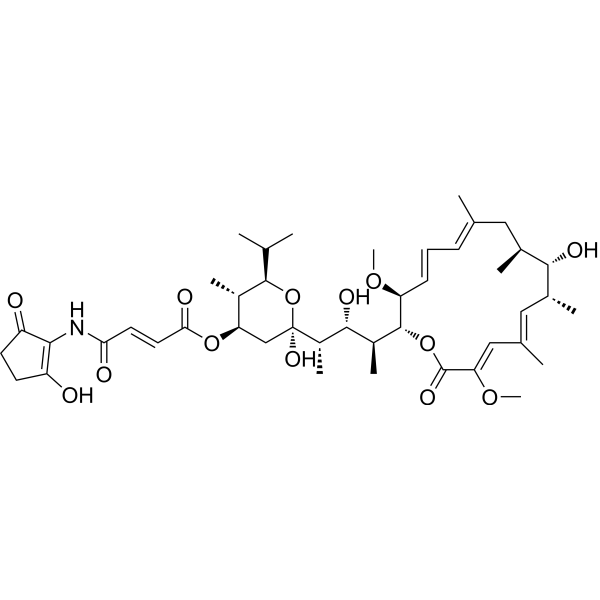 0 ImagesBafilomycin B1 is a macrolide antibiotic that can be isolated from mycelium of Streptomyces gresuis. Bafilomycin B1 is neuroprotective against Chloroquine (HY-17589A)-induced death. Bafilomycin B1 is a structural analog of Bafilomycin A1 and has the ability to inhibit V-ATPase. Bafilomycin B1 inhibits significantly the oxidized low density lipoprotein (LDL)-induced accumulation of lipid droplets.
-
Davercin
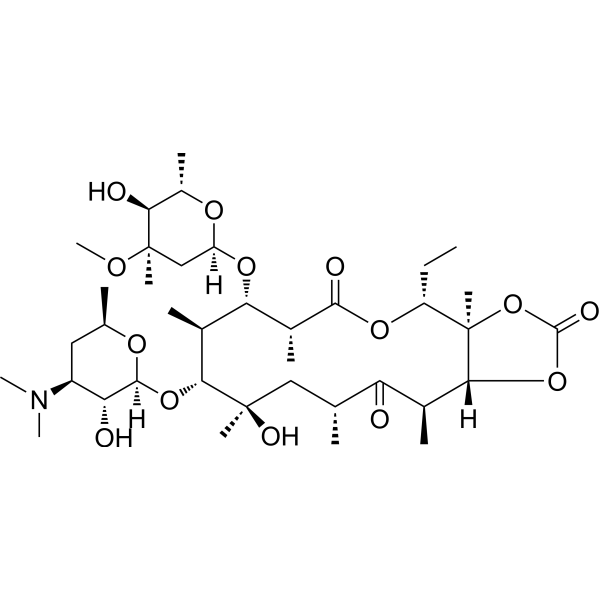 0 ImagesSynonyms: Erythromycin CyclocarbonateDavercin (Erythromycin Cyclocarbonate), derivative of Erythromycin, which is active against Gram-positive and some Gram-negative microorganisms.
-
Tylosin phosphate
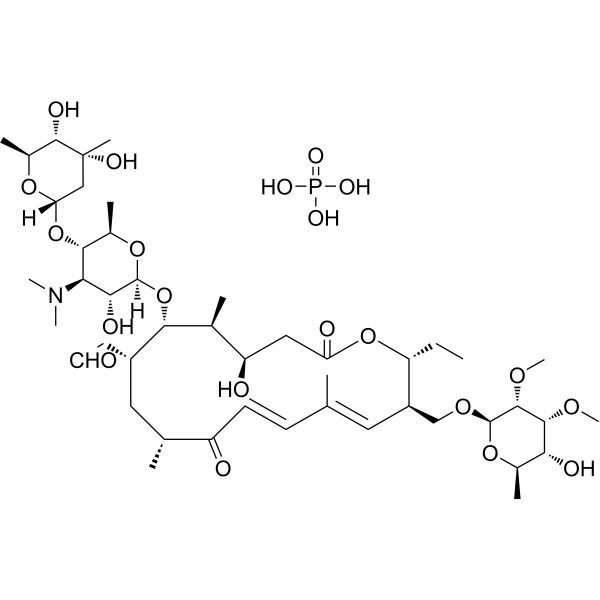 0 ImagesTylosin phosphate is a macrolide antibiotic found naturally as a fermentation product of Streptomyces fradiae. Tylosin tartrate exerts potent antimicrobial activity against Gram-positive bacteria. Tylosin phosphate is widely used as a feed additive for promoting animal growth. Tylosin phosphate is used for veterinary purposes against bacterial dysentery and respiratory diseases in poultry, pigs and cattle.
-
Erythromycin-13C,d3
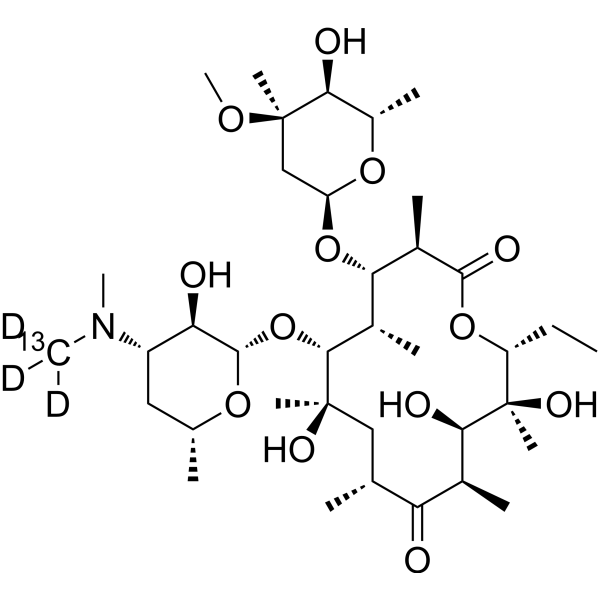 0 ImagesErythromycin-13C,d3 is the 13C- and deuterium labeled Erythromycin. Erythromycin is a macrolide antibiotic produced by actinomycete?Streptomyces erythreus?with a broad spectrum of antimicrobial activity. Erythromycin acts by binding to bacterial 50S ribosomal subunits and inhibits?RNA-dependent protein synthesis?by blockage of transpeptidation and/or translocation reactions, without affecting synthesis of nucleic acid.
-
Milbemycin A4
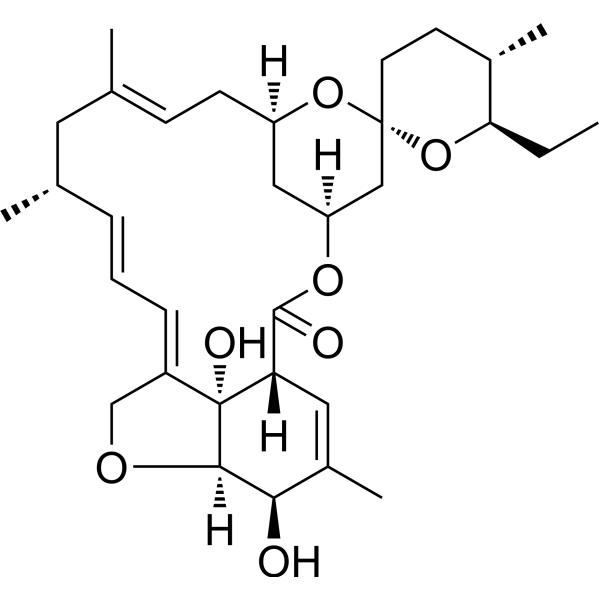 0 ImagesMilbemycin A4 inhibits P-glycoprotein activity, and reverses multidrug resistance of tumor cells. Milbemycins are a family of macrolide antibiotics with insecticidal and acaricidal activity.
-
Erythromycin-d3
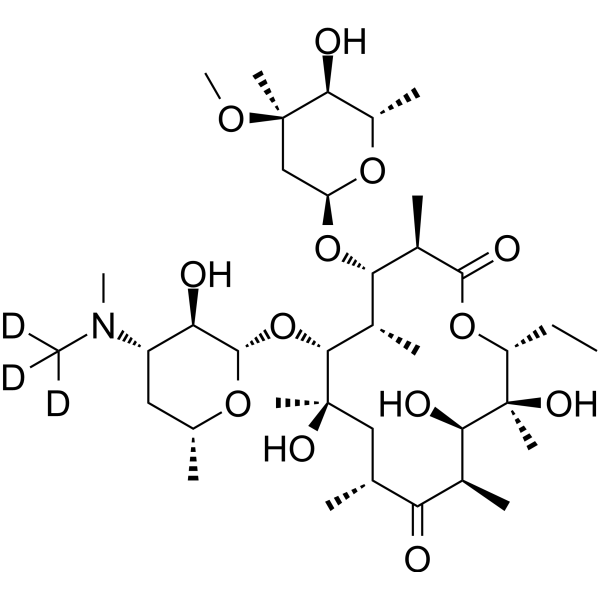 0 ImagesCat. No.: HY-B0220S2CAS No.: 959119-26-7Erythromycin-d3 is the deuterium labeled Erythromycin. Erythromycin is a macrolide antibiotic produced by actinomycete Streptomyces erythreus with a broad spectrum of antimicrobial activity. Erythromycin binds to bacterial 50S ribosomal subunits and inhibits RNA-dependent protein synthesis by blockage of transpeptidation and/or translocation reactions, without affecting synthesis of nucleic acid. Erythromycin also exhibits antitumor and neuroprotective effect in different fields of research.
-
Carbomycin B
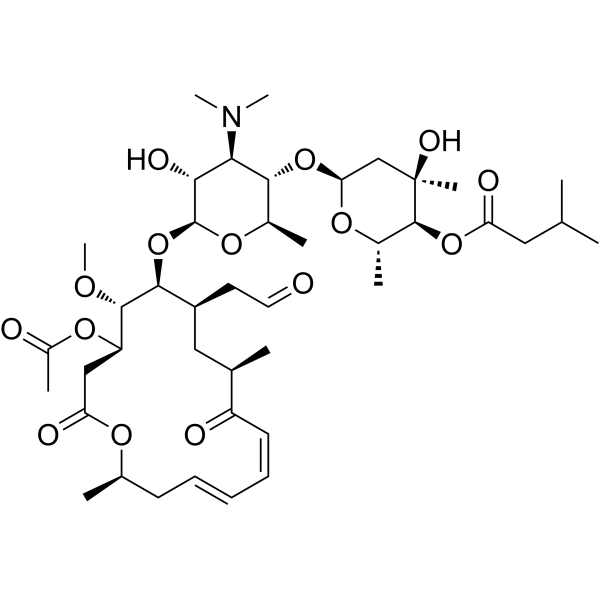 0 ImagesCat. No.: HY-126479CAS No.: 21238-30-2Synonyms: Magnamycin BCarbomycin B is a macrolide antibiotic.
-
Erythromycin (Standard)
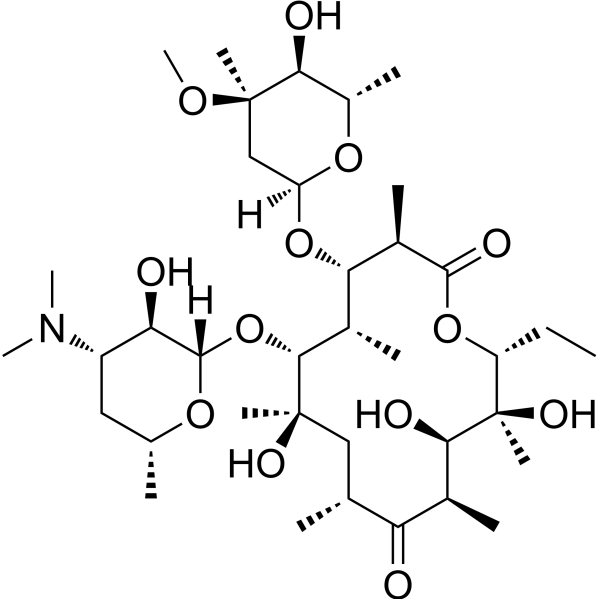 0 ImagesErythromycin (Standard) is the analytical standard of Erythromycin. This product is intended for research and analytical applications. Erythromycin is a macrolide antibiotic produced by actinomycete?Streptomyces erythreus?with a broad spectrum of antimicrobial activity. Erythromycin binds to bacterial 50S ribosomal subunits and inhibits?RNA-dependent protein synthesis?by blockage of transpeptidation and/or translocation reactions, without affecting synthesis of nucleic acid. Erythromycin also exhibits antitumor and neuroprotective effect in different fields of research.
-
Oligomycin C
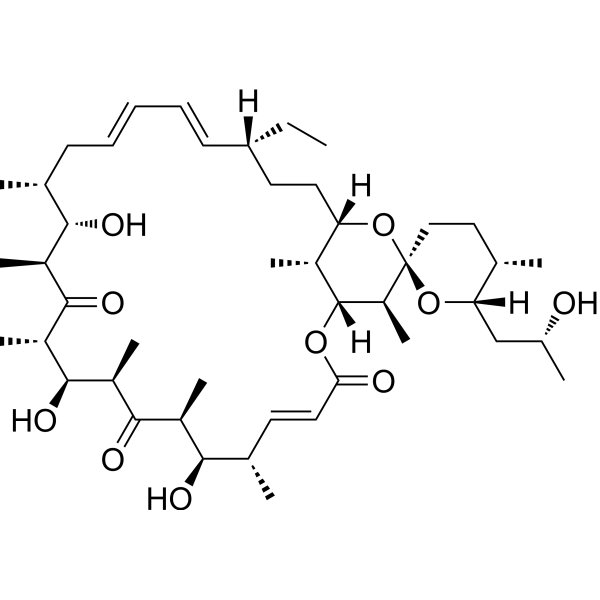 0 ImagesOligomycin C is a macrolide antibiotic produced by Streptomyces strains. Oligomycin C exhibits a strong activity against Aspergillus niger, Alternaria alternata, Botrytis cinerea and Phytophthora capsici but no activity toward bacteria.
-
Tylosin-d3
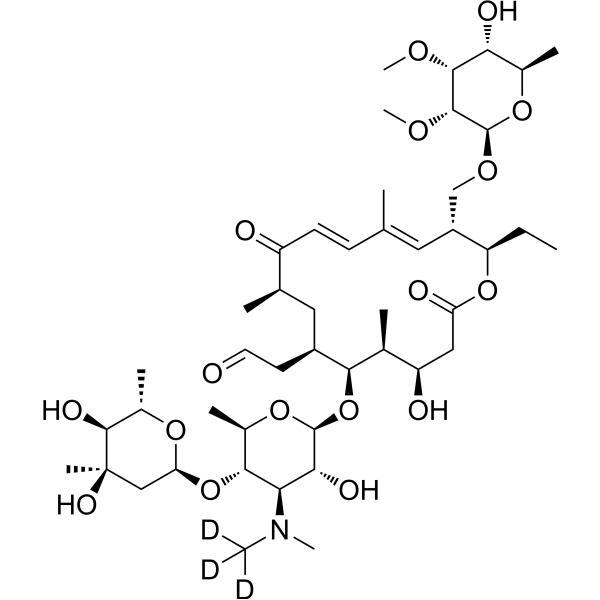 0 ImagesCat. No.: HY-B0519ASTylosin-d3 is the deuterium labeled Tylosin. Tylosin (Tylosin A) is a macrolide antibiotic found naturally as a fermentation product of Streptomyces fradiae. Tylosin exerts potent antimicrobial activity against Gram-positive bacteria. Tylosin is widely used as a feed additive for promoting animal growth. Tylosin is used for veterinary purposes against bacterial dysentery and respiratory diseases in poultry, pigs and cattle.
-
Tacrolimus-d3
 0 ImagesCat. No.: HY-13756S2Synonyms: FK506-d3; Fujimycin-d3; FR900506-d3Tacrolimus-d3 (FK506-d3) is the deuterated-labeled Tacrolimus (HY-13756). Tacrolimus (FK506), a molecular glue, a macrocyclic lactone, binds to FK506 binding protein (FKBP) to form a complex. Tacrolimus inhibits calcineurin phosphatase, which inhibits T-lymphocyte signal transduction and IL-2 transcription. Immunosuppressive properties.
-
Erythromycin (aspartate)
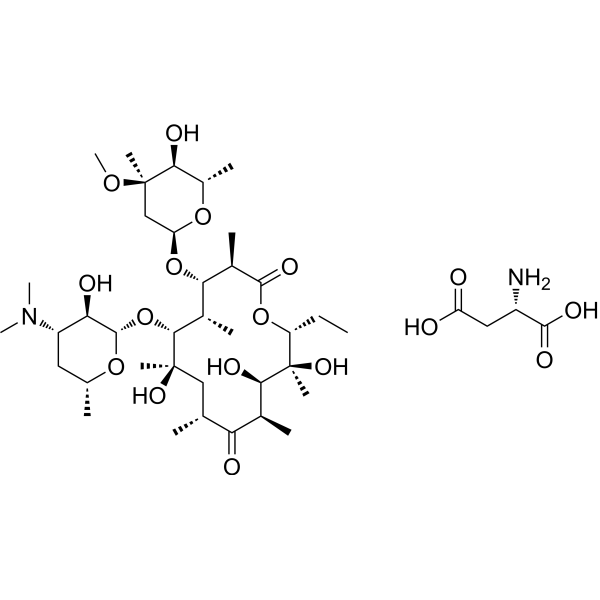 0 ImagesCat. No.: HY-B0220CCAS No.: 30010-41-4Erythromycin aspartate is a macrolide antibiotic produced by actinomycete?Streptomyces erythreus?with a broad spectrum of antimicrobial activity. Erythromycin aspartate binds to bacterial 50S ribosomal subunits and inhibits?RNA-dependent protein synthesis?by blockage of transpeptidation and/or translocation reactions, without affecting synthesis of nucleic acid[1][2]. Erythromycin aspartate also exhibits antitumor and neuroprotective effect in different fields of research[3][4].
-
PC-766B
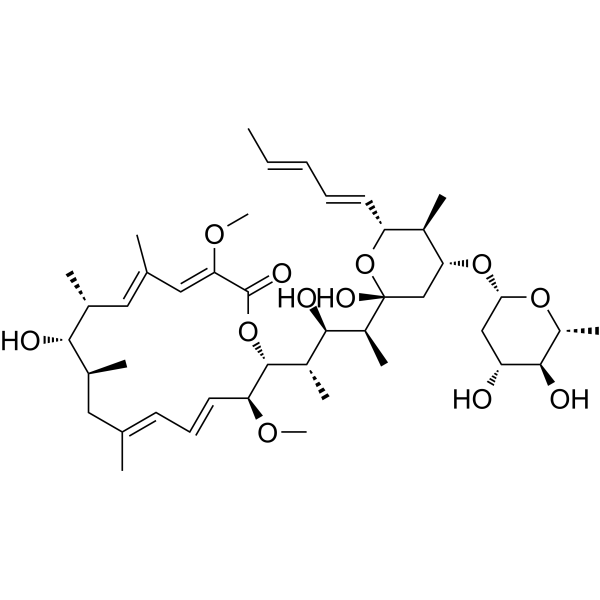 0 ImagesCat. No.: HY-112661CAS No.: 108375-77-5Synonyms: Antibiotic PC-766BPC-766B is a macrolide antibiotic. PC-766B is active against Gram-positive bacteria, and some fungi and yeasts, but inactive against Gram-negative bacteria. PC-766B shows antitumor activity against murine tumor cells. PC-766B has weak inhibitory activity against Na+, K+-ATPase.
-
Berkeleylactone F
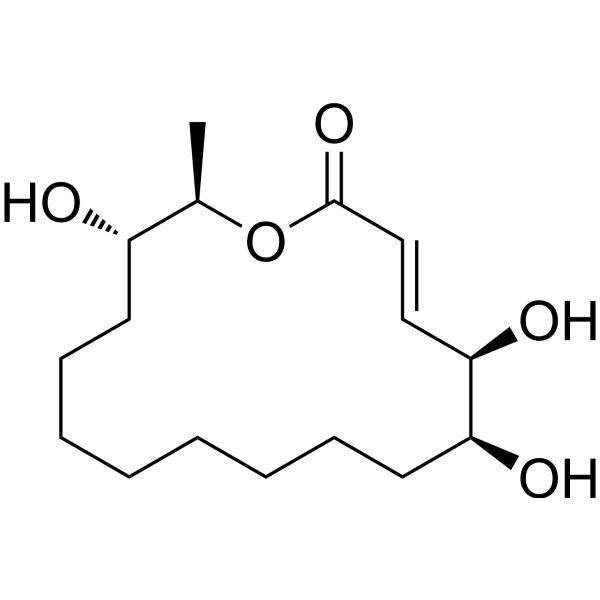 0 ImagesCat. No.: HY-N8386CAS No.: 2095114-72-8Berkeleylactone F is an antibiotic macrolide compound. Berkeleylactone F showed modest inhibition of CCRF-CEM leukemia cells.
-
Josamycin hydrochloride
 0 ImagesCat. No.: HY-B1920ACAS No.: 11033-19-5Synonyms: EN-141 hydrochlorideJosamycin (EN-141) hydrochloride is an orally active macrolide antibiotic exhibiting antimicrobial activity against a wide spectrum of pathogens, such as bacteria. The dissociation constant Kd from ribosome for Josamycin hydrochloride is 5.5 nM.
-
Chalcomycin
 0 ImagesCat. No.: HY-121182CAS No.: 20283-48-1Chalcomycin is a macrolide antibiotic, which exhibits antimicrobial activities against gram-positive Staphylococcus aureus and Streptococcus pyogenes. Chalcomycin protects mice from infection with a variety of staphylococci and streptococc, without significant toxicity (LD50 >2500 mg/kg).
-
Concanamycin B
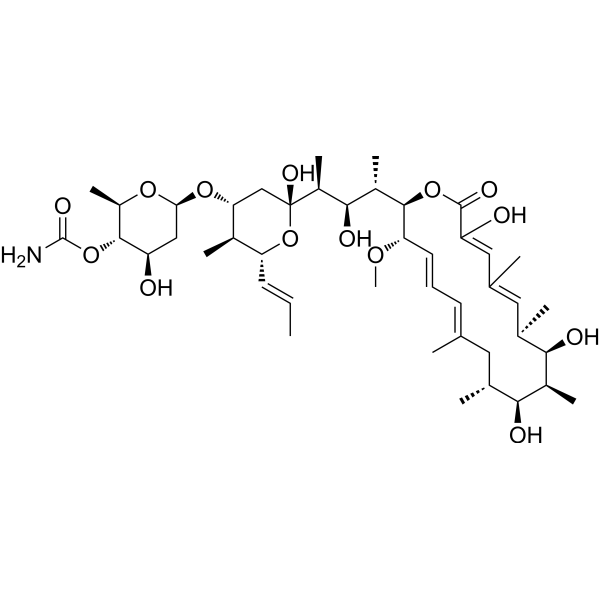 0 ImagesCat. No.: HY-125707CAS No.: 81552-33-2Synonyms: MCH 210Concanamycin B is a macrolide antibiotic, which can inhibit the cavitation type H+-ATPases, and the IC50 value is 5 nM.
-
Concanamycin A (purity≥90%)
 0 ImagesCat. No.: HY-N1724BCAS No.: 80890-47-7Synonyms: Antibiotic X 4357B (purity≥90%); Folimycin (purity≥90%); X 4357B (purity≥90%)Concanamycin A (purity≥90%) (Antibiotic X 4357B) is a macrolide antibiotic, a vacuolar type H+-ATPase (V-ATPase) inhibitor. Concanamycin A (purity≥90%) is also an inhibitor of lysosomal acidification, can be used to T cell-mediated inflammation research-.
-
Malolactomycin C
 0 ImagesCat. No.: HY-N13154CAS No.: 189759-03-3Malolactomycin C (compound 1) is a macrolide antifungal antibiotic isolated from Streptomyces strain KP-3144. Malolactomycin C is an effective inhibitor of Botrytis cinerea and thus controls a variety of plant diseases including gray mold.
-
Pikromycin
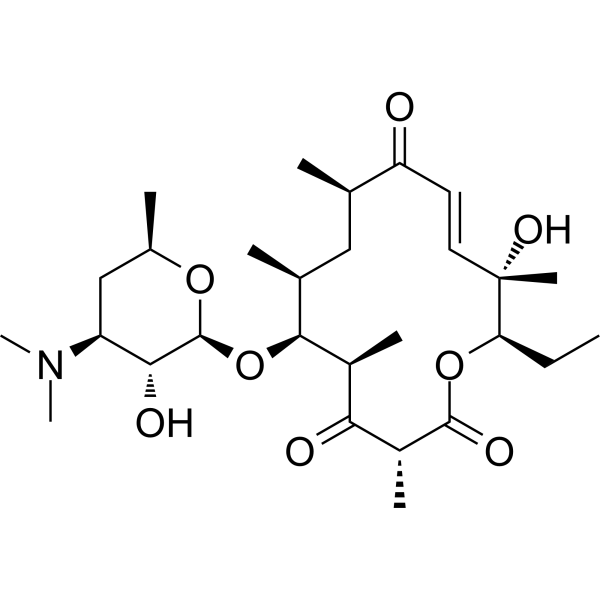 0 ImagesCat. No.: HY-124138CAS No.: 19721-56-3Synonyms: Albomycetin; AmaromycinPikromycin is a macrolide antibiotic that has been found in S. venezuelae and active against E. coli, S. aureus and B. subtilis.



