



Fluorescent Dye
Fluorescence is a phenomenon of photoluminescence in luminescence. When an atom is irradiated by light, some electrons around the nucleus jump from their original orbitals to higher energy orbitals under the influence of light energy, i.e., from the ground state to the first or second excited single-line state, etc. Due to the instability of the first or second excited singlet state, the electron returns from the excited singlet state to the ground state accompanied by released energy, resulting in fluorescence.
Fluorescent dyes can be covalently bound or physically adsorbed in the structure of the substance. The fluorescence properties allow for the characterization, localization and quantitative analysis of the labeled object. Fluorescent dyes have shown great potential for the detection of proteins, nucleic acids, cells, and immunoassays, attributed to the advantages in non-radioactive contamination, simple experimental operation and easy observation.
Fluorescent dyes have penetrated many fields such as pharmacology, physiology, environmental science, and information science, as well as functional studies of proteins and drug screening.
All Product Categories
-
Fluorescent Dye Related Products (4887)
Related Products (4887)

-
Antibodies (4)

-
6-Fluorescein phosphoramidite
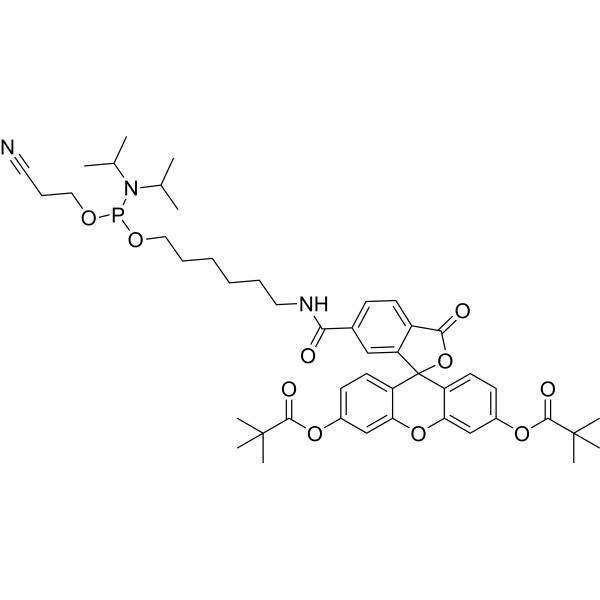 0 Images6-Fluorescein phosphoramidite is a potent fluorescent dye. 6-Fluorescein phosphoramidite can be used to label oligonucleotides.
-
FITC-HA (MW 500000)
 0 ImagesCat. No.: HY-D2836ASynonyms: FITC-Hyaluronate (MW 500000)FITC-HA (MW 500000) is hyaluronic acid (HA) (HY-B0633A) labeled with FITC (HY-66019). FITC-HA retains the ability of HA to bind to receptors (such as CD44) and form extracellular matrices, while it can be detected by fluorescence microscopy or flow cytometry for tracing the localization, binding, internalization and metabolic pathways of HA in cells, tissues or living organisms (Ex/Em ≈ 490/520 nM).
-
PEP azide
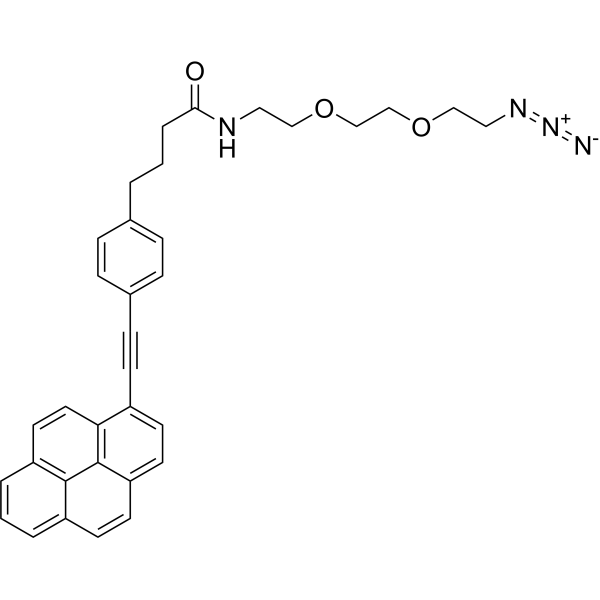 0 ImagesCat. No.: HY-D1313CAS No.: 1807521-02-3PEP azide is a multifunctional dye. Dyes are important tools in biological experiments. They can help researchers observe and analyze cell structures, track biomolecules, evaluate cell functions, distinguish cell types, detect biomolecules, study tissue pathology and monitor microorganisms. Their applications range from basic scientific research to clinical A wide range of diagnostics. Dyes are also widely used in traditional fields such as textile dyeing, as well as in emerging fields such as functional textile processing, food pigments and dye-sensitized solar cells.
-
PE154
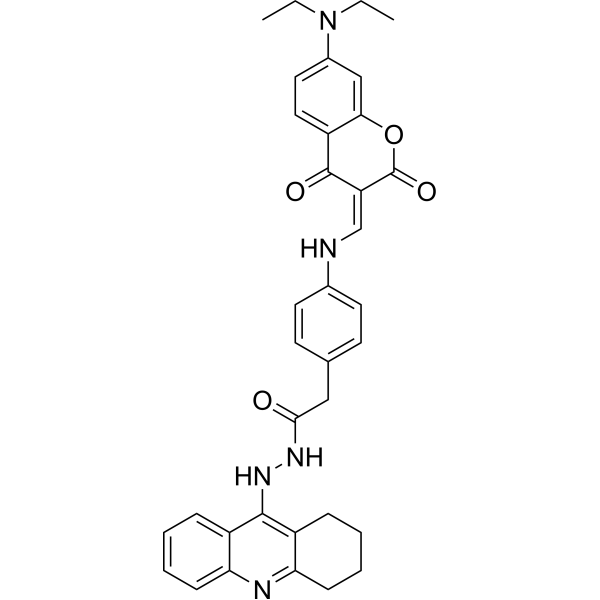 0 ImagesPE154 is a fluorescent probe that binds to Aβ plaques, as well as a potent fluorescent inhibitor of AChE and BChE, with an IC50 of 280 pM against hAChE and 16 nM against hBChE. PE154 is applicable for histochemical detection of Aβ plaques in mouse and human brain tissues. PE154 can be used in research related to Alzheimer's disease.
-
Iodoantipyrine
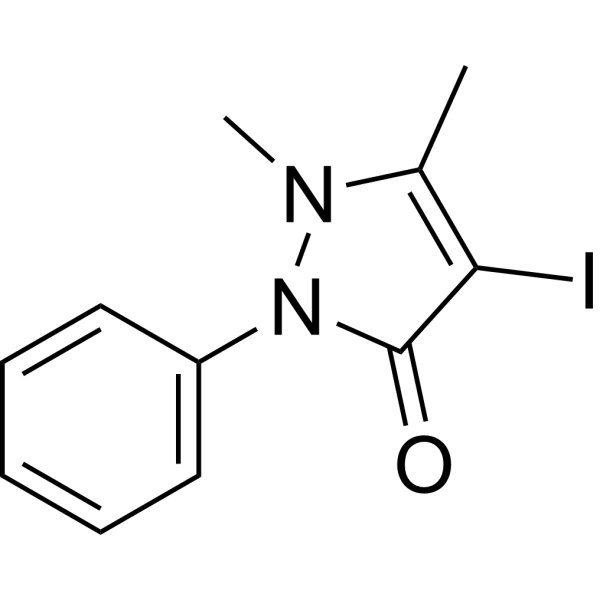 0 ImagesIodoantipyrine (4-Iodoantipyrine) is an iodinated Antipyrine (HY-B0171) with potential antiviral activity. Antipyrine (Phenazone) is an antipyretic and analgesic that also serves as a molecular probe of hepatic oxidative metabolites.
-
Cy3-PEG2-endo-BCN
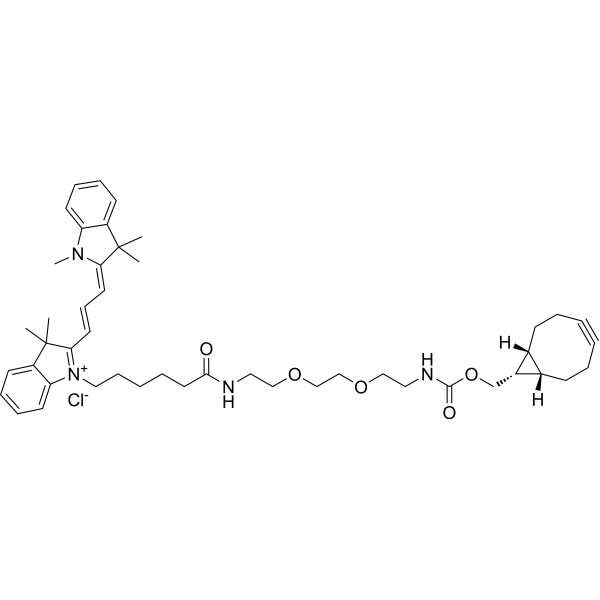 0 ImagesCat. No.: HY-155327CAS No.: 1663449-60-2Cy3-PEG2-endo-BCN is a dye derivative of Cyanine 3 (Cy3) (HY-D0822) containing 2 PEG units. Cy3-PEG2-endo-BCN contains the lyophilic bidentate macrocyclic ligand endo-BCN, which can further synthesize macrocyclic complexes. In click chemistry, endo-BCN can react with molecules containing azide groups to form stable triazoles in the absence of catalysts.
-
7-Fluorobenzofurazan-4-sulfonic acid ammonium
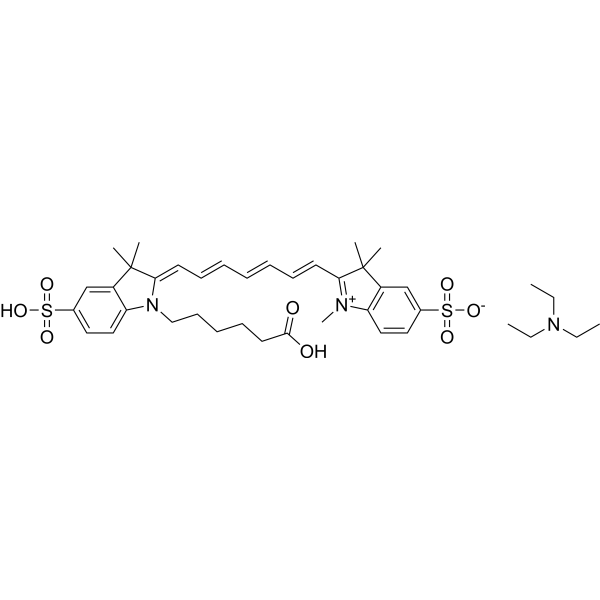
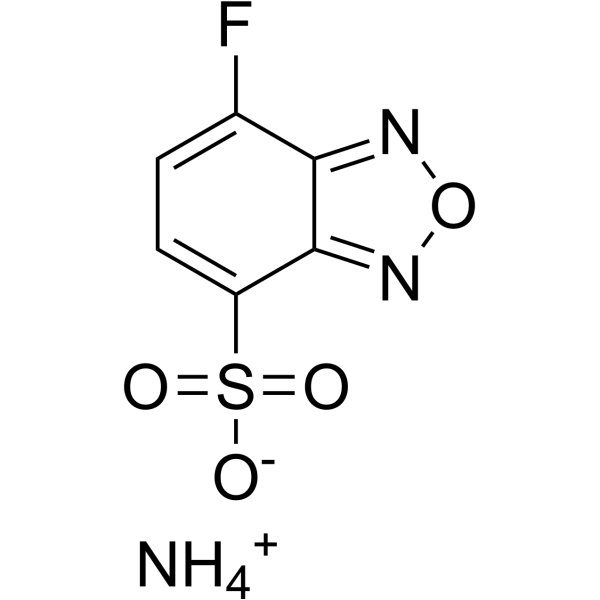 0 Images7-Fluorobenzofurazan-4-sulfonic acid ammonium is a fluorescent label. 7-Fluorobenzofurazan-4-sulfonic acid ammonium can be used for detecting dissolved thiol-disulfide (e.g., Cys, GSH).
-
2,3-Di(furan-2-yl)quinoxaline
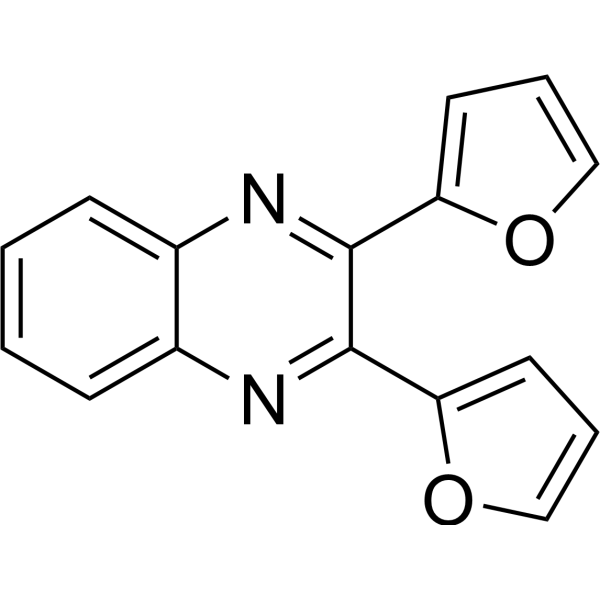 0 Images2,3-Di(furan-2-yl)quinoxaline (Compound 5) is a quinoxaline exhibiting blue fluorescence. 2,3-Di(furan-2-yl)quinoxaline is cell permeable and sufficiently bright at a micromolar concentration (1.5 μM).
-
BODIPY TR-X
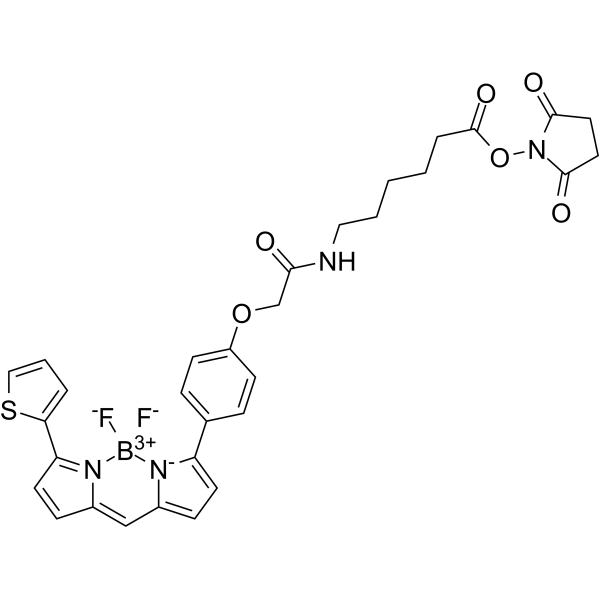 0 ImagesCat. No.: HY-110212CAS No.: 197306-80-2Synonyms: BODIPY TR-X NHS EsterBODIPY TR-X (BODIPY TR-X NHS Ester) is a potent fluorescent dye. BODIPY TR-X can be used to label the primary amines (R-NH2) of proteins, amine-modified oligonucleotides, and other amine-containing molecules. BODIPY TR-X binds to protein or antibody and has bright, red fluorescent light. (λex=545 nm, λem=560 nm).

-
FITC-Polysucrose 400
 0 ImagesCat. No.: HY-179074HFITC-Polysucrose 400 is FITC-labeled Polysucrose 400 (HY-131960). FITC-Polysucrose 400 is mainly used for permeability and microcirculation studies (Ex/Em = 488/525 nm).
-
DAR-4M
 0 ImagesDAR-4M is a fluorescent indicator for nitric oxide (NO) based on the rhodamine chromophore (Ex/Em= 550/572 nm).
-
N-Acetyl-DL-phenylalanine β-naphthyl ester
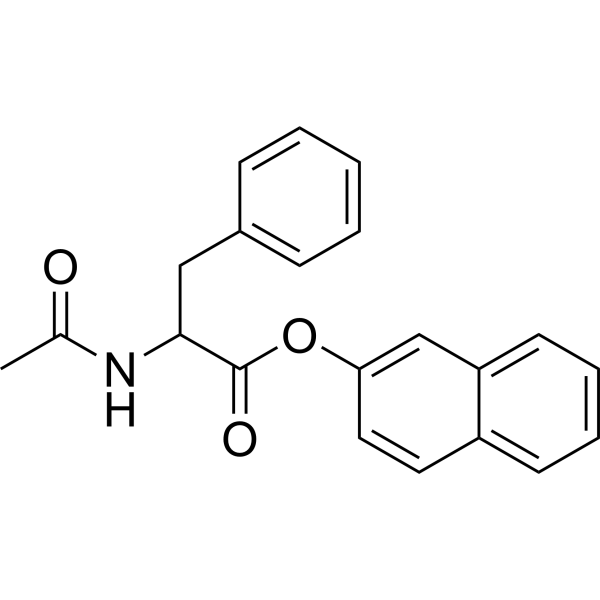 0 ImagesCat. No.: HY-W141825CAS No.: 20874-31-1N-Acetyl-DL-phenylalanine β-naphthyl ester is an aromatic amino acid ester, which functions as a chromogenic substrate for chymotrypsin and microbial serine proteases such as subtilisin.
-
RhoNox-4
 0 ImagesRhoNox-4 is a ferroptosis inhibitor and a fluorescence activation indicator specific to Fe2+. RhoNox-4 selectively reacts with labile Fe2+ and oxidizes it to Fe3+, depleting labile Fe2+ involved in lipid peroxidation and inhibiting ferroptosis induced by ferroptosis inducers. RhoNox-4 is cell-permeable, accumulates in the endoplasmic reticulum and/or Golgi apparatus, can be used for live-cell imaging and high-throughput screening of subcellular iron status regulators, and is applicable to iron biology research.
-
ATTO 590 biotin
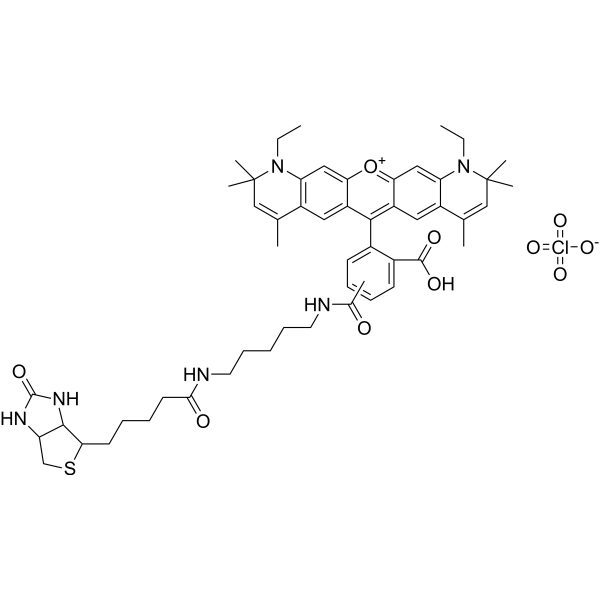 0 ImagesCat. No.: HY-D1942CAS No.: 2243123-45-5ATTO 590 Biotin is a biotin derivative of ATTO 590 with maximum excitation/emission wavelengths: 594/622 nm.
-
Oxonol 595
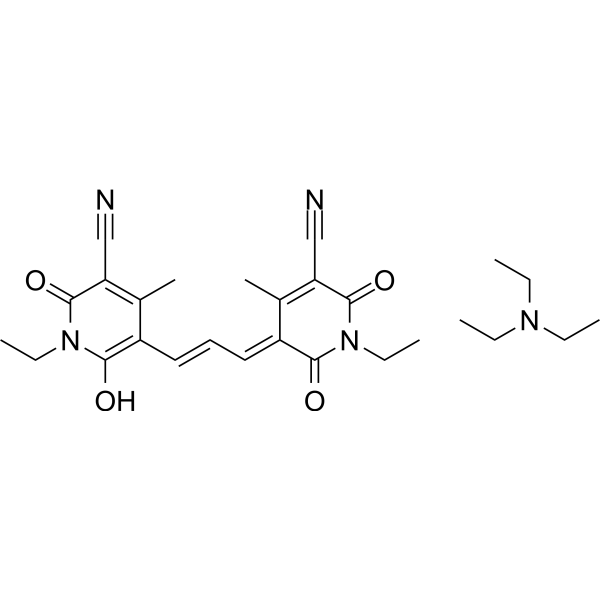 0 ImagesOxonol 595 is a voltage-sensitive fluorescent dye.




