



Herbicide
Herbicide
Herbicides refer to the agents that can completely or selectively cause the death of weeds, and they are also known as weed killers. Herbicides are divided into inorganic compound types and organic synthetic types. Herbicides should possess characteristics such as high efficiency, selectivity, and convenience in use. Some herbicides, such as paraquat, can function by inhibiting the photosynthesis of weeds, blocking the photosynthetic electron transfer or inhibiting the synthesis of photosynthetic pigments. Some herbicides, such as naphthalene acetic acid, can interfere with the hormonal balance of plants, leading to abnormal growth and death of weeds. There are also some herbicides that can inhibit plant cell division or amino acid synthesis. Herbicides are widely applied in agricultural farmlands, garden green spaces, along roads and railways, industrial sites, etc., to control weeds, so as to ensure the growth of crops, maintain the landscape environment, and reduce potential safety hazards such as fires[1][2].
All Product Categories
-
Herbicide Related Products (547)
Related Products (547)

-
Bialaphos sodium
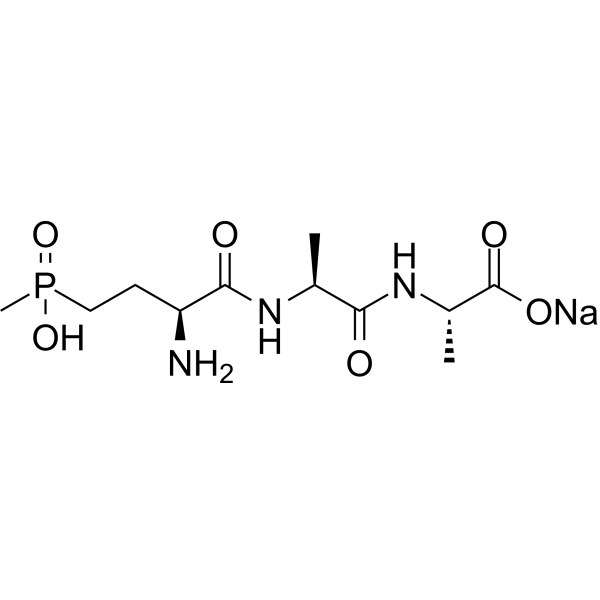 0 ImagesSynonyms: SF-1293 sodiumBialaphos (SF-1293) sodium is a phosphinothricinylalanylalanine. Bialaphos sodium also acts as a precursor of herbicides and antibacterial agents. After entering bacterial or plant cells, Bialaphos sodium is converted into phosphinothricin, an inhibitor of glutamine synthetase.

-
Metazachlor
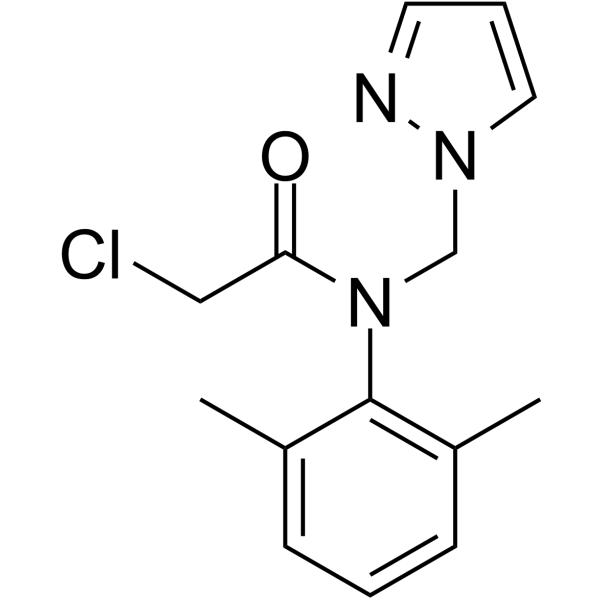 0 ImagesSynonyms: BAS 479HMetazachlor (BAS 479H) is a herbicide belonging to the chloroacetamides class. Metazachlor can inhibit the synthesis of very long chain fatty acids during the germination and emergence of weed seeds, thereby interfering with cell division and tissue differentiation, and thus hindering the normal growth and development of weeds.
-
Terbuthylazine
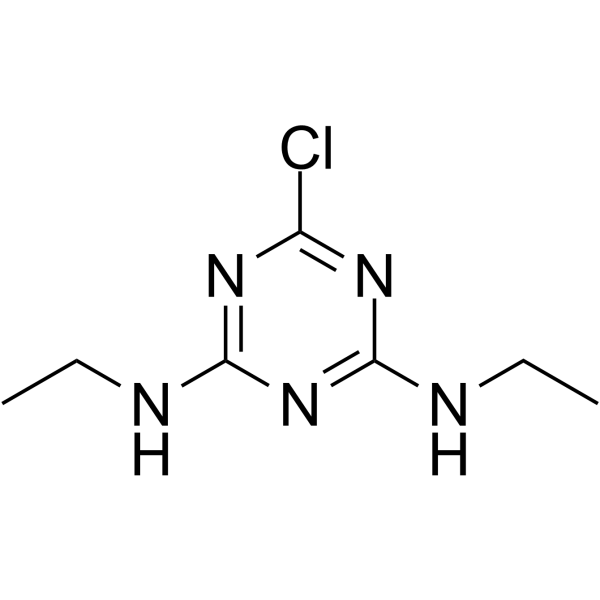
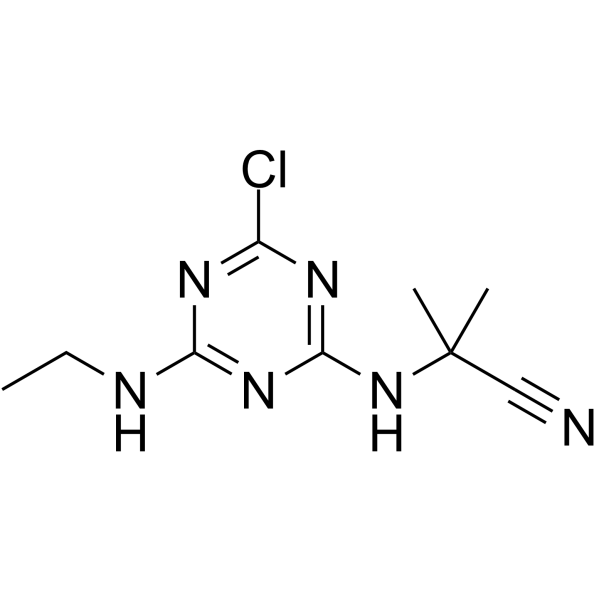
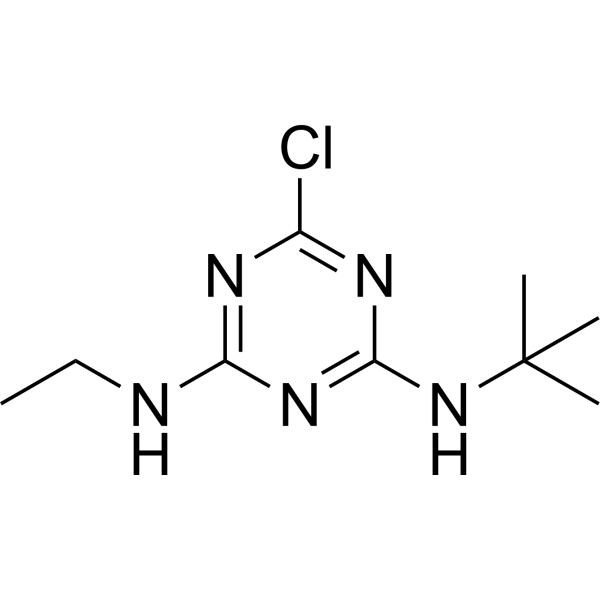 0 ImagesTerbuthylazine is an inhibitor of acetolactate syntase (ALS), is a selective herbicide. Terbuthylazine blocks electron transport in photosystem II via interaction with the D1-protein.
-
Bispyribac sodium
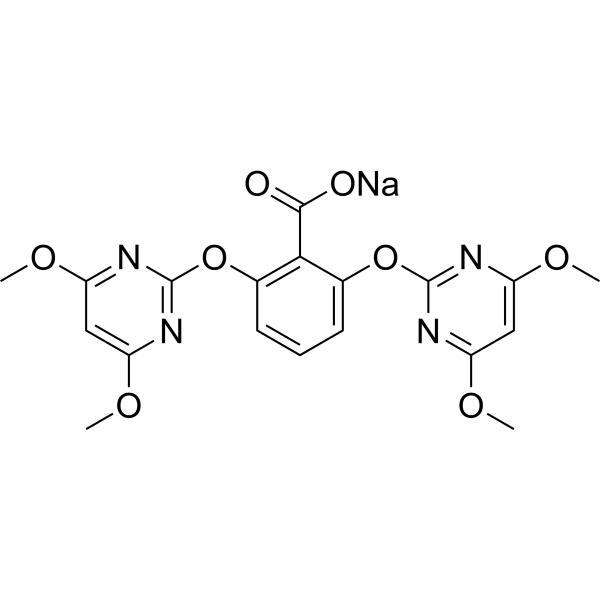 0 ImagesBispyribac sodium is a selective, orally active, systemic and post-emergence herbicide. Bispyribac sodium reduces SOD levels and inhibits ALS activity. Bispyribac sodium blocks the biosynthesis of branched-chain amino acids, resulting in growth retardation, chlorosis and necrosis of weeds. Bispyribac sodium exerts herbicidal activity against grass, sedge and broadleaf weeds in rice fields. Bispyribac sodium is hepatotoxic and genotoxic.
-
Chlorimuron-ethyl
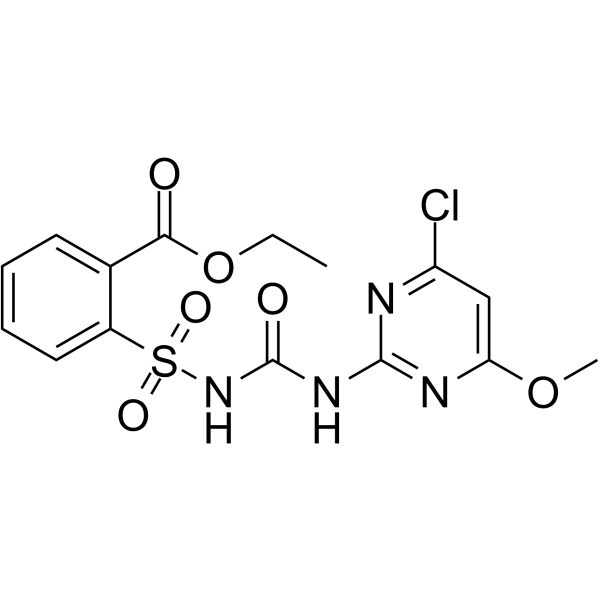 0 ImagesCat. No.: HY-W040262CAS No.: 90982-32-4Chlorimuron-ethyl induces oxidative stress. Chlorimuron-ethyl is an important herbicide that has been widely used in soybean production.
-
Amicarbazone
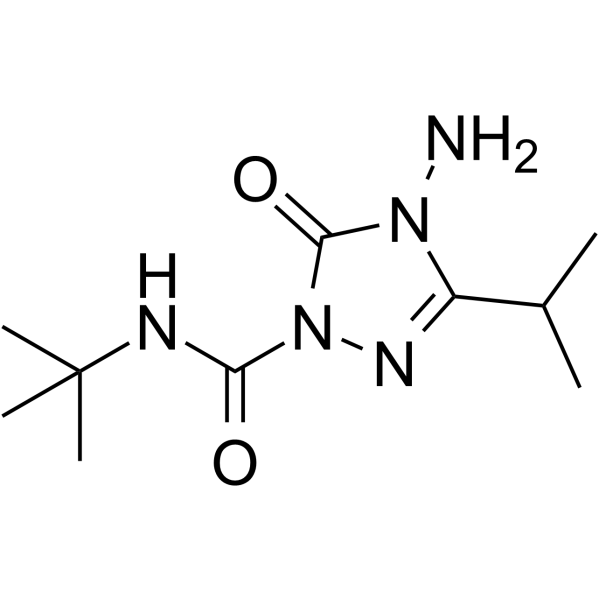 0 ImagesSynonyms: BAY314666; BAY-MKH 3586Amicarbazone (BAY-MKH3586; BAY314666) acts as a potent inhibitor of photosynthetic electron transport by binding to the Qb domain of photosystem II (PSII); it is a herbicide with broad-spectrum weed control activity.
-
MCPA
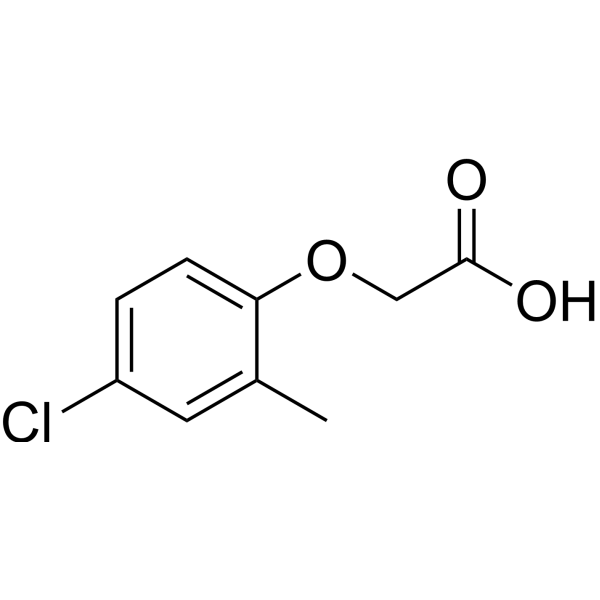 0 ImagesMCPA is an orally active phenoxyacetic acid herbicide. MCPA interferes with membrane integrity, energy metabolism (decreases ATP levels), and redox balance in plant cells. MCPA increases hepatic cytochrome P-450 levels and increases aniline hydroxylase and 7-ethoxycoumarin O-deethylase activities. MCPA can be used to control broadleaf weeds.
-
Triallate
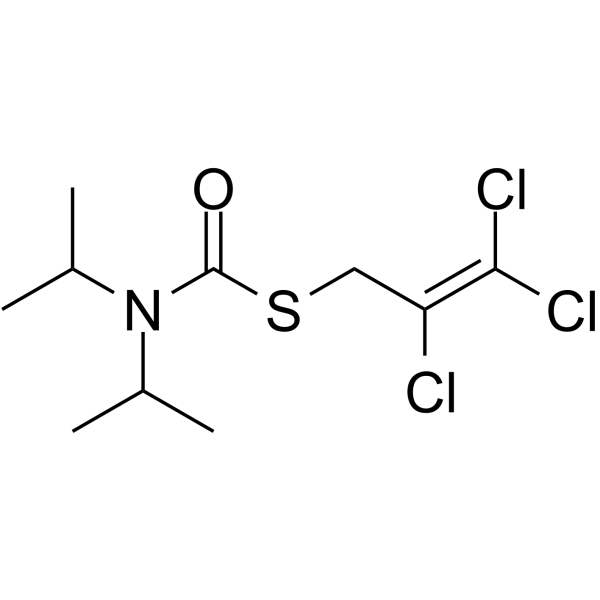 0 ImagesTriallate is a selective thiocarbamate herbicide. Triallate regulates the biosynthesis of very-long-chain fatty acids and inhibits the elongation and division of plant cells. Triallate is used to control wild oats in barley, spring wheat, durum wheat, winter wheat and sugar beets.

-
Atrazine (Standard)
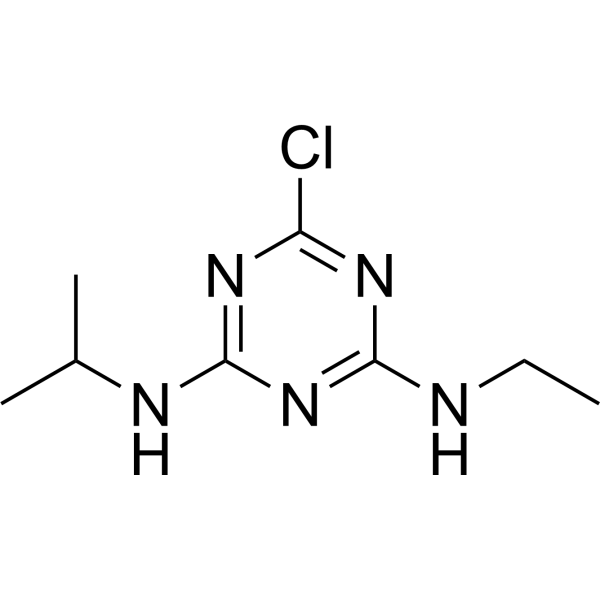 0 ImagesAtrazine (Standard) is the analytical standard of Atrazine. This product is intended for research and analytical applications. Atrazine is principally used for control of certain annual broadleaf and grass weeds. Atrazine inhibits photophosphorylation but typically does not result in lethality or permanent cell damage in the short term.
-
Oxyfluorfen
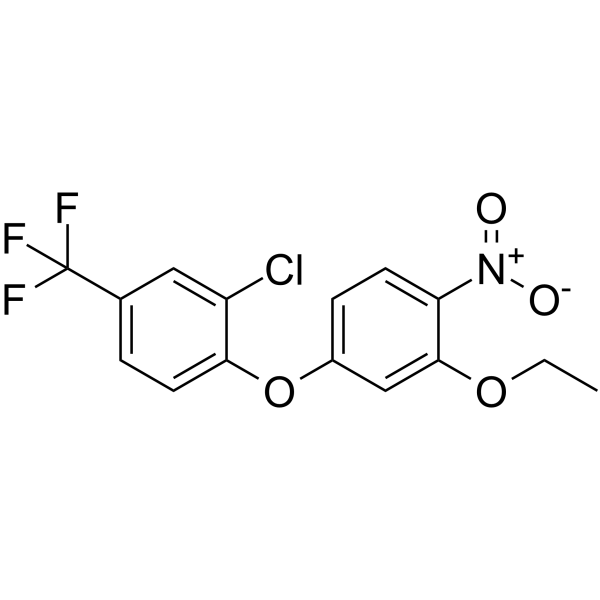 0 ImagesOxyfluorfen is a pre- and post-emergence diphenyl ether herbicide to control annual broad-leaved and grass weeds. Oxyfluorfen is a protoporphyrinogen oxidase inhibitor and inhibits photosynthesis by blocking chlorophyll synthesis. Oxyfluorfen can inhibit cell growth. Oxyfluorfen induces DNA damage and exhibits toxicity toward aquatic organisms such as Paramisgurnus dabryanus. Oxyfluorfen has genome-level deleterious effects on fish that can lead to stunted skeletal growth. Oxyfluorfen induces transverse limb deficiency or craniosynostosis.
-
Diflufenican
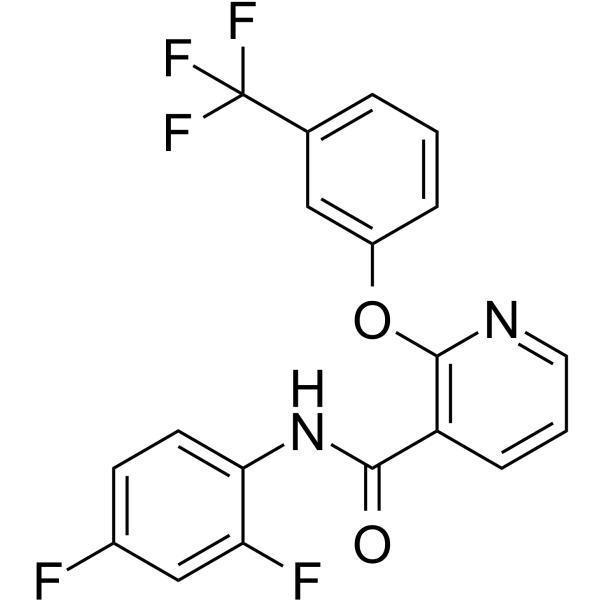 0 ImagesDiflufenican is a Herbicide. Diflufenican inhibits phytoene desaturase (PDS) in the carotenoid synthesis pathway. Diflufenican suppresses the production of PDS, blocks carotenoid biosynthesis, thereby inducing chlorophyll destruction and cell membrane rupture, and ultimately causes the death of broadleaf weeds. The combination of Diflufenican and Flufenacet can be used to control Lolium rigidum populations resistant to ALS/ACCase.
-
Epyrifenacil
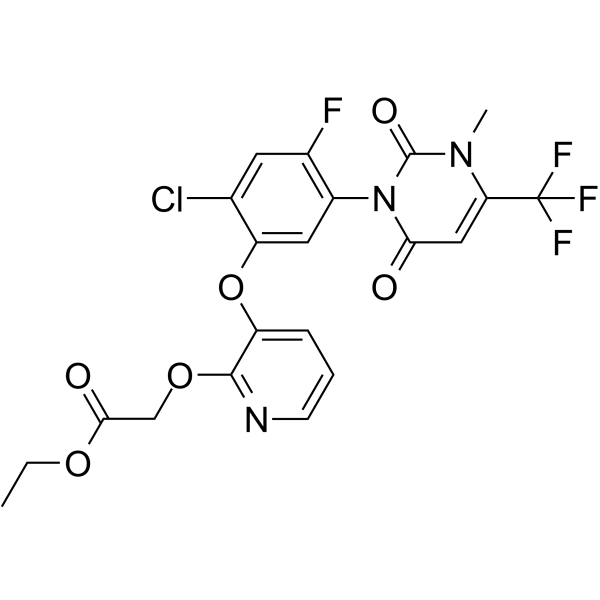 0 ImagesEpyrifenacil is a protoporphyrinogen oxidase (PPO) inhibiting herbicide, potently targeting the PPO2 isoform from weeds such as Amaranthus palmeri with an IC50 of 0.637 nM. Epyrifenacil also inhibits liver mitochondrial PPO across species, with IC50 values of 2.2 nM (mouse), 2.6 nM (rat), 12.1 nM (rabbit), 7.6 nM (dog), and 10.2 nM (human). Epyrifenacil induces liver tumor development in mice. Epyrifenacil can be used for weed control, and also used as a tool compound in toxicological research to study the mechanism of PPO inhibition, chemical-induced hepatotoxicity, and the mode of action of non-genotoxic carcinogens in rodents[3].
-
Neral
 0 ImagesCat. No.: HY-W923189CAS No.: 106-26-3Neral is a plant-derived anti-inflammatory, antioxidant and anticancer agent. Neral inhibits the phosphorylation of ERK1/2, p38 MAPK and IκB in macrophages induced by LPS (HY-D1056), suppresses the secretion of TNF-α and IL-6, as well as the expression of pro-IL-1β, iNOS and COX-2 in cells, and reduces the production of ROS in cells. Neral inhibits the activation of the NLRP3 inflammasome, and decreases the activation of caspase-1 and the secretion of IL-1β in mouse macrophages. Neral induces autophagy, and exhibits antiproliferative activity both in in vitro breast cancer cell models and mouse xenograft models. Neral regulates brassinosteroid, jasmonic acid and ethylene signaling pathways, and induces the expression of AP2/ERF-ERF and bHLH family genes in rice roots. Neral acts as a herbicide safener, alleviates the damage induced by Fenoxaprop-P-ethyl (HY-B2013), and promotes the elongation of rice roots. Neral can be used in research related to breast cancer, inflammatory and immune system diseases, and herbicide safeners.
-
Fomesafen
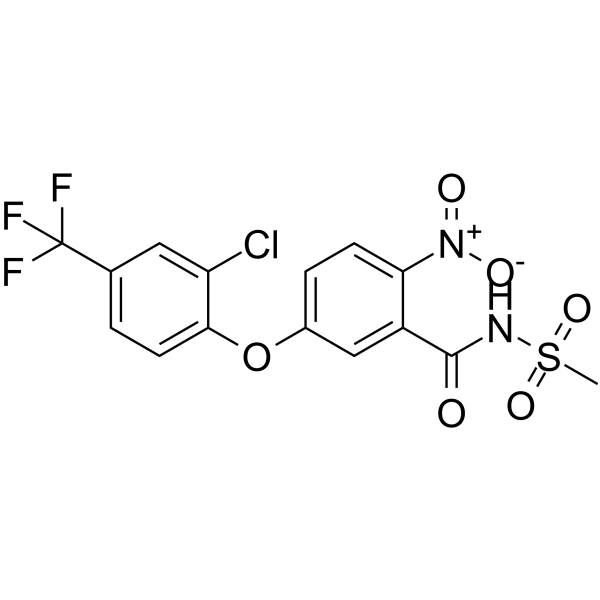 0 ImagesFomesafen is an orally active herbicide. Fomesafen inhibits protoporphyrinogen oxidase (PPO). Fomesafen induces Apoptosis and increases ROS. Fomesafen exhibits developmental toxicity, immunotoxicity, and neurotoxicity. It induces precancerous lesions in the liver and hepaturoporphyria in mice. Fomesafen is used to control broadleaf weeds in soybean fields, rubber plantations, and orchards.



