



Isotope-Labeled Compounds
Isotope-labeled compounds are chemical substances in which some atoms in their molecules are replaced by isotope atoms. The range of stable isotope products can cover from gases to complex molecules. Isotope-labeled compounds could provide a site-specific investigation of structures, making molecules easily detectable by mass spectrometry and NMR, and maintaining the physico-chemical properties of the target molecule at the same time.
MCE isotope-labeled compounds are all stable isotope-labeled compounds and are non-radioactive labeled substances. MCE isotope-labeled compounds are unique tools for identifying and understanding biological and chemical processes. Stable isotope-labeled products are now getting more and more popular among scientists. The scope of application is gradually penetrating into various scientific fields, such as life sciences, food and medicine, agriculture, environment, geology, etc. Stable isotope-labeled compounds have a wide range of applications in the Life Science areas, such as Metabolomics, Proteomics, Clinical studies, Deuterium drugs, etc.
All Product Categories
-
Isotope-Labeled Compounds 관련 제품 (11128)
관련 제품 (11128)

-
Butylparaben-d4
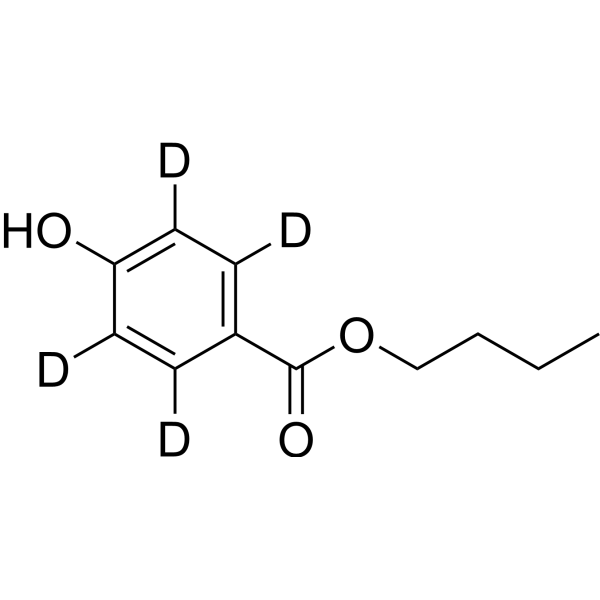 0 ImagesSynonyms: Butyl parahydroxybenzoate-d4; Butyl paraben-d4; Butyl 4-hydroxybenzoate-d4Butylparaben-d4 is the deuterium labeled Butylparaben. Butylparaben is an organic compound, has proven to be a highly successful antimicrobial preservative in cosmetics, also used in medication suspensions, and as a flavoring additive in food.
-
POPEth-d5
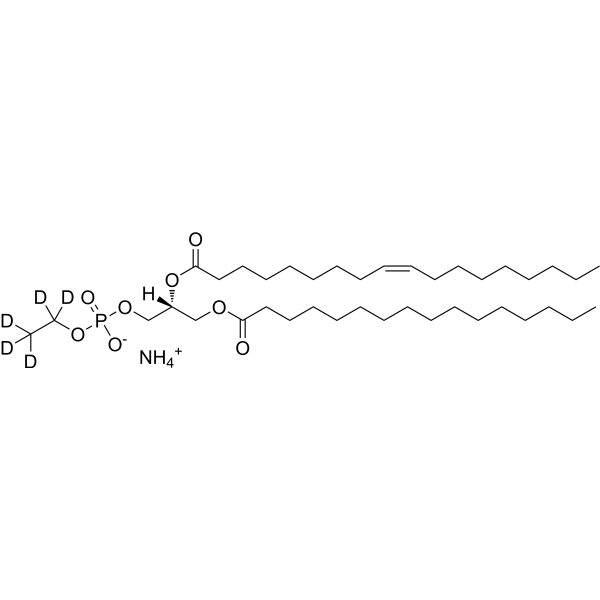 0 ImagesCat. No.: HY-146952SCAS No.: 1612140-92-7POPEth-d5 is deuterium labeled POPEth.
-
Thymidine-13C5
 0 ImagesSynonyms: DThyd-13C5; NSC 21548-13C5
-
(S)-Adenosylmethionine decarboxylated-d3 (sulfuric)
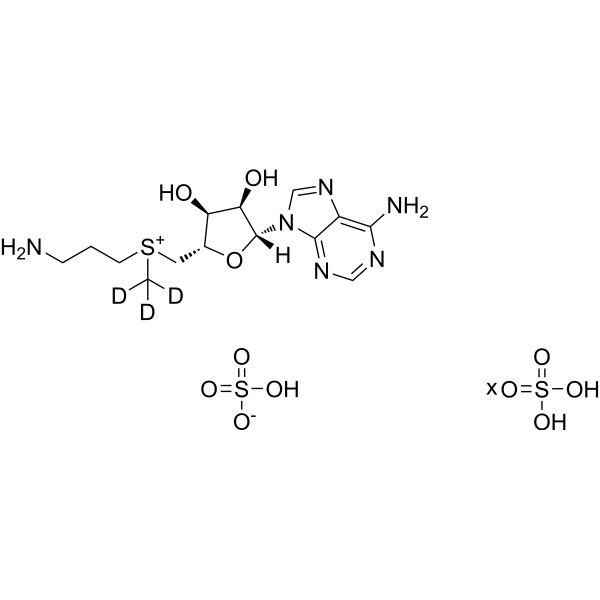 0 ImagesCat. No.: HY-133158S(S)-Adenosylmethionine decarboxylated-d3 (sulfuric) is the deuterium labeled (S)-Adenosylmethionine decarboxylated sulfuric.
-
4-Methylimidazole-d6
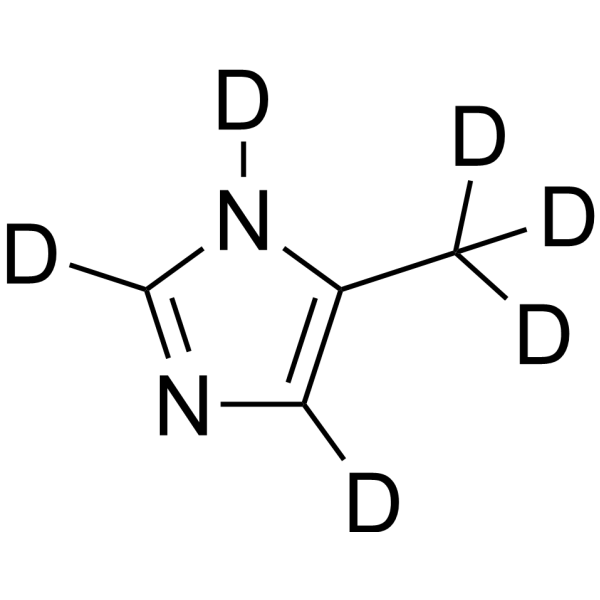 0 Images4-Methylimidazole-d6 is the deuterium labeled 4-Methylimidazole.
-
Ethyl glucuronide-d5
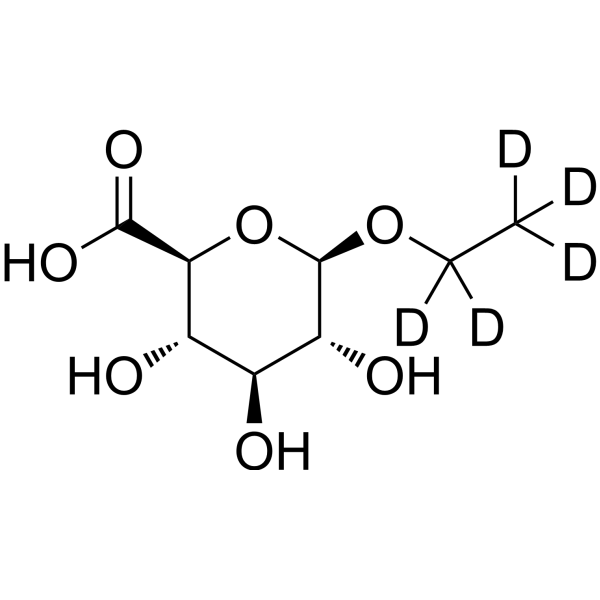 0 ImagesCat. No.: HY-113093SCAS No.: 1135070-98-2Ethyl glucuronide-d5 is the deuterium labeled Ethyl glucuronide (HY-113093). Ethyl glucuronide is an endogenous metabolite. Ethyl glucuronide is the metabolite of ethanol. Ethyl glucuronide is a biomarker for ethanol exposure that accumulates in hair and reflects the alcohol intake over a time period. Ethyl glucuronide is the agonist for TLR4.
-
1,2-Dioleoyl-sn-glycero-3-phosphocholine-d9
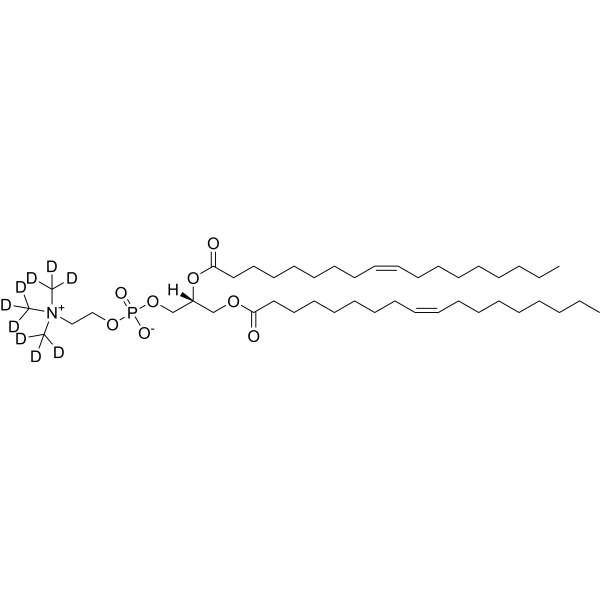 0 ImagesCat. No.: HY-113424ASPurity: 98.0%Synonyms: DOPC-d91,2-Dioleoyl-sn-glycero-3-phosphocholine-d9 is deuterium labeled 1,2-Dioleoyl-sn-glycero-3-phosphocholine. 1,2-Dioleoyl-sn-glycero-3-phosphocholine (DOPC) is a phospholipid and is commonly used alone, or with other components, in the generation of micelle
-
Linoleoyl ethanolamide-d4
 0 ImagesLinoleoyl ethanolamide-d4 is a deuterated labeled Linoleoyl ethanolamide. Linoleoyl ethanolamide (Linoleic acid monoethanolamide) is classified as a fatty acid ethanolamide. Linoleoyl ethanolamide only weakly binds G-protein-coupled cannabinoid receptors of type-1(CB1)and CB2 receptors, and inhibits the binding of [3H]CP-55,940 with Kis of 10 and 25 μM, respectively. Linoleoyl ethanolamide is 4-fold less potent than anandamide at causing catalepsy in mice and it does not prolong sleep time.
-
Ribitol-1-13C
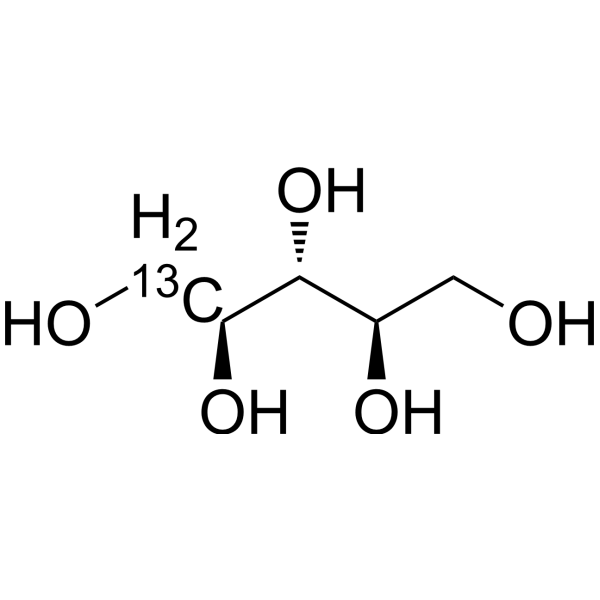 0 ImagesCat. No.: HY-100582SPurity: 99.51%Synonyms: Adonitol-1-13C; Adonite-1-13C; BBP-418-1-13CRibitol-1-13C is the 13C labeled Ribitol. Ribitol is a crystalline pentose alcohol formed by the reduction of ribose. Enhancing the flux of D-glucose to the pentose phosphate pathway in Saccharomyces cerevisiae for the production of D-ribose and ribitol.
-
4-Methylpentanoic acid-d12
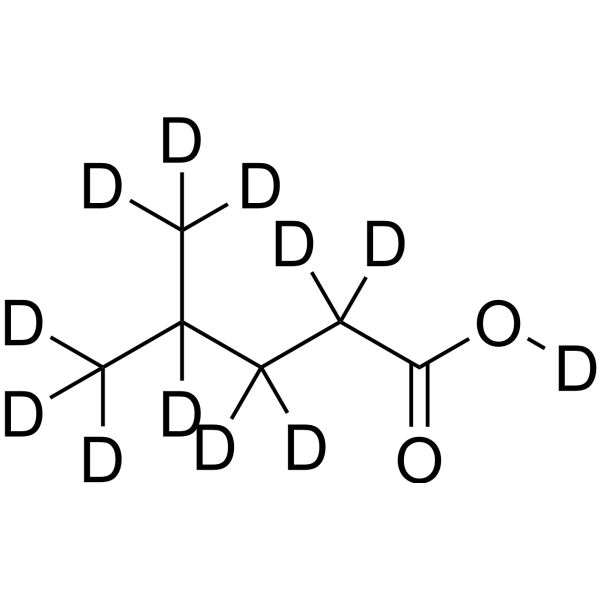 0 ImagesSynonyms: Isocaproic acid-d124-Methylpentanoic acid-d12 (Isocaproic Acid-d12) is the deuterium labeled 4-Methylpentanoic acid. 4-Methylpentanoic acid is a short-chain fatty acid and a metabolite of 20 α-hydroxycholesterol (HY-12316) that can be detected in feces. The concentration of 4-Methylpentanoic acid is closely associated with several diseases, such as depression. 4-Methylpentanoic acid is also applicable to studies on cholesterol metabolism.
-
(±)-cis-Sertraline-d3 hydrochloride
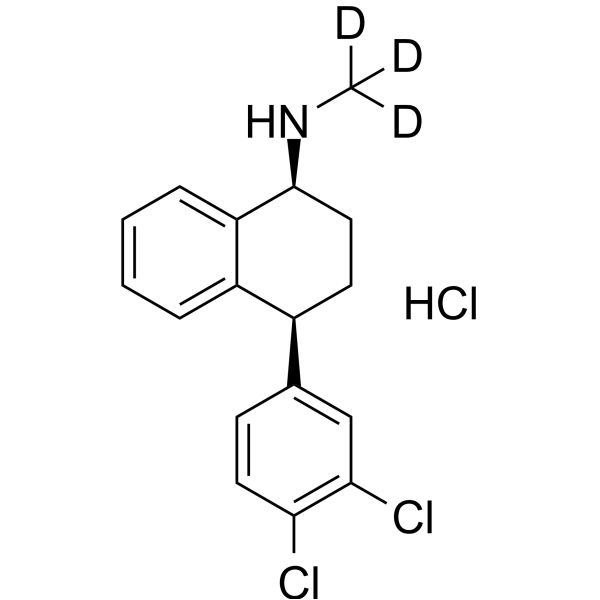 0 Images(±)-cis-Sertraline-d3 (hydrochloride) is the deuterium labeled Sertraline hydrochloride. Sertraline hydrochloride is an antidepressant of the selective serotonin reuptake inhibitor (SSRI) class. Sertraline hydrochloride is researched for a number of diseases, such as major depressive disorder and obsessive.
-
Folic acid-d2
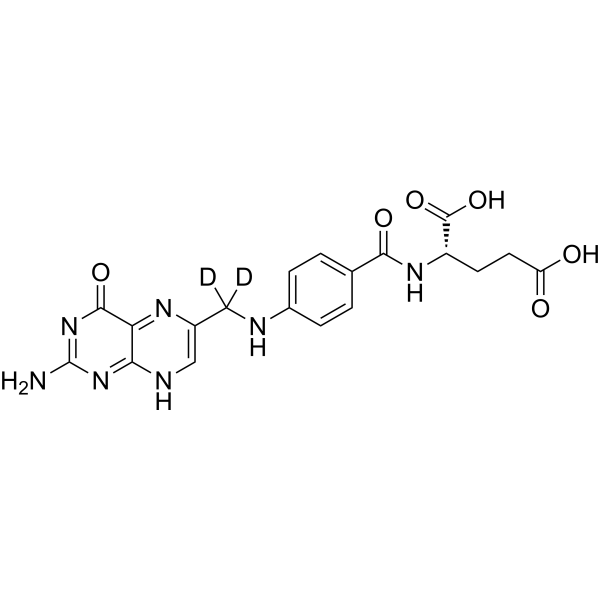 0 ImagesCat. No.: HY-16637SCAS No.: 69022-87-3Synonyms: Vitamin B9-d2; Vitamin M-d2Folic acid-d2 (Vitamin B9-d2) is the deuterium labeled Folic acid. Folic acid (Vitamin M; Vitamin B9) is a B vitamin; is necessary for the production and maintenance of new cells, for DNA synthesis and RNA synthesis.
-
Pyridoxal-d3 hydrochloride
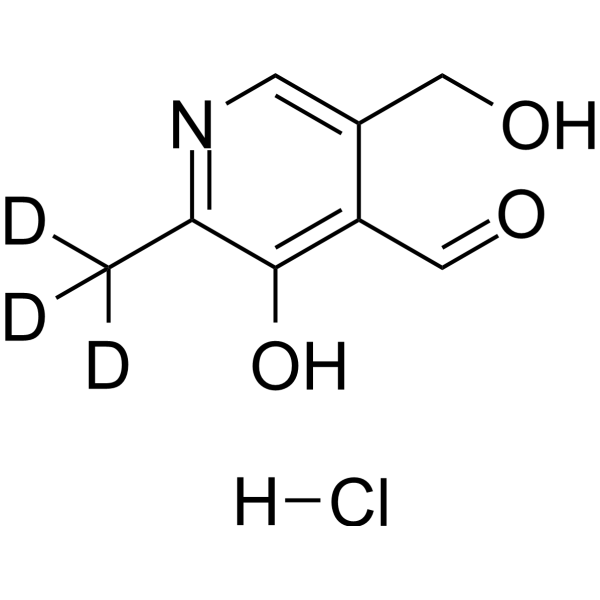 0 ImagesSynonyms: Pyridoxaldehyde-d3 hydrochloridePyridoxal-d3 (hydrochloride) is the deuterium labeled Pyridoxal hydrochloride.
-
D-(-)-Lactic acid-13C
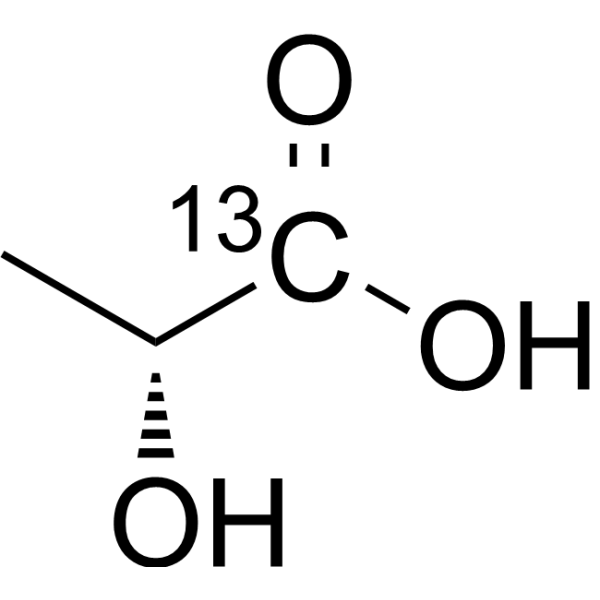 0 ImagesSynonyms: (R)-2-Hydroxypropionic acid-13C; D-Lactic acid-13CD-(-)-Lactic acid-13C ((R)-2-Hydroxypropionic acid-13C) is a 13C-labeled D-Lactic acid. D-(-)-Lactic acid-13C can be used as an internal standard and can also be used in studies such as metabolic tracing.
-
cis-Urocanic acid-13C3
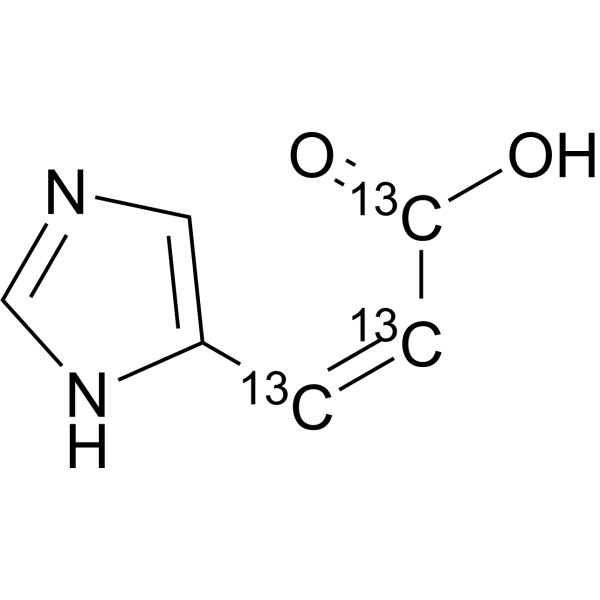 0 ImagesCat. No.: HY-113008ASPurity: 99.46%Synonyms: (Z)-Urocanic acid-13C3; cis-UCA-13C3cis-Urocanic acid-13C3 is the 13C-labeled cis-Urocanic acid. cis-Urocanic acid is a 5-HT2A receptor agonist. cis-Urocanic acid binds to 5-HT receptor with relatively high affinity (Kd=4.6 nM). cis-Urocanic acid is an immune modulator that induces immunosuppression by binding to the 5-HT2A receptor.
-
Ramipril-d5
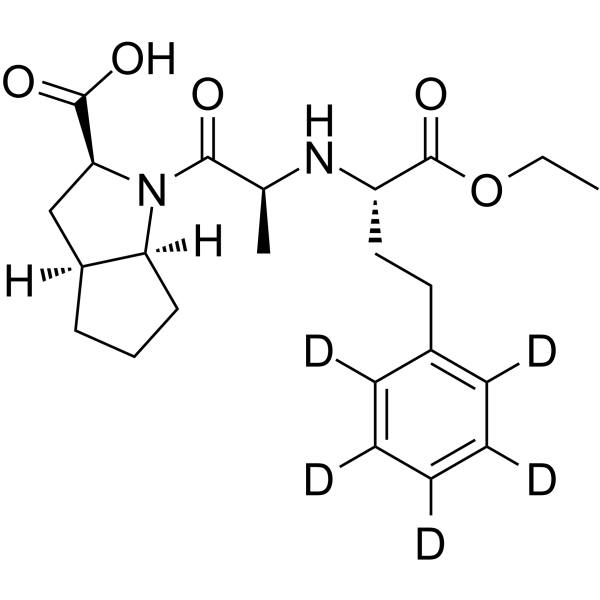 0 ImagesSynonyms: HOE-498-d5Ramipril-d5 is the deuterium labeled Ramipril. Ramipril (HOE-498) is an angiotensin-converting enzyme (ACE) inhibitor with IC50 of 5 nM.
-
S-Benzyl-DL-cysteine-2,3,3-d3
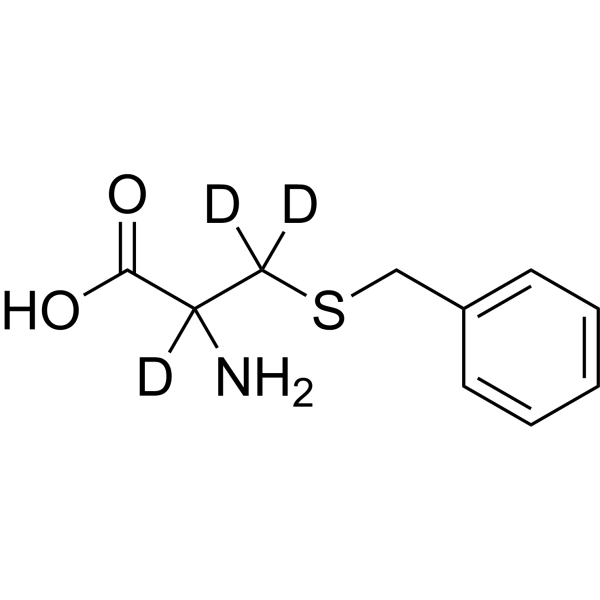 0 ImagesCat. No.: HY-144354SCAS No.: 51494-04-3S-Benzyl-DL-cysteine-2,3,3-d3 is a deuterium labeled Benzylcysteine. Benzylcysteine is an ASCT2 inhibitor that binds to ASCT2 with an apparent Ki of 780 μM. Benzylcysteine inhibit ASCT2 function based on a competitive mechanism, indicating that Benzylcysteine binds to the substrate-binding site of ASCT2.
-
Diuron-d6
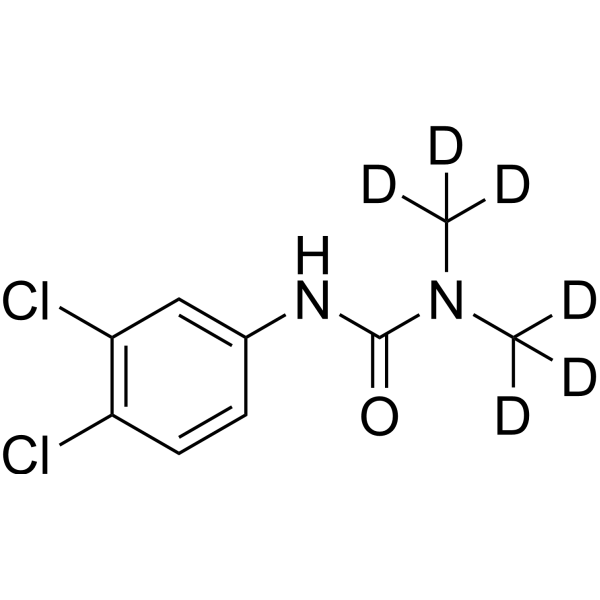 0 ImagesDiuron-d6 is the deuterium labeled Diuron (HY-B0860). Diuron is an orally active phenylurea herbicide. Diuron inhibits photosynthesis in plants by blocking the formation of ATP and NADH. Diuron increases the production of ROS. Diuron increases expression of p53 in certain cell lines. Diuron has herbicidal activity against annual and perennial broadleaf weeds and grass weeds. Diuron promotes DMBA/BBN-induced bladder cancer. Diuron can be used in breast cancer research.
-
Adipic acid-d4
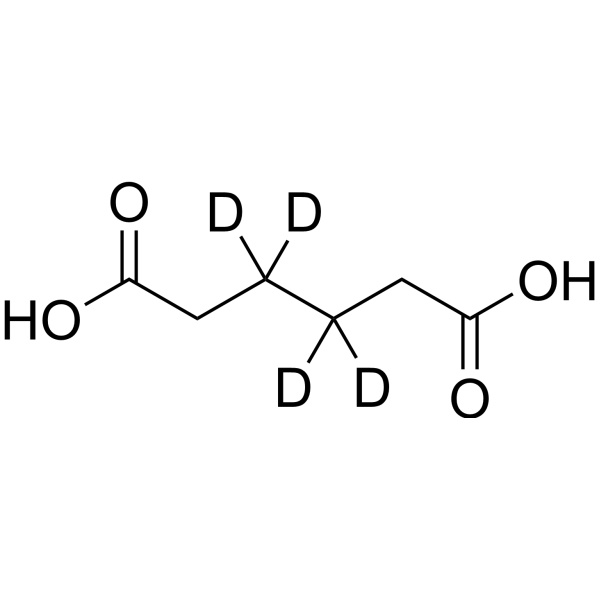 0 ImagesSynonyms: Hexanedioic acid-d4Adipic acid-d4 (Hexanedioic acid-d4) is the deuterium labeled Adipic acid (HY-W017522). Adipic acid (Hexanedioic acid) is an orally active compound with anti-HSV-1 activity. Adipic acid has low toxicity and can be used as a food additive and a gelling agent. Adipic acid can also be used in the synthesis of lubricants, artificial resins, plastics, etc.
-
DL-Glutamic acid-d5
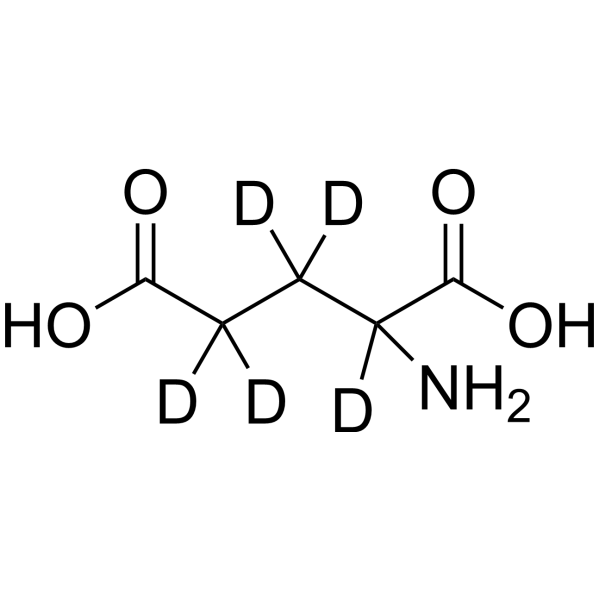 0 ImagesDL-Glutamic acid-d5 is the deuterium labeled DL-Glutamic acid. DL-Glutamic acid is the conjugate acid of Glutamic acid, which acts as a fundamental metabolite. Comparing with the second phase of polymorphs α and β L-Glutamic acid, DL-Glutamic acid presents better stability.



