Search Result
Results for "
Selective drug delivery
" in MedChemExpress (MCE) Product Catalog:
15
Biochemical Assay Reagents
| Cat. No. |
Product Name |
Target |
Research Areas |
Chemical Structure |
-
- HY-W020780
-
|
mPEG5000-Maleimide
|
Biochemical Assay Reagents
|
Cancer
|
|
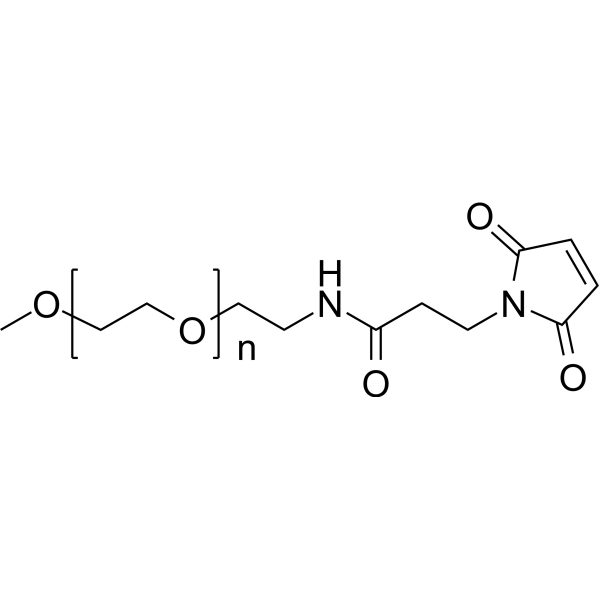
mPEG5000-Mal (mPEG5000-Maleimide) is a PEG-derived selective covalent binding agent for sulfhydryl groups (RSGs), which can form irreversible thioether bonds with sulfhydryl groups under near-neutral conditions via the maleimide group. The mechanism of action of mPEG5000-Mal can be divided into two categories: firstly, as an enzyme modifier, it binds to target proteins through hydrophobic interactions, hydrogen bonds, and van der Waals forces, altering the protein's secondary structure; secondly, as a nanoparticle surface modifier, it covalently binds to sulfhydryl groups on the surface of red blood cells, changing the surface properties and morphology of the red blood cells, leading to their phagocytosis by macrophages of the reticuloendothelial system. mPEG5000-Mal can react with free cysteine in proteins, increasing the apparent molecular weight of the modified protein by 10-15 kDa for detection purposes. mPEG5000-Mal can enhance the thermal stability and catalytic activity of enzymes, and improve the macrophage targeting of nanoparticles, enabling targeted drug delivery. mPEG5000-Mal can be applied in enzyme engineering research in the food industry and in oncology, assisting radiotherapy by inhibiting tumor-associated macrophage infiltration and enhancing anti-tumor immune responses .
|
-
-
- HY-104086
-
|
CB7; Carrier CB7
|
Biochemical Assay Reagents
|
Others
|
|
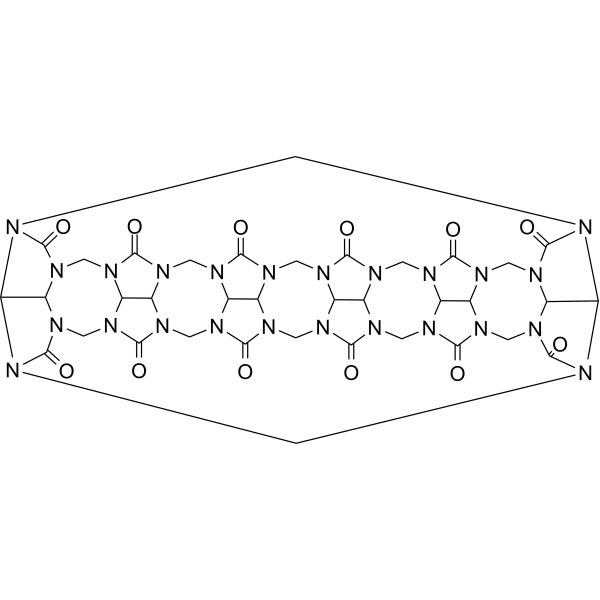
Cucurbit[7]uril is a cyclic organic molecule consisting of seven glycoluril units linked by methylene bridges. It has a rigid barrel-like structure with two identical inlets at both ends to selectively encapsulate guest molecules of appropriate size, shape, and polarity. Cucurbit[7]uril is known for its high binding affinity for a variety of organic and inorganic guests, including drugs, amino acids, peptides, and metal ions. This property makes them promising candidates for various applications in areas such as drug delivery, catalysis, and sensing.
|
-
-
- HY-W068119A
-
|
2-Maleimidoethylamine hydrochloride
|
Biochemical Assay Reagents
|
Cancer
|
|
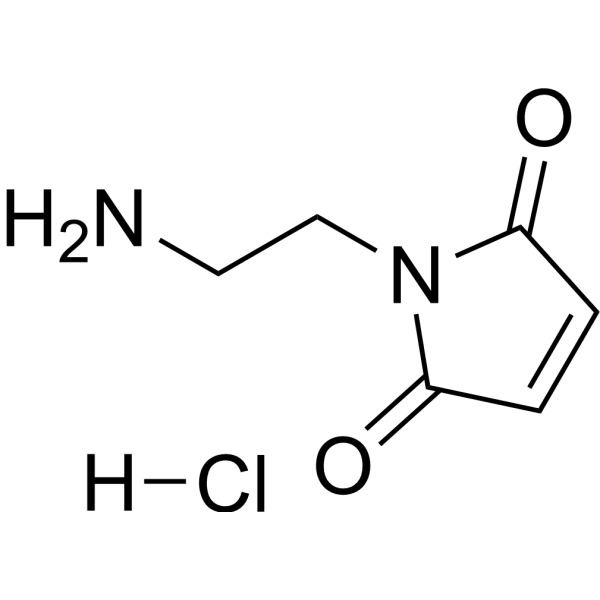
N-(2-Aminoethyl)maleimide (2-Maleimidoethylamine) hydrochloride is a selective covalent binding agent for thiol groups (RSGs), covalently binding to thiols via an irreversible thioether bond to prepare MMP-2-sensitive nanosystems. Under near-neutral conditions, the maleimide group in N-(2-Aminoethyl)maleimide hydrochloride binds to thiol groups via a nucleophilic addition reaction, and can be used to modify polymers or biological interfaces, enhancing mucosal adhesion and regulating the surface charge of biological interfaces. N-(2-Aminoethyl)maleimide hydrochloride can optimize the adhesion performance of drug delivery carriers and cell interactions with biological interfaces, and is applied in transmucosal drug delivery systems (such as drug carriers for oral and bladder sites) and biomaterial surface engineering research, providing support for tissue implantation, regeneration, and related drug delivery .
|
-
-
- HY-NP002D
-
|
|
Biochemical Assay Reagents
|
Others
|
|
Bovine Serum Albumin (Biotinylated) is a biotinylated bovine serum albumin that selectively binds to different vascular subsets in lymphoid tissue. Bovine Serum Albumin (Biotinylated) can be used as a histochemical probe, and a targeting ligand for drug delivery .
|
-
-
- HY-P10709
-
|
|
Collagen
|
Cardiovascular Disease
Cancer
|
|
CREKA peptide is a selective non-covalent binding agent targeting fibrin, type IV collagen, and fibronectin, often used as a targeting ligand to modify delivery carriers. CREKA peptide specifically recognizes fibrin, fibronectin, and type IV collagen that are excessively deposited in the tumor microenvironment or fibrotic tissue, mediating the targeted accumulation of the carrier at the lesion site and promoting drug internalization into target cells (such as cancer cells and activated hepatic stellate cells). CREKA peptide can enhance targeted delivery efficiency, increase drug concentration at the lesion site, and reduce systemic side effects .
|
-
-
- HY-106033
-
|
DOTATOC; SDZ-SMT 487; SMT 487
|
Radionuclide-Drug Conjugates (RDCs)
|
Cancer
|
|
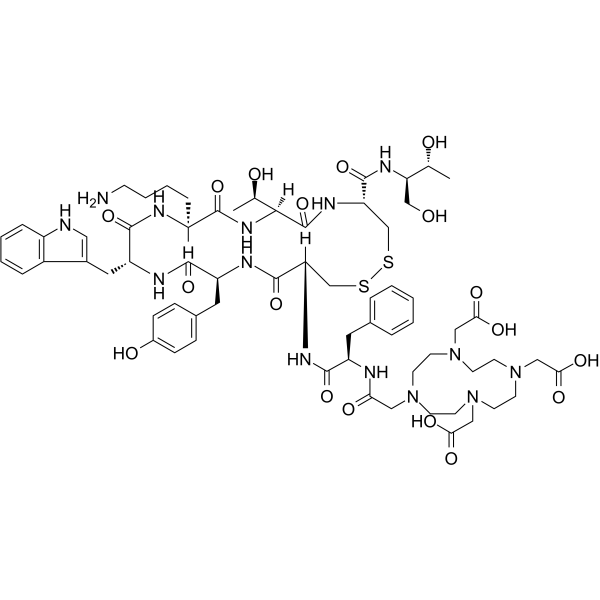
Edotreotide is a ligand that selectively targets SSTR2 and can competitively bind to the receptor. Edotreotide mediates the targeted delivery, while modificated with radionuclides (such as 90Y, 177Lu, and 68Ga) to SSTR-positive tumors and induces tumor cell apoptosis by releasing β rays. Edotreotide has strong tumor targeting and precise killing activity. Edotreotide is used in the synthesis of radionuclide-drug conjugates (RDCs) and is widely used in the field of neuroendocrine tumors (such as metastatic carcinoids, lung and thymus NETs) .
|
-
-
- HY-P10216
-
|
|
Biochemical Assay Reagents
|
Neurological Disease
|
|
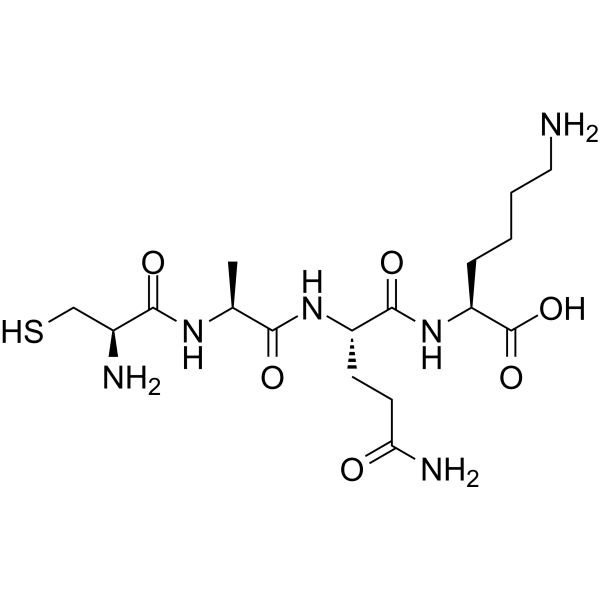
CAQK peptide selectively binds to injured mouse brain. CAQK peptide selectively targets demyelinating areas and it is absent from healthy tissue. The CAQK peptide target is a proteoglycan complex upregulated in brain injuries and is used for drug delivery. CAQK peptide can penetrate the blood-brain barrier .
|
-
-
- HY-W130354
-
|
|
Biochemical Assay Reagents
|
Others
|
|
Cucurbituril is a container molecule resembling a hollow pumpkin, with two identical inlets at each end and a hydrophobic cavity in the middle. Cucurbiturils have unique chemical properties that allow them to selectively encapsulate guest molecules such as drugs or catalysts within their cavities, shielding them from the surrounding environment. Cucurbituril has important potential applications in various fields such as drug delivery, catalysis and materials science.
|
-
-
- HY-W157376
-
|
|
Bacterial
Antibiotic
Drug Intermediate
|
Infection
Cancer
|
|
PAMAM Dendrimer G0.0 amine is a pore-forming channel antagonist, including anthrax toxin protective antigen 63 (PA63, IC50 = 231 nM) and C. botulinum C2 toxin subunit (C2IIa, IC50 = 940 nM). At concentrations of 10 and 20 µM, PAMAM Dendrimer G0.0 amine reduces C2 toxin-induced death in HeLa cells. Additionally, PAMAM Dendrimer G0.0 amine is a chelator of nickel. In complexes with polysulfone membrane-bound chitosan, PAMAM Dendrimer G0.0 amine selectively captures and stores carbon dioxide (CO2) in a gas-feed system. PAMAM Dendrimer G0.0 amine has been used in the synthesis of PAMAM Dendrimer G0.5 Carboxylate (CAS 339334-01-9) and PAMAM Dendrimer G1.0 Amine (CAS 142986-44-5). PAMAM Dendrimer G0.0 amine can be used in research related to infections, cancer, and drug delivery systems .
|
-
-
- HY-W116336B
-
|
|
Biochemical Assay Reagents
Fungal
Bacterial
|
Infection
Cancer
|
|
Zinc oxide, 99.99% metals basis is a versatile wide-bandgap semiconductor with superior comprehensive properties. Zinc oxide, 99.99% metals basis serves as raw material for Schottky diodes, functional nanostructures, sensors, energy harvesters and photocatalysts for hydrogen production. Zinc oxide, 99.99% metals basis acts as a non-toxic antibacterial agent and selective cytotoxin against multiple bacteria, fungi and spores. Zinc oxide, 99.99% metals basis induces cancer cell death. Zinc oxide, 99.99% metals basis is applicable to drug delivery, biosensing, bioimaging and researches on cancer, microbial infections and skin diseases .
|
-
-
- HY-145782
-
-
-
- HY-16387
-
|
|
VEGFR
|
Others
|
|
PF-00337210 is a potent and selective inhibitor of VEGFRs, designed for treating age-related macular degeneration via intravitreal injection. The formulation strategy focused on developing an ophthalmic solution that would precipitate upon injection into the vitreous, ensuring sustained drug delivery. Challenges included maintaining low dosing volumes, selecting safe excipients for intravitreal use, and addressing the drug's unique physicochemical properties. The final formulation, an isotonic solution in a citrate-buffered vehicle with NaCl, demonstrated stability, potency, and recovery through intravitreal dosing syringes. It formed a depot upon injection into vitreous humor, representing a novel nonpolymeric in situ-forming depot formulation for intravitreal drug delivery .
|
-
-
- HY-P11015
-
|
|
Ephrin Receptor
|
Cancer
|
|
(123B9)2-Motif is a selective EphA2 receptor agonist (Kd=4.9 μM) that does not bind to EphA4. (123B9)2-Motif works by inducing EphA2 receptor phosphorylation and oligomerization, thereby promoting receptor activation and internalization. (123B9)2-Motif is primarily used in targeted drug delivery studies for cancers that overexpress EphA2, such as breast cancer, to reduce circulating tumor cells and inhibit metastasis .
|
-
-
- HY-142987
-
-
-
- HY-P2004
-
|
|
MMP
|
Cancer
|
|
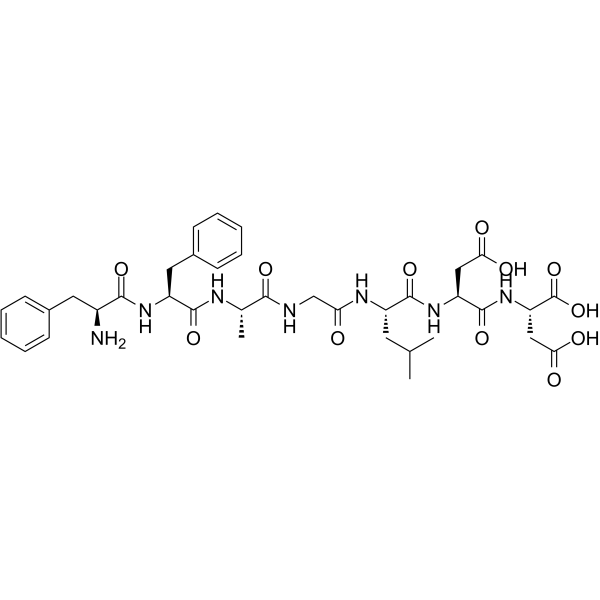
FFAGLDD is MMP9 selective cleavage peptides, which used for cytosolic delivery of Doxorubi-cin (DOX) and achieve temporally and spatially controlled slow drug delivery and release .
|
-
-
- HY-P2004A
-
|
|
MMP
|
Cancer
|
|
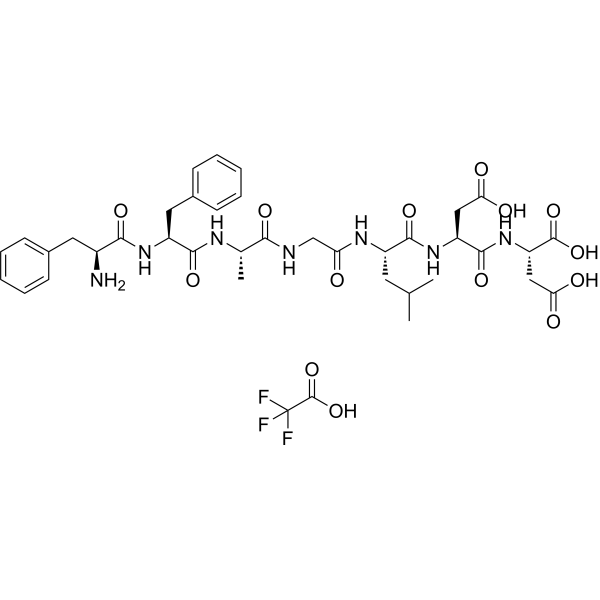
FFAGLDD TFA is MMP9 selective cleavage peptides, which used for cytosolic delivery of Doxorubi-cin (DOX) and achieve temporally and spatially controlled slow drug delivery and release .
|
-
-
- HY-172688
-
|
|
Liposome
|
Cardiovascular Disease
|
|
DSPE-PEG5000-CSTSMLKAC is a PEG compound which composed of DSPE and a peptide (CSTSMLKAC). CSTSMLKAC is capable of mediating selective homing of phage to ischemic heart tissue. DSPE-PEG5000-CSTSMLKAC can be used for drug delivery .
|
-
-
- HY-172687A
-
|
|
Liposome
|
Cardiovascular Disease
|
|
DSPE-PEG3400-CSTSMLKAC is a PEG compound which composed of DSPE and a peptide (CSTSMLKAC). CSTSMLKAC is capable of mediating selective homing of phage to ischemic heart tissue. DSPE-PEG3400-CSTSMLKAC can be used for drug delivery .
|
-
-
- HY-W250187
-
|
|
Biochemical Assay Reagents
|
Others
|
|
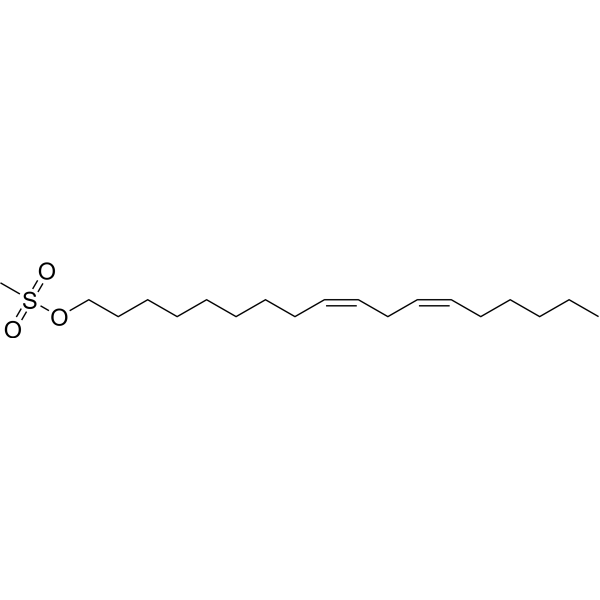
DDMAB, or didodecyldimethylammonium bromide, is a cationic surfactant commonly used in a variety of industrial and research applications. It belongs to the family of quaternary ammonium compounds and has a positively charged head and a hydrophobic tail, which allows it to be used as a detergent, emulsifier and antimicrobial. Known for its ability to disrupt cell membranes, DDMAB is commonly used in microbiology to selectively isolate and identify bacteria. It is also used in nanotechnology to synthesize metal nanoparticles and other materials. In addition, DDMAB has the ability to interact with and penetrate cell membranes, which has potential applications in drug delivery, gene therapy, and other medical fields.
|
-
-
- HY-185063
-
|
|
Drug Derivative
|
Inflammation/Immunology
Cancer
|
|
Budesonide 21-palmitate is a lipophilic ester prodrug of Budesonide (HY-13580), can be formulated into liposomal formulations. Budesonide 21-palmitate exhibts anti-inflammatory and anti-allergic activities. Budesonide 21-palmitate can achieve selective passive targeted delivery of drugs to tumor tissues (such as lung tumors). Budesonide 21-palmitate can be used for drug delivery in inflammatory and allergic research .
|
-
-
- HY-172686
-
|
|
Liposome
|
Cardiovascular Disease
|
|
DSPE-PEG1000-CSTSMLKAC is a PEG compound which composed of DSPE and a peptide (CSTSMLKAC). CSTSMLKAC is capable of mediating selective homing of phage to ischemic heart tissue. DSPE-PEG1000-CSTSMLKAC can be used for drug delivery .
|
-
-
- HY-177204A
-
|
|
Liposome
|
Cardiovascular Disease
|
|
DSPE-PEG1000-WLSEAGPVVTVRALRGTGSW is a PEG compound which composed of DSPE and a cardiomyocyte specific peptide (WLSEAGPVVTVRALRGTGSW) (HY-P3436). WLSEAGPVVTVRALRGTGSW exhibits high cardiomyocyte targeting primarily through selective binding to specific receptors or molecules on the surface of cardiomyocytes. DSPE-PEG1000-WLSEAGPVVTVRALRGTGSW can be used for drug delivery .
|
-
-
- HY-177204B
-
|
|
Liposome
|
Cardiovascular Disease
|
|
DSPE-PEG3400-WLSEAGPVVTVRALRGTGSW is a PEG compound which composed of DSPE and a cardiomyocyte specific peptide (WLSEAGPVVTVRALRGTGSW) (HY-P3436). WLSEAGPVVTVRALRGTGSW exhibits high cardiomyocyte targeting primarily through selective binding to specific receptors or molecules on the surface of cardiomyocytes. DSPE-PEG3400-WLSEAGPVVTVRALRGTGSW can be used for drug delivery .
|
-
-
- HY-177204C
-
|
|
Liposome
|
Cardiovascular Disease
|
|
DSPE-PEG5000-WLSEAGPVVTVRALRGTGSW is a PEG compound which composed of DSPE and a cardiomyocyte specific peptide (WLSEAGPVVTVRALRGTGSW) (HY-P3436). WLSEAGPVVTVRALRGTGSW exhibits high cardiomyocyte targeting primarily through selective binding to specific receptors or molecules on the surface of cardiomyocytes. DSPE-PEG5000-WLSEAGPVVTVRALRGTGSW can be used for drug delivery .
|
-
-
- HY-106033R
-
|
DOTATOC (Standard); SDZ-SMT 487 (Standard); SMT 487 (Standard)
|
Reference Standards
Radionuclide-Drug Conjugates (RDCs)
|
Cancer
|
|
Edotreotide (Standard) is the analytical standard of Edotreotide (HY-106033). This product is intended for research and analytical applications. Edotreotide is a ligand that selectively targets SSTR2 and can competitively bind to the receptor. Edotreotide mediates the targeted delivery, while modificated with radionuclides (such as 90Y, 177Lu, and 68Ga) to SSTR-positive tumors and induces tumor cell apoptosis by releasing β rays. Edotreotide has strong tumor targeting and precise killing activity. Edotreotide is used in the synthesis of radionuclide-drug conjugates (RDCs) and is widely used in the field of neuroendocrine tumors (such as metastatic carcinoids, lung and thymus NETs) .
|
-
-
- HY-180540
-
|
|
DNA Methyltransferase
|
Neurological Disease
Cancer
|
|
MGMT-IN-1 (Compound 2) is a light-activated MGMT inhibitor. MGMT-IN-1 can effectively enhance the cytotoxicity of Temozolomide (TMZ) (HY-17364) only under light conditions, significantly increasing the DNA damage caused by TMZ. MGMT-IN-1 can be used for the study of chordoma .
|
-
| Cat. No. |
Product Name |
Type |
-
- HY-W020780
-
|
mPEG5000-Maleimide
|
Biochemical Assay Reagents
|
|
mPEG5000-Mal (mPEG5000-Maleimide) is a PEG-derived selective covalent binding agent for sulfhydryl groups (RSGs), which can form irreversible thioether bonds with sulfhydryl groups under near-neutral conditions via the maleimide group. The mechanism of action of mPEG5000-Mal can be divided into two categories: firstly, as an enzyme modifier, it binds to target proteins through hydrophobic interactions, hydrogen bonds, and van der Waals forces, altering the protein's secondary structure; secondly, as a nanoparticle surface modifier, it covalently binds to sulfhydryl groups on the surface of red blood cells, changing the surface properties and morphology of the red blood cells, leading to their phagocytosis by macrophages of the reticuloendothelial system. mPEG5000-Mal can react with free cysteine in proteins, increasing the apparent molecular weight of the modified protein by 10-15 kDa for detection purposes. mPEG5000-Mal can enhance the thermal stability and catalytic activity of enzymes, and improve the macrophage targeting of nanoparticles, enabling targeted drug delivery. mPEG5000-Mal can be applied in enzyme engineering research in the food industry and in oncology, assisting radiotherapy by inhibiting tumor-associated macrophage infiltration and enhancing anti-tumor immune responses .
|
-
- HY-104086
-
|
CB7; Carrier CB7
|
Biochemical Assay Reagents
|
|
Cucurbit[7]uril is a cyclic organic molecule consisting of seven glycoluril units linked by methylene bridges. It has a rigid barrel-like structure with two identical inlets at both ends to selectively encapsulate guest molecules of appropriate size, shape, and polarity. Cucurbit[7]uril is known for its high binding affinity for a variety of organic and inorganic guests, including drugs, amino acids, peptides, and metal ions. This property makes them promising candidates for various applications in areas such as drug delivery, catalysis, and sensing.
|
-
- HY-W068119A
-
|
2-Maleimidoethylamine hydrochloride
|
Biochemical Assay Reagents
|
|
N-(2-Aminoethyl)maleimide (2-Maleimidoethylamine) hydrochloride is a selective covalent binding agent for thiol groups (RSGs), covalently binding to thiols via an irreversible thioether bond to prepare MMP-2-sensitive nanosystems. Under near-neutral conditions, the maleimide group in N-(2-Aminoethyl)maleimide hydrochloride binds to thiol groups via a nucleophilic addition reaction, and can be used to modify polymers or biological interfaces, enhancing mucosal adhesion and regulating the surface charge of biological interfaces. N-(2-Aminoethyl)maleimide hydrochloride can optimize the adhesion performance of drug delivery carriers and cell interactions with biological interfaces, and is applied in transmucosal drug delivery systems (such as drug carriers for oral and bladder sites) and biomaterial surface engineering research, providing support for tissue implantation, regeneration, and related drug delivery .
|
-
- HY-NP002D
-
|
|
Biochemical Assay Reagents
|
|
Bovine Serum Albumin (Biotinylated) is a biotinylated bovine serum albumin that selectively binds to different vascular subsets in lymphoid tissue. Bovine Serum Albumin (Biotinylated) can be used as a histochemical probe, and a targeting ligand for drug delivery .
|
-
- HY-W130354
-
|
|
Biochemical Assay Reagents
|
|
Cucurbituril is a container molecule resembling a hollow pumpkin, with two identical inlets at each end and a hydrophobic cavity in the middle. Cucurbiturils have unique chemical properties that allow them to selectively encapsulate guest molecules such as drugs or catalysts within their cavities, shielding them from the surrounding environment. Cucurbituril has important potential applications in various fields such as drug delivery, catalysis and materials science.
|
-
- HY-W116336B
-
|
|
Biochemical Assay Reagents
|
|
Zinc oxide, 99.99% metals basis is a versatile wide-bandgap semiconductor with superior comprehensive properties. Zinc oxide, 99.99% metals basis serves as raw material for Schottky diodes, functional nanostructures, sensors, energy harvesters and photocatalysts for hydrogen production. Zinc oxide, 99.99% metals basis acts as a non-toxic antibacterial agent and selective cytotoxin against multiple bacteria, fungi and spores. Zinc oxide, 99.99% metals basis induces cancer cell death. Zinc oxide, 99.99% metals basis is applicable to drug delivery, biosensing, bioimaging and researches on cancer, microbial infections and skin diseases .
|
-
- HY-145782
-
-
- HY-142987
-
-
- HY-172688
-
|
|
Biochemical Assay Reagents
|
|
DSPE-PEG5000-CSTSMLKAC is a PEG compound which composed of DSPE and a peptide (CSTSMLKAC). CSTSMLKAC is capable of mediating selective homing of phage to ischemic heart tissue. DSPE-PEG5000-CSTSMLKAC can be used for drug delivery .
|
-
- HY-172687A
-
|
|
Biochemical Assay Reagents
|
|
DSPE-PEG3400-CSTSMLKAC is a PEG compound which composed of DSPE and a peptide (CSTSMLKAC). CSTSMLKAC is capable of mediating selective homing of phage to ischemic heart tissue. DSPE-PEG3400-CSTSMLKAC can be used for drug delivery .
|
-
- HY-W250187
-
|
|
Biochemical Assay Reagents
|
|
DDMAB, or didodecyldimethylammonium bromide, is a cationic surfactant commonly used in a variety of industrial and research applications. It belongs to the family of quaternary ammonium compounds and has a positively charged head and a hydrophobic tail, which allows it to be used as a detergent, emulsifier and antimicrobial. Known for its ability to disrupt cell membranes, DDMAB is commonly used in microbiology to selectively isolate and identify bacteria. It is also used in nanotechnology to synthesize metal nanoparticles and other materials. In addition, DDMAB has the ability to interact with and penetrate cell membranes, which has potential applications in drug delivery, gene therapy, and other medical fields.
|
-
- HY-172686
-
|
|
Biochemical Assay Reagents
|
|
DSPE-PEG1000-CSTSMLKAC is a PEG compound which composed of DSPE and a peptide (CSTSMLKAC). CSTSMLKAC is capable of mediating selective homing of phage to ischemic heart tissue. DSPE-PEG1000-CSTSMLKAC can be used for drug delivery .
|
-
- HY-177204A
-
|
|
Biochemical Assay Reagents
|
|
DSPE-PEG1000-WLSEAGPVVTVRALRGTGSW is a PEG compound which composed of DSPE and a cardiomyocyte specific peptide (WLSEAGPVVTVRALRGTGSW) (HY-P3436). WLSEAGPVVTVRALRGTGSW exhibits high cardiomyocyte targeting primarily through selective binding to specific receptors or molecules on the surface of cardiomyocytes. DSPE-PEG1000-WLSEAGPVVTVRALRGTGSW can be used for drug delivery .
|
-
- HY-177204B
-
|
|
Biochemical Assay Reagents
|
|
DSPE-PEG3400-WLSEAGPVVTVRALRGTGSW is a PEG compound which composed of DSPE and a cardiomyocyte specific peptide (WLSEAGPVVTVRALRGTGSW) (HY-P3436). WLSEAGPVVTVRALRGTGSW exhibits high cardiomyocyte targeting primarily through selective binding to specific receptors or molecules on the surface of cardiomyocytes. DSPE-PEG3400-WLSEAGPVVTVRALRGTGSW can be used for drug delivery .
|
-
- HY-177204C
-
|
|
Biochemical Assay Reagents
|
|
DSPE-PEG5000-WLSEAGPVVTVRALRGTGSW is a PEG compound which composed of DSPE and a cardiomyocyte specific peptide (WLSEAGPVVTVRALRGTGSW) (HY-P3436). WLSEAGPVVTVRALRGTGSW exhibits high cardiomyocyte targeting primarily through selective binding to specific receptors or molecules on the surface of cardiomyocytes. DSPE-PEG5000-WLSEAGPVVTVRALRGTGSW can be used for drug delivery .
|
| Cat. No. |
Product Name |
Target |
Research Area |
-
- HY-P10709
-
|
|
Collagen
|
Cardiovascular Disease
Cancer
|
|
CREKA peptide is a selective non-covalent binding agent targeting fibrin, type IV collagen, and fibronectin, often used as a targeting ligand to modify delivery carriers. CREKA peptide specifically recognizes fibrin, fibronectin, and type IV collagen that are excessively deposited in the tumor microenvironment or fibrotic tissue, mediating the targeted accumulation of the carrier at the lesion site and promoting drug internalization into target cells (such as cancer cells and activated hepatic stellate cells). CREKA peptide can enhance targeted delivery efficiency, increase drug concentration at the lesion site, and reduce systemic side effects .
|
-
- HY-106033
-
|
DOTATOC; SDZ-SMT 487; SMT 487
|
Radionuclide-Drug Conjugates (RDCs)
|
Cancer
|
|
Edotreotide is a ligand that selectively targets SSTR2 and can competitively bind to the receptor. Edotreotide mediates the targeted delivery, while modificated with radionuclides (such as 90Y, 177Lu, and 68Ga) to SSTR-positive tumors and induces tumor cell apoptosis by releasing β rays. Edotreotide has strong tumor targeting and precise killing activity. Edotreotide is used in the synthesis of radionuclide-drug conjugates (RDCs) and is widely used in the field of neuroendocrine tumors (such as metastatic carcinoids, lung and thymus NETs) .
|
-
- HY-P10216
-
|
|
Biochemical Assay Reagents
|
Neurological Disease
|
|
CAQK peptide selectively binds to injured mouse brain. CAQK peptide selectively targets demyelinating areas and it is absent from healthy tissue. The CAQK peptide target is a proteoglycan complex upregulated in brain injuries and is used for drug delivery. CAQK peptide can penetrate the blood-brain barrier .
|
-
- HY-P11350
-
|
|
Peptides
|
Cancer
|
|
A666 peptide is a highly selective prestin ligand. A666 peptide enables active drug delivery (e.g., dexamethasone) to outer hair cells (OHCs). A666 peptide is promising for research of cisplatin-induced ototoxicity protection and sensorineural hearing loss interventions .
|
-
- HY-P11350A
-
|
|
Peptides
|
Cancer
|
|
A666 peptide TFA is a highly selective prestin ligand. A666 peptide TFA enables active drug delivery (e.g., dexamethasone) to outer hair cells (OHCs). A666 peptide TFA is promising for research of cisplatin-induced ototoxicity protection and sensorineural hearing loss interventions .
|
-
- HY-P11049
-
|
|
Peptides
|
Neurological Disease
|
|
Stroke-homing peptide is a homing peptide. Stroke-homing peptide can home to ischemic stroke brain tissue and detect the apoptotic neuronal cells. Stroke-homing peptide can be used for the research of molecular imaging and selective drug delivery to stroke tissue .
|
-
- HY-P11015
-
|
|
Ephrin Receptor
|
Cancer
|
|
(123B9)2-Motif is a selective EphA2 receptor agonist (Kd=4.9 μM) that does not bind to EphA4. (123B9)2-Motif works by inducing EphA2 receptor phosphorylation and oligomerization, thereby promoting receptor activation and internalization. (123B9)2-Motif is primarily used in targeted drug delivery studies for cancers that overexpress EphA2, such as breast cancer, to reduce circulating tumor cells and inhibit metastasis .
|
-
- HY-P2004
-
|
|
MMP
|
Cancer
|
|
FFAGLDD is MMP9 selective cleavage peptides, which used for cytosolic delivery of Doxorubi-cin (DOX) and achieve temporally and spatially controlled slow drug delivery and release .
|
-
- HY-P2004A
-
|
|
MMP
|
Cancer
|
|
FFAGLDD TFA is MMP9 selective cleavage peptides, which used for cytosolic delivery of Doxorubi-cin (DOX) and achieve temporally and spatially controlled slow drug delivery and release .
|
-
- HY-106033R
-
|
DOTATOC (Standard); SDZ-SMT 487 (Standard); SMT 487 (Standard)
|
Reference Standards
Radionuclide-Drug Conjugates (RDCs)
|
Cancer
|
|
Edotreotide (Standard) is the analytical standard of Edotreotide (HY-106033). This product is intended for research and analytical applications. Edotreotide is a ligand that selectively targets SSTR2 and can competitively bind to the receptor. Edotreotide mediates the targeted delivery, while modificated with radionuclides (such as 90Y, 177Lu, and 68Ga) to SSTR-positive tumors and induces tumor cell apoptosis by releasing β rays. Edotreotide has strong tumor targeting and precise killing activity. Edotreotide is used in the synthesis of radionuclide-drug conjugates (RDCs) and is widely used in the field of neuroendocrine tumors (such as metastatic carcinoids, lung and thymus NETs) .
|
| Cat. No. |
Product Name |
|
Classification |
-
- HY-172688
-
|
|
|
Pegylated Lipids
|
|
DSPE-PEG5000-CSTSMLKAC is a PEG compound which composed of DSPE and a peptide (CSTSMLKAC). CSTSMLKAC is capable of mediating selective homing of phage to ischemic heart tissue. DSPE-PEG5000-CSTSMLKAC can be used for drug delivery .
|
-
- HY-172687A
-
|
|
|
Pegylated Lipids
|
|
DSPE-PEG3400-CSTSMLKAC is a PEG compound which composed of DSPE and a peptide (CSTSMLKAC). CSTSMLKAC is capable of mediating selective homing of phage to ischemic heart tissue. DSPE-PEG3400-CSTSMLKAC can be used for drug delivery .
|
-
- HY-172686
-
|
|
|
Pegylated Lipids
|
|
DSPE-PEG1000-CSTSMLKAC is a PEG compound which composed of DSPE and a peptide (CSTSMLKAC). CSTSMLKAC is capable of mediating selective homing of phage to ischemic heart tissue. DSPE-PEG1000-CSTSMLKAC can be used for drug delivery .
|
Your information is safe with us. * Required Fields.
Inquiry Information
- Product Name:
- Cat. No.:
- Quantity:
- MCE Japan Authorized Agent: