



1A-116
Based on 9 publication(s) in Google Scholar
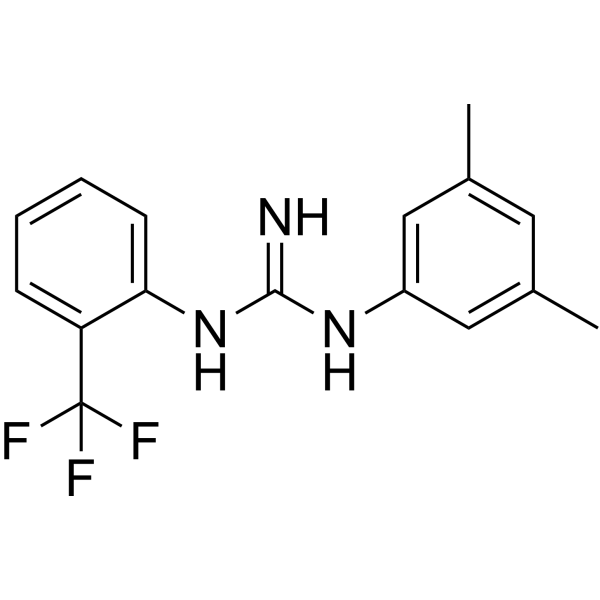
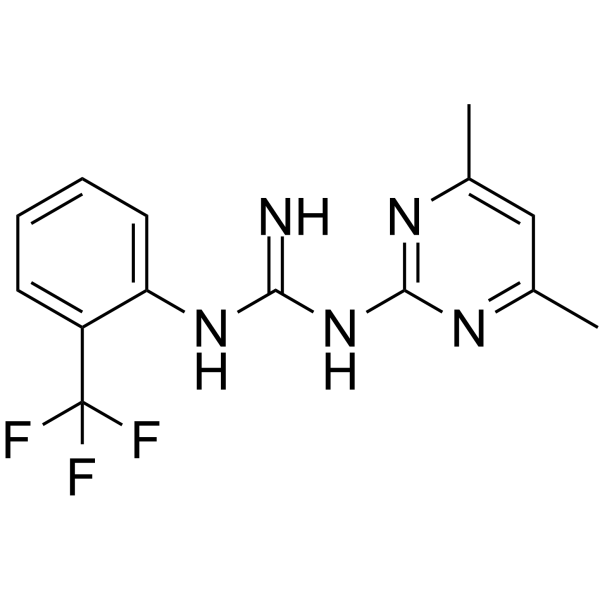
1A-116, a potent Rac1 inhibitor, is specific for W56 residues, can prevent EGF-induced Rac1 activation and block Rac1-P-Rex1 interaction. 1A-116 can induce apoptosis and inhibit cell proliferation, migration and cycle progression in a concentration-dependent manner. 1A-116 also demonstrates a high antimetastatic activity in vivo.
商品は「研究用試薬」です。人や動物の医療用・臨床診断用・食品用の製品ではありません。
研究用途以外に使用した場合、当社は一切の責任を負いかねます。
- 純度 : 99.72%
- CAS 番号: 1430208-73-3
- 分子式: C16H16F3N3
- 分子量:307.31
-
保管条件:Powder -20°C, 3 years , 4°C, 2 years ; In solvent -80°C, 2 years , -20°C, 1 year

To place orders, for customer services and technical support, please contact: MedChemExpress USA
Tel: 609-228-6898 E-mail: [email protected] [email protected]


-
 生物活性
生物活性
-
化学情報
-
溶剤 & 溶解度
- プロトコル
- 純度とドキュメンテーション
- 参考文献
-
 Help & FAQs


-
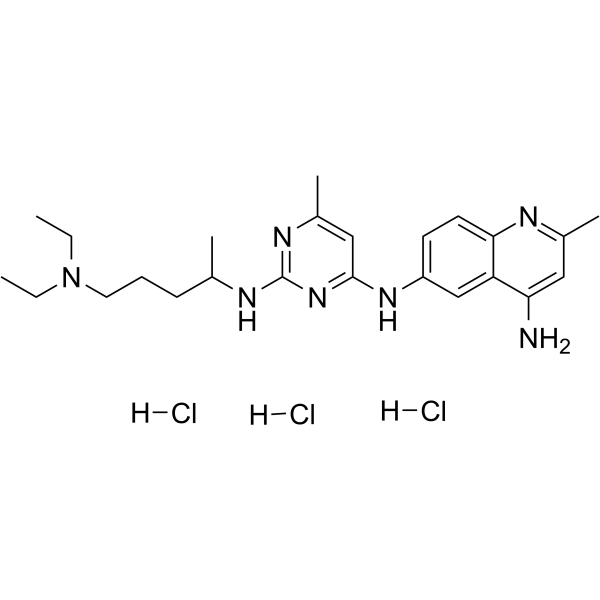
HY-15723A
NSC 23766 trihydrochlorideRac Inhibitor -
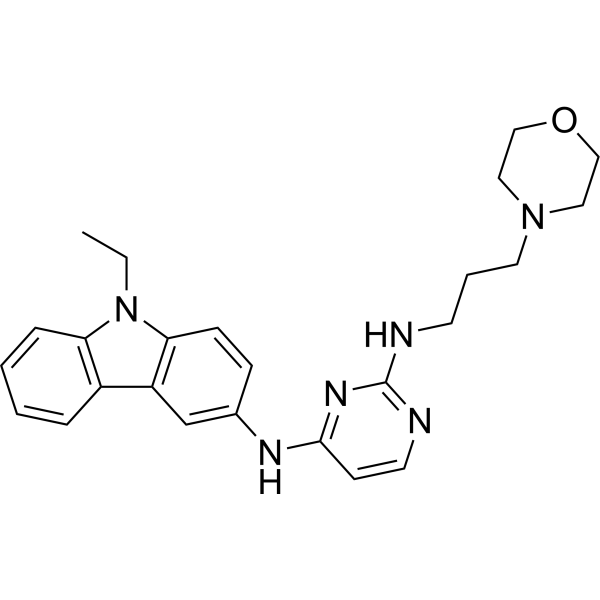
HY-12810
EHop-016Rac1/Rac3 Inhibitor -
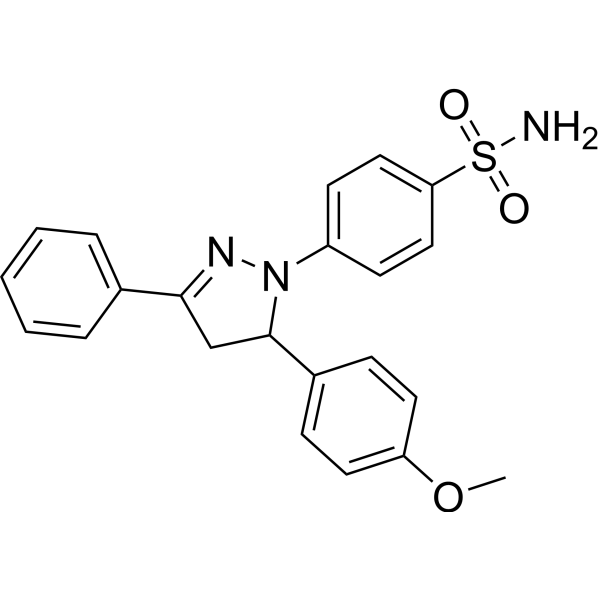
HY-12755
ML141Cdc42 GTPase Inhibitor -
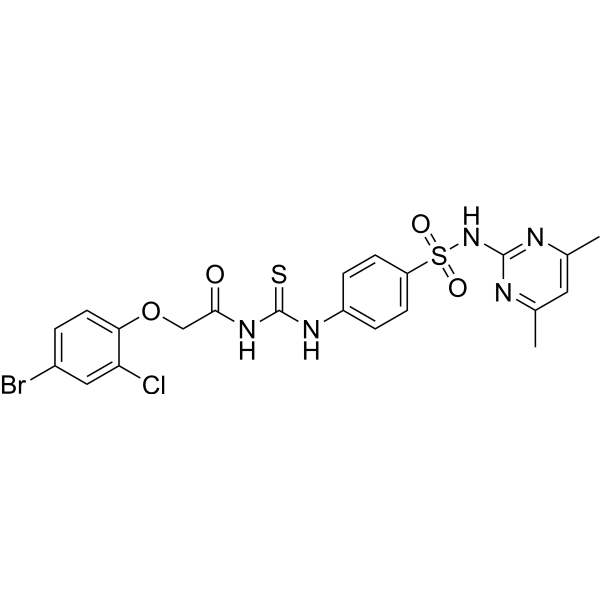
HY-13963
ZCL278Cdc42 Inhibitor -
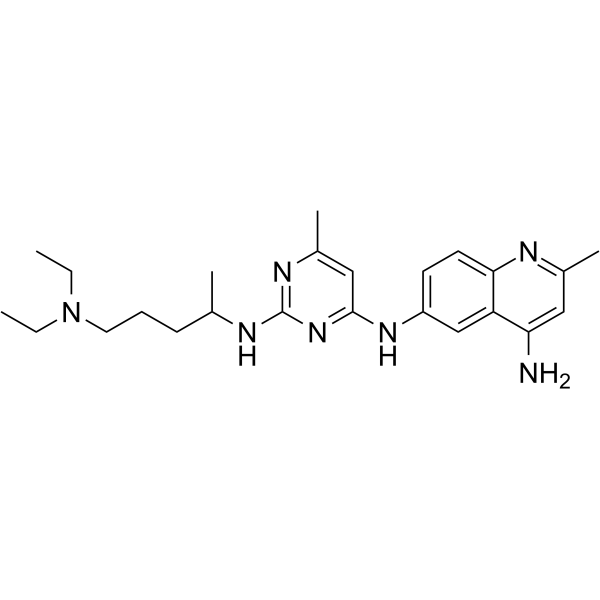
HY-15723
NSC 23766Ras Inhibitor -
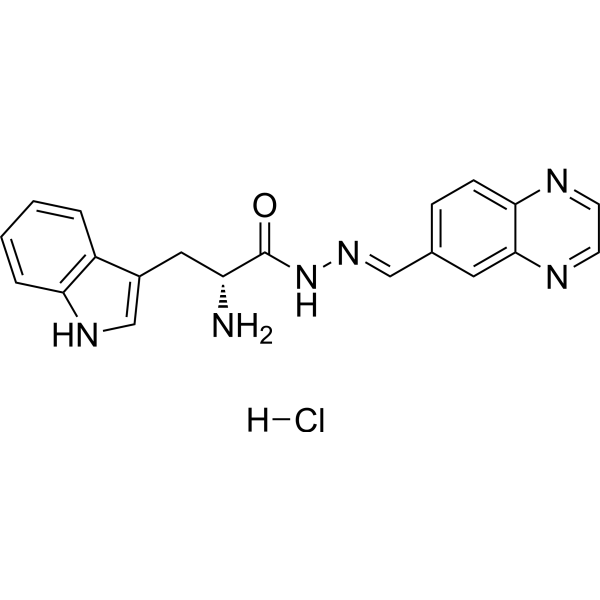
HY-12646
Rhosin hydrochlorideRho GTPases Inhibitor -
HY-102078
ZINC69391Rac1-GEF Interaction Inhibitor -
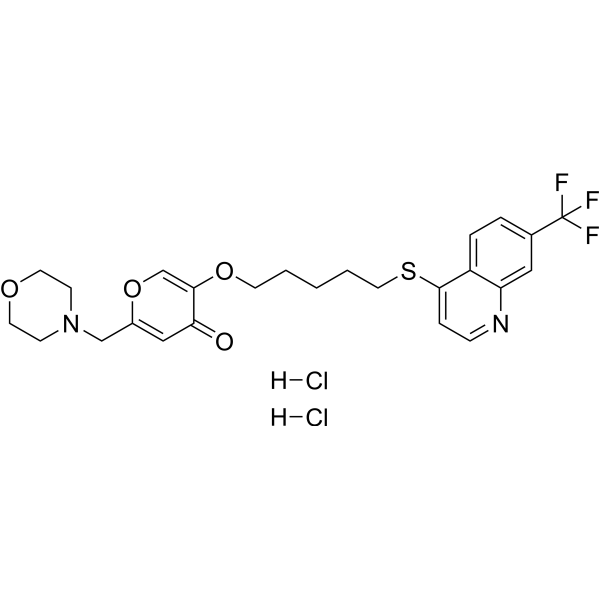
HY-16659
EHT 1864Rac Family Inhibitor -
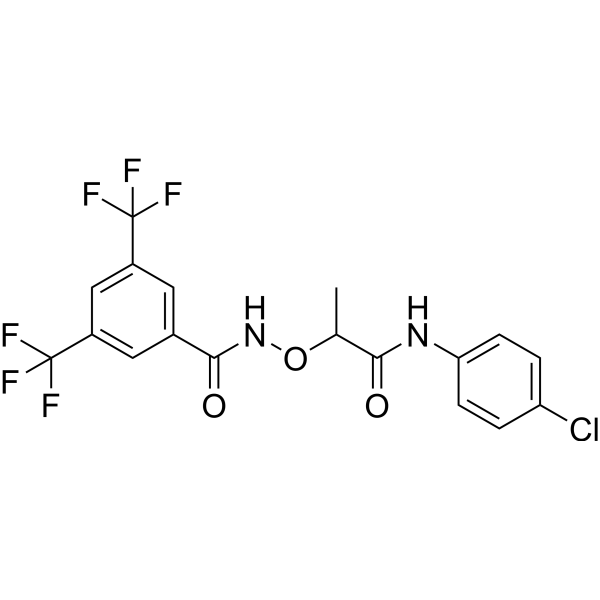
HY-13991
CCG-1423Rho/MRTF/SRF Pathway Inhibitor -
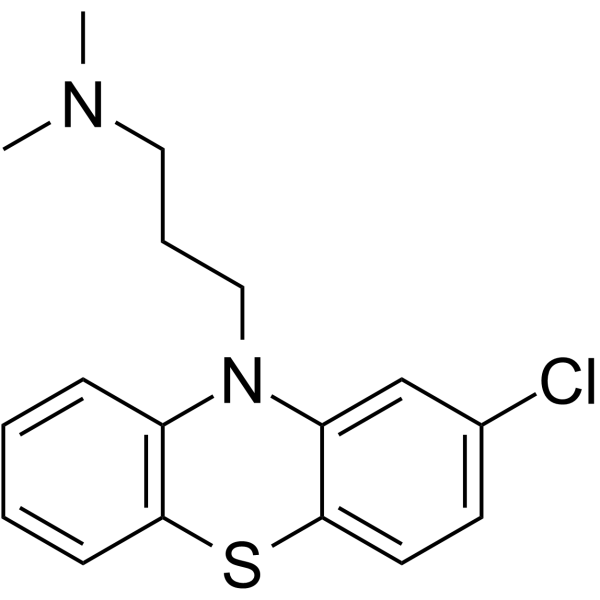
HY-12708
ChlorpromazineAntipsychotic Agent -
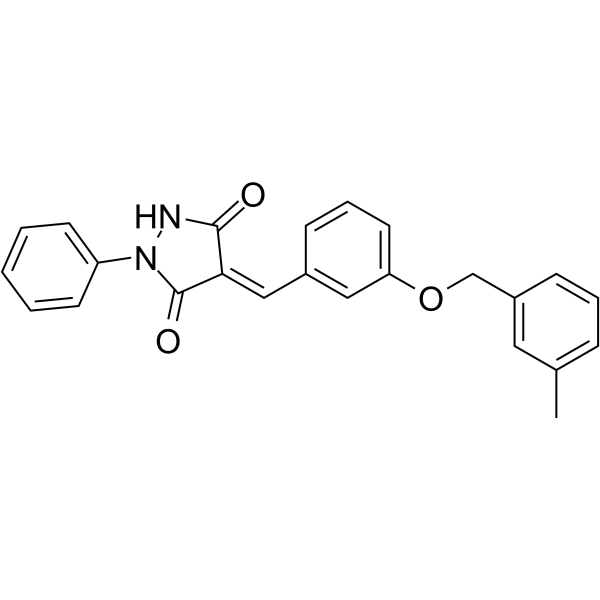
HY-12649
Y16GEF-Rho GTPase Inhibitor -
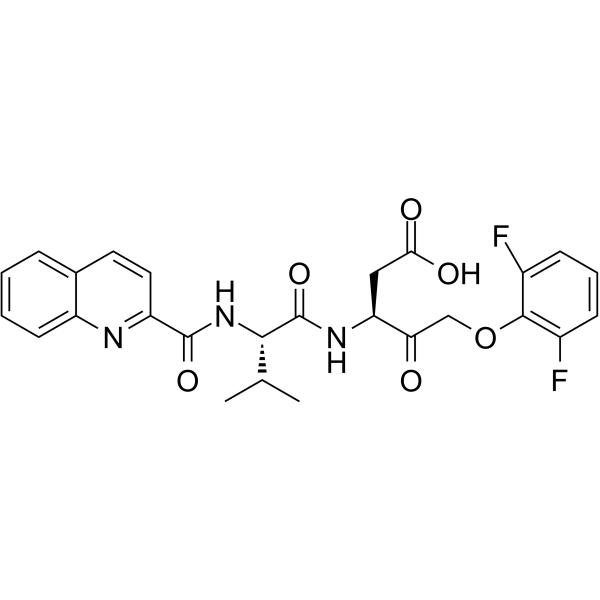
HY-12305
Q-VD-OPhPan-caspase Inhibitor
MedChemExpress(MCE)の使用を引用している文献 1A-116
More- Cancer Discov. 2026 Feb 27. [Abstract]
- Nat Commun. 2026 May 11;17(1):3042. [Abstract]
- Cell Commun Signal. 2025 Mar 3;23(1):116. [Abstract]
- Clin Transl Med. 2022 Jun;12(6):e850. [Abstract]
- Curr Biol. 2021 Sep 27;31(18):4088-4103.e5. [Abstract]
- Biochim Biophys Acta Mol Basis Dis. 2024 Mar 18;1870(4):167124. [Abstract]
- Braz J Med Biol Res. 2025 Mar 3:58:e14187. [Abstract]
- Research Square Preprint. 2023 Sep 1.
- Research Square Preprint. 2023 May 26.


生物活性
製品説明
IC50 & Target
IC50: 4 µM (F3II); 21 µM (MDA-MB-231)[1].
Rac1[1]
Apoptosis[2]
Cellular Effect
|
Cell Line

|
Type | Value | Description | References |
|---|---|---|---|---|
| A-375 | IC50 |
51 μM
Compound: 14; 1A-116
|
Antiproliferative activity against human A-375 cells assessed as inhibition of cell growth incubated for 72 hrs by MTT assay
Antiproliferative activity against human A-375 cells assessed as inhibition of cell growth incubated for 72 hrs by MTT assay
|
[PMID: 37253305] |
| A549 | IC50 |
50 μM
Compound: 14; 1A-116
|
Antiproliferative activity against human A549 cells assessed as inhibition of cell growth incubated for 72 hrs by MTT assay
Antiproliferative activity against human A549 cells assessed as inhibition of cell growth incubated for 72 hrs by MTT assay
|
[PMID: 37253305] |
| HT-29 | IC50 |
83 μM
Compound: 14; 1A-116
|
Antiproliferative activity against human HT-29 cells assessed as inhibition of cell growth incubated for 72 hrs by MTT assay
Antiproliferative activity against human HT-29 cells assessed as inhibition of cell growth incubated for 72 hrs by MTT assay
|
[PMID: 37253305] |
| MDA-MB-231 | IC50 |
21 μM
Compound: 14; 1A-116
|
Antiproliferative activity against human MDA-MB-231 cells assessed as cell growth inhibition incubated for 72 hrs by MTT assay
Antiproliferative activity against human MDA-MB-231 cells assessed as cell growth inhibition incubated for 72 hrs by MTT assay
|
[PMID: 37253305] |
| MDA-MB-231 | IC50 |
91 μM
Compound: 14; 1A-116
|
Antiproliferative activity against human MDA-MB-231 cells assessed as inhibition of cell growth incubated for 72 hrs by MTT assay
Antiproliferative activity against human MDA-MB-231 cells assessed as inhibition of cell growth incubated for 72 hrs by MTT assay
|
[PMID: 37253305] |
| PC-3 | IC50 |
48 μM
Compound: 14; 1A-116
|
Antiproliferative activity against human PC-3 cells assessed as inhibition of cell growth incubated for 72 hrs by MTT assay
Antiproliferative activity against human PC-3 cells assessed as inhibition of cell growth incubated for 72 hrs by MTT assay
|
[PMID: 37253305] |
体外実験
1A-116 (48 h) inhibits F3II and MDA-MB-231 cells proliferation in a concentration-dependent manner with IC50s of 4 μM and 21 μM, respectively[1].
?
1A-116 (1, 10 μM; 12 h) dramatically impaires Rac1 activation, and reduces Rac1-GTP intracellular levels in a concentration-dependent manner in F3II cells[1].
?
1A-116 (50, 100 μM; 12 h) blocks Rac1-P-Rex1 interaction[1].
?
1A-116 (20 μM; 5 h intervals over 25 h) inhibits LN229 cells proliferation in a circadian manner[2].
?
1A-116 (10 μM; 16 h) significantly reduces cell migration at 10 HPS which exhibits temporal dependence. (HPS: After the serum shock, the elapsed time (in hours) is recorded as the hours post-synchronization (HPS))[2].
?
1A-116 (20, 50 μM; 6 h) induces cells apoptosis and in a circadian-dependent manner[2].
?
1A-116 (100 nM) decreases the thickness of the epidermal layers of Vav2 and Rac1-mediated hyperplasia, but not the PAK1-mediated one, which exhibits the activity of inhibiting Rac1 at the GEF-Rac1 level[3].
MedChemExpress (MCE) has not independently confirmed the accuracy of these methods. They are for reference only.
-
Cell Line:MDA-MB-231, F3II, LN229 cells
-
Concentration:20 µM
-
Incubation Time:48 h; 5 h intervals over 25 h.
-
Result:Inhibited cell proliferation in a concentration-dependent and circadian manner.
-
Cell Line:Ker-CT human keratinocytes cells with oncogenic Vav2/Rac1 F28L/PAK1 Tyrosine 423
-
Concentration:100 nM
-
Incubation Time:
-
Result:Inhibited Rac1 activity at the GEF-Rac1 level.
-
Cell Line:LN229 cells
-
Concentration:10 µM
-
Incubation Time:16 h
-
Result:Reduced cell migration at 10 HPS which exhibited temporal dependence.
-
Cell Line:LN229 cells
-
Concentration:20, 50 µM
-
Incubation Time:6 h
-
Result:Induced cells apoptosis and in a circadian-dependent manner.
-
Cell Line:F3II cells
-
Concentration:1, 10 µM
-
Incubation Time:12 h
-
Result:Blocked Rac1-P-Rex1 interaction.
Reduced Rac1-GTP intracellular levels in a concentration-dependent manner.
体内実験
? 1A-116 (20 mg/kg; i.p.; once a day, 73 days for ZT12, 68 days for ZT3) increases survival time when treated at ZT12 compare to ZT3 in tumor-bearing mice. (ZT: Zeitgeber time 12 (ZT12) defined as the time of lights off (local time 7 p.m.) and ZT0 defined as lights on (local time 7 a.m.))[2].
? 1A-116 shows good oral availability[3].
MedChemExpress (MCE) has not independently confirmed the accuracy of these methods. They are for reference only.
-
Animal Model:Female BALB/c inbred mice (8 to 10-week-old; average 20 g)[1]
-
Dosage:3 mg/kg
-
Administration:Intravenous injection; once a day for 21 days.
-
Result:Demonstrated a high antimetastatic activity.
-
Animal Model:Male NIH Swiss foxN1(∆/∆) nude mice (2-month-old; GBM model)[2].
-
Dosage:20 mg/kg
-
Administration:Intraperitoneal injection (at ZT3, ZT12); once a day, 73 days for ZT12, 68 days for ZT3.
-
Result:Increased survival time when treated at ZT12 compared to ZT3 in tumor-bearing mice.
- Annexin V plus membrane-impermeant dye apoptosis staining
- BrdU Incorporation Assay
- Cell migration
- Somatic Cell Culture
- CFSE Dye Dilution Proliferation Assay
- Dye-dilution cell tracking and proliferation staining
- CCK-8/WST-8 Cell Proliferation Assay
- Protocol for Cell Cycle
- Cell Counting-Based Growth Curve Assay
- Colony Formation (Clonogenic) Assay
- Cell Viability Determination by MTT Colorimetric Assay
- EdU Incorporation Assay (Click Chemistry-Based DNA Synthesis Measurement)
- Detection of Apoptosis
- TUNEL staining for apoptotic DNA fragmentation
- Ki-67 Immunostaining Proliferation Assay
- PCNA Immunodetection Proliferation Assay
- Protocol for Cell Counting and Cell Density Analysis
- Apoptosis Solutions
- MTT Cell Proliferation Assay


化学情報
-
CAS 番号 1430208-73-3
-
性状 Solid
-
分子量 307.31
-
分子式 C16H16F3N3
-
Color White to off-white
-
SMILES
N=C(NC1=CC=CC=C1C(F)(F)F)NC2=CC(C)=CC(C)=C2
-
輸送条件
Room temperature in continental US; may vary elsewhere.
-
保管条件
Powder -20°C 3 years 4°C 2 years In solvent -80°C 2 years -20°C 1 year


Publications (9)
-
Journal Impact Factor
-
Most Recent
-
Cancer Discov
Glioblastoma-Secreted C1QL1 Orchestrates Tumor Microtube Expansion and Neural Synaptic Pruning to Drive Malignant Synapse Formation and Recurrence. [Abstract]2026 Feb 27. PMID: 41747254 -
Nat Commun
Endocrine therapy reprogramming of breast cancer facilitates metastatic escape via upregulation of P-Rex1/Rac1 signalling. [Abstract]2026 May 11;17(1):3042. PMID: 42115169 -
Cell Commun Signal
Sos1 ablation alters focal adhesion dynamics and increases Mmp2/9-dependent gelatinase activity in primary mouse embryonic fibroblasts. [Abstract]2025 Mar 3;23(1):116. PMID: 40033301 -
Clin Transl Med
Uterus globulin associated protein 1 (UGRP1) binds podoplanin (PDPN) to promote a novel inflammation pathway during Streptococcus pneumoniae infection. [Abstract]2022 Jun;12(6):e850. PMID: 35652821 -
Curr Biol
Cdc42 and its BORG2 and BORG3 effectors control the subcellular localization of septins between actin stress fibers and microtubules. [Abstract]2021 Sep 27;31(18):4088-4103.e5. PMID: 34329591 -
Biochim Biophys Acta Mol Basis Dis
PlexinA1 promotes gastric cancer migration through preventing MICAL1 protein ubiquitin/proteasome-mediated degradation in a Rac1-dependent manner. [Abstract]2024 Mar 18;1870(4):167124. PMID: 38508474 -
Braz J Med Biol Res
Rac1 overexpression promotes Treg-derived cytokines to mediate choroidal neovascularization in wet age-related macular degeneration. [Abstract]2025 Mar 3:58:e14187. PMID: 40053038 -
-


溶剤 & 溶解度
体外:
DMSO : 100 mg/mL (325.40 mM; Need ultrasonic; Hygroscopic DMSO has a significant impact on the solubility of product, please use newly opened DMSO)
Please refer to the solubility information to select the appropriate solvent. Once prepared, please aliquot and store the solution to prevent product inactivation from repeated freeze-thaw cycles.
Storage method and period of stock solution: -80°C, 2 years; -20°C, 1 year. When stored at -80°C, please use it within 2 years. When stored at -20°C, please use it within 1 year.
Please refer to the solubility information to select the appropriate solvent. Once prepared, please aliquot and store the solution to prevent product inactivation from repeated freeze-thaw cycles.
Storage method and period of stock solution: -80°C, 2 years; -20°C, 1 year. When stored at -80°C, please use it within 2 years. When stored at -20°C, please use it within 1 year.
濃度 (開始) × 体積 (開始) = 濃度 (終了) × 体積 (終了)
体内:
Select the appropriate dissolution method based on your experimental animal and administration route.
- For the following dissolution methods, please ensure to first prepare a clear stock solution using an In Vitro approach and then sequentially add co-solvents:
- To ensure reliable experimental results, the clarified stock solution can be appropriately stored based on storage conditions. As for the working solution for In Vivo experiments, it is recommended to prepare freshly and use it on the same day.
- The percentages shown for the solvents indicate their volumetric ratio in the final prepared solution. If precipitation or phase separation occurs during preparation, heat and/or sonication can be used to aid dissolution.
Add each solvent one by one: 10% DMSO 40% PEG300 5% Tween-80 45% Saline
Solubility: ≥ 2.5 mg/mL (8.14 mM); Clear solution
This protocol yields a clear solution of ≥ 2.5 mg/mL (saturation unknown).
Taking 1 mL working solution as an example, add 100 μL DMSO stock solution (25.0 mg/mL) to 400 μL PEG300, and mix evenly; then add 50 μL Tween-80 and mix evenly; then add 450 μL Saline to adjust the volume to 1 mL.
Preparation of Saline: Dissolve 0.9 g sodium chloride in ddH₂O and dilute to 100 mL to obtain a clear Saline solution.
Add each solvent one by one: 10% DMSO 90% (20% SBE-β-CD in Saline)
Solubility: 2.5 mg/mL (8.14 mM); Suspended solution; Need ultrasonic
This protocol yields a suspended solution of 2.5 mg/mL. Suspended solution can be used for oral and intraperitoneal injection.
Taking 1 mL working solution as an example, add 100 μL DMSO stock solution (25.0 mg/mL) to 900 μL 20% SBE-β-CD in Saline, and mix evenly.
Preparation of 20% SBE-β-CD in Saline (4°C, storage for one week): 2 g SBE-β-CD powder is dissolved in 10 mL Saline, completely dissolve until clear.
In Vivo Dissolution Calculator
Please enter the basic information of animal experiments:
-
-
-
-
Recommended: Prepare an additional quantity of animals to account for potential losses during experiments.
Please enter your animal formula composition:
-
%DMSO +
Recommended: Keep the proportion of DMSO in working solution below 2% if your animal is weak.
-
%+
-
+%Tween-80 + +
-
%Saline +
The co-solvents required include: DMSO, . All of co-solvents are available by MedChemExpress (MCE). , Tween 80. All of co-solvents are available by MedChemExpress (MCE).
Working solution concentration: 0.22 mg/mL
Method for preparing stock solution: mg drug dissolved in μL DMSO. Stock solution concentration: mg/mL.
1. Take μL DMSO stock solution;
2. Add μL .
μL , mix evenly;
3. Then add μL Tween 80, mix evenly;
4. Then add μL
Please ensure that the stock solution in the first step is dissolved to a clear state, and add co-solvents in sequence. You can use ultrasonic heating (ultrasonic cleaner, recommended frequency 20-40 kHz), vortexing, etc. to assist dissolution.


純度とドキュメンテーション
-
データシート (282 KB)
-
SDS (393 KB)
- English - EN (393 KB)
- Français - FR (393 KB)
- Deutsch - DE (393 KB)
- Norwegian - NO (393 KB)
- Español - ES (393 KB)
- Swedish - SV (393 KB)
- Italian - IT (393 KB)
- Korean - KR (393 KB)
- Portuguese - PT (393 KB)
-
取扱説明書 (2659 KB)
参考文献
[1]. Cardama GA, et al. Preclinical development of novel Rac1-GEF signaling inhibitors using a rational design approach in highly aggressive breast cancer cell lines. Anticancer Agents Med Chem. 2014;14(6):840-51. [Content Brief]
[2]. Trebucq LL, et al. Timing of Novel Drug 1A-116 to Circadian Rhythms Improves Therapeutic Effects against Glioblastoma. Pharmaceutics. 2021 Jul 16;13(7):1091. [Content Brief]
[3]. González N, et al. Computational and in vitro Pharmacodynamics Characterization of 1A-116 Rac1 Inhibitor: Relevance of Trp56 in Its Biological Activity. Front Cell Dev Biol. 2020 Apr 15;8:240. [Content Brief]


Complete Stock Solution Preparation Table
Please refer to the solubility information to select the appropriate solvent. Once prepared, please aliquot and store the solution to prevent product inactivation from repeated freeze-thaw cycles.
Storage method and period of stock solution: -80°C, 2 years; -20°C, 1 year. When stored at -80°C, please use it within 2 years. When stored at -20°C, please use it within 1 year.
| Optional Solvent | Concentration Solvent Mass | 1 mg | 5 mg | 10 mg | 25 mg |
|---|---|---|---|---|---|
| DMSO | 1 mM | 3.2540 mL | 16.2702 mL | 32.5404 mL | 81.3511 mL |
| 5 mM | 0.6508 mL | 3.2540 mL | 6.5081 mL | 16.2702 mL | |
| 10 mM | 0.3254 mL | 1.6270 mL | 3.2540 mL | 8.1351 mL | |
| 15 mM | 0.2169 mL | 1.0847 mL | 2.1694 mL | 5.4234 mL | |
| 20 mM | 0.1627 mL | 0.8135 mL | 1.6270 mL | 4.0676 mL | |
| 25 mM | 0.1302 mL | 0.6508 mL | 1.3016 mL | 3.2540 mL | |
| 30 mM | 0.1085 mL | 0.5423 mL | 1.0847 mL | 2.7117 mL | |
| 40 mM | 0.0814 mL | 0.4068 mL | 0.8135 mL | 2.0338 mL | |
| 50 mM | 0.0651 mL | 0.3254 mL | 0.6508 mL | 1.6270 mL | |
| 60 mM | 0.0542 mL | 0.2712 mL | 0.5423 mL | 1.3559 mL | |
| 80 mM | 0.0407 mL | 0.2034 mL | 0.4068 mL | 1.0169 mL | |
| 100 mM | 0.0325 mL | 0.1627 mL | 0.3254 mL | 0.8135 mL |


1A-116 関連分類
HY-104064 関連分類
 Powered by Bioz