Infection
-
Infection Related Products (18904)
Related Products (18904)

-
Antibodies (22)
-
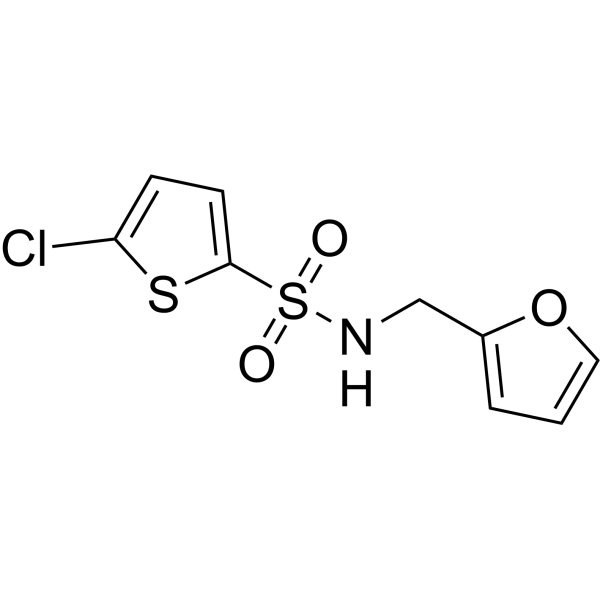
Antimicrobial agent-14
 0 Images
Antimicrobial agent-14, a benzyl thiophene sulfonamide derivative is an antimicrobial agent, with a MIC of 200 μM against Campylobacter coli ATCC33559. Antimicrobial agent-14 can be used for the research of bacterial foodborne gastroenteritis.
-
Cycloguanil-d6
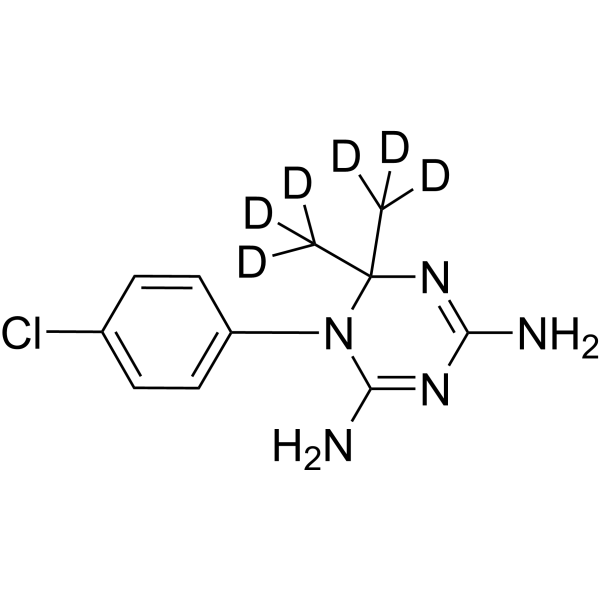 0 ImagesSynonyms: Chlorguanide triazine-d6
Cycloguanil-d6 (Chlorguanide triazine-d6) is the deuterium labeled Cycloguanil (HY-12784). Cycloguanil is a dihydrofolate reductase (DHFR) inhibitor with an IC50 of 10.8 μM against human DHFR. Cycloguanil blocks the folate metabolic pathway, thereby affecting nucleotide synthesis and interfering with DNA replication. Cycloguanil inhibits DHFR in Plasmodium and is thus used in malaria research. Cycloguanil also potently inhibits DHFR in human cancer cells and blocks the transcriptional activity of STAT3, thereby exhibiting anticancer activity.
-
Yatein
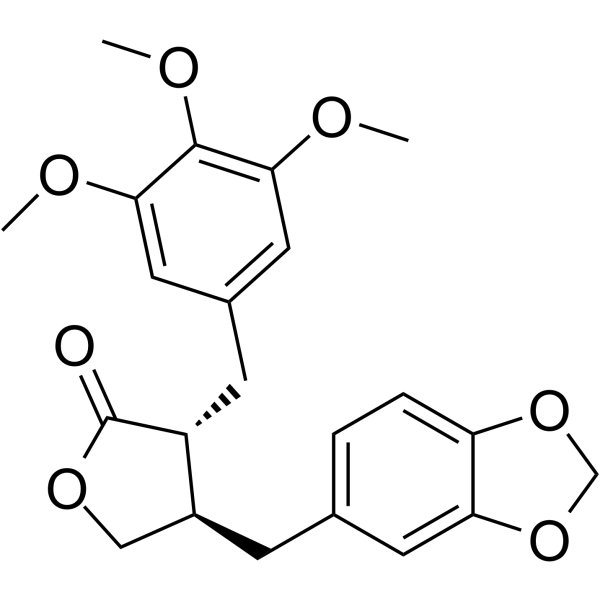 0 ImagesCat. No.: HY-N1060CAS No.: 40456-50-6
Yatein is a lignan isolated from A. chilensis, with antiproliferative activity. Yatein suppresses herpes simplex virus type 1 (HSV-1 ) replication by interruption the immediate-early gene expression.
-
Periplocoside N
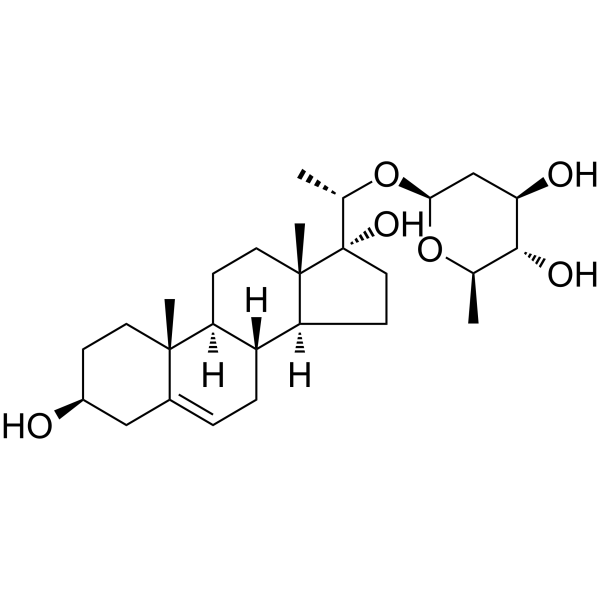 0 ImagesCat. No.: HY-N4250CAS No.: 39946-41-3
Periplocoside N, a pregnane glycoside isolated from root powder of Periploca sepium, possesses insecticidal activities against the red imported fire ant.
-
Ranalexin
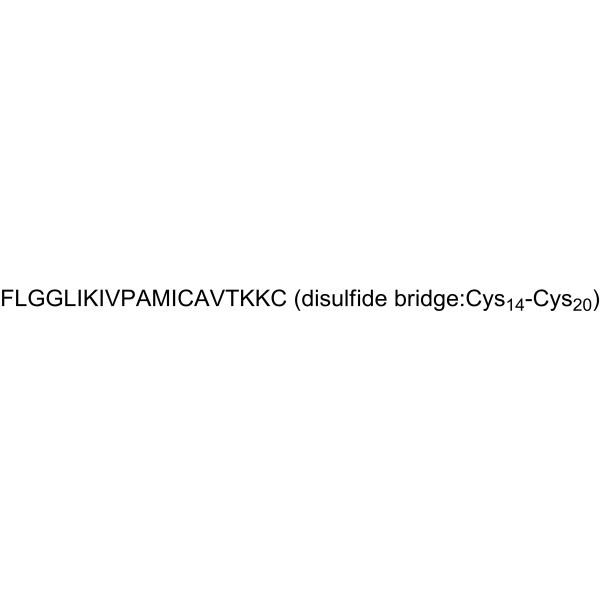 0 ImagesCat. No.: HY-P4204CAS No.: 155761-99-2
Ranalexin is an antimicrobial peptide. Ranalexin inhibits S. aureus, E. coli, P. aerugiaosa with MICs of 4, 32, 128 μg/mL.
-
Polybia-MP1
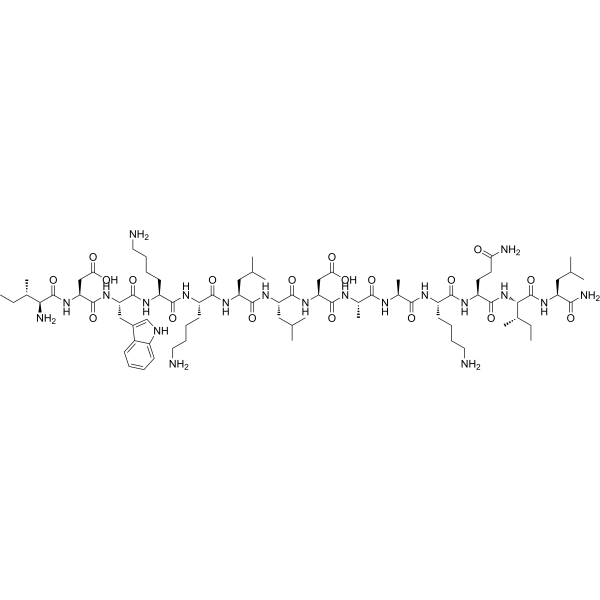 0 Images
Polybia-MP1 is an antimicrobial peptide with antibacterial, antifungal and anticancer activities. Polybia-MP1 selectively targets cancer cells by interacting with PS and PE in the outer leaflet of cell membranes, and induces necrosis via pore formation. Polybia-MP1 exhibits antibacterial activity against Pseudomonas aeruginosa. Polybia-MP1 can be used in research related to bacterial infections, fungal infections and cancers.
-
Polyphyllin C
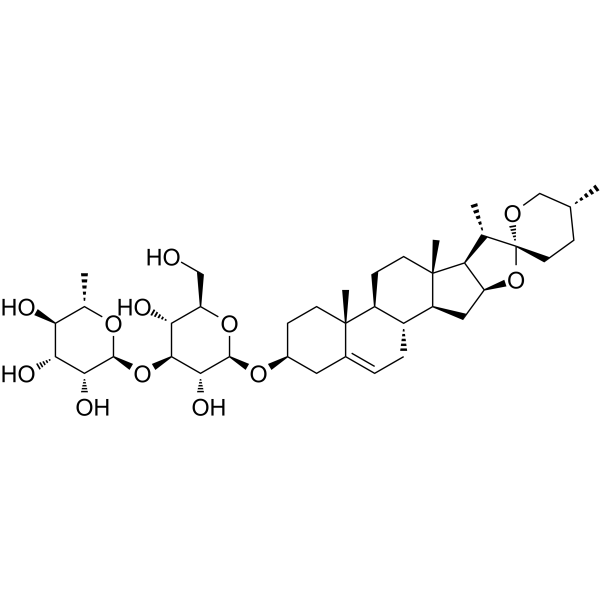 0 ImagesCat. No.: HY-W019829CAS No.: 76296-71-4
Polyphyllin C (compound 2) is a spirostanol saponin. Polyphyllin C exhibits mild (IC50=36.87 µM) activities against the tyrosinase and moderate (IC50=1.59 µg/mL) antileishmanial activities.
-
(Z)-9-Tricosene (Standard)
 0 ImagesSynonyms: cis-9-Tricosene (Standard)
(Z)-9-Tricosene (Standard) (cis-9-Tricosene (Standard)) is the analytical standard of (Z)-9-Tricosene (HY-W009165). This product is intended for research and analytical applications. (Z)-9-Tricosene (cis-9-Tricosene) is an insect pheromone found in dipteran flies. (Z)-9-Tricosene has multiple functions as a sex pheromone, aggregation pheromone and aphrodisiac pheromone, and mediates insect behaviors such as attraction, oviposition and mating via antennal receptors (e.g., the Or7a receptor). (Z)-9-Tricosene can be used in studies related to insecticides and insect chemical ecology.
-
Digitolutein
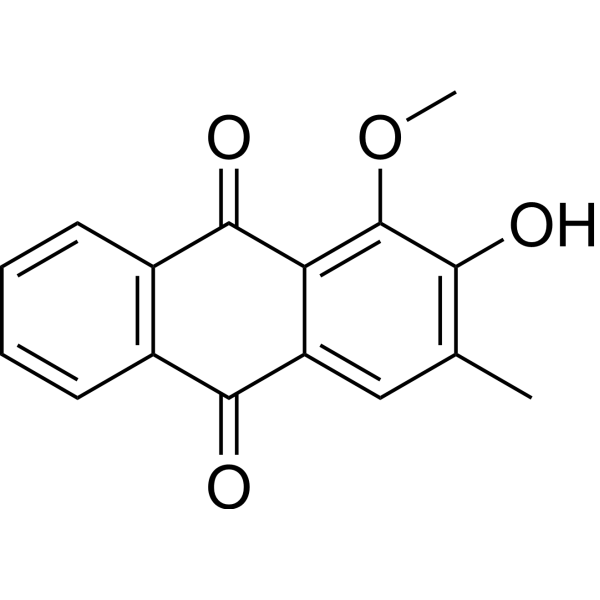 0 Images
Digitolutein is a natural product that can be isolated from the stem bark and the roots of Morinda lucida Benth. Digitolutein effectively inhibits the growth of Plasmodium falciparum with an IC50 value of 12.92 μg/mL. Digitolutein can be used for the research of infection.
-
Peldesine
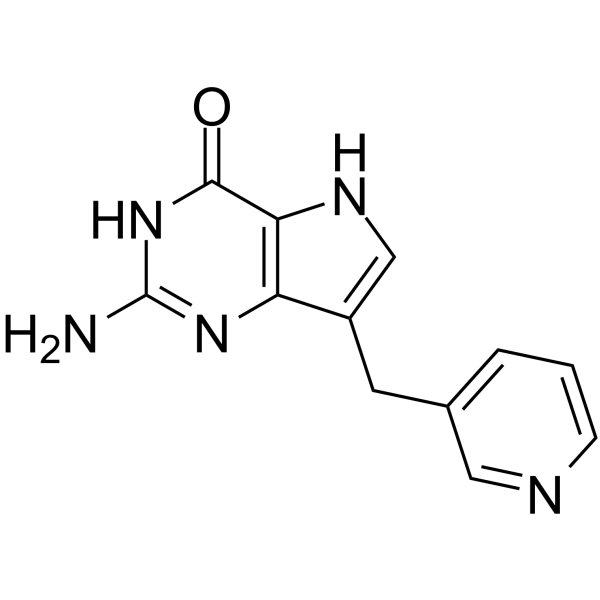 0 ImagesCat. No.: HY-106934CAS No.: 133432-71-0Synonyms: BCX 34
Peldesine (BCX 34) is a potent, competitive, reversible and orally active purine nucleoside phosphorylase (PNP) inhibitor with IC50s of 36 nM, 5 nM, and 32 nM for human, rat, and mouse red blood cell (RBC) PNP, respectively. Peldesine is also a T-cell proliferation inhibitor with an IC50 of 800 nM. Peldesine has the potential for cutaneous T-cell lymphoma, psoriasis and HIV infection research.
-
Griselimycin
 0 Images
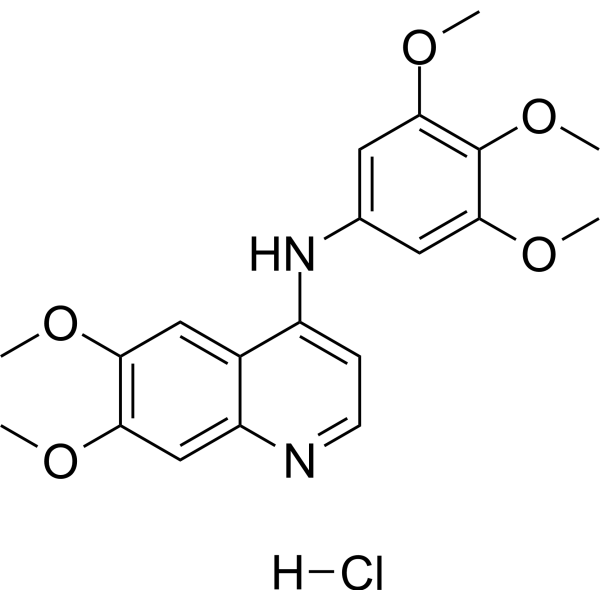
Griselimycin is a cyclic lipopeptide produced by Streptomyces. Griselimycin specifically binds to the sliding clamp of bacterial DNA polymerase and does not interact with human PCNA. Griselimycin exhibits potent antibacterial activity against Mycobacterium tuberculosis (including drug-resistant strains) and a variety of Gram-negative bacteria.
-
Ganciclovir triphosphate
 0 ImagesCat. No.: HY-131605CAS No.: 86761-38-8Synonyms: GCV-TP
Ganciclovir triphosphate (GCV-TP) is a competitive DNA polymerase inhibitor and a metabolite of Ganciclovir (HY-13637). Ganciclovir triphosphate can replace Guanine-5'-triphosphate to terminate DNA chain extension, and mimics dGTP (HY-138616) to compete with mammalian DNA polymerases. Ganciclovir triphosphate can be used in research related to HSV infection, retinoblastoma, glioblastoma and colorectal cancer.
-
Pentosan Polysulfate
 0 ImagesCat. No.: HY-A0203CAS No.: 37300-21-3
-
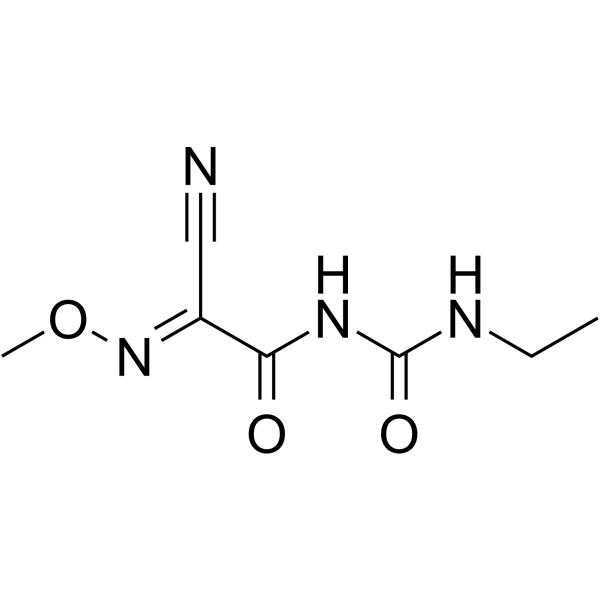
Cymoxanil
 0 Images
Cymoxanil is a fungicidal cyanooxime against plant diseases caused by fungi belonging to the Perenosporales. Cymoxanil affects growth, DNA and RNA synthesis in Phytophthora.
-
Reveromycin A
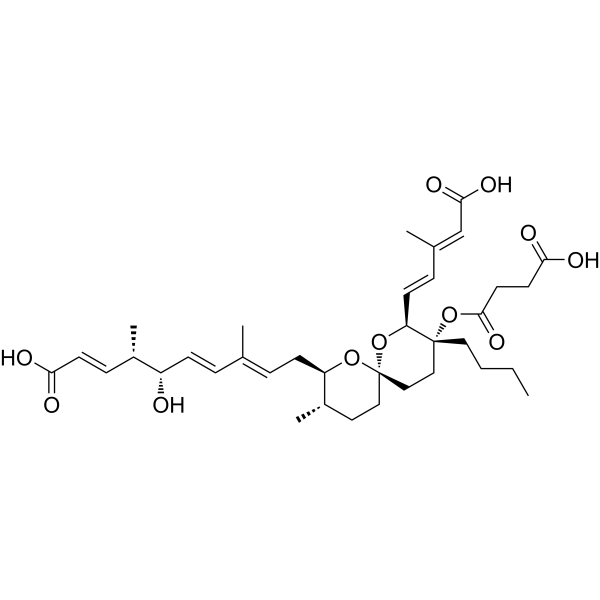 0 ImagesCat. No.: HY-129337CAS No.: 134615-37-5
Reveromycin A, a benzoquinoid antibiotic isolated from the genus Streptomyces, is a selective inhibitor of protein synthesis in eukaryotic cells. Reveromycin A inhibits bone resorption by inducing apoptosis specifically in osteoclasts. Reveromycin A has antiproliferative activity against tumor cell lines and antifungal activity.
-
UK-1
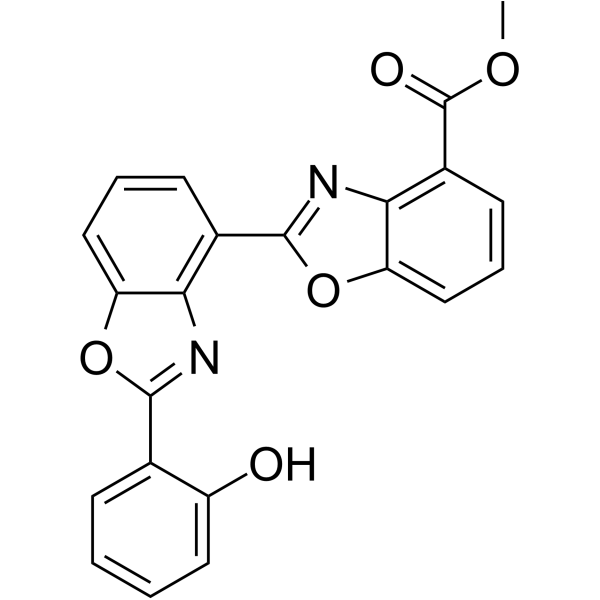 0 ImagesCat. No.: HY-129558CAS No.: 151271-53-3
UK-1 is a cytotoxic metabolite from Streptomyces sp. 517-02 and exerts a wide spectrum of potent anticancer activities. UK-1 also inhibits HCV replication.
-
7,3',4'-Trihydroxy-3-benzyl-2H-chromene
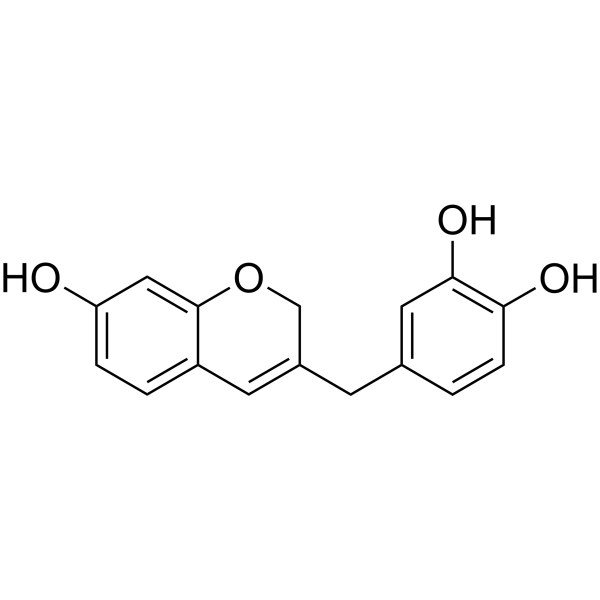 0 ImagesCat. No.: HY-N2735CAS No.: 1111897-60-9
7,3',4'-Trihydroxy-3-benzyl-2H-chromene is an reversible noncompetitive neuraminidase (NA) inhibitor. 7,3',4'-Trihydroxy-3-benzyl-2H-chromene can be isolated from the dried heartwood of Caesalpinia sappan L. 7,3',4'-Trihydroxy-3-benzyl-2H-chromene has potent NAs inhibitory activities with IC50 values of 34.6 µM [H1N1], 39.5 µM [H3N2], and 50.5µM [H9N2], respectively. 7,3',4'-Trihydroxy-3-benzyl-2H-chromene can be used for the research of influenza virus.
-
Ganodermanondiol
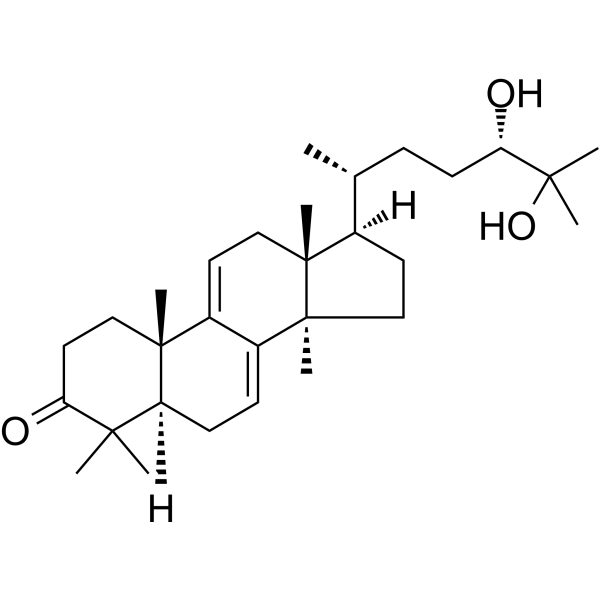 0 Images
Ganodermanondiol is a melanogenesis inhibitor isolated from the Ganoderma lucidum.Ganodermanondiol exhibits potent cytoprotective effects on tert-butyl hydroperoxide-induced hepatotoxicity. Ganodermanondiol shows significant anti-HIV-1 protease activity with an IC50 of 90 μM. Ganodermanondiol exhibits a strong anticomplement activity against the classical pathway of the complement system with an IC50 of 41.7μM.
-
Albendazole-d3
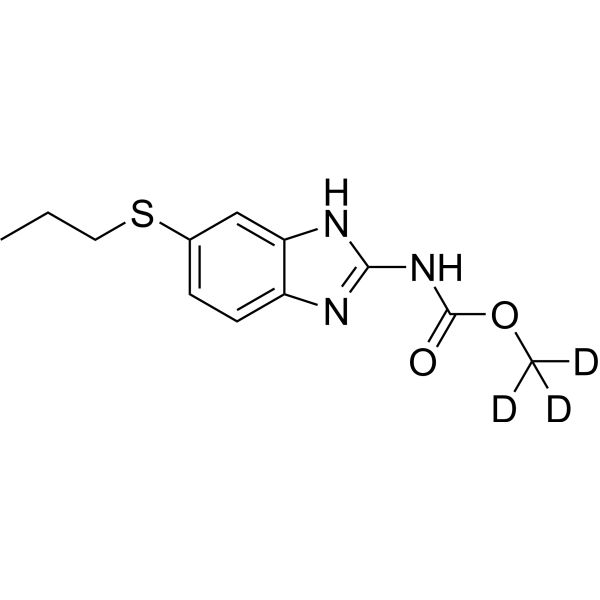 0 ImagesSynonyms: SKF-62979-d3
Albendazole-d3 is the deuterium labeled Albendazole, which is a member of the benzimidazole compounds used as a agent indicated for the treatment of a variety of worm infestations.