Infection
-
Infection Related Products (18904)
Related Products (18904)

-
Antibodies (22)
-
Periplocoside N
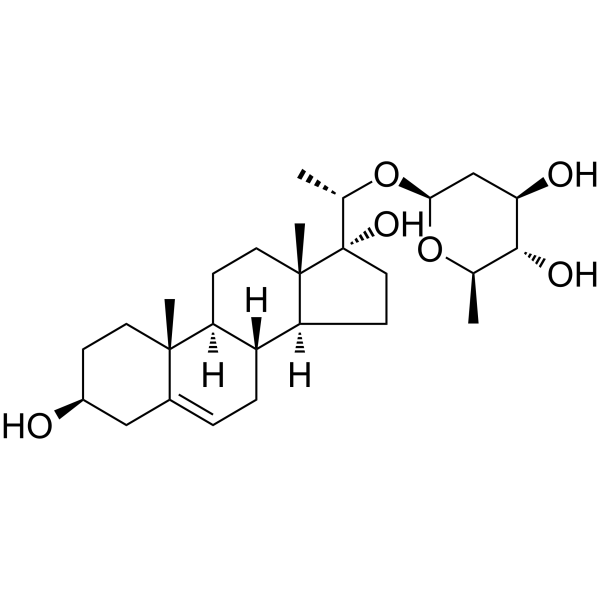 0 ImagesCat. No.: HY-N4250CAS No.: 39946-41-3
Periplocoside N, a pregnane glycoside isolated from root powder of Periploca sepium, possesses insecticidal activities against the red imported fire ant.
-
Reveromycin A
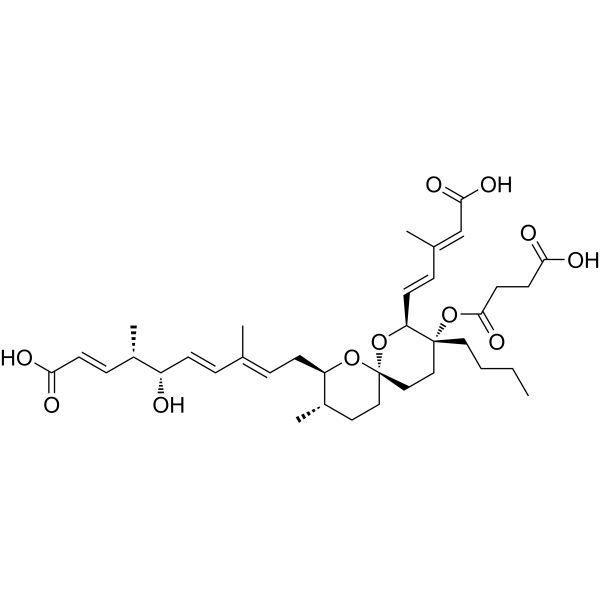 0 ImagesCat. No.: HY-129337CAS No.: 134615-37-5
Reveromycin A, a benzoquinoid antibiotic isolated from the genus Streptomyces, is a selective inhibitor of protein synthesis in eukaryotic cells. Reveromycin A inhibits bone resorption by inducing apoptosis specifically in osteoclasts. Reveromycin A has antiproliferative activity against tumor cell lines and antifungal activity.
-
Kakuol
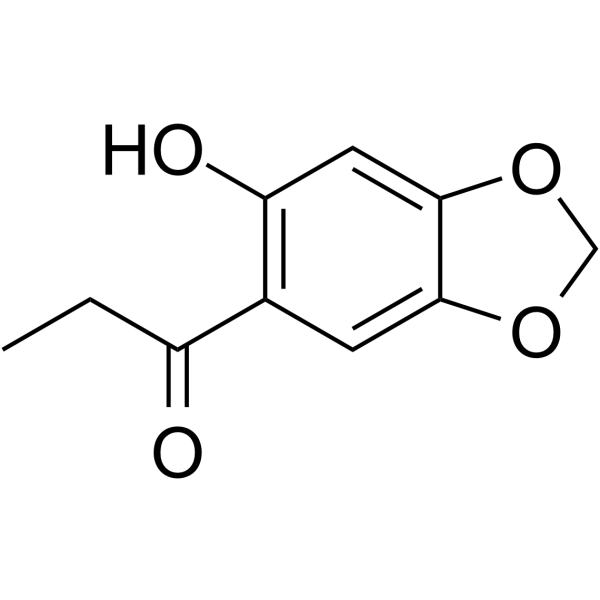 0 Images
Kakuol is a natural compound with antifungal activity.
-
7,3',4'-Trihydroxy-3-benzyl-2H-chromene
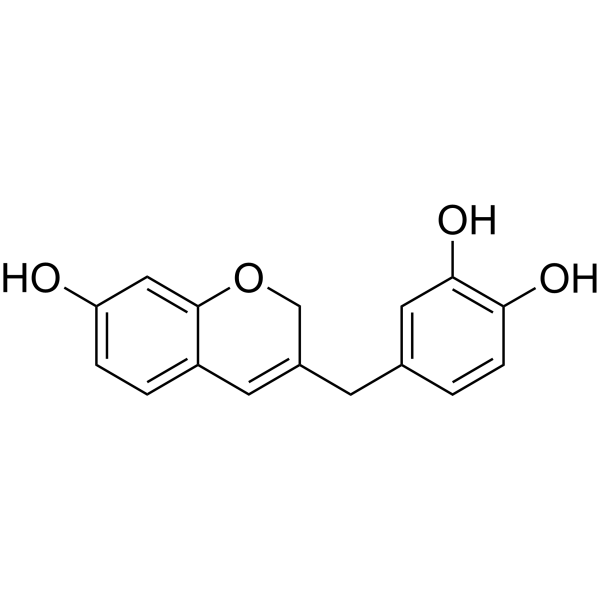 0 ImagesCat. No.: HY-N2735CAS No.: 1111897-60-9
7,3',4'-Trihydroxy-3-benzyl-2H-chromene is an reversible noncompetitive neuraminidase (NA) inhibitor. 7,3',4'-Trihydroxy-3-benzyl-2H-chromene can be isolated from the dried heartwood of Caesalpinia sappan L. 7,3',4'-Trihydroxy-3-benzyl-2H-chromene has potent NAs inhibitory activities with IC50 values of 34.6 µM [H1N1], 39.5 µM [H3N2], and 50.5µM [H9N2], respectively. 7,3',4'-Trihydroxy-3-benzyl-2H-chromene can be used for the research of influenza virus.
-
Polybia-MP1
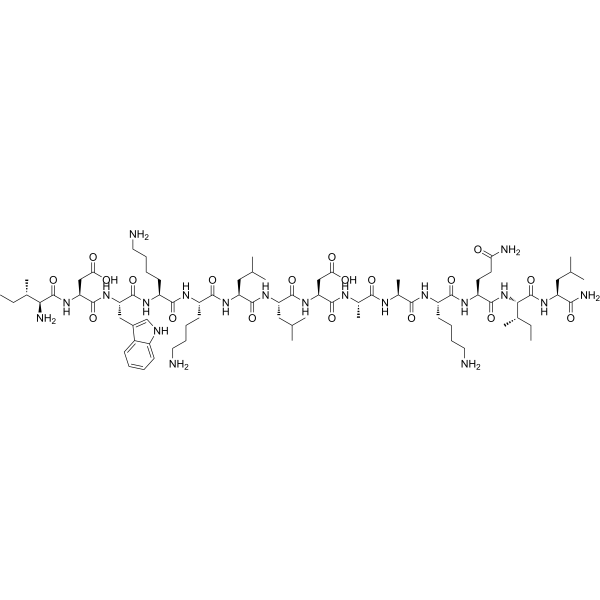 0 Images
Polybia-MP1 is an antimicrobial peptide with antibacterial, antifungal and anticancer activities. Polybia-MP1 selectively targets cancer cells by interacting with PS and PE in the outer leaflet of cell membranes, and induces necrosis via pore formation. Polybia-MP1 exhibits antibacterial activity against Pseudomonas aeruginosa. Polybia-MP1 can be used in research related to bacterial infections, fungal infections and cancers.
-
Theaflavin 3,3'-digallate (Standard)
 0 ImagesSynonyms: TF-3 (Standard); ZP10 (Standard)
Theaflavin 3,3'-digallate (Standard) is the analytical standard of Theaflavin 3,3'-digallate. This product is intended for research and analytical applications. Theaflavin 3,3'-digallate (TF-3) is a potent Zika virus (ZIKV) protease inhibitor with an IC50 of 2.3 μM. Theaflavin 3,3'-digallat directly binds to ZIKVpro (Kd=8.86 μM) and inhibits ZIKV replication. Theaflavin 3,3'-digallat inhibits the activity of gp41 and NS2B-3 protease and has antiviral activity against HSV and HIV-1. Theaflavin 3,3'-digallate, the typical pigment in black tea, is a potent antitumor agent.
-
Fosclevudine alafenamide
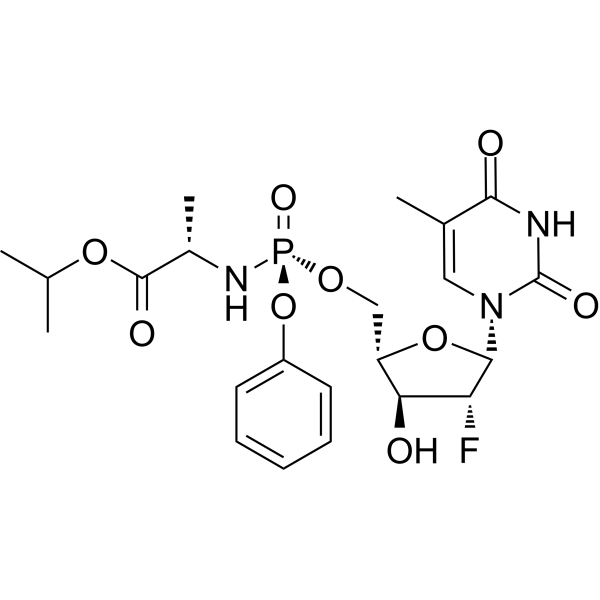 0 ImagesSynonyms: ATI-2173
-
4',7-Dimethoxyisoflavone-d6
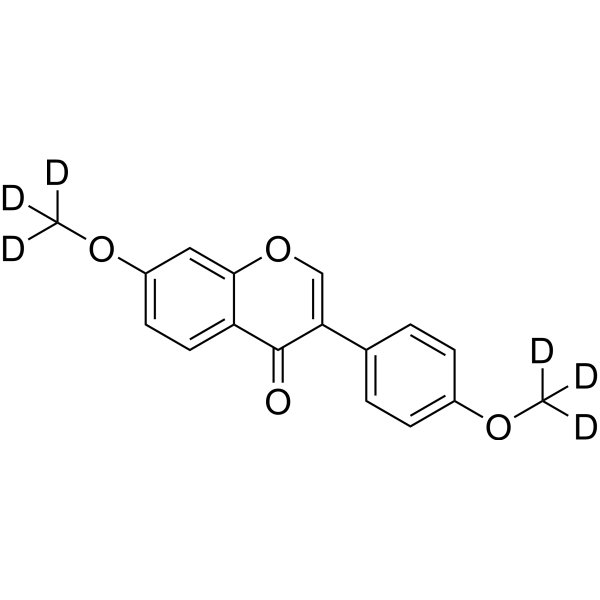 0 ImagesCat. No.: HY-N2145SPurity: 98.82%Synonyms: Dimethoxydaidzein-d6
4',7-Dimethoxyisoflavone-d6 (Dimethoxydaidzein-d6) is the deuterium labeled 4',7-Dimethoxyisoflavone (HY-N2145). 4',7-Dimethoxyisoflavone is isolated from the leaves of Albizzia lebbeck, which shows antifungal activity.
-
Pseudane IX
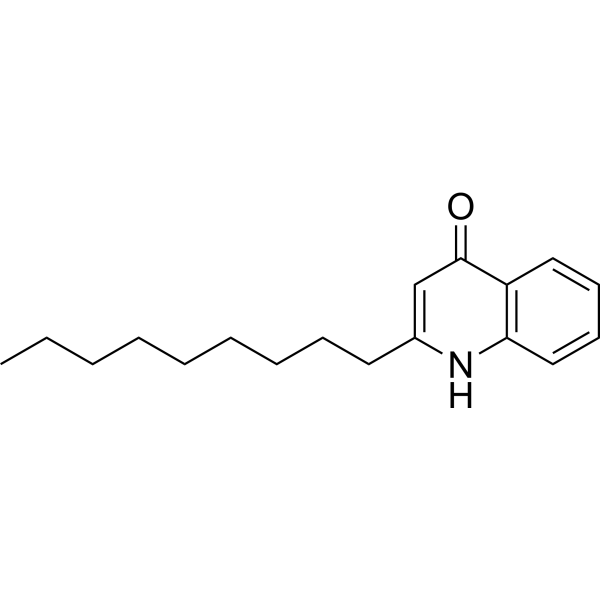 0 ImagesCat. No.: HY-W555382CAS No.: 55396-45-7Synonyms: 2-Nonylquinolin-4(1H)-one
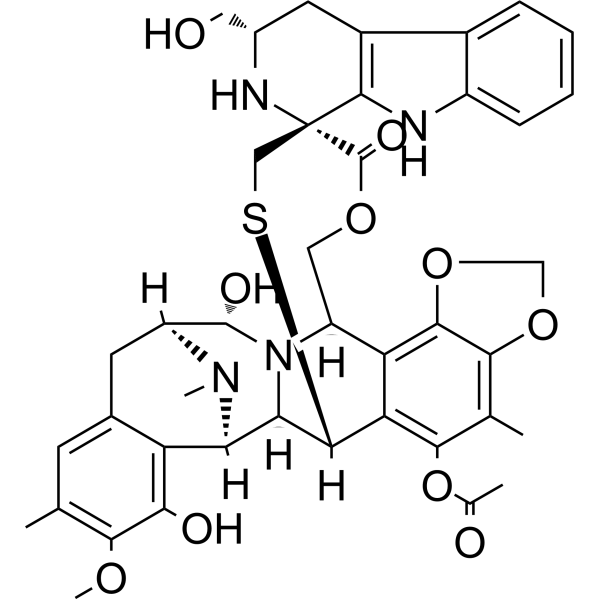
-
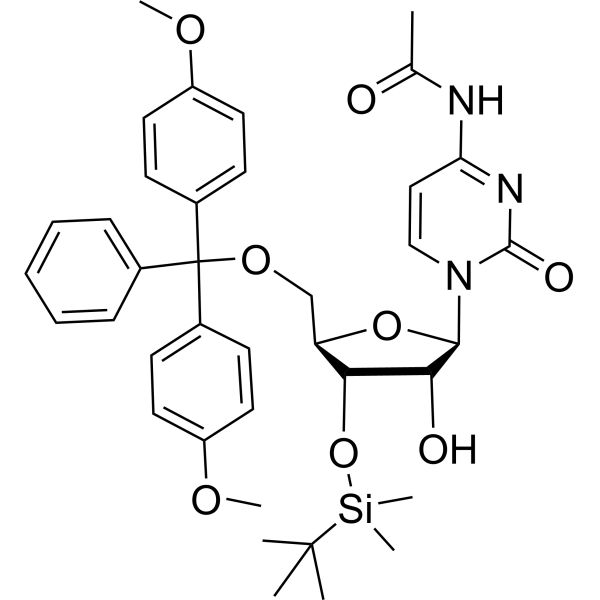
5'-O-DMT-3'-O-TBDMS-Ac-rC
 0 Images
5'-O-DMT-3'-O-TBDMS-Ac-rC is a modified nucleoside and can be used to synthesize DNA or RNA.
-
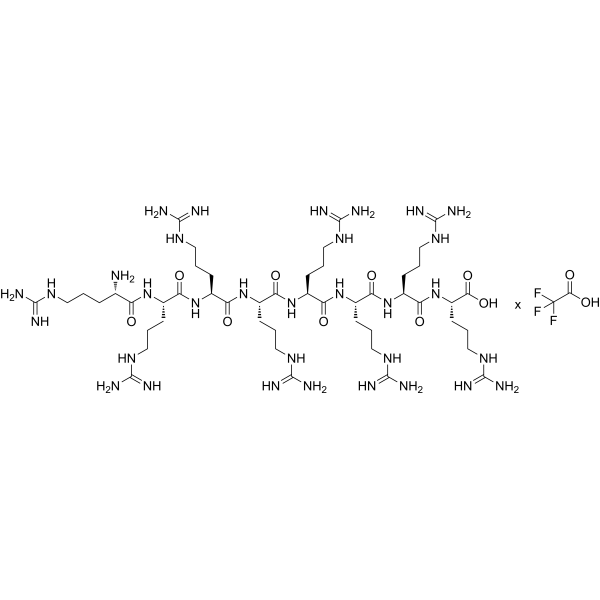
Octaarginine TFA
 0 ImagesCat. No.: HY-P2483A
Octaarginine TFA is a cell-penetrating peptide and proteasome inhibitor. Octaarginine TFA exhibits mixed-type inhibition against 20S proteasome chymotrypsin-like, caspase-like, and trypsin-like activities, and inhibits 26S proteasome activity with decreased efficiency. Octaarginine TFA induces ubiquitin-conjugated protein accumulation, mediates HSPG-dependent cellular internalization via macropinocytosis, enhances liposomal cargo uptake and gene delivery. Octaarginine TFA can be used for the research of cervix carcinoma, collagen antibody-induced arthritis, and bacterial infections.
-
Dup-721
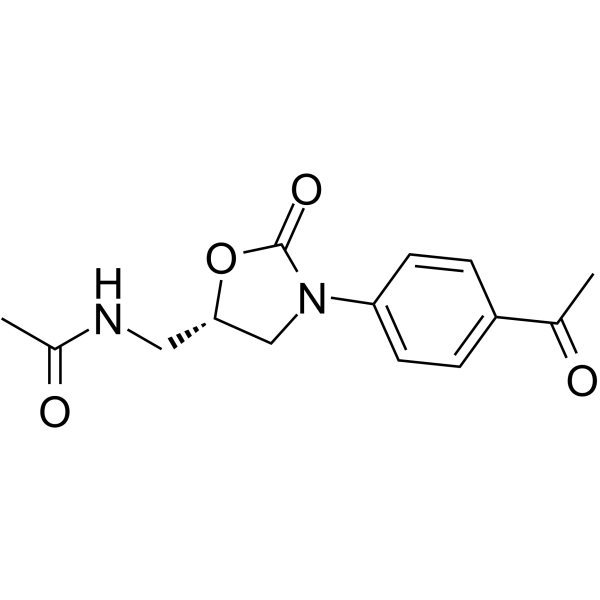 0 Images
DuP-721 is a broad spectrum and orally active antibacterial agent against a variety of clinically susceptible and resistant bacteria, especially M. tuberculosis.
-
Goniothalamin
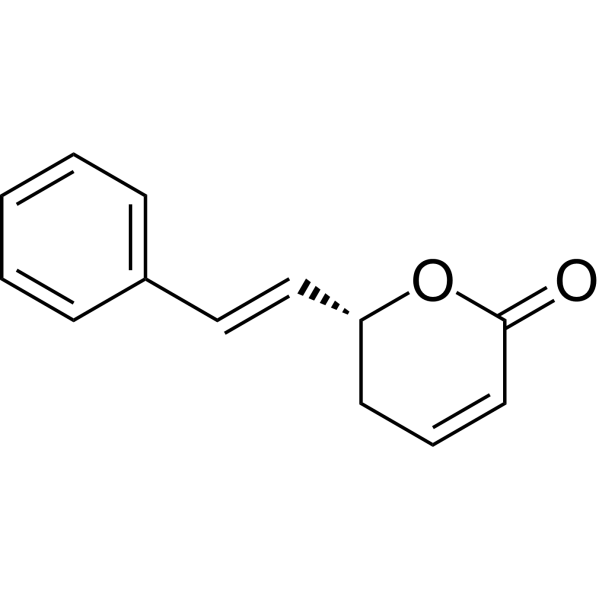 0 ImagesSynonyms: GTN; (R)-(+)-Goniothalamin
Goniothalamin (GTN) is a styryl lactone. Goniothalamin exhibits insecticidal, anti-tumor and antibacterial activities. Goniothalamin induces cell cycle arrest and apoptosis in tumor cells. Goniothalamin acts as a larvicide against Culex quinquefasciatus larvae and as a cytotoxin against brine shrimp larvae. Goniothalamin functions as an antibacterial agent against Gram-positive and Gram-negative bacteria, and also acts as an antifungal agent against pathogens including Candida albicans, Trichophyton rubrum and Trichophyton mentagrophytes. Goniothalamin is applicable to research related to breast cancer, lymphatic filariasis, bacterial infections and fungal infections.
-
Essential oils, Melaleuca alternifolia
 0 ImagesCat. No.: HY-N9694CAS No.: 68647-73-4
Essential oils, Melaleuca alternifolia is extracted from the leaves of Melaleuca alternifolia, has bactericidal and anti-inflammatory activies.
-
Clinafloxacin hydrochloride
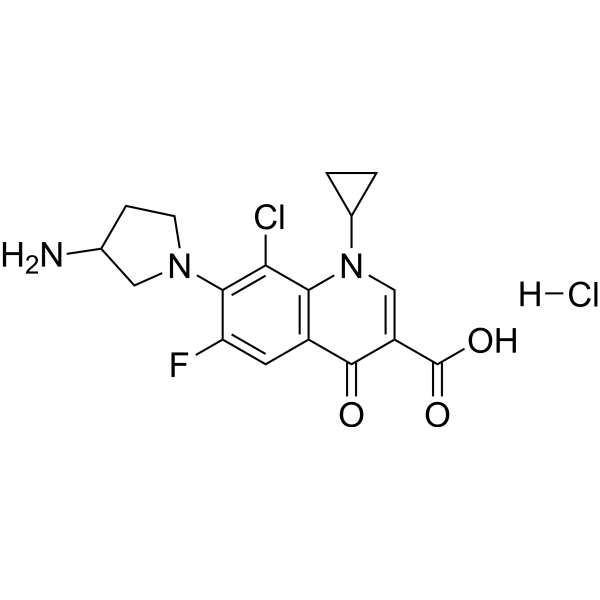 0 ImagesSynonyms: AM 1091 hydrochloride; CI 960 hydrochloride; PD127391 hydrochloride
Clinafloxacin hydrochloride (AM 1091 hydrochloride) is a potent and broad-spectrum fluoroquinolone antibiotic, has inhibitory activity against gram-positive, gram-negative bacterias, and anaerobic pathogens in vitro. Clinafloxacin hydrochloride is against DNA gyrase and topoisomerase IV of S. aureus with IC50 values of 0.92 µg/ml and 1.62 µg/ml, respectively.
-
Puromycin-d3 dihydrochloride
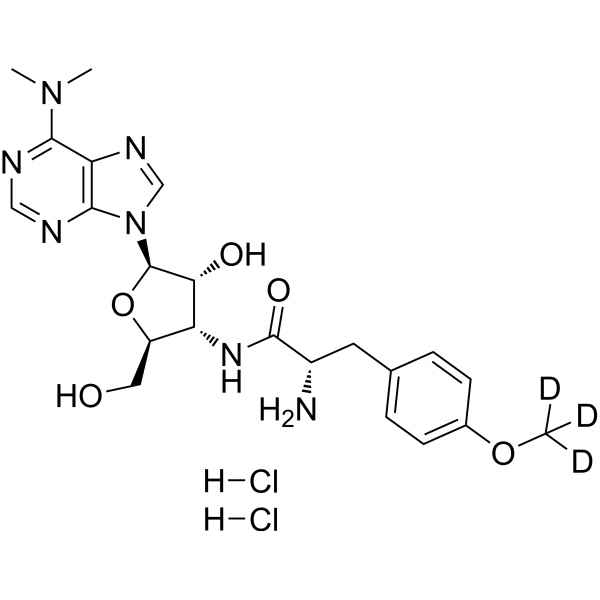 0 ImagesCat. No.: HY-B1743ASPurity: 98.0%Synonyms: CL13900-d3 dihydrochloride
Puromycin-d3 (dihydrochloride) is the deuterium labeled Puromycin dihydrochloride. Puromycin dihydrochloride (CL13900 dihydrochloride), an aminonucleoside antibiotic, inhibits protein synthesis.
-
WIN 54954
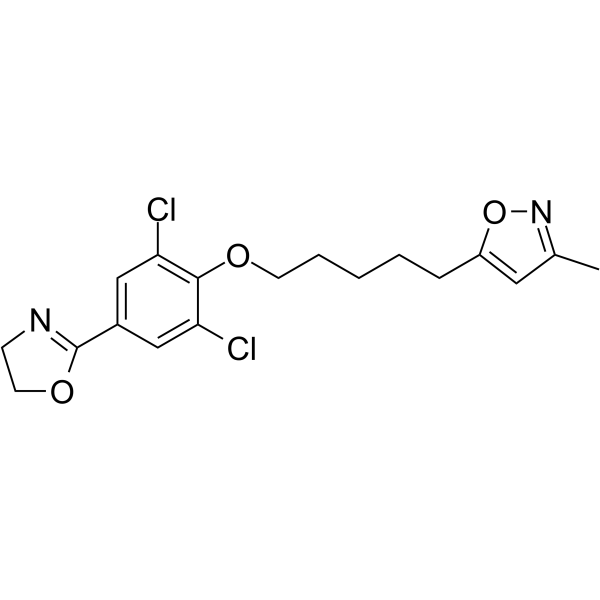 0 Images
WIN 54954 is an orally active and broad-spectrum antipicornavirus agent. WIN 54954 is effectiveness against human rhinovirus, echovirus 9 and enterovirus infections.
-
AZT triphosphate
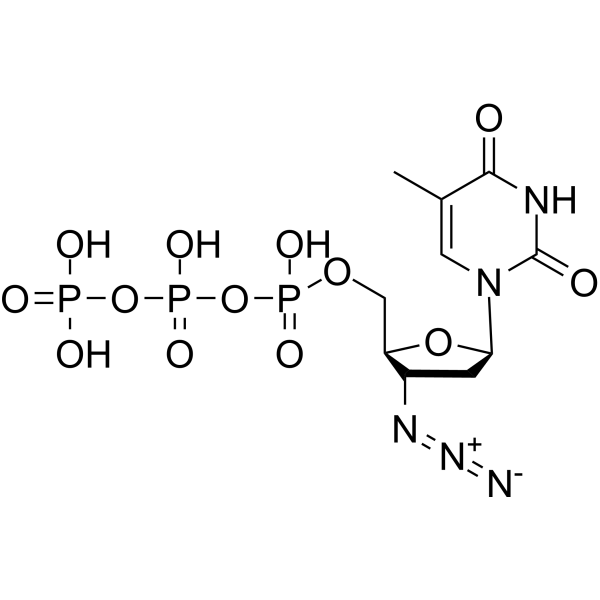 0 ImagesCat. No.: HY-116364CAS No.: 92586-35-1Synonyms: 3'-Azido-3'-deoxythymidine-5'-triphosphate
AZT triphosphate (3'-Azido-3'-deoxythymidine-5'-triphosphate) is a active triphosphate metabolite of Zidovudine (AZT). AZT triphosphate exhibits antiretroviral activity and inhibits replication of HIV. AZT triphosphate also inhibits the DNA polymerase of HBV. AZT triphosphate activates the mitochondria-mediated apoptosis pathway.