Infection
-
Infection Related Products (18788)
Related Products (18788)

-
Antibodies (22)
-
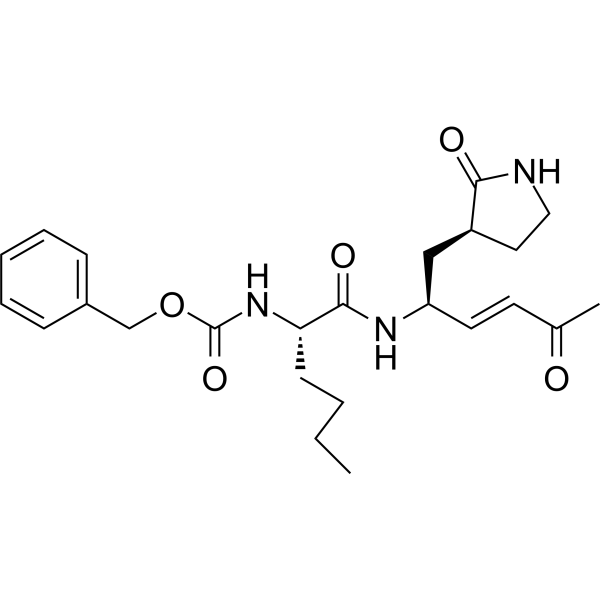
Anti-MRSA agent 27
 0 ImagesCat. No.: HY-172912CAS No.: 23750-73-4
Anti-MRSA agent 27 (compound 4a) is a potent anti-methicillin-resistant Staphylococcus aureus agent with a MIC of 0.0975 μmol/L. Anti-MRSA agent 27 disrupts MRSA biofilms and suppresses hemolytic toxin production.
-
Walsuronoid B
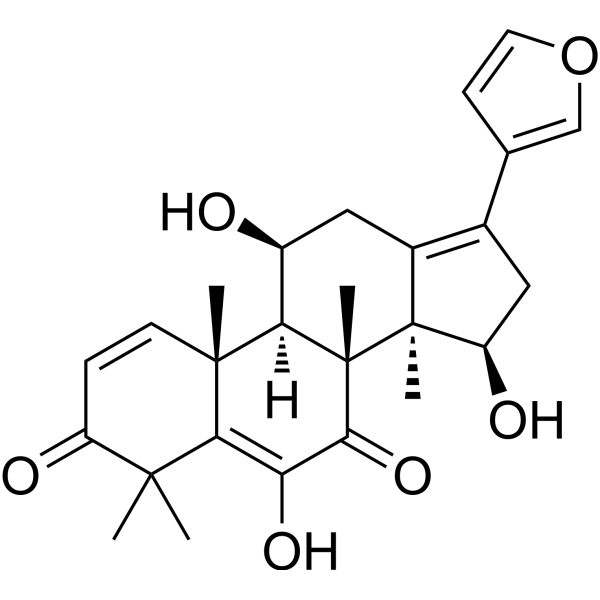 0 ImagesCat. No.: HY-N1075CAS No.: 942582-15-2
Walsuronoid B is a limonoid can be isolated from Walsura robusta and has weak antimalarial activity.
-
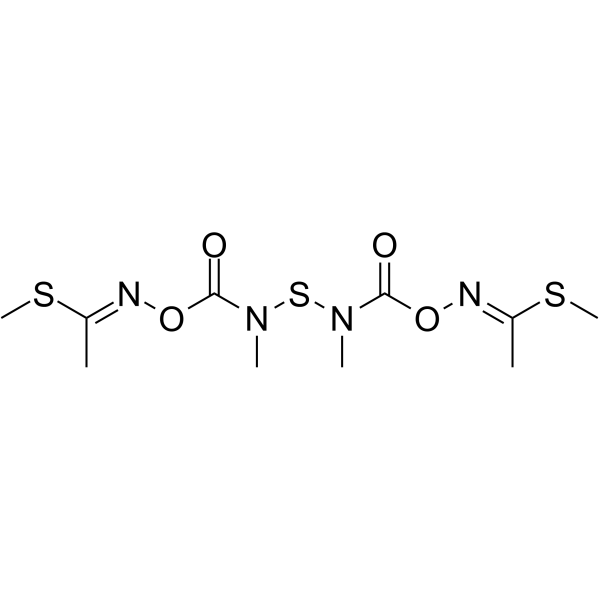
Thiodicarb
 0 Images
Thiodicarb is a carbamate insecticide used to control flies in animal and poultry houses and dairies. Thiodicarb is metabolized into methomyl in animals and plants, and subsequently degraded into carbon dioxide and acetonitrile.
-
Tetracycline aptamer sodium
 0 ImagesCat. No.: HY-177805
Tetracycline aptamer sodium is a 57mer-RNA aptamer that targets tetracycline.
-
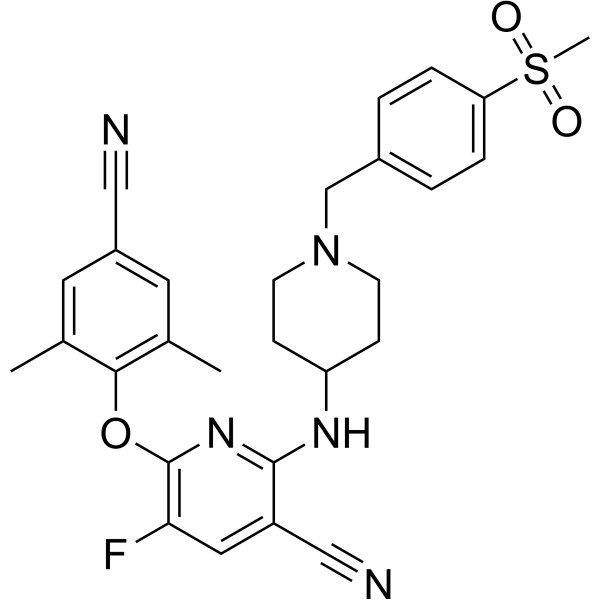
CpCDPK1/TgCDPK1-IN-1
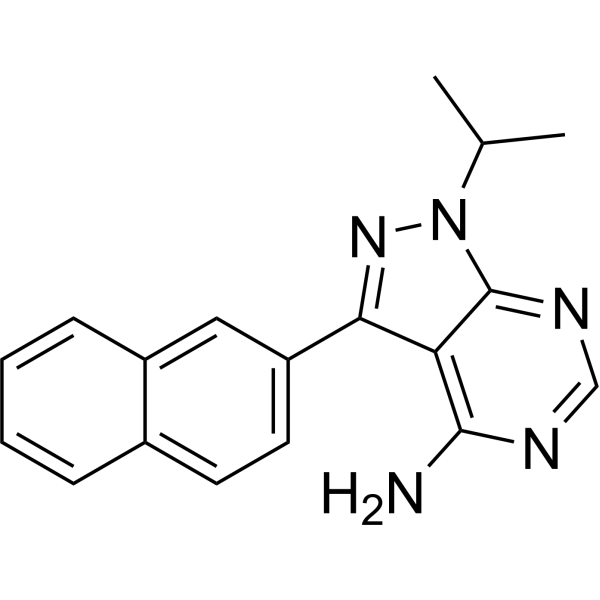 0 ImagesCat. No.: HY-128397CAS No.: 1092788-23-2
-
Anguinomycin B
 0 ImagesCat. No.: HY-N13878CAS No.: 111278-00-3
Anguinomycin B is an antitumor antibiotic that shows highly cytotoxic to murine P388 leukemia cells.

-
Antibacterial agent 32
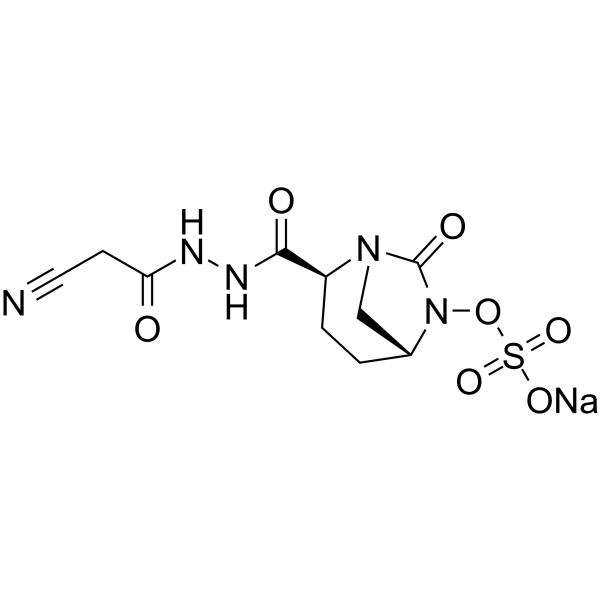 0 ImagesCat. No.: HY-139747CAS No.: 1436862-65-5
Antibacterial agent 32 (example 43) is an antibacterial agent with MIC values of 1 mcg/mL, 2 mcg/mL, and 8 mcg/mL against E. coli strains NCTC 13351, M 50 and 7 MP, respectively (WO2013030733A1).
-
5'-Azido-5'-deoxythymidine
 0 Images
5'-Azido-5'-deoxythymidine (Compound 7), a nucleoside analogue, is a reverse transcriptase inhibitor. 5'-Azido-5'-deoxythymidine mimics nucleosides and is incorporated into the viral DNA chain to terminate chain elongation, inhibiting viral replication. 5'-Azido-5'-deoxythymidine is promising for research of retroviral infection diseases such as AIDS.

-
HBV-IN-12
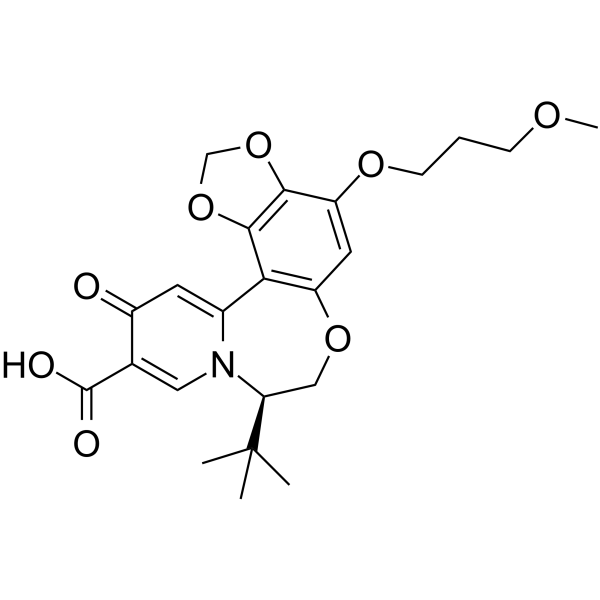 0 ImagesCat. No.: HY-145059CAS No.: 2724229-06-3
HBV-IN-12 is a potent hepatitis B surface antigen (HBsAg) inhibitor (0.001 μM< EC50 ≤0.05 μM). HBV-IN-12 shows anti-HBV DNA activity (0.001 μM<EC50 ≤0.02 μM). From patent WO2021204252A1, compound 15.
-
Sulfadimethoxypyrimidine-d4
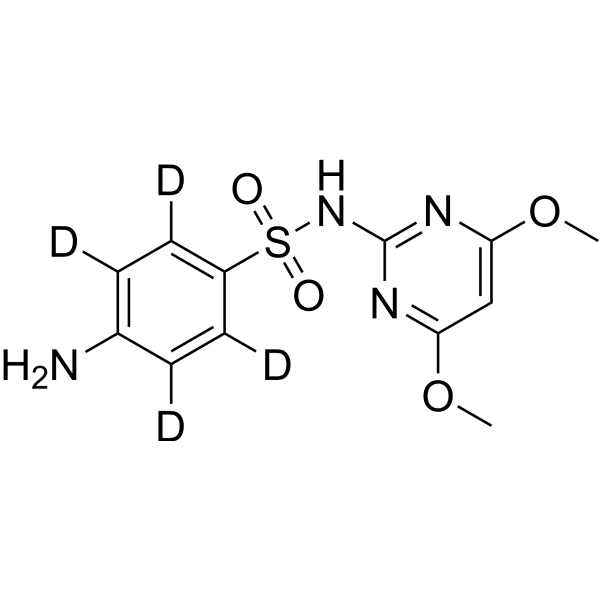 0 ImagesCat. No.: HY-135393SCAS No.: 1392211-88-9
Sulfadimethoxypyrimidine-d4 is a deuterium labeled Sulfadimethoxypyrimidine. Sulfadimethoxypyrimidine is a sulfonamide antibiotic with a broad-spectrum antibacterial effect.
-
Kipukasin D
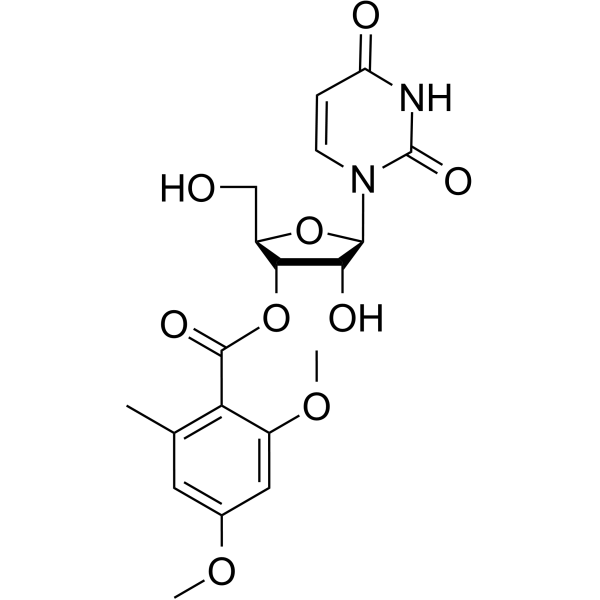 0 ImagesCat. No.: HY-N7609CAS No.: 948574-00-3
Kipukasin D is an natural nucleoside derived from Aspergillus versicolor with antibacterial activity.
-
Dimethomorph-d8
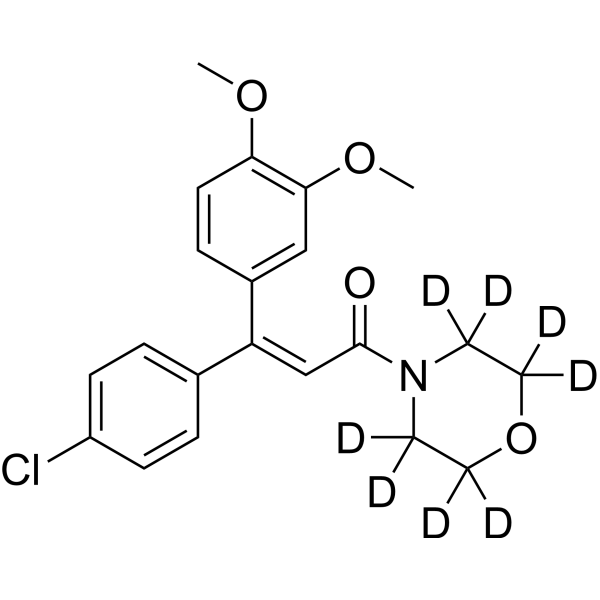 0 ImagesCat. No.: HY-B0846SCAS No.: 1346606-71-0
Dimethomorph-d8 is the deuterium labeled Dimethomorph. Dimethomorph is a fungicide belongs to the fungicide group of sterol biosynthesis inhibitor. Dimethomorph can inhibit fungal cell wall formation. Dimethomorph also inhibits androgen receptor (AR) activity in MDA-kb2 cells with an IC20 of 0.263 μM.
-
CyLip-20
 0 ImagesCat. No.: HY-P11582
CyLip-20 is a cyclic lipopeptide antimicrobial peptide that targets Gram-positive and Gram-negative bacteria. CyLip-20 exhibits low hemolytic activity and mild in vivo toxicity. CyLip-20 disrupts the integrity of bacterial outer membrane, inner membrane and cytoplasmic membrane by binding to bacterial lipopolysaccharide (LPS), triggering membrane permeabilization, depolarization and leakage of intracellular contents, and inhibits bacterial biofilm formation. In animal models, CyLip-20 reduces the bacterial load in skin wounds of mice infected with MRSA, promotes wound healing, decreases the levels of inflammatory cytokines and reduces inflammatory cell infiltration. CyLip-20 can be used in research related to MRSA skin wound infections.
-
Indole-d4
 0 ImagesCat. No.: HY-W713126CAS No.: 73509-22-5
Indole-d4 is the deuterium labeled Indole (HY-W001132). Indole is an aromatic, heterocyclic, organic compound which widely distributed in the natural environment and can be produced by a variety of bacteria. Indole regulates various aspects of bacterial physiology, including spore formation, plasmid stability, resistance to drugs, biofilm formation, and virulence as an intercellular signal molecule.
-
APH-IN-1
 0 ImagesCat. No.: HY-P11825
APH-IN-1 is an Aminoglycoside phosphotransferase (APH) inhibitor with a Kd values of 63 nM against Escherichia coli APH(3′)-Ia. APH-IN-1 binds primarily to the ATP-binding pocket of APH in an ATP-competitive manner, with binding affinity enhanced by divalent metal ions (Mg2+ and Ca2+). APH-IN-1 can be used for the research of aminoglycoside-resistant bacterial infections.
-
AHU1
 0 ImagesCat. No.: HY-114748CAS No.: 216774-38-8
AHU1 is a compound that inhibits the expression of Shiga toxin type 2 in Escherichia coli O157:H7, demonstrating a dose-dependent reduction in toxin activity by interfering with the SOS response through its effects on RecA.