



Schistosome
Schistosoma mansoni thioredoxin glutathione reductase (SmTGR) maintains parasite redox balance by reducing both oxidized thioredoxin and glutathione with electrons from NADPH[1]. Mechanistically, SmTGR forms an unusual thiol redox system because it combines thioredoxin reductase, glutathione reductase, and glutaredoxin activities in one enzyme[2]. This organization supports adult worm survival, and RNA interference silencing of TGR killed in vitro parasites within 4 days[3]. Compared with related isoforms, S. mansoni lacks specialized thioredoxin reductase and glutathione reductase enzymes, using one multifunctional TGR instead[3]. Structurally, SmTGR is a unique fusion of a glutaredoxin domain with a thioredoxin reductase domain containing a penultimate selenocysteine[4]. For experimental applications, X-ray crystallography and inhibitor screening identified SmTGR binding sites, selective inhibitors, and non-covalent compounds with schistosomicidal activity in parasite culture or mouse infection models[5][6][7].
References:
- [1]. Smith MM, et al. Descriptive Analysis of Transient-State Observations for Thioredoxin/Glutathione Reductase (Sec597Cys) from Schistosoma mansoni. Biochemistry. 2023 May 2;62(9):1497-1508. [Content Brief]
- [2]. Alger HM, et al. The disulfide redox system of Schistosoma mansoni and the importance of a multifunctional enzyme, thioredoxin glutathione reductase. Mol Biochem Parasitol. 2002 Apr 30;121(1):129-39. [Content Brief]
- [3]. Kuntz AN, et al. Thioredoxin glutathione reductase from Schistosoma mansoni: an essential parasite enzyme and a key drug target. PLoS Med. 2007 Jun;4(6):e206. [Content Brief]
- [4]. Lee MJ, et al. Time to HIV rebound after infusion of long-acting broadly neutralising antibodies 3BNC117-LS and 10-1074-LS and analytical treatment interruption (the RIO trial): a double-blind, randomised, placebo-controlled trial. Lancet HIV. 2026 May 27:S2352-3018(26)00059-7. [Content Brief]
- [5]. Petukhova VZ, et al. Non-covalent inhibitors of thioredoxin glutathione reductase with schistosomicidal activity in vivo. Nat Commun. 2023 Jun 22;14(1):3737. [Content Brief]
- [6]. Alhussein H, et al. AI-based shape optimization of galloping micro-power generators: exploring the benefits of curved surfaces. Sci Rep. 2024 Jan 18;14(1):1552. [Content Brief]
- [7]. Silvestri, et al. Thioredoxin glutathione reductase from Schistosoma mansoni in complex with 1,4-Bis(2-hydroxyethyl)piperazine.2 February 2018
All Product Categories
-
Schistosome Related Products (40)
Related Products (40)

- 1
- 2
-
Dihydroartemisinin
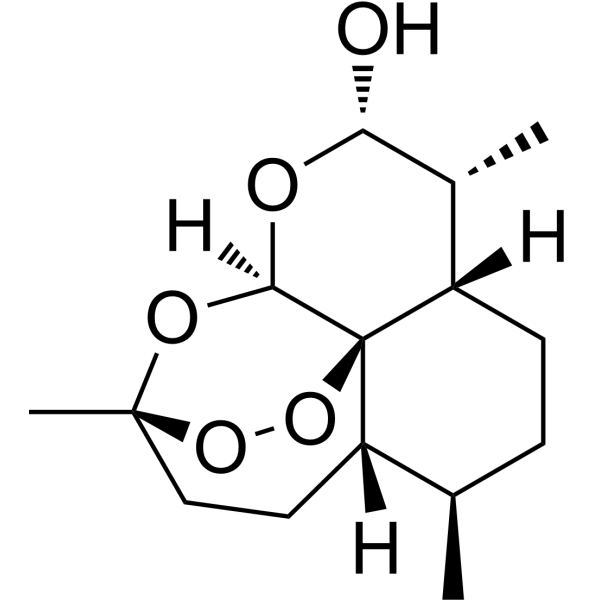 0 ImagesSynonyms: Dihydroqinghaosu; β-Dihydroartemisinin; ArtenimolDihydroartemisinin is an orally active metabolite of rtemisinin (HY-B0094) and antimalarial agent. Dihydroartemisinin induces Autophagy by inhibiting NF-κB activation. Dihydroartemisinin promotes ROS accumulation. Dihydroartemisinin exhibits anticancer activity in esophageal cancer cells. Dihydroartemisinin shows schistosomicidal activity against juvenile and adult worms of Schistosoma japonicum, reduces worm burden, and displays antiparasitic activity. Dihydroartemisinin can be used in research related to multiple myeloma, promyelocytic leukemia, esophageal cancer, and Schistosoma japonicum infection.
-
ML-SI3
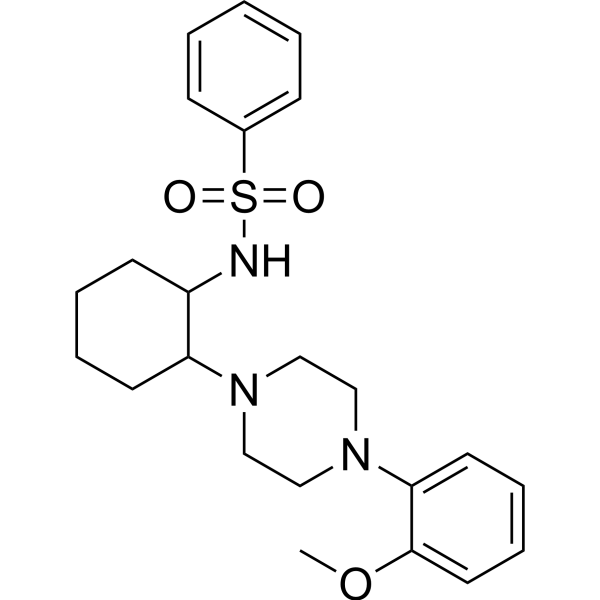 0 ImagesSynonyms: ML-SI3 (cis/trans mix)ML-SI3 is a mixture of cis/trans ML-SI3 (HY-139426A), which is a TRPML1/2 channel inhibitor with IC50s of 4.7 μM and 1.7 μM, respectively. ML-SI3 also inhibits lysosomal calcium efflux and blocks downstream TRPML1-mediated autophagy. The cis/trans ML-SI3 (HY-139426A) components of ML-SI3 are TRPML2 activators with EC50s of 3.3 μM and 9.4 μM, respectively.
-
Nuciferine
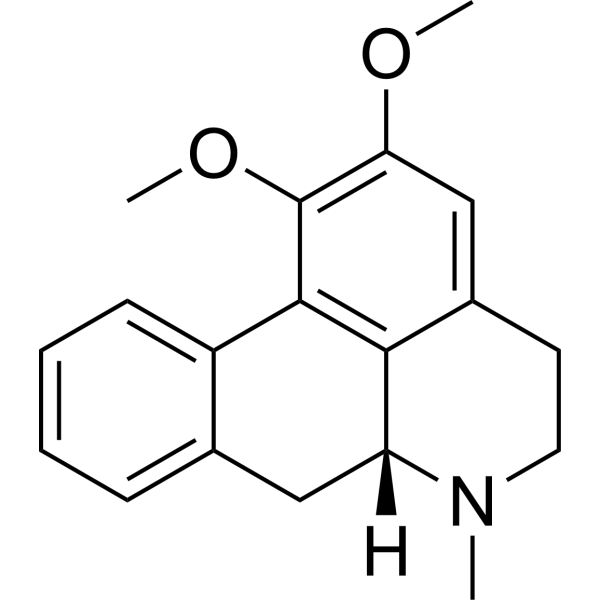 0 ImagesNuciferine is an antagonist at 5-HT2A (IC50=478 nM), 5-HT2C (IC50=131 nM), and 5-HT2B (IC50=1 μM), an inverse agonist at 5-HT7 (IC50=150 nM), a partial agonist at D2 (EC50=64 nM), D5 (EC50=2.6 μM) and 5-HT6 (EC50=700 nM), an agonist at 5-HT1A (EC50=3.2 μM) and D4 (EC50=2 μM) receptor.
-
Phytol
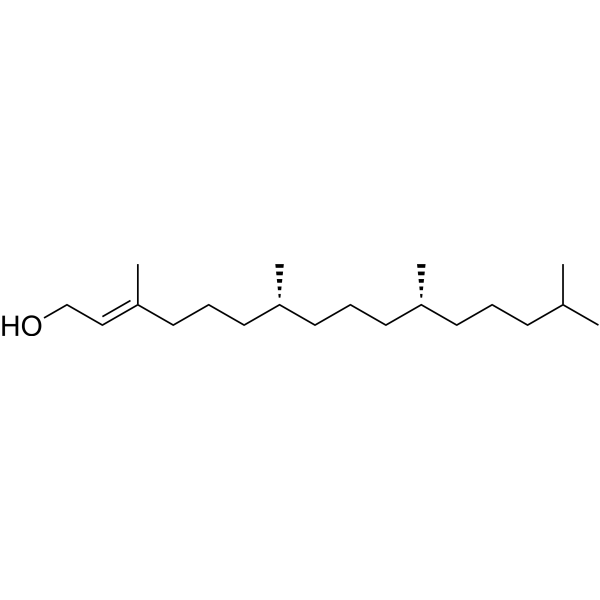 0 ImagesPhytol ((E)-Phytol) is an orally active diterpenoid alcohol that can be extracted from chlorophyll. Phytol has antioxidant, anti-inflammatory, anti-schistosomiasis and antibacterial activities.
-
Nilutamide
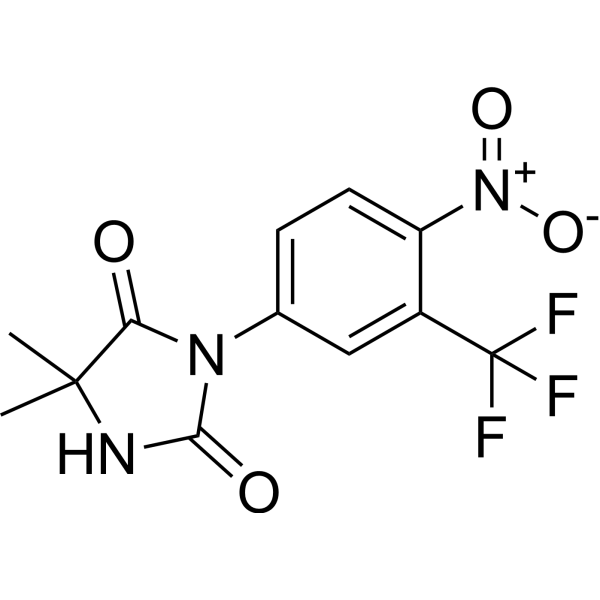 0 ImagesSynonyms: Nilandron; RU 23908Nilutamide (Nilandron) is an orally active nonsteroidal androgen receptor antagonist with affinity for androgen receptors but not for progestogen, estrogen or glucocorticoid receptors. Nilutamide can be used to research prostate cancer. Nilutamide also has antischistosomal properties.
-
DAUDA
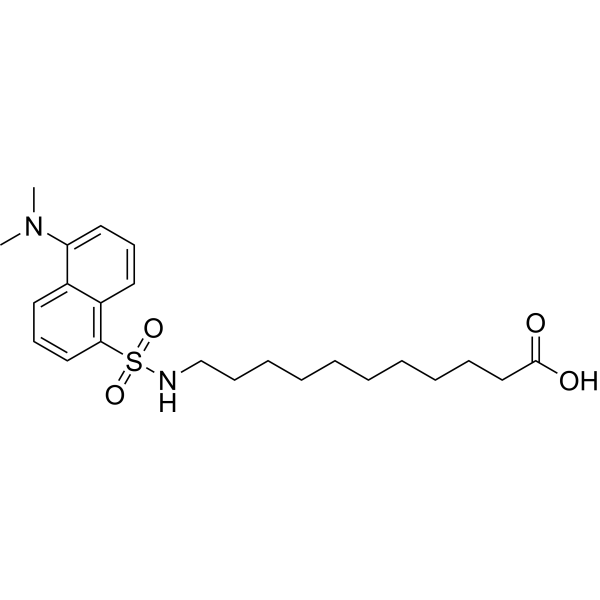 0 ImagesDAUDA is a fluorescent fatty acid analog probe, with Kd values of 0.63 μM, 0.82 μM, and 0.66 μM against subtypes/mutants of Schistosoma mansoni Sm14 fatty acid-binding protein, respectively. DAUDA binds to Sm14 fatty acid-binding protein variants, enters their non-polar binding pockets and alters fluorescence emission properties. DAUDA serves as a tracer in competitive binding assays with natural fatty acids to evaluate the fatty acid-binding capacity of Sm14 protein variants. DAUDA is applicable to the research of schistosomiasis.
-
Dihydroartemisinin (Standard)
 0 ImagesCat. No.: HY-N0176RCAS No.: 71939-50-9Synonyms: Dihydroqinghaosu (Standard); β-Dihydroartemisinin (Standard); Artenimol (Standard)Dihydroartemisinin (Standard) (Dihydroqinghaosu (Standard)) is the analytical standard of Dihydroartemisinin (HY-N0176). This product is intended for research and analytical applications. Dihydroartemisinin is an orally active metabolite of rtemisinin (HY-B0094) and antimalarial agent. Dihydroartemisinin induces Autophagy by inhibiting NF-κB activation. Dihydroartemisinin promotes ROS accumulation. Dihydroartemisinin exhibits anticancer activity in esophageal cancer cells. Dihydroartemisinin shows schistosomicidal activity against juvenile and adult worms of Schistosoma japonicum, reduces worm burden, and displays antiparasitic activity. Dihydroartemisinin can be used in research related to multiple myeloma, promyelocytic leukemia, esophageal cancer, and Schistosoma japonicum infection.
-
Dihydroartemisinin-d
 0 ImagesCat. No.: HY-N0176S6CAS No.: 252043-36-0Synonyms: Dihydroqinghaosu-d; β-Dihydroartemisinin-d; Artenimol-dDihydroartemisinin-d (Dihydroqinghaosu-d) is the d-labeled Dihydroartemisinin (HY-N0176). Dihydroartemisinin is an orally active metabolite of rtemisinin (HY-B0094) and antimalarial agent. Dihydroartemisinin induces Autophagy by inhibiting NF-κB activation. Dihydroartemisinin promotes ROS accumulation. Dihydroartemisinin exhibits anticancer activity in esophageal cancer cells. Dihydroartemisinin shows schistosomicidal activity against juvenile and adult worms of Schistosoma japonicum, reduces worm burden, and displays antiparasitic activity. Dihydroartemisinin can be used in research related to multiple myeloma, promyelocytic leukemia, esophageal cancer, and Schistosoma japonicum infection.
-
Praziquantel
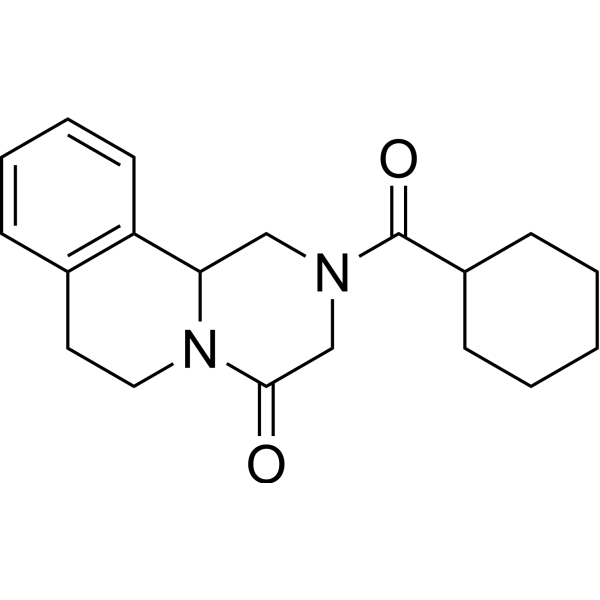 0 ImagesPraziquantel is a broadly effective trematocide and cestocide, the initial effect of praziquantel on the schistosome may be an interaction of the drug with lipid constituents of the tegumental membrane. Praziquantel is used for the research of schistosomiasis.
-
Hederacolchiside A1
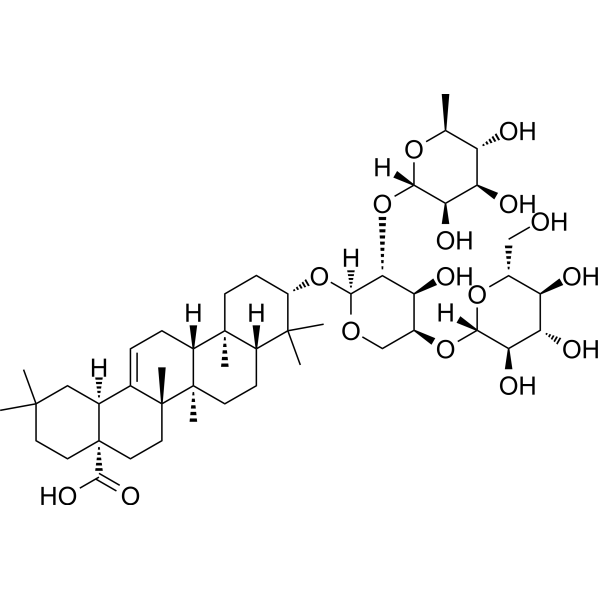 0 ImagesHederacolchiside A1, isolated from Pulsatilla chinensis, suppresses proliferation of tumor cells by inducing apoptosis through modulating PI3K/Akt/mTOR signaling pathway. Hederacolchiside A1 has antischistosomal activity, affecting parasite viability both in vivo and in vitro.
-
Rafoxanide
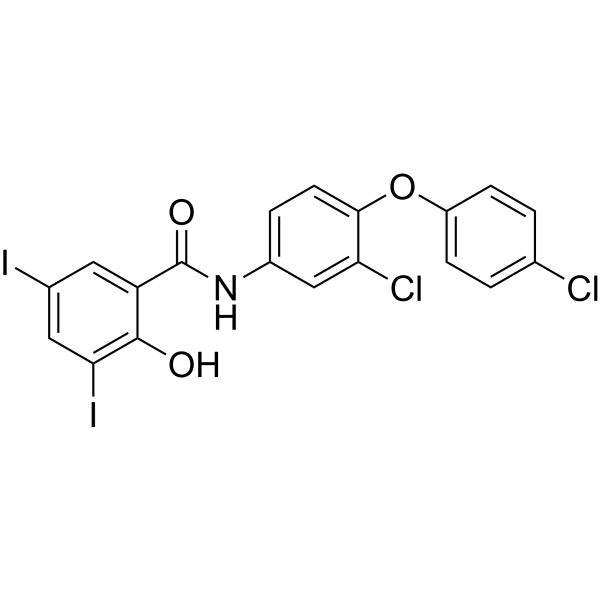 0 ImagesRafoxanide is a poent, orally active halogenated salicylaniline agent with antiparasitic activity. Rafoxanide interferes with energy metabolism in trematodes by uncoupling oxidative phosphorylation. Rafoxanide is also found to be a potent inhibitor of the BRAF V600E mutant protein, which is important in colorectal cancer. Rafoxanide can be used for the control of infestation with Hemonchus species or Fasciola species in sheep and cattle as well as Oestrus ovis in sheep. Rafoxanide can also be used for cancer research.
-
Menthone
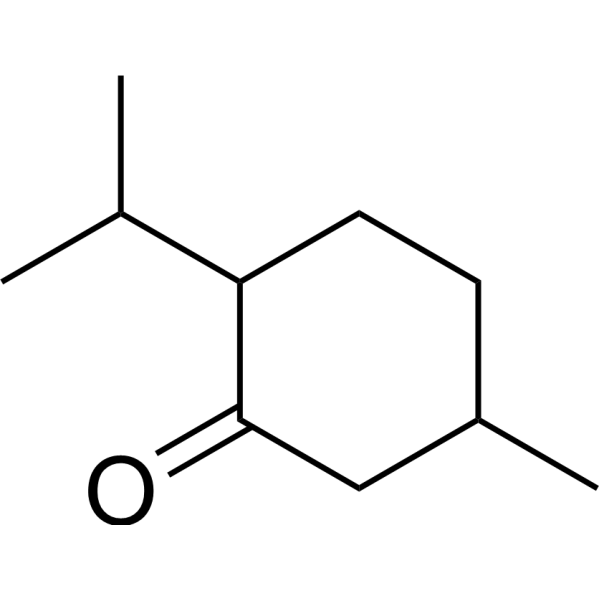 0 ImagesMenthone, an orally active monoterpene that can be isolated from plants and Mentha oil with antibacterial, antitumor, antioxidation, and antivirus properties. Menthone is a main volatile component of the essential oil, and has anti-Inflammatory properties in Schistosoma mansoni infection and rheumatoid arthritis.
-
GSK-J5
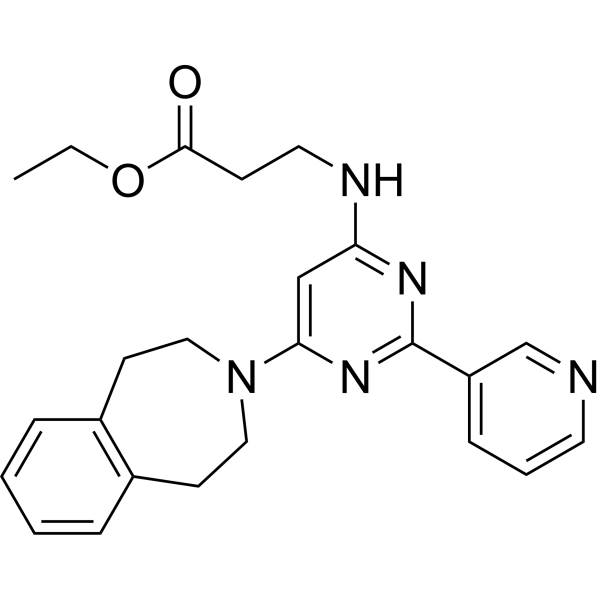 0 ImagesGSK-J5 is a potent inhibitor of Schistosome and worm. GSK-J5 increases schistosomula mortality and adult worm motility and mortality, as well as egg oviposition, in a dose- and time-dependent manner.
-
Oxyclozanide
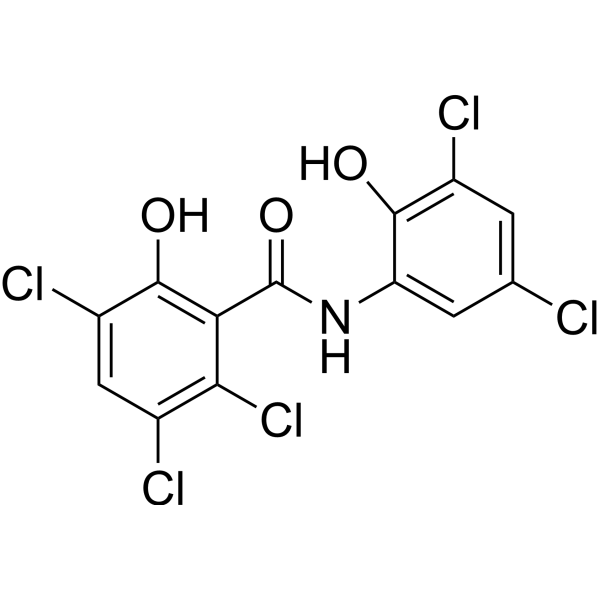 0 ImagesOxyclozanide is an orally active salicylanilide anthelmintic agent that mainly acts by uncoupling oxidative phosphorylation in flukes. Oxyclozanide shows good anti-adenovirus, anti-biofilm, antifungal, and antibacterial activity.
-
Licoflavone B
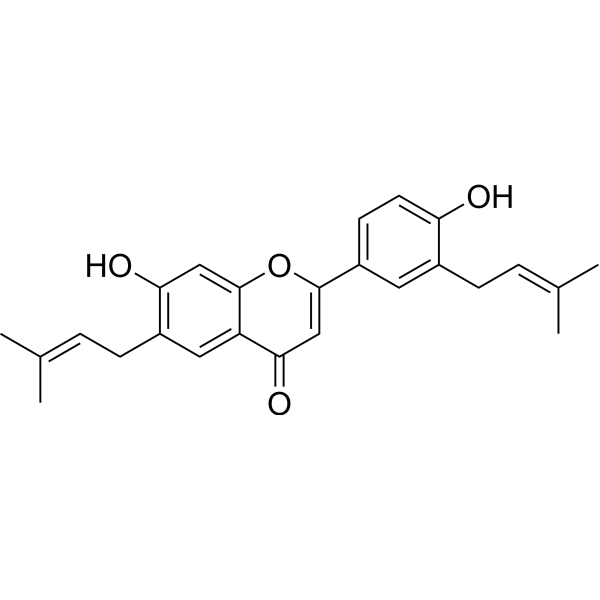 0 ImagesLicoflavone B is an orally active flavonoid, with IC50 values of 23.78 μM and 31.5 μM against SmATPase and SmADPase of Schistosoma mansoni, respectively. Licoflavone B selectively targets viral RdRp, inhibits viral replication, and reduces the expression levels of viral NP and PB2. Licoflavone B inhibits c-Myc expression and suppresses cancer cell proliferation. Licoflavone B disrupts the tegument of worms, reduces egg production, and induces the death of adult Schistosoma mansoni. Licoflavone B blocks the activation of the MAPK pathway, maintains colonic barrier integrity, inhibits colonic cell apoptosis, and reshapes the gut microbiota. Licoflavone B can be used in research related to influenza, multiple myeloma, schistosomiasis, and ulcerative colitis.
-
Clorsulon
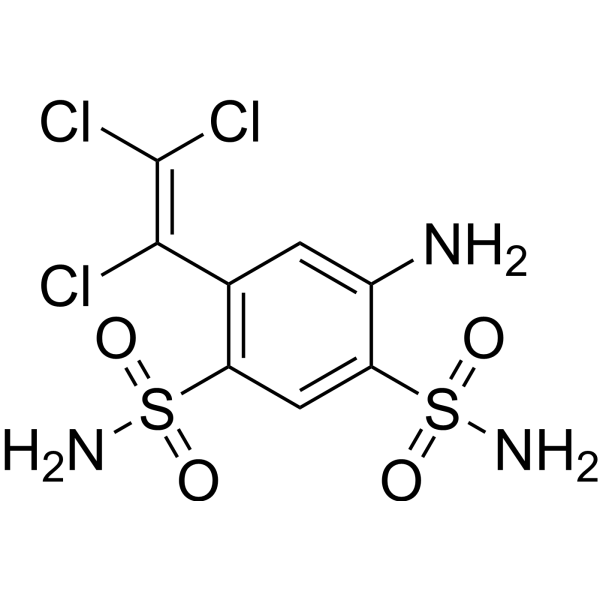 0 ImagesSynonyms: L631529; MK401Clorsulon (L631529; MK401) is an orally active flukicidal agent. Clorsulon inhibits glycolysis, the primary energy production pathway in flukes. Clorsulon is also a competitive inhibitor of 3-phosphoglycolate and ATP, inhibiting glucose utilization and acetate and propionate formation by mature Fasciola hepatica in vitro. Clorsulon can be used in studies of liver fluke (Fasciola hepatica and Fasciola gigantica) infection in calves and sheep.
-
Lewis X trisaccharide
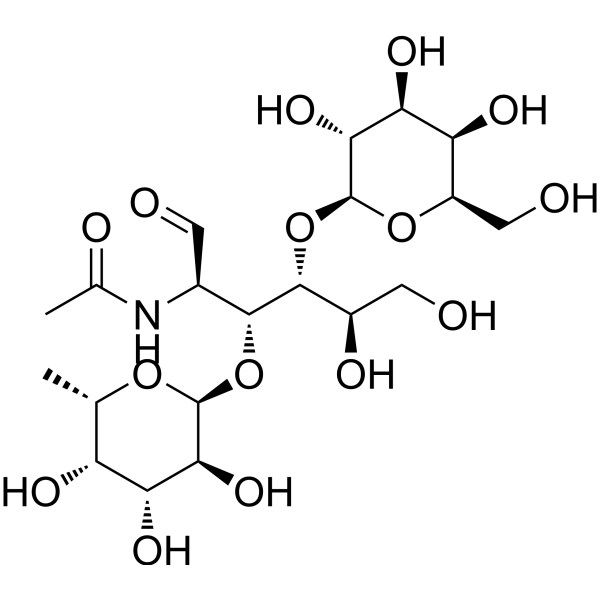 0 ImagesSynonyms: Lewis XLewis X trisaccharide (Lewis X, Lex) is a potent TH2 regulator, antagonizes LPS-induced IL-12 immune expression. Lewis X trisaccharide is a human histo-blood group antigen, plays an key role in cell-cell adhesion, and servers as a tumor marker. Lewis X trisaccharide is highly expressed in the outer membrane of the parasite, can be used for the immunology research of schistosomiasis.
-
Meclonazepam
 0 ImagesSynonyms: Ro 11-3128; Ro 11-3128/002Meclonazepam (Ro 11-3128) is a benzodiazepine compound with anxiolytic effect. Meclonazepam is active against immature S. mansoni. Meclonazepam (30 μM) eliminates 100% of immature parasites. Meclonazepam has a anti-schistosomal effect.
-
Praziquantel-d11
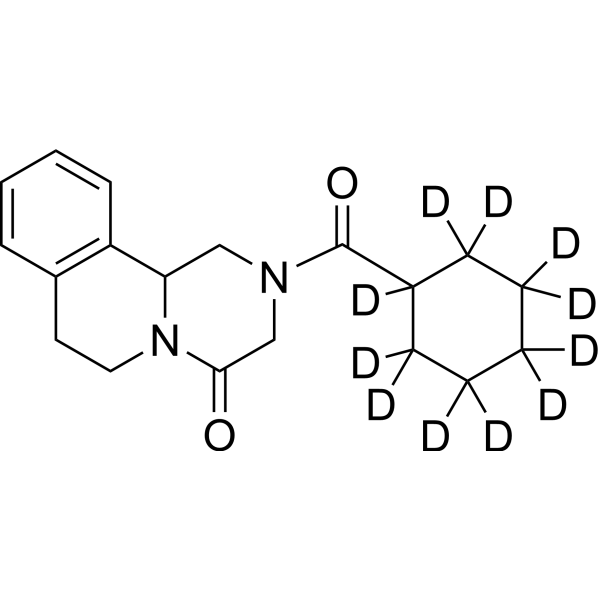 0 ImagesPraziquantel-d11 is the deuterium labeled Praziquantel, which is an anthelmintic.
- 1
- 2



