



Bacterial
Anything that destroys bacteria or suppresses their growth or their ability to reproduce. Heat, chemicals such as chlorine, and antibiotic drugs all have antibacterial properties. Many antibacterial products for cleaning and handwashing are sold today. Such products do not reduce the risk for symptoms of viral infectious diseases in otherwise healthy persons. This does not preclude the potential contribution of antibacterial products to reducing symptoms of bacterial diseases in the home.
All Product Categories
-
Bacterial Inhibitors
(7477)
View all products
-
Bacterial Agonists
(3)
View all products
-
Bacterial Antagonists
(9)
View all products
-
Bacterial Activators
(23)
View all products
-
Bacterial Modulators
(23)
View all products
-
Bacterial Chemicals
(2)
View all products
-
Bacterial Inducers
(7)
View all products
-
Bacterial Controls
(14)
View all products
-
Bacterial Substrates
(2)
View all products
-
Bacterial Ligand
(1)
View all products
-
Bacterial Related Products (8794)
Related Products (8794)

-
Antibodies (14)
-
Related Compound Screening Libraries (1)
-
Mafenide Acetate
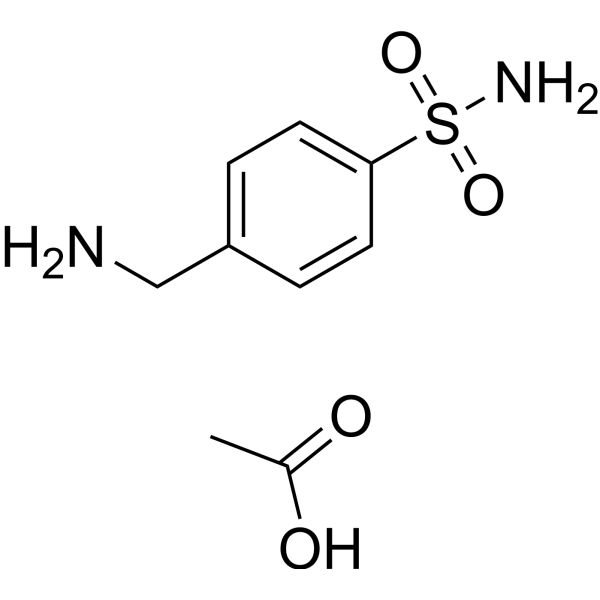 0 ImagesMafenide Acetate is a potent sulfonamide antimicrobial agent. Mafenide Acetate exhibits antibacterial activity against Staphylococcus aureus and Pseudomonas aeruginosa. Mafenide Acetate also exhibits antifungal activity against filamentous fungi (e.g., Lichtheimia and Aspergillus flavus). Mafenide Acetate can be used in the research of skin grafts on burn wounds, post-traumatic invasive fungal infections, and bacterially contaminated wounds.
-
Fusidic acid (Standard)
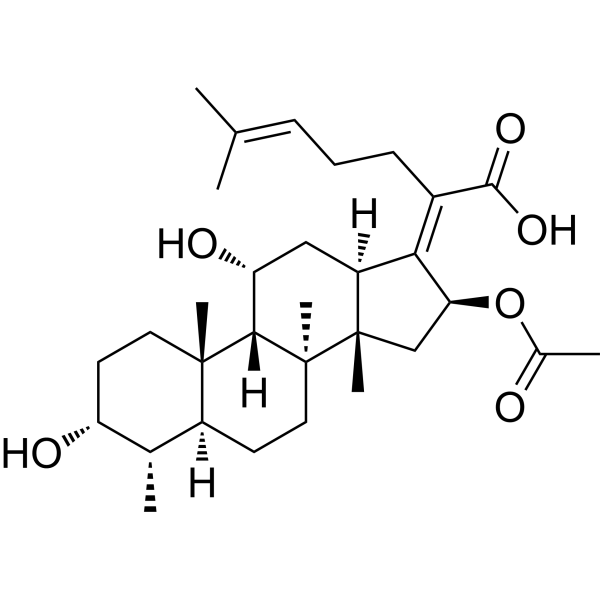 0 ImagesSynonyms: Fusidate (Standard); SQ-16603 (Standard)Fusidic acid (Standard) is the analytical standard of Fusidic acid. This product is intended for research and analytical applications. Fusidic acid (Fusidate) a bacteriostatic antibiotic produced from the Fusidium coccineum fungus, belongs to the class of steroids. Fusidic acid has no corticosteroid effects. Fusidic acid inhibits the growth of bacteria by preventing the release of translation elongation factor G (EF-G) from the ribosome.
-
Neotuberostemonine
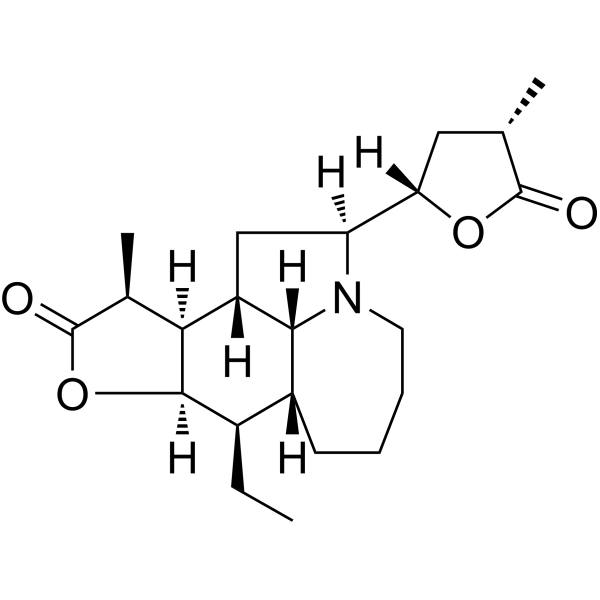 0 ImagesNeotuberostemonine, one of the main antitussive alkaloids in the root of Stemona tuberosa Lour, attenuates bleomycin-induced pulmonary fibrosis by suppressing the recruitment and activation of macrophages.
-
4-Epitetracycline hydrochloride
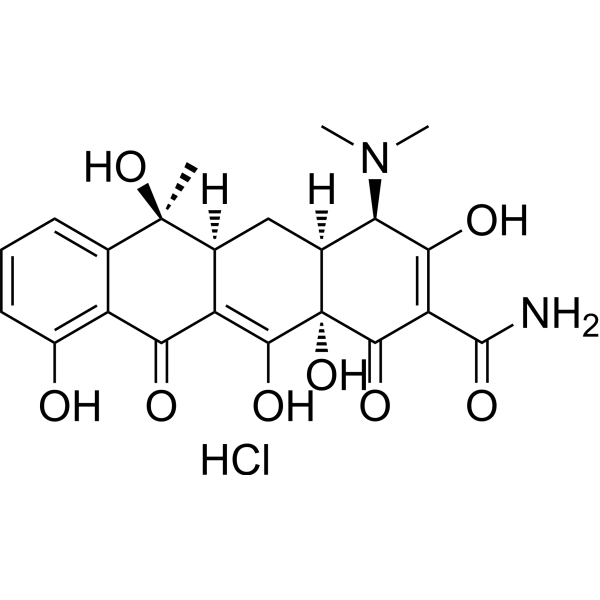 0 Images4-Epitetracycline hydrochloride is a reversible epimer of Tetracycline (HY-A0107) that can be interconverted in nature. 4-Epitetracycline hydrochloride exhibits antibacterial activity.
-
BM635
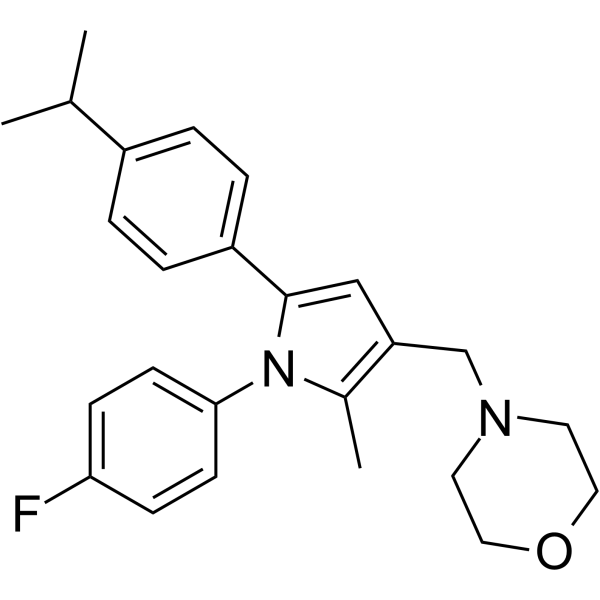 0 ImagesBM635 is a MmpL3 inhibitor with outstanding anti-mycobacterial activity. BM635 has an MIC50 of 0.12 μM against M. tuberculosis H37Rv.
-
BoNT-IN-1
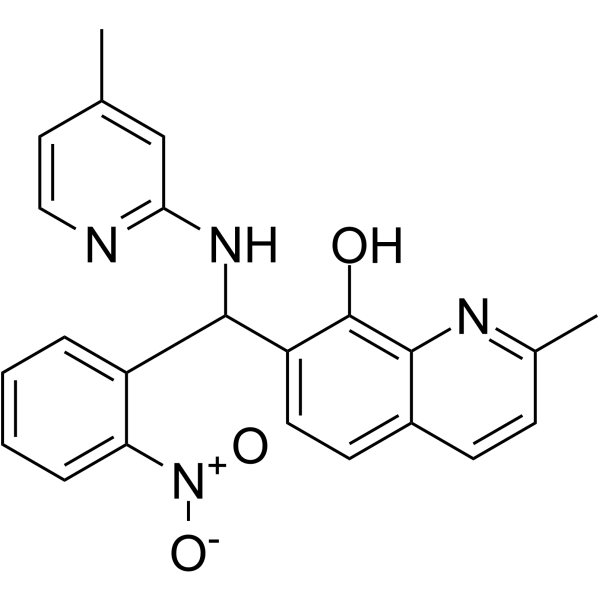 0 ImagesBoNT-IN-1 is an effective inhibitor of botulinum toxin type A light chain (BoNTA LC), with an IC50 value of 0.9 μM.
-
2-Methyltetrahydrofuran-3-one
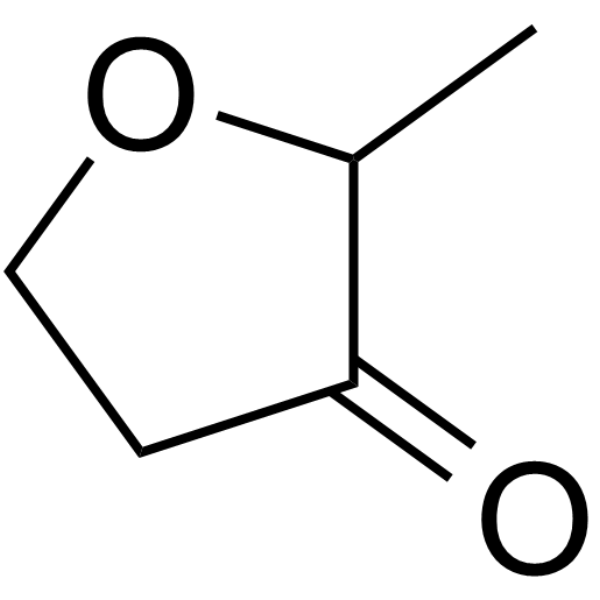 0 Images2-Methyltetrahydrofuran-3-one is a quorum sensing inhibitor that can inhibit biofilm formation by H. alvei. 2-Methyltetrahydrofuran-3-one is one of the volatile constituents of roasted coffee.
-
Phytol (Standard)
 0 ImagesPhytol (Standard) is the analytical standard of Phytol. This product is intended for research and analytical applications. Phytol ((E)-Phytol) is an orally active diterpenoid alcohol that can be extracted from chlorophyll. Phytol has antioxidant, anti-inflammatory, anti-schistosomiasis and antibacterial activities[1][2][3].
-
Cefpiramide sodium
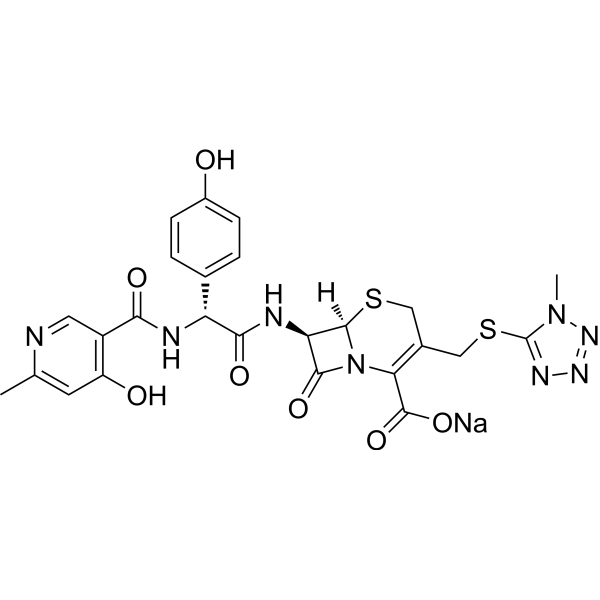 0 ImagesSynonyms: SM-1652; Wy-44635Cefpiramide sodium (SM-1652) is a semisynthetic cephalosporin with broad-spectrum antibacterial activity. Cefpiramide sodium shows strong antibacterial effect on both gram-positive bacteria and gram-negative bacteria. Cefpiramide sodium is moderately susceptible to β-lactamase.
-
Diflucortolone valerate
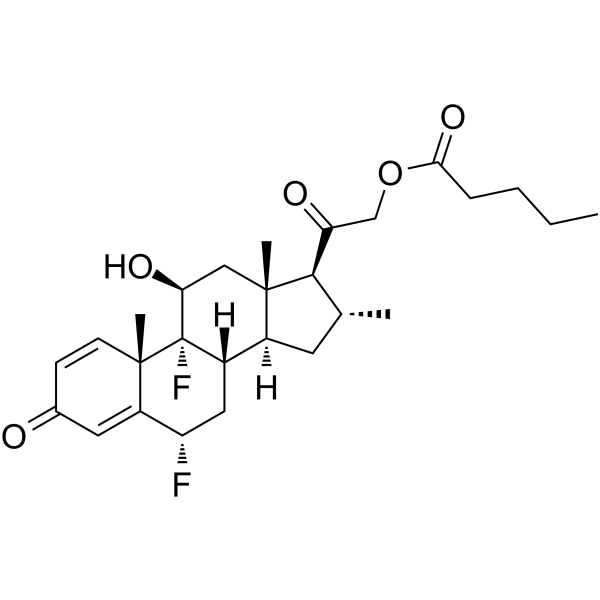 0 ImagesDiflucortolone valerate is a powerful corticosteroid used topically for the research of various skin diseases.
-
Epimedokoreanin B
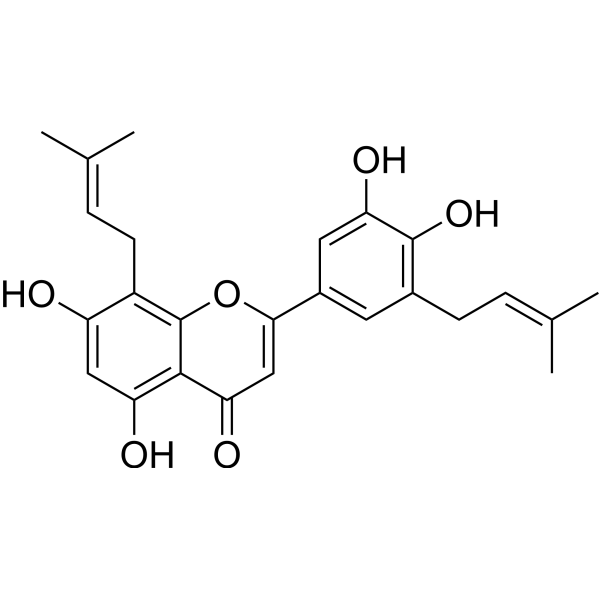 0 ImagesEpimedokoreanin B is a natural flavonoid with anticancer, anti-inflammatory and antibacterial effects. Epimedokoreanin B inhibits the growth of lung cancer cells through endoplasmic reticulum stress-mediated apoptosis accompanied by autophagosome accumulation. Epimedokoreanin B is an anti-periodontitis agent that inhibits gingipains and Porphyromonas gingivalis growth and biofilm formation.
-
BLI-489 hydrate
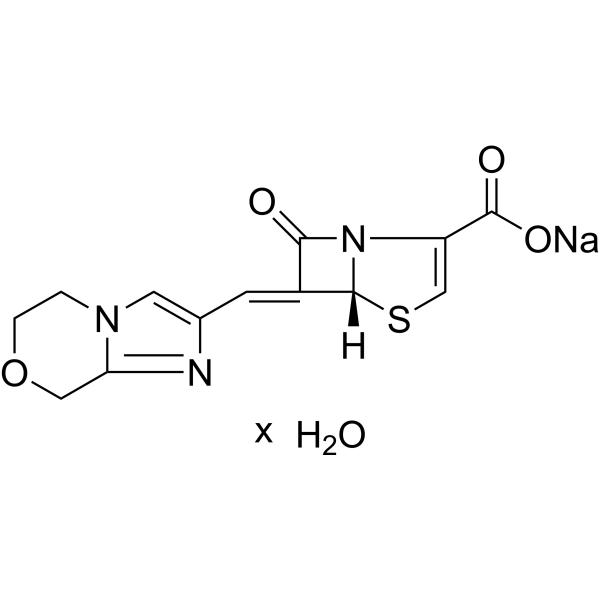 0 ImagesBLI-489 hydrate, a penem β-lactamase inhibitor, is active against class A and class C as well as some class D β-lactamases. The combination of Piperacillin and BLI-489 hydrate is efficacious against murine infections caused by class A (including extended-spectrum β-lactamases), class C (AmpC), and class D β-lactamase-expressing pathogens.
-
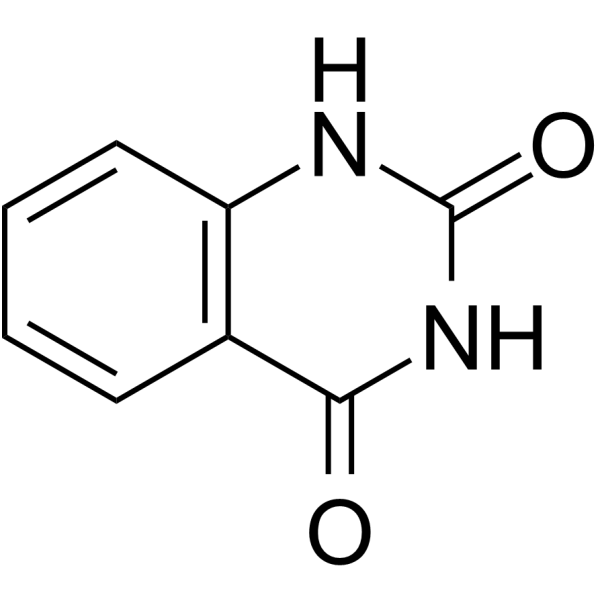
Galegine hydrochloride
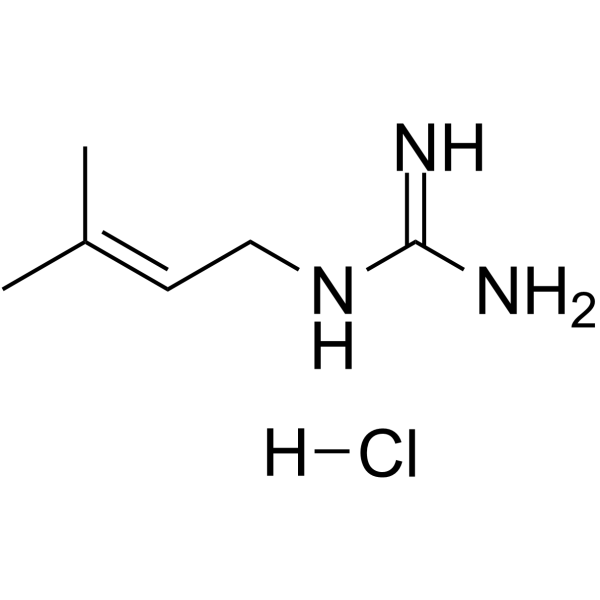 0 ImagesCat. No.: HY-N0930BCAS No.: 2368870-39-5Galegine hydrochloride, a guanidine derivative, contributes to weight loss in mice. Guanidine hydrochloride is the compound derived from G. officinalis, which gave rise to the biguanides, metformin and phenformin. Galegine hydrochloride activates AMPK in 3T3-L1 adipocytes and L6 myotubes, as well as in the H4IIE rat hepatoma and HEK293 human kidney cell lines. Galegine hydrochloride has antibacterial activity, with minimum inhibitory concentration of 4 mg/L against Staphylococcus aureus strains.
-
bCSE-IN-1
 0 ImagesCat. No.: HY-158973Purity: 99.55%bCSE-IN-1 (Compound 3i) is an inhibitor of Bacterial Cystathionine γ-lyase. bCSE-IN-1 has antibacterial activity.
-
Silver sulfadiazine
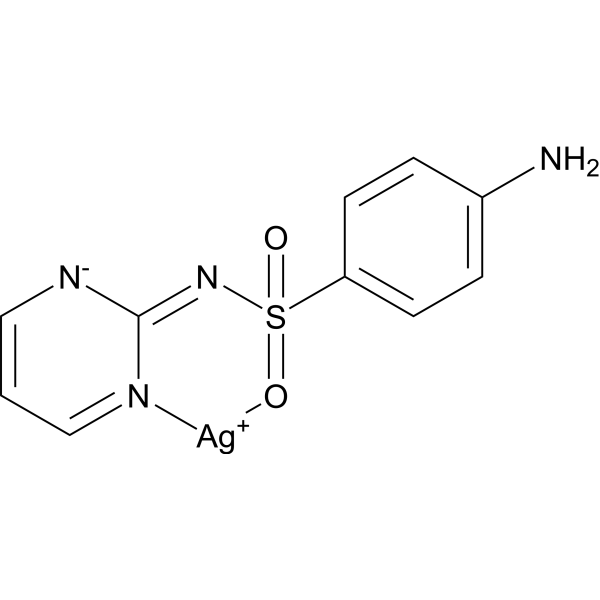 0 ImagesSynonyms: AgSDSilver sulfadiazine (AgSD), a sulfonamide antibiotic, effects a dual inhibitory action on bacterial growth by its sulfa moiety (SD-SDZ) that prevents bacterial folate absorption and subsequent DNA synthesis. The silver that is released from Silver sulfadiazine binds and disrupts the DNA structure, precluding bacterial DNA replication.
-
Pseudouridimycin
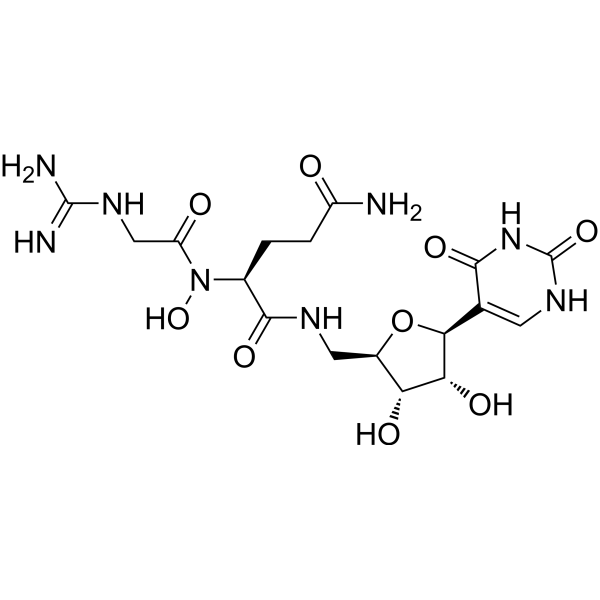 0 ImagesCat. No.: HY-125650CAS No.: 1566586-52-4Synonyms: PUMPseudouridimycin (PUM) is an antibiotic that selectively inhibits bacterial RNA polymerase (RNAP), with an IC50 of about 0.1 μM and MICs of 4-6 μg/mL. Pseudouridimycin is a C-nucleoside analogue that's effective against both Gram-negative and Gram-positive bacteria. Pseudouridimycin inhibits bacterial growth in vitro and shows activity in a mouse model of purulent streptococcal peritonitis.
-
Isopimaric acid
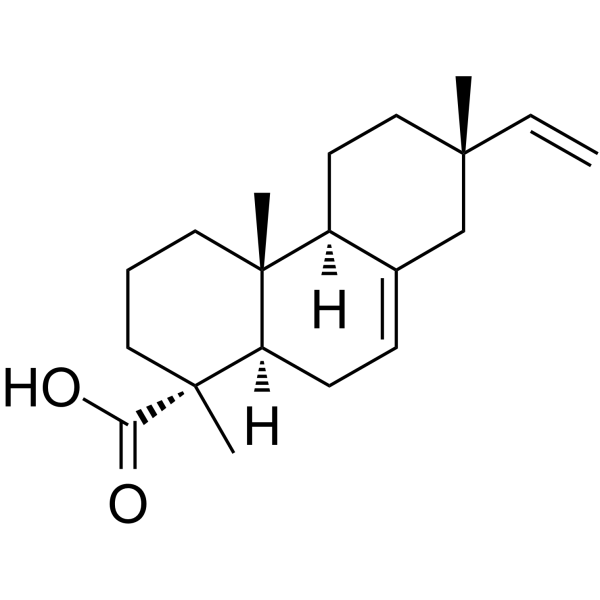 0 ImagesIsopimaric acid is a coniferous tree defense compound. Isopimaric acid binds to AKT and inhibits mTOR phosphorylation, thereby regulating the AKT/mTOR pathway. Isopimaric acid inhibits oxidative stress, inflammation, microglial migration, apoptosis, autophagic flux, ornithine decarboxylase activity, breast cancer proliferation and metastasis, and fungal spore germination. Isopimaric acid also induces M2 microglial polarization, mitochondrial damage, ROS accumulation, starvation-induced colon cancer cell apoptosis, and breast cancer cell cycle arrest. Isopimaric acid activates potassium channels, regulates sodium channels and calcium channels, reduces myocardial excitability, and improves arrhythmia. Isopimaric acid acts as an oxidative substrate for CYP6BW1/3, down-regulates PINK1/Parkin, and regulates calcium homeostasis, oxidative phosphorylation, EMT, and the Wnt pathway. Isopimaric acid exhibits activity against drug-resistant Staphylococcus aureus, repels feeding, and promotes the growth of rice seedlings. Isopimaric acid is suitable for research related to epilepsy, tumors, drug-resistant bacterial infections, atrial fibrillation, hypertension, hyperlipidemia, pulmonary tuberculosis, etc.
-
Lactoferricin B (4-14), bovine TFA
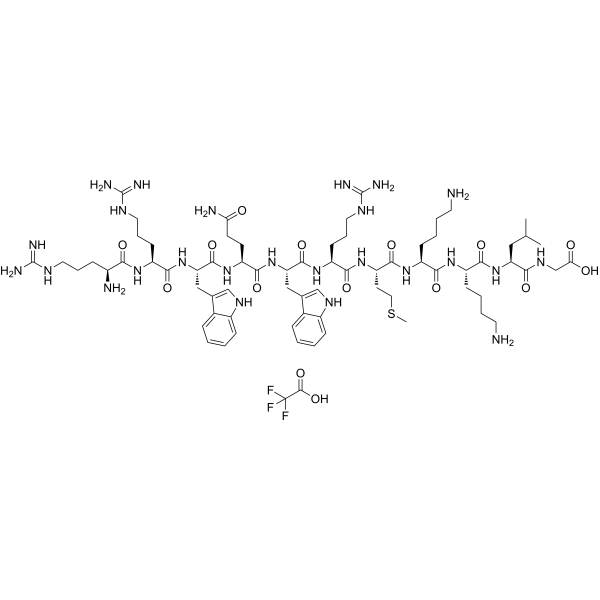 0 ImagesCat. No.: HY-P2323Purity: 99.07%Synonyms: LfcinB (20–30) TFALactoferricin B (4-14), bovine (TFA), a peptide corresponding to residues 4-14 of bovine lactoferrin, has antimicrobial activity against a wide range of microorganisms.
-
L-Methioninamide hydrochloride
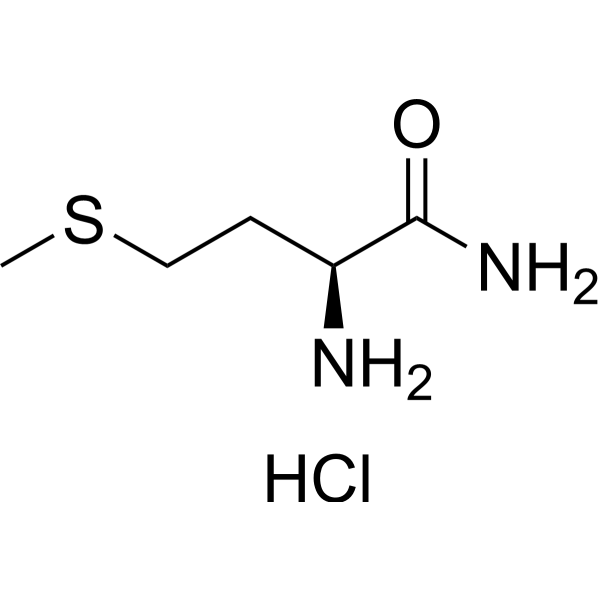 0 ImagesL-Methioninamide hydrochloride, a Methionine analogue, is Methionyl-tRNA synthetase inhibitor.




