



USP7 Inhibitor
- 1
-
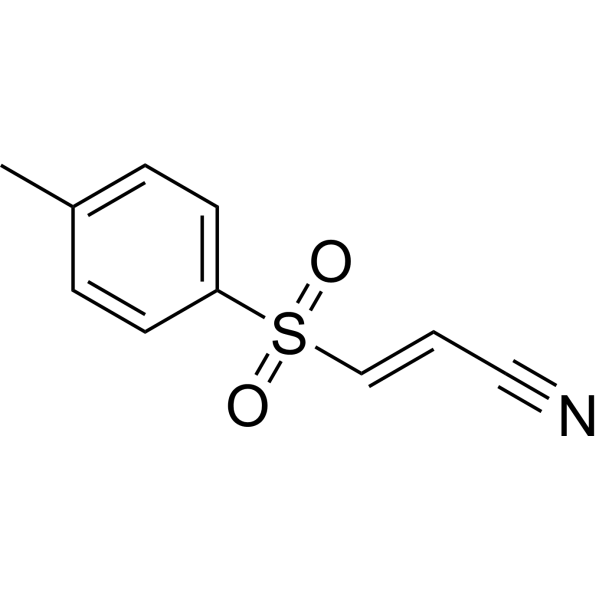
BAY 11-7082
 0 ImagesSynonyms: BAY 11-7821
BAY 11-7082 is an IκBα phosphorylation and NF-κB inhibitor. BAY 11-7082 selectively and irreversibly inhibits the TNF-α-induced phosphorylation of IκB-α, and decreases NF-κB and expression of adhesion molecules. BAY 11-7082 inhibits ubiquitin-specific protease USP7 and USP21 (IC50=0.19, 0.96 μM, respectively). BAY 11-7082 inhibits gasdermin D (GSDMD) pore formation in liposomes and inflammasome-mediated pyroptosis and IL-1β secretion in human and mouse cells.
-
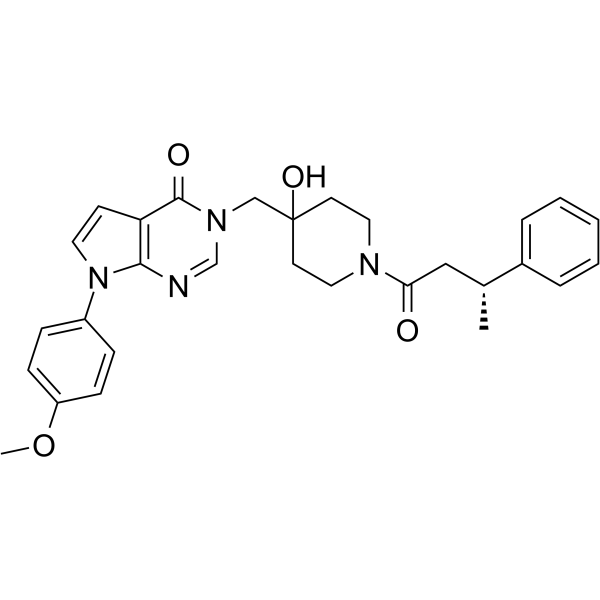
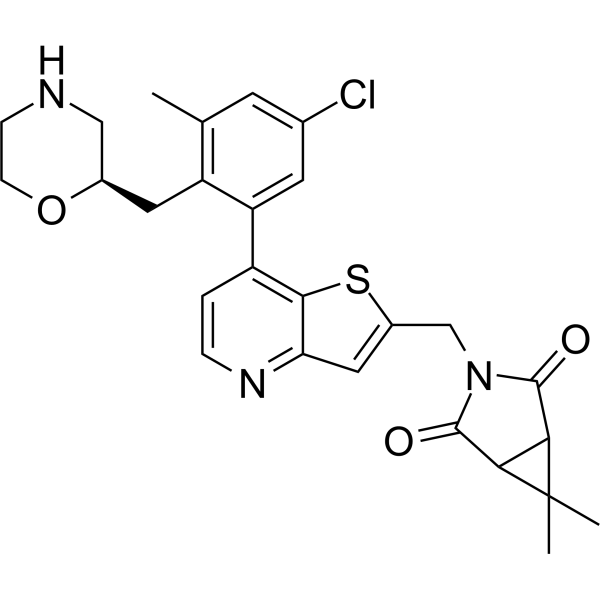
USP7-797
 0 ImagesSynonyms: USP7-IN-7
USP7-797 (USP7-IN-7) is an orally available, selective USP7 inhibitor (IC50=0.5 nmol/L) with antitumor activity. USP7-797 reduces the level of MDM2, thereby increasing the stability and activity of p53, leading to cell cycle arrest and apoptosis. USP7-797 has low nanomolar cytotoxicity against p53 mutant cancer cell lines, p53 wild-type hematological tumors, and neuroblastoma cell lines.
-
OAT-4828
 0 ImagesCat. No.: HY-183689CAS No.: 2947497-65-4
OAT-4828 is an orally active ubiquitin-specific protease 7 (USP7) inhibitor with an IC50 of 32 nM. OAT-4828 induces antileukemic activity in B-cell-derived non-Hodgkin's lymphoma models via inhibition of USP7. OAT-4828 is applicable to research related to chronic lymphocytic leukemia.
-
LC-U7-44
 0 ImagesCat. No.: HY-183282
LC-U7-44 is a potent USP7 inhibitor with an IC50 of 0.96 μM. LC-U7-44 binds to the hydrophobic catalytic pocket of USP7, forming hydrogen bonds with Gln297, Arg408, Asp295, Val296, and Gln351, and hydrophobic interactions with Leu406. LC-U7-44 exerts anti-proliferative effects on prostate cancer cells. LC-U7-44 can be used for the research of prostate cancer.
-
P6620
 0 ImagesCat. No.: HY-183078CAS No.: 2009272-81-3
P6620 is an orally active USP7 inhibitor. P6620 specifically binds to USP7 and disrupts its interaction with LRRC41. P6620 exhibits anticancer activity against hepatocellular carcinoma. P6620 enhances the antitumor effect of Lenvatinib (HY-10981) in xenograft mouse models. P6620 can be used for the research of hepatocellular carcinoma.

-
USP7-IN-12
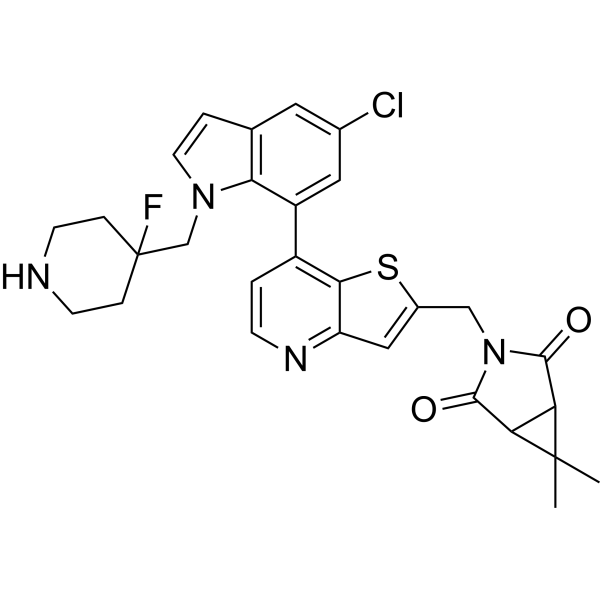 0 ImagesCat. No.: HY-153942CAS No.: 2763698-01-5
USP7-IN-12 (compound 1) is a potent and orally active Usp7 inhibitor with an IC50 value of 3.67 nM. USP7-IN-12 shows antiproliferative activity.


-
USP7-IN-16
 0 ImagesCat. No.: HY-159964CAS No.: 2166587-77-3
USP7-IN-16 (Compound 61) is a selective USP7 inhibitor with IC50 values of 5.5 nM in the FLINT assay and 2.1 nM in MM.1S cells. USP7-IN-16 exhibits antitumor activity in mice and is a promising candidate for research in the field of oncology.
-
YCH3124
 0 ImagesCat. No.: HY-162794
YCH3124 (compound Z33) is a USP7 inhibitor (IC50=41.9 nM) with antitumor activity. YCH3124 has good in vitro antiproliferative activity against various tumor cells including LNCaP (IC50=3.6 nM) and CHP-212 (IC50=9.9 nM). In addition, YCH3124 disrupts cell cycle progression by restricting G1 phase and induces apoptosis in CHP-212 cells.

-
USP7-055
 0 ImagesCat. No.: HY-164544CAS No.: 2413943-73-2

-
USP7-IN-20
 0 ImagesCat. No.: HY-183942CAS No.: 2196246-28-1
USP7-IN-20 is a highly selective USP7 inhibitor that binds allosterically to the allosteric pocket of USP7 in a non-competitive and reversible manner. USP7-IN-20 downregulates MDM2 protein levels and stabilizes p53, thereby inducing p21 expression and enhancing the ubiquitin-dependent degradation of MDM2. USP7-IN-20 effectively binds endogenous USP7 to inhibit cancer cell proliferation, and also induces apoptosis by promoting the cleavage of PARP and caspase 3. USP7-IN-20 can be widely used in cancer-related basic and translational research.
- 1



