



HBV
Hepatitis B virus
HBV (Hepatitis B virus), abbreviated HBV, is a species of the genus Orthohepadnavirus, which is likewise a part of the Hepadnaviridae family of viruses. HBV causes the disease hepatitis B. The hepatitis B virus is classified as the type species of the Orthohepadnavirus, which contains three other species: the Ground squirrel hepatitis virus, Woodchuck hepatitis virus, and theWoolly monkey hepatitis B virus. The genus is classified as part of the Hepadnaviridae family. HBV is divided into four major serotypes (adr, adw, ayr, ayw) based on antigenic epitopes present on its envelope proteins, and into eight genotypes (A–H) according to overall nucleotide sequence variation of the genome. The genotypes have a distinct geographical distribution and are used in tracing the evolution and transmission of the virus. Differences between genotypes affect the disease severity, course and likelihood of complications, and response to treatment and possibly vaccination.
All Product Categories
-
HBV Related Products (384)
Related Products (384)

-
Antibodies (2)
-
HBV-IN-34
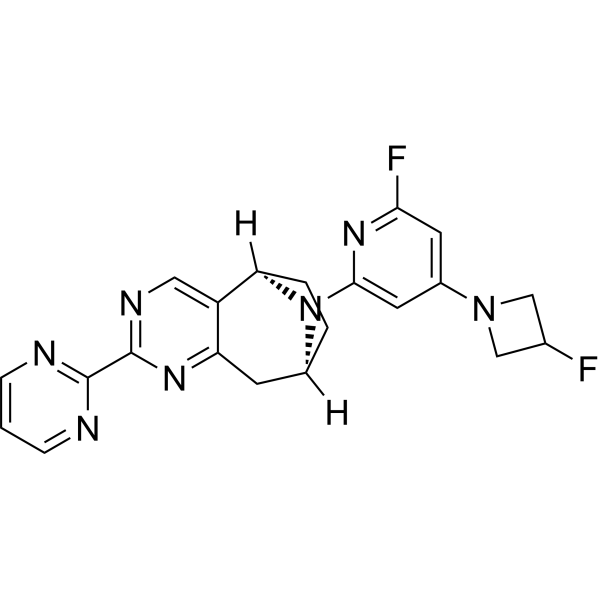 0 ImagesCat. No.: HY-155547CAS No.: 2716906-45-3HBV-IN-34 (compound 17i) is a potent HBsAg production inhibitor. HBV-IN-34 exhibits excellent in vitro anti-HBV potency, with an EC50 of 0.018 μM and 0.044 μM for HBV DNA and HBsAg, respectively.
-
Pedunculosumoside F
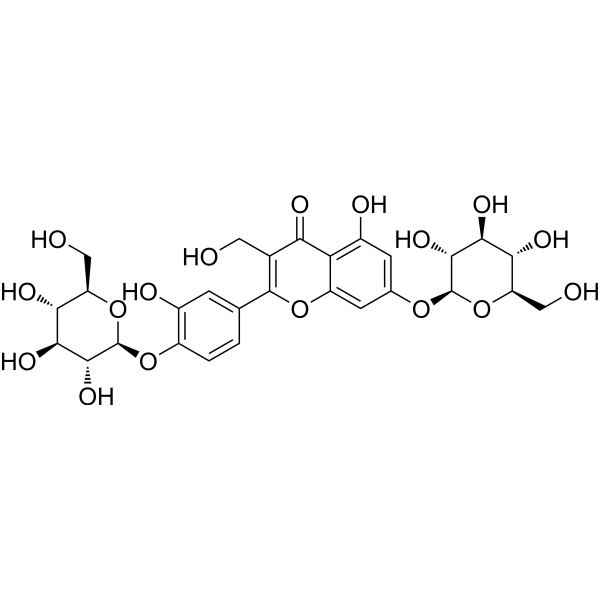 0 ImagesCat. No.: HY-N11792CAS No.: 1283600-08-7Pedunculosumoside F is a homoflavonoid glucoside. Pedunculosumoside F can be isolated from Ophioglossum pedunculosum. Pedunculosumoside F has cytotoxicity against HepG2 22.15 cells with CC50 value of 56.7 μM without anti-HBV activity. While its analogs block HBsAg secretion in HBV-infected HepG2 2.2.15 cells.
-
OSL-95II
 0 ImagesCat. No.: HY-165485CAS No.: 946603-07-2OSL-95II is an antiviral agent. OSL-95II is a potent BVDV and WNV inhibitor. OSL-95II is a better inhibitor of HBV than SP169. OSL-95II inhibits dengue virus production.
-
Adefovir-d4
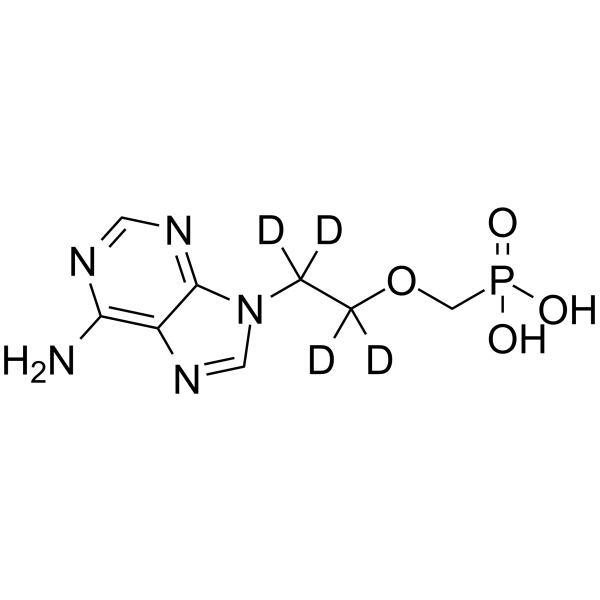 0 ImagesSynonyms: GS-0393-d4; PMEA-d4Adefovir-d4 is the deuterium labeled Adefovir. Adefovir (GS-0393) is an adenosine monophosphate analog antiviral agent that after intracellular conversion to Adefovir diphosphate inhibits HBV DNA polymerase. Adefovir has an IC50 of 0.7 μM against HBV in the HepG2.2.15 cell line. Adefovir has good antiviral activity against several viruses, including HBV and herpesviruses.
-
Nicotinamide hydrochloride
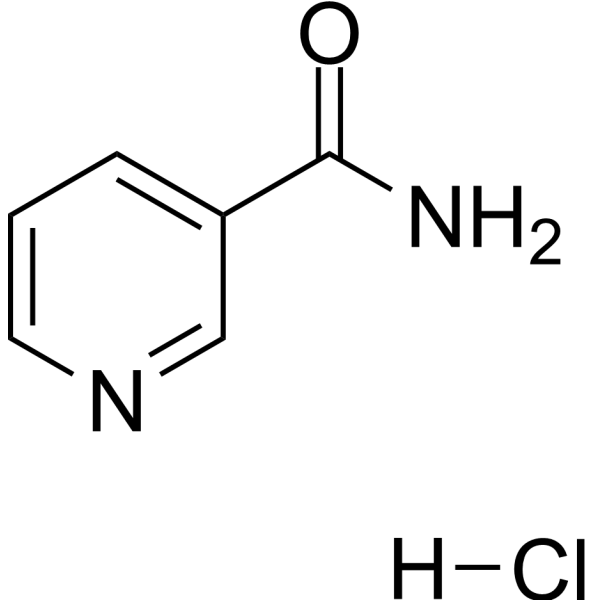 0 ImagesCat. No.: HY-B0150ACAS No.: 25334-23-0Synonyms: Niacinamide hydrochloride; Nicotinic acid amide hydrochlorideNicotinamide hydrochloride is a form of vitamin B3 or niacin. Nicotinamide hydrochloride inhibits SIRT2 activity (IC50: 2 μM). Nicotinamide hydrochloride also inhibits SIRT1. Nicotinamide hydrochloride increases cellular NAD+, ATP, ROS levels. Nicotinamide hydrochloride inhibits tumor growth and improves survival. Nicotinamide hydrochloride also has anti-HBV activity.
-
Antazoline hydrochloride (Standard)
 0 ImagesAntazoline (hydrochloride) (Standard) is the analytical standard of Antazoline (hydrochloride). This product is intended for research and analytical applications. Antazoline hydrochloride is a histamine H1 receptor antagonist with anticholinergic and antiviral properties. Antazoline hydrochloride can prevent histamine from acting on target cells through a reversible competition effect on histamine receptor sites of these cells. Antazoline hydrochloride can exert an antiallegic effect and prevent the occurrence of physiological reactions from the effect of blocking as well as inhibiting H1 receptor. Antazoline hydrochloride can effectively reduce HBV DNA in the extracellular supernatant in a dose-dependent manner, with EC50 of 2.910 μmol/L in HepAD38 cells. Antazoline hydrochloride also has a significant inhibitory effect on HBV DNA in the extracellular supernatant of Huh7 cells (EC50 = 2.349 μmol/L). Antazoline hydrochloride has anti-arrhythmic effect in acute myocardial infarctions. Antazoline hydrochloride can be studied in research for cardiovascular diseases, and HBV.
-
HBV-IN-11
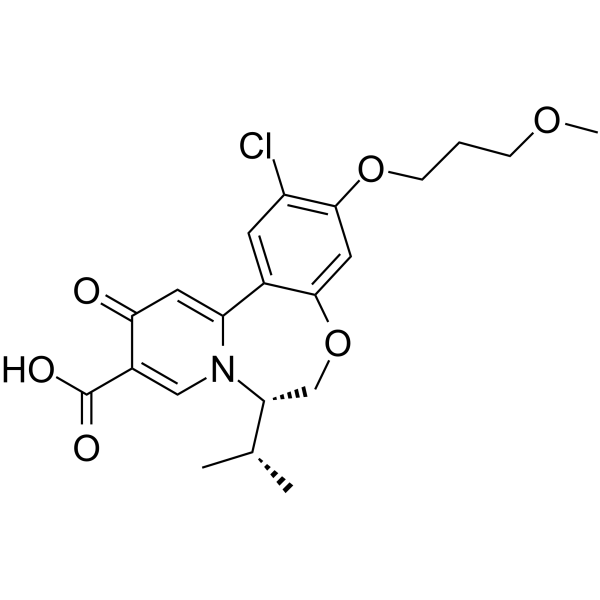 0 ImagesCat. No.: HY-145055CAS No.: 2226178-41-0HBV-IN-11 is a potent HBsAg secretion inhibitor with an EC50 of 0.46 µM (From patent WO2018085619A1, example 28).

-
(S)-Canocapavir
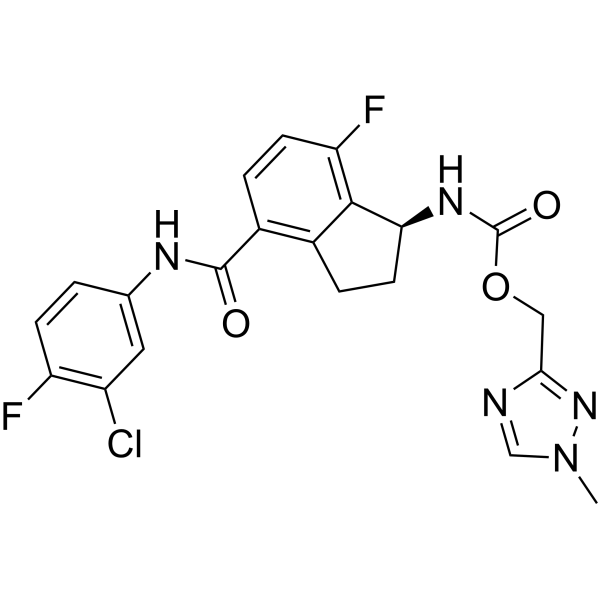
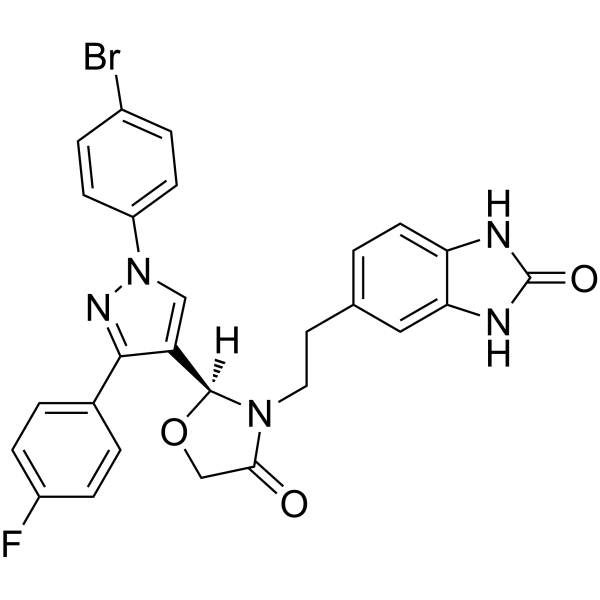 0 ImagesCat. No.: HY-147255ACAS No.: 2137847-77-7Synonyms: (S)-ZM-H1505R(S)-Canocapavir is the isomer of Canocapavir (HY-147255A). Canocapavir (ZM-H1505R) is an orally active HBV core protein-targeting antiviral agent. Canocapavir binds to the hydrophobic pocket at the dimer-dimer interface of HBV core protein (HBc), stimulating intracellular accumulation of nonfunctional HBV capsids, disrupting viral replication. Canocapavir interferes with the interaction between HBc and HBV large surface protein, resulting in diminished
production of empty virionsis. Canocapavir can be used for the research of hepatitis B virus (HBV) infection.
-
HBV-IN-25
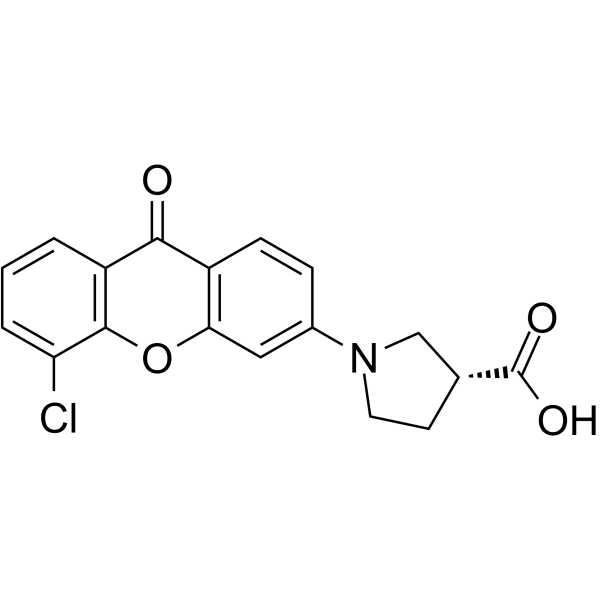 0 ImagesCat. No.: HY-151134CAS No.: 2161364-69-6HBV-IN-25 is a good potency, orally active novel HBV cccDNA reducer. HBV-IN-25 has anti-HBeAg potency and anti-HBV activity with IC50 values of 0.58 μM and 1.15 μM, respectively. HBV-IN-25 has good aqueous solubility (LYSA>452 μg/mL) and good PK property with no cellular toxicity.
-
HBV-IN-29
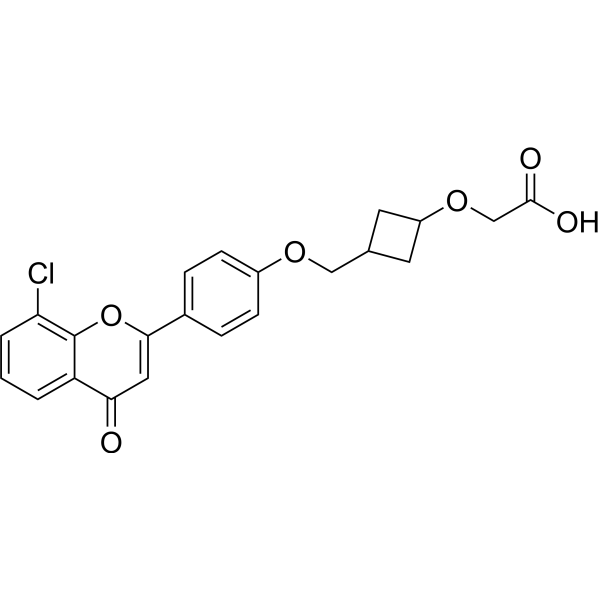 0 ImagesCat. No.: HY-148780CAS No.: 2413192-59-1HBV-IN-29 (ex8), a flavone derivative, is a potent covalently closed circular DNA (cccDNA) inhibitor. cccDNA serves as the template for viral RNA transcription and subsequent viral DNA generation. HBV-IN-29 has the potential for the research of HBV infection.
-
Sanggenol P
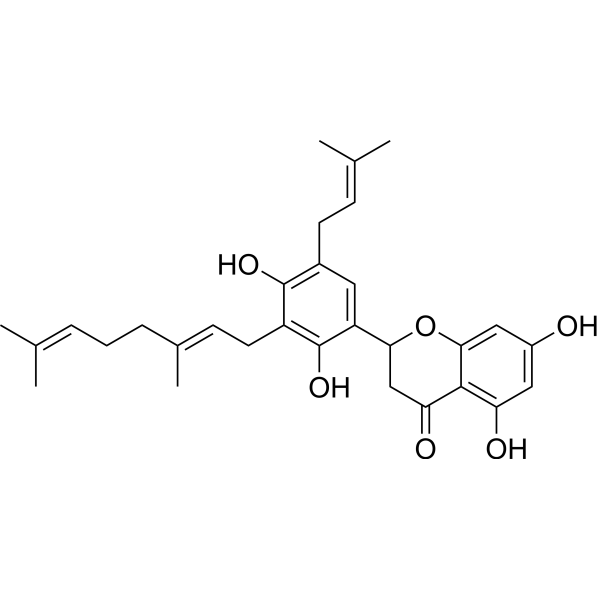 0 ImagesCat. No.: HY-N1323CAS No.: 1351931-30-0Sanggenol P, a flavonoid, shows anti-HBV activity on HepG2.2.15 cell line in vitro.
-
Oxethazaine (Standard)
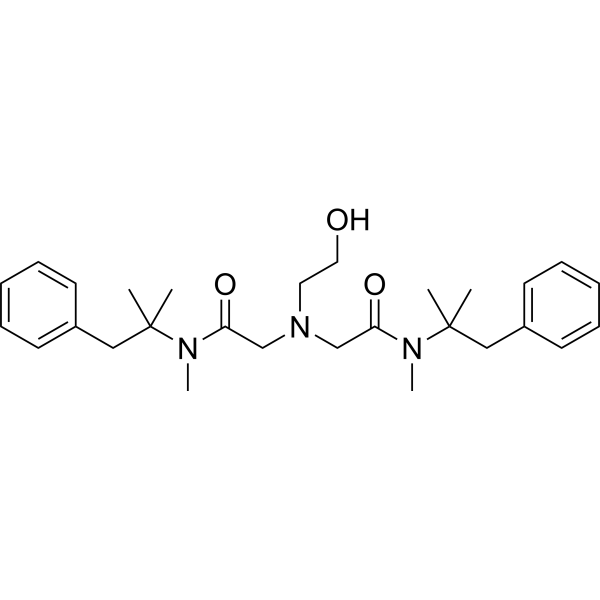 0 ImagesOxethazaine (Standard) is the analytical standard of Oxethazaine. This product is intended for research and analytical applications. Oxethazaine (Oxetacaine), a precursor of phentermine acidic, is an acid-resistent and orally active analgesic agent. Oxethazaine (Oxetacaine) has the potential for the relief of pain associated with peptic ulcer disease or esophagitis.
-
HBV-IN-23
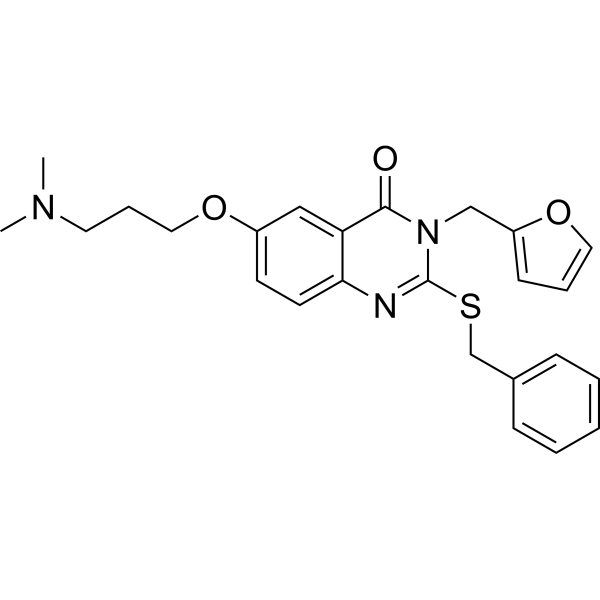 0 ImagesCat. No.: HY-146395CAS No.: 2413649-89-3
-
TLR8 agonist 4
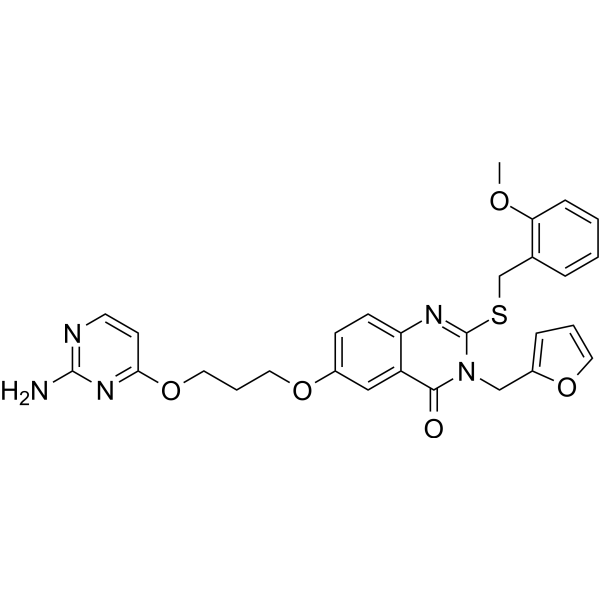 0 ImagesCat. No.: HY-144215CAS No.: 2761697-69-0TLR8 agonist 4 showed effective inhibition on wild-type and drug-resistant (lamivudine and entecavir) HBV strains. The IC50 values are 0.15 and 0.10 respectively μM.
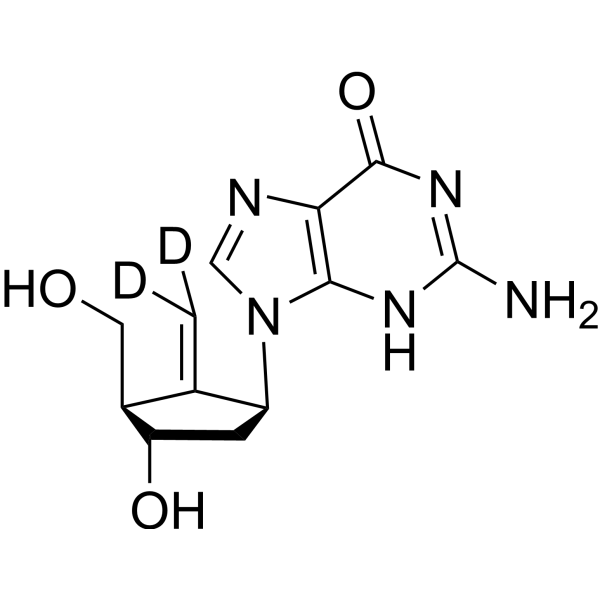
-
HBV-IN-15
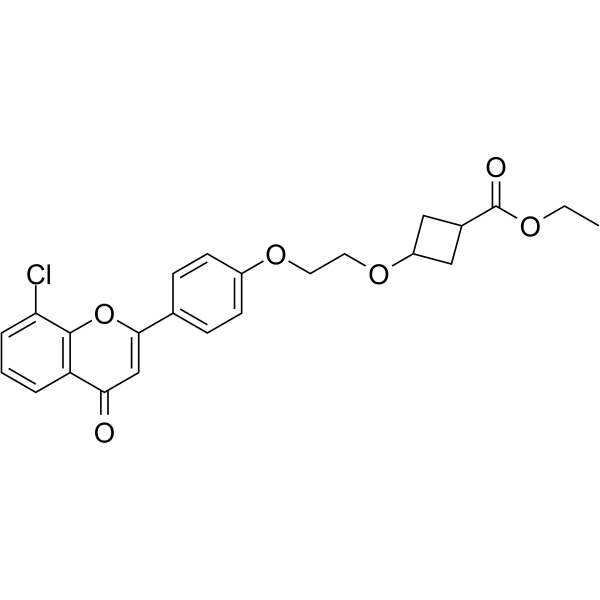 0 ImagesCat. No.: HY-144046CAS No.: 2413192-50-2HBV-IN-15 is a potent inhibitor of covalently closed circular DNA (cccDNA). cccDNA serves as the template for viral RNA transcription and subsequent viral DNA generation. HBV-IN-15 is a flavone derivative. HBV-IN-16 has the potential for the research of HBV infection (extracted from patent WO2020052774A1, compound 2).
-
Dihydrodehydrodiconiferyl alcohol 9-O-α-L-rhamnopyranoside
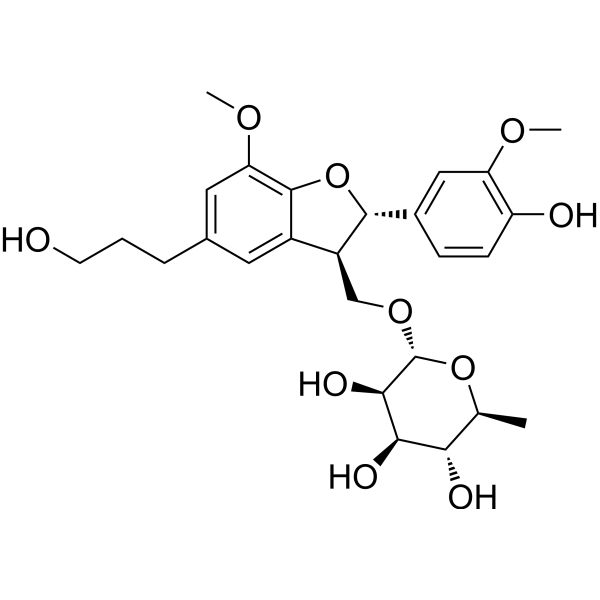 0 ImagesCat. No.: HY-N12102CAS No.: 1252572-36-3Dihydrodehydrodiconiferyl alcohol 9-O-α-L-rhamnopyranoside (compound 1) is a lignan with anti-HBC activity. Dihydrodehydrodiconiferyl alcohol 9-O-α-L-rhamnopyranoside targets HBV surface antigen with IC50s of 0.58 mM (HBsAg) and >2.4 mM (HBeAg). Dihydrodehydrodiconiferyl alcohol 9-O-α-L-rhamnopyranoside can be isolated from star anise.
-
HBV-IN-13
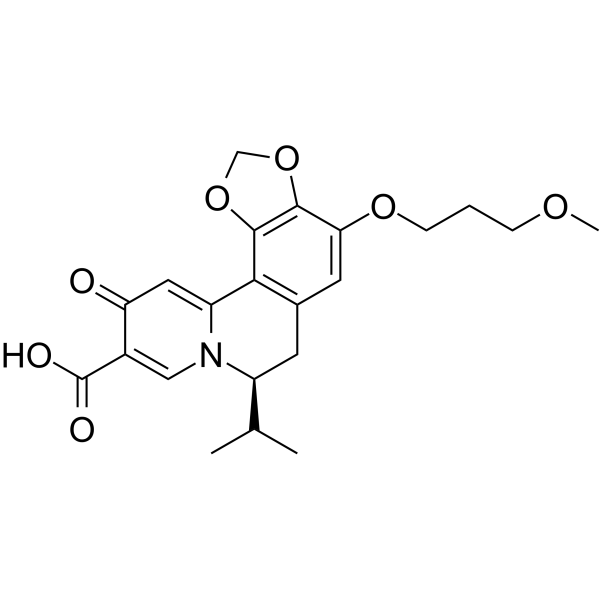 0 ImagesCat. No.: HY-145060CAS No.: 2724228-72-0HBV-IN-12 is a potent hepatitis B surface antigen (HBsAg) inhibitor. From patent WO2021204252A1, compound 1_B.




