



IKKε
IKKε (IKBKE) is a non-canonical IκB kinase that functions as a central regulator of innate immune signaling by coordinating antiviral and inflammatory responses through the activation of interferon regulatory factors and downstream type I interferon pathways[1][2]. Mechanistically, IKKε operates within the TBK1-IKKε-IRF3/IRF7 signaling axis, where it contributes to nucleic acid sensing pathways and promotes transcriptional programs required for host defense and immune adaptation[1][3]. Beyond antiviral signaling, IKKε also regulates metabolic and inflammatory processes, supporting its emerging role in obesity, diabetes, and related metabolic disorders[4]. In disease-relevant experimental models, genetic or pharmacological disruption of IKKε activity alters inflammatory homeostasis, and combined impairment of IKKε and TBK1 induces systemic inflammation, myeloid cell expansion, and intestinal pathology in mice, demonstrating an essential role in maintaining tissue integrity and controlling RIPK1-associated inflammatory responses[5]. Compared with the closely related kinase TBK1, IKKε exhibits both overlapping and distinct biological functions; notably, IKKε can compensate for loss of TBK1 kinase activity in vivo, while specific C-terminal regions required for downstream signaling and type I interferon activation are functionally important in IKKε but not in TBK1[5][3]. Therefore, the distinction between IKKε and TBK1 is highly relevant for mechanistic studies of innate immunity and inflammation. For experimental applications, small-molecule inhibitors targeting IKKε or the TBK1/IKKε kinase network have been developed and are widely used to investigate inflammatory, metabolic, autoimmune, and cancer-associated signaling pathways, supporting the evaluation of IKKε as a therapeutic target and research tool[4][6][7].
References:
- [1]. Ng SL, et al. IκB kinase epsilon (IKK(epsilon)) regulates the balance between type I and type II interferon responses. Proc Natl Acad Sci U S A. 2011 Dec 27;108(52):21170-5. [Content Brief]
- [2]. Wegner J, et al. Increased IKKϵ protein stability ensures efficient type I interferon responses in conditions of TBK1 deficiency. Front Immunol. 2023 Mar 3;14:1073608. [Content Brief]
- [3]. Nakatsu Y, et al. Functionally distinct effects of the C-terminal regions of IKKε and TBK1 on type I IFN production. PLoS One. 2014 Apr 10;9(4):e94999. [Content Brief]
- [4]. Xiao QA, et al. Role of IKKε in the Metabolic Diseases: Physiology, Pathophysiology, and Pharmacology. Front Pharmacol. 2022 May 19;13:888588. [Content Brief]
- [5]. Eren RO, et al. IKKε and TBK1 prevent RIPK1 dependent and independent inflammation. Nat Commun. 2024 Jan 2;15(1):130. [Content Brief]
- [6]. Liu S, et al. The kinases IKBKE and TBK1 regulate MYC-dependent survival pathways through YB-1 in AML and are targets for therapy. Blood Adv. 2018 Dec 11;2(23):3428-3442. [Content Brief]
- [7]. Carr M, et al. IKKε and TBK1 in diffuse large B-cell lymphoma: A possible mechanism of action of an IKKε/TBK1 inhibitor to repress NF-κB and IL-10 signalling. J Cell Mol Med. 2020 Oct;24(19):11573-11582. [Content Brief]
All Product Categories
-
IKKε Related Products (11)
Related Products (11)

- 1
-
BX795
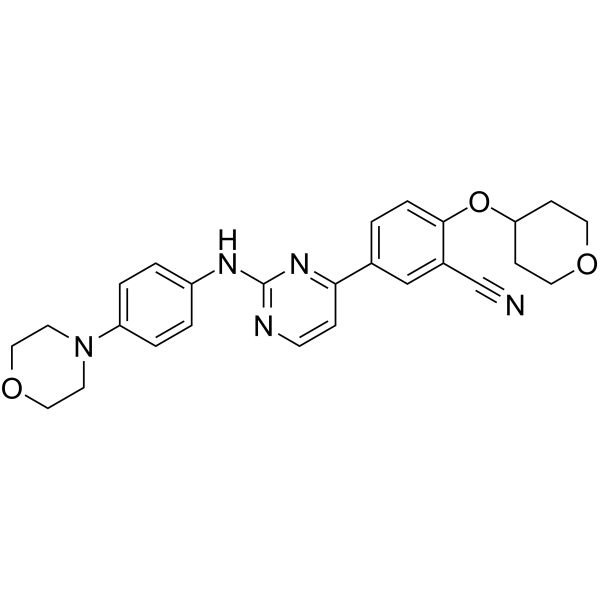
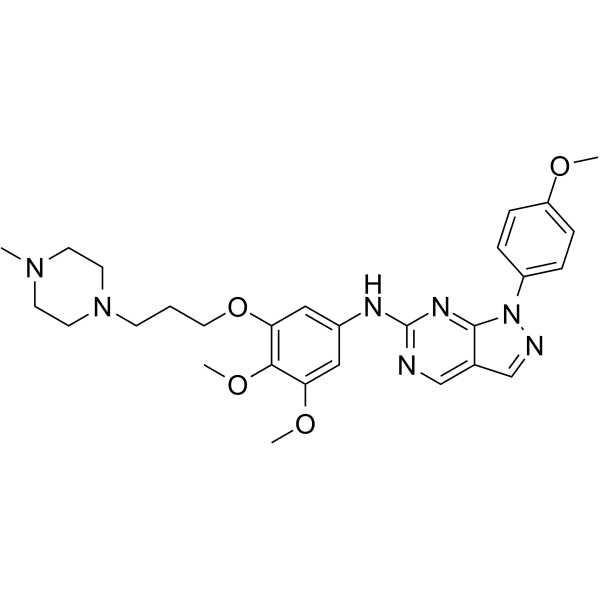
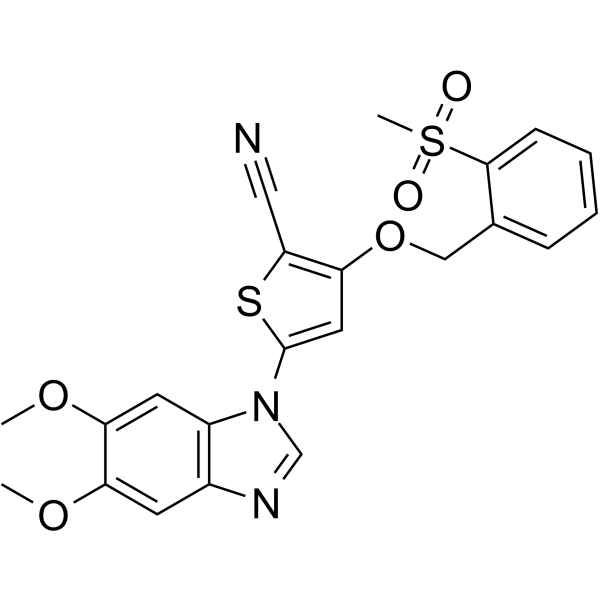
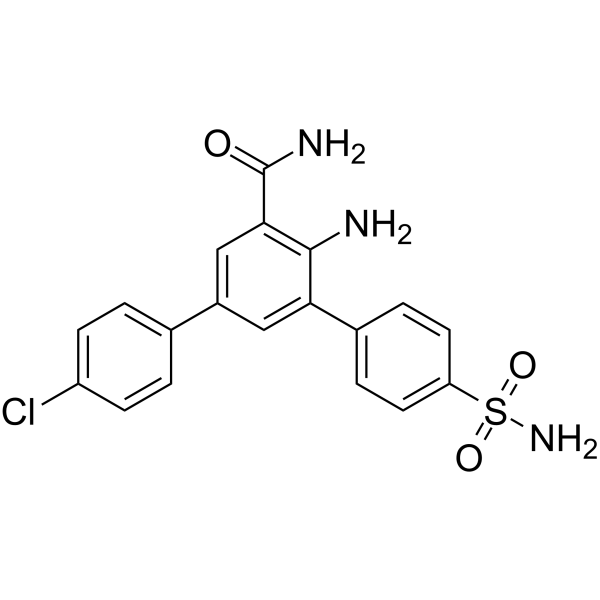
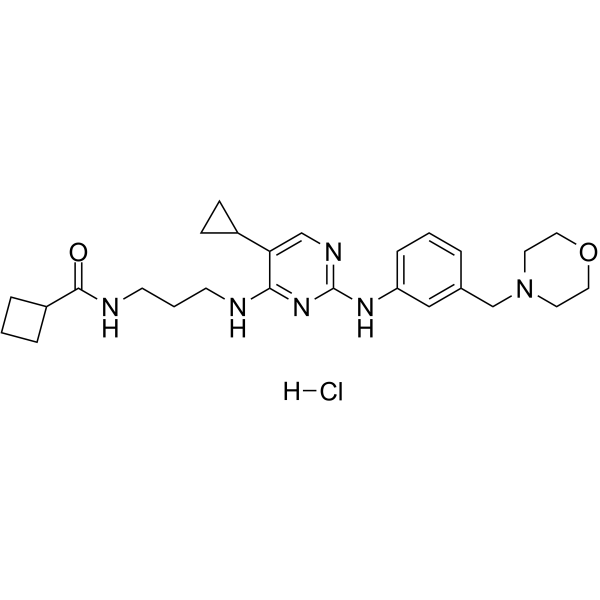
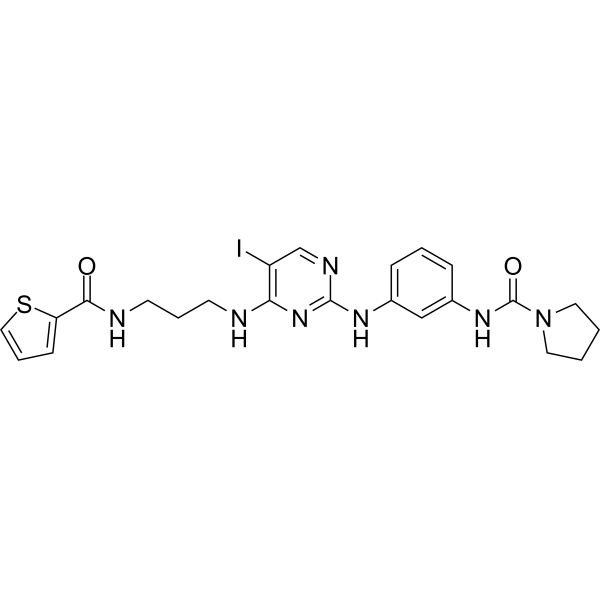 0 ImagesBX795 is a potent and selective inhibitor of PDK1, with an IC50 of 6 nM. BX795 is also a potent and relatively specific inhibitor of TBK1 and IKKε, with an IC50 of 6 and 41 nM, respectively. BX795 blocks phosphorylation of S6K1, Akt, PKCδ, and GSK3β, and has lower selectivity over PKA, PKC, c-Kit, GSK3β etc. BX795 modulates autophagy.
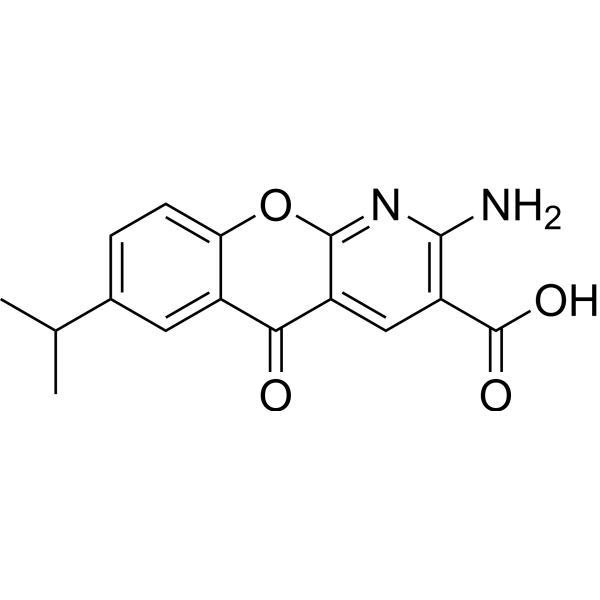
-
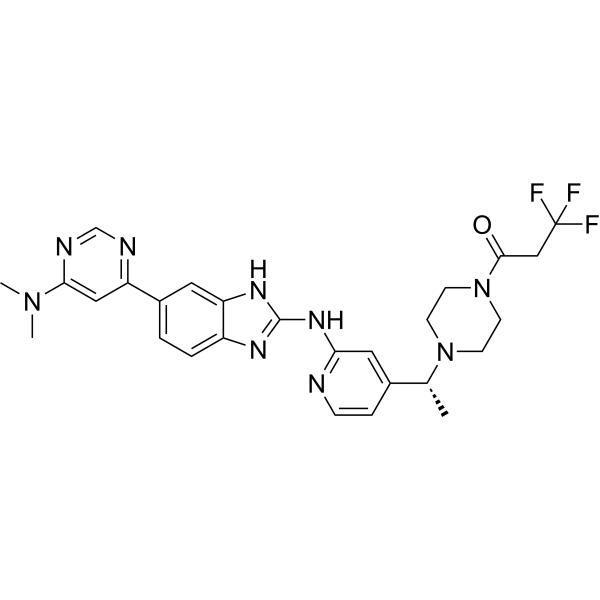
IKKε-IN-1
 0 ImagesCat. No.: HY-181271CAS No.: 3035441-37-0IKKε-IN-1 is a IKKε inhibitor. IKKε-IN-1 reduces cell viability, inhibits colony formation and cell migration. IKKε-IN-1 induces autophagy (Autophagy) in cancer cells. IKKε-IN-1 can be used in the research of cancers including colorectal cancer, hepatocellular carcinoma, bladder cancer, breast cancer, lung cancer, and cervical cancer.
-
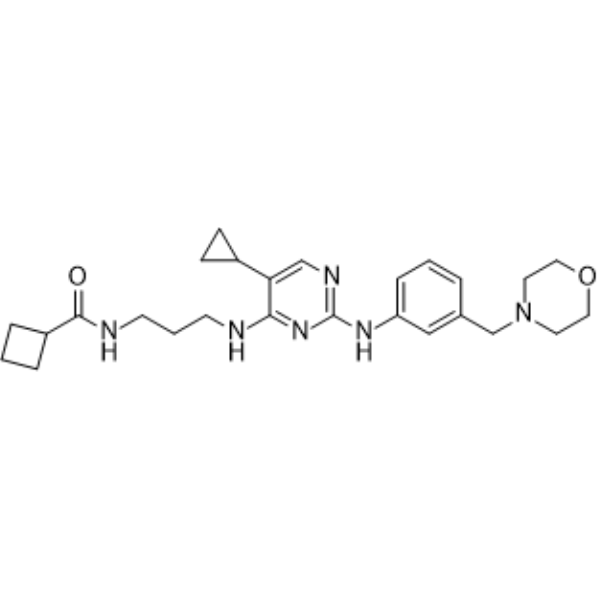
TBK1/IKKε-IN-1
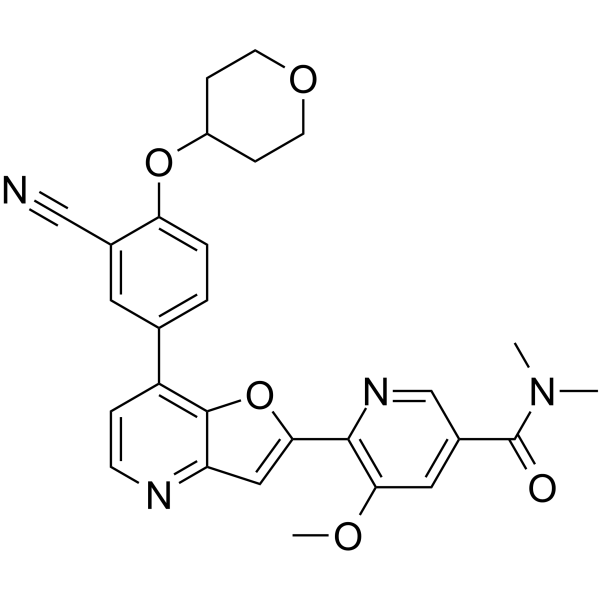 0 ImagesCat. No.: HY-U00457CAS No.: 2058264-32-5
- 1



