



Biochemical Assay Reagents
Biochemical agents refers to the life science research related to biological material or organic compounds. Due to a wide range of life sciences, rapid development, and therefore a wide variety of such agents, complex in nature. There are electrophoresis reagents, chromatography reagents, centrifuged reagents, immunological reagent, labeled reagent, staining agents, penetration agents and carcinogens variable, insecticides, culture, buffering agents, electron microscopy reagents, protein and nucleic acid precipitating agent, condensing agent ultrafiltration membrane, clinical diagnostic reagents, dyes, antioxidants, preservatives, detergents and surfactants, standard biochemical reagents, biochemical reagents quality control materials, separation material, etc..
All Product Categories
-
Biochemical Assay Reagents Inhibitors
(10)
View all products
-
Biochemical Assay Reagents Modulator
(1)
View all products
-
Biochemical Assay Reagents Chemicals
(7)
View all products
-
Biochemical Assay Reagents Inducer
(1)
View all products
-
Biochemical Assay Reagents Controls
(59)
View all products
-
Biochemical Assay Reagents Substrates
(4)
View all products
-
Biochemical Assay Reagents Ligands
(2)
View all products
-
Biochemical Assay Reagents Related Products (16056)
Related Products (16056)

-
Antibodies (44)
-
Poly-L-Glutamic acid (MW 700000)
 0 ImagesPoly-L-Glutamic acid (MW 700000) is a synthetic polypeptide with biocompatibility, biodegradability and non-immunogenicity. Poly-L-Glutamic acid is an ideal tumor-targeting polymer carrier. Poly-L-Glutamic acid can be hydrolyzed by cathepsin B during metabolic decomposition.
-
Sodium oxalate,99.5%
 0 ImagesSodium oxalate is an orally active dispersant and coordination agent. Sodium oxalate causes mitochondrial dysfunction. Sodium oxalate has catalytic enhancing activity. Sodium oxalate induces stable chronic kidney disease. Sodium oxalate induces highly malignant and undifferentiated breast tumors.
-
Hyaluronic acid (Mw:1000-2000Da)
 0 ImagesHyaluronic acid (Mw: 1000-2000 Da) is a long-chain unbranched polysaccharide with a molecular weight of 1000-2000 Da. Hyaluronic acid (Mw: 2000 Da) inhibits IL-1β expression and increases LC3-II. Hyaluronic acid (Mw: 1000-2000Da) can regulate tissue homeostasis and stress resistance, promote angiogenesis and tissue remodeling. Hyaluronic acid (Mw: 1000-2000 Da) has good biocompatibility and biodegradability, and can be used in drug delivery systems and tissue engineering. Hyaluronic acid (Mw: 2000 Da) can reduce facial skin blemishes and sagging.
-
Acetyl tributyl citrate
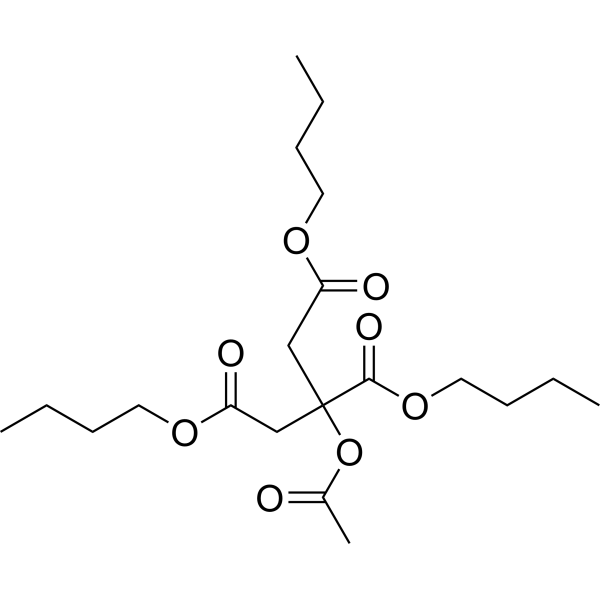 0 ImagesSynonyms: Tributyl O-acetylcitrate; ATBCAcetyl tributyl citrate (Tributyl O-acetylcitrate) is a pharmaceutical excipient and biodegradable hydrophobic plasticizer. Acetyl tributyl citrate can be used in cosmetics, food packaging, and as a flavoring substance for food.
-
[Rh(cod)Cl]2
![[Rh(cod)Cl]2](https://file.medchemexpress.com/product_pic/hy-y1094.gif "Click to View [Rh(cod)Cl]2 Product Detail") 0 ImagesSynonyms: Chloro(1,5-cyclooctadiene)rhodium(I) dimer[Rh(cod)Cl]2 (Chloro (1,5-cyclooctadiene) rhodium (I) dimer) is an organometallic rhodium (I) dimer precursor and platelet aggregation inhibitor. [Rh(cod)Cl]2 inhibits PAF-induced aggregation in washed rabbit platelets. [Rh(cod)Cl]2 inhibits aggregation induced by PAF, Thrombin, ADP and Collagen in human platelet-rich plasma. [Rh(cod)Cl]2 acts as a catalyst precursor for the hydrogenation of aromatic hydrocarbons, phenols, olefins and BINOL derivatives. [Rh(cod)Cl]2 is used in the research of cardiovascular diseases such as thromboinflammation-related disorders, tumor metastasis and atherosclerosis.
0 ImagesSynonyms: Chloro(1,5-cyclooctadiene)rhodium(I) dimer[Rh(cod)Cl]2 (Chloro (1,5-cyclooctadiene) rhodium (I) dimer) is an organometallic rhodium (I) dimer precursor and platelet aggregation inhibitor. [Rh(cod)Cl]2 inhibits PAF-induced aggregation in washed rabbit platelets. [Rh(cod)Cl]2 inhibits aggregation induced by PAF, Thrombin, ADP and Collagen in human platelet-rich plasma. [Rh(cod)Cl]2 acts as a catalyst precursor for the hydrogenation of aromatic hydrocarbons, phenols, olefins and BINOL derivatives. [Rh(cod)Cl]2 is used in the research of cardiovascular diseases such as thromboinflammation-related disorders, tumor metastasis and atherosclerosis.
-
PEG600
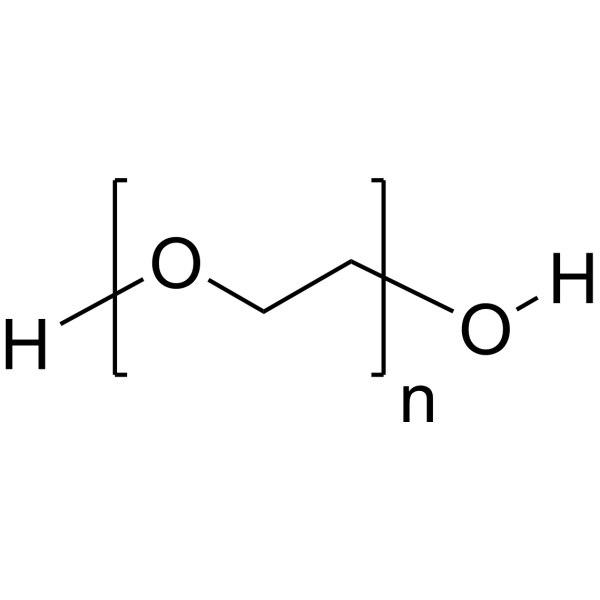 0 ImagesSynonyms: Polyethylene glycol 600PEG600 can be used as an excipient, such as ointment base, lubricant. Pharmaceutical excipients, or pharmaceutical auxiliaries, refer to other chemical substances used in the pharmaceutical process other than pharmaceutical ingredients. Pharmaceutical excipients generally refer to inactive ingredients in pharmaceutical preparations, which can improve the stability, solubility and processability of pharmaceutical preparations. Pharmaceutical excipients also affect the absorption, distribution, metabolism, and elimination (ADME) processes of co-administered drugs.
-
3,5-Dinitrosalicylic acid
 0 Images3,5-Dinitrosalicylic acid the derivative of salicylic acid. 3,5-Dinitrosalicylic acid is used in the α-amylase assay, carbohydrase assay, and for the colorimetric determination of reducing substances.
-
Peptide A5K
 0 ImagesCat. No.: HY-P5307Purity: 99.34%Synonyms: INF7-A5K-TATPeptide A5K (INF7-A5K-TAT) is an amphiphilic peptide derived from the HA2-TAT fusion scaffold. Peptide A5K can non-covalently bind to CRISPR ribonucleoproteins and efficiently deliver them to cells, such as primary human T cells, B cells, and NK cells. Peptide A5K enables low-toxicity, precise, and multiplex genome editing, holding great application potential in the field of cell therapy.
-
Fibronectin, bovine plasma
 0 ImagesFibronectin, bovine plasma is a fibronectin derived from bovine plasma. Fibronectin is an extracellular matrix protein that is upregulated and essential in many developmental processes, and also exists in the pathological progression of tissues and wound healing. Fibronectin specifically binds to a large number of molecules, including other components of the extracellular matrix, signaling molecules and cell adhesion molecules. The interaction between cells and fibronectin leads to bidirectional crosstalk, which regulates cell functions and induces cell-dependent changes in the extracellular matrix. Fibronectin, bovine plasma inhibits the production of bovine leukemia virus (BLV) p24 core protein in naturally infected bovine peripheral blood mononuclear cells.
-
Dimedone
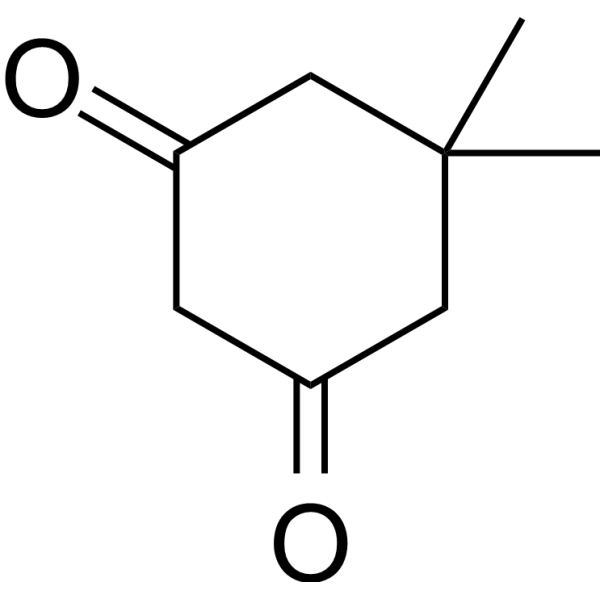 0 ImagesSynonyms: 5,5-Dimethylcyclohexane-1,3-dioneDimedone (5,5-Dimethylcyclohexane-1,3-dione) is a biochemical reagent that can be used as a biological material or organic compound for life science related research.
-
Poloxamer 338 (F108)
 0 ImagesCat. No.: HY-D1005A22CAS No.: 9003-11-6Synonyms: PEG-PPG-PEG, 14600 (Average)Poloxamer 338 F108 is block polymer of polyoxyethylene and polyoxypropylene with average molecular mass of 14600. Poloxamer 338 F108 reduces the aggregation of red blood cells, inhibits proliferation of human lymphocyte cell IIBR1. Poloxamer 338 F108 exhibits short-term and subchronic toxicity in rats.
-
Ethanolamine hydrochloride
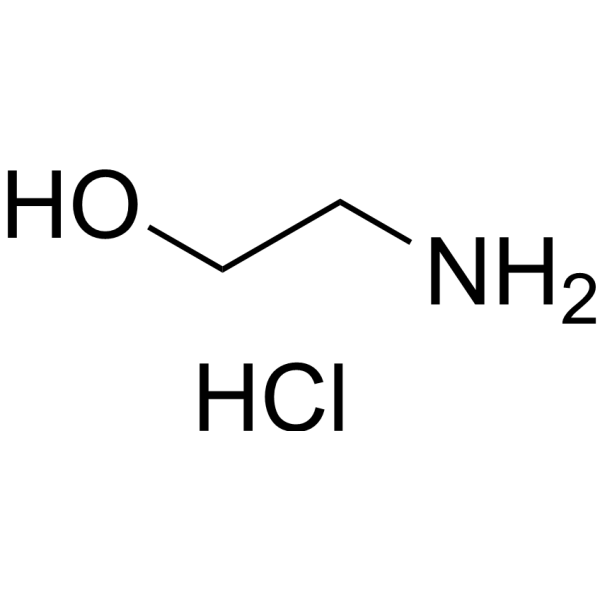 0 ImagesSynonyms: 2-Aminoethanol hydrochlorideEthanolamine hydrochloride, is an organic compound used in various industrial applications. It is a white or colorless solid that is soluble in water and has a faint odor. One of the major uses of Ethanolamine hydrochloride is in the production of detergents and surfactants. Used as a raw material in the manufacture of compounds such as ethylenediaminetetraacetic acid (EDTA) and diethanolamine, which are commonly used in household and industrial cleaning products. Ethanolamine hydrochloride is also used in the synthesis of pharmaceuticals, agrochemicals and rubber processing agents. It acts as a buffer in certain chemical reactions, helping to adjust pH and maintain stability. Ethanolamine hydrochloride can be used for gas purification and metal corrosion inhibitor. Its ability to react with acid gases such as carbon dioxide and sulfur dioxide makes it useful for removing impurities from natural gas and other industrial gases. Overall, Ethanolamine hydrochloride is a multifunctional compound with many potential industrial applications. Its ability to act as a buffer, chelating agent, and corrosion inhibitor makes it an important tool in a variety of industries.
-
Ethyl methanesulfonate
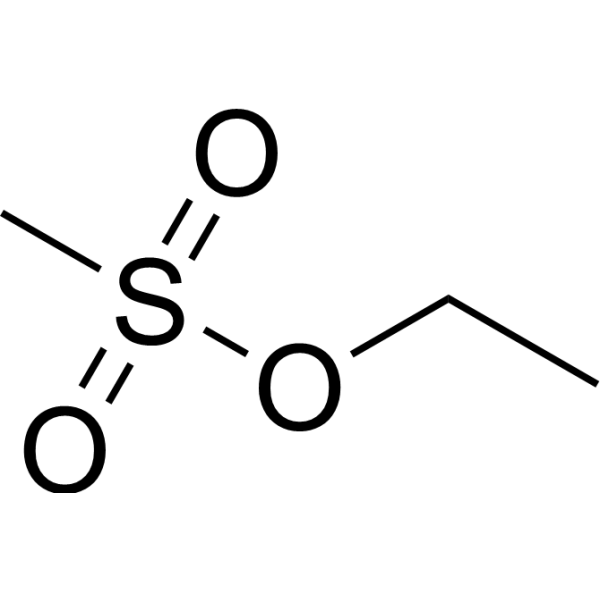 0 ImagesEthyl methanesulfonate is an orally active biochemical agent. Ethyl methanesulfonate induces Apoptosis. Ethyl methanesulfonate acts on DNA, alkylating it and causing changes in DNA structure, which in turn triggers a series of biological effects such as mutation and cell death. Ethyl methanesulfonate induces kidney and nervous system tumors. Ethyl methanesulfonate is widely used in the field of genetic toxicology research and is often used to induce gene mutations in organisms to study gene function, the mechanism of genetic diseases, and the effects of environmental mutagenic factors, etc.

-
BOP hexafluorophosphate
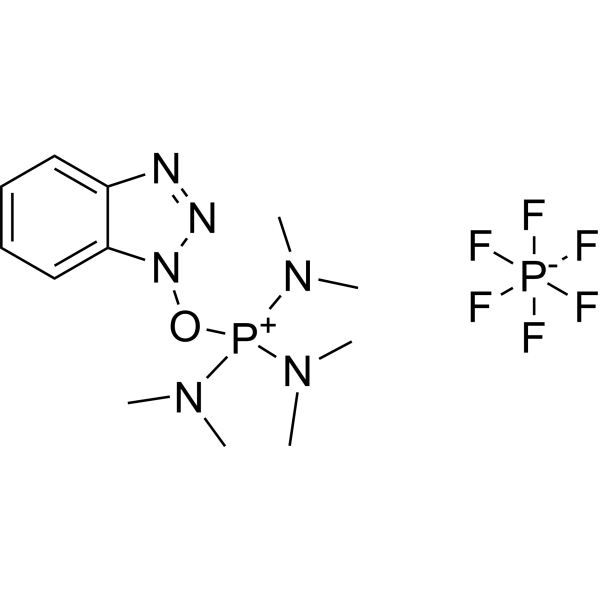 0 ImagesBOP hexafluorophosphate is a phosphonium-type condensing agent. BOP hexafluorophosphate activates the carboxylic acid component to form a highly reactive O-benzotriazole ester (active ester) intermediate, which then reacts with the amino component to form an amide bond (peptide bond). BOP hexafluorophosphate is applicable to solid-phase polypeptide synthesis and nucleoside modification.
-
Biotinylated isoxazole
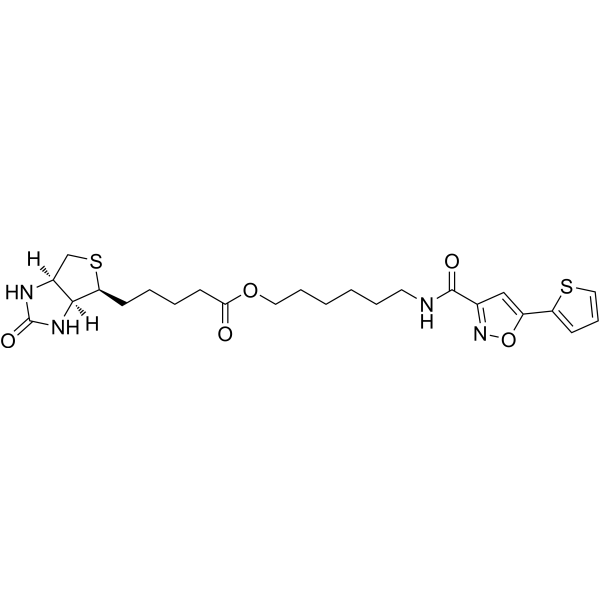 0 ImagesBiotinylated isoxazole is a chemical probe that selectively precipitates proteins containing prion-like low-complexity domains and Cross-β prion-like polymers through recognition of Cross-β structure. Biotinylated isoxazole induces precipitation of proteins containing intrinsically disordered regions through microcrystal formation in solution. Biotinylated isoxazole enables enrichment of Amyloid oligomers for ELISA-based detection. Biotinylated isoxazole decreases Gems and increases misfolded PFN1 aggregates.
-
Diethyl pyrocarbonate
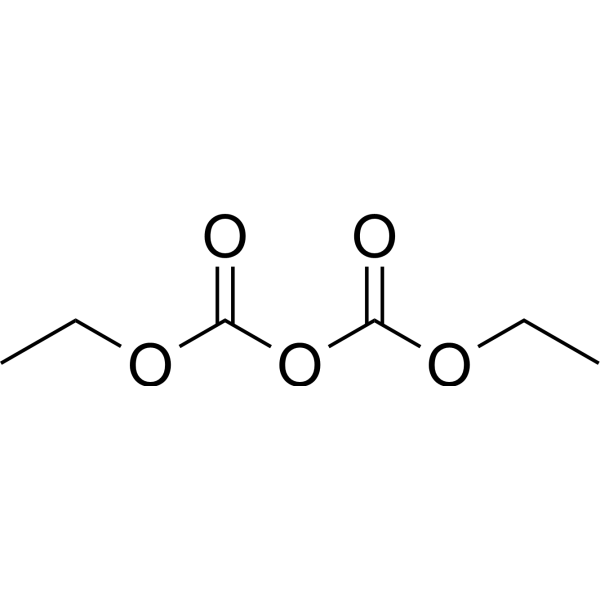 0 ImagesDiethyl pyrocarbonate is a potent, orally active, non-specific chemical inhibitor of RNase. Diethyl pyrocarbonate has been useful in vitro as an agent relatively specific for binding to imidazole of histidine. Diethyl pyrocarbonate inhibits central chemosensitivity in rabbits. Diethyl pyrocarbonate can modify Ser, Thr, His and Tyr residues. Diethyl pyrocarbonate can be used for modeling.
-
6-Amino-6-deoxy-β-cyclodextrin
 0 ImagesCat. No.: HY-W129394CAS No.: 29390-67-86-Amino-6-deoxy-β-cyclodextrin is a cyclodextrin derivative that can be used to prepare other cyclodextrin derivatives. 6-Amino-6-deoxy-β-cyclodextrin can also be used as a chiral selector for chiral separation of α-amino acid derivatives by capillary electrophoresis.
-
Sulfo-EGS
 0 ImagesCat. No.: HY-117080CAS No.: 167410-92-6Sulfo-EGS is a homobifunctional, amine-reactive chemical crosslinker. Sulfo-EGS is used to study protein-protein or protein-peptide interactions, which can determine the spatial proximity of amino acid residues in a protein complex, without relying on standards.




