Drug Derivative
Drug derivative
Drug derivatives are derived from parent compounds. They replace or add atoms and groups through chemical reactions to optimize the various properties of the parent compound and reduce side effects. The application of drug derivatives provides a diverse compound library for drug research and development and accelerates the discovery of new drugs. For example, urea derivatives Glibenclamide can prolong the blood sugar-lowering effect of anti-diabetic drugs.
References:
- [1]. Vardanyan RS, et al. Fentanyl-related compounds and derivatives: current status and future prospects for pharmaceutical applications. Future Med Chem. 2014 Mar;6(4):385-412.x
- [2]. Ghosh AK, et al. Urea Derivatives in Modern Drug Discovery and Medicinal Chemistry. J Med Chem. 2020 Mar 26;63(6):2751-2788.x
All Product Categories
-
Drug Derivative Inhibitors
(12)
View all products
-
Drug Derivative Agonist
(1)
View all products
-
Drug Derivative Activator
(1)
View all products
-
Drug Derivative Chemical
(1)
View all products
-
Drug Derivative Inducer
(1)
View all products
-
Drug Derivative Controls
(38)
View all products
-
Drug Derivative Substrate
(1)
View all products
-
Drug Derivative Related Products (4010)
Related Products (4010)

-
3-Furanmethanol
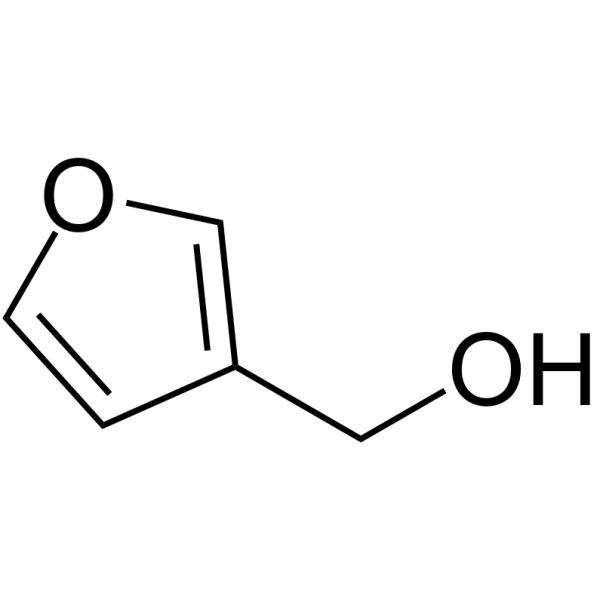 0 Images3-Furanmethanol, a volatile furan compound, can be detected in malt beverages fermented with Bifidobacterium breve. 3-Furanmethanol exhibits roasty, popcorn-like flavors.
-
Pergolide mesylate
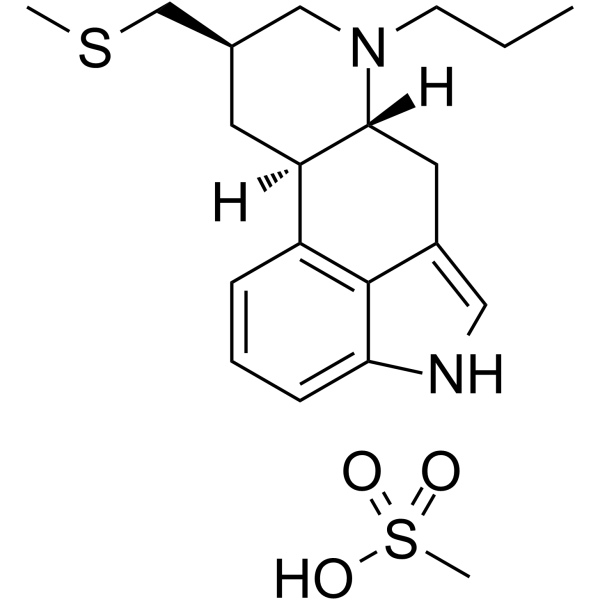 0 ImagesSynonyms: Pergolide methanesulfonate; LY127809Pergolide mesylate (Pergolide methanesulfonate), an Ergoline derivative, is a potent and orally active dopamine D1 and D2 receptors agonist. Pergolide mesylate can be used for Parkinson's disease and hyperprolactinaemia research.
-
C5 Lenalidomide
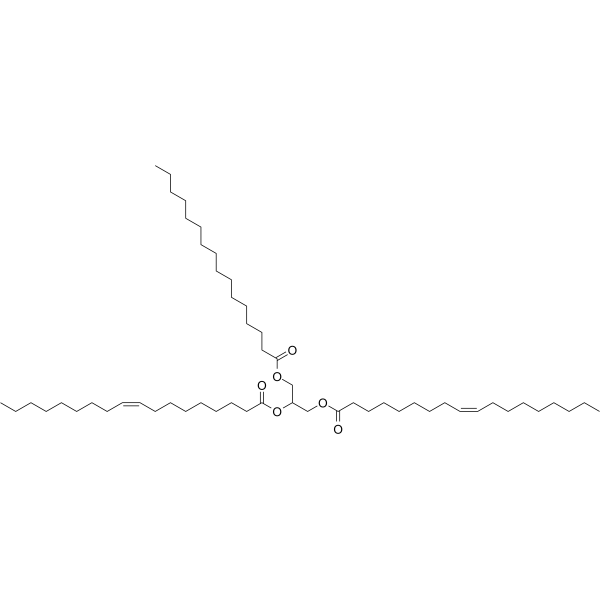
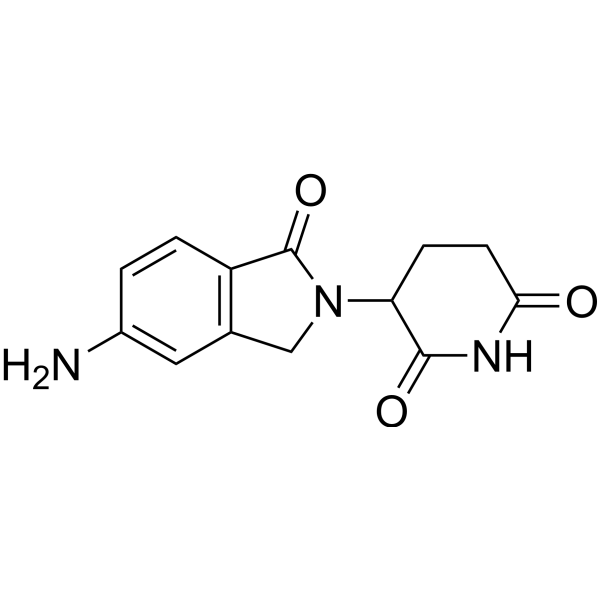 0 ImagesSynonyms: Lenalidomide 5'-amineC5 Lenalidomide is a 5-amino-substituted Thalidomide (HY-14658) analog. C5 Lenalidomide inhibits LPS (HY-D1056)-stimulated TNF-α production.
-
S-Gboxin
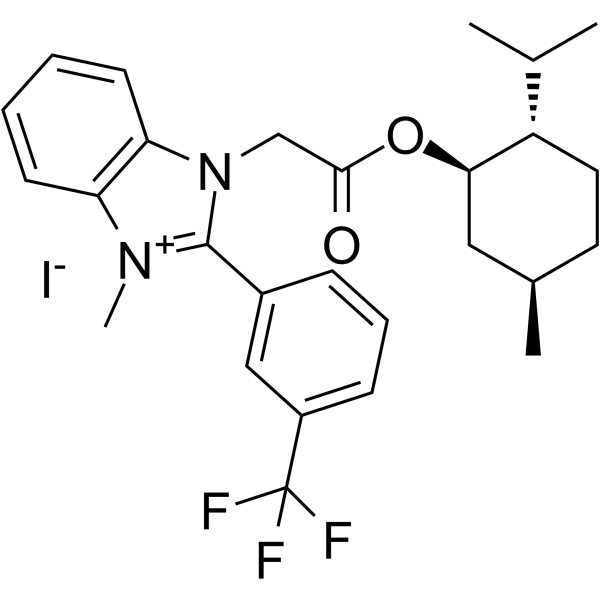 0 ImagesS-Gboxin is a functional analog of the oxidative phosphorylation (OXPHOS) inhibitor Gboxin and has antitumor activity. S-Gboxin inhibits the growth of mouse and human glioblastoma with an IC50 of 470 nM. S-Gboxin has antitumor activity.
-
TPT-260 Dihydrochloride
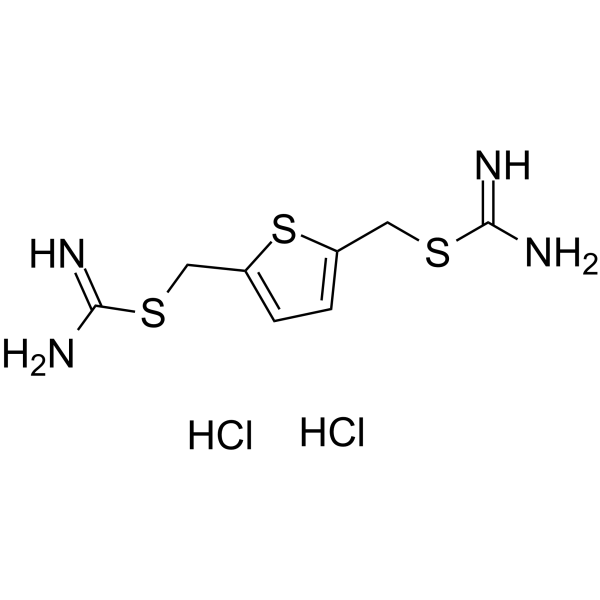 0 ImagesTPT-260 Dihydrochloride (NSC55712), a thiophene thiourea derivative, is a retromer complex stabilizer against thermal denaturation (Kd = ~5 µM). TPT-260 Dihydrochloride increases the levels of retromer proteins, shifts amyloid-precursor protein (APP) away from the endosome, and decreases the pathogenic processing of APP. TPT-260 Dihydrochloride inhibits TLR4 upregulation, IKKβ phosphorylation, NF-κB p65 nuclear translocation, and NLRP3 inflammasome formation. TPT-260 Dihydrochloride improves retromer-mediated cargo trafficking, reduces brain infarct area, and decreases amyloid plaque deposition. TPT-260 Dihydrochloride exhibits minimal cytotoxicity to primary microglia at tested concentrations. TPT-260 Dihydrochloride can be used for the research of inflammatory bowel disease, ischemic stroke and Alzheimer's disease.
-
Sugammadex sodium
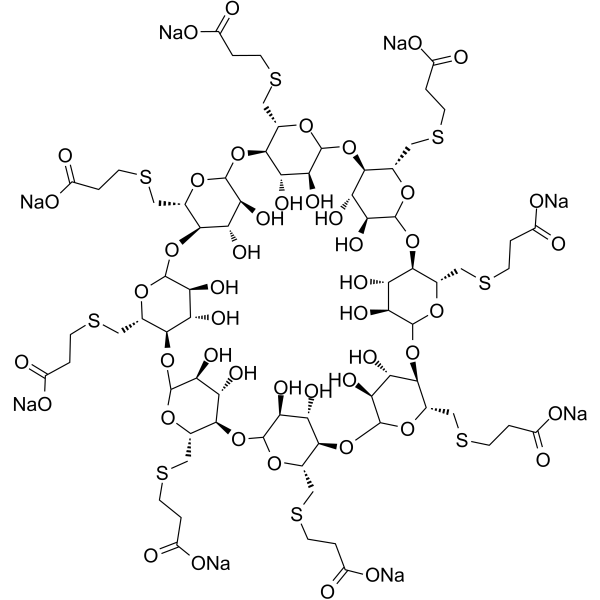 0 ImagesSynonyms: Org25969Sugammadex sodium is a synthetic γ-cyclodextrin derivative, and acts as a reversal agent for neuromuscular block. Sugammadex sodium shows nephroprotective effect in ischemia-reperfusion injury.
-
Glycyl-Exatecan TFA
 0 ImagesSynonyms: Glycyl-DX-8951 TFA; Exatecan analog 2 TFAGlycyl-Exatecan TFA (G-DX-8951 TFA) is a Topoisomerase I inhibitor. Glycyl-Exatecan TFA exhibits weaker in vitro cytotoxicity than DX-8951 (HY-13631), and can further release DX-8951 in vivo. Glycyl-Exatecan TFA can be used in studies related to Exatecan metabolism and antitumor drug delivery.
-
JB-1
 0 ImagesJB-1, an IGF-I analog, is a selective IGF-I receptor inhibitor that does not interact with IGF-II. JB-1 competes with IGF-I for binding to IGF-1R and blocks receptor autophosphorylation. JB-1 increases the level of sVEGFR-1. JB-1 normalizes retinal abnormalities, including reducing retinal neovascularization. JB-1 is applicable to studies related to oxygen-induced retinopathy.
-
H-Pro-Gly-Pro-OH
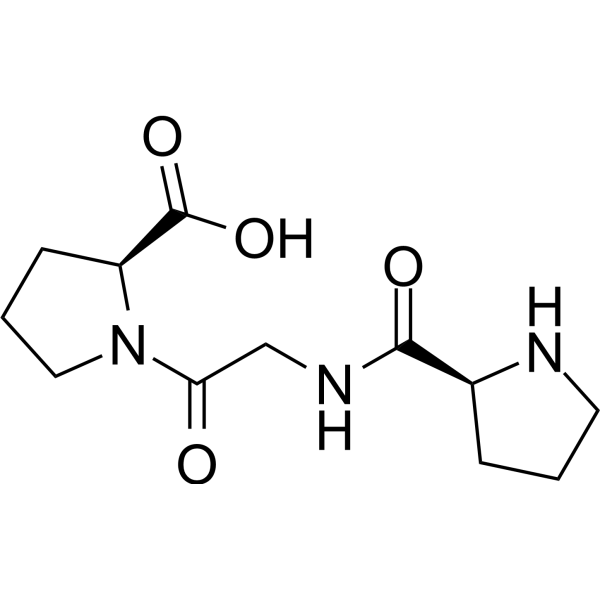 0 ImagesH-Pro-Gly-Pro-OH is a collagen-derived matrikine that has classically been described as a neutrophil chemoattractant. H-Pro-Gly-Pro-OH is perfectly positioned to focus neutrophils on the site required and direct a localized repair response. H-Pro-Gly-Pro-OH activates the transcription of neurotrophins and their receptor genes after cerebral ischemia.
-
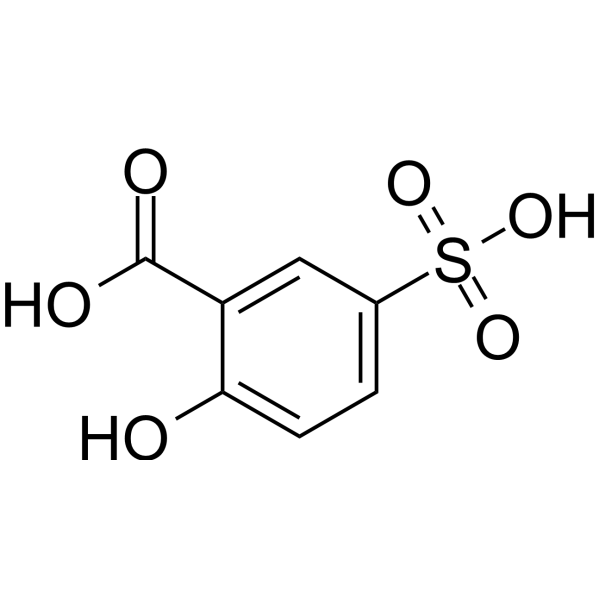
ALKBH1-IN-2
 0 ImagesCat. No.: HY-158998Purity: 99.16%ALKBH1-IN-2 (Compound 16) is a derivative of ALKBH1-IN-1 (HY-163385). ALKBH1-IN-2 is an ALKBH1 inhibitor. ALKBH1-IN-2 can modulate the 6mA levels.

-
(E)-m-Coumaric acid
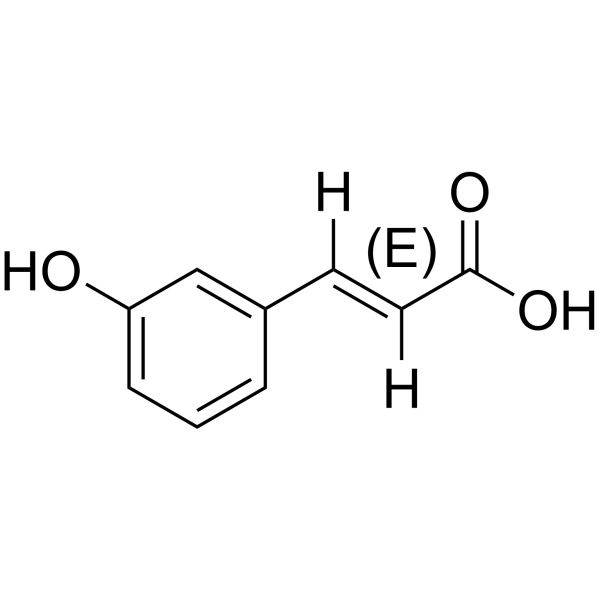 0 ImagesSynonyms: trans-3-Hydroxycinnamic acid(E)-m-Coumaric acid (trans-3-Hydroxycinnamic acid) is a natural phenolic cinnamic acid derivative with antioxidant activity, and it is found in the young shoots of Limonium densiflorum. (E)-m-Coumaric acid upregulates the levels of SOD and GSH and reduces MDA levels, thereby alleviating oxidative stress and lipid peroxidation in liver tissue. (E)-m-Coumaric acid can be used in studies related to oxidative stress-mediated liver injury.
-
Indole-3-methanamine
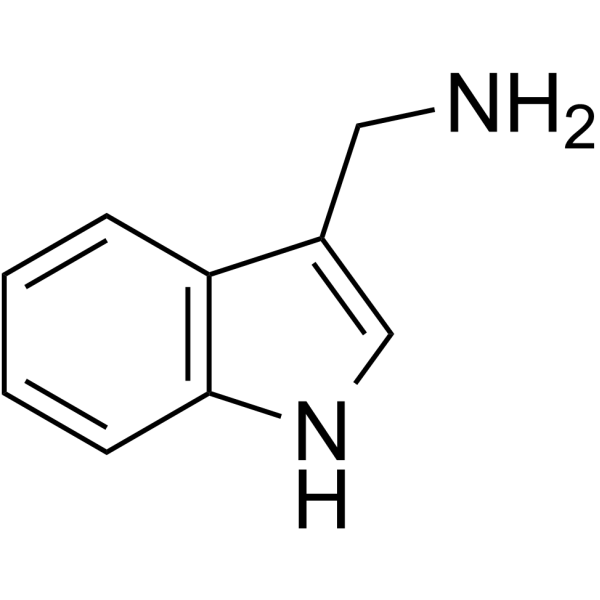 0 ImagesIndole-3-methanamine is an indole derivative, stress-related metabolite, and also a biosynthetic precursor of Gramine (HY-N0166). The accumulation level of Indole-3-methanamine increases in susceptible barley varieties infected with Bipolaris sorokiniana. Indole-3-methanamine can be used in studies related to barley spot blotch.
-
3,7-Dimethyluric acid
 0 Images3,7-Dimethyluric acid is a methyl derivative of uric acid.
-
Oxyphenisatine
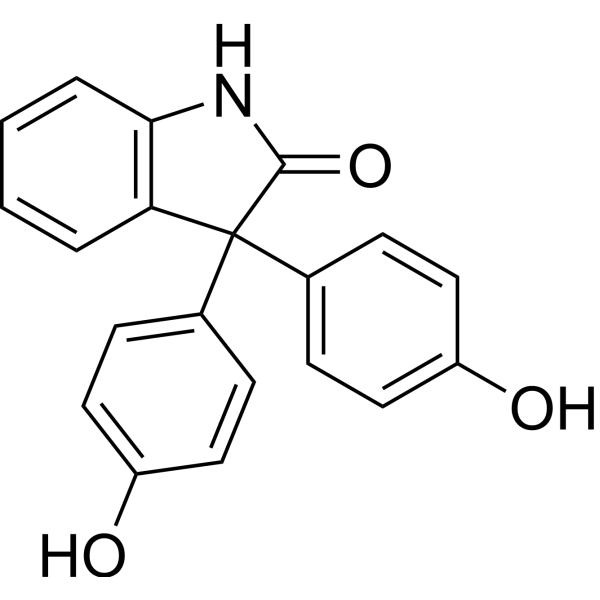 0 ImagesOxyphenisatine (Oxyphenisatin) is a laxative. Oxyphenisatin acetate is the pro-agent of oxyphenisatin with anticancer activity.
-
Ampiroxicam
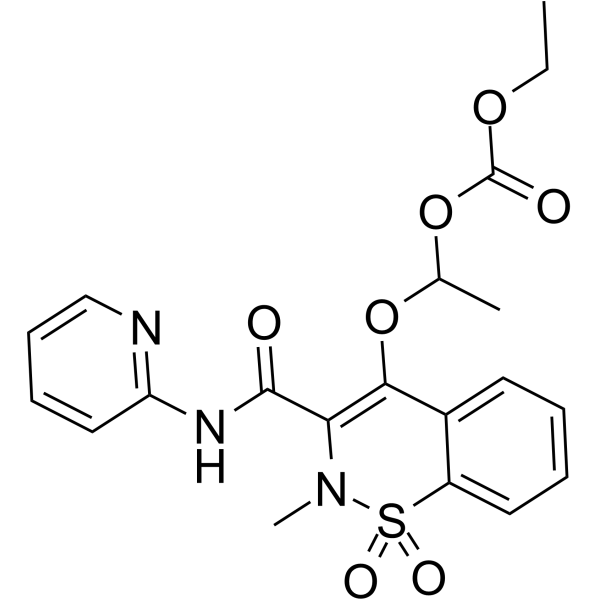 0 ImagesSynonyms: CP 65703Ampiroxicam is an orally active prodrug of non-steroidal anti-inflammatory drug (NSAID). Ampiroxicam inhibits paw swelling in adjuvant-induced arthritis and acute inflammation models, and suppresses phenylbenzoquinone-induced stretching responses in mice. Ampiroxicam is rapidly and completely converted to Piroxicam (HY-B0253) via non-specific esterases and first-pass metabolism. Ampiroxicam induces contact hypersensitivity and photosensitivity reactions through photoproducts generated by UVA. Ampiroxicam can be used in research related to photosensitivity, adjuvant-induced arthritis, rheumatism, osteoarthritis and other inflammatory diseases.
-
L-Cysteine S-sulfate sodium hydrate
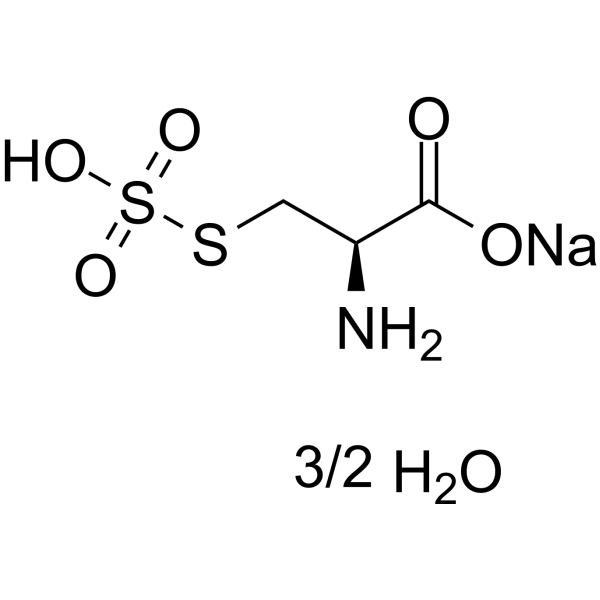 0 ImagesL-Cysteine S-sulfate sodium hydrate is an S-sulfated derivative of L-cysteine (HY-Y0337). L-Cysteine S-sulfate sodium hydrate is the substrate for cystine lyase, it can be used in mass spectrometry and chromatography analyses.