Drug Derivative
Drug derivative
Drug derivatives are derived from parent compounds. They replace or add atoms and groups through chemical reactions to optimize the various properties of the parent compound and reduce side effects. The application of drug derivatives provides a diverse compound library for drug research and development and accelerates the discovery of new drugs. For example, urea derivatives Glibenclamide can prolong the blood sugar-lowering effect of anti-diabetic drugs.
References:
- [1]. Vardanyan RS, et al. Fentanyl-related compounds and derivatives: current status and future prospects for pharmaceutical applications. Future Med Chem. 2014 Mar;6(4):385-412.x
- [2]. Ghosh AK, et al. Urea Derivatives in Modern Drug Discovery and Medicinal Chemistry. J Med Chem. 2020 Mar 26;63(6):2751-2788.x
All Product Categories
-
Drug Derivative Inhibitors
(12)
View all products
-
Drug Derivative Agonist
(1)
View all products
-
Drug Derivative Activator
(1)
View all products
-
Drug Derivative Chemical
(1)
View all products
-
Drug Derivative Inducer
(1)
View all products
-
Drug Derivative Controls
(38)
View all products
-
Drug Derivative Substrate
(1)
View all products
-
Drug Derivative Related Products (3996)
Related Products (3996)

-
Pyrimidine-5-boronic acid pinacol ester
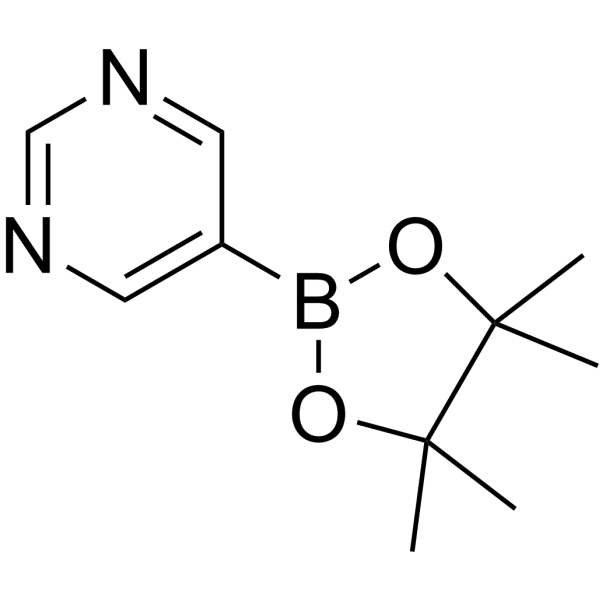 0 ImagesPyrimidine-5-boronic acid pinacol ester is a derivative of Boronic acid. Boronic acid is an intermediate commonly used in organic synthesis reactions and can be used as a key reagent in the Suzuki-Miyaura reaction. It generates organic free radicals through oxygen-mediated oxidation and exhibits potential mutagenic activity. Boronic acid is mainly used in research in the fields of drug synthesis and catalytic reactions. Pyrimidine-5-boronic acid pinacol ester serves as a building block in DNA-compatible one-pot click chemistry for synthesis of DNA-encoded libraries.
-
Isomannide
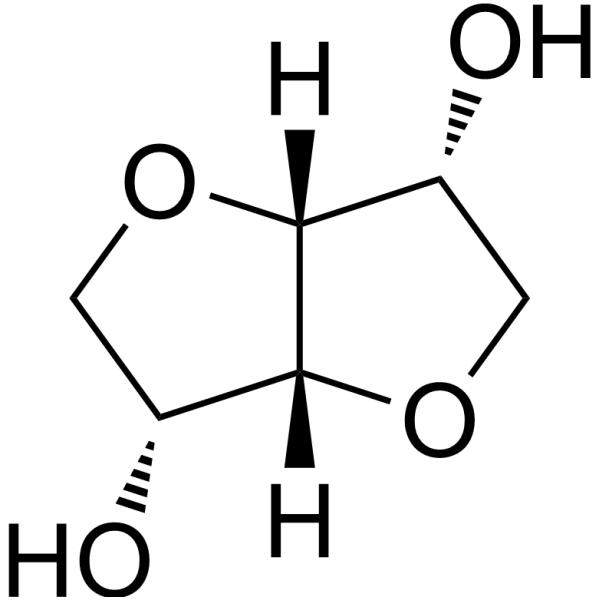 0 ImagesSynonyms: 1,4:3,6-DianhydromannitolIsomannide (1,4:3,6-Dianhydromannitol) is a cyclic diol and a derivative of Isosorbide (HY-B1469). Isomannide serves as a starting material for chiral solubilizers and a linker group for novel bacterial topoisomerase inhibitors (NBTIs). Isomannide is also used in the synthesis of biocompatible polymers.
-
α-D-Glucose-1-phosphate disodium hydrate
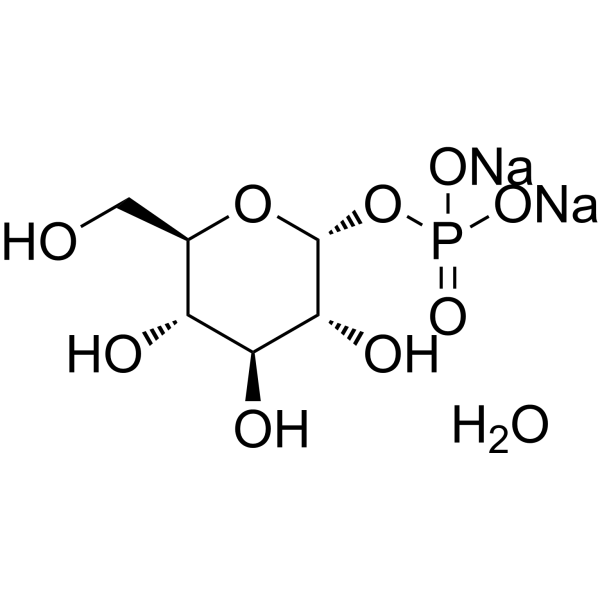 0 Imagesα-D-Glucose-1-phosphate disodium hydrate is a derivative of D-glucose (HY-B0389). α-D-Glucose-1-phosphate disodium hydrate serves as a starting material for glucuronic acid synthesis. Glucuronic acid acts as a Ca2+ chelator and also functions as a biosynthetic substrate for the production of linear maltooligosaccharides or α,α-trehalose. α-D-Glucose-1-phosphate disodium hydrate can be used as a cytostatic compound, Antibiotic, and immunosuppressant essential for heart disease management. α-D-Glucose-1-phosphate disodium hydrate is applicable to the research of heart disease.
-
Secoxyloganin
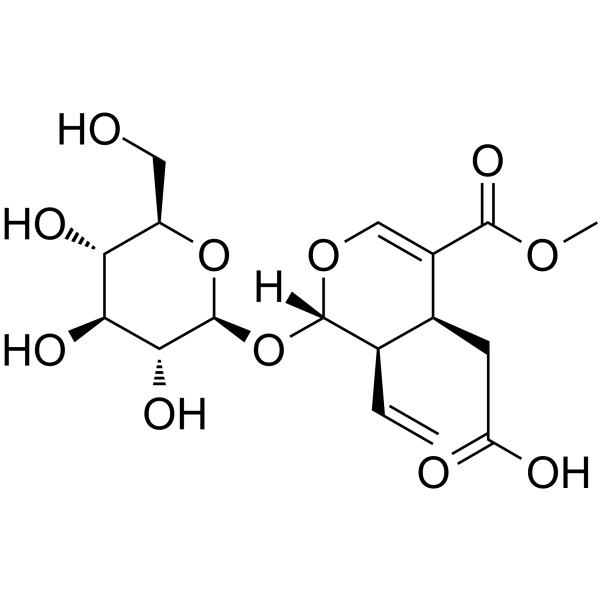 0 ImagesSecoxyloganin is an orally effective iridoid derivative. Secoxyloganin can be isolated from the flower buds of L. japonica. Secoxyloganin induces Apoptosis by inhibiting the expression of Bcl-2. Secoxyloganin potently inhibits the proliferation of breast cancer cells, while exerting weak activity against normal mammary epithelial cells. Secoxyloganin inhibits the decrease in tail vein blood flow associated with allergic reactions.
-
2,2-Dimethylsuccinic acid
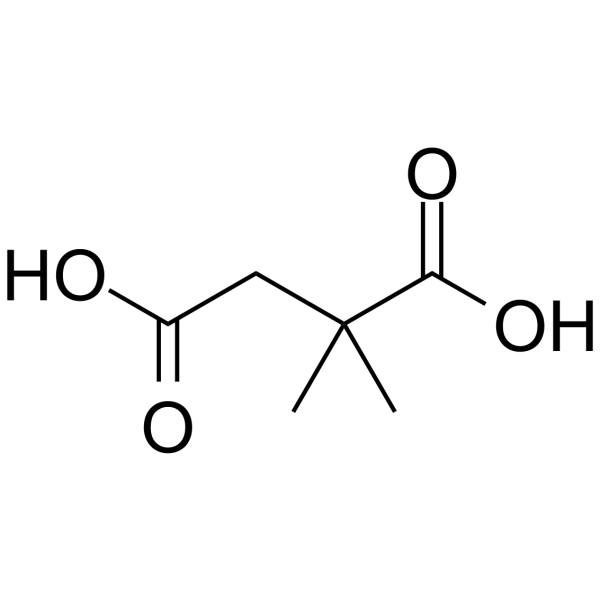 0 Images2,2-Dimethylsuccinic acid belongs to the class of organic compounds known as methyl-branched fatty acids.
-
BM 15766 sulfate
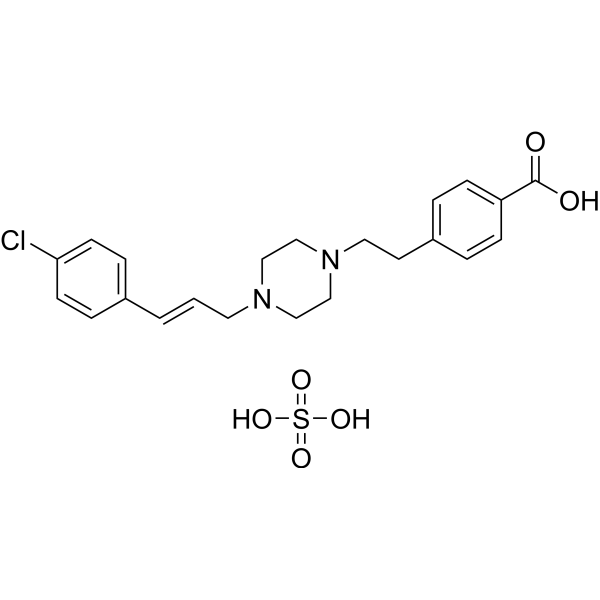 0 ImagesBM 15766 sulfate is an inhibitor of 7-dehydrocholesterol δ7-reductase and reduces plasma cholesterol levels. BM 15766 sulfate is a hypolipidemic agent.
-
PtdIns-(345)-P3 (12-dipalmitoyl) sodium
 0 ImagesSynonyms: Phosphatidylinositol tris-3,4,5-phosphate, 1,2-dipalmitoyl sodiumPtdIns-(345)-P3 (12-dipalmitoyl) sodium (Phosphatidylinositol tris-3,4,5-phosphate, 1,2-dipalmitoyl sodium) is a phosphatidylinositol 3,4,5-trisphosphate (PIP3) analog. PtdIns-(345)-P3 (12-dipalmitoyl) sodium can be incorporated in liposomes establish a backdrop of membrane phospholipids that closely mirrors in vivo conditions.
-
Crocetin dialdehyde
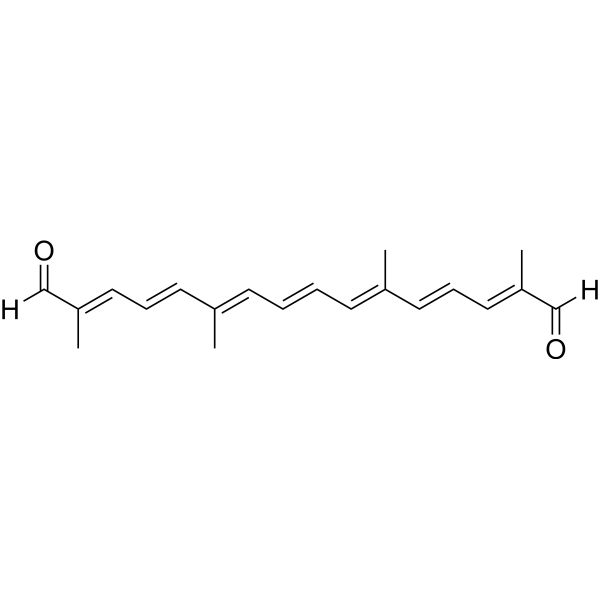 0 ImagesCrocetin dialdehyde is a non-volatile apocarotenoid obtained by the action of the plastidic enzyme CCD2 over the carotenoid zeaxanthin in saffron. Crocetin dialdehyde can be converted into Crocetin (HY-N2072) by aldehyde dehydrogenases (ALDHs). Crocetin dialdehyde has no effect on the liver in mice.
-
Glutaconic acid
 0 ImagesSynonyms: 2-Pentenedioic acidGlutaconic acid is an organic compound with two carboxylic acid groups.
-
Chenodeoxycholic acid 3-glucuronide
 0 ImagesChenodeoxycholic acid 3-glucuronide is a derivative of chenodeoxycholic acid (HY-76847). Chenodeoxycholic acid 3-glucuronide activates FXR-dependent transcription, with an EC50 of 8 μM for hFXR. Chenodeoxycholic acid 3-glucuronide upregulates the expression of BSEP, OSTα, and OSTβ transporters. Chenodeoxycholic acid 3-glucuronide accumulates under cholestasis and biliary obstruction conditions, its levels decrease after biliary stent implantation, and it participates in the hepatic detoxification process of chenodeoxycholic acid. Chenodeoxycholic acid 3-glucuronide can be used in the study of cholestasis.
-
10-Hydroxy-12(Z)-octadecenoic acid
 0 Images10-Hydroxy-12(Z)-octadecenoic acid is a hydroxy-unsaturated fatty acid that can be found in microorganisms such as lactic acid bacteria.
-
Tosylate-DPA-714
 0 ImagesTosylate-DPA-714 is a GMP-grade precursor for the radiosynthesis of DPA-714 (HY-122607). It crosses the blood-brain barrier and exhibits steroidogenic activity. DPA-714 is a specific ligand for the 18 kDa translocator protein (TSPO) with a Ki of 7.0 nM. Tosylate-DPA-714 is safe and does not bind to central benzodiazepine receptors (benzodiazepine receptor). As a radiolabeling precursor, Tosylate-DPA-714 reacts with 18F via nucleophilic aliphatic substitution to form 18F-DPA-714, enabling specific targeted binding to TSPO. 18F-DPA-714 accurately reflects the level of neuroinflammation mediated by microglial activation, and is used for PET molecular imaging of neurological diseases such as Alzheimer's disease and multiple sclerosis.
-
Amino Tadalafil
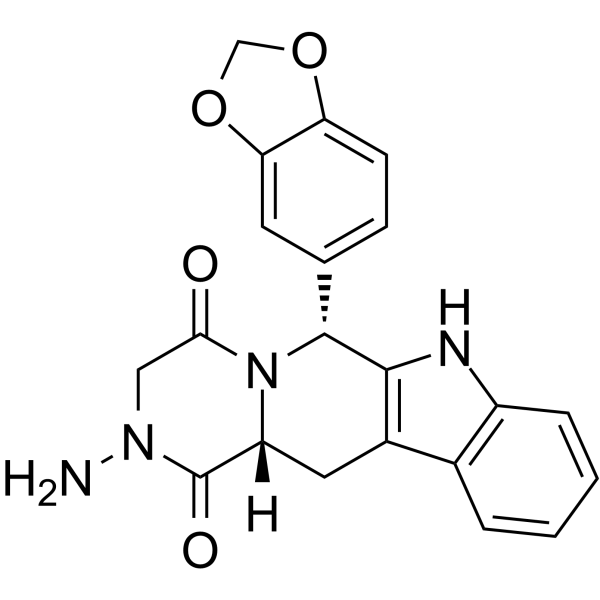 0 ImagesAmino Tadalafil is a phosphodiesterase type 5 (PDE5) inhibitor analog and tadalafil structural analog. Amino Tadalafil can be specifically detected by anti-tadalafil polyclonal antibodies, with a cross-reactivity of 105.2% with tadalafil. Amino Tadalafil can be incorporated into dietary supplements.
-
1-Undecanol
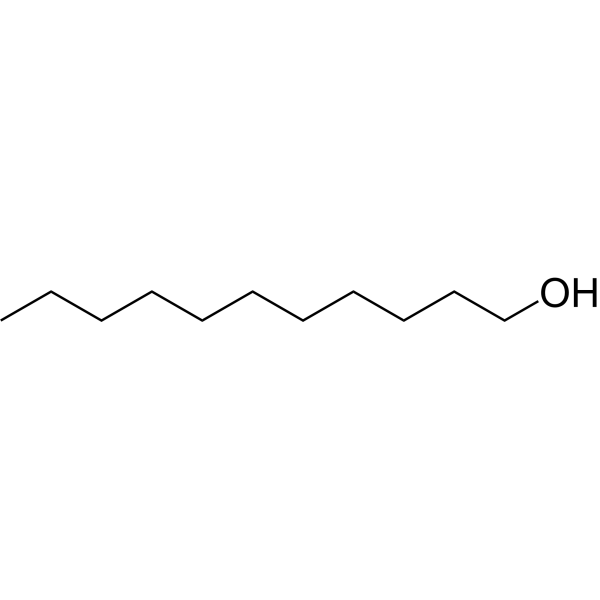 0 ImagesSynonyms: Undecyl alcohol1-Undecanol (Undecyl alcohol) is the main product generated from the degradation of 2-tridecanone by Pseudomonas bacteria isolated from the soil. 1-Undecanol can enhance the attraction of Grapholita molesta to sex pheromone traps.
-
Rabdosiin
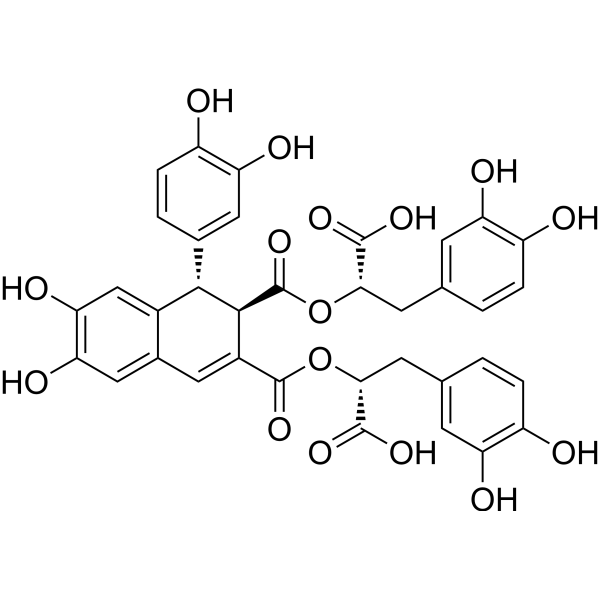 0 ImagesSynonyms: (+)-RabdosiinRabdosiin ((+)-Rabdosiin) is a Caffeic acid (HY-N0172) tetramer. Rabdosiin can be isolated from Macrotomia euchroma.
-
Dioctanoyl PI(3,5)P2 sodium
 0 ImagesCat. No.: HY-172741Purity: 98.7%Dioctanoyl PI(3,5)P2 sodium is a synthetic analog of PI(3,5)P2 (a natural phosphatidylinositol). Phosphatidylinositol phosphates (PIPs) are intracellular amphiphilic molecules implicated in numerous cellular responses including growth, division, movement, differentiation, neuro-exocytosis, and survival.
-
Ethaverine hydrochloride
 0 ImagesEthaverine hydrochloride is a Papaverine derivative and vasodilator. Ethaverine hydrochloride inhibits Phosphodiesterase, Tyrosine hydroxylase, and MAO-B. Ethaverine hydrochloride blocks L-type Ca2+ channels, reduces intracellular Ca2+ levels, inhibits platelet adhesion and aggregation, regulates cardiac conduction and heart rate, and increases peripheral and cerebral blood flow. Ethaverine hydrochloride alters cochlear microcirculation, intracochlear Po2, CM potential, and EP in guinea pigs, and induces transient hypotension. Ethaverine hydrochloride is used in the research of peripheral vascular diseases.
-
4-Hydroxyretinoic acid
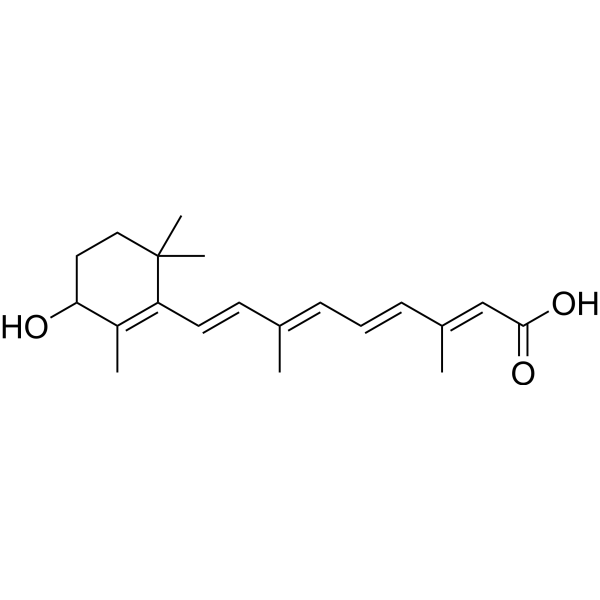 0 ImagesCat. No.: HY-125904CAS No.: 66592-72-14-Hydroxyretinoic acid (4-HRA) is a derivative of Retinoic acid (HY-14649). 4-Hydroxyretinoic acid is formed via the catalysis of retinol by cytochrome P-450 isoenzymes. 4-Hydroxyretinoic acid also serves as a substrate for UDP-glucuronosyltransferase (s) and recombinant UGT2B7. 4-Hydroxyretinoic acid binds to the nuclear receptor RAR (Retinoic Acid Receptor), activates RAR and RXR-alpha, subsequently regulates gene expression and cell differentiation, and induces cancer cell apoptosis (Apoptosis). 4-Hydroxyretinoic acid also participates in multiple physiological processes such as immunoregulation, neuroprotection and antioxidation.