



Drug Derivative
Drug derivative
Drug derivatives are derived from parent compounds. They replace or add atoms and groups through chemical reactions to optimize the various properties of the parent compound and reduce side effects. The application of drug derivatives provides a diverse compound library for drug research and development and accelerates the discovery of new drugs. For example, urea derivatives Glibenclamide can prolong the blood sugar-lowering effect of anti-diabetic drugs.
References:
- [1]. Vardanyan RS, et al. Fentanyl-related compounds and derivatives: current status and future prospects for pharmaceutical applications. Future Med Chem. 2014 Mar;6(4):385-412.x
- [2]. Ghosh AK, et al. Urea Derivatives in Modern Drug Discovery and Medicinal Chemistry. J Med Chem. 2020 Mar 26;63(6):2751-2788.x
All Product Categories
-
Drug Derivative Inhibitors
(12)
View all products
-
Drug Derivative Agonist
(1)
View all products
-
Drug Derivative Activator
(1)
View all products
-
Drug Derivative Chemical
(1)
View all products
-
Drug Derivative Inducer
(1)
View all products
-
Drug Derivative Controls
(38)
View all products
-
Drug Derivative Substrate
(1)
View all products
-
Drug Derivative Related Products (4062)
Related Products (4062)

-
4-Hydroxyretinoic acid
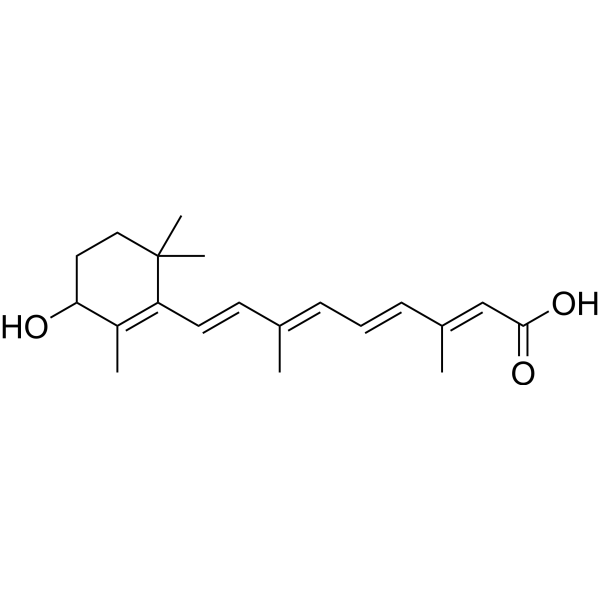 0 ImagesCat. No.: HY-125904CAS No.: 66592-72-14-Hydroxyretinoic acid (4-HRA) is a derivative of Retinoic acid (HY-14649). 4-Hydroxyretinoic acid is formed via the catalysis of retinol by cytochrome P-450 isoenzymes. 4-Hydroxyretinoic acid also serves as a substrate for UDP-glucuronosyltransferase (s) and recombinant UGT2B7. 4-Hydroxyretinoic acid binds to the nuclear receptor RAR (Retinoic Acid Receptor), activates RAR and RXR-alpha, subsequently regulates gene expression and cell differentiation, and induces cancer cell apoptosis (Apoptosis). 4-Hydroxyretinoic acid also participates in multiple physiological processes such as immunoregulation, neuroprotection and antioxidation.
-
Paracetamol-cysteine TFA
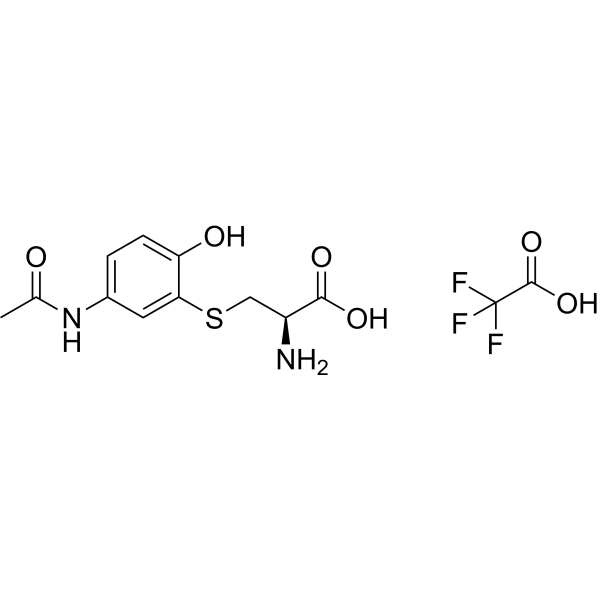 0 ImagesSynonyms: APAP-Cys TFAParacetamol-cysteine TFA (APAP-Cys TFA) is a cysteine adduct of Acetaminophen (HY-66005). It forms when Acetaminophen is oxidized to the reactive metabolite N-acetyl-p-benzoquinone imine (NAPQI).
-
2,3-Dihydroxybenzaldehyde
 0 Images2,3-Dihydroxybenzaldehyde is a derivative of Gentisaldehyde (HY-N1673), as well as an Antibacterial and anticancer agent. 2,3-Dihydroxybenzaldehyde inhibits the synthesis of DNA, RNA and proteins. It exhibits antibacterial activity against 172 Staphylococcus aureus isolates from bovine mastitis, with an MIC50 of 500 mg/L. 2,3-Dihydroxybenzaldehyde can be used in the research of bovine mastitis and L1210 mouse leukemia.
-
Antrafenine
 0 ImagesSynonyms: StakaneAntrafenine (Stakane) is a derivative of 2-(quinolin-4-ylamino) benzoate, and is an orally active anti-inflammatory and analgesic agent. Antrafenine protects mammalian epithelial cells from cell death upon exposure to influenza A virus A/WSN/33 (H1N1). Antrafenine inhibits carrageenan-induced paw swelling in rats, and reduces exudate volume and total leukocyte infiltration in carrageenan- and calcium pyrophosphate dihydrate crystal-induced pleurisy in rats. Antrafenine can be used in studies related to influenza and pseudogout.
-
C26-Ceramide
 0 ImagesC26 Ceramide is a lipid featuring two hydrophobic tails, one saturated and the other unsaturated. Ceramides may be used in developing lipid nanoparticles or liposomes.
-
7-Hydroxyisoflavone
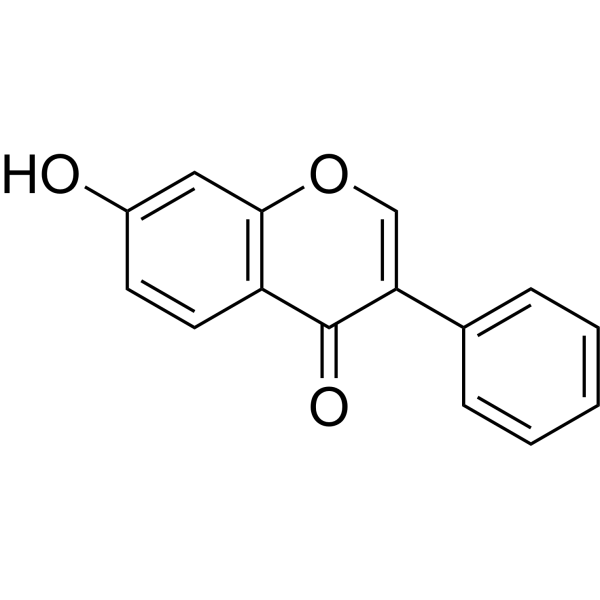 0 Images7-Hydroxyisoflavone (compound 3) is a natural isoflavone compound.
-
Cycloartenyl ferulate
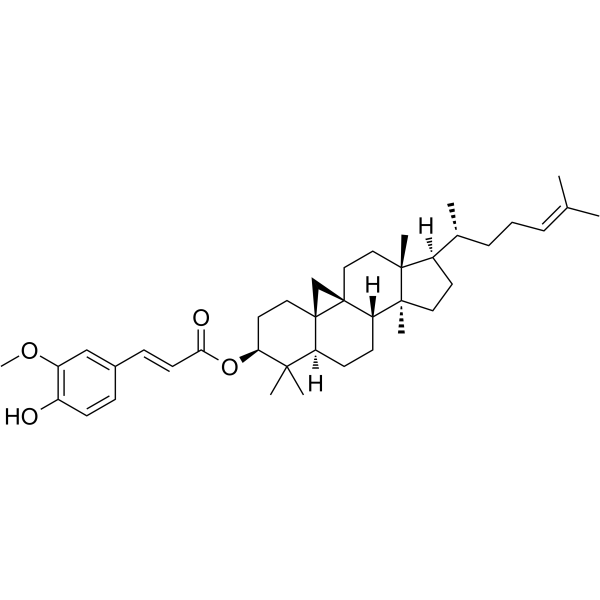 0 ImagesSynonyms: Cycloartenol ferulate; Cycloartenol ferulic acid esterCycloartenyl ferulate (Cycloartenol ferulate; Cycloartenol ferulic acid ester) is a derivative of γ-oryzanol (HY-B2194) with multiple biological activities including antioxidant, anti-inflammatory, and anti-tumor properties. Cycloartenyl ferulate selectively binds to IFNγR1 (binding affinity Kd = 0.5 μM) to activate the canonical JAK1/2-STAT1 signaling pathway. Cycloartenyl ferulate inhibits paraquat (PQ)-triggered apoptosis and ROS in HK2 cells. Cycloartenyl ferulate enhances the activation and cytolytic activity of natural killer (NK) cells by upregulating the expression of NK cell activation receptors (NKG2D, NKp30, NKp44) and the release of cytotoxic molecules and cytokine IFNγ. Cycloartenyl ferulate exerts anti-cancer effects in tumor mice models. Cycloartenyl ferulate can be used for the study of cancer and allergic inflammation intervention.
-
Mutated EGFR-IN-1
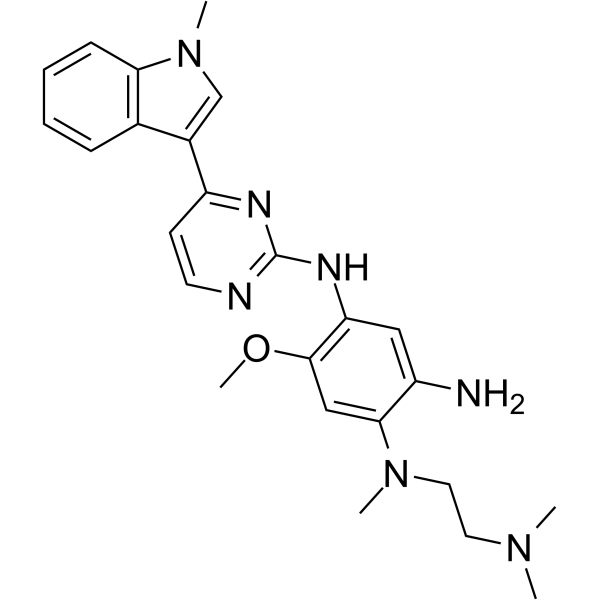 0 ImagesSynonyms: Osimertinib analogMutated EGFR-IN-1 (Osimertinib analog) (Intermediate 168) is a structural analog of Osimertinib (HY-15772) and can be used as a pharmaceutical intermediate for EGFR inhibitors.
-
DHA Ceramide
 0 ImagesSynonyms: C22:6 CeramideDHA Ceramide (C22:6 Ceramide) is an ester product.
-
NUC-7738
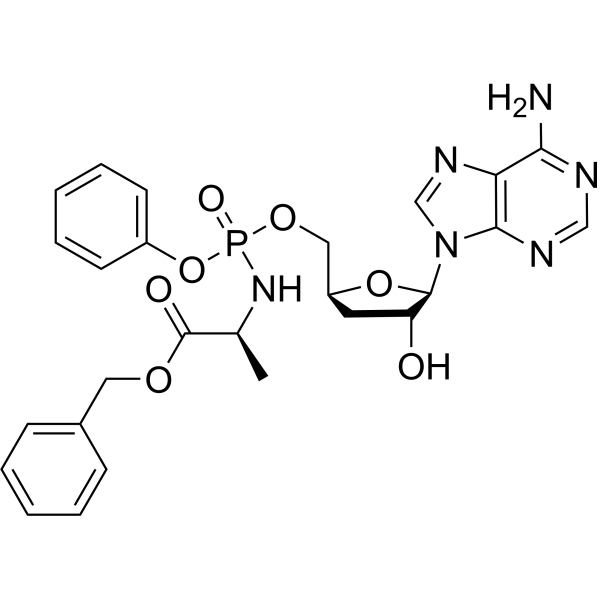 0 ImagesCat. No.: HY-136506CAS No.: 2348493-39-8
-
DO3A tert-Butyl ester
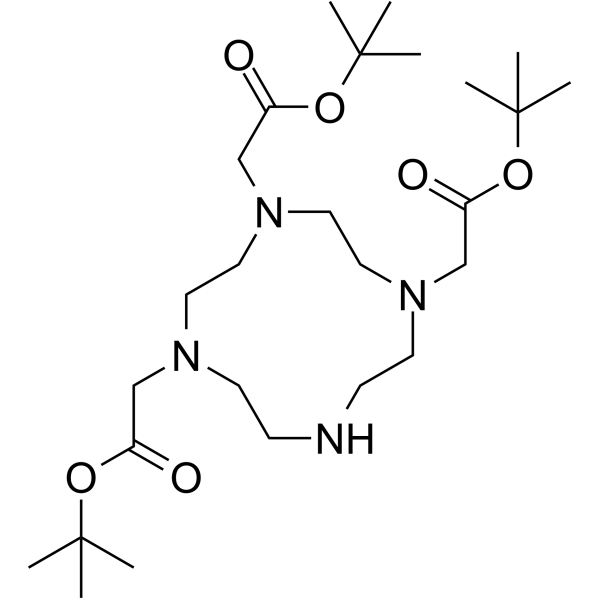 0 ImagesSynonyms: DO3A tert-butyl; DO3A-t-Bu-esterDOTA tert-Butyl ester is a cyclic tosamide benzyl derivative.
-
Dimidium bromide
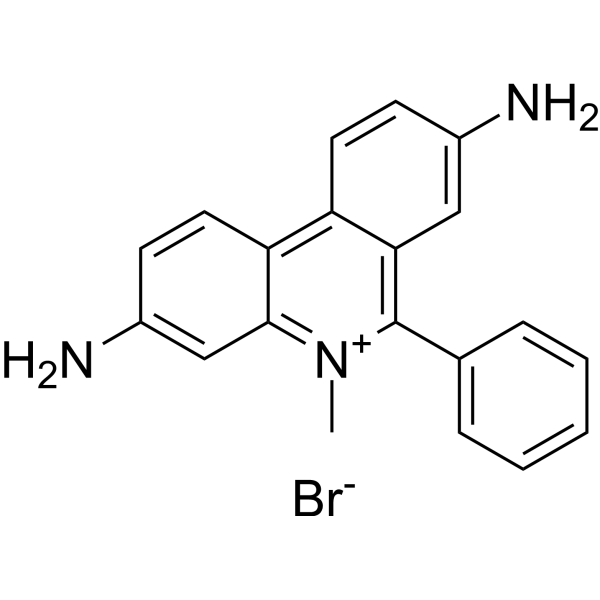 0 ImagesDimidium bromide is a phenanthridine cationic fluorescent dye with trypanocidal activity and antibacterial activity. Dimidium bromide is a nucleic acid intercalating binding molecule that can bind both DNA and RNA, and its fluorescence signal is significantly enhanced upon binding; it can inhibit the biosynthesis of DNA and RNA. Dimidium bromide can stain the nucleoplasm and nucleoli of various living plant leaf cells, with a fluorescence emission peak at 600 nm under an excitation wavelength of 525 nm. Dimidium bromide can be used in fluorescence imaging-related research.
-
2,5-Furandicarboxaldehyde
 0 Images2,5-Furandicarboxaldehyde (2,5-Diformylfuran), a furan derivative, is a volatile organic compound. 2,5-Furandicarboxaldehyde the aerobic oxidation product of 5-Hydroxymethylfurfural (HY-Y0051), and can be used in organic synthesis and functional polymer manufacture, such as fluorescent material, surfactants, and vitrimer.
-
Etiracetam
 0 ImagesSynonyms: UCB 6474Etiracetam is a racetam-class nootropic agent. Etiracetam enhances learning and memory in both normal and amnesic rats. Etiracetam can be used in studies related to memory retrieval disorders and amnesic diseases such as Alzheimer's disease.
-
2-Phenyl-2-propanol
 0 Images2-Phenyl-2-propanol is a volatile signaling compound released by rhizosphere microorganisms, and also a key product of the selective oxidation of cumene. 2-Phenyl-2-propanol alters primary root structure, regulates the expression of auxin and (±)-Jasmonic acid (HY-122464) responsive genes, and affects cell division. 2-Phenyl-2-propanol reduces the primary root length, lateral root number, lateral root density, and aboveground fresh weight of *Arabidopsis thaliana*. 2-Phenyl-2-propanol is commonly used in research related to cosmetics, pesticides, pharmaceuticals and other fields.
-
7-Hydroxywarfarin
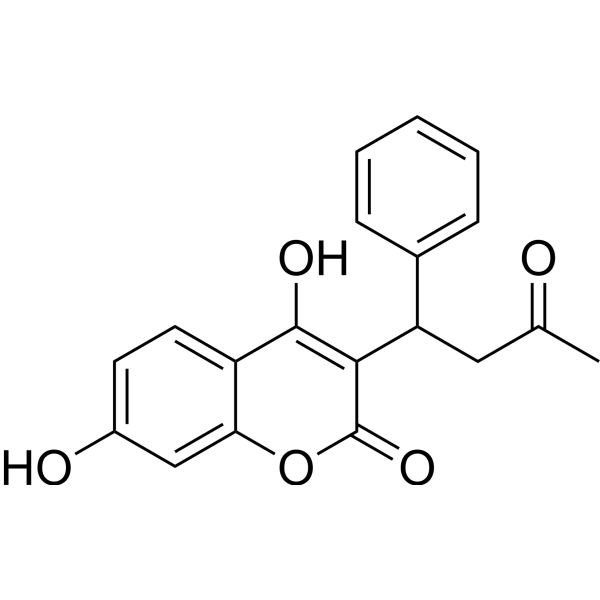 0 ImagesSynonyms: Warfarin RC157-Hydroxywarfarin is a Warfarin analog with anticoagulant activity.
-
Berubicin
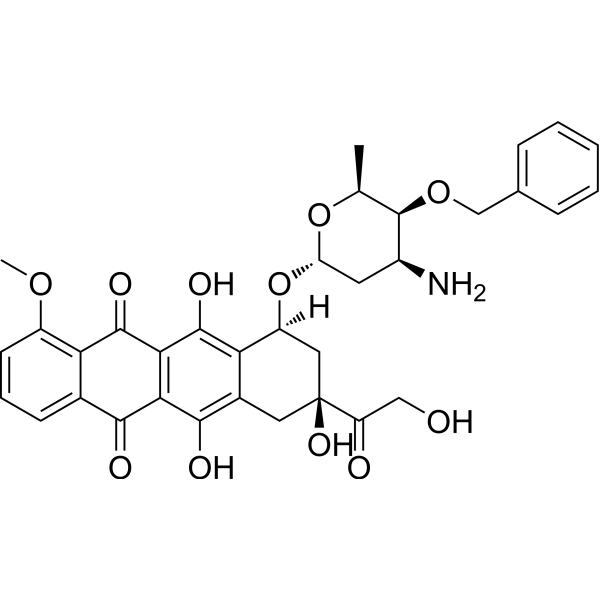 0 ImagesCat. No.: HY-14942CAS No.: 677017-23-1Synonyms: RTA 744 free base; WP 744 free base; WP 769Berubicin (RTA 744 free base) is a Doxorubicin (HY-15142A) analog that can cross the blood-brain barrier. Berubicin inhibits P-gp and MRP1-mediated efflux and suppresses glioblastoma multiforme (GBM). Berubicin exerts toxic effects on leukemia cells by activating nuclear factor κB (NF-κB) and induces apoptosis in neuroblastoma cells. Berubicin can be used in the study of tumors related to the nervous system.
-
9-Nitrooleate
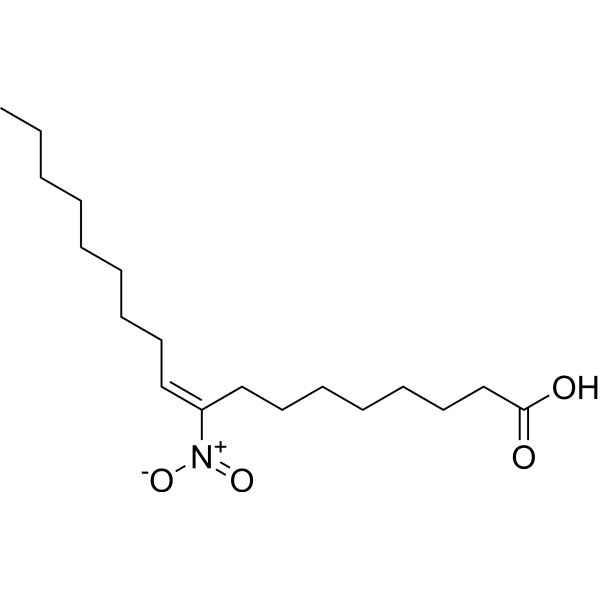 0 Images9-Nitrooleate, a nitro fatty acid, is a nitro derivative of Oleic acid (HY-N1446). 9-Nitrooleate has potential for use in vascular disease research.



