



Isotope-Labeled Compounds
Isotope-labeled compounds are chemical substances in which some atoms in their molecules are replaced by isotope atoms. The range of stable isotope products can cover from gases to complex molecules. Isotope-labeled compounds could provide a site-specific investigation of structures, making molecules easily detectable by mass spectrometry and NMR, and maintaining the physico-chemical properties of the target molecule at the same time.
MCE isotope-labeled compounds are all stable isotope-labeled compounds and are non-radioactive labeled substances. MCE isotope-labeled compounds are unique tools for identifying and understanding biological and chemical processes. Stable isotope-labeled products are now getting more and more popular among scientists. The scope of application is gradually penetrating into various scientific fields, such as life sciences, food and medicine, agriculture, environment, geology, etc. Stable isotope-labeled compounds have a wide range of applications in the Life Science areas, such as Metabolomics, Proteomics, Clinical studies, Deuterium drugs, etc.
All Product Categories
-
Isotope-Labeled Compounds Related Products (11098)
Related Products (11098)

-
α-Lipoic Acid-d5
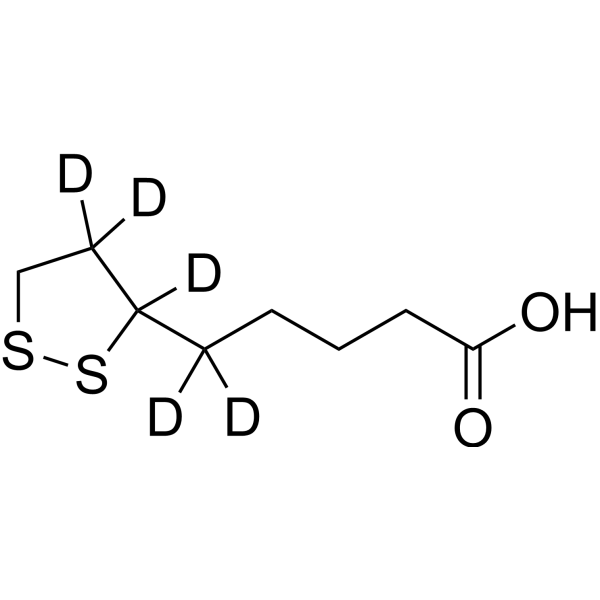 0 ImagesSynonyms: Thioctic acid-d5; (±)-α-Lipoic acid-d5; DL-α-Lipoic acid-d5α-Lipoic Acid-d5 is the deuterium labeled α-Lipoic Acid. α-Lipoic Acid is an antioxidant, which is an essential cofactor of mitochondrial enzyme complexes. α-Lipoic Acid inhibits NF-κB-dependent HIV-1 LTR activation. α-Lipoic Acid induces endoplasmic reticulum (ER) stress-mediated apoptosis in hepatoma cells.
-
Lithocholic acid-d4
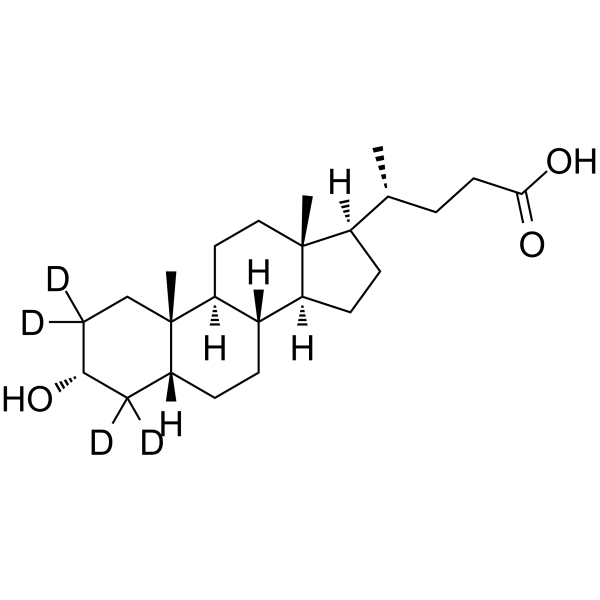 0 ImagesSynonyms: 3α-Hydroxy-5β-cholanic acid-d4Lithocholic acid-d4 is the deuterium labeled Lithocholic acid, which is a toxic secondary bile acid.
-
L-Lysine-13C6,15N2 dihydrochloride
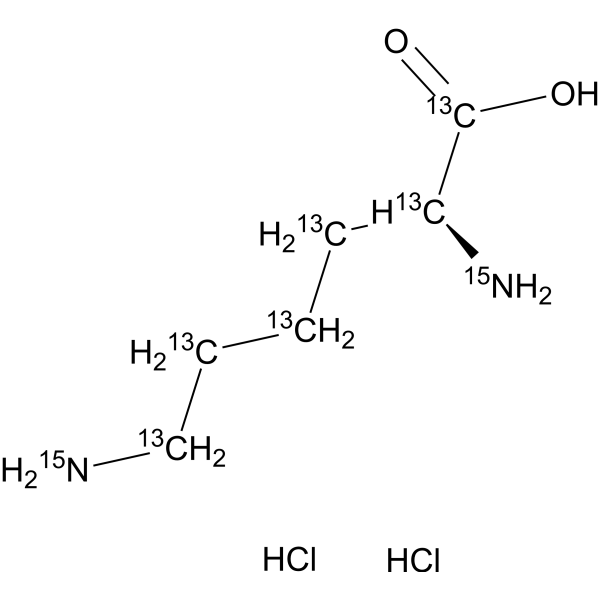 0 ImagesL-Lysine-13C6,15N2 (dihydrochloride) is a 15N-labeled and 13C-labled L-Lysine dihydrochloride.
-
Trigonelline-d3 chloride
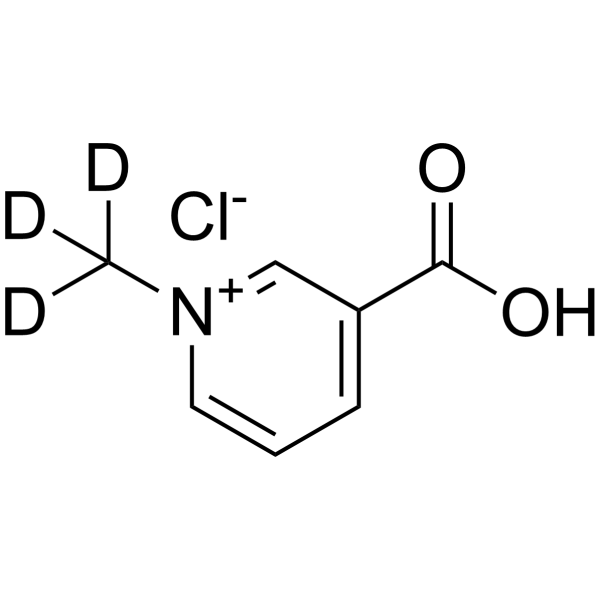 0 ImagesCat. No.: HY-N0415SPurity: 99.9%Synonyms: Trigonelline-d3 hydrochlorideTrigonelline-d3 (chloride) is the deuterium labeled Trigonelline chloride. Trigonelline chloride, an alkaloid with potential antidiabetic activity, is present in considerable amounts in coffee. Trigonelline chloride has anti-HSV-1 , antibacterial, and antifungal activities.
-
Melatonin-d3
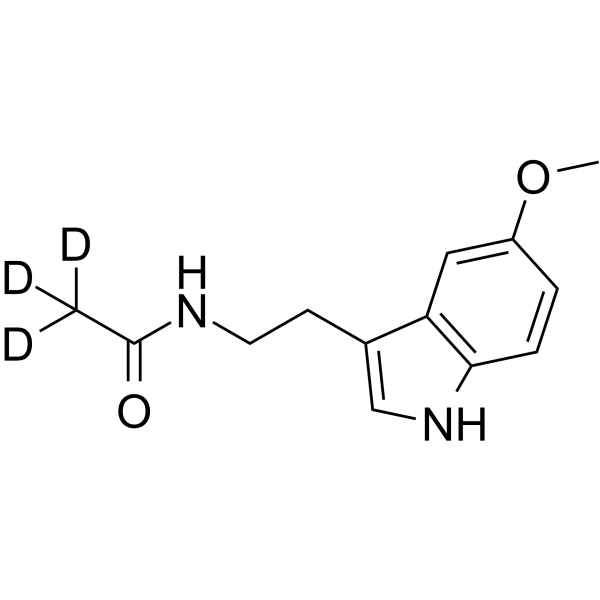 0 ImagesSynonyms: N-Acetyl-5-methoxytryptamine-d3Melatonin-d3 is the deuterium labeled Melatonin. Melatonin is a hormone made by the pineal gland that can activates melatonin receptor. Melatonin plays a role in sleep and possesses important antioxidative and anti-inflammatory properties. Melatonin is a novel selective ATF-6 inhibitor and induces human hepatoma cell apoptosis through COX-2 downregulation. Melatonin attenuates palmitic acid-induced (HY-N0830) mouse granulosa cells apoptosis via endoplasmic reticulum stress.
-
Xanthine-13C,15N2
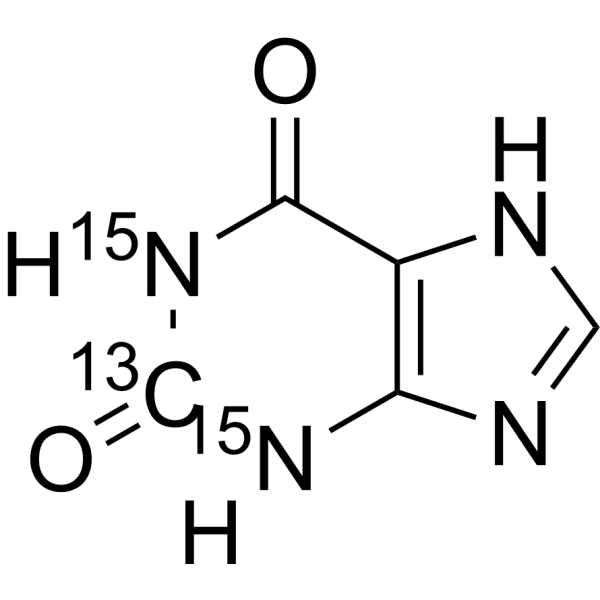 0 ImagesCat. No.: HY-W017389SCAS No.: 1262670-81-4Xanthine-13C,15N2 is a 15N-labeled and 13C-labled Xanthine (HY-W017389). Xanthine is a plant alkaloid with mild stimulant activity of the central nervous system. Xanthine also acts as an intermediate product on the pathway of purine degradation.
-
sn-Glycerol 3-phosphate-13C disodium
 0 ImagesCat. No.: HY-113128SPurity: 98.7%sn-Glycerol 3-phosphate-13C3 disodium is the 13C-labeled sn-Glycerol 3-phosphate disodium. sn-Glycerol 3-phosphate disodium is produced by cytosolic glycerol 3-phosphate dehydrogenase pathway through the reduction of dihydroxyacetone phosphate using NADH formed during glycolysis.
-
Hippuric acid-d2
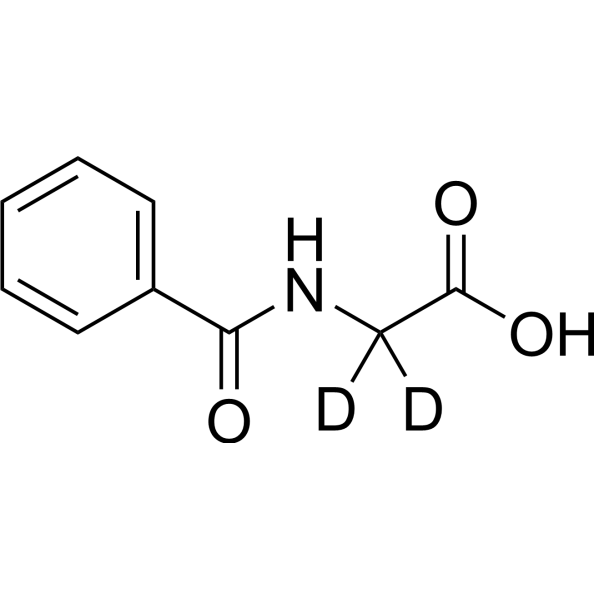 0 ImagesSynonyms: 2-Benzamidoacetic acid-d2Hippuric acid-d2 is the deuterium labeled Hippuric acid. Hippuric Acid (2-Benzamidoacetic acid), an acyl glycine produced by the conjugation of benzoic acid and glycine, is a normal component in urine as a metabolite of aromatic compounds from food.
-
α-Linolenic acid-13C18
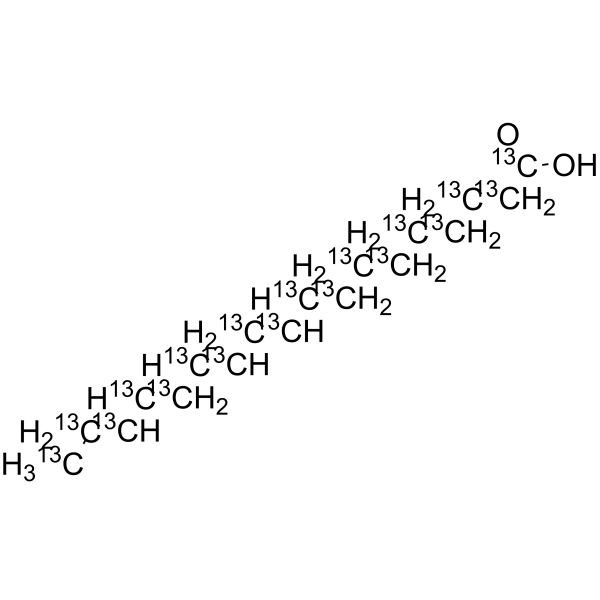 0 Imagesα-Linolenic acid-13C18 is the 13C labeled α-Linolenic acid. α-Linolenic acid, isolated from seed oils, is an essential fatty acid that cannot be synthesized by humans. α-Linolenic acid can affect the process of thrombotic through the modulation of PI3K/Akt signaling. α-Linolenic acid possess the anti-arrhythmic properties and is related to cardiovascular disease and cancer.
-
p-Tyramine-d4 hydrochloride
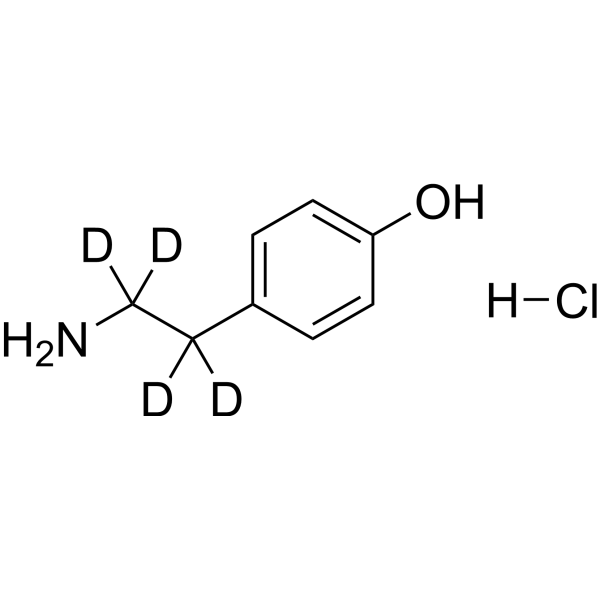 0 Imagesp-Tyramine-d4 (hydrochloride) is the deuterium labeled Tyramine hydrochloride. Tyramine hydrochloride is an amino acid that helps regulate blood pressure. Tyramine hydrochloride occurs naturally in the body, and it's found in certain foods.
-
Pyridinium bisretinoid A2E-d4 TFA
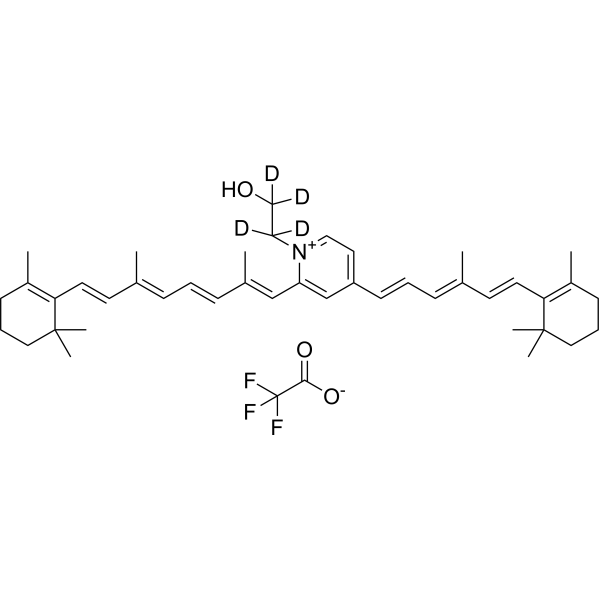 0 ImagesCat. No.: HY-134928ASSynonyms: A2E-d4 TFAPyridinium bisretinoid A2E-d4 TFA is the deuterium-labeled Pyridinium bisretinoid A2E (HY-134928). Pyridinium bisretinoid A2E (A2E)is an initiator of blue-light-induced apoptosis. Photoactivation of Pyridinium bisretinoid A2E mediates autophagy and the production of reactive oxygen species.
-
Dodecane-d26
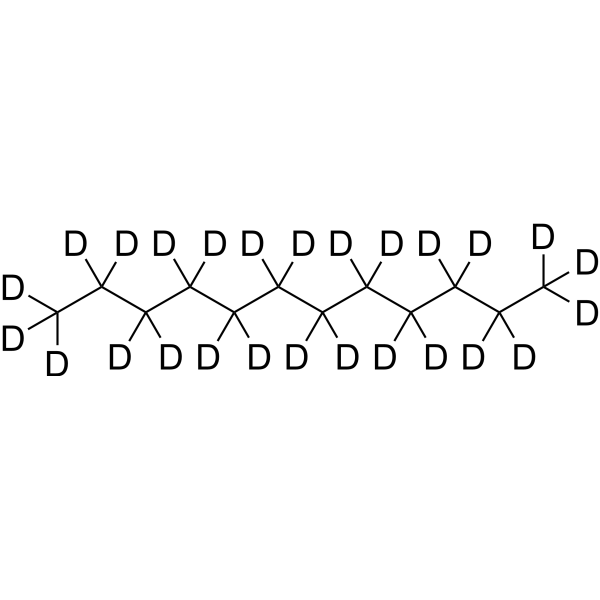 0 ImagesDodecane-d26 is the deuterium labeled Dodecane.
-
Glycochenodeoxycholic acid-d4
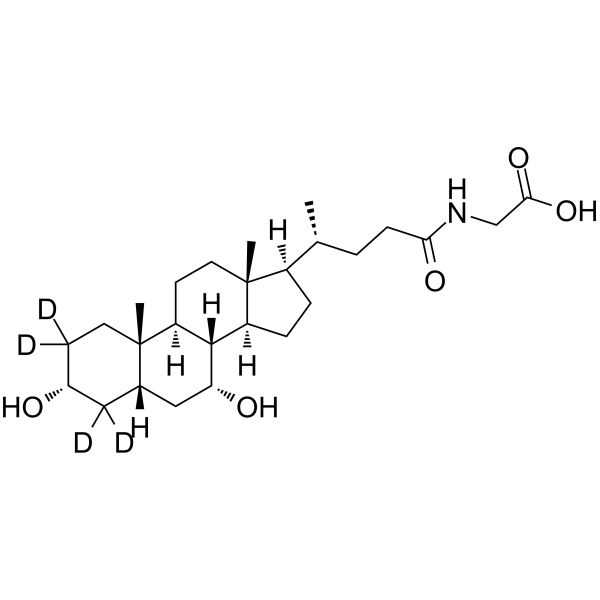 0 ImagesSynonyms: Chenodeoxycholylglycine-d4Glycochenodeoxycholic acid-d4 is the deuterium labeled Glycochenodeoxycholic acid. Glycochenodeoxycholic acid (Chenodeoxycholylglycine) is a bile acid formed in the liver from chenodeoxycholate and glycine. It acts as a detergent to solubilize fats for absorption and is itself absorbed. Glycochenodeoxycholic acid (Chenodeoxycholylglycine) induces hepatocyte apoptosis.
-
D-Glucose-d7
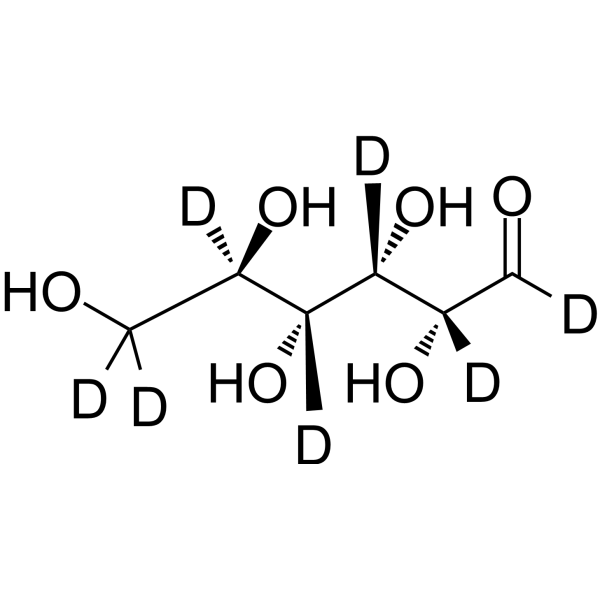 0 ImagesSynonyms: Glucose-d7; D-(+)-Glucose-d7; Dextrose-d7D-Glucose-d77 is the deuterium labeled D-Glucose. D-Glucose (Glucose), a monosaccharide, is an important carbohydrate in biology. D-Glucose is a carbohydrate sweetener and critical components of the general metabolism, and serve as critical signaling molecules in relation to both cellular metabolic status and biotic and abiotic stress response.
-
L-Tyrosine-13C9
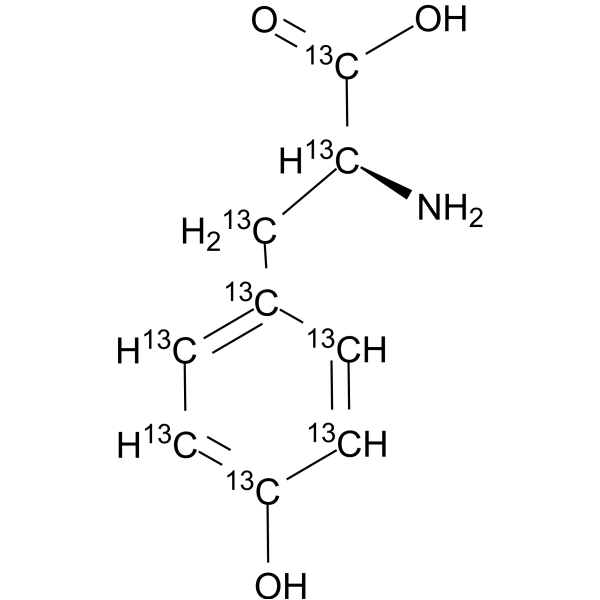 0 ImagesL-Tyrosine-13C9 is the 13C-labeled L-Tyrosine. L-Tyrosine is a non-essential amino acid which can inhibit citrate synthase activity in the posterior cortex.
-
N6-Methyladenosine-d3
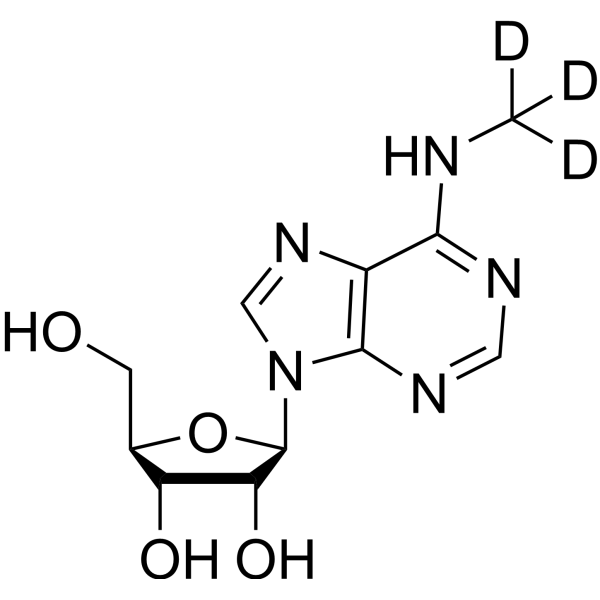 0 ImagesSynonyms: 6-Methyladenosine-d3; N-Methyladenosine-d3N6-Methyladenosine-d3 (6-Methyladenosine-d3; N-Methyladenosine-d3) is a deuterium labeled N6-Methyladenosine (HY-N0086). N6-Methyladenosine is the most prevalent internal (non-cap) modification present in the messenger RNA (mRNA) of all higher eukaryotes. N6-Methyladenosine can modifies viral RNAs and has antiviral activities.
-
L-Isoleucine-15N
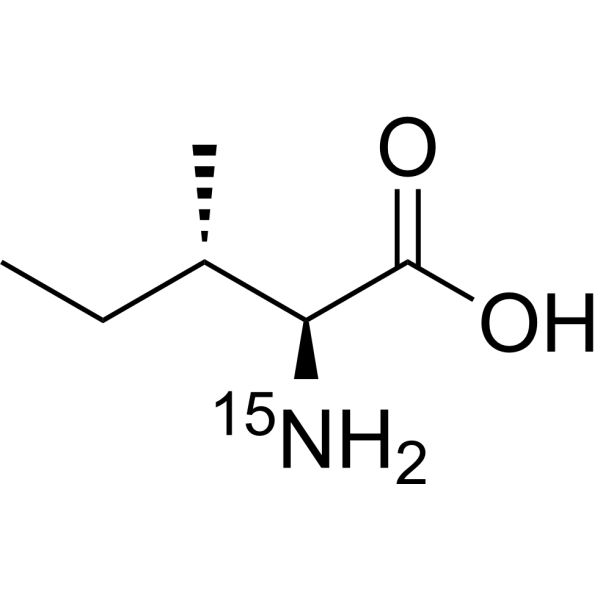 0 ImagesL-Isoleucine-15N is the 15N-labeled L-Isoleucine. L-isoleucine is a nonpolar hydrophobic amino acid. L-Isoleucine is an essential amino acid.
-
L-Serine-d7
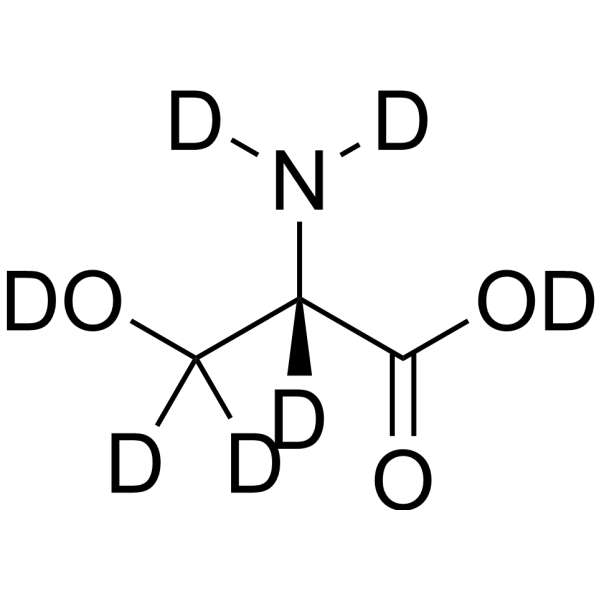 0 ImagesSynonyms: (-)-Serine-d7; (S)-Serine-d7L-Serine-d7 is the deuterium labeled L-Serine. L-Serine ((-)-Serine; (S)-Serine), one of the so-called non-essential amino acids, plays a central role in cellular proliferation.
-
L-Carnitine-d3 (hydrochloride)
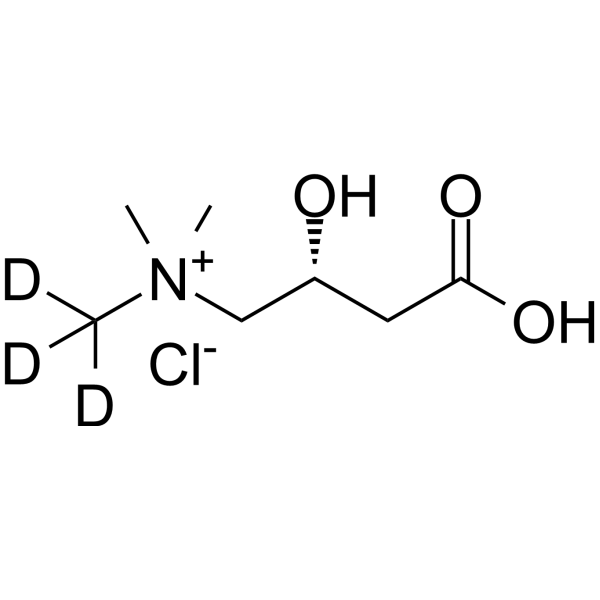 0 ImagesSynonyms: (R)-Carnitine-d3 hydrochloride; Levocarnitine-d3 hydrochlorideL-Carnitine-d3 (hydrochloride) is the deuterium labeled L-Carnitine hydrochloride.



