



Ursodeoxycholic acid-d4
Based on 1 publication(s) in Google Scholar
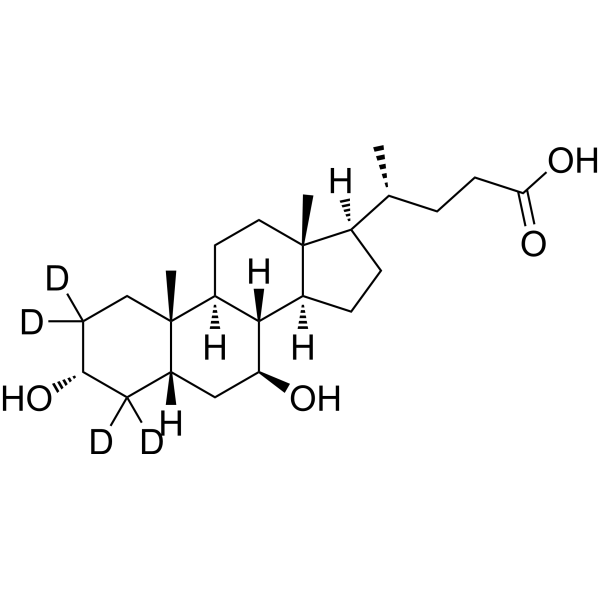
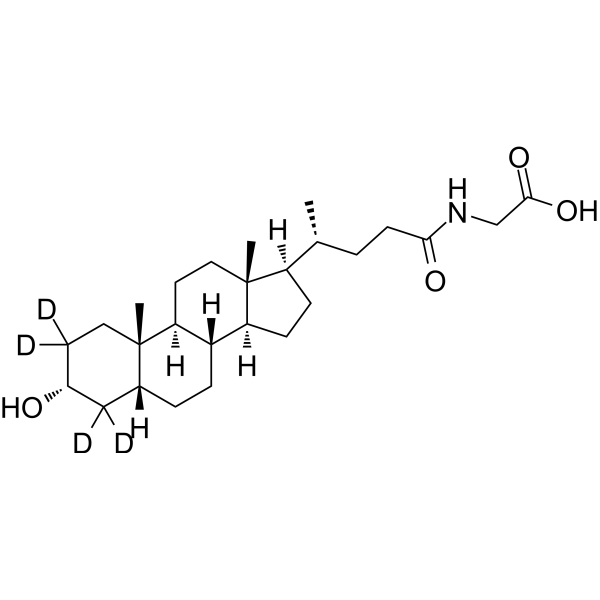
Ursodeoxycholic acid-2,2,4,4-d4 is the deuterium labeled Ursodeoxycholic acid (HY-13771). Ursodeoxycholic acid is a secondary bile acid issued from the transformation of (cheno)deoxycholic acid by intestinal bacteria, acting as a key regulator of the intestinal barrier integrity and essential for lipid metabolism. Ursodeoxycholic acid acts as signaling molecule, exerting its effects by interacting with bile acid activated receptors, including G-protein coupled bile acid receptor 5 (TGR5, GPCR19) and the farnesoid X receptor (FXR). Ursodeoxycholic acid can be used for the research of a variety of hepatic and gastrointestinal diseases. Ursodeoxycholic acid also reduces ACE2 expression and is beneficial for reducing SARS-CoV-2 infection.
For research use only. We do not sell to patients.
- Purity : 99.52%
- CAS No.: 347841-46-7
- Formula: C24H36D4O4
- Molecular Weight:396.60
-
Storage:
-20°C, sealed storage, away from moisture
* In solvent : -80°C, 6 months; -20°C, 1 month (sealed storage, away from moisture)

To place orders, for customer services and technical support, please contact: MedChemExpress USA
Tel: 609-228-6898 E-mail: [email protected] [email protected]


-
 Biological Activity
-
Chemical Information
-
Solvent & Solubility
- Protocols
- Purity & Documentation
- References
-
 Help & FAQs


-
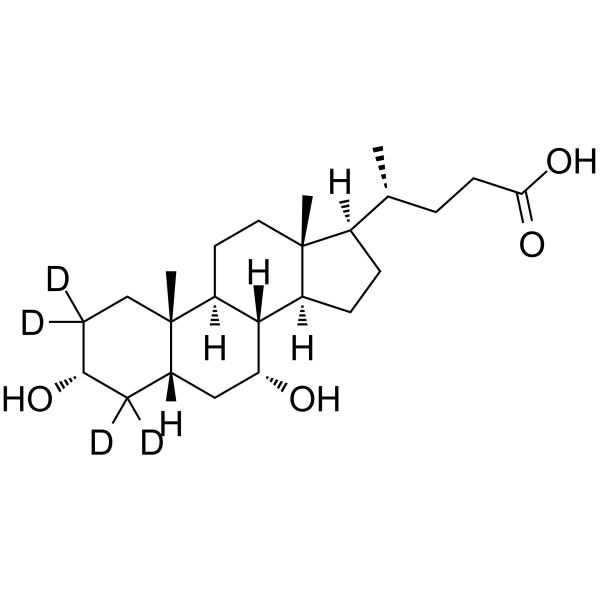
HY-76847S
Chenodeoxycholic Acid-d4Stable Isotope -
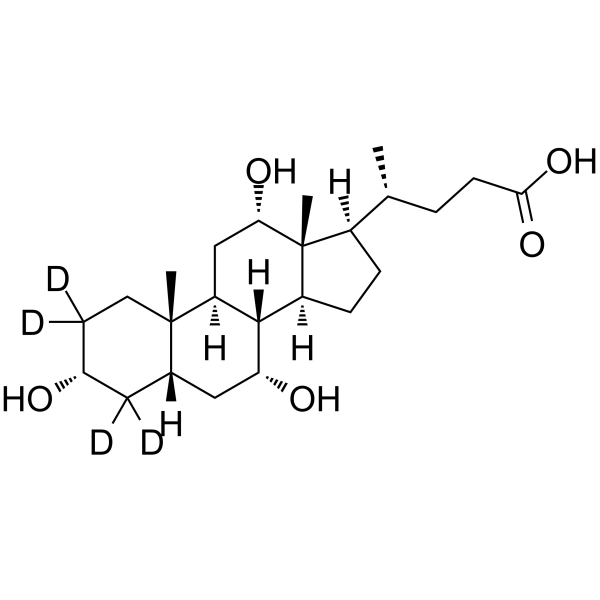
HY-N0324S
Cholic acid-d4Stable Isotope -
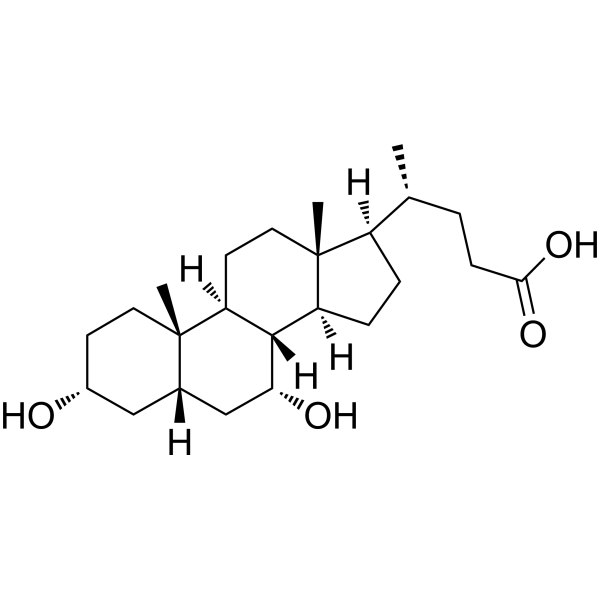
HY-76847
Chenodeoxycholic AcidEndogenous Metabolite -
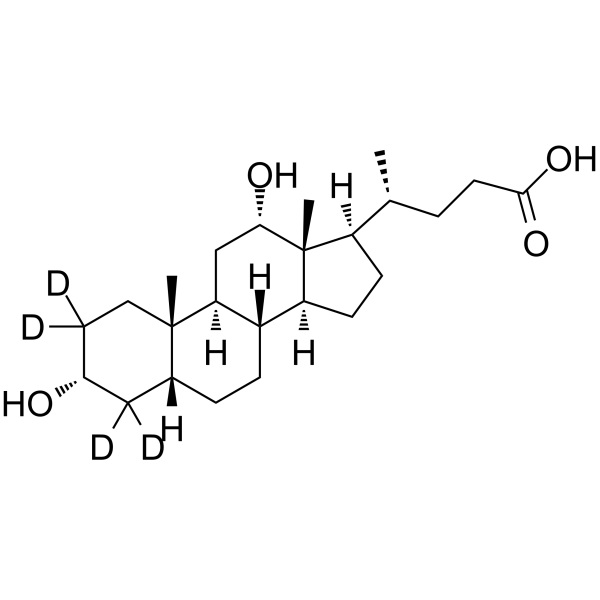
HY-N0593S
Deoxycholic acid-d4Stable Isotope -
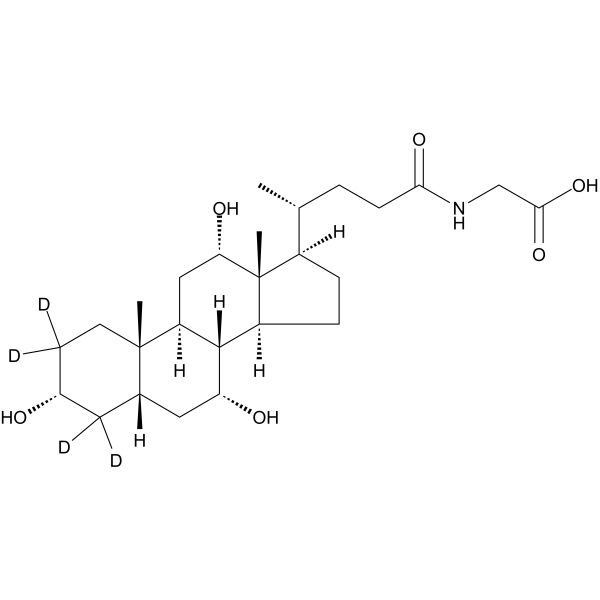
HY-N1423S
Glycocholic acid-d4Stable Isotope -
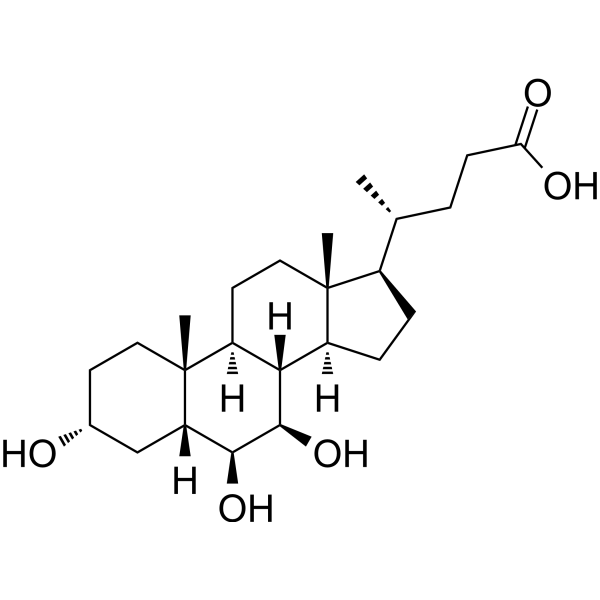
HY-133707
β-Muricholic acidBiliary Cholesterol-Desaturating Agent -
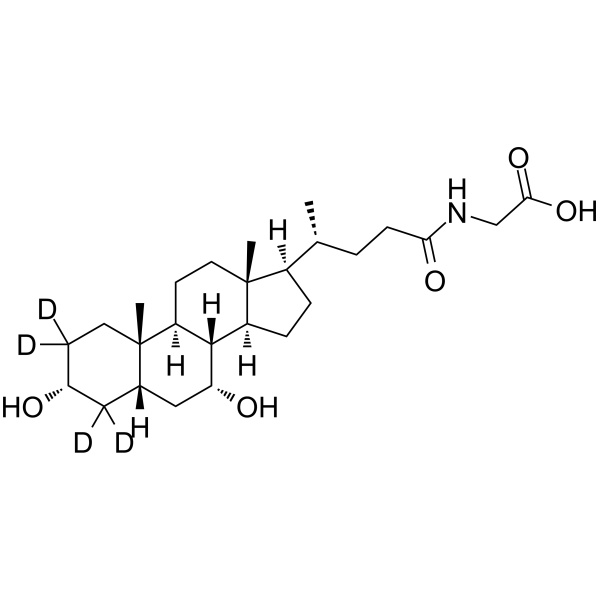
HY-N2334S
Glycochenodeoxycholic acid-d4Stable Isotope -
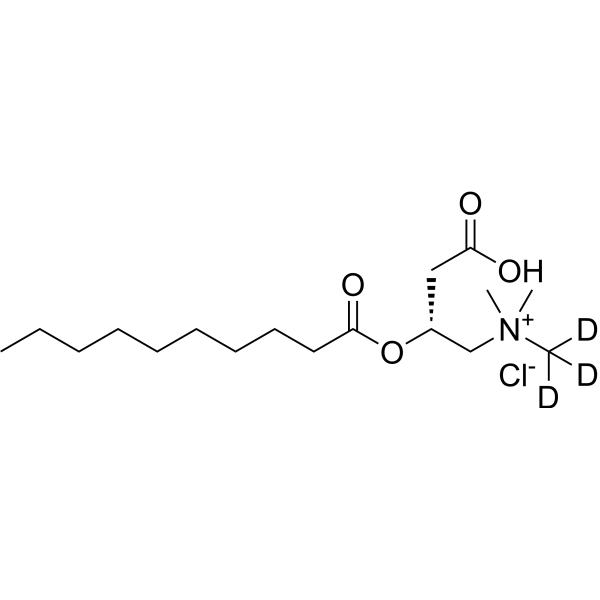
HY-132949S
Decanoyl-L-carnitine-d3 chlorideStable Isotope -
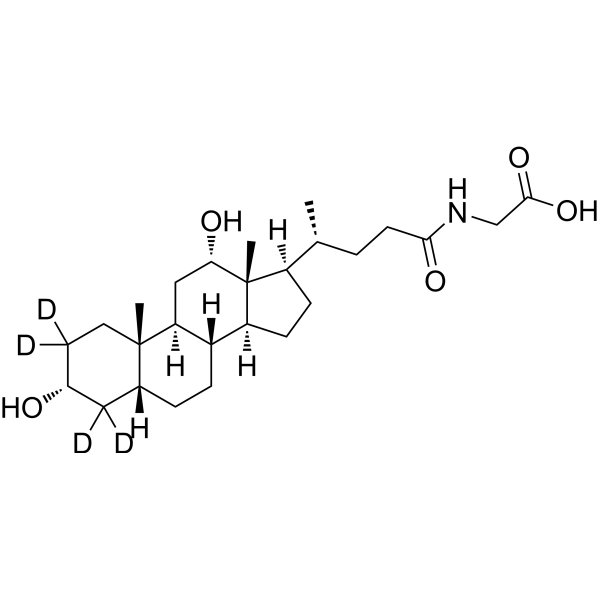
HY-125731S
Glycodeoxycholic acid-d4Stable Isotope -
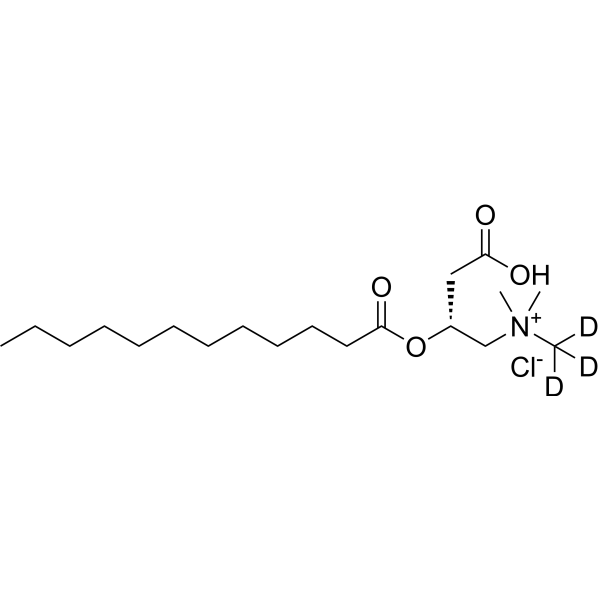
HY-130321S
Lauroyl-L-carnitine-d3 chlorideStable Isotope -
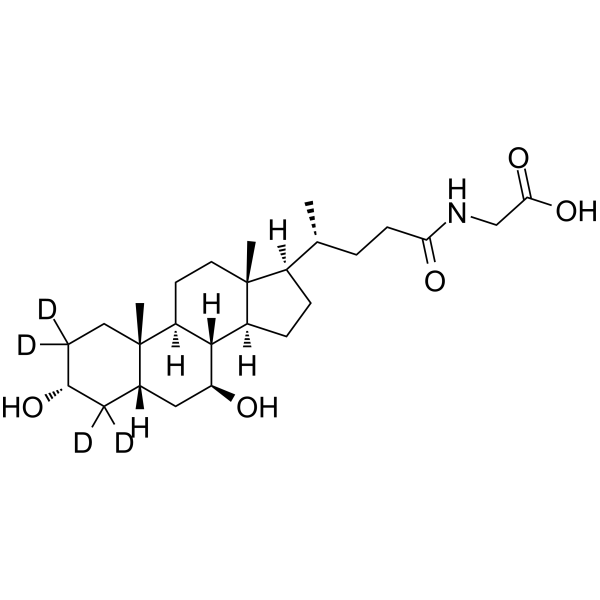
HY-N1424S
Glycoursodeoxycholic acid-d4Stable Isotope -
HY-116374S
Glycolithocholic acid-d4Deuterium Labeled Glycolithocholic acid
Publications Citing Use of MedChemExpress (MCE) Ursodeoxycholic acid-d4
More

Biological Activity
Description
In Vitro
Stable heavy isotopes of hydrogen, carbon, and other elements have been incorporated into drug molecules, largely as tracers for quantitation during the drug development process. Deuteration has gained attention because of its potential to affect the pharmacokinetic and metabolic profiles of drugs[1].
MedChemExpress (MCE) has not independently confirmed the accuracy of these methods. They are for reference only. Further protocols information, click here.
Application
1. This compound can be used as a tracer
2. This compound can be used as an internal standard for quantitative analysis by NMR, GC-MS, or LC-MS.


Chemical Information
-
CAS No. 347841-46-7
-
Unlabeled CAS 128-13-2
-
Appearance Solid
-
Molecular Weight 396.60
-
Formula C24H36D4O4
-
Color White to off-white
-
SMILES
C[C@@]12[C@]([C@]3([C@@]([C@]4(C)[C@](C[C@@H]3O)(C([C@H](O)C(C4)([2H])[2H])([2H])[2H])[H])(CC1)[H])[H])(CC[C@@]2([C@@H](CCC(O)=O)C)[H])[H]
-
Synonyms
Ursodeoxycholate-d4; Ursodiol-d4; UDCA-d4
-
Shipping
Room temperature in continental US; may vary elsewhere.
-
Storage
-20°C, sealed storage, away from moisture
* In solvent : -80°C, 6 months; -20°C, 1 month (sealed storage, away from moisture)


Publications (1)
-
Journal Impact Factor
-
Most Recent


Solvent & Solubility
In Vitro:
DMSO : ≥ 10 mg/mL (25.21 mM; Hygroscopic DMSO has a significant impact on the solubility of product, please use newly opened DMSO)
DMF : ≥ 10 mg/mL (25.21 mM)
Ethanol : ≥ 1 mg/mL (2.52 mM)
* "≥" means soluble, but saturation unknown.
Please refer to the solubility information to select the appropriate solvent. Once prepared, please aliquot and store the solution to prevent product inactivation from repeated freeze-thaw cycles.
Storage method and period of stock solution: -80°C, 6 months; -20°C, 1 month (sealed storage, away from moisture). When stored at -80°C, please use it within 6 months. When stored at -20°C, please use it within 1 month.
Please refer to the solubility information to select the appropriate solvent. Once prepared, please aliquot and store the solution to prevent product inactivation from repeated freeze-thaw cycles.
Storage method and period of stock solution: -80°C, 6 months; -20°C, 1 month (sealed storage, away from moisture). When stored at -80°C, please use it within 6 months. When stored at -20°C, please use it within 1 month.
Concentration (start) × Volume (start) = Concentration (final) × Volume (final)

Protocols
-
RNA extraction experimental
By lysing cells, releasing RNA, and removing impurities such as proteins and DNA, high-purity RNA products are finally obtained. The commonly used traditional method is the guanidine isothiocyanate/phenol/chloroform method (Trizol), which is suitable for a variety of animal materials including animal tissues, microorganisms, cultured cells, etc., and most plant materials.
-
Research Protocol for Infectious Diseases
Infectious-disease experiments test how pathogens interact with host barriers, innate immune receptors, inflammatory signaling, pathogen replication, and tissue injury; pattern-recognition receptors such as TLRs, RIG-I-like receptors, NOD-like receptors, and inflammasomes detect microbial molecules and activate NF-κB, interferon, and cytokine responses. The central hypothesis is that infection severity reflects the balance between pathogen burden and host response: protective inflammation restricts pathogen growth, whereas excessive or mislocalized inflammation contributes to tissue damage and disease phenotype. Unresolved questions include which host pathways are protective versus pathogenic, why some infection models fail to translate to human disease, and which combined readouts best predict clinically relevant infection outcomes.
-
Transepithelial/transendothelial electrical resistance assay
TEER measures electrical resistance across epithelial or endothelial monolayers cultured on permeable supports, and the readout reflects ionic conductance through the cell barrier, especially the paracellular pathway regulated by junctional integrity. TEER can be measured without destroying the monolayer and is commonly used before or during transport, permeability, barrier-disruption, and barrier-maturation experiments. TEER values are influenced by biological maturation and technical conditions; reported factors include temperature, medium formulation, passage number, electrode geometry, membrane properties, and junctional length during early monolayer maturation. Therefore, TEER should be interpreted with blank-insert subtraction, area normalization, repeated readings, and, when possible, orthogonal barrier readouts such as FITC-dextran flux or tight-junction staining.


Purity & Documentation
-
Data Sheet (275 KB)
-
SDS (252 KB)
- English - EN (252 KB)
- Français - FR (252 KB)
- Deutsch - DE (252 KB)
- Norwegian - NO (252 KB)
- Español - ES (252 KB)
- Swedish - SV (252 KB)
- Italian - IT (252 KB)
- Korean - KR (252 KB)
- Portuguese - PT (252 KB)
-
Handling Instructions (2659 KB)
References
[1]. Russak EM, et al. Impact of Deuterium Substitution on the Pharmacokinetics of Pharmaceuticals. Ann Pharmacother. 2019;53(2):211-216. [Content Brief]
[2]. Jackson H, et al. Influence of ursodeoxycholic acid on the mortality and malignancy associated with primary biliary cirrhosis: a population-based cohort study. Hepatology. 2007 Oct;46(4):1131-7. [Content Brief]
[3]. Kumar D, et al. Use of ursodeoxycholic acid in liver diseases. J Gastroenterol Hepatol. 2001 Jan;16(1):3-14. [Content Brief]
[4]. Biao Nie, et al. Specific Bile Acids Inhibit Hepatic Fatty Acid Uptake in Mice. Hepatology. 2012 Oct;56(4):1300-10. [Content Brief]
[5]. Brevini T, et al. FXR inhibition may protect from SARS-CoV-2 infection by reducing ACE2. Nature. 2022 Dec 5. [Content Brief]


Complete Stock Solution Preparation Table
Please refer to the solubility information to select the appropriate solvent. Once prepared, please aliquot and store the solution to prevent product inactivation from repeated freeze-thaw cycles.
Storage method and period of stock solution: -80°C, 6 months; -20°C, 1 month (sealed storage, away from moisture). When stored at -80°C, please use it within 6 months. When stored at -20°C, please use it within 1 month.
| Optional Solvent | Concentration Solvent Mass | 1 mg | 5 mg | 10 mg | 25 mg |
|---|---|---|---|---|---|
| Ethanol / DMSO / DMF | 1 mM | 2.5214 mL | 12.6072 mL | 25.2143 mL | 63.0358 mL |
| DMSO / DMF | 5 mM | 0.5043 mL | 2.5214 mL | 5.0429 mL | 12.6072 mL |
| 10 mM | 0.2521 mL | 1.2607 mL | 2.5214 mL | 6.3036 mL | |
| 15 mM | 0.1681 mL | 0.8405 mL | 1.6810 mL | 4.2024 mL | |
| 20 mM | 0.1261 mL | 0.6304 mL | 1.2607 mL | 3.1518 mL | |
| 25 mM | 0.1009 mL | 0.5043 mL | 1.0086 mL | 2.5214 mL |


Ursodeoxycholic acid-d4 Related Classifications
HY-113478S Related Classifications
 Powered by Bioz