



LDLR
Low-density lipoprotein receptor
The low-density lipoprotein receptor (LDLR) gene family includes LDLR, very LDLR, and LDL receptor-related proteins (LRPs) such as LRP1, LRP1b (aka LRP-DIT), LRP2 (aka megalin), LRP4, and LRP5/6, and LRP8 (aka ApoER2). LDLR family members constitute a class of closely related multifunctional, transmembrane receptors, with diverse functions, from embryonic development to cancer, lipid metabolism, and cardiovascular homeostasis.
All Product Categories
-
LDLR Related Products (89)
Related Products (89)

-
Antibodies (4)
-
LDL-IN-3
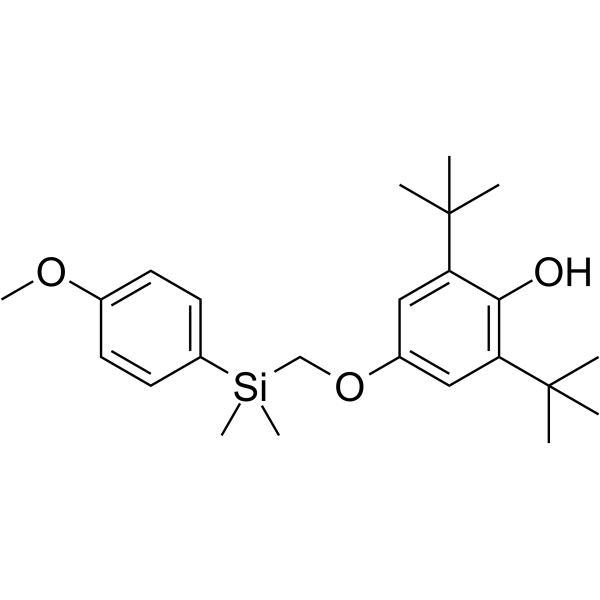 0 ImagesCat. No.: HY-U00054CAS No.: 180908-67-2LDL-IN-3 is an anti-atherosclerotic compound extracted from patent WO/2005/039596A1, example C25 and patent US 6133467, example 3.
-
Anti-oxLDL Antibody
 0 ImagesCat. No.: HY-P990480The Anti-oxLDL Antibody is a humanized antibody expressed in CHO cells that targets oxLDL. The Anti-oxLDL Antibody has a huIgG1 heavy chain and a huκ light chain, with a predicted molecular weight (MW) of 150 kDa. The isotype control for the Anti-oxLDL Antibody can be referenced as Human IgG1 kappa, Isotype Control (HY-P99001).
-
PCSK9-IN-29
 0 ImagesPCSK9-IN-29 is a lipid-lowering agent. PCSK9-IN-29 can increase low-density lipoprotein receptor (LDLR) protein expression and decrease PCSK9 protein expression in hepG2 cells. PCSK9-IN-29 can reduce the levels of serum LDL-C, TC, and liver enzyme ALT in crab eating macaques fed a high-fat diet, lower body weight and fat, and increase bone mineral content. PCSK9-IN-29 can be used for research on non-alcoholic fatty liver disease and obesity.
-
17β-Hydroxy exemestane
 0 ImagesCat. No.: HY-138089CAS No.: 122370-91-617β-Hydroxy exemestane (17-H-EXE) is the primary active metabolite of Exemestane (HY-13632). 17β-Hydroxy exemestane is an aromatase inhibitor (IC50 = 69 nM) and an androgen receptor (AR) agonist (IC50 = 39.6 nM) that is selective for AR over estrogen receptor α (ERα; IC50 = 21.2 μM). 17β-Hydroxy exemestane stimulates growth of AR- and ERα-positive MCF-7 (EC50= 2.7 μM) and T47D breast cancer cells (EC50s = 0.43 and 1500 nM for AR- and ER-mediated growth, respectively) and inhibits proliferation of testosterone-treated aromatase-overexpressing MCF-7 cells. 17β-Hydroxy exemestane inhibits increases in serum cholesterol and LDL levels and prevents decreases in bone mineral density in the lumbar vertebrae and femur, as well as femoral bending strength and compressive strength of the fifth lumbar vertebrae in ovariectomized rats.
-
SGC-CK1γ-1
 0 ImagesSGC-CK1γ-1 is a potent and selective probe for the CK1γ subfamily. SGC-CK1γ-1 can inhibit LRP6 phosphorylation levels. SGC-CK1γ-1 can selectively inhibit the CK1γ kinases in living cells and inhibit both WNT signaling and human cytomegalovirus (CMV) replication. SGC-CK1γ-1 can be used for the research of infection.
-
2-Acetamidophenol (Standard)
 0 ImagesSynonyms: Orthocetamol (Standard)2-Acetamidophenol (Standard) is the analytical standard of 2-Acetamidophenol. This product is intended for research and analytical applications. 2-Acetamidophenol (Orthocetamol) is a regulator that targets ferroptosis and glutathione metabolic pathways, is the ortho-regioisomer of Paracetamol (HY-66005). 2-Acetamidophenol has anti-atherosclerotic activity, and inhibiting total cholesterol (TC) and triglyceride (TG) in a zebrafish hyperlipidemia model with IC50s for 30 μM and 40 μM, respectively. 2-Acetamidophenol upregulates the expression of glutathione synthesis-related genes (such as GCLC, GCLM, GSS) and iron ion transport genes (such as FPN1, FTH), reduces the accumulation of intracellular reactive oxygen species (ROS) and ferrous ions (Fe2+), and enhances the activity of glutathione peroxidase GPX4, thereby inhibiting macrophage phagocytosis of oxidized low-density lipoprotein (ox-LDL) and foam cell formation.
-
Lifibrol
 0 ImagesLifibrol is a potent and oral activity hypolipidemic agent. Lifibrol decreases the plasma total cholesterol. Lifibrol has the potential for the research of hypercholesterolemia.
-
Luteolin-7-O-β-D-glucuronide methyl ester
 0 ImagesCat. No.: HY-N15706CAS No.: 76939-42-9Luteolin-7-O-β-D-glucuronide methyl ester is a flavonoid with antioxidative activity. Luteolin-7-O-β-D-glucuronide methyl ester exhibits potent antioxidative activity with an IC50 of 3.05 μg/mL in the NBT superoxide scavenging assay. Luteolin-7-O-β-D-glucuronide methyl ester inhibits LDL oxidation induced by Cu2+ with the IC50 value is 71.13 μg/mL.
-
PAI-1
 0 ImagesCat. No.: HY-P11413CAS No.: 139446-70-1PAI-1 is a serine protease inhibitor (SERPIN). PAI-1 binds to and irreversibly inhibits uPA, tPA and furin; it also interacts with vitronectin, α1-acid glycoprotein, CRT, TLR4, proteasome α-3 subunit, uPAR, LRP1, Integrin αvβ3 and thrombin. PAI-1 regulates fibrinolysis, extracellular matrix turnover, cell migration, angiogenesis, inflammatory response and tissue remodeling; it mediates epithelial-mesenchymal transition (EMT)/endothelial-mesenchymal transition (EndMT), apoptosis and thrombus stabilization. PAI-1 can be used in research related to sepsis, acute lung injury, cardiovascular diseases, tissue fibrosis, diabetic nephropathy, obstructive nephropathy and non-insulin-dependent diabetes mellitus.
-
Moxonidine-13C,d3 hydrochloride
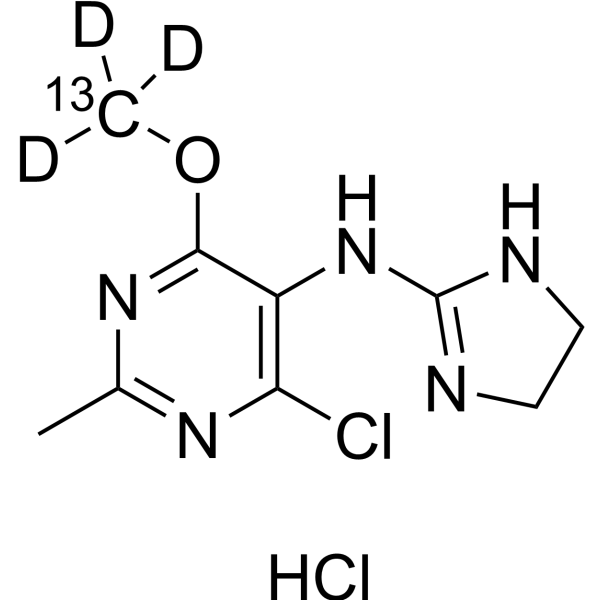 0 ImagesCat. No.: HY-B0374ASSynonyms: BDF5895-13C,d3 hydrochlorideMoxonidine-13C,d3 hydrochloride is 13C and deuterated labeled Moxonidine hydrochloride (HY-B0374A). Moxonidine (BDF5895) is an orally active imidazoline type 1 receptor (I1-R) agonist. Moxonidine activates imidazoline I1 receptors and α2 adrenoceptors, affecting oxidized low-density lipoprotein uptake. Moxonidine reduces atherosclerotic lesions and lowers blood pressure. Moxonidine can be used in the study of hypertension, heart failure, and atherosclerosis.
-
LAB687
 0 ImagesCat. No.: HY-177291CAS No.: 256397-11-2LAB687 is a microsomal triglyceride transfer protein (MTP) inhibitor with an IC50 of 0.9 nM for apolipoprotein B (apoB) secretion in HepG2 cells. LAB687 also acts as a Smoothened (Smo) antagonist, with IC50 values of 2.48 μM and 3.42 μM against mouse and human Smo receptors, respectively. LAB687 reduces triglyceride and low-density lipoprotein cholesterol (LDL-C) levels, and inhibits the Hedgehog signaling pathway. LAB687 can be used in studies related to Hedgehog-dependent cancers.
-
Habenariol
 0 ImagesCat. No.: HY-167873CAS No.: 216752-89-5Habenariol is a substantial phenolic antioxidant activity that can be isolated from the freshwater orchid, Habenaria repens.
-
SJ-300
 0 ImagesCat. No.: HY-179459CAS No.: 1210357-06-4SJ-300 is a potent and selective, orally active and brain-penetrat DKK3-LRP1 interaction inhibitor. SJ-300 restores Aβ clearance in AD models. SJ 300 binds to mLRPIV with a Kd of 7.9 μM, inhibits the DKK3 mLRPIV complex with an IC50 of 3.2 μM, and does not disrupt the binding of Aβ to LRP1. SJ 300 rescues cognitive function and ameliorates neuropathology (Aβ plaque reduction ≈ 73.3 %) in vivo. SJ 300 can be employed for research in Alzheimer’s disease.
-
Obicetrapib potassium
 0 ImagesCat. No.: HY-18778BCAS No.: 866399-90-8Synonyms: TA-8995 potassium; DEZ-001 potassium; AMG-899 potassiumObicetrapib (TA-8995; DEZ-001) potassium is an orally active cholesteryl ester transfer protein (CETP) inhibitor. Obicetrapib potassium potently reduces atherogenic lipoproteins (such as LDL-C, ApoB, Lp (a)) and increases HDL-C. Obicetrapib potassium can be used for the research of dyslipidemia and atherosclerotic cardiovascular disease (ASCVD).
-
FASN/SCD-IN-1
 0 ImagesCat. No.: HY-176274CAS No.: 3063509-61-2FASN/SCD-IN-1 is a Silybin (HY-N0779A) derivative, an orally active inhibitor of Fatty Acid Synthase (FASN)/Stearoyl-CoA Desaturase (SCD). FASN/SCD-IN-1 has shown in vitro activity in inhibiting lipid deposition, reducing FASN and SCD transcriptional levels, and exhibiting antioxidant, anti-inflammatory, and anti-fibrotic activities. FASN/SCD-IN-1 has demonstrated significant hepatoprotective effects in a rat model of acute liver injury. FASN/SCD-IN-1 ameliorates the pathological features of MASH liver, including steatosis, inflammation, and fibrosis in a mouse model of myeloproliferative steatohepatitis (MASH). FASN/SCD-IN-1 can be used to study MASH.
-
PCSK9-IN-38
 0 ImagesCat. No.: HY-189212CAS No.: 3126488-23-8
-
Lipid-lowering agent-1
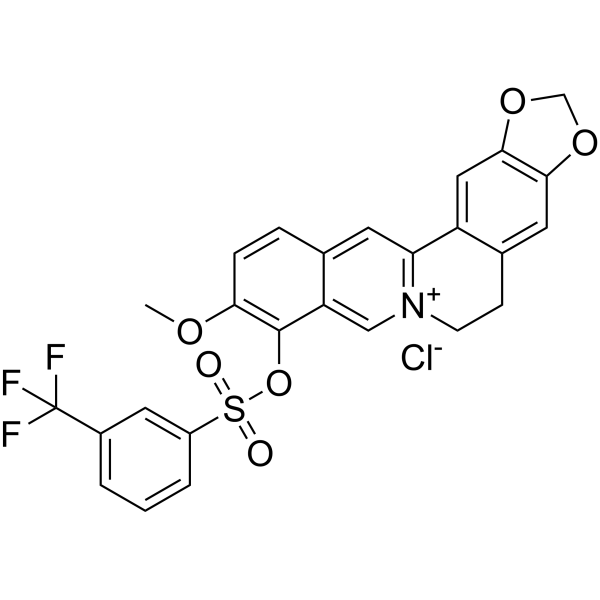 0 ImagesCat. No.: HY-115914CAS No.: 2304859-34-3Lipid-lowering agent-1 is a potent lipid-lowering agent. Lipid-lowering agent-1 has significant pharmacological effects on the inhibition of low-density lipoprotein cholesterol (LDLC) and promotion of high-density lipoprotein cholesterol (HDLC) production. Lipid-lowering agent-1 shows potent hypolipidemic effect in high-fat diet rats.
-
Moxonidine-d7
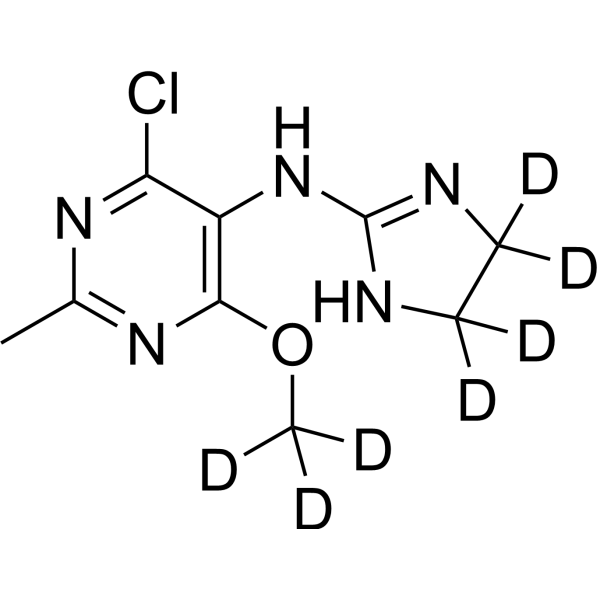 0 ImagesCat. No.: HY-B0374S1Synonyms: BDF5895-d7Moxonidine-d7 is deuterated labeled Moxonidine (HY-B0374). Moxonidine (BDF5895) is an orally active imidazoline type 1 receptor (I1-R) agonist. Moxonidine activates imidazoline I1 receptors and α2 adrenoceptors, affecting oxidized low-density lipoprotein uptake. Moxonidine reduces atherosclerotic lesions and lowers blood pressure. Moxonidine can be used in the study of hypertension, heart failure, and atherosclerosis.
-
Campestanol
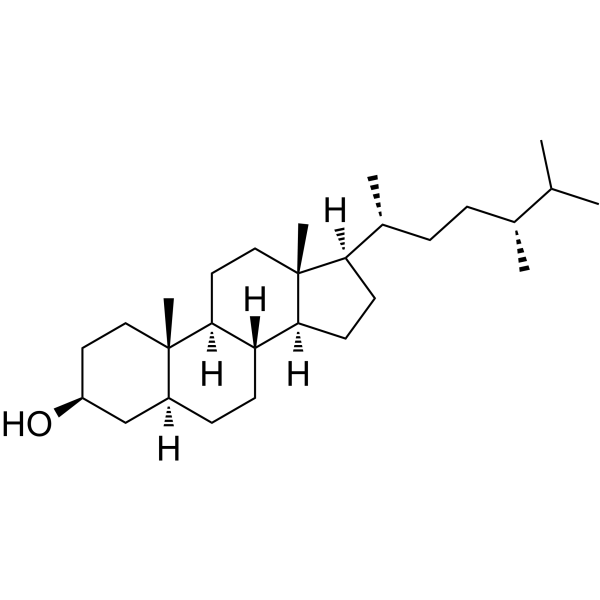 0 ImagesCampestanol is a phytosterol that can be found in plant food. Campestanol lowers serum cholesterol and low-density lipoprotein. Campestanol can be used for the research of metabolic disorders.
-
DSPE-PEG2000-ANG
 0 ImagesCat. No.: HY-172699DSPE-PEG2000-ANG is a conjugate of DSPE-PEG2000-MAL and Angiopep-2. Angiopep-2 is a peptide ligand that targets LRP-1. DSPE-PEG2000-ANG is used to synthesize gadolinium-boron bifunctionalized lipid nanoparticles BPA-F&DOTA-Gd@LIPO-ANG with blood-brain barrier and glioma targeting properties.




