



Traumatic Brain Injury
-
Traumatic Brain Injury (18)

- 1
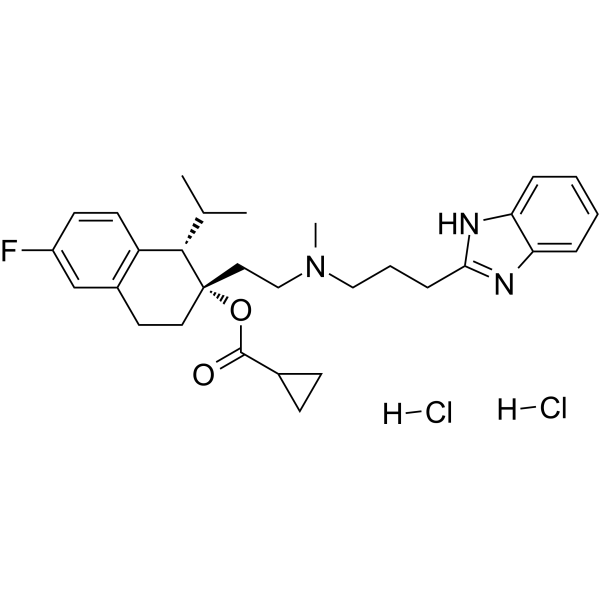
- Formula: C30H40Cl2FN3O2
- Molecular Weight: 564.56
NNC 55-0396 (NNC 55-0396 dihydrochloride) is a blood-brain-barrier-permeable T-type Ca2+ channel inhibitor and pan-P450 inhibitor. NNC 55-0396 selectively inhibits T-type Ca2+ channels, suppresses HIF-1α expression and stability and inhibits Kv currents. NNC 55-0396 reduces brain infarct and attenuates neurological dysfunction. NNC 55-0396 inhibits the activity of multiple P450 enzymes. NNC 55-0396 (free base) can be used for the research of brain injury, hypertension, and glioblastoma.
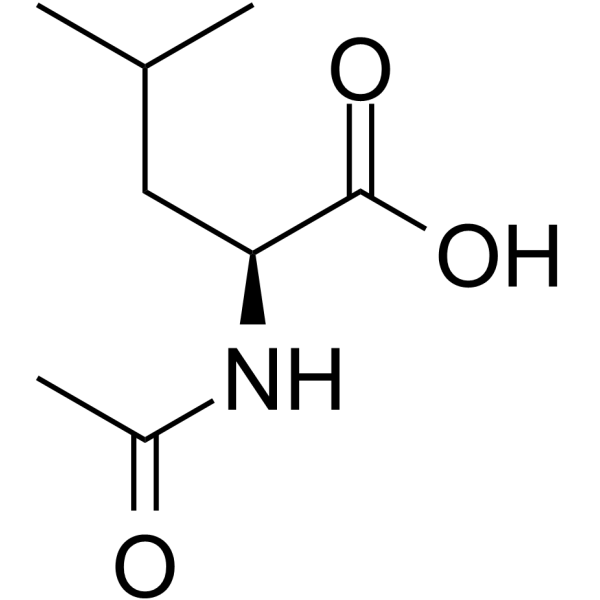
- Formula: C8H15NO3
- Molecular Weight: 173.21
Levacetylleucine (N-acetyl-L-leucine), an orally bioavailable and brain-penetrant compound, is an acetylated derivative of amino acid Leucine. Levacetylleucine is the active form of N-acetyl-leucine (NAL). Levacetylleucine attenuates neuronal death and neuroinflammation in the cortical tissue of mice. Levacetylleucine also potentially improves ameliorates lysosomal and metabolic dysfunction. Levacetylleucine improves compensation of postural symptoms after unilateral chemical labyrinthectomy (UL) in rats. Levacetylleucine is promising for research of neurological manifestations of Niemann-Pick disease type C, traumatic brain injury and neurodegeneration prevention.
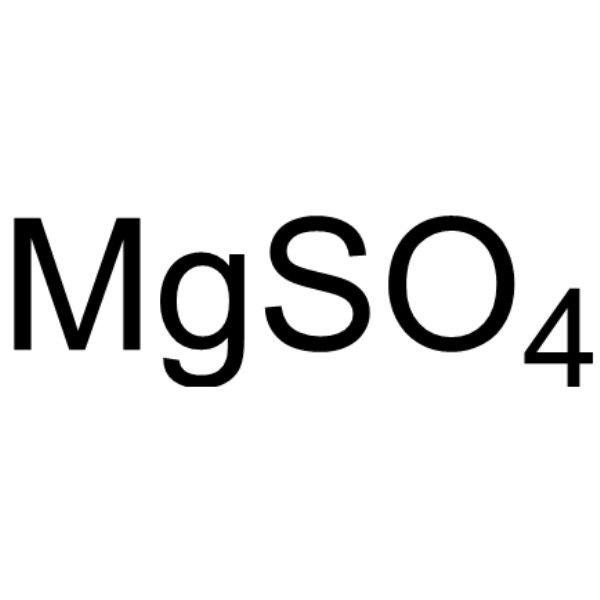
- Formula: MgSO4
- Molecular Weight: 120.37
Magnesium sulfate is a calcium antagonist and a potent L-type calcium channel inhibitor, as well as a tocolytic. Magnesium sulfate has anti-inflammatory, anticonvulsant, vasodilatory, and neuroprotective effects. Magnesium sulfate can be used in the research of diseases such as preeclampsia/eclampsia.
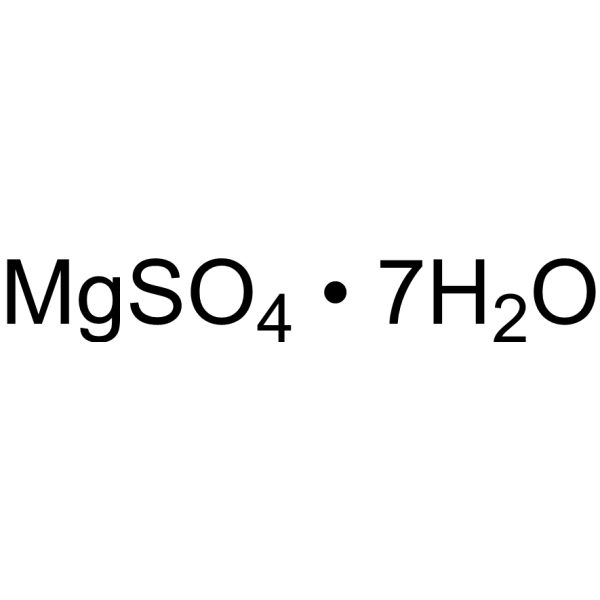
- Formula: MgSO4.7H2O
- Molecular Weight: 246.47
Magnesium sulfate heptahydrate, for cell culture (Epsom salts, for cell culture) is a hydrate of magnesium sulfate (HY-Y1267) suitable for cell culture applications. Magnesium sulfate is a calcium antagonist and a potent L-type calcium channel inhibitor, as well as a tocolytic. Magnesium sulfate has anti-inflammatory, anticonvulsant, vasodilatory, and neuroprotective effects. Magnesium sulfate can be used in the research of diseases such as preeclampsia/eclampsia.
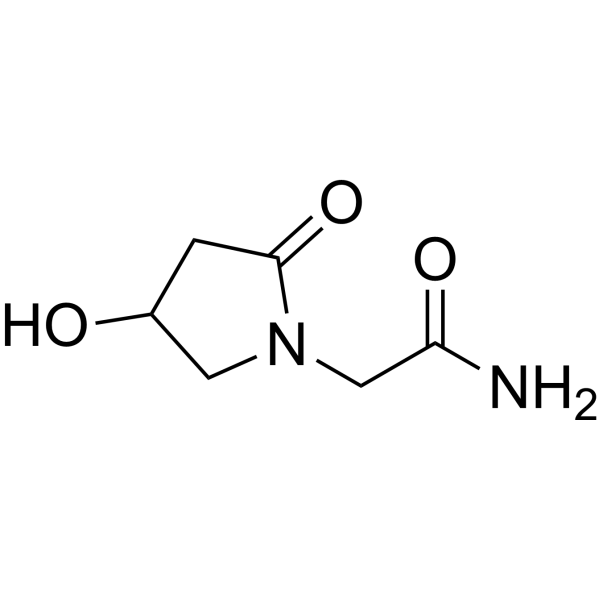
- Formula: C6H10N2O3
- Molecular Weight: 158.16
Oxiracetam (ISF2522) is an orally active and a BBB-penetrable cyclic derivative of γ-aminobutyric acid (GABA). Oxiracetam reaches the hippocampus and cerebral cortex in high concentrations. Oxiracetam can promote cognitive function and regulate inflammatory response, with powerful neuroprotective effects. Oxiracetam can be used in the study of central nervous system diseases .

- Formula: C23H21N7
- Molecular Weight: 395.46
TT-301 is a small-molecule immunomodulator capable of penetrating the blood-brain barrier. TT-301 exerts neuroprotective effects by binding to IL-1β, downregulating STAT3 expression, and modulating the JAK-STAT signaling pathway, thereby inhibiting microglial activation and the release of proinflammatory mediators, and alleviating neuroinflammation and brain edema. TT-301 is used in research on traumatic brain injury, intracerebral hemorrhage, subarachnoid hemorrhage, muscle wasting and atrophy, and periodontal disease.

- Formula: C29H31Cl2N3O4
- Molecular Weight: 556.48
ISRACT-02 is a eIF2B modulator. The Kd values of ISRACT-02 for eIF2BWT and eIF2BΔ-latch are 174 nM and 385 nM, respectively. Depending on the conformation of its amide bond (trans or cis), ISRACT-02 binds to and stabilizes the inactive conformation (I-state) or active conformation (A-state) of eIF2B, respectively. ISRACT-02 can be used in studies related to leukodystrophy, Alzheimer's disease, traumatic brain injury, and Down syndrome.

- Formula: C19H15F2N3O
- Molecular Weight: 339.34
VU6066098 is a blood-brain barrier penetrant, orally active inhibitor of metabotropic glutamate receptor subtype 2 (mGlu2), with IC50 values of 77 nM and 111 nM against human and rat targets, respectively. VU6066098 induces antidepressant-like activity, inhibits psychosis-like hyperlocomotion, enhances recognition memory and associative learning, and reverses cognitive deficits caused by blast-related traumatic brain injury. VU6066098 can be used in research on major depressive disorder, schizophrenia, Alzheimer's disease, and traumatic brain injury.
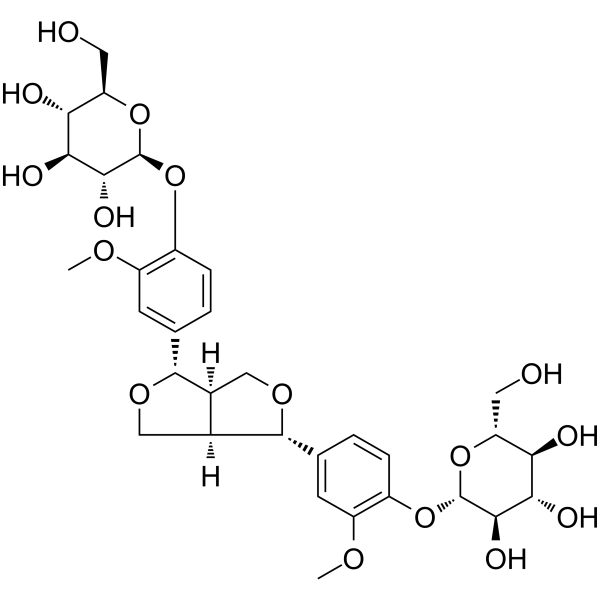
- Formula: C32H42O16
- Molecular Weight: 682.67
Pinoresinol Diglucoside is an orally active lignan with multifunctional bioactivity. Pinoresinol Diglucoside interacts with targets including ALB, HIF1A, GSK3B, BCL2, MARK3, IL6, NF-κB p65, Nrf2, HO-1, and TLR4, and modulates pathways including PI3K-Akt, estrogen, MAPK, Rap1, AKT/mTOR/NF-κB, and TGF-β1/Smads. Pinoresinol Diglucoside regulates osteogenesis, bone resorption, oxidative stress, inflammation, apoptosis, ferroptosis, ferritinophagy, cardiac fibrosis, and vasorelaxation. Pinoresinol Diglucoside can be used for the research of osteoporosis, ischemia/reperfusion-induced brain injury, Alzheimer’s disease, myocardial ischemia-reperfusion injury, chondrodysplasia, diabetic cardiomyopathy, cardiac hypertrophy, hypertension, cisplatin-induced hearing loss, atherosclerotic cardiovascular diseases, and disuse osteoporosis.
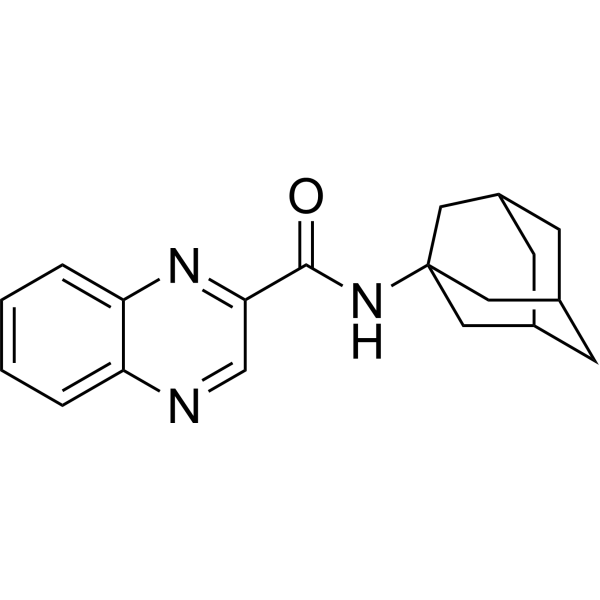
- Formula: C19H21N3O
- Molecular Weight: 307.40
NPS 2390 is an allosteric antagonist of calcium-sensing receptor (CaSR) and mGluR1/5. NPS 2390 inhibits the PI3K/Akt/mTOR signaling pathway, reduces hypoxia-induced intracellular calcium elevation, decreases the expression of autophagy (autophagy) proteins, regulates the expression of phenotypic marker proteins, and inhibits the proliferation of pulmonary artery smooth muscle cells. NPS 2390 attenuates the endogenous apoptosis (apoptosis) pathway, increases the expression level of Bcl-2, downregulates the expression levels of Bax, cytochrome c and caspase-3, alleviates cerebral edema and improves neurological function in rat models. NPS 2390 can be used in studies related to hypoxic pulmonary hypertension, traumatic brain injury, stroke and pain.
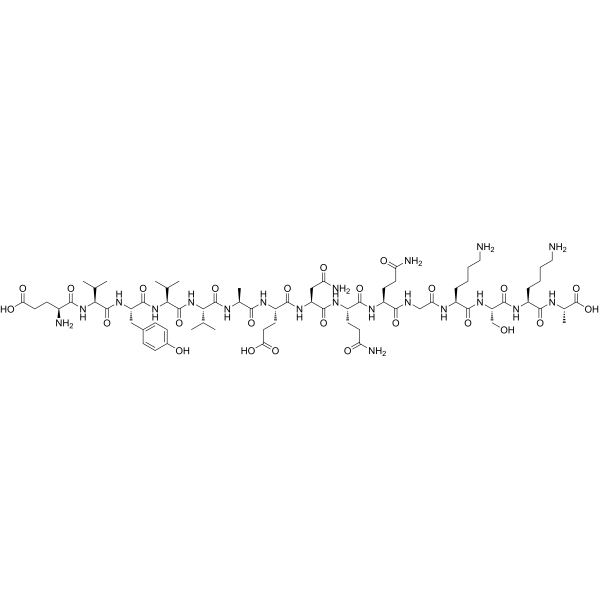
- Formula: C71H116N20O25
- Molecular Weight: 1649.80
FGL peptide is a fibroblast growth factor receptor (FGFR) modulator and blood-brain barrier-penetrant. FGL peptide activates NCAM-FGFR and FGFR1 signaling pathways. FGL peptide alters expression of apoptosis, signal transduction and metabolism regulator genes in traumatic brain injury contexts. FGL peptide can be used for the research of traumatic brain injury.
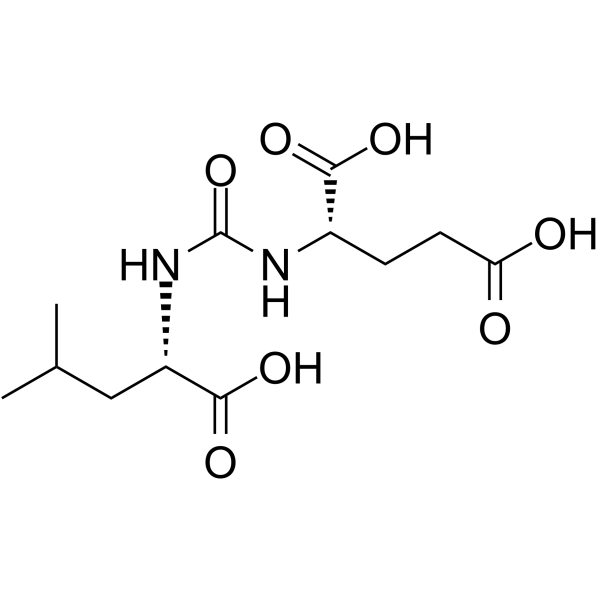
- Formula: C12H20N2O7
- Molecular Weight: 304.30
ZJ43 is a NAAG peptidase inhibitor and glutamate carboxypeptidase II/III (GCP II/III) inhibitor with human GCP II IC50 of 2.4 nM and Ki of 0.8 nM. ZJ43 blocks N-acetylaspartylglutamate hydrolysis, elevates extracellular N-acetylaspartylglutamate levels, and activates group II metabotropic glutamate receptors (mGluR). ZJ43 can be used for the research of schizophrenia, inflammatory pain, neuropathic pain, and traumatic brain injury.
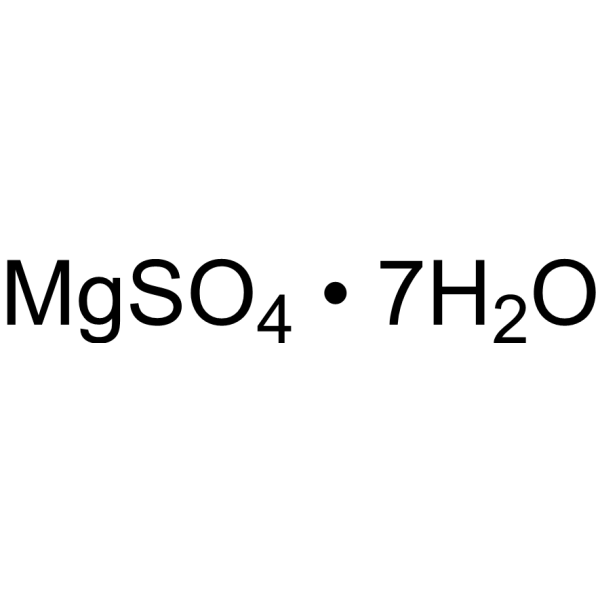
- Formula: MgSO4·7H2O
- Molecular Weight: 246.47
Magnesium sulfate heptahydrate (for molecular biology) is a molecular biology-grade form of Magnesium sulfate (HY-Y1267). Magnesium sulfate is a calcium antagonist and a potent L-type calcium channel inhibitor, as well as a uterine contraction inhibitor. Magnesium sulfate has anti-inflammatory, anticonvulsant, vasodilatory, and neuroprotective effects. Magnesium sulfate can be used in research on diseases such as preeclampsia/eclampsia.
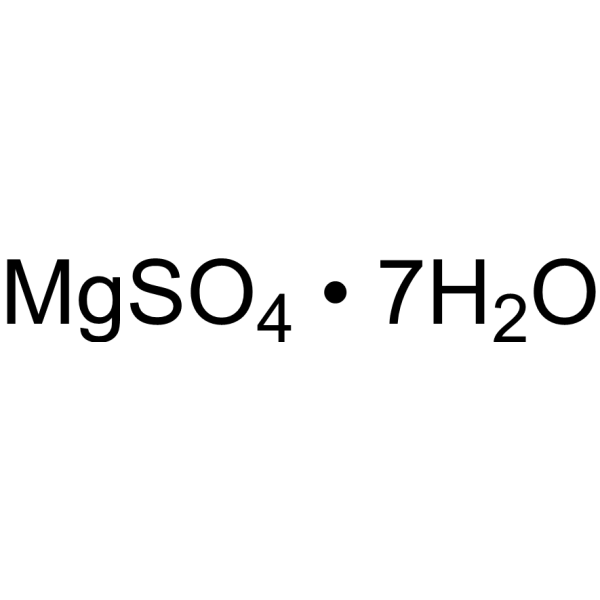
- Formula: MgSO4.7H2O
- Molecular Weight: 246.47
Magnesium sulfate heptahydrate, meets analytical specification of Ph. Eur. BP USP FCC (Magnesium sulfate heptahydrate, meets analytical specification of Ph. Eur. BP USP FCC) is a hydrate of Magnesium sulfate (HY-Y1267) suitable for cell culture. Magnesium sulfate is a calcium antagonist and a potent L-type calcium channel inhibitor, as well as a uterine contraction inhibitor. Magnesium sulfate has anti-inflammatory, anticonvulsant, vasodilatory, and neuroprotective effects. Magnesium sulfate can be used in research on diseases such as preeclampsia/eclampsia.

- Formula: C23H22ClN7
- Molecular Weight: 431.93
TT-301 hydrochloride is a small-molecule immunomodulator capable of penetrating the blood-brain barrier. TT-301 hydrochloride exerts neuroprotective effects by binding to IL-1β, downregulating STAT3 expression, and modulating the JAK-STAT signaling pathway, thereby inhibiting microglial activation and the release of proinflammatory mediators, and alleviating neuroinflammation and brain edema. TT-301 hydrochloride is used in research on traumatic brain injury, intracerebral hemorrhage, subarachnoid hemorrhage, muscle wasting and atrophy, and periodontal disease.

- Formula: C29H34N4O3S
- Molecular Weight: 518.67
BN80933 is a selective neuronal nitric oxide synthase (nNOS) inhibitor with a rat Ki of 0.92 μM. BN80933 inhibits lipid peroxidation, and blocks hypoxia-induced lactate dehydrogenase elevation and delayed 8-epiprostaglandin F2α elevation. BN80933 can be used for the research of stroke, and traumatic brain injury.

- Formula: C30H38FN3O2
- Molecular Weight: 491.64
NNC 55-0396 free base is a blood-brain-barrier-permeable T-type Ca2+ channel inhibitor and pan-P450 inhibitor. NNC 55-0396 free base selectively inhibits T-type Ca2+ channels, suppresses HIF-1α expression and stability and inhibits Kv currents. NNC 55-0396 free base reduces brain infarct and attenuates neurological dysfunction. NNC 55-0396 free base inhibits the activity of multiple P450 enzymes. NNC 55-0396 (free base) can be used for the research of brain injury, hypertension, and glioblastoma.
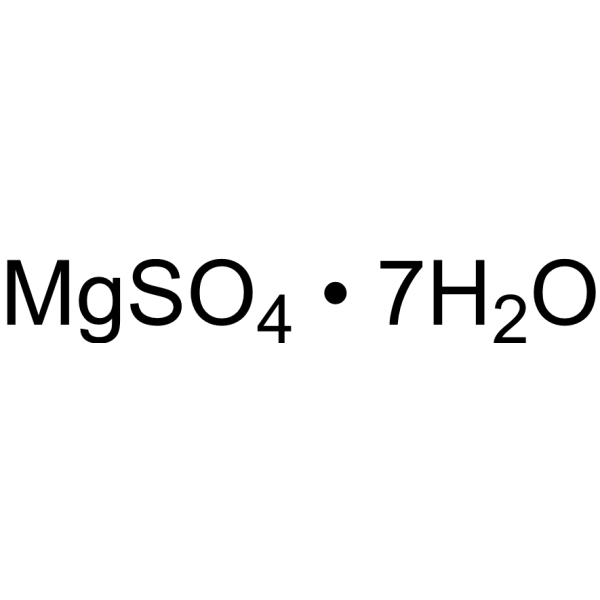
- Formula: MgSO4.7H2O
- Molecular Weight: 246.47
Magnesium sulfate heptahydrate, United States Pharmacopeia (USP) Reference Standard (Epsom salts (Pharmaceutical primary standard, USP)) is a reference standard for Magnesium sulfate (HY-Y1267). Magnesium sulfate is a calcium antagonist and a potent L-type calcium channel inhibitor, as well as a tocolytic. Magnesium sulfate has anti-inflammatory, anticonvulsant, vasodilatory, and neuroprotective effects. Magnesium sulfate can be used in the research of diseases such as preeclampsia/eclampsia.
- 1



