



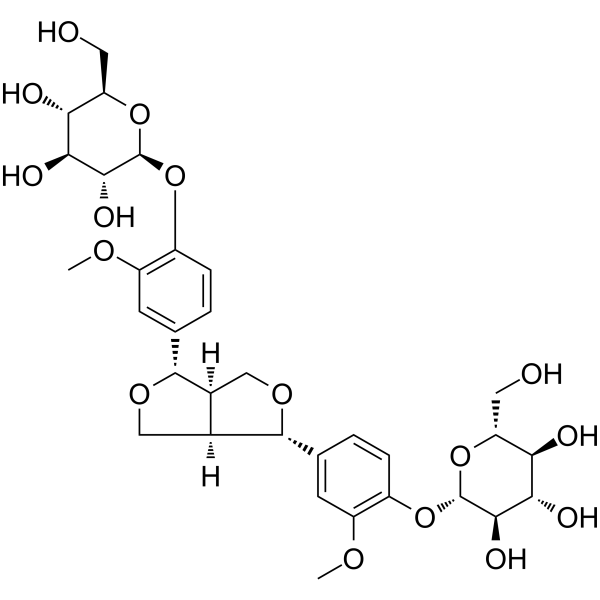
Pinoresinol Diglucoside
Based on 1 publication(s) in Google Scholar
Pinoresinol Diglucoside is an orally active lignan with multifunctional bioactivity. Pinoresinol Diglucoside interacts with targets including ALB, HIF1A, GSK3B, BCL2, MARK3, IL6, NF-κB p65, Nrf2, HO-1, and TLR4, and modulates pathways including PI3K-Akt, estrogen, MAPK, Rap1, AKT/mTOR/NF-κB, and TGF-β1/Smads. Pinoresinol Diglucoside regulates osteogenesis, bone resorption, oxidative stress, inflammation, apoptosis, ferroptosis, ferritinophagy, cardiac fibrosis, and vasorelaxation. Pinoresinol Diglucoside can be used for the research of osteoporosis, ischemia/reperfusion-induced brain injury, Alzheimer’s disease, myocardial ischemia-reperfusion injury, chondrodysplasia, diabetic cardiomyopathy, cardiac hypertrophy, hypertension, cisplatin-induced hearing loss, atherosclerotic cardiovascular diseases, and disuse osteoporosis.
Nur für Forschungszwecke. Wir verkaufen nicht an Patienten.
- Reinheit : 99.84%
- CAS. Nr.: 63902-38-5
- Formel: C32H42O16
- Molecular Weight:682.67
-
Speicherung:Powder -20°C, 3 years , 4°C, 2 years ; In solvent -80°C, 2 years , -20°C, 1 year

To place orders, for customer services and technical support, please contact: MedChemExpress USA
Tel: 609-228-6898 E-mail: [email protected] [email protected]


-
 Biologische Aktivität
-
Chemical Information
-
Lösungsmittel & Löslichkeit
- Protokoll
- Reinheit & Dokumentation
- Verweise
-
 Help & FAQs


-
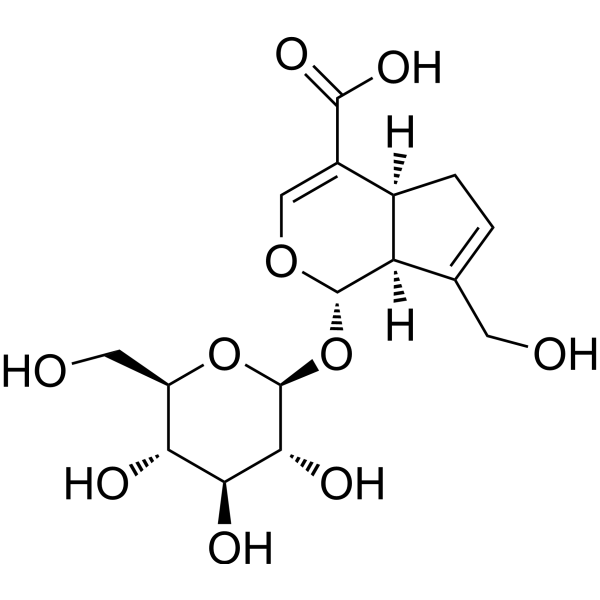
HY-N0010
Geniposidic acidFXR Modulator, SIRT6 Activator -
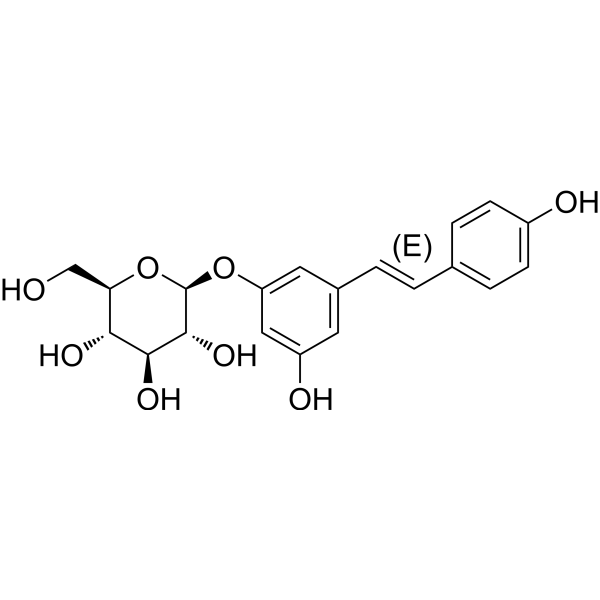
HY-N0120A
PolydatinAutophagy Inducer -
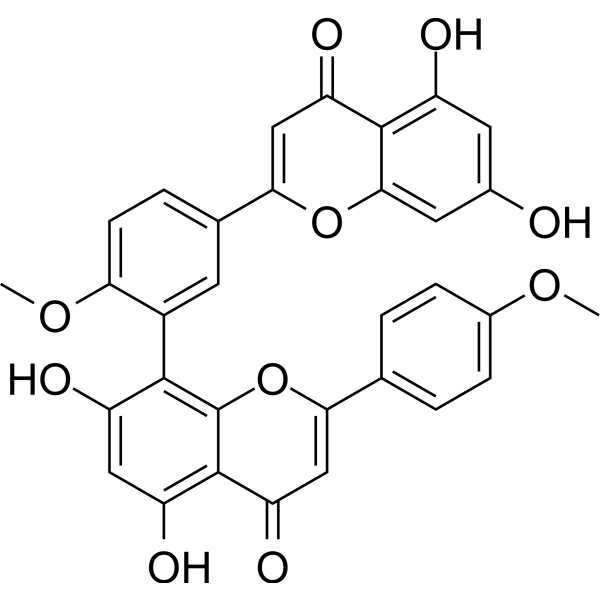
HY-N2117
Isoginkgetinpre-mRNA Splicing Inhibitor -
HY-N0652
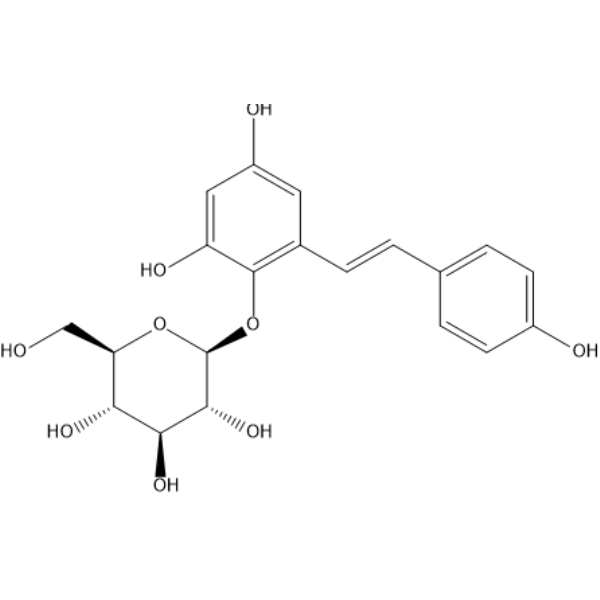
2,3,5,4'-Tetrahydroxystilbene 2-O-β-D-glucosideNatural Product -
HY-N0070
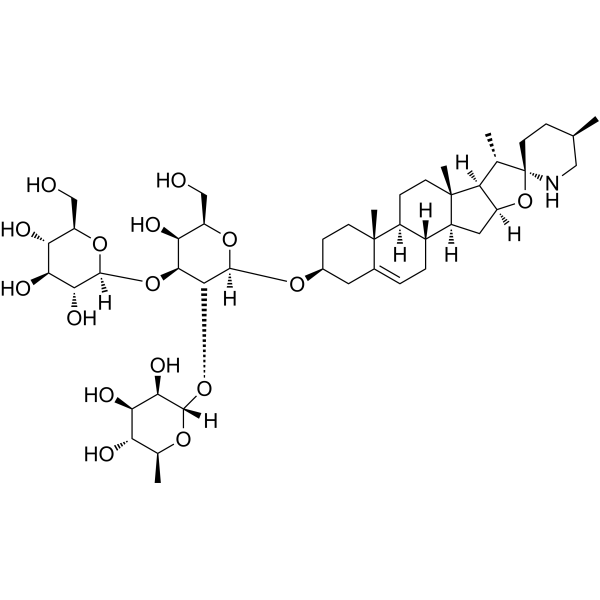
SolasonineFerroptosis Inducer -
HY-N0029
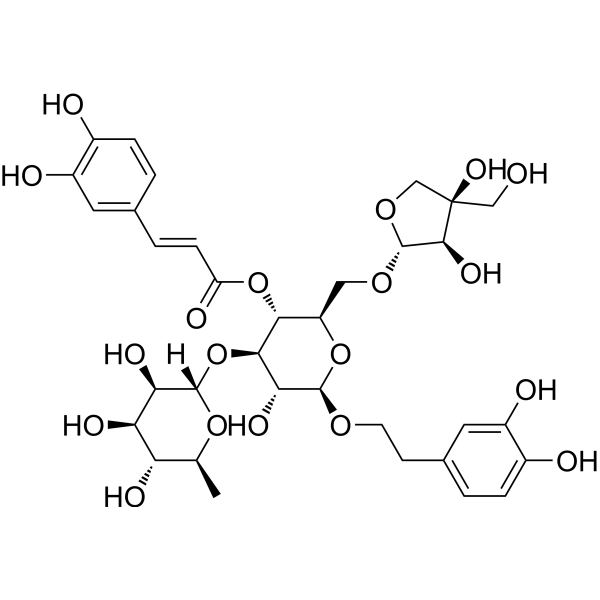
Forsythoside BTNF Inhibitor -
HY-N1444
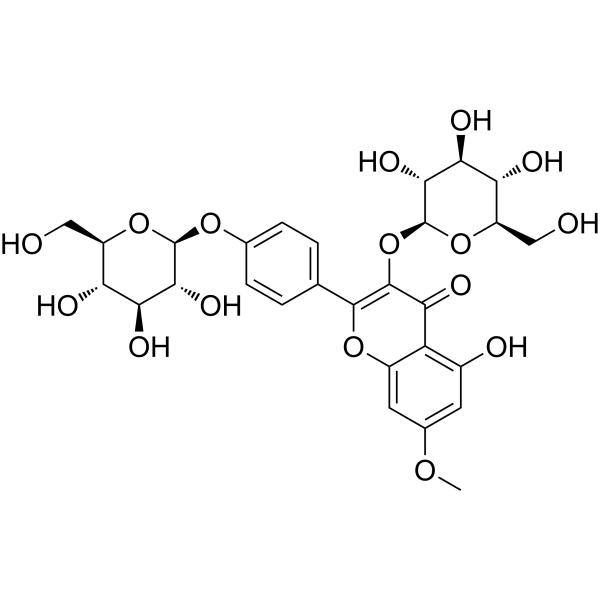
ComplanatusideAnti-inflammatory Agent -

HY-N0657R
Pinoresinol Diglucoside (Standard)Analytical Standard -
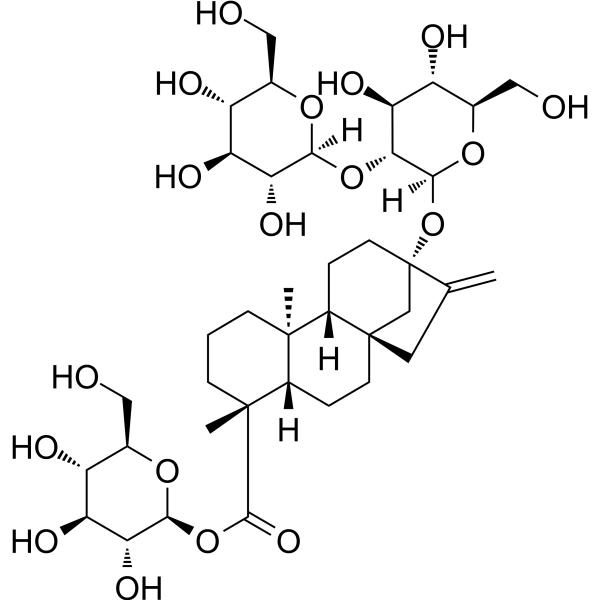
HY-N0669
Steviosidesweetener -
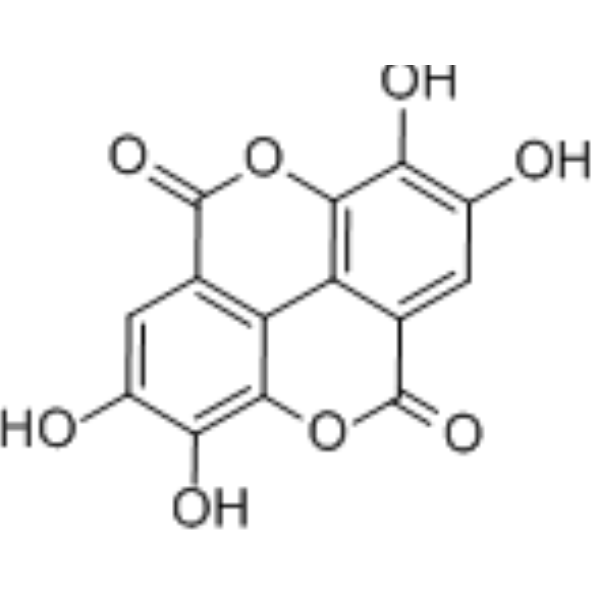
HY-B0183
Ellagic acidSHP2 Inhibitor -
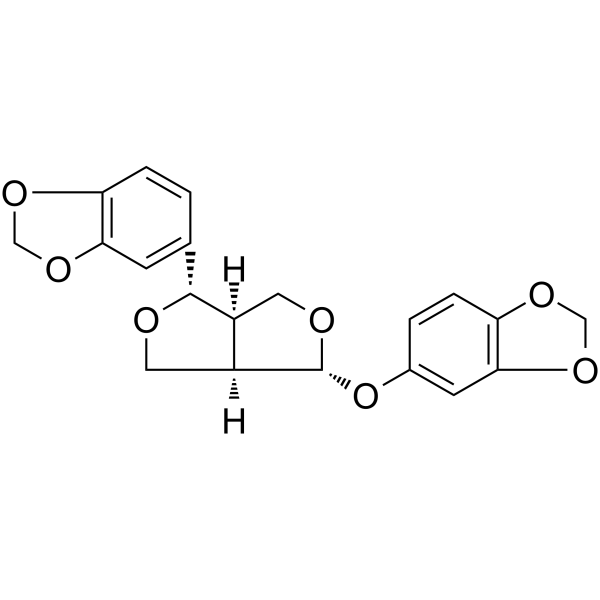
HY-N0809
SesamolinMAPK Inhibitor -
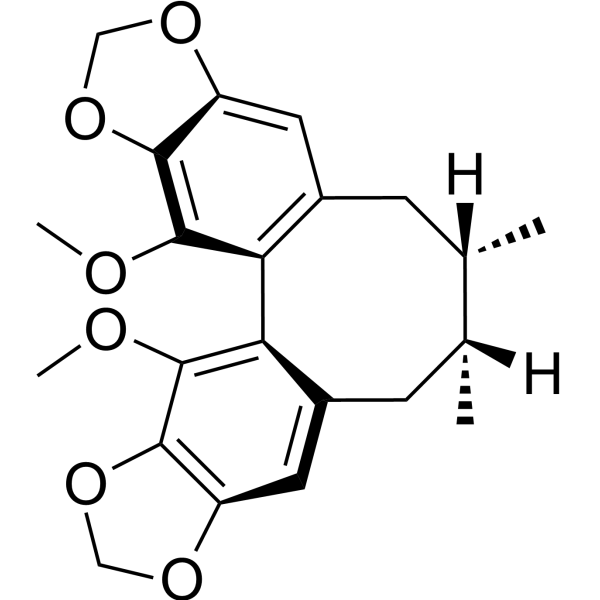
HY-N0690
Schisandrin CBioactive Lignan
Publications Citing Use of MedChemExpress (MCE) Pinoresinol Diglucoside
More

Biologische Aktivität
Beschreibung
In Vitro
Pinoresinol diglucoside (20-80 μM) inhibits RANKL-induced differentiation of RAW264.7 cells into osteoclasts[3].
Pinoresinol diglucoside (20-80 μM; 3 days) disrupts F-actin ring formation in RANKL-differentiated RAW264.7 osteoclasts, with complete disruption at 80 μM[3].
Pinoresinol diglucoside (20-80 μM; 3 days) inhibits the expression of osteoclast differentiation-related proteins NFATc1, c-Fos, CTSK, and TRAP in RANKL-differentiated RAW264.7 cells[3].
Pinoresinol diglucoside (20-80 μM; 3 days) inhibits activation of the NF-κB and AKT-GSK-3β signaling pathways in RANKL-treated RAW264.7 cells[3].
Pinoresinol diglucoside (80 μM) inhibits RANKL-induced nuclear translocation of p65 in RAW264.7 cells[3].
Pinoresinol Diglucoside alleviates oxLDL-induced dysfunction in human umbilical vein endothelial cells by restoring SOD activity, eNOS expression, and NO production[4].
Pinoresinol diglucoside (1 μM) attenuates hypoxia/reperfusion-induced injury in H9c2 cardiomyocytes by reducing oxidative stress, cell damage markers, and apoptosis, promoting cell viability, upregulating miR-142-3p, and downregulating HIF1AN[5].
Pinoresinol diglucoside (1 μM) has its protective effects against hypoxia/reperfusion-induced injury in H9c2 cardiomyocytes reversed by miR-142-3p overexpression, resulting in elevated oxidative stress, cell damage markers, and apoptosis, and reduced cell viability[5].
Pinoresinol diglucoside interacts strongly with zebrafish FZD2 and FZD5 in silico, with binding energies of -8.27 kcal/mol and -8.63 kcal/mol, respectively, indicating potential activation of Wnt signaling[6].
Pinoresinol Diglucoside (2.5-7.5 μg/mL; 24 h) inhibits high glucose-induced cardiac fibrotic responses in H9c2 cells by downregulating the TGF-β1/Smads signaling pathway[7].
Pinoresinol Diglucoside (2.5-7.5 μg/mL; 48 h) inhibits high glucose-induced EndMT in HUVECs[7].
Pinoresinol Diglucoside (2.5-7.5 μg/mL; 48 h) inhibits exogenous TGF-β1-induced EndMT in HUVECs[7].
The inhibitory effect of Pinoresinol Diglucoside (2.5-7.5 μg/mL; 48 h) on high glucose-induced EndMT in HUVECs is abolished by TGF-β1 knockdown, indicating PDG acts via the TGF-β1 pathway[7].
Pinoresinol diglucoside (25 μM; 24 h) preserves cell viability in HEI-OC1 cells, does not induce oxidative stress alone, and attenuates Cisplatin-induced oxidative stress and cell death in HEI-OC1 cells[9].
Pinoresinol diglucoside (25 μM; 24 h) downregulates SOCS1 protein expression in ex vivo neonatal mouse basilar membranes, and attenuates cCisplatin-induced SOCS1 upregulation in these membranes[9].
Pinoresinol Diglucoside (PDG) (2.5-7.5 μg/mL; 2 h pre-incubation, 24 h with ISO stimulation) inhibits isoproterenol-induced cardiac hypertrophy and inflammation in neonatal rat ventricular cardiomyocytes by reducing hypertrophic biomarker and pro-inflammatory cytokine mRNA expression[10].
Pinoresinol Diglucoside (PDG) (2.5-7.5 μg/mL; 24 h with PE stimulation) inhibits phenylephrine-induced activation of the AKT/mTOR/NF-κB signaling pathway in neonatal rat ventricular cardiomyocytes, reducing cardiac hypertrophy-associated protein expression[10].
Pinoresinol Diglucoside (2.5-7.5 μg/mL; 24 h) inhibits HG-induced fibrotic responses and downregulates the TGF-β1/Smads signaling pathway in H9c2 cells[12].
Pinoresinol Diglucoside (2.5-7.5 μg/mL; 48 h) inhibits HG-induced EndMT in HUVECs[12].
Pinoresinol diglucoside (0.1-1 μM; 60 min pre-incubation + 24 h co-treatment with oxLDL, or 24 h alone) inhibits oxLDL-induced apoptosis in HUVECs, with 1 μM completely abrogating the apoptotic effect and 0.1 μM reducing apoptotic cells to 17.2%[13].
Pinoresinol diglucoside (1 μM; 60 min pre-incubation + 24 h co-treatment with oxLDL, or 24 h alone) alleviates oxLDL-induced ROS and MDA production in HUVECs, reducing ROS levels by more than 20% compared to oxLDL-only treated cells[13].
Pinoresinol diglucoside (1 μM; 60 min pre-incubation + 24 h co-treatment with oxLDL, or 24 h alone) reverses oxLDL-induced inhibition of total SOD activity in HUVECs, restoring activity to near control levels[13].
Pinoresinol diglucoside (1 μM; 60 min pre-incubation + 24 h co-treatment with oxLDL, or 24 h alone) alleviates oxLDL-induced inhibition of NO production and eNOS mRNA expression in HUVECs, fully restoring both parameters to control levels[13].
Pinoresinol diglucoside (1 μM; 60 min pre-incubation + 24 h co-treatment with oxLDL, or 24 h alone) inhibits oxLDL-induced upregulation of LOX-1, ICAM-1, and NF-κB mRNA and protein expression in HUVECs, essentially abrogating the 1.7- to 3.5-fold upregulation caused by oxLDL[13].
Pinoresinol diglucoside (1 μM; 60 min pre-incubation + 45 min co-treatment with oxLDL, or 45 min alone) inhibits oxLDL-induced activation of the p38MAPK/NF-κB signaling pathway in HUVECs by reducing phosphorylation of p38MAPK and NF-κB p65[13].
Pinoresinol diglucoside (PG2) (1 μg/mL; 30 min at 38°C) inhibits β-glucuronidase activity by 80.0% in a cell-free anti-inflammatory assay[14].
Pinoresinol diglucoside (PG2) (1-1000 μM; 10 min) has an IC50 of 600 μM for DPPH radical scavenging activity in a cell-free assay, with activity increasing at higher concentrations[14].
Pinoresinol diglucoside (10 nM-10 μM; 3 days) at 1 μM maximally enhances osteogenic differentiation of neonatal mouse calvarial osteoblasts, as measured by ALP activity after 3 days of treatment[15].
Pinoresinol diglucoside (1 μM; 12-hour SMG exposure for proliferation, apoptosis, oxidative stress, cell cycle assays; 6 days of daily 12-hour SMG exposure for osteogenic differentiation assays) preserves osteogenic differentiation, reduces oxidative stress, enhances proliferation, inhibits apoptosis, and reverses G0/G1 cell cycle arrest in simulated microgravity-exposed neonatal mouse calvarial osteoblasts[15].
Pinoresinol diglucoside (1 μM; 3 days) maximally enhances alkaline phosphatase activity, a marker of osteogenic differentiation, in neonatal mouse calvarial osteoblasts[16].
MedChemExpress (MCE) has not independently confirmed the accuracy of these methods. They are for reference only.
-
Cell Line:RANKL-differentiated RAW264.7 cells
-
Concentration:20 μM, 40 μM, 80 μM
-
Incubation Time:3 days
-
Result:Inhibited the expression of NFATc1, c-Fos, CTSK, and TRAP proteins significantly.
-
Cell Line:RAW264.7 cells
-
Concentration:20 μM, 40 μM, 80 μM
-
Incubation Time:3 days
-
Result:Inhibited phosphorylation of IκBα, p65, AKT, and GSK-3β significantly, and inhibited degradation of IκBα.
-
Cell Line:House Ear Institute-Organ of Corti 1 (HEI-OC1)
-
Concentration:25 μM; 30 μM (cisplatin, co-treatment)
-
Incubation Time:24 h
-
Result:Resulted in a 95.8% cell survival rate when used alone.
Resulted in a 91.7% cell survival rate when co-treated with 30 μM cisplatin.
Did not alter intracellular or mitochondrial reactive oxygen species (ROS) levels relative to control when used alone.
Markedly reduced cisplatin-induced increases in DCFH-DA (intracellular ROS) and MitoSOX (mitochondrial superoxide) fluorescence when co-treated with cisplatin.
Restored cisplatin-reduced mitochondrial membrane potential (JC-1 aggregate/monomer ratio) when co-treated with cisplatin.
-
Cell Line:human umbilical vein endothelial cells (HUVECs)
-
Concentration:0.1 μM (pre-incubated then co-treated with oxLDL); 1 μM (pre-incubated then co-treated with oxLDL); 1 μM (no oxLDL)
-
Incubation Time:60 min pre-incubation + 24 h co-treatment with oxLDL; 24 h (no oxLDL)
-
Result:Reduced oxLDL-induced HUVEC apoptosis from 25.7% to 17.2%.
Abrogated oxLDL-induced HUVEC apoptosis.
Did not induce apoptosis when administered alone.
-
Cell Line:human umbilical vein endothelial cells (HUVECs)
-
Concentration:1 μM (pre-incubated then co-treated with oxLDL); 1 μM (no oxLDL)
-
Incubation Time:60 min pre-incubation + 45 min co-treatment with oxLDL; 45 min (no oxLDL)
-
Result:Significantly inhibited oxLDL-induced phosphorylation of p38MAPK and NF-κB p65 in HUVECs.
Did not affect p38MAPK or NF-κB p65 phosphorylation when administered alone.
Parmacokinetics
In Vivo
Pinoresinol diglucoside (5-10 mg/kg; i.v., caudal vein; single dose; 1 hour before MCAO induction) exerts dose-dependent neuroprotective effects against mouse MCAO/R-induced brain injury, and modulating anti-inflammatory and antioxidant pathways[2].
Pinoresinol Diglucoside (5-10 mg/kg; i.v. via caudal vein; single dose 1 h before MCAO) dose-dependently alleviates MCAO/R-induced brain injury in male C57BL/6 mice via inhibiting neuroinflammation through the NF-κB pathway and enhancing antioxidant activity through the Nrf2/HO-1 pathway, with the 10 mg/kg dose producing greater protective effects than the 5 mg/kg dose[4].
Pinoresinol Diglucoside (5-10 mg/kg; i.g.; daily; 3 weeks) significantly attenuates Aβ1-42-induced cognitive impairment, neuroinflammation, oxidative stress, and neuronal apoptosis in male BALB/c mice via modulation of the TLR4/NF-κB and Nrf2/HO-1 pathways[5].
Pinoresinol diglucoside (0.75-3 μM; exposure in culture medium; daily; 7 dpf to 9 dpf) mitigates dexamethasone-induced osteoporosis and chondrodysplasia in larval Danio rerio (zebrafish) by enhancing bone mineralization, correcting skeletal and cartilage malformations, improving motor function, upregulating osteogenesis-related genes, and activating Wnt signaling via interactions with FZD2 and FZD5 receptors[7].
Pinoresinol diglucoside (1-5 mg/kg/day; i.p.; daily; 8 weeks) dose-dependently alleviates DCM-induced cardiac fibrosis and endothelial-to-mesenchymal transition in db/db mice by downregulating the TGF-β1/Smads signaling pathway, with the 5 mg/kg/day high dose producing the most significant effects[8].
Pinoresinol diglucoside (25 mg/kg; i.p.; once daily; concurrent with Cisplatin dosing cycles) significantly attenuates Cisplatin-induced ototoxicity in male C57BL/6 mice by preserving cochlear hair cell survival, auditory function, and endocochlear potential, while inhibiting ferroptosis and NCOA4-mediated ferritinophagy via downregulation of SOCS1[10].
Pinoresinol Diglucoside (2.5-7.5 mg/kg per day; i.p.; daily; 3 weeks) dose-dependently attenuates AAC-induced cardiac hypertrophy in male Sprague Dawley rats, with the 7.5 mg/kg per day dose producing the most significant reduction in cardiac mass indices, hypertrophic biomarkers, fibrosis, inflammation, and activation of the AKT/mTOR/NF-κB signaling pathway[11].
Pinoresinol Diglucoside (7.5 mg/kg per day; i.p.; daily; 3 weeks) does not produce significant effects on cardiac structure, hypertrophic biomarkers, inflammation, or AKT/mTOR/NF-κB signaling in healthy male Sprague Dawley rats[11].
Pinoresinol diglucoside (1-5 mg/kg; i.p.; daily; 8 weeks) dose-dependently alleviates diabetic cardiomyopathy-induced cardiac fibrosis in db/db mice by inhibiting endothelial-mesenchymal transition via downregulation of the TGF-β1/Smads signaling pathway[12].
Pinoresinol Diglucoside (18-72 mg/kg; p.o.; daily; 21 days) effectively counteracts hindlimb unloading-induced bone loss in male C57BL/6J mice, with the 18 mg/kg oral daily dose for 21 days producing the greatest improvements in bone mechanical strength, mineral apposition rate, and markers of bone formation, resorption, oxidative stress, and inflammation[15].
Pinoresinol Diglucoside (18-72 mg/kg; p.o.; daily; 21 days) effectively counteracts hindlimb unloading-induced bone loss in male C57BL/6J mice, with the 18 mg/kg dose exhibiting optimal efficacy in restoring bone density, microstructure, mechanical strength, and bone metabolism balance[16].
Pinoresinol Diglucoside (30-100 mg/kg; i.v.; single dose) produces dose-dependent diastolic blood pressure reduction in anesthetized spontaneously hypertensive rats, with decreases ranging from 25 mmHg at 30 mg/kg to 120 mmHg at 100 mg/kg[17].
MedChemExpress (MCE) has not independently confirmed the accuracy of these methods. They are for reference only.
-
Animal Model:Sprague-Dawley (male, 6-8 weeks old, 200-220 g)[1]
-
Dosage:10 mg/kg/day
-
Administration:p.o.; daily; 3 days
-
Result:Identified or tentatively characterized 51 metabolites across rat biological samples: 9 in plasma, 28 in urine, 13 in feces, 10 in liver, 4 in heart, 3 in spleen, 11 in kidneys, and 5 in lungs.
Identified 146 overlapping targets between pinoresinol diglucoside/its metabolites and osteoporosis, including BCL2, MARK3, GSK3B, HIF1A, ALB, and IL6.
Enriched key pathways including the PI3K-Akt signaling pathway, estrogen signaling pathway, MAPK signaling pathway, and Rap1 signaling pathway.
-
Animal Model:C57BL/6 (male, 7-8 weeks old, 20-23 g, middle cerebral artery occlusion/reperfusion model)[2]
-
Dosage:5 mg/kg; 10 mg/kg
-
Administration:i.v., caudal vein; single dose; 1 hour before MCAO induction
-
Result:Compared with the MCAO control group, the modified neurological severity score (mNSS) was significantly reduced, the infarct volume was significantly reduced to approximately 38%, brain water content was significantly reduced, and the number of intact neurons increased to approximately 40%.
Levels of TNF-α, IL-1β, IL-6, NO, ROS, and MDA in brain tissue were significantly decreased, while the activities of SOD, GSH, and GSH-Px were significantly increased.
Phosphorylation levels of IKKβ, IκBα, and p65 were significantly decreased, and p-p65 nuclear translocation was reduced.
Compared with the MCAO control group, the expression of NQO1, HO-1, and nuclear Nrf2 in brain tissue was significantly increased.
-
Animal Model:C57BL/6 (male, 7-8 weeks old, 20-23 g, middle cerebral artery occlusion/reperfusion model)[4]
-
Dosage:5 mg/kg; 10 mg/kg
-
Administration:i.v. via caudal vein; single dose 1 h before MCAO
-
Result:Significantly reduced neurological deficit scores, brain infarct volume, and brain water content compared to MCAO controls.
Improved neuronal morphological structure (reduced pyknotic nuclei, reversed apoptotic neuron morphology) and increased intact neuron count.
Significantly decreased brain tissue levels of TNF-α, IL-1β, IL-6, NO, ROS, and MDA.
Significantly increased brain tissue activities of SOD, GSH, and GSH-Px.
Significantly inhibited NF-κB pathway activation (reduced phosphorylation ratios of IKKβ and IkBα, reduced nuclear p-p65 levels).
Significantly increased brain tissue HO-1 and NQO1 protein expression, and increased nuclear Nrf2 levels.
Produced greater magnitude of protective effects (reduced neurological deficit scores, brain infarct volume, brain water content; improved neuronal structure; decreased pro-inflammatory/oxidative markers; increased antioxidant activities; inhibited NF-κB pathway; enhanced Nrf2/HO-1 pathway) at 10 mg/kg compared to 5 mg/kg.
-
Animal Model:BALB/c (male, 3 months old, 20-25g, stereotactic hippocampal injection of Aβ1-42)[5]
-
Dosage:5 mg/kg; 10 mg/kg
-
Administration:i.g.; daily; 3 weeks
-
Result:Reversed Aβ1-42-induced memory impairment, reducing escape latency in Morris water maze invisible platform trial, increasing percentage of time spent in target quadrant, and increasing number of target crossings.
Increased number of correct choices and reduced escape latency in Y-maze test.
Decreased brain tissue levels of proinflammatory cytokines TNF-α and IL-1β.
Reduced brain tissue levels of reactive oxygen species and malondialdehyde, and increased activity of antioxidant enzymes superoxide dismutase and catalase.
Upregulated the Bcl-2/Bax ratio, and downregulated expression of cleaved caspase-3 and cytochrome c in brain tissue, inhibiting neuronal apoptosis.
Reduced expression of TLR4 and activated NF-κB p65, and increased expression of Nrf2 and HO-1 in brain tissue.
All results were statistically significant (P < 0.05, P < 0.01, or P < 0.001 vs.
Aβ1-42 + vehicle group; n=10 per group).
-
Animal Model:db/db (8-week-old, 35-40g, spontaneous diabetic cardiomyopathy model); db/m (8-week-old, 18-20g, control)[8]
-
Dosage:1 mg/kg/day; 2.5 mg/kg/day; 5 mg/kg/day
-
Administration:i.p.; daily; 8 weeks
-
Result:Significantly inhibited collagen fiber deposition in cardiac interstitial and perivascular areas in a dose-dependent manner, with the high-dose group showing the greatest reduction in fibrosis area.
Reversed the upregulation of fibrotic marker mRNA levels (Col1a1, Col3a1, Postn) in a dose-dependent manner, with the high-dose group showing the most significant suppression.
Restored the mRNA levels of endothelial markers (CD31, Cdh5, Cldn5) and reduced the mRNA and protein levels of mesenchymal markers (α-SMA, FN1) in a dose-dependent manner.
Downregulated the protein expression of TGF-β1, p-Smad2, p-Smad3, and Smad4 in heart tissues in a dose-dependent manner.
-
Animal Model:C57BL/6 (male, 8-week-old)[10]
-
Dosage:25 mg/kg
-
Administration:i.p.; once daily; concurrent with cisplatin dosing cycles
-
Result:Mitigated cisplatin-induced increases in ABR hearing thresholds across 4, 8, 12, 16, 24, 32 kHz.
Significantly reduced cisplatin-induced elevations in DPOAE thresholds at 8, 12, 16, 24, 32 kHz, preserving outer hair cell function.
Increased cochlear hair cell counts per 100 μm in apex, middle, and base regions to levels matching or approaching control.
Reversed the >40% reduction in endocochlear potential (EP) caused by cisplatin, restoring EP values to near-control levels.
Downregulated cisplatin-induced overexpression of ferroptosis/ferritinophagy-related marker SOCS1 in cochlear tissue.
Reduced cisplatin-induced increases in NCOA4 protein expression while upregulating GPX4 and SLC7A11 protein expression.
Decreased cisplatin-induced co-localization of NCOA4 and LAMP1, and reduced cisplatin-induced autophagolysosome formation in cochlear cells.
-
Animal Model:Sprague Dawley (male, 8 weeks old, 180 g, partial abdominal aortic constriction-induced pressure overload)[12]
-
Dosage:2.5 mg/kg per day; 5 mg/kg per day; 7.5 mg/kg per day
-
Administration:i.p.; daily; 3 weeks
-
Result:Reduced heart weight/body weight ratio to 2.480 mg/g and left ventricular weight/heart weight ratio to 0.695 g/g (7.5 mg/kg dose, vs AAC vehicle group: 2.515 mg/g, 0.786 g/g).
Significantly reduced mRNA expression of hypertrophic biomarkers atrial natriuretic peptide and brain natriuretic peptide across all doses, with the most robust reduction at 7.5 mg/kg per day.
Reduced left ventricular collagen volume fraction and mRNA expression of pro-inflammatory cytokines TNF-α, IL-6, and IL-1β across all doses compared to the AAC vehicle group.
Significantly inhibited AAC-induced increases in phosphorylated AKT, phosphorylated mTOR, and phosphorylated NF-κB p65 protein levels, while increasing IκB protein levels across all doses compared to the AAC vehicle group.
-
Animal Model:db/db (8-week-old, 35-40g, leptin receptor-deficient, spontaneous type 2 diabetes mellitus model with inherent cardiac fibrosis)[12]
-
Dosage:1 mg/kg; 2.5 mg/kg; 5 mg/kg
-
Administration:i.p.; daily; 8 weeks
-
Result:Significantly reduced interstitial and perivascular collagen fiber deposition in db/db mice, with a dose-dependent reduction in fibrosis area.
Dose-dependently reversed the elevated mRNA levels of fibrotic markers (Col1a1, Col3a1, Postn) in db/db mouse heart tissue.
Dose-dependently upregulated mRNA levels of endothelial markers (CD31, Cdh5, Cldn5) and downregulated mRNA levels of mesenchymal markers (α-SMA, FN1) in db/db mouse heart tissue, with corresponding changes in protein expression (α-SMA protein was dose-dependently reduced, and CD31 fluorescence intensity was dose-dependently increased via immunofluorescence).
Dose-dependently downregulated protein expression of TGF-β1, p-Smad2, p-Smad3, and Smad4 in db/db mouse heart tissue, with significant reductions in the ratios of TGF-β1/GAPDH, p-Smad2/t-Smad2, p-Smad3/t-Smad3, and Smad4/GAPDH observed at all doses, and the highest dose showing the strongest inhibitory effect.
-
Animal Model:C57BL/6J (male, 2 months old, 25-28 g, hindlimb unloading-induced osteoporosis model)[15]
-
Dosage:18 mg/kg; 36 mg/kg; 72 mg/kg
-
Administration:p.o.; daily; 21 days
-
Result:Reversed hindlimb unloading-induced reductions in femoral bone mineral density, trabecular bone volume fraction, trabecular bone mineral density, trabecular number, trabecular thickness, and cortical thickness, while decreasing trabecular separation relative to the untreated unloading group.
Significantly elevated mineral apposition rate compared to the untreated unloading group, with the 18 mg/kg dose showing the highest value.
Significantly increased maximum force and flexural strength relative to the untreated unloading group, with the 18 mg/kg dose showing the greatest improvement in flexural modulus.
At 18 mg/kg dose: Increased serum bone formation marker PINP, decreased serum bone resorption marker CTX-1, with levels not significantly different from normal control mice; significantly elevated femoral mRNA and protein levels of osteogenic markers Runx-2, OSX, and Col-I relative to the untreated unloading group; significantly increased the number of RUNX-2-positive cells on trabecular bone surfaces; significantly increased the number and area of ALP-stained bone marrow stromal cell colonies (CFU-F_ALP); significantly reduced the number of TUNEL-positive osteocytes in tibial cortical bone; significantly decreased serum levels of oxidative stress markers 8-isoPGF2α and 8-OHdG; significantly decreased serum levels of inflammatory cytokines IL-1β, IL-6, and TNF-α; significantly reduced femoral and serum RANKL/OPG ratios relative to the untreated unloading group.
-
Animal Model:Okamoto-Aobi strain spontaneous hypertensive rats (9-10 weeks old, 170-260 g, anesthetized)[17]
-
Dosage:30 mg/kg; 40 mg/kg; 100 mg/kg
-
Administration:i.v.; single dose
-
Result:Induced decreases in diastolic blood pressure of 25 mmHg and 35 mmHg in individual rats at 30 mg/kg.
Induced an 80 mmHg decrease in diastolic blood pressure at 40 mg/kg.
Induced decreases in diastolic blood pressure of 105 mmHg, 90 mmHg, 110 mmHg, and 120 mmHg in individual rats at 100 mg/kg.
Exhibited antihypertensive activity indistinguishable from the natural isolate from *Eucommia ulmoides*.
- Collagen: Sirius Red Staining
- Annexin V plus membrane-impermeant dye apoptosis staining
- ROS/oxidative-stress fluorescent staining
- Connective Tissue: Masson's Trichrome/Collagen Trichrome Staining
- Research Protocol for Cardiovascular Diseases
- Research Protocol for Inflammation-related Diseases
- Cardiac Morphometry
- Fibrosis/Collagen Morphometry
- Detection of Apoptosis
- TUNEL staining for apoptotic DNA fragmentation
- Mesenchymal stromal/stem cell osteogenic differentiation
- Research Protocol for Endocrine Diseases
- Apoptosis Solutions
- Ferroptosis Solutions
- Osteoclast differentiation from monocyte/macrophage precursors


Chemical Information
-
CAS. Nr. 63902-38-5
-
Appearance Solid
-
Molecular Weight 682.67
-
Formel C32H42O16
-
Color White to off-white
-
SMILES
COC(C=C1[C@@H]2[C@](CO[C@@H]3C4=CC(OC)=C(O[C@@H]([C@@H]([C@@H](O)[C@@H]5O)O)O[C@@H]5CO)C=C4)([H])[C@]3([H])CO2)=C(C=C1)O[C@@H]([C@@H]([C@@H](O)[C@@H]6O)O)O[C@@H]6CO
-
Structure Classification
-
Initial Source
-
Versand
Room temperature in continental US; may vary elsewhere.
-
Speicherung
Powder -20°C 3 years 4°C 2 years In solvent -80°C 2 years -20°C 1 year


Publications (1)
-
Journal Impact Factor
-
Most Recent
-
Neurotox Res
Tubuloside B Alleviates Aβ25-35 Induced PC12 Cell Injury by Attenuating Pyroptosis, Apoptosis and Excessive Autophagy. [Abstract]2026 Mar 19;44(2):12. PMID: 41854817


Lösungsmittel & Löslichkeit
In Vitro:
DMSO : 100 mg/mL (146.48 mM; Need ultrasonic; Hygroscopic DMSO has a significant impact on the solubility of product, please use newly opened DMSO)
Please refer to the solubility information to select the appropriate solvent. Once prepared, please aliquot and store the solution to prevent product inactivation from repeated freeze-thaw cycles.
Storage method and period of stock solution: -80°C, 2 years; -20°C, 1 year. When stored at -80°C, please use it within 2 years. When stored at -20°C, please use it within 1 year.
Please refer to the solubility information to select the appropriate solvent. Once prepared, please aliquot and store the solution to prevent product inactivation from repeated freeze-thaw cycles.
Storage method and period of stock solution: -80°C, 2 years; -20°C, 1 year. When stored at -80°C, please use it within 2 years. When stored at -20°C, please use it within 1 year.
Konzentration (Stammlösung) × Volumen (Stammlösung) = Konzentration (Ziellösung) × Volumen (Ziellösung)
In Vivo:
Select the appropriate dissolution method based on your experimental animal and administration route.
- For the following dissolution methods, please ensure to first prepare a clear stock solution using an In Vitro approach and then sequentially add co-solvents:
- To ensure reliable experimental results, the clarified stock solution can be appropriately stored based on storage conditions. As for the working solution for In Vivo experiments, it is recommended to prepare freshly and use it on the same day.
- The percentages shown for the solvents indicate their volumetric ratio in the final prepared solution. If precipitation or phase separation occurs during preparation, heat and/or sonication can be used to aid dissolution.
Add each solvent one by one: 10% DMSO 40% PEG300 5% Tween-80 45% Saline
Solubility: 2.5 mg/mL (3.66 mM); Clear solution; Need ultrasonic
This protocol yields a clear solution of 2.5 mg/mL.
Taking 1 mL working solution as an example, add 100 μL DMSO stock solution (25.0 mg/mL) to 400 μL PEG300, and mix evenly; then add 50 μL Tween-80 and mix evenly; then add 450 μL Saline to adjust the volume to 1 mL.
Preparation of Saline: Dissolve 0.9 g sodium chloride in ddH₂O and dilute to 100 mL to obtain a clear Saline solution.
Add each solvent one by one: 10% DMSO 90% (20% SBE-β-CD in Saline)
Solubility: 2.5 mg/mL (3.66 mM); Clear solution; Need ultrasonic
This protocol yields a clear solution of 2.5 mg/mL.
Taking 1 mL working solution as an example, add 100 μL DMSO stock solution (25.0 mg/mL) to 900 μL 20% SBE-β-CD in Saline, and mix evenly.
Preparation of 20% SBE-β-CD in Saline (4°C, storage for one week): 2 g SBE-β-CD powder is dissolved in 10 mL Saline, completely dissolve until clear.
In Vivo Dissolution Calculator
Please enter the basic information of animal experiments:
-
-
-
-
Recommended: Prepare an additional quantity of animals to account for potential losses during experiments.
Please enter your animal formula composition:
-
%DMSO +
Recommended: Keep the proportion of DMSO in working solution below 2% if your animal is weak.
-
%+
-
+%Tween-80 + +
-
%Saline +
The co-solvents required include: DMSO, . All of co-solvents are available by MedChemExpress (MCE). , Tween 80. All of co-solvents are available by MedChemExpress (MCE).
Working solution concentration: 0.22 mg/mL
Method for preparing stock solution: mg drug dissolved in μL DMSO. Stock solution concentration: mg/mL.
1. Take μL DMSO stock solution;
2. Add μL .
μL , mix evenly;
3. Then add μL Tween 80, mix evenly;
4. Then add μL
Please ensure that the stock solution in the first step is dissolved to a clear state, and add co-solvents in sequence. You can use ultrasonic heating (ultrasonic cleaner, recommended frequency 20-40 kHz), vortexing, etc. to assist dissolution.


Reinheit & Dokumentation
-
Data Sheet (320 KB)
-
SDS (393 KB)
- English - EN (393 KB)
- Français - FR (393 KB)
- Deutsch - DE (393 KB)
- Norwegian - NO (393 KB)
- Español - ES (393 KB)
- Swedish - SV (393 KB)
- Italian - IT (393 KB)
- Korean - KR (393 KB)
- Portuguese - PT (393 KB)
-
Handling Instructions (2659 KB)
Verweise
[1]. Tu XP, et al. Characterization of metabolic features and potential anti-osteoporosis mechanism of pinoresinol diglucoside using metabolite profiling and network pharmacology. Rapid Commun Mass Spectrom. 2024;38(19):e9872. [Content Brief]
[2]. Zhang Y, et al. Pinoresinol diglucoside alleviates ischemia/reperfusion-induced brain injury by modulating neuroinflammation and oxidative stress. Chem Biol Drug Des. 2021;98(6):986-996. [Content Brief]
[4]. Lei S, et al. Pinoresinol diglucoside attenuates neuroinflammation, apoptosis and oxidative stress in a mice model with Alzheimer's disease. Neuroreport. 2021;32(3):259-267. [Content Brief]
[5]. Wei Y, et al. Pinoresinol diglucoside ameliorates H/R-induced injury of cardiomyocytes by regulating miR-142-3p and HIF1AN. J Biochem Mol Toxicol. 2022 Oct;36(10):e23175. [Content Brief]
[6]. Zuo Y, et al. Pinoresinol diglucoside mitigates dexamethasone-induced osteoporosis and chondrodysplasia in zebrafish. Toxicol Appl Pharmacol. 2024;484:116884. [Content Brief]
[7]. Wang Y, et al. Pinoresinol Diglucoside Alleviates Cardiac Fibrosis Through Inhibiting Endothelial-Mesenchymal Transition via the Transforming Growth Factor-β1/Smads Pathway in db/db Mice. Phytother Res. 2025;39(12):5765-5776. [Content Brief]
[8]. Pu Y, et al. Comparison of Pinoresinol and its Diglucoside on their ADME Properties and Vasorelaxant Effects on Phenylephrine-Induced Model. Front Pharmacol. 2021;12:695530. Published 2021 Aug 9. [Content Brief]
[9]. Chen Y, et al. Pinoresinol Diglucoside Attenuates Nuclear Receptor Coactivator 4-Mediated Ferritinophagy Associated with Cisplatin-Induced Hearing Loss. Adv Sci (Weinh). 2025;12(29):e2408777. [Content Brief]
[10]. Chen Y, et al. Pinoresinol diglucoside (PDG) attenuates cardiac hypertrophy via AKT/mTOR/NF-κB signaling in pressure overload-induced rats. J Ethnopharmacol. 2021;272:113920. [Content Brief]
[11]. Yao J, et al. Pinoresinol Diglucoside Alleviates oxLDL-Induced Dysfunction in Human Umbilical Vein Endothelial Cells. Evid Based Complement Alternat Med. 2016;2016:3124519. [Content Brief]
[13]. Xuan YY, et al. Pinoresinol diglucoside alleviates hindlimb unloading-induced bone loss in mice. Life Sci Space Res (Amst). 2026;48:64-77. [Content Brief]
[14]. Sih CJ, et al. Letter: Isolation and synthesis of pinoresinol diglucoside, a major antihypertensive principle of Tu-Chung(Eucommia ulmoides, Oliver). J Am Chem Soc. 1976 Aug 18;98(17):5412-3. [Content Brief]


Complete Stock Solution Preparation Table
Please refer to the solubility information to select the appropriate solvent. Once prepared, please aliquot and store the solution to prevent product inactivation from repeated freeze-thaw cycles.
Storage method and period of stock solution: -80°C, 2 years; -20°C, 1 year. When stored at -80°C, please use it within 2 years. When stored at -20°C, please use it within 1 year.
| Optional Solvent | Concentration Solvent Mass | 1 mg | 5 mg | 10 mg | 25 mg |
|---|---|---|---|---|---|
| DMSO | 1 mM | 1.4648 mL | 7.3242 mL | 14.6484 mL | 36.6209 mL |
| 5 mM | 0.2930 mL | 1.4648 mL | 2.9297 mL | 7.3242 mL | |
| 10 mM | 0.1465 mL | 0.7324 mL | 1.4648 mL | 3.6621 mL | |
| 15 mM | 0.0977 mL | 0.4883 mL | 0.9766 mL | 2.4414 mL | |
| 20 mM | 0.0732 mL | 0.3662 mL | 0.7324 mL | 1.8310 mL | |
| 25 mM | 0.0586 mL | 0.2930 mL | 0.5859 mL | 1.4648 mL | |
| 30 mM | 0.0488 mL | 0.2441 mL | 0.4883 mL | 1.2207 mL | |
| 40 mM | 0.0366 mL | 0.1831 mL | 0.3662 mL | 0.9155 mL | |
| 50 mM | 0.0293 mL | 0.1465 mL | 0.2930 mL | 0.7324 mL | |
| 60 mM | 0.0244 mL | 0.1221 mL | 0.2441 mL | 0.6103 mL | |
| 80 mM | 0.0183 mL | 0.0916 mL | 0.1831 mL | 0.4578 mL | |
| 100 mM | 0.0146 mL | 0.0732 mL | 0.1465 mL | 0.3662 mL |


Pinoresinol Diglucoside Related Classifications
HY-N0657 Related Classifications
 Powered by Bioz