



Paroxetine maleate
Based on 8 publication(s) in Google Scholar
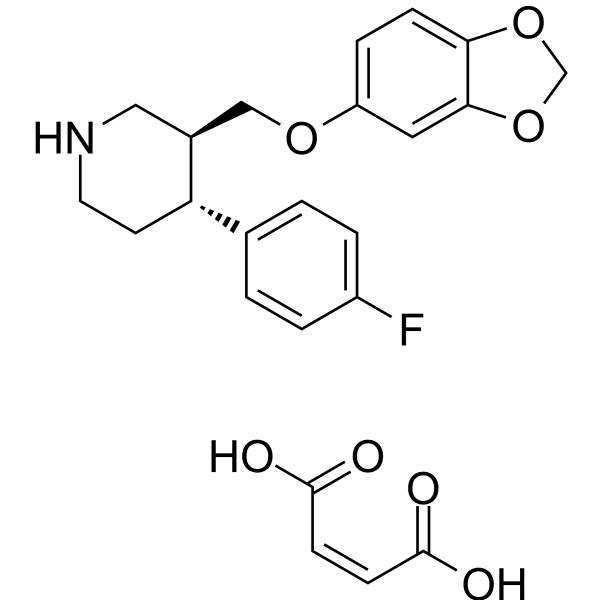
Paroxetine maleate is a potent and selective inhibitor of SSRI. Paroxetine maleate is used in generalized anxiety disorder, post traumatic stress disorder, premenstrual dysphoric disorder and chronic headache research.
For research use only. We do not sell to patients.
- Purity : 99.64%
- CAS No.: 64006-44-6
- Formula: C23H24FNO7
- Molecular Weight:445.44
-
Storage:
Store at room temperature, keep dry and cool.
In solvent -80°C, 1 year , -20°C, 6 months

To place orders, for customer services and technical support, please contact: MedChemExpress USA
Tel: 609-228-6898 E-mail: [email protected] [email protected]


-
 Biological Activity
-
Chemical Information
-
Solvent & Solubility
- Purity & Documentation
- References
-
 Help & FAQs


-
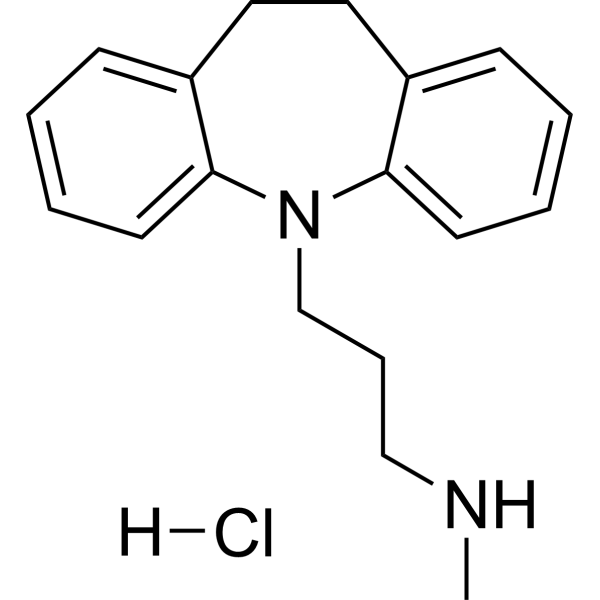
HY-B1272
Desipramine hydrochloride -
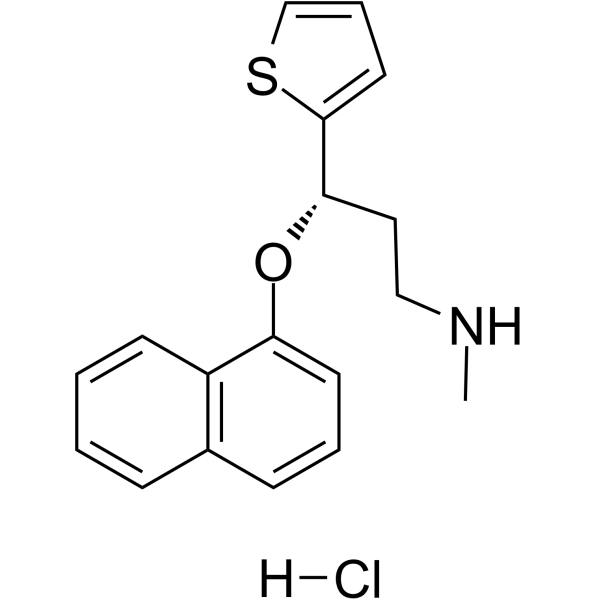
HY-B0161A
Duloxetine hydrochloride -
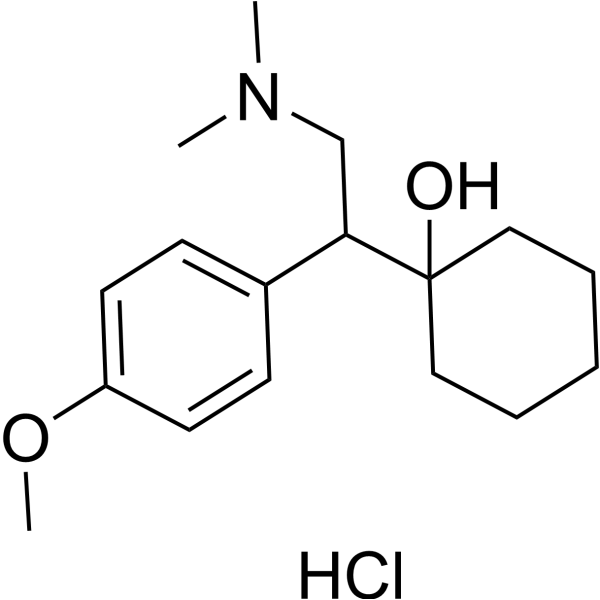
HY-B0196A
Venlafaxine hydrochloride -
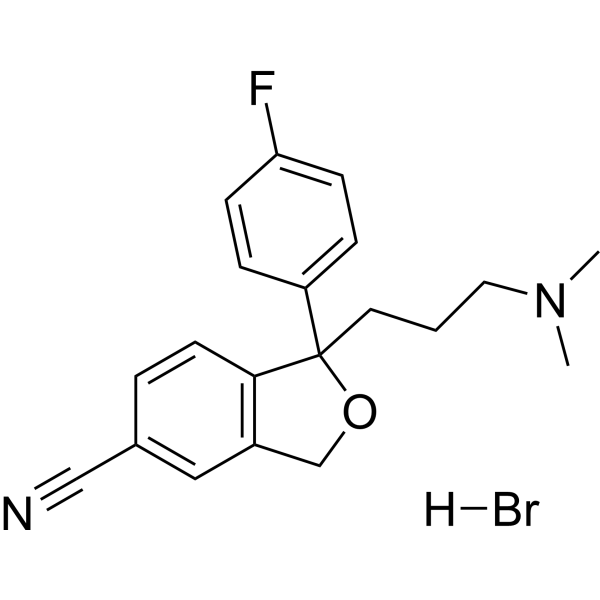
HY-B1287
Citalopram hydrobromide -
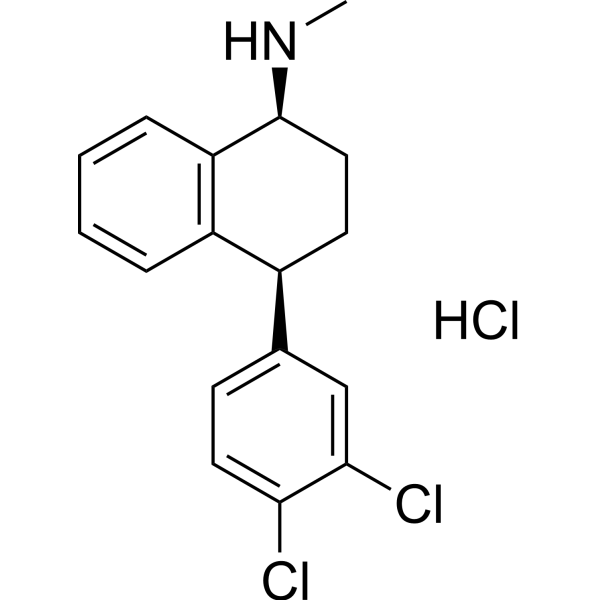
HY-B0176A
Sertraline hydrochloride -
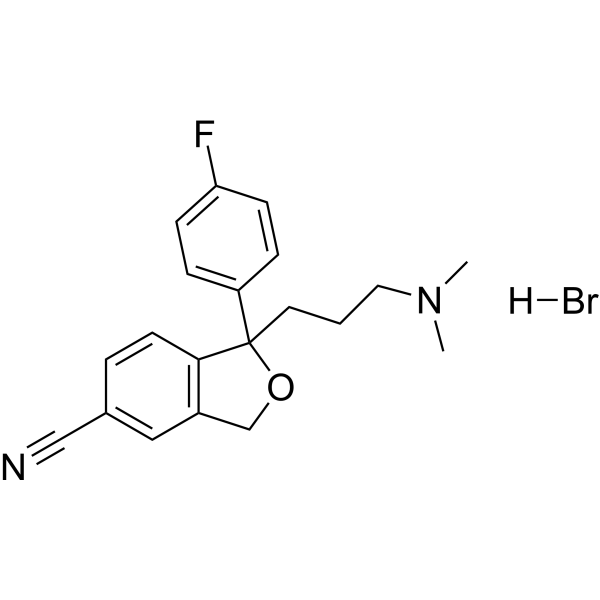
HY-B1287R
Citalopram hydrobromide (Standard) -
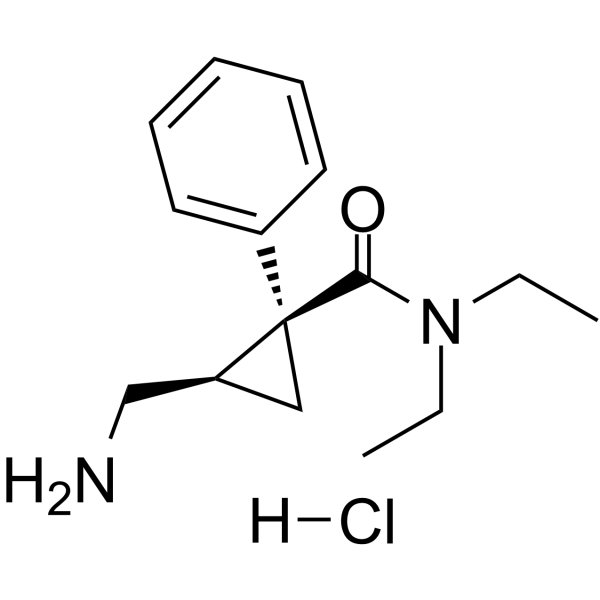
HY-B0168B
Levomilnacipran hydrochloride -
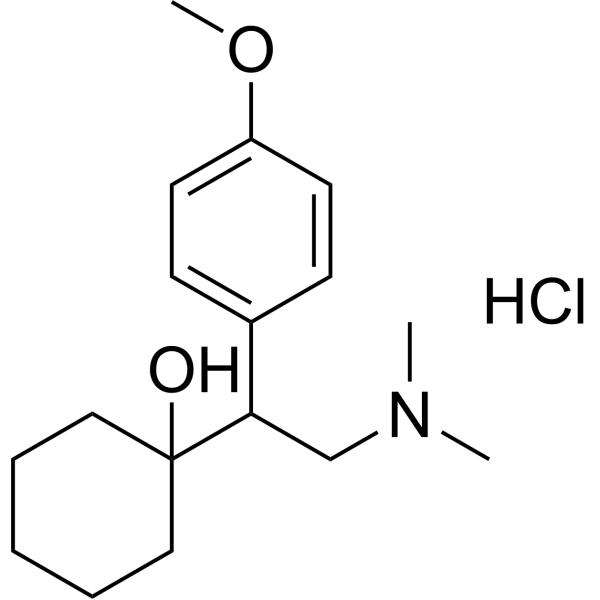
HY-B0196AR
Venlafaxine hydrochloride (Standard) -
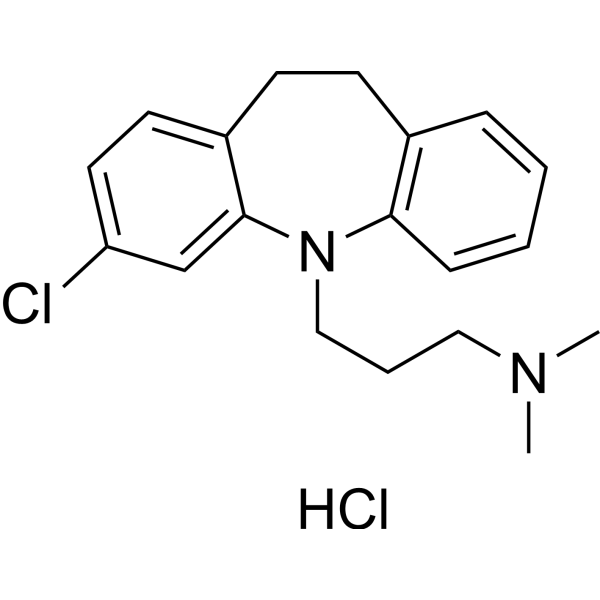
HY-B0457
Clomipramine hydrochloride -
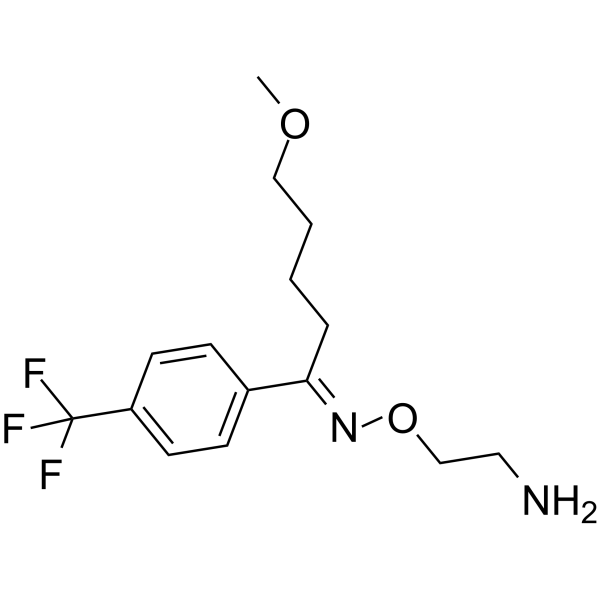
HY-B0103
Fluvoxamine -

HY-B0176AR
Sertraline hydrochloride (Standard) -
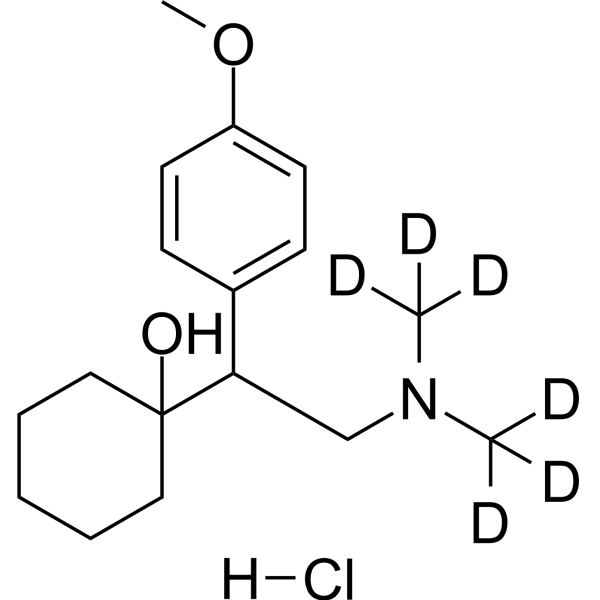
HY-B0196AS1
Venlafaxine-d6 hydrochloride
Publications Citing Use of MedChemExpress (MCE) Paroxetine maleate
More- NPJ Digit Med. 2025 Nov 17;8(1):663. [Abstract]
- Cell Rep. 2025 Apr 2;44(4):115489. [Abstract]
- Drug Des Devel Ther. 2026 Jan 27:20:561725. [Abstract]
- Drug Des Devel Ther. 2026 Jan 27;20:1-16.
- Pharmaceuticals (Basel). 2026 Apr 21;19(4):645. [Abstract]
- Int J Mol Sci. 2025 Mar 31;26(7):3236. [Abstract]
- Front Pharmacol. 2022 Jun 22:13:920643. [Abstract]
- Biochem Biophys Res Commun. 2024 Sep 17:725:150263. [Abstract]
 Customer Validation & Images

-
Cell Proliferation/Viability Assay
-
RT-PCR
-
WB
-
IF
-
Histological Imaging/Staining
All 5-HT Receptor Isoforms
More

Biological Activity
Description
IC50 & Target
|
CYP2D6 |
5-HT2 Receptor |
Clinical Trial
| NCT Number | Sponsor | Condition | Start Date |
Phase

|
|---|---|---|---|---|
| NCT01329991 | Plexxikon| | 2011-05 | PHASE1 |


Chemical Information
-
CAS No. 64006-44-6
-
Appearance Solid
-
Molecular Weight 445.44
-
Formula C23H24FNO7
-
Color White to off-white
-
SMILES
OC(/C=C\C(O)=O)=O.FC(C=C1)=CC=C1[C@H](CCNC2)[C@@H]2COC3=CC=C(OCO4)C4=C3
-
Synonyms
BRL29060 maleate
-
Shipping
Room temperature in continental US; may vary elsewhere.
-
Storage
Store at room temperature, keep dry and cool
In solvent -80°C 1 year -20°C 6 months


Publications (8)
-
Journal Impact Factor
-
Most Recent
-
NPJ Digit Med
Tandospirone augments cisplatin treatment by lowering cholesterol and managing distress in NSCLC patients. [Abstract]2025 Nov 17;8(1):663. PMID: 41249389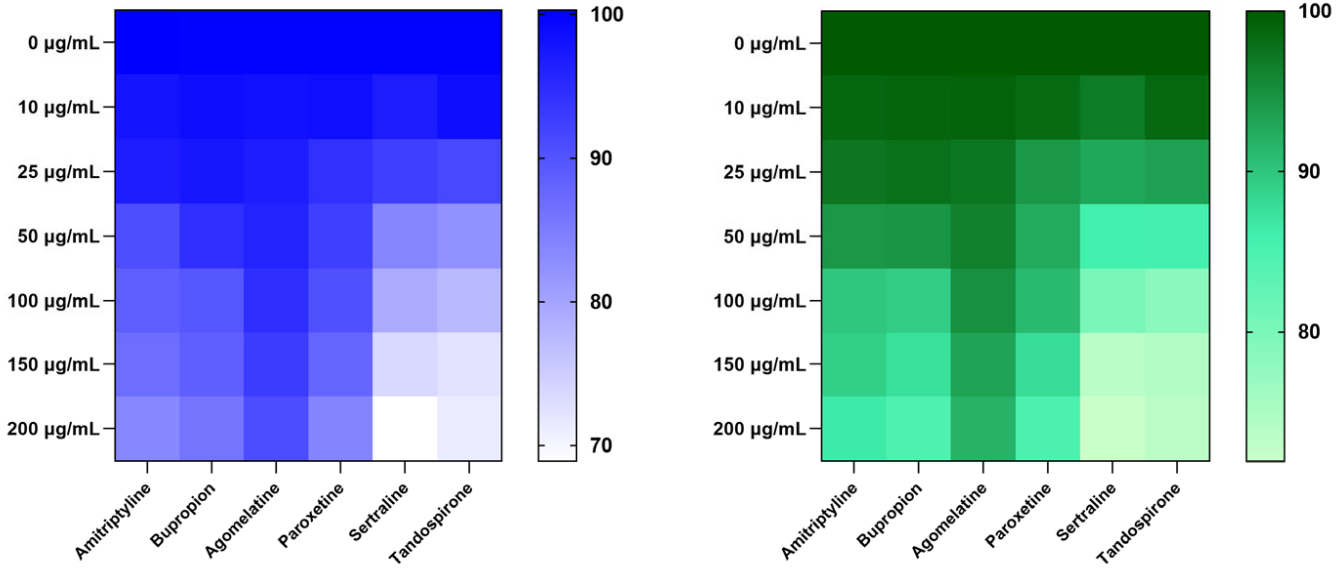
Paroxetine maleate purchased from MedChemExpress. Usage Cited in: NPJ Digit Med. 2025 Nov 17;8(1):663. [Abstract]
Heat map display of cell viabilities of A549 (Left) and H1299 (Right) cells after incubation with different concentrations of anti-ED compounds (Paroxetine (10–200 μg/mL), et al.) for 48 h. The results showed that paroxetine did not significantly promote tumor cell proliferation; instead, it exerted a mild inhibitory effect on cell growth at higher concentrations.
-
Cell Rep
LAMP2A-mediated neuronal hyperexcitability by enhancing NKAβ1 degradation underlies depression-induced allodynia. [Abstract]2025 Apr 2;44(4):115489. PMID: 40178973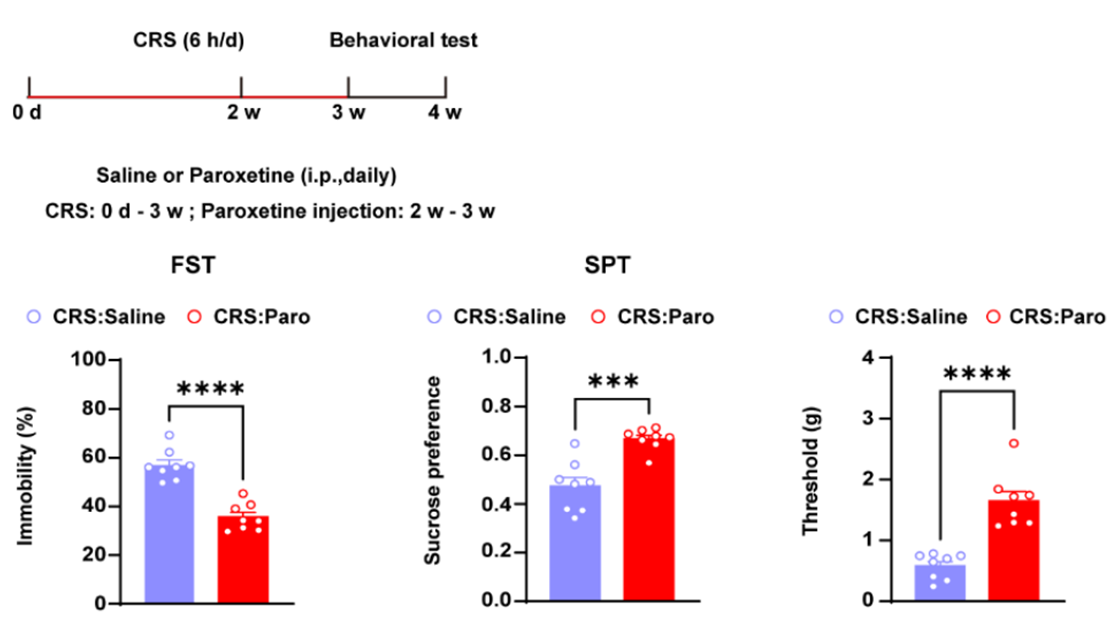
Paroxetine maleate purchased from MedChemExpress. Usage Cited in: Cell Rep. 2025 Apr 2;44(4):115489. [Abstract]
Paroxetine (5 mg/kg; i.p.; once daily for 2–3 weeks) alleviated pain and depression-like symptoms in mice subjected to chronic restraint stress (CRS).
-
Drug Des Devel Ther
Paroxetine as a Therapeutic Agent in Inflammatory Osteolysis: Mechanistic Insights and Efficacy. [Abstract]2026 Jan 27:20:561725. PMID: 41868178 -
Paroxetine maleate purchased from MedChemExpress. Usage Cited in: Drug Des Devel Ther. 2026 Jan 27;20:1-16.
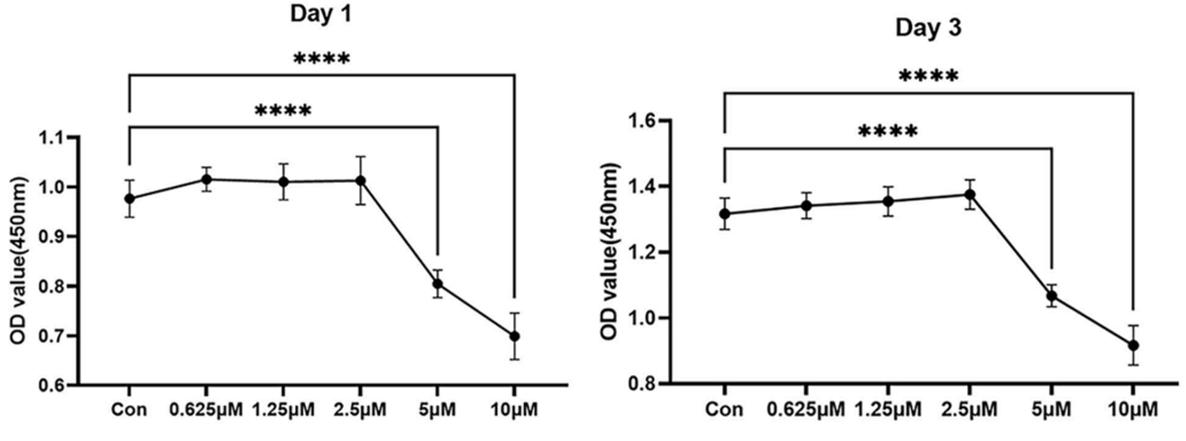
CCK-8 assay was performed with different concentrations of Paroxetine (0.0625-10 μM) in BMMs for 1 day and 3 days.
Paroxetine maleate purchased from MedChemExpress. Usage Cited in: Drug Des Devel Ther. 2026 Jan 27;20:1-16.
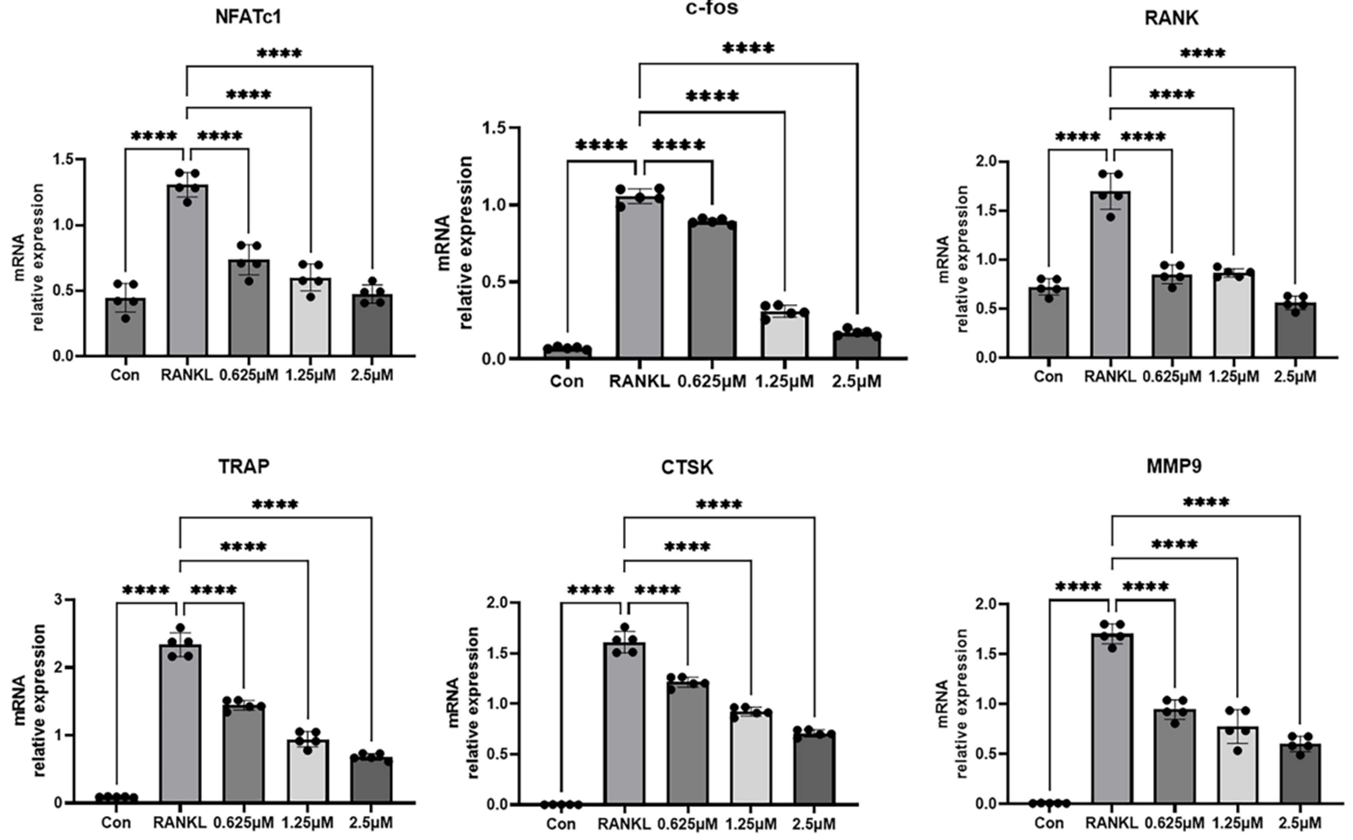
Assessment of mRNA expression levels of osteoclastogenesis-associated marker genes after administration with Paroxetine (0.0625-2.5 μM) by RT-qPCR, including NFATc1, c-fos, RANK, TRAP, Cathepsin K, and MMP9. he results showed that Paroxetine inhibited the expression of NFATc1, c-fos, RANK, TRAP, Cathepsin K, and MMP9 genes in a concentration-dependent manner.
Paroxetine maleate purchased from MedChemExpress. Usage Cited in: Drug Des Devel Ther. 2026 Jan 27;20:1-16.
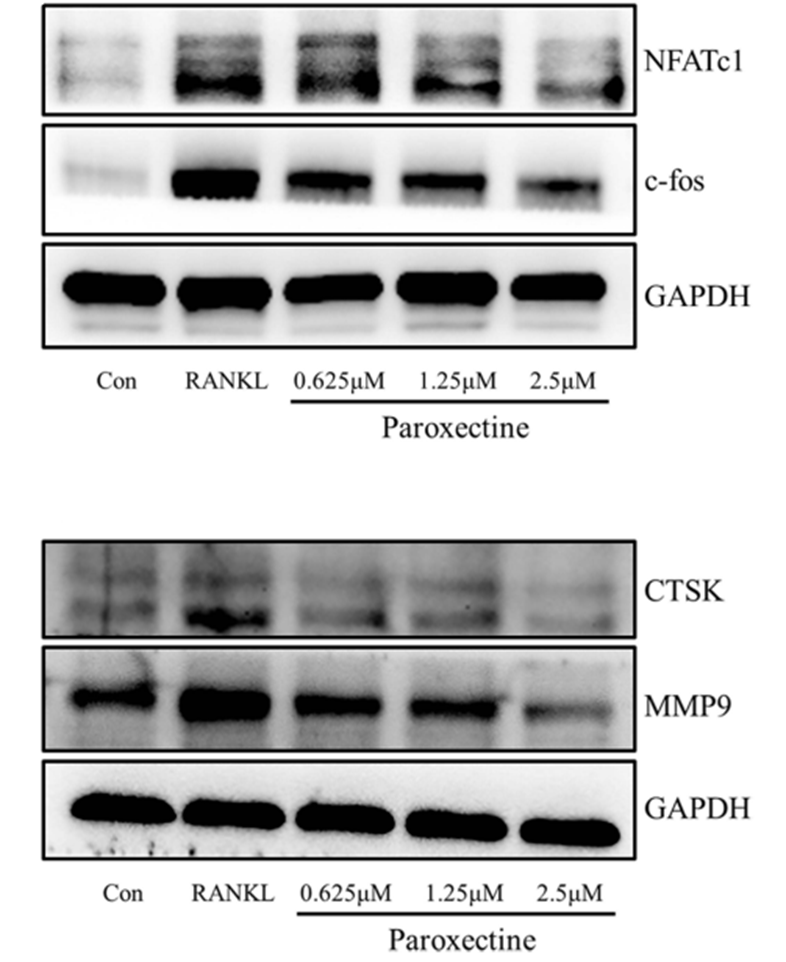
Assessment of protein expression levels of NFATc1, c-fos, Cathepsin K and MMP9 after administration with Paroxetine (0.0625-2.5 μM; pretreatment 2 h before stimulation+ 3 d after stimulation) by Western blot. The results demonstrated that, following RANKL stimulation, the protein expression levels of NFATc1, c-fos, CTSK, and MMP9 significantly increased. However, Paroxetine reduced the expression levels of these proteins in osteoclasts in a concentration-dependent manner.
Paroxetine maleate purchased from MedChemExpress. Usage Cited in: Drug Des Devel Ther. 2026 Jan 27;20:1-16.
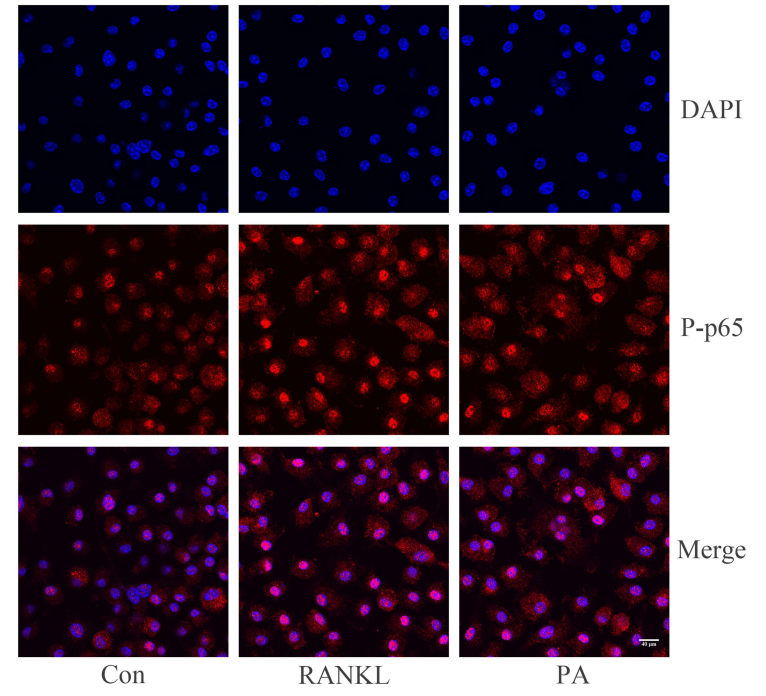
Representative fluorescence images of P65 nuclear translocation following RANKL stimulation without or with Paroxetine (PA) (pretreatment 6 h). The results showed that RANKL stimulation led to a significant increase in the mean nuclear fluorescence intensity of p65, whereas Paroxetine treatment attenuated this effect.
Paroxetine maleate purchased from MedChemExpress. Usage Cited in: Drug Des Devel Ther. 2026 Jan 27;20:1-16.
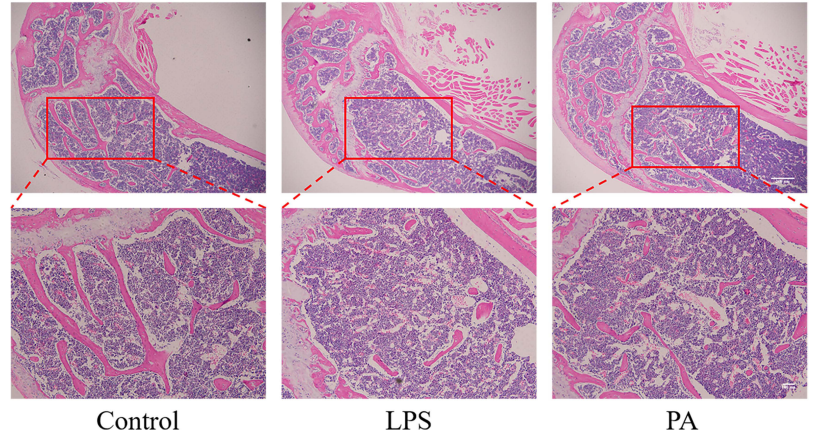
Histopathology photographs of femoral samples after HE-stained sections. The results revealed that the trabecular bone in the distal femoral region of mice in the LPS group became sparse and thin. In contrast, Paroxetine (PA, 20 mg/kg; i.p.; once daily for 10 days) effectively alleviated bone loss, as evidenced by the intact and well-ordered arrangement of trabeculae in mice of this group.
Paroxetine maleate purchased from MedChemExpress. Usage Cited in: Drug Des Devel Ther. 2026 Jan 27;20:1-16.
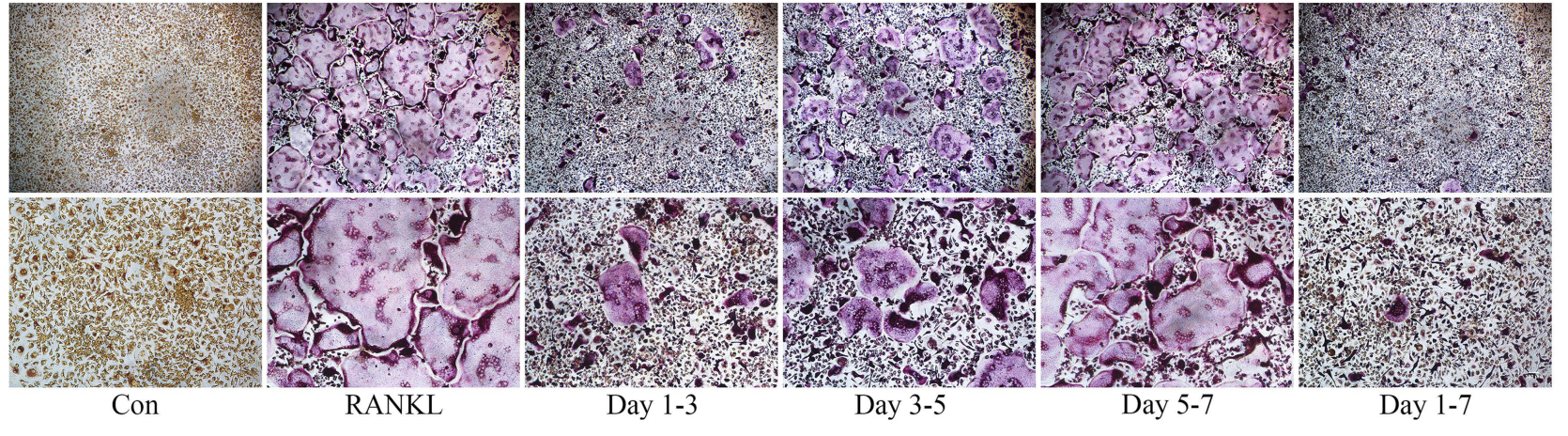
Representative TRAP staining images of RANKL-induced osteoclasts treated with Paroxetine (2.5 μM) on specified days. The results showed that the addition of Paroxetine during the early stage of differentiation (days 1-3) significantly inhibited osteoclast formation. In contrast, when bone marrow-derived macrophages (BMMs) were exposed to Paroxetine from days 3-5 or days 5-7, the number of osteoclasts was also reduced, but the inhibitory effect was less pronounced compared to the early-stage (days 1–3) exposure.
-
Pharmaceuticals (Basel)
Comparative Pharmacological Profiling of Psychotherapeutic Drugs Reveals a Functional Taxonomy Based on Direct Inhibition of Smooth Muscle Excitability. [Abstract]2026 Apr 21;19(4):645. PMID: 42075900 -
Int J Mol Sci
Lidocaine Modulates Cytokine Production and Reprograms the Tumor Immune Microenvironment to Enhance Anti-Tumor Immune Responses in Gastric Cancer. [Abstract]2025 Mar 31;26(7):3236. PMID: 40244064 -
Front Pharmacol
2022 Jun 22:13:920643. PMID: 35814244 -
Biochem Biophys Res Commun
Screening of potential drugs for the treatment of diabetic kidney disease using single-cell transcriptome sequencing and connectivity map data. [Abstract]2024 Sep 17:725:150263. PMID: 38905995


Solvent & Solubility
In Vitro:
DMSO : 100 mg/mL (224.50 mM; Need ultrasonic; Hygroscopic DMSO has a significant impact on the solubility of product, please use newly opened DMSO)
Please refer to the solubility information to select the appropriate solvent. Once prepared, please aliquot and store the solution to prevent product inactivation from repeated freeze-thaw cycles.
Storage method and period of stock solution: -80°C, 1 year; -20°C, 6 months. When stored at -80°C, please use it within 1 year. When stored at -20°C, please use it within 6 months.
Please refer to the solubility information to select the appropriate solvent. Once prepared, please aliquot and store the solution to prevent product inactivation from repeated freeze-thaw cycles.
Storage method and period of stock solution: -80°C, 1 year; -20°C, 6 months. When stored at -80°C, please use it within 1 year. When stored at -20°C, please use it within 6 months.
Concentration (start) × Volume (start) = Concentration (final) × Volume (final)
In Vivo:
Select the appropriate dissolution method based on your experimental animal and administration route.
- For the following dissolution methods, please ensure to first prepare a clear stock solution using an In Vitro approach and then sequentially add co-solvents:
- To ensure reliable experimental results, the clarified stock solution can be appropriately stored based on storage conditions. As for the working solution for In Vivo experiments, it is recommended to prepare freshly and use it on the same day.
- The percentages shown for the solvents indicate their volumetric ratio in the final prepared solution. If precipitation or phase separation occurs during preparation, heat and/or sonication can be used to aid dissolution.
Add each solvent one by one: 10% DMSO 40% PEG300 5% Tween-80 45% Saline
Solubility: ≥ 5 mg/mL (11.22 mM); Clear solution
This protocol yields a clear solution of ≥ 5 mg/mL (saturation unknown).
Taking 1 mL working solution as an example, add 100 μL DMSO stock solution (50.0 mg/mL) to 400 μL PEG300, and mix evenly; then add 50 μL Tween-80 and mix evenly; then add 450 μL Saline to adjust the volume to 1 mL.
Preparation of Saline: Dissolve 0.9 g sodium chloride in ddH₂O and dilute to 100 mL to obtain a clear Saline solution.
Add each solvent one by one: 10% DMSO 90% (20% SBE-β-CD in Saline)
Solubility: ≥ 5 mg/mL (11.22 mM); Clear solution
This protocol yields a clear solution of ≥ 5 mg/mL (saturation unknown).
Taking 1 mL working solution as an example, add 100 μL DMSO stock solution (50.0 mg/mL) to 900 μL 20% SBE-β-CD in Saline, and mix evenly.
Preparation of 20% SBE-β-CD in Saline (4°C, storage for one week): 2 g SBE-β-CD powder is dissolved in 10 mL Saline, completely dissolve until clear.
In Vivo Dissolution Calculator
Please enter the basic information of animal experiments:
-
-
-
-
Recommended: Prepare an additional quantity of animals to account for potential losses during experiments.
Please enter your animal formula composition:
-
%DMSO +
Recommended: Keep the proportion of DMSO in working solution below 2% if your animal is weak.
-
%+
-
+%Tween-80 + +
-
%Saline +
The co-solvents required include: DMSO, . All of co-solvents are available by MedChemExpress (MCE). , Tween 80. All of co-solvents are available by MedChemExpress (MCE).
Working solution concentration: 0.22 mg/mL
Method for preparing stock solution: mg drug dissolved in μL DMSO. Stock solution concentration: mg/mL.
1. Take μL DMSO stock solution;
2. Add μL .
μL , mix evenly;
3. Then add μL Tween 80, mix evenly;
4. Then add μL
Please ensure that the stock solution in the first step is dissolved to a clear state, and add co-solvents in sequence. You can use ultrasonic heating (ultrasonic cleaner, recommended frequency 20-40 kHz), vortexing, etc. to assist dissolution.


Purity & Documentation
-
Data Sheet (280 KB)
-
SDS (396 KB)
- English - EN (396 KB)
- Français - FR (396 KB)
- Deutsch - DE (396 KB)
- Norwegian - NO (396 KB)
- Español - ES (396 KB)
- Swedish - SV (396 KB)
- Italian - IT (396 KB)
- Korean - KR (396 KB)
- Portuguese - PT (396 KB)
-
Handling Instructions (2659 KB)
References
[1]. Bourin M, et al. Paroxetine: a review[J]. CNS drug reviews, 2001, 7(1): 25-47.
[2]. Nevels RM, et al. Paroxetine-The Antidepressant from Hell? Probably Not, But Caution Required. Psychopharmacology bulletin. 2016 Mar 01;46(1):77-104. [Content Brief]
[3]. Durairaj H, et al. Paroxetine differentially modulates LPS-induced TNFα and IL-6 production in mouse macrophages. International immunopharmacology. 2015 Apr;25(2):485-92. [Content Brief]
[4]. Young-Woo Cho, et al. Paroxetine Induces Apoptosis of Human Breast Cancer MCF-7 Cells through Ca2+-and p38 MAP Kinase-Dependent ROS Generation. Cancers (Basel). 2019 Jan 9;11(1):64. [Content Brief]
[5]. Malek Zarei, et al. Paroxetine attenuates the development and existing pain in a rat model of neurophatic pain. Iran Biomed J. 2014;18(2):94-100. [Content Brief]
[6]. S Lightowler, et al. Anxiolytic-like effect of paroxetine in a rat social interaction test. Pharmacol Biochem Behav. 1994 Oct;49(2):281-5. [Content Brief]


Complete Stock Solution Preparation Table
Please refer to the solubility information to select the appropriate solvent. Once prepared, please aliquot and store the solution to prevent product inactivation from repeated freeze-thaw cycles.
Storage method and period of stock solution: -80°C, 1 year; -20°C, 6 months. When stored at -80°C, please use it within 1 year. When stored at -20°C, please use it within 6 months.
| Optional Solvent | Concentration Solvent Mass | 1 mg | 5 mg | 10 mg | 25 mg |
|---|---|---|---|---|---|
| DMSO | 1 mM | 2.2450 mL | 11.2249 mL | 22.4497 mL | 56.1243 mL |
| 5 mM | 0.4490 mL | 2.2450 mL | 4.4899 mL | 11.2249 mL | |
| 10 mM | 0.2245 mL | 1.1225 mL | 2.2450 mL | 5.6124 mL | |
| 15 mM | 0.1497 mL | 0.7483 mL | 1.4966 mL | 3.7416 mL | |
| 20 mM | 0.1122 mL | 0.5612 mL | 1.1225 mL | 2.8062 mL | |
| 25 mM | 0.0898 mL | 0.4490 mL | 0.8980 mL | 2.2450 mL | |
| 30 mM | 0.0748 mL | 0.3742 mL | 0.7483 mL | 1.8708 mL | |
| 40 mM | 0.0561 mL | 0.2806 mL | 0.5612 mL | 1.4031 mL | |
| 50 mM | 0.0449 mL | 0.2245 mL | 0.4490 mL | 1.1225 mL | |
| 60 mM | 0.0374 mL | 0.1871 mL | 0.3742 mL | 0.9354 mL | |
| 80 mM | 0.0281 mL | 0.1403 mL | 0.2806 mL | 0.7016 mL | |
| 100 mM | 0.0224 mL | 0.1122 mL | 0.2245 mL | 0.5612 mL |


Paroxetine maleate Related Classifications
HY-110029 Related Classifications
 Powered by Bioz