



Colistin sulfate
Based on 31 publication(s) in Google Scholar
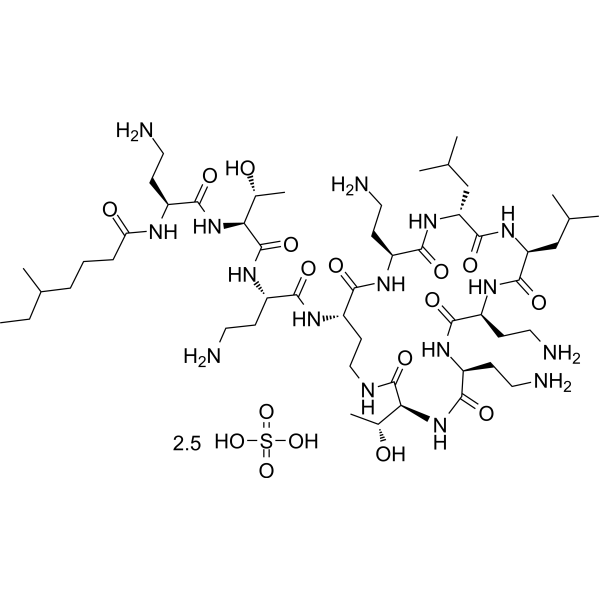
Colistin sulfate is a polypeptide antibiotic which inhibits gram-negative bacteria by binding to lipopolysaccharides and phospholipids in the outer cell membrane of gram-negative bacteria.
For research use only. We do not sell to patients.
- Purity : 98.0%
- CAS No.: 1264-72-8
-
Storage:
4°C, sealed storage, away from moisture
* In solvent : -80°C, 6 months; -20°C, 1 month (sealed storage, away from moisture)

To place orders, for customer services and technical support, please contact: MedChemExpress USA
Tel: 609-228-6898 E-mail: [email protected] [email protected]


-
 Biological Activity
-
Chemical Information
-
Solvent & Solubility
- Protocols
- Purity & Documentation
- References
-
 Help & FAQs


-
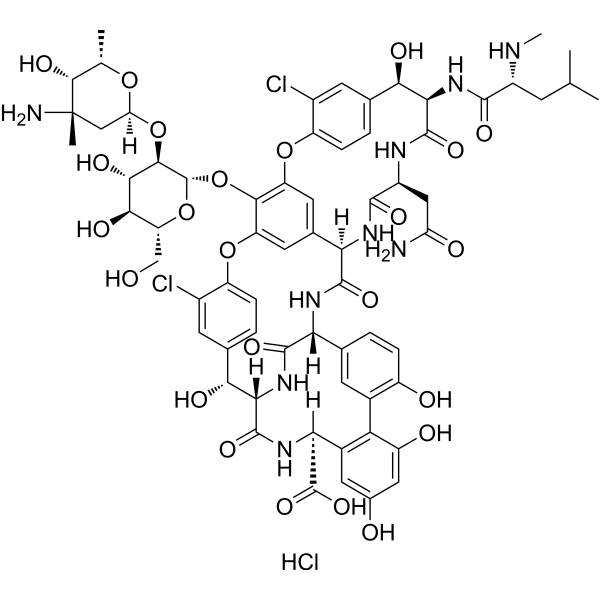
HY-17362
Vancomycin hydrochlorideAntibiotic -
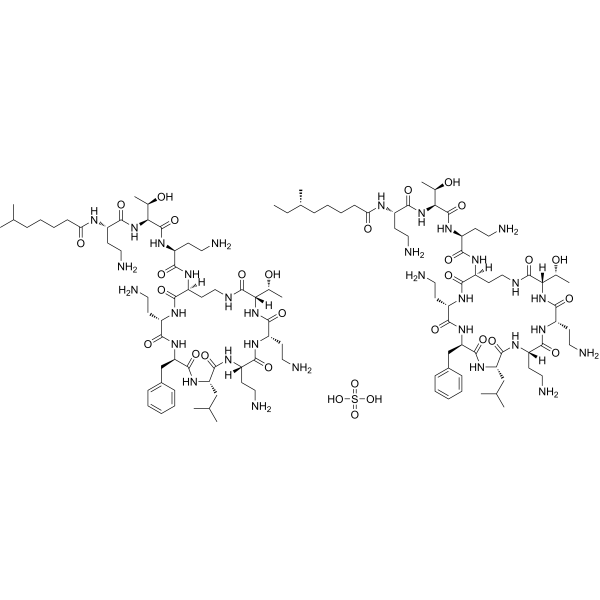
HY-A0248
Polymyxin B SulfateAntibiotic -
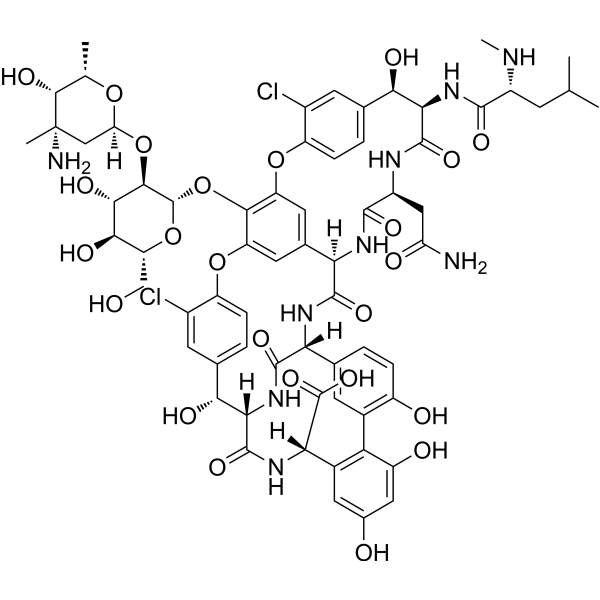
HY-B0671
VancomycinAntibiotic -
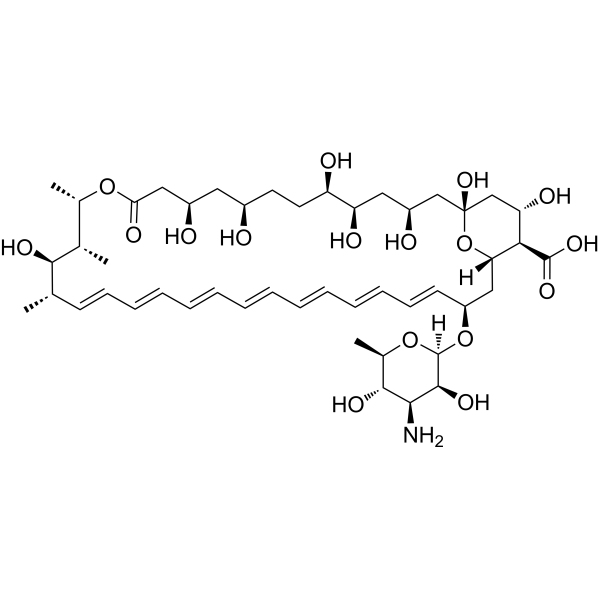
HY-B0221
Amphotericin BAntifungal Agent -
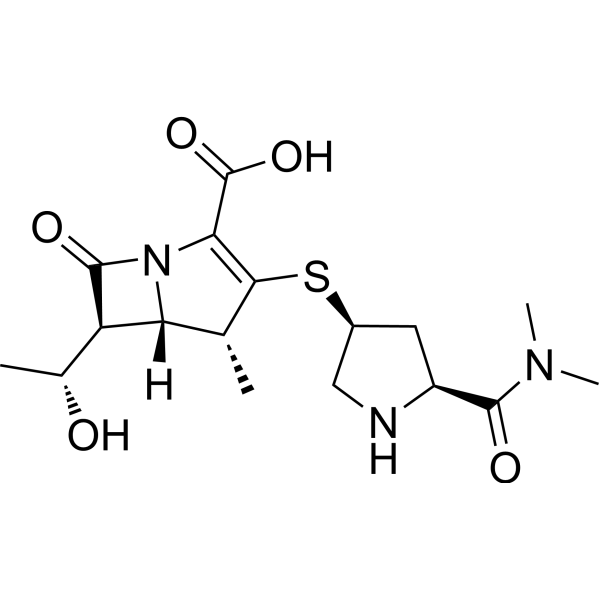
HY-13678
MeropenemAntimicrobial Agent -
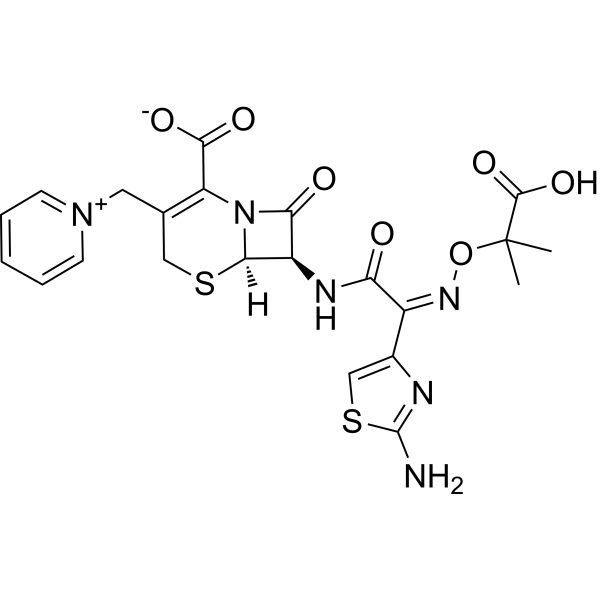
HY-B0593
CeftazidimeAntibiotic -
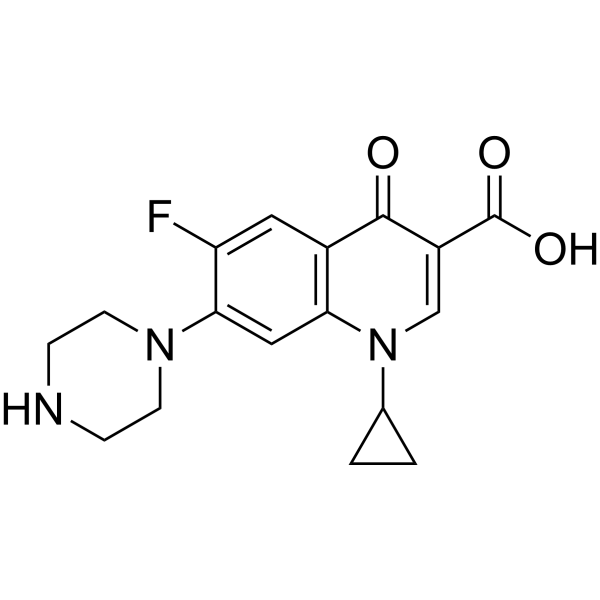
HY-B0356
CiprofloxacinTopoisomerase IV Inhibitor -
HY-A0276
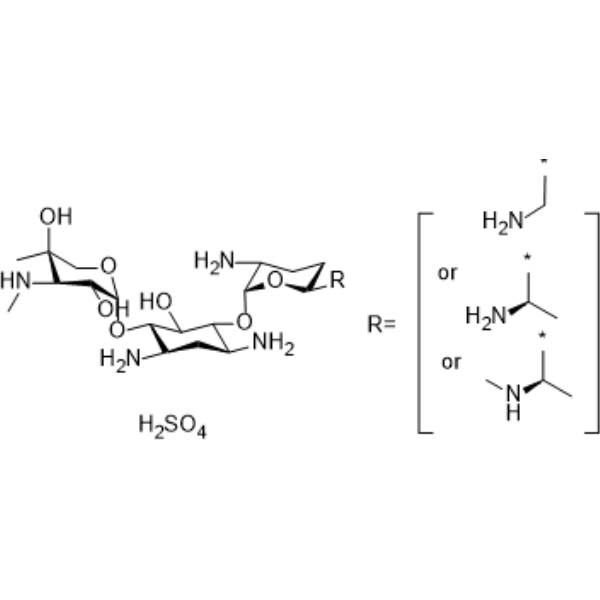
Gentamicin sulfateAminoglycoside Antibiotic -
HY-B0522A
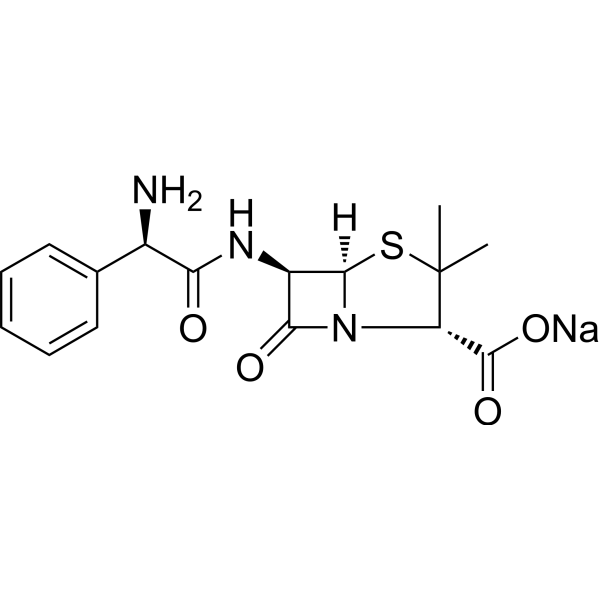
Ampicillin sodiumBacterial Inhibitor -
HY-B0239
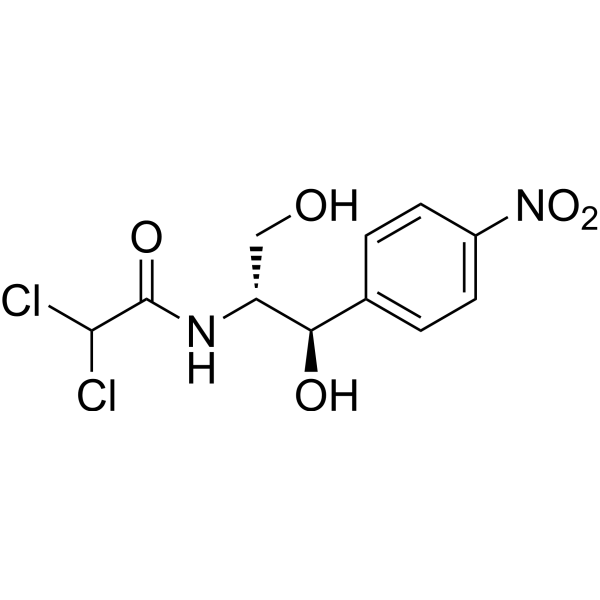
ChloramphenicolHIF-1α Inhibitor -
HY-B0272
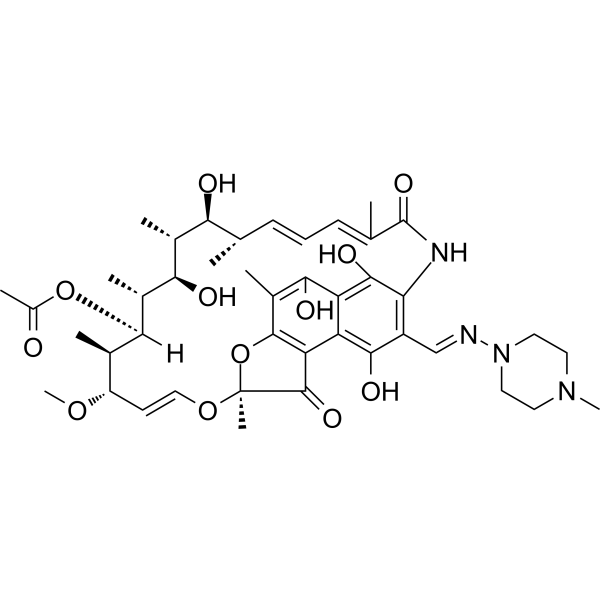
RifampicinAntivirus Agent -
HY-B0117
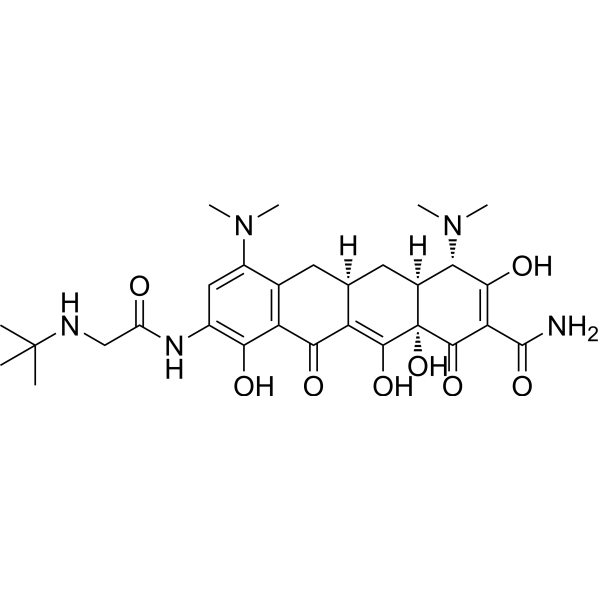
TigecyclineBacterial Inhibitor
Publications Citing Use of MedChemExpress (MCE) Colistin sulfate
More- Cell Host Microbe. 2025 Jun 11;33(6):915-931.e9. [Abstract]
- Cell Host Microbe. 2024 Jun 12;32(6):964-979.e7. [Abstract]
- Nat Commun. 2024 Sep 10;15(1):7914. [Abstract]
- Nat Commun. 2022 Mar 2;13(1):1116. [Abstract]
- Adv Sci (Weinh). 2020 Jul 21;7(17):2001374. [Abstract]
- Dev Cell. 2025 May 15:S1534-5807(25)00287-4. [Abstract]
- Food Res Int. 2026 Jul 31:236:119200. [Abstract]
- Clin Microbiol Infect. 2020 Sep;26(9):1264-1265. [Abstract]
- Cell Mol Gastroenterol Hepatol. 2025;19(6):101474. [Abstract]
- Emerg Microbes Infect. 2024 Dec;13(1):2321981. [Abstract]
- Virulence. 2026 Dec 31;17(1):2646808. [Abstract]
- Int Immunopharmacol. 2025 Jun 26:159:114888. [Abstract]
- Arthritis Res Ther. 2025 Jul 7;27(1):137. [Abstract]
- Sci Rep. 2025 May 8;15(1):16114. [Abstract]
- Microorganisms. 2024 Mar 13;12(3):575. [Abstract]
- Antimicrob Agents Chemother. 2025 Aug 6;69(8):e0037925. [Abstract]
- Microbiol Spectr. 2026 Mar 23:e0328925. [Abstract]
- Hum Exp Toxicol. 2021 Oct;40(10):1767-1780. [Abstract]
- Infect Drug Resist. 2026 May 8;19.
- Animal Diseases. 2024 Apr 3.
- Anim Dis. 2021;1(1):26. [Abstract]
- PLoS One. 2026 Jul 8;21(7):e0352997.
- PLoS One. 2025 Jul 10;20(7):e0328167. [Abstract]
- Vet Microbiol. 2024 May:292:110046. [Abstract]
- J Antibiot (Tokyo). 2025 Mar;78(4):265-273. [Abstract]
- J Antibiot (Tokyo). 2019 Aug;72(8):600-604. [Abstract]
- Biofouling. 2026 Aug;42(7):771-781.
- J Microbiol Methods. 2026 Feb 25:107441. [Abstract]
- bioRxiv. 2025 January 19.
- bioRxiv. 2025 January 25.
- Patent. US20200101105A1.
 Customer Validation & Images

-
Histological Imaging/Staining
-
RT-PCR
-
Histological Imaging/Staining
-
Histological Imaging/Staining
-
In Vivo Efficacy Study
All Antibiotic Isoforms
More

Biological Activity
Description
In Vitro
Colistins are bactericidal to gram-negative bacteria by a detergent-like mechanism. This mechanism involves interaction with lipopolysaccharides and phospholipids of the outer membrane and electrostatic interference with the outer membrane by competitively displacing divalent cations (calcium and magnesium) from the negatively charged phosphate groups of membrane lipids[1]. Colistin (polymyxin E) owns favorable properties of rapid bacterial killing, a narrow spectrum of activity, and an associated slow development of resistance for the treatment of infections caused by multidrug-resistant gram-negative bacteria. There are two forms of colistin available commercially: colistin (sulfate) mainly for topical use and colistin methanesulfonate (sodium) for parenteral use[2].
MedChemExpress (MCE) has not independently confirmed the accuracy of these methods. They are for reference only.
In Vivo
MedChemExpress (MCE) has not independently confirmed the accuracy of these methods. They are for reference only.


Chemical Information
-
CAS No. 1264-72-8
-
Appearance Solid
-
Color White to off-white
-
SMILES
[H][C@@]([C@@H](C)O)(NC([C@@H](NC([C@@H](NC([C@@H](NC([C@H](NC([C@@H](N1)CCN)=O)CC(C)C)=O)CC(C)C)=O)CCN)=O)CCN)=O)C(NCC[C@H](NC([C@@H](NC([C@@H](NC([C@@H](NC(CCC[R])=O)CCN)=O)[C@@H](C)O)=O)CCN)=O)C1=O)=O.[C]C(C)C.[C][C@H](CC)C.O=S(O)(O)=O.[R:].[R:].[Colistin B].[Colistin A].[2.5]
-
Synonyms
Polymyxin E sulfate
-
Structure Classification
-
Initial Source
Bacillus polymyxa var. colistinus
-
Shipping
Room temperature in continental US; may vary elsewhere.
-
Storage
4°C, sealed storage, away from moisture
* In solvent : -80°C, 6 months; -20°C, 1 month (sealed storage, away from moisture)


Publications (31)
-
Journal Impact Factor
-
Most Recent
-
Cell Host Microbe
Microbiota-derived urocanic acid triggered by tyrosine kinase inhibitors potentiates cancer immunotherapy efficacy. [Abstract]2025 Jun 11;33(6):915-931.e9. PMID: 40441145 -
Cell Host Microbe
Candida albicans accelerates atherosclerosis by activating intestinal hypoxia-inducible factor2α signaling. [Abstract]2024 Jun 12;32(6):964-979.e7. PMID: 38754418 -
Nat Commun
A mouse protozoan boosts antigen-specific mucosal IgA responses in a specific lipid metabolism- and signaling-dependent manner. [Abstract]2024 Sep 10;15(1):7914. PMID: 39256385
Colistin sulfate purchased from MedChemExpress. Usage Cited in: Nat Commun. 2024 Sep 10;15(1):7914. [Abstract]
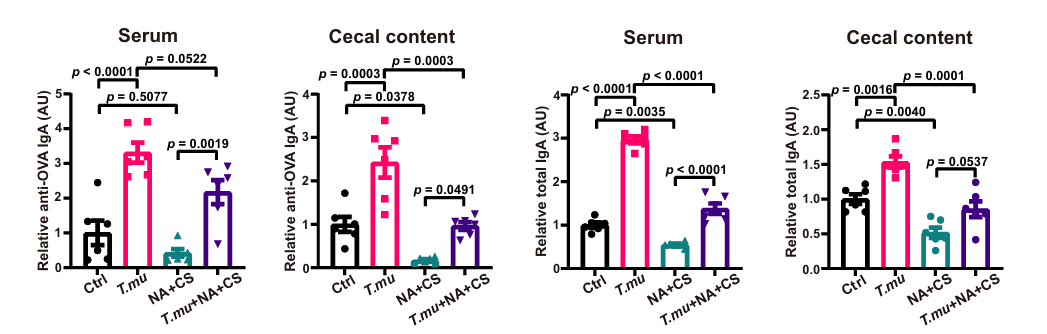
The relative levels of serum anti-OVA IgA, cecal content anti-OVA IgA, serum total IgA, and cecal content total IgA of control (Ctrl) and T. mu-colonized mice with or without NA+ Colistin sulfate (600μg/mouse) treatments were determined 14 days after intraperitoneal immunization.
-
Nat Commun
Antimicrobial resistance and population genomics of multidrug-resistant Escherichia coli in pig farms in mainland China. [Abstract]2022 Mar 2;13(1):1116. PMID: 35236849 -
Adv Sci (Weinh)
A Macromolecule Reversing Antibiotic Resistance Phenotype and Repurposing Drugs as Potent Antibiotics. [Abstract]2020 Jul 21;7(17):2001374. PMID: 32995131 -
Dev Cell
Stress-induced pro-inflammatory glioblastoma stem cells secrete TNFAIP6 to enhance tumor growth and induce suppressive macrophages. [Abstract]2025 May 15:S1534-5807(25)00287-4. PMID: 40403724 -
Food Res Int
Fructooligosaccharides alleviate early-life antibiotic-exposed food allergy via the Indole-3-propionic acid-AhR-Nrf2 Axis: A multi-omics prospective cohort study. [Abstract]2026 Jul 31:236:119200. PMID: 42116470 -
Clin Microbiol Infect
Emergence of ceftazidime/avibactam resistance in KPC-8-producing Klebsiella pneumoniae in South America. [Abstract]2020 Sep;26(9):1264-1265. PMID: 32217161 -
Cell Mol Gastroenterol Hepatol
2025;19(6):101474. PMID: 39923847 -
Emerg Microbes Infect
AMXT-1501 targets membrane phospholipids against Gram-positive and -negative multidrug-resistant bacteria. [Abstract]2024 Dec;13(1):2321981. PMID: 38422452 -
Virulence
Antibacterial efficacy and mechanism of the novel antimicrobial peptide lachnospirin-1 against Acinetobacter baumannii. [Abstract]2026 Dec 31;17(1):2646808. PMID: 41838520 -
Int Immunopharmacol
Early-life antibiotic dysbiosis impairs microbial tryptophan- nicotinic acid metabolism exacerbating food allergy in adulthood. [Abstract]2025 Jun 26:159:114888. PMID: 40403504 -
Arthritis Res Ther
Gut microbiome dysbiosis accelerates osteoarthritis progression by inducing IFP-SM inflammation in "double-hit" mice. [Abstract]2025 Jul 7;27(1):137. PMID: 40624668
Colistin sulfate purchased from MedChemExpress. Usage Cited in: Arthritis Res Ther. 2025 Jul 7;27(1):137. [Abstract]
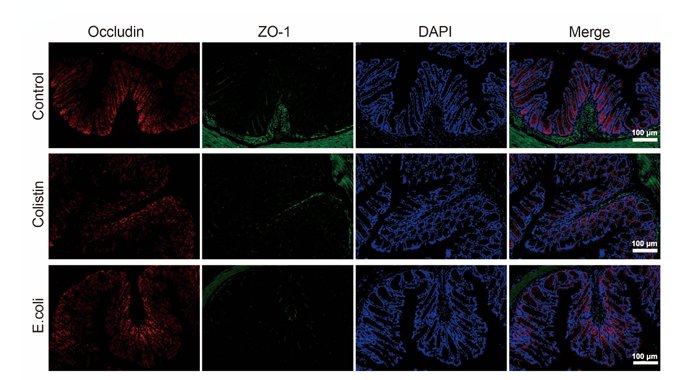
Colistin sulfate (150 mg/L; 12 weeks). The colonic tissue IF results showed significantly decreased expression of Occludin and, in particular, ZO-1 in the colistin and E. coli groups.
Colistin sulfate purchased from MedChemExpress. Usage Cited in: Arthritis Res Ther. 2025 Jul 7;27(1):137. [Abstract]
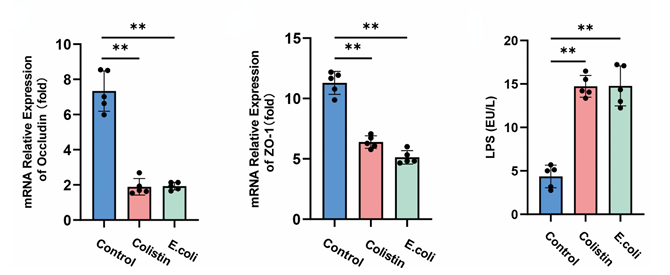
Colistin sulfate (150 mg/L; 12 weeks). Significantly decreased mRNA expression of Occludin and ZO-1 was observed in the colistin and E. coli groups compared with the control group.
Colistin sulfate purchased from MedChemExpress. Usage Cited in: Arthritis Res Ther. 2025 Jul 7;27(1):137. [Abstract]
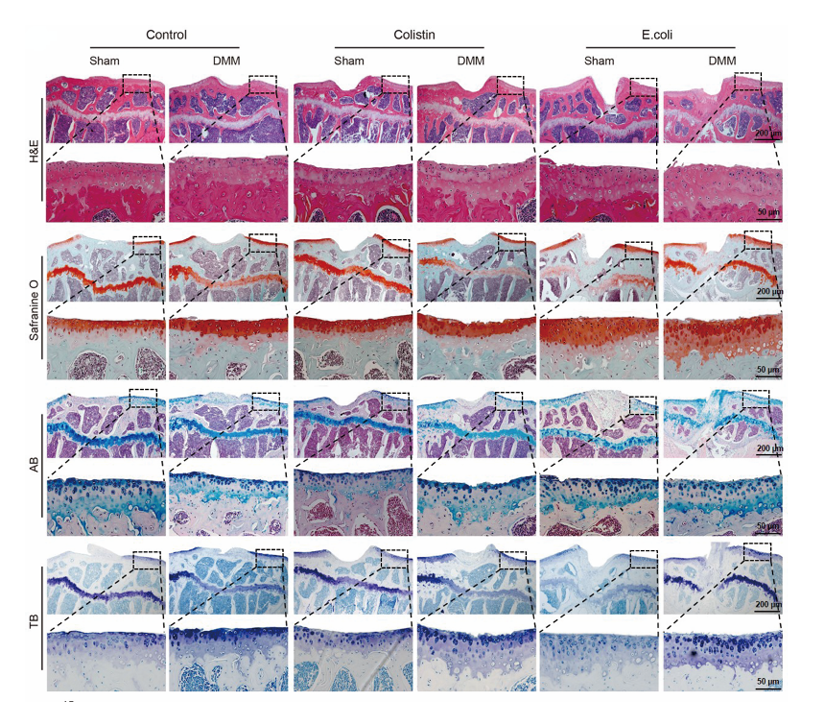
Colistin sulfate (150 mg/L; 12 weeks) was administered. Representative images of H&E, Safranin O, AB, and TB staining of the mice tibial plateau from the three groups at 12 weeks were obtained.
Colistin sulfate purchased from MedChemExpress. Usage Cited in: Arthritis Res Ther. 2025 Jul 7;27(1):137. [Abstract]
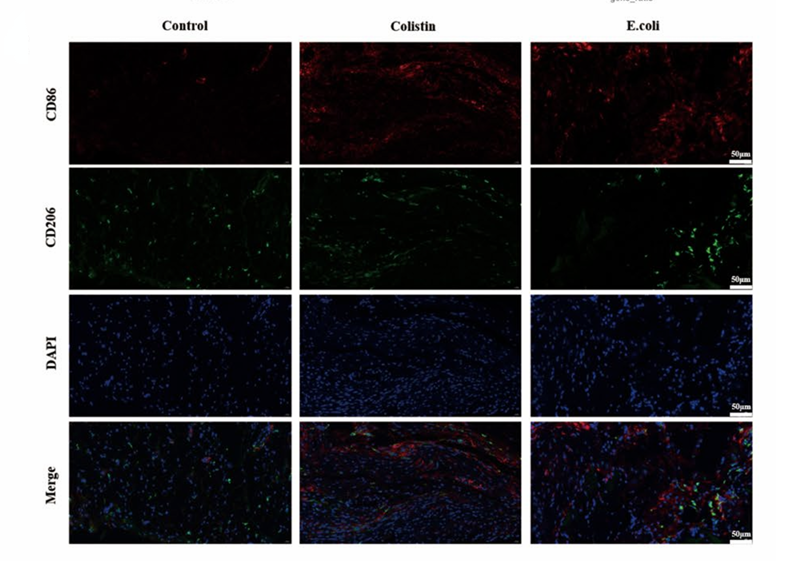
Colistin sulfate (150 mg/L; 12 weeks). IFP-SM IF revealed that the expression of CD86 increased in the colistin and E. coli groups.
-
Sci Rep
Penfluridol synergizes with colistin to reverse colistin resistance in Gram-negative bacilli. [Abstract]2025 May 8;15(1):16114. PMID: 40341530 -
Microorganisms
Antimicrobial Resistance and Genomic Characteristics of Escherichia coli Strains Isolated from the Poultry Industry in Henan Province, China. [Abstract]2024 Mar 13;12(3):575. PMID: 38543626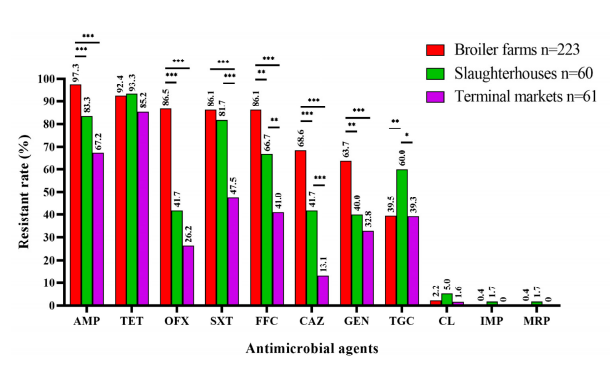
Colistin sulfate purchased from MedChemExpress. Usage Cited in: Microorganisms. 2024 Mar 13;12(3):575. [Abstract]
Percentages of E. coli strains showing antimicrobial resistance to different antimicrobial agents. AMP, Ampicillin; CAZ, Ceftazidime; IPM, Imipenem; MRP, Meropenem; GEN, Gentamicin; OFX, Ofloxacin; SXT, Trimethoprim–sulfamethoxazole; TET, Tetracycline; TGC, Tigecycline; CL, Colistin; FFC, Florfenicol.
-
Antimicrob Agents Chemother
Activity of ampicillin-sulbactam, sulbactam-durlobactam, and comparators against Acinetobacter baumannii-calcoaceticus complex strains isolated from respiratory and bloodstream sources: results from ACNBio study. [Abstract]2025 Aug 6;69(8):e0037925. PMID: 40673757 -
Microbiol Spectr
Antimicrobial activity of sulbactam-durlobactam against Acinetobacter baumannii-calcoaceticus complex strains causing non-respiratory and non-bloodstream infections from the United States (2023-2025). [Abstract]2026 Mar 23:e0328925. PMID: 41869812 -
Hum Exp Toxicol
Effect of taxifolin/dapagliflozin combination on colistin-induced nephrotoxicity in rats. [Abstract]2021 Oct;40(10):1767-1780. PMID: 33882723 -
-
-
Anim Dis
Pasteurella multocida capsular: lipopolysaccharide types D:L6 and A:L3 remain to be the main epidemic genotypes of pigs in China. [Abstract]2021;1(1):26. PMID: 34778886 -
-
PLoS One
LubriShieldTM-A permanent urinary catheter coating that prevents uropathogen biofilm formation in vitro independent of host protein conditioning. [Abstract]2025 Jul 10;20(7):e0328167. PMID: 40638652 -
Vet Microbiol
Discovery of the tigecycline resistance gene cluster tmexCD3-toprJ1 in Pasteurella multocida strains isolated from pigs in China. [Abstract]2024 May:292:110046. PMID: 38471428 -
J Antibiot (Tokyo)
In vitro assessment of the synergistic effects of cefotaxime, colistin, and fosfomycin combinations against foodborne resistant Escherichia coli and Salmonella isolates. [Abstract]2025 Mar;78(4):265-273. PMID: 39910346 -
J Antibiot (Tokyo)
In vitro activity of eravacycline in combination with colistin against carbapenem-resistant A. baumannii isolates. [Abstract]2019 Aug;72(8):600-604. PMID: 31028352 -
-
J Microbiol Methods
Comparison of agar-based and checkerboard methods to assess phage-antimicrobial synergy in Pseudomonas aeruginosa. [Abstract]2026 Feb 25:107441. PMID: 41759663 -
-
-


Solvent & Solubility
In Vitro:
H2O : 50 mg/mL (Need ultrasonic)
DMSO : < 1 mg/mL (insoluble or slightly soluble)
In Vivo:
For the following dissolution methods, please prepare the working solution directly:
It is recommended to prepare fresh solutions and use them promptly within a short period of time.
The percentages shown for the solvents indicate their volumetric ratio in the final prepared solution. If precipitation or phase separation occurs during preparation, heat and/or sonication can be used to aid dissolution.
Add each solvent one by one: PBS
Solubility: 50 mg/mL; Clear solution; Need ultrasonic


Purity & Documentation
-
Data Sheet (277 KB)
-
SDS (480 KB)
- English - EN (480 KB)
- Français - FR (480 KB)
- Deutsch - DE (480 KB)
- Norwegian - NO (480 KB)
- Español - ES (480 KB)
- Swedish - SV (480 KB)
- Italian - IT (480 KB)
- Korean - KR (480 KB)
- Portuguese - PT (480 KB)
-
Handling Instructions (2659 KB)
References
[1]. Hancock RE et al. Peptide antibiotics. Antimicrob Agents Chemother. 1999 Jun;43(6):1317-23. [Content Brief]
[2]. Li J, et al. In vitro pharmacodynamic properties of colistin and colistin methanesulfonate againstPseudomonas aeruginosa isolates from patients with cystic fibrosis. Antimicrob Agents Chemother. 2001 Mar;45(3):781-5. [Content Brief]
[3]. W S Yapa S, et al. Population pharmacokinetics of colistin methanesulfonate in rats: achieving sustained lung concentrations of colistin for targeting respiratory infections. Antimicrob Agents Chemother. 2013 Oct;57(10):5087-95. [Content Brief]
[4]. Fleury MA, et al. Impact of two different colistin dosing strategies on healthy piglet fecal microbiota. Res Vet Sci. 2016 Aug;107:152-60. [Content Brief]

Calculators
Concentration (start) × Volume (start) = Concentration (final) × Volume (final)


Colistin sulfate Related Classifications
HY-A0089 Related Classifications
 Powered by Bioz