



Simaroubaceae
-
- Brucea javanicai> (L.) Merr. (36)
- Picrasma quassioidesi>(D.Don)Benn. (22)
- Ailanthus altissimai> (Mill.) Swingle (17)
- Brucea antidysentericai> J.F.Mill. (4)
- Picrasma chinensisi> P. Y. Chen (4)
- Eurycoma harmandianai> Pierre (2)
- Picrasma crenatai> (Vell.) Engl. (2)
- Quassia amarai>L. (2)
- Quassia undulatai> (Guill. & Perr.) D.Dietr. (1)
- Simarouba amarai> Aubl. (1)
- Simarouba glaucai> DC. (1)
-
Simaroubaceae (99)

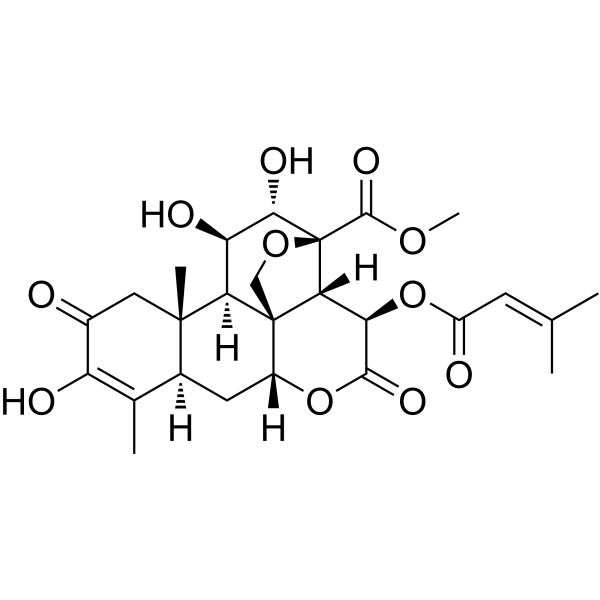
- Formula: C26H32O11
- Molecular Weight: 520.53
Brusatol (NSC 172924) is a unique inhibitor of the Nrf2 pathway that sensitizes a broad spectrum of cancer cells to Cisplatin and other chemotherapeutic agents. Brusatol enhances the efficacy of chemotherapy by inhibiting the Nrf2-mediated defense mechanism. Brusatol can be developed into an adjuvant chemotherapeutic agent. Brusatol increases cellular apoptosis.
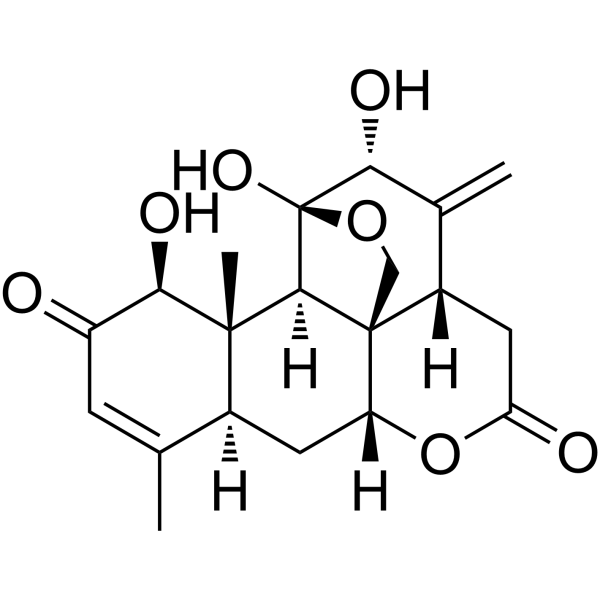
- Formula: C20H24O7
- Molecular Weight: 376.40
Ailanthone (Δ13-Dehydrochaparrinone) is a potent inhibitor of both full-length androgen receptor (AR) (IC50=69 nM) and constitutively active truncated AR splice variants (AR1-651 IC50=309 nM).
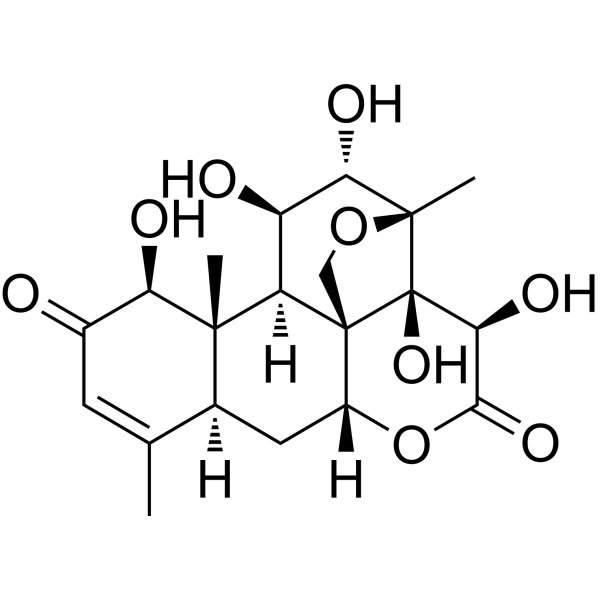
- Formula: C20H26O9
- Molecular Weight: 410.42
Bruceine D is a Notch inhibitor with anti-cancer activity and induces apoptosis in several human cancer cells. Bruceine D is an effective botanical insect antifeedant with outstanding systemic properties, causing potent pest growth inhibitory activity. Bruceine D has strong anthelmintic activity against D. intermedius with an EC50 value of 0.57 mg/L.
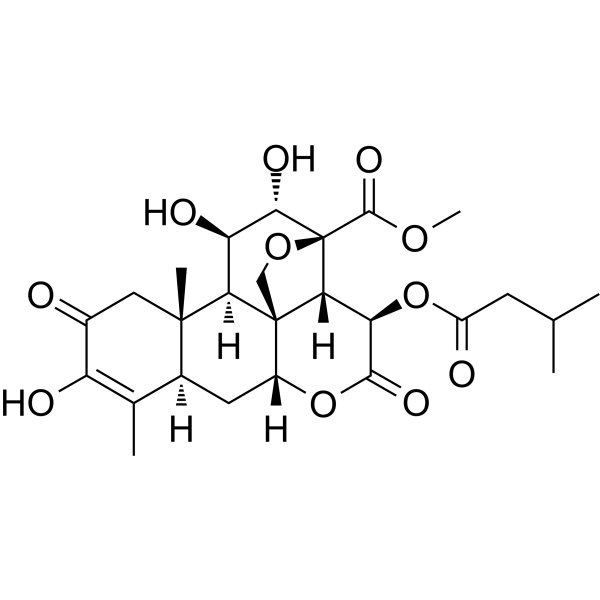
- Formula: C26H34O11
- Molecular Weight: 522.54
Bruceine A (Dihydrobrusatol) is a natural quassinoid. Bruceine A is an inhibitor of parasites, NF-κB, and PFKFB4 (Kd: 44 nM). Bruceine A is an activator of P38α MAPK. Bruceine A has antiparasitic activity. Bruceine A has antitumor activity and inhibits cancer cell migration. Bruceine A blocks the cell cycle and induces apoptosis. Bruceine A can be used in parasites, pancreatic cancer, and breast cancer research.
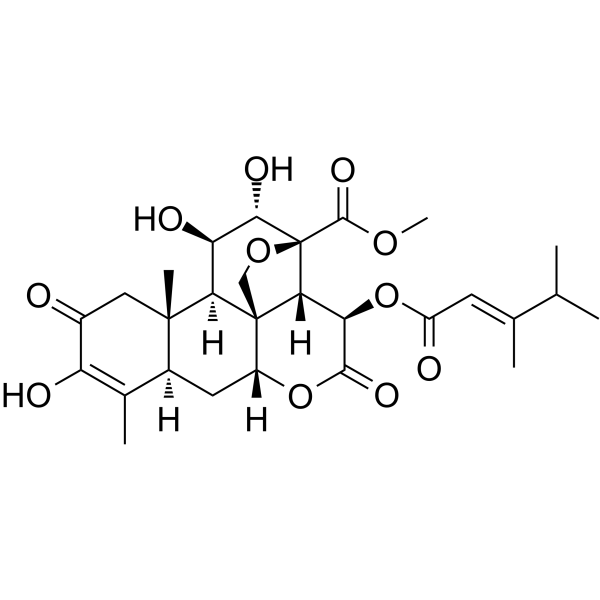
- Formula: C28H36O11
- Molecular Weight: 548.58
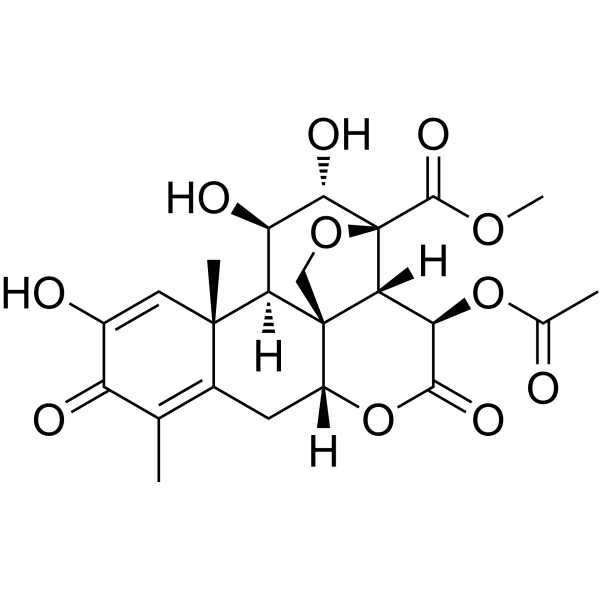
- Formula: C23H26O11
- Molecular Weight: 478.45
Dehydrobruceine B, a quassinoid, can be isolated from Brucea javanica. Dehydrobruceine B shows a synergistic effect with Cisplatin (HY-17394) to induce apoptosis via mitochondrial method. Dehydrobruceine B increases apoptosis-inducing factor (AIF) and Bax expression and suppresses Keap1-Nrf2.

- Formula: C22H30O7
- Molecular Weight: 406.47
Amarolide 11-acetate is a quassinoid, can be found in the barks of Ailanthus altissima.Amarolide 11-acetate exhibits nearly inactive cytotoxicity against human hepatoma cells.

- Formula: C21H26O7
- Molecular Weight: 390.43
Altissimacoumarin F (Compound 4) is a terpenylated coumarin. Altissimacoumarin F can be isolated from the stem bark of Ailanthus altissima. Altissimacoumarin F enhances SIRT1 activity, decreases p53 transcriptional activity. Altissimacoumarin F can be used for the research of age-related disorders.
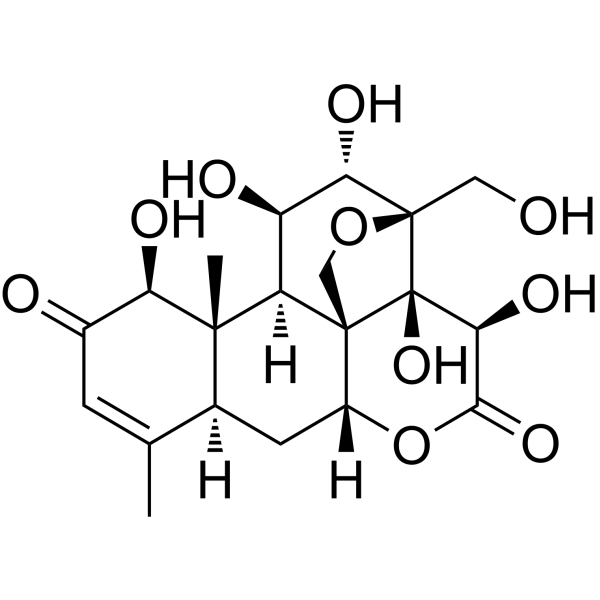
- Formula: C20H26O10
- Molecular Weight: 426.41
Yadanziolide A, isolated from the cultivated dry seeds of Brucea javanica, has strong antiviral activities with IC50 of 5.5 μM against tobacco mosaic virus. Yadanziolide A shows significant antitumor effects.
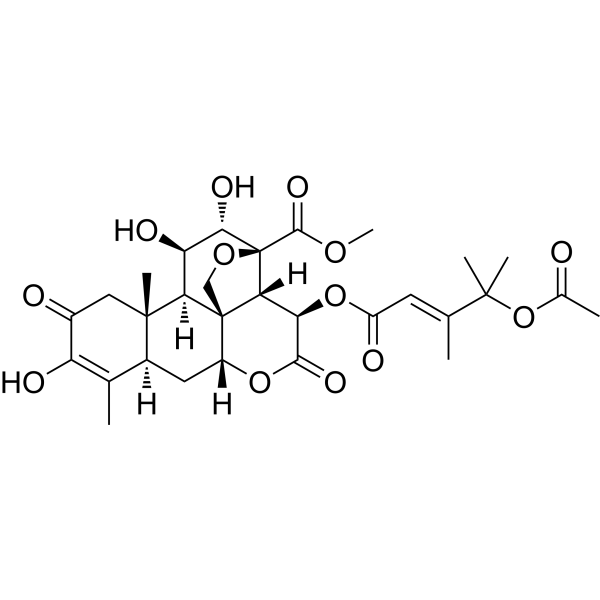
- Formula: C30H38O13
- Molecular Weight: 606.61
Bruceantinol is a quassinoid that can be isolated from Brucea javanica, inhibits pepper mottle virus (PepMoV) in pepper. Bruceantinol is a STAT3 inhibitor demonstrating potent antitumor activity in in vitro and in vivo human colorectal cancer (CRC) models. Bruceantinol has potent anti-leukemic activity. Bruceantinol strongly inhibits STAT3 DNA-binding ability (IC50 = 2.4 pM), blocks the constitutive and IL-6-induced STAT3 activation, and suppresses transcription of MCL-1, PTTG1, survivin and c-Myc. Bruceantinol binds with CDK2/4/6 to facilitate protein degradation through proteasome pathway. Bruceantinol can dose- and time-dependently reduces the cell growth, impede cell proliferation, disrupts the cell cycle, and induces necrosis in MCF-7 cells and apoptosis in MDA-MB-231 cells.
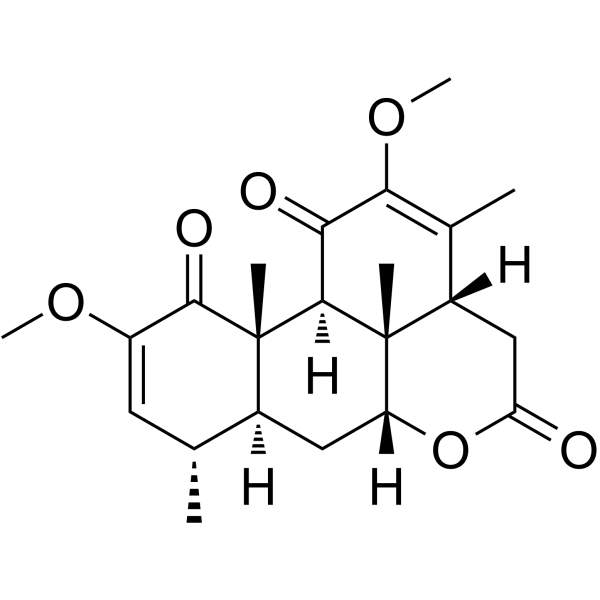
- Formula: C22H28O6
- Molecular Weight: 388.45
Quassin (Nigakilactone D) is a bioactive triterpenoid from stem bark extract of Quassia amara. Quassin inhibits P. falciparum with an IC50 of 0.15 μM. Quassin possesses reversible antifertility, anti-estrogenic and anti-plasmodial activity.
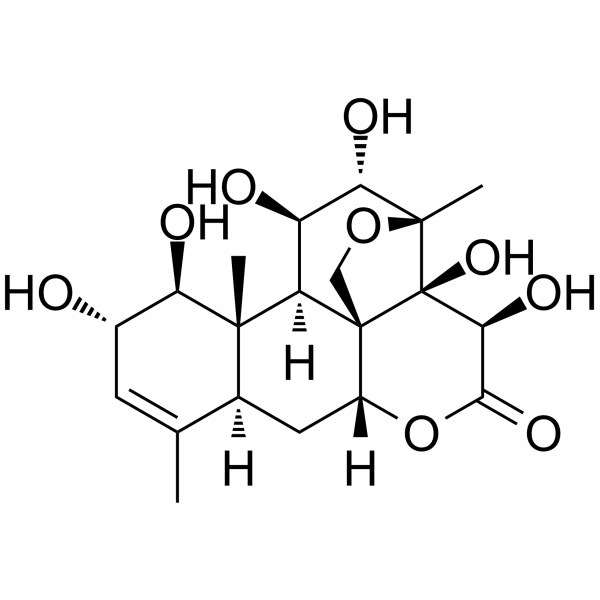
- Formula: C20H28O9
- Molecular Weight: 412.43
Bruceine E is a quassinoid from seeds of Brucea javanica (L.) Merr, exhibiting hypoglycemia effect. Bruceine E exhibits blood glucose lowering effect in both nondiabetic mice and Streptozotocin (STZ (HY-13753))-induced diabetic rats at lower dose.

- Formula: C12H8N2O
- Molecular Weight: 196.21
1-Formyl-beta-carboline is an alkaloid with inhibitory activity against Newcastle disease virus (NDV). 1-Formyl-beta-carboline can effectively inhibit different genotypes of NDV with IC50 values within 10 μM, and its inhibition rate is more than 90% at a concentration of 20 μM. 1-Formyl-beta-carboline mainly exerts its effects by inhibiting the adsorption and entry processes in the NDV life cycle. 1-Formyl-beta-carboline has been identified as a novel HN inhibitor that can directly interact with the NDV HN protein and affect the adsorption of NDV. 1-Formyl-beta-carboline also inhibits the entry of NDV by inhibiting the PI3K/Akt signaling pathway rather than the ERK pathway.
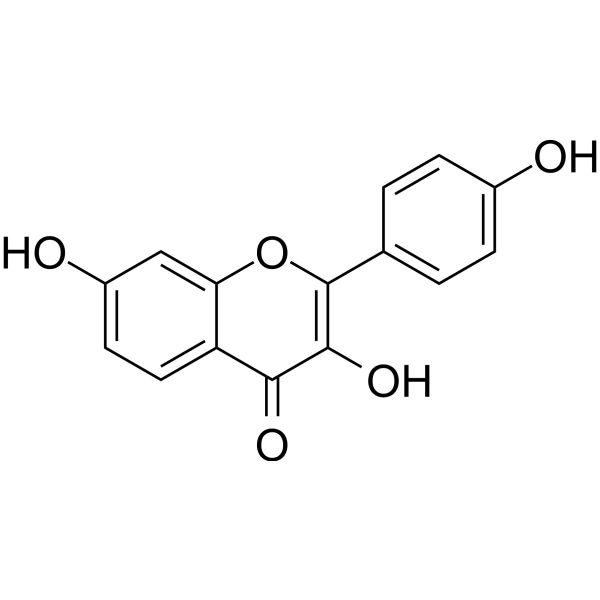
- Formula: C15H10O5
- Molecular Weight: 270.24
3,7,4'-Trihydroxyflavone (5-Deoxykampferol) is a flavonoid compound that can be isolated from the stems of Rhus javanica var. roxburghiana. 3,7,4'-Trihydroxyflavone has the effect of cleaving DNA in the presence of copper ions. 3,7,4'-Trihydroxyflavone also has anti-inflammatory and antioxidant activities and can scavenge various reactive oxygen species (ROS) and reactive nitrogen species (RNS).
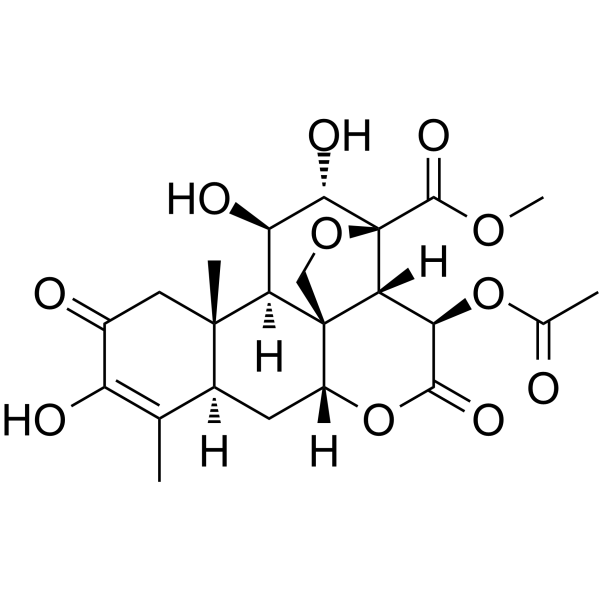
- Formula: C23H28O11
- Molecular Weight: 480.46
Bruceine B inhibits protein synthesis and nucleic acid synthesis.
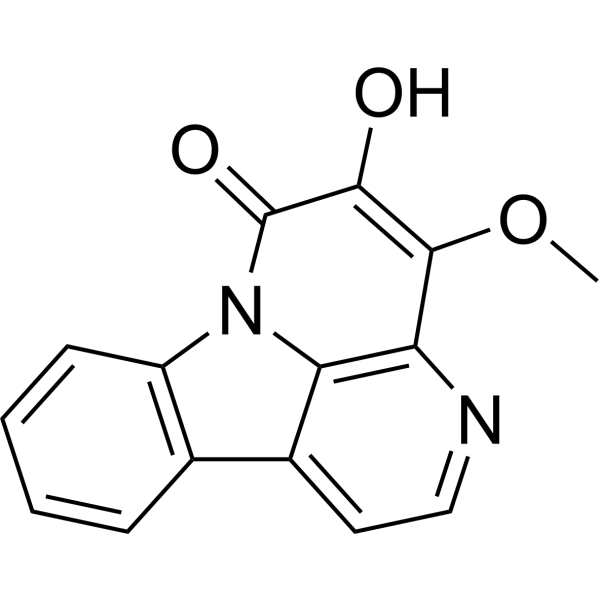
- Formula: C15H10N2O3
- Molecular Weight: 266.25
Nigakinone is an orally active FXR agonist and NLRP3 inhibitor. Nigakinone suppresses bile acid-induced inflammation and cell damage, regulates the bile acid profile, and alleviates intestinal mucosal barrier injury. Nigakinone synergizes with Irinotecan (HY-16562) to inhibit the proliferation and migration of colorectal cancer cells as well as the growth of subcutaneous xenograft tumors. Nigakinone can be used in research related to ulcerative colitis and colorectal cancer.
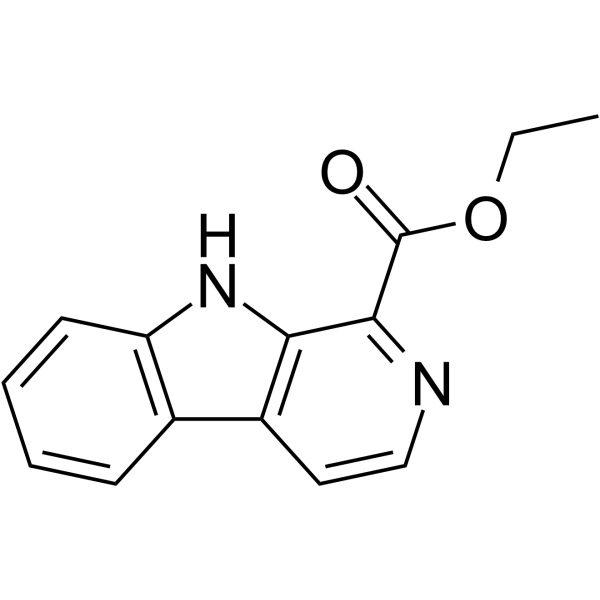
- Formula: C14H12N2O2
- Molecular Weight: 240.26
Kumujian A (1-Ethoxycarbonyl-β-carboline), an anti-inflammatory agent, inhibits both superoxide anion generation (IC50 = 4.87 μg/mL) and elastase release (IC50 = 6.29 μg/mL).
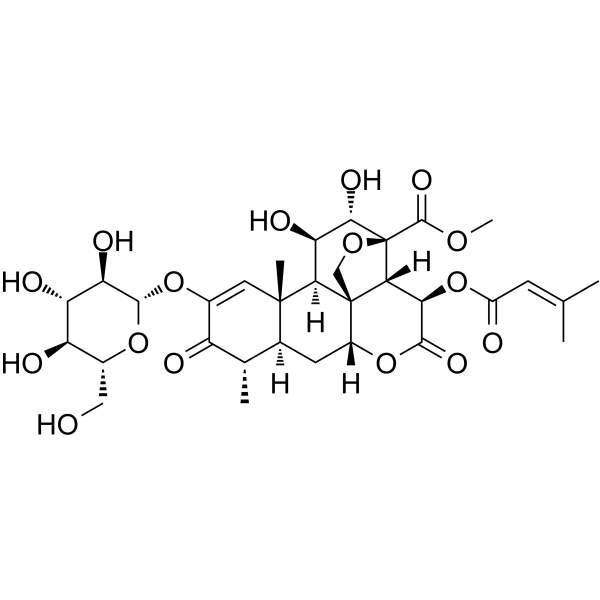
- Formula: C32H42O16
- Molecular Weight: 682.67
Bruceoside A, an abundant quassinoid glycoside in Fructus Bruceae, possesses anti-cancer activity.
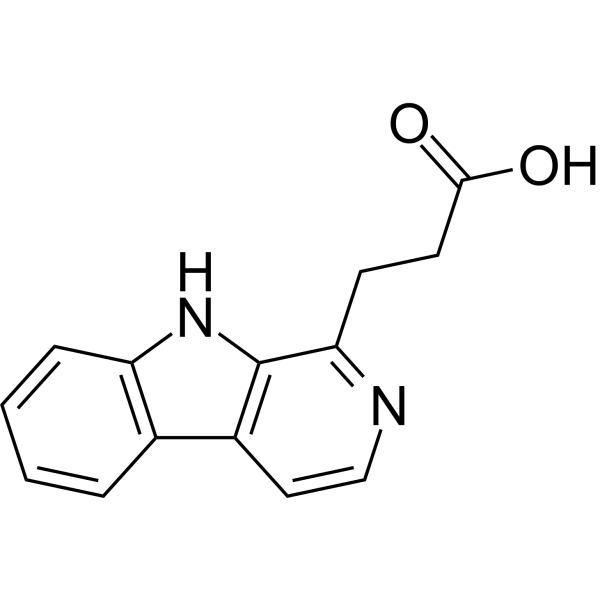
- Formula: C14H12N2O2
- Molecular Weight: 240.26
β-Carboline-1-propionic acid is a alkaloid which can be extracted from Ailanthus altissima. β-Carboline-1-propionic acid can be used as an antileishmanial agent.
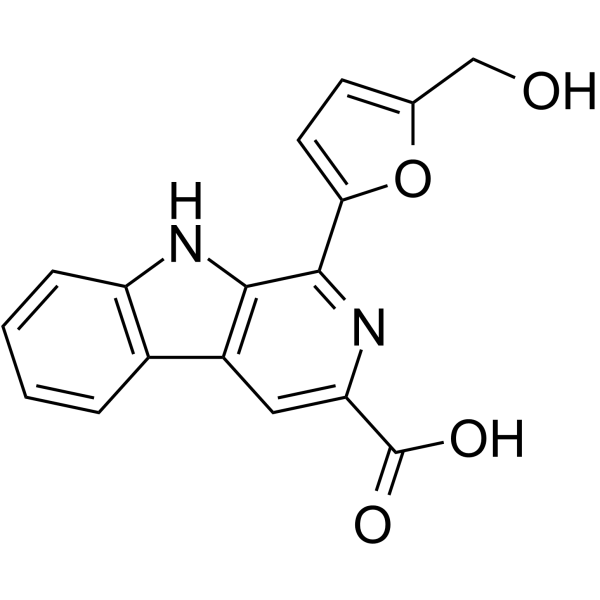
- Formula: C17H12N2O4
- Molecular Weight: 308.29
Flazin is a non-enzymatic protein glycation inhibitor, also inhibits peroxynitrite (ONOO-), with an IC50 value of 85.31 μM for bovine serum albumin (BSA) glycation and an EC50 value of 71.99 μM for ONOO-. Flazin can be used for researching diabetes and neuronal disorders. Flazin also can used as a lipid droplet (LD) regulator against lipid disorders, and a xanthine oxidase (XOD) inhibitor.



