



Polygalaceae Extract
-
- Polygala tenuifolia Willd. Extract (59)
- Polygala japonica Houtt. Extract (10)
- Securidaca inappendiculata Hassk. Extract (7)
- Polygala chinensis Linnaeus Extract (3)
- Polygala sibirica Linn. Extract (3)
- Polygala caudata Rehder & E. H. Wilson Extract (2)
- Polygala fallax Hemsl. Extract (2)
- Polygala paniculata L. Extract (2)
- Polygala tatarinowii Regel Extract (2)
- Monnina sylvatica Schltdl. & Cham. Extract (1)
- Polygala chamaebuxus L. Extract (1)
- Polygala cyparissias A.St.-Hil. & Moq. Extract (1)
- Polygala fruticosa P.J.Bergius Extract (1)
- Polygala hongkongensis Hemsl. Extract (1)
- Polygala nitida Extract (1)
- Polygala senega L. Extract (1)
-
Polygalaceae Extract (97)

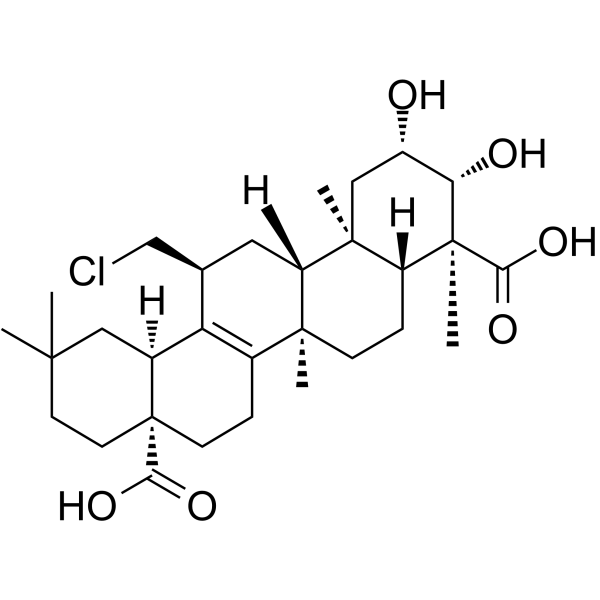
- Formula: C30H45ClO6
- Molecular Weight: 537.13
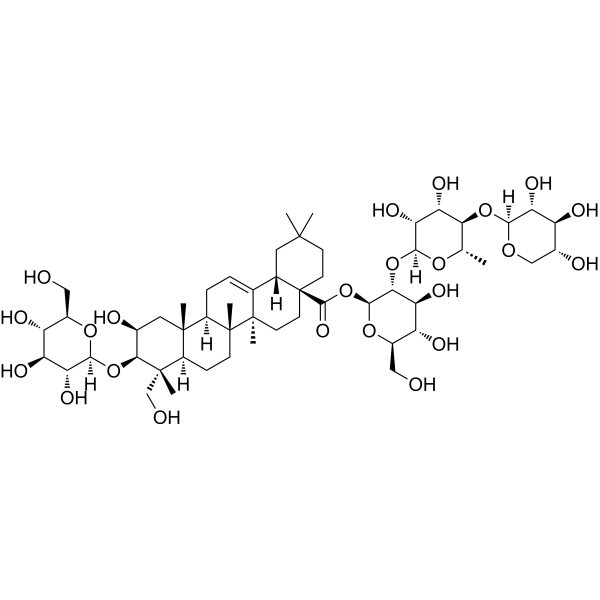
- Formula: C53H86O23
- Molecular Weight: 1091.24
Polygalasaponin F is an orally active triterpenoid saponin monomer. Polygalasaponin F downregulates the expression of Bax, p53, caspase-3, NF-κB p65 and MEK1; restores and upregulates the expression of Bcl-2; activates the PI3K/Akt signaling pathway; inhibits the phosphorylation of p38 MAPK, nuclear translocation of NF-κB, TLR4-mediated signaling pathway, mitophagy (Mitophagy) and ROS production; enhances cell viability and suppresses apoptosis (Apoptosis). Polygalasaponin F maintains mitochondrial function, alleviates Ca2+ overload, upregulates pCREB and BDNF, preserves cell viability and inhibits the release of inflammatory cytokines. Polygalasaponin F alleviates lung injury induced by influenza A H1N1 and cerebral ischemia-reperfusion injury. Polygalasaponin F is applicable to researches related to Parkinson's disease, cerebral ischemia, pneumonia induced by influenza A H1N1, stroke and Alzheimer's disease.
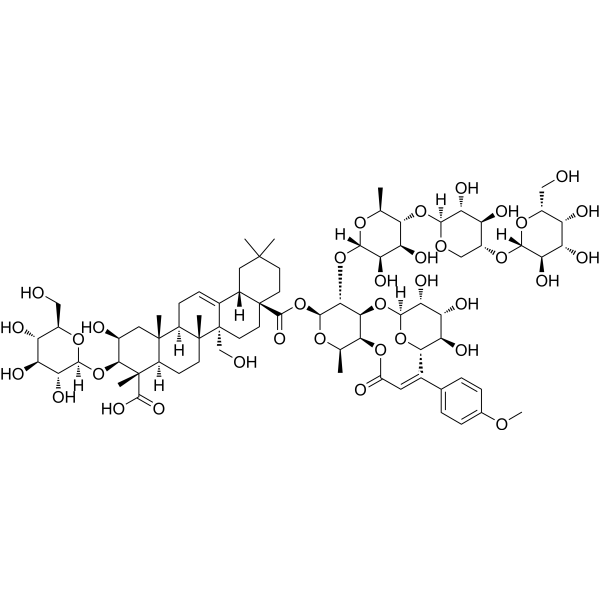
- Formula: C75H112O35
- Molecular Weight: 1573.67
Onjisaponin B is an orally active natural product derived from Polygala tenuifolia. Onjisaponin B inhibits NF-κB p65. Onjisaponin B enhances autophagy and accelerates the degradation of mutant α-synuclein and huntingtin. Onjisaponin B reduces β-amyloid (Aβ) production. Onjisaponin B reduces radiation-induced cell apoptosis. Onjisaponin B has anti-oxidant and anti-inflammatory activities. Onjisaponin B can be used for neurological disease and radiation injury study, and its metabolite tenuifolin (TF) can enter the brain through the BBB.
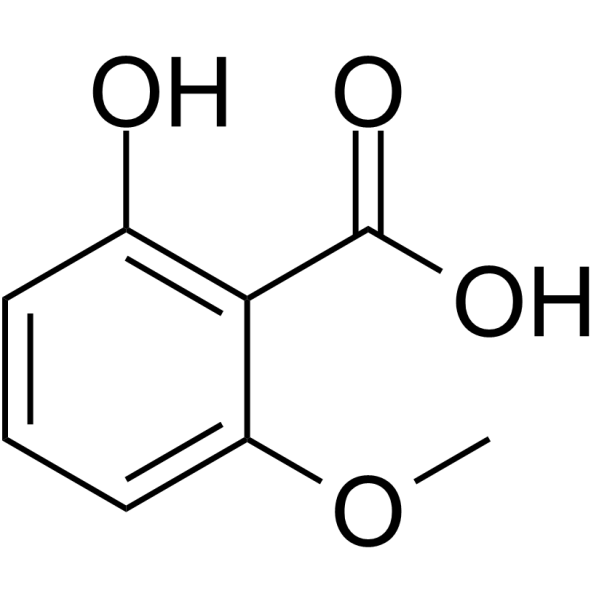
- Formula: C8H8O4
- Molecular Weight: 168.15
2-Hydroxy-6-methoxybenzoic acid (6-Methoxysalicylic acid) is an orally active derivative of Salicylic acid (HY-B0167). 2-Hydroxy-6-methoxybenzoic acid can be isolated from the plant Brickellia veronicifolia. 2-Hydroxy-6-methoxybenzoic acid has analgesic properties.
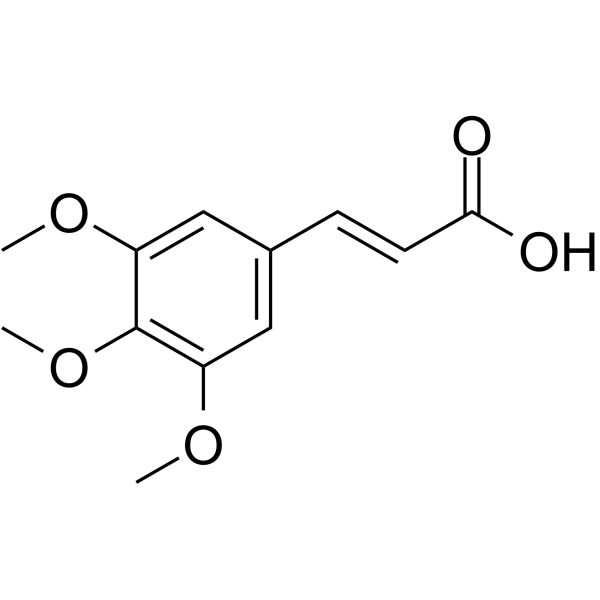
- Formula: C12H14O5
- Molecular Weight: 238.24
3,4,5-Trimethoxycinnamic acid is a phenylpropanoid isolated from the roots of Polygala tenuifolia WILLD, with anti-stress effect, prolonging the sleeping time in animals. 3,4,5-Trimethoxycinnamic acid increases expression of GAD65 and γ-subunit of GABAA receptor, but shows no effect on the amounts of α-, β-subunits.

- Formula: C21H16O7
- Molecular Weight: 380.35
Chinensinaphthol is a lignan. Chinensinaphthol is isolated from Monsonia angustifolia and Monsonia glauca plants. Chinensinaphthol is used in the research of pancreatic cancer and cervical cancer[3[4].

- Formula: C53H86O23
- Molecular Weight: 1091.24
Polygalasaponin F (Standard) is the analytical standard of Polygalasaponin F. This product is intended for research and analytical applications. Polygalasaponin F is an orally active triterpenoid saponin monomer. Polygalasaponin F downregulates the expression of Bax, p53, caspase-3, NF-κB p65 and MEK1; restores and upregulates the expression of Bcl-2; activates the PI3K/Akt signaling pathway; inhibits the phosphorylation of p38 MAPK, nuclear translocation of NF-κB, TLR4-mediated signaling pathway, mitophagy (Mitophagy) and ROS production; enhances cell viability and suppresses apoptosis (Apoptosis). Polygalasaponin F maintains mitochondrial function, alleviates Ca2+ overload, upregulates pCREB and BDNF, preserves cell viability and inhibits the release of inflammatory cytokines. Polygalasaponin F alleviates lung injury induced by influenza A H1N1 and cerebral ischemia-reperfusion injury. Polygalasaponin F is applicable to researches related to Parkinson's disease, cerebral ischemia, pneumonia induced by influenza A H1N1, stroke and Alzheimer's disease.

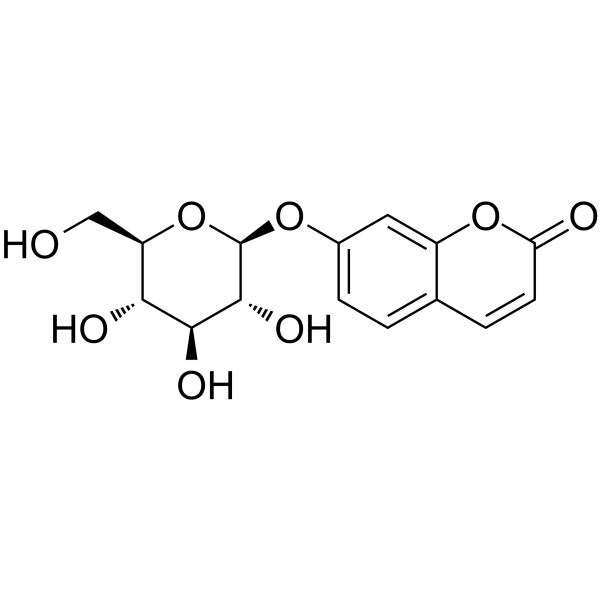
- Formula: C15H16O8
- Molecular Weight: 324.28
Skimmin (Umbelliferone glucoside) is a major pharmacologically active and orally active molecule present in Hydrangea paniculata, a medical herb used in traditional Chinese medicine as an anti-inflammatory agent. Skimmin has renal protective activity. Skimmin can improve creatinine clearance, and reduce plasma creatinine, and kidney injuries. Skimmin has good anti-amoebic activity against the HM1:IMMS strain of Entamoeba histolytica. Skimmin has anti-cancer and neuroprotective activities. Skimmin reduces cardiac fibrosis as well as decreasing TNF-α, IL-6, IL1β, and TGFβ1 in cardiac tissues. Skimmin can be studied in research for diabetes and diabetes-related diseases.
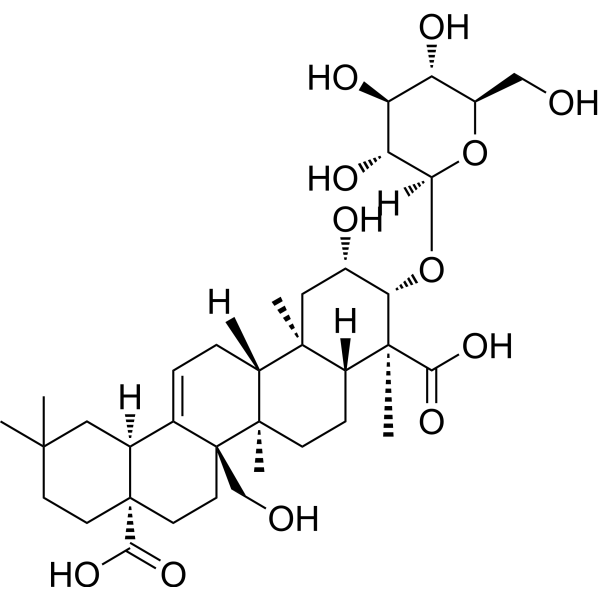
- Formula: C36H56O12
- Molecular Weight: 680.82
Tenuifolin is effective and has a protective action. Tenuifolin inhibits β-secretase decreases Aβ protein secretion, suppresses Aβ25-35 secretion, and subsequently caspase-3 and caspase-9 become active. Tenuifolin's ability to lower AChE activity, increase at the same time, increase the ability of the upper glands, and improve the ability to read and remember. Research on tenuifolin's potential for use in urinary disease (AD).
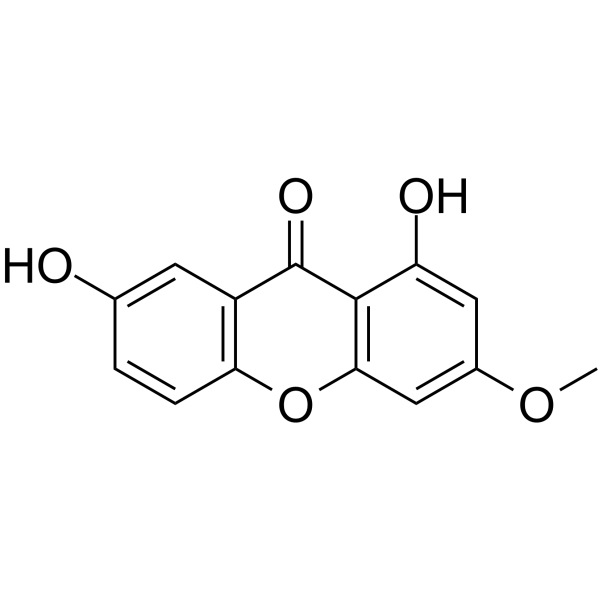
- Formula: C14H10O5
- Molecular Weight: 258.23
Gentisin is a natural compound. Gentisin can be extracted from Gentianae radix (Gentianaceae). Gentisin has mutagenic activity. Gentisin can be used in vascular smooth muscle research.
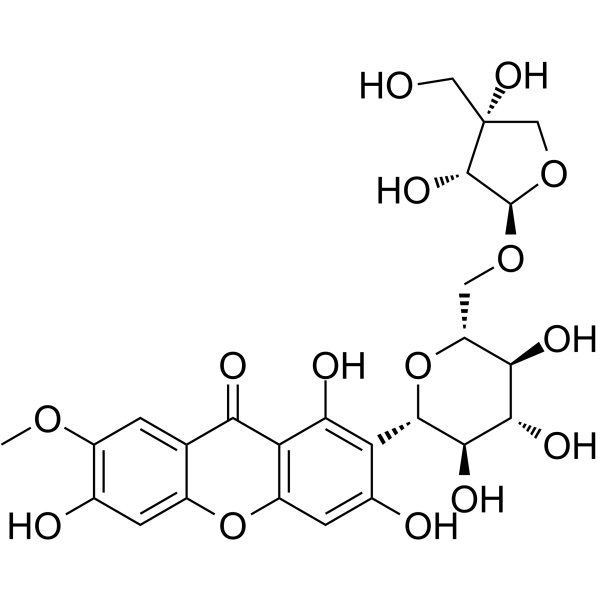
- Formula: C25H28O15
- Molecular Weight: 568.48
Polygalaxanthone III is a representative xanthone component of Polygala tenuifolia. Polygalaxanthone III inhibits chlorzoxazone 6-hydroxylation catalyzed by CYP2E1, with an IC50 of 50.56 μM. Polygalaxanthone III repairs skin damage induced by M. furfur via activating STAT3 phosphorylation and exerts anti-inflammatory effects. Polygalaxanthone III can be used for research on M. furfur-related skin damage.
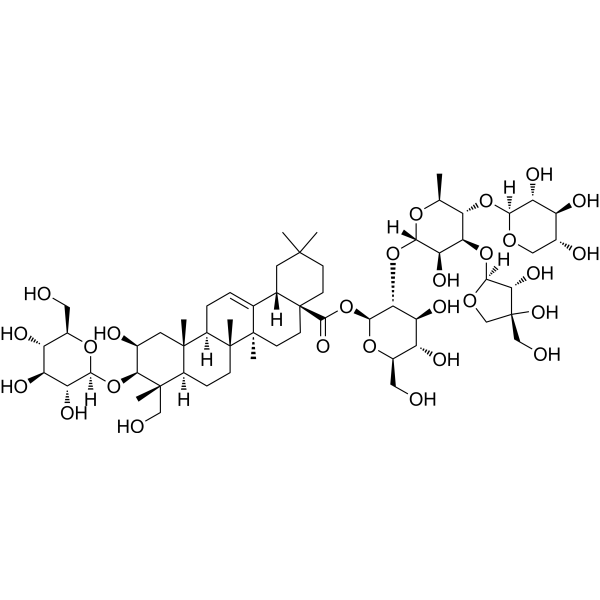
- Formula: C58H94O27
- Molecular Weight: 1223.35
Polygalasaponin V is a triterpenoid saponin isolated from the aerial parts of Polygala japonica. Polygala japonica has been a folk medicine herb used as expectorant, anti-inflammatory, antibacterial and antidepressant agents in the south of China.
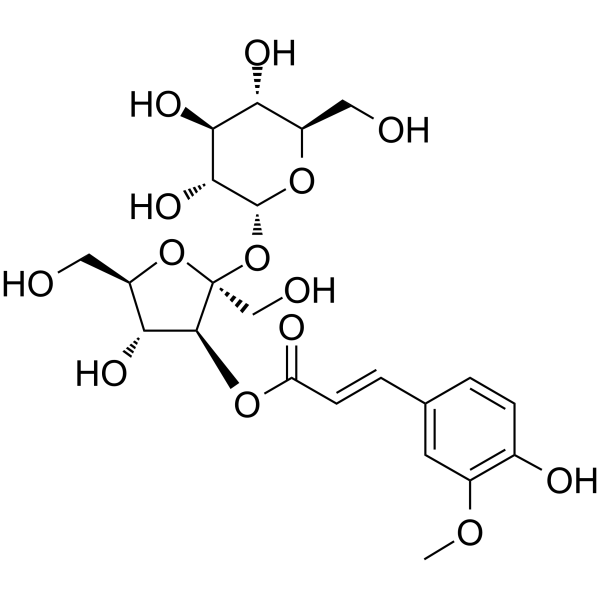
- Formula: C22H30O14
- Molecular Weight: 518.47
Sibiricose A5 is an oligosaccharide ester isolated from Polygalae Radix with potent antioxidant activity.
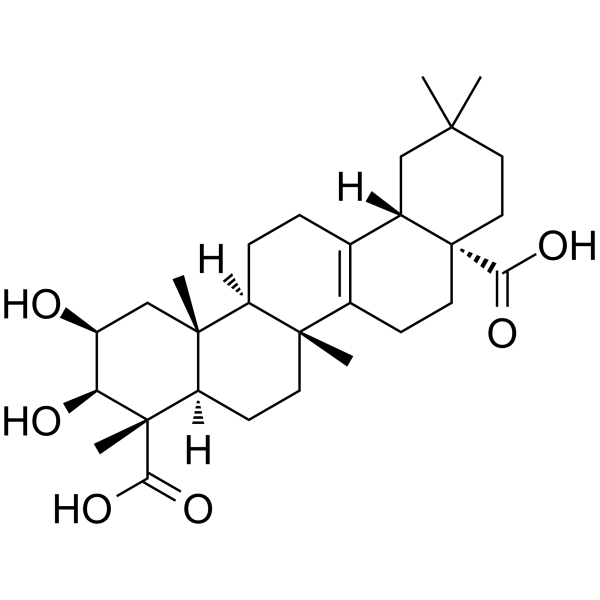
- Formula: C29H44O6
- Molecular Weight: 488.66
Polygalic acid is a polyphenolic acid with neuroprotective effects, and also an inhibitor of African swine fever virus polymerase (AsfvPolX), with an IC50 value of 5.05 μM. Polygalic acid alleviates neuroinflammation by regulating cholinergic activity, and its fecal level decreases in diseased mice. Polygalic acid can be used in research related to painful diabetic peripheral neuropathy complicated with cognitive impairment and African swine fever.
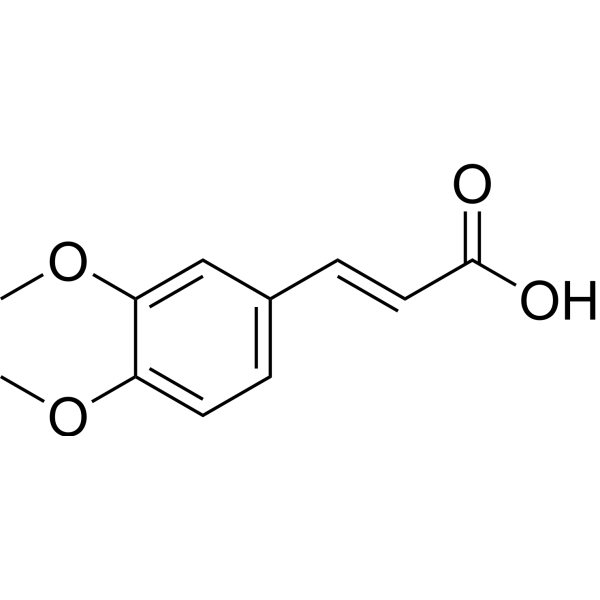
- Formula: C11H12O4
- Molecular Weight: 208.21
3,4-Dimethoxycinnamic acid (O-Methylferulic acid) is a monomer extracted and purified from Securidaca inappendiculata Hassk. 3,4-Dimethoxycinnamic acid exerts anti-apoptotic effects on L-02 cells via the ROS-mediated signaling pathway. Anti-apoptotic effects.
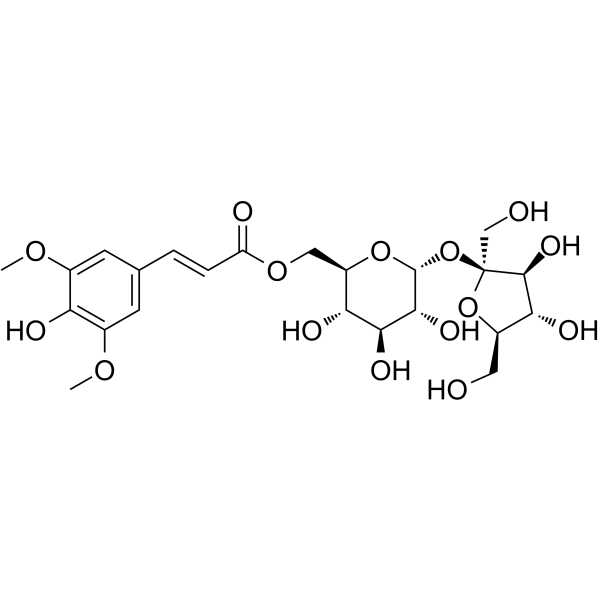
- Formula: C23H32O15
- Molecular Weight: 548.49
Sibiricose A1is an oligosaccharide ester that can be found in Polygala tenuifolia.
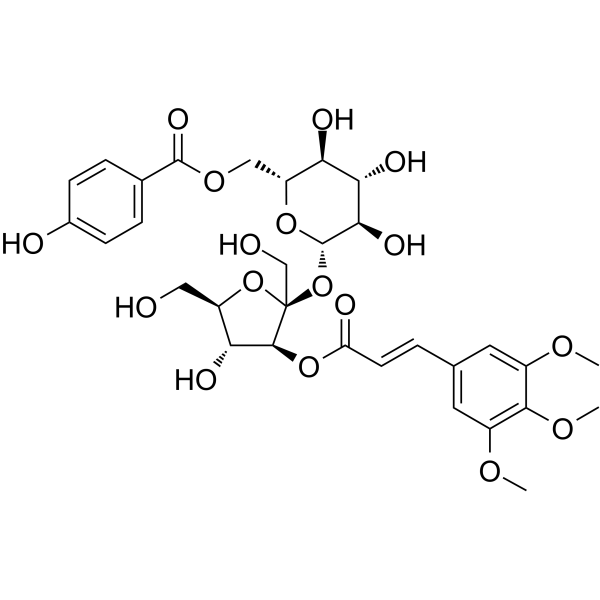
- Formula: C31H38O17
- Molecular Weight: 682.62
Tenuifoliside A is isolated from Polygala tenuifolia, has anti-apoptotic and antidepressant-like effects. Tenuifoliside A exhibits its neneurotrophic effects and promotes cell proliferation through the ERK/CREB/BDNF signal pathway in C6 cells.
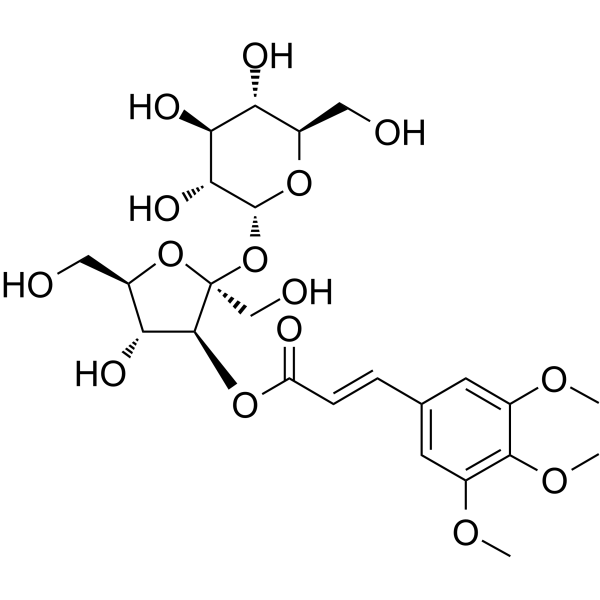
- Formula: C24H34O15
- Molecular Weight: 562.52
Glomeratose A is a lactate dehydrogenase inhibitor, isolated from Polygala tenuifolia.
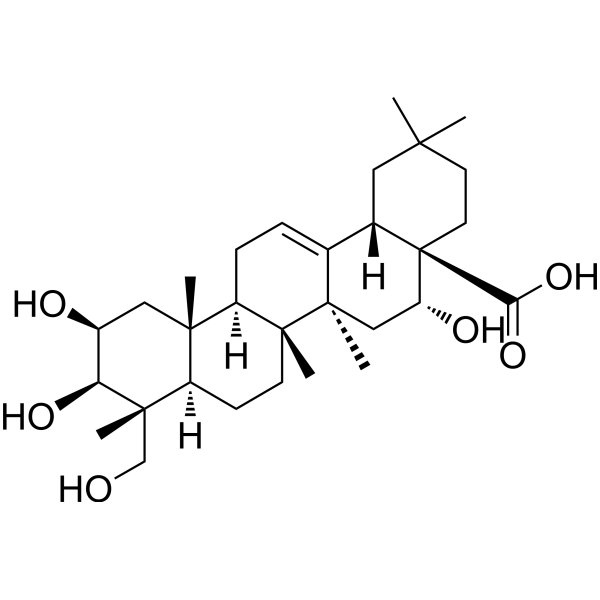
- Formula: C30H48O6
- Molecular Weight: 504.70
Polygalacic acid, is a triterpene, isolated from the root of Polygala tenuifolia Willd. Polygalacic acid inhibits MMP expression. Polygalacic acid may have a therapeutic effect in Osteoarthritis (OA) treatment . Polygalacic acid exerts a significant neuroprotective effect on cognitive impairment, PA improves cholinergic system reactivity by inhibiting acetylcholinesterase (AChE) activity, increasing choline acetyltransferase (ChAT) activity, and elevating levels of acetylcholine (Ach) in the hippocampus and frontal cortex.



